The Definitive Guide to Hazel Leaf Benefits: An Exhaustive Deep Dive into Corylus Avellana’s Healing Power
In the verdant tapestry of nature, countless plants hold secrets to profound health and well-being. Among these, the humble Hazel Leaf, derived from the common hazelnut tree (Corylus avellana), stands out as a remarkable botanical with a rich history in traditional medicine and a burgeoning profile in modern scientific research. Far more than just the progenitor of the beloved hazelnut, the leaves of this resilient tree offer a treasure trove of bioactive compounds that contribute to a spectrum of health advantages. This comprehensive guide delves deep into the multifaceted benefits of Hazel Leaf, exploring its historical significance, intricate chemical composition, and practical applications for enhancing human health.
Botanical Overview and Historical Roots of the Common Hazel
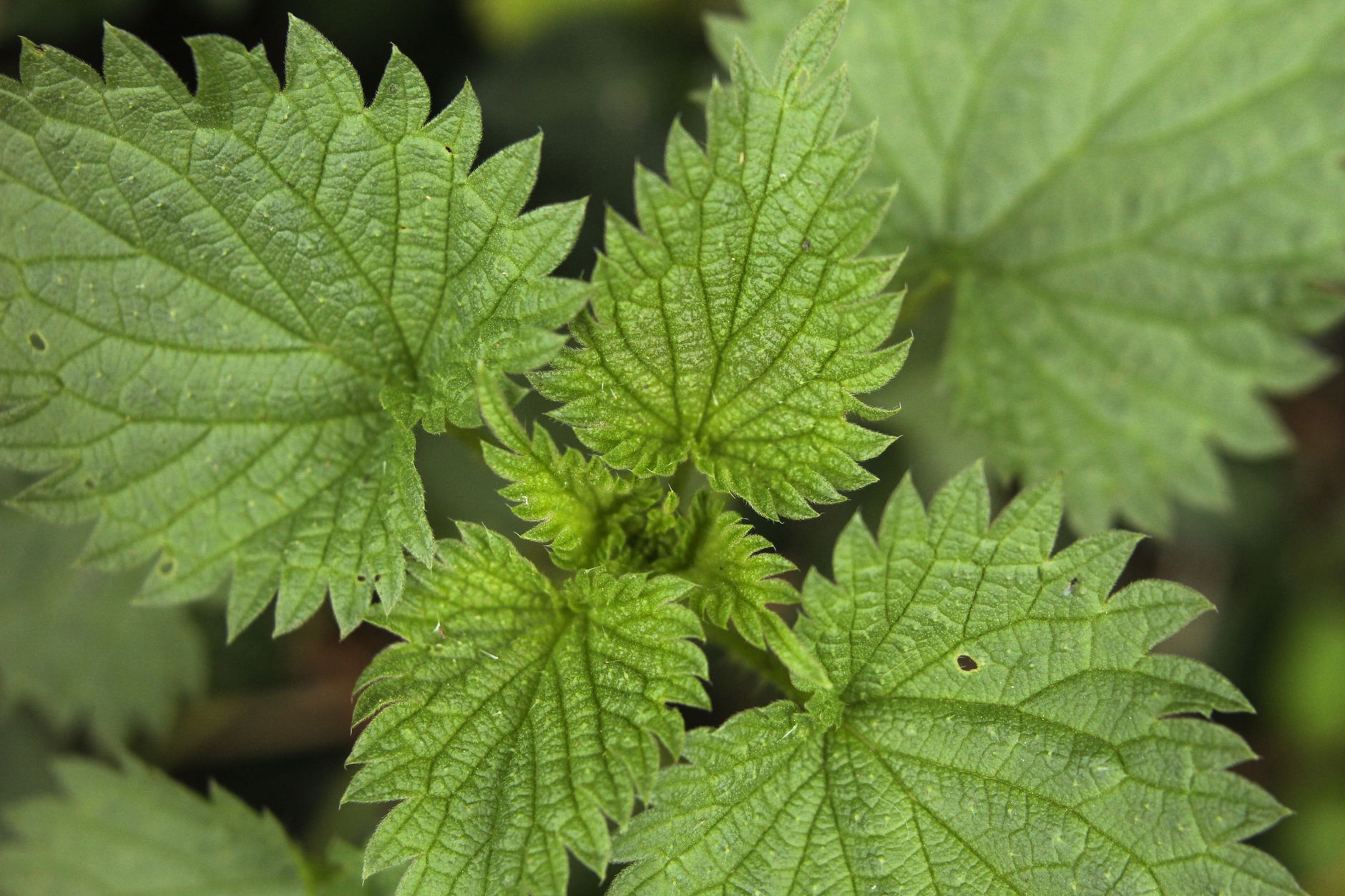
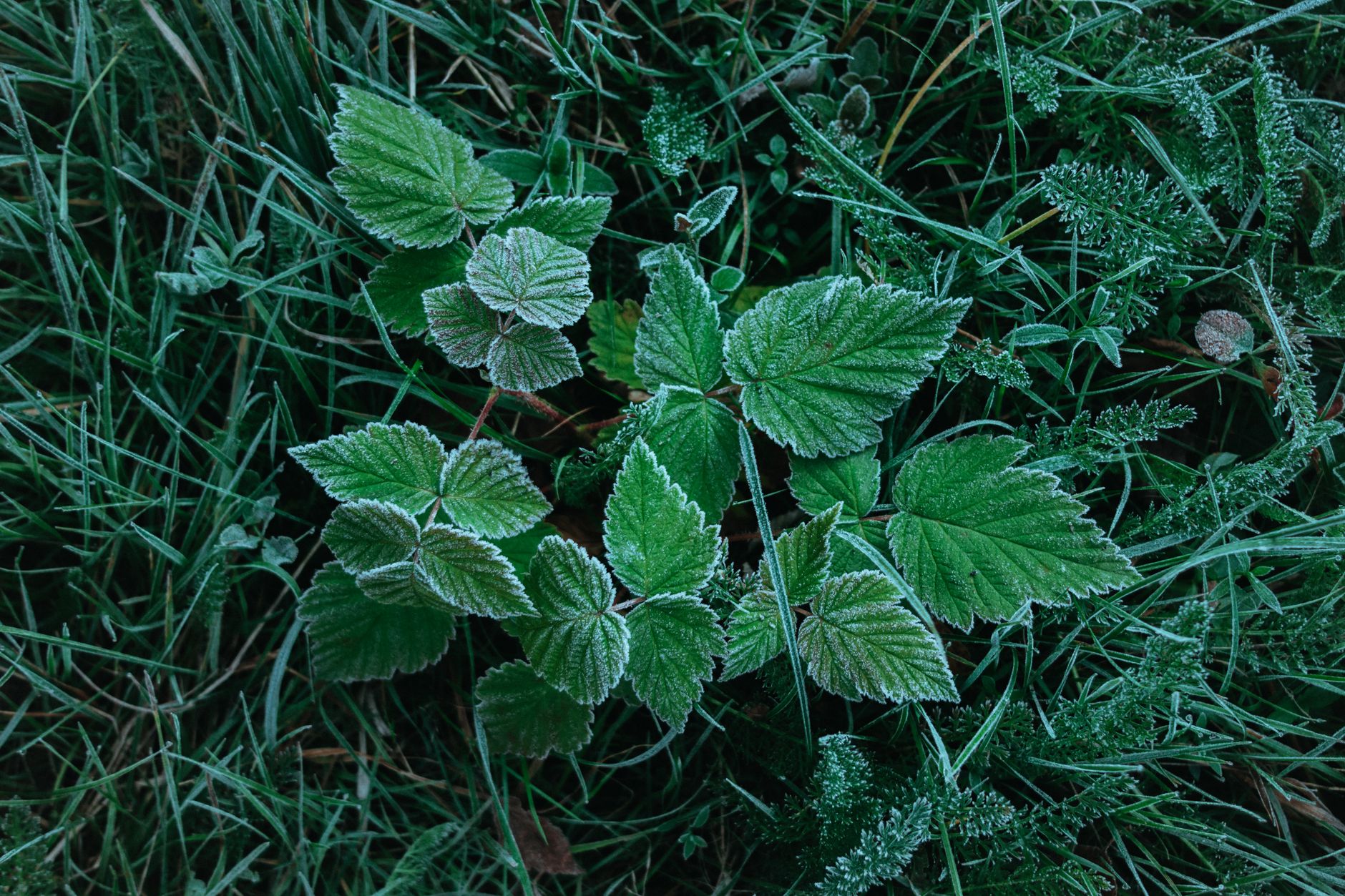
The common hazel, botanically known as Corylus avellana, is a deciduous shrub or small tree native to Europe and Western Asia. Flourishing in woodlands, hedgerows, and garden settings, it is easily recognizable by its broad, ovate, doubly serrated leaves and the distinctive catkins that appear in late winter. While the hazelnut itself has long been celebrated for its nutritional value and culinary versatility, the leaves have historically been overlooked in mainstream discourse, despite their significant role in traditional herbal practices across various cultures. For centuries, herbalists and folk healers have intuitively harnessed the therapeutic properties of hazel leaves, integrating them into remedies for a wide array of ailments.
Ancient texts and oral traditions reveal that hazel leaves were highly valued for their astringent, anti-inflammatory, and circulatory benefits. In European folk medicine, preparations from hazel leaves were commonly used to address varicose veins, hemorrhoids, and other circulatory disturbances, a testament to their perceived venotonic properties. They were also employed as a digestive aid, an external remedy for skin conditions, and even as a general tonic to bolster overall health. The indigenous wisdom surrounding Corylus avellana leaves suggests a profound understanding of their medicinal potential long before the advent of modern pharmacology. This historical reliance underscores the plant’s efficacy and safety profile, having been a trusted natural remedy for generations.
The Bioactive Powerhouse: Unveiling the Chemical Composition of Hazel Leaf
The remarkable health benefits attributed to Hazel Leaf are firmly rooted in its rich and diverse phytochemical profile. Scientific investigations have successfully isolated and identified numerous bioactive compounds that work synergistically to exert their therapeutic effects. Understanding these constituents is crucial for appreciating the depth of Hazel Leaf’s medicinal value.
Flavonoids: Potent Antioxidants and Anti-Inflammatories
Flavonoids are a class of plant metabolites known for their powerful antioxidant and anti-inflammatory properties. Hazel Leaf is particularly abundant in these compounds, including:
- Quercetin: One of the most well-studied flavonoids, quercetin is a formidable antioxidant that helps neutralize free radicals, thereby reducing oxidative stress and cellular damage. It also exhibits potent anti-inflammatory effects by inhibiting various enzymes involved in the inflammatory cascade, such as cyclooxygenase (COX) and lipoxygenase (LOX), and by modulating the production of pro-inflammatory cytokines. This makes quercetin a key player in Hazel Leaf’s ability to alleviate inflammatory conditions.
- Kaempferol: Another prominent flavonoid, kaempferol contributes significantly to the anti-inflammatory and antioxidant capacity of hazel leaves. Research suggests it may also possess anti-cancer properties and support cardiovascular health by improving endothelial function and reducing arterial stiffness.
- Myricetin: While often present in smaller quantities than quercetin and kaempferol, myricetin enhances the overall antioxidant defense system of the body. It has also been investigated for its potential antidiabetic and neuroprotective effects.
- Rutin: A glycoside of quercetin, rutin is particularly known for its vasoprotective properties, strengthening capillary walls and improving microcirculation. This compound is critical for Hazel Leaf’s traditional use in addressing circulatory issues like varicose veins and hemorrhoids.
Tannins: Astringent and Protective Compounds
Tannins are water-soluble phenolic compounds known for their astringent properties, meaning they can bind to proteins and contract tissues. Hazel Leaf contains significant amounts of hydrolyzable tannins, such as gallotannins and ellagitannins. These compounds contribute to several therapeutic actions:
- Astringent Action: This property is particularly beneficial for treating conditions involving excessive fluid loss or inflammation. When applied topically, tannins can help dry out weeping skin conditions, reduce swelling, and constrict blood vessels, making them effective for minor cuts, burns, and venous insufficiency. Internally, their astringency can help to firm up loose stools, making hazel leaf preparations a traditional remedy for diarrhea.
- Antimicrobial Activity: Tannins can inhibit the growth of various bacteria, fungi, and viruses by interfering with their cell walls or metabolic processes. This provides Hazel Leaf with a broad-spectrum protective effect against pathogens.
- Antioxidant Properties: Like flavonoids, tannins also possess antioxidant capabilities, contributing to the overall free radical scavenging capacity of the plant.
Phenolic Acids: Complementary Antioxidants
Beyond flavonoids and tannins, Hazel Leaf also contains a variety of phenolic acids, including caffeic acid and chlorogenic acid. These compounds are powerful antioxidants and contribute to the plant’s anti-inflammatory and potentially anti-diabetic effects. Chlorogenic acid, for instance, is well-known for its ability to modulate glucose metabolism and reduce carbohydrate absorption.
Other Minor Bioactive Compounds
While flavonoids, tannins, and phenolic acids are the primary active constituents, Hazel Leaf also contains triterpenes, phytosterols, and trace amounts of vitamins (such as Vitamin C and B vitamins) and minerals (like potassium, calcium, and magnesium). These minor components contribute to the synergistic effects and overall nutritional value of the leaf, supporting various physiological functions.

In-Depth Health Benefits of Hazel Leaf: A Scientific Exploration
Leveraging its rich array of bioactive compounds, Hazel Leaf offers a compelling profile of health benefits that are increasingly being validated by modern scientific inquiry, echoing centuries of traditional use.
1. Powerful Antioxidant Protection
The abundance of flavonoids and phenolic acids makes Hazel Leaf an exceptional natural antioxidant. These compounds actively scavenge harmful free radicals, which are unstable molecules that contribute to oxidative stress. Oxidative stress is implicated in the pathogenesis of numerous chronic diseases, including cardiovascular disorders, neurodegenerative conditions, certain cancers, and the aging process itself. By neutralizing these free radicals, Hazel Leaf helps to protect cellular integrity, DNA, and essential proteins from damage, thereby supporting overall cellular health and reducing the risk of chronic disease development. The cumulative antioxidant effect of its diverse phytochemicals is far greater than that of isolated compounds, demonstrating a robust protective mechanism.
2. Robust Anti-Inflammatory Effects
Inflammation is a natural immune response, but chronic inflammation underlies a vast number of debilitating conditions. Hazel Leaf exhibits significant anti-inflammatory properties primarily due to its high concentration of quercetin and other flavonoids. These compounds work by interfering with the pathways that initiate and perpetuate inflammation. Specifically, they can inhibit enzymes like COX-1 and COX-2 (the targets of many NSAIDs), reduce the production of pro-inflammatory cytokines such as TNF-α and IL-6, and stabilize mast cells, thereby limiting the release of histamine and other inflammatory mediators. This makes Hazel Leaf a promising natural adjunct for managing conditions like arthritis, inflammatory bowel diseases, asthma, and general aches and pains, offering a gentler alternative or complement to conventional anti-inflammatory treatments.
3. Cardiovascular Health Support and Improved Circulation
The cardiovascular benefits of Hazel Leaf are multifaceted and particularly significant. Rutin, a key flavonoid, is renowned for its ability to strengthen capillary walls and improve vascular elasticity. This vasoprotective action helps to reduce capillary fragility, which is crucial for preventing conditions like varicose veins, spider veins, and hemorrhoids—ailments traditionally treated with hazel leaf preparations. Furthermore, the overall antioxidant and anti-inflammatory effects contribute to endothelial health, ensuring the smooth functioning of blood vessels and reducing the risk of atherosclerosis (hardening of the arteries). By enhancing microcirculation and supporting venous tone, Hazel Leaf aids in maintaining healthy blood flow throughout the body, reducing fluid retention and supporting overall circulatory wellness.
4. Digestive System Health and Astringent Action
The tannins in Hazel Leaf provide potent astringent qualities that are highly beneficial for the digestive system. By binding to proteins in the gut lining, tannins create a protective barrier that reduces inflammation and decreases fluid secretion, which is particularly effective in alleviating diarrhea. This action helps to firm up stools and soothe an irritated intestinal tract. Beyond its anti-diarrheal effects, the anti-inflammatory compounds in hazel leaf can help calm an inflamed gut, offering potential relief for conditions like irritable bowel syndrome (IBS) or mild gastrointestinal discomfort. The antimicrobial properties of tannins also contribute by helping to combat opportunistic pathogens in the gut, promoting a healthier microbial balance.
5. Skin Health and Topical Applications
Hazel Leaf has a long history of external use for various skin conditions, and for good reason. Its astringent, anti-inflammatory, and antimicrobial properties make it an excellent natural remedy for dermatological issues. As an astringent, it can help tighten pores, reduce oiliness, and dry out weeping lesions, making it beneficial for acne, eczema, and minor rashes. The anti-inflammatory compounds soothe irritated skin, reducing redness and swelling. The antimicrobial activity helps to prevent infections in minor cuts, scrapes, and insect bites. When prepared as a compress, poultice, or infused oil, Hazel Leaf can accelerate wound healing, alleviate itching, and provide relief from inflammatory skin conditions, promoting a healthier complexion.
6. Potential for Blood Sugar Regulation
Emerging research suggests that certain compounds in Hazel Leaf, particularly phenolic acids like chlorogenic acid and some flavonoids, may play a role in modulating blood sugar levels. Chlorogenic acid, for instance, has been shown to inhibit glucose-6-phosphatase, an enzyme involved in glucose production in the liver, and to reduce carbohydrate absorption in the gut. While more extensive human trials are needed, these preliminary findings indicate that Hazel Leaf could potentially contribute to strategies for blood sugar management, offering a natural adjunct for individuals looking to support healthy glucose metabolism.
7. Antimicrobial and Antifungal Activity
The tannins and other phytochemicals present in Hazel Leaf exhibit broad-spectrum antimicrobial and antifungal properties. This natural defense mechanism helps the plant protect itself from pathogens, and these benefits can be transferred to human health. Extracts of Hazel Leaf have demonstrated inhibitory effects against various bacteria and fungi, including some common opportunistic pathogens. This makes it a valuable component in traditional remedies for minor infections and underscores its potential as a natural antiseptic for topical applications, as well as an internal protective agent against microbial imbalances.
Practical Ways to Incorporate Hazel Leaf into Your Wellness Routine
Harnessing the benefits of Hazel Leaf can be achieved through various preparations, ranging from simple home remedies to more concentrated supplemental forms. The method of preparation often dictates the concentration and specific compounds extracted, influencing its therapeutic application.
1. Herbal Teas and Infusions
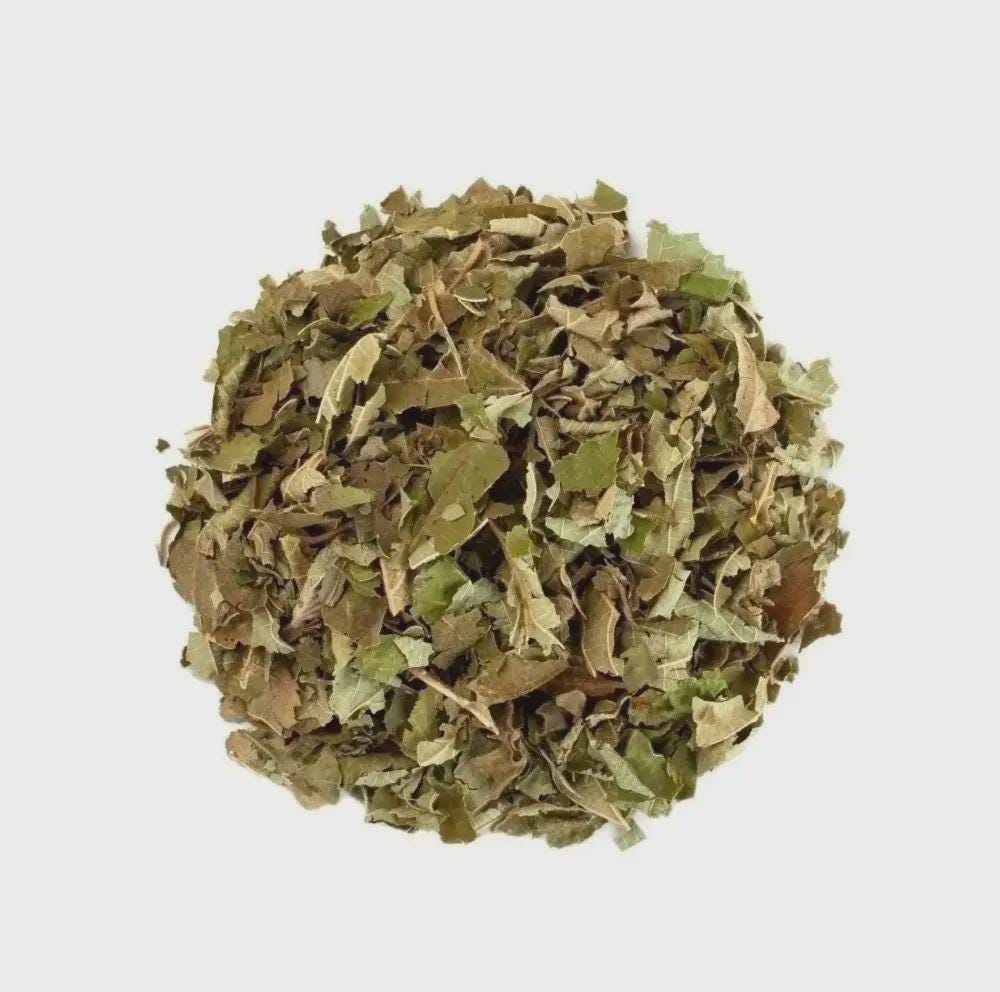
One of the most popular and gentle ways to consume Hazel Leaf is as an herbal tea or infusion. This method is ideal for general wellness, digestive support, and mild inflammatory conditions. To prepare a potent infusion:
- Method: Steep 1-2 teaspoons of dried Hazel Leaf (or 2-3 fresh leaves) in 8 ounces (240ml) of hot, but not boiling, water.
- Steeping Time: Allow to steep for 10-15 minutes, covered, to maximize extraction of beneficial compounds.
- Dosage: Drink 2-3 cups daily. For stronger effects, a decoction can be made by simmering the leaves in water for a longer period.
- Benefits: Supports digestion, provides antioxidant boost, helps with mild inflammation, and contributes to hydration.
2. Tinctures
Tinctures are concentrated liquid extracts made by soaking the leaves in alcohol (or a non-alcoholic glycerin base). They offer a more potent and convenient way to consume Hazel Leaf, as the alcohol effectively extracts a wide range of compounds and acts as a preservative.
- Preparation: While commercially prepared tinctures are readily available, homemade versions involve steeping fresh or dried leaves in a high-proof alcohol for several weeks, shaking daily, and then straining.
- Dosage: Typically, a few drops to 1-2 ml, 2-3 times daily, diluted in water. It’s crucial to follow specific product instructions or consult an herbalist for appropriate dosing.
- Benefits: Ideal for targeted support for circulatory issues, stronger anti-inflammatory action, and systemic benefits.
3. Topical Applications: Poultices, Compresses, and Salves
For skin conditions, localized inflammation, or circulatory issues like varicose veins, topical applications are highly effective.
- Poultice: Crush fresh hazel leaves to form a paste and apply directly to the affected area. Cover with a clean cloth. This is excellent for insect bites, minor wounds, and localized inflammation.
- Compress: Steep dried leaves in hot water to create a strong infusion, then soak a clean cloth in the liquid. Apply the warm, damp cloth to the skin for conditions like eczema, sprains, or tired legs (due to poor circulation).
- Salves/Oils: Infuse hazel leaves in a carrier oil (like olive or almond oil) over low heat for several hours or weeks, then strain. This infused oil can be used directly or combined with beeswax to create a soothing salve for dry skin, minor cuts, or to massage into areas with circulatory discomfort.
4. Hazel Leaf Supplements and Capsules
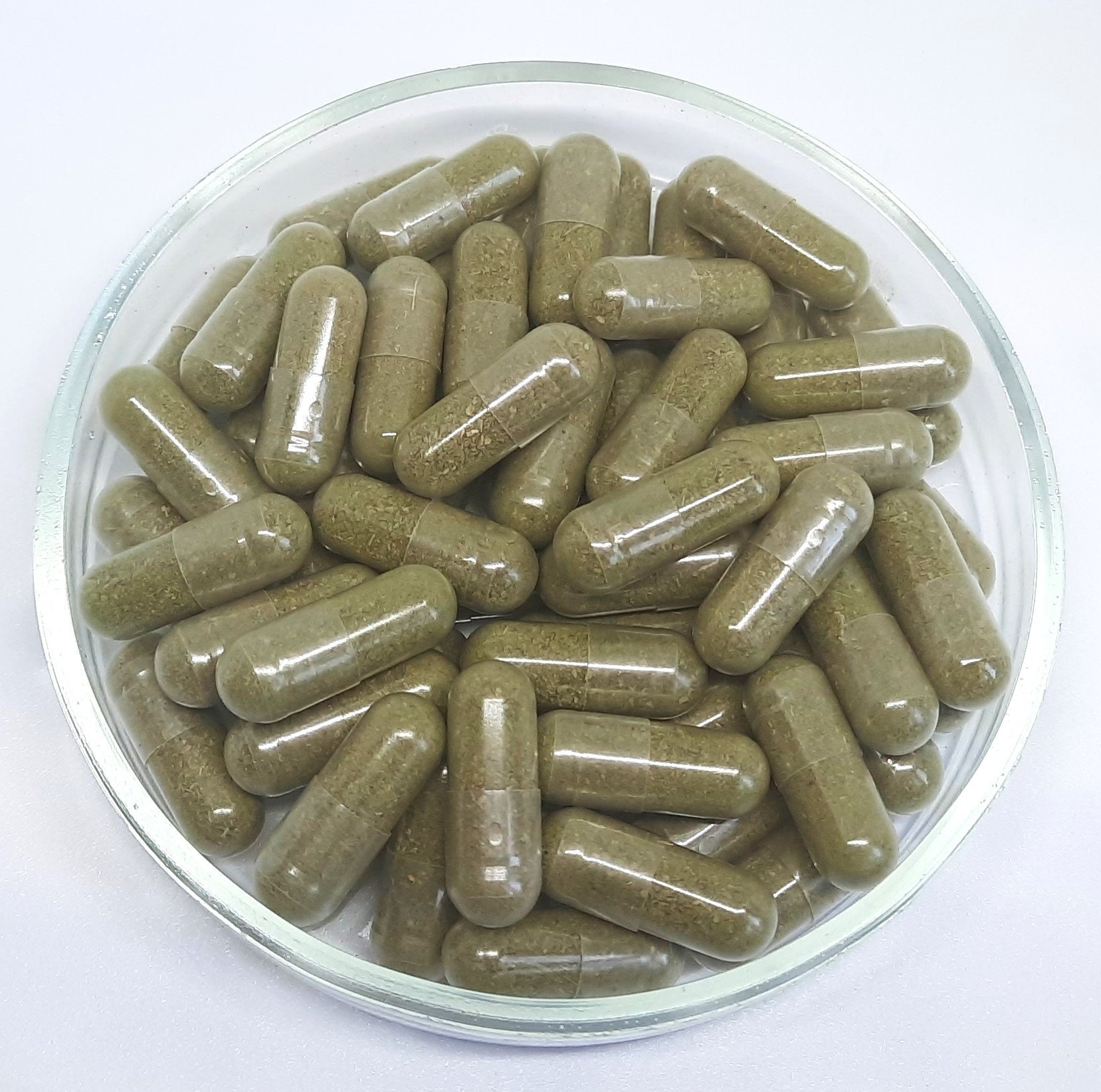
For those seeking a standardized dose or a more convenient option, Hazel Leaf supplements are available in capsule form. These often contain powdered leaf material or concentrated extracts.
- Standardization: Look for products that specify the concentration of active compounds (e.g., flavonoids or tannins) to ensure consistent potency.
- Convenience: Capsules provide a precise and easy way to incorporate Hazel Leaf into a daily routine, especially for systemic benefits.
- Quality: Choose reputable brands that conduct third-party testing for purity and potency.
Dosage and Preparation Guidelines
While Hazel Leaf is generally considered safe for most people, proper dosage and preparation are paramount to ensure efficacy and minimize potential side effects. There is no universally established Recommended Daily Allowance (RDA) for hazel leaf, as it is an herbal remedy, but traditional usage and modern supplemental guidelines offer a framework.
- For Teas/Infusions: Generally, 1-2 teaspoons of dried herb per 8 oz (240 ml) of hot water, steeped for 10-15 minutes, 2-3 times daily. For stronger effects or for a decoction, up to 1 tablespoon per cup, simmered for 5-10 minutes.
- For Tinctures: Dosage can vary significantly based on concentration. A common recommendation is 1-2 ml (20-40 drops) of a 1:5 tincture (1 part herb to 5 parts solvent), 2-3 times a day. Always follow the manufacturer’s instructions or a qualified herbalist’s advice.
- For Capsules/Supplements: Dosage will depend on the concentration of the extract. Typical doses might range from 250mg to 500mg of powdered leaf or standardized extract, 1-3 times daily. Always adhere strictly to the product label.
- Topical Use: As needed, for poultices, compresses, or salves. Monitor skin for any signs of irritation.
It is always advisable to start with the lowest effective dose and gradually increase if needed, while observing your body’s response. Consistency is key when using herbal remedies for chronic conditions.
Potential Side Effects and Precautions
While Hazel Leaf is largely regarded as safe for most individuals, awareness of potential side effects and necessary precautions is crucial:
- Allergies: Individuals with known allergies to hazelnuts or other plants in the Betulaceae family (birch, alder) should exercise caution, as cross-reactivity may occur. Symptoms could include skin rash, itching, or digestive upset.
- Pregnancy and Breastfeeding: Due to a lack of sufficient scientific data, pregnant and breastfeeding women should avoid using Hazel Leaf preparations, or consult with a healthcare professional before use.
- Drug Interactions:
- Blood Thinners: The presence of certain compounds could potentially interact with anticoagulant medications (e.g., Warfarin, Aspirin), increasing the risk of bleeding.
- Diabetes Medications: Given its potential to influence blood sugar levels, individuals on diabetes medication should monitor their glucose carefully and consult their doctor to avoid hypoglycemia.
- Blood Pressure Medications: Hypothetically, compounds affecting circulation might interact with blood pressure drugs.
- Gastrointestinal Upset: In sensitive individuals or at very high doses, the tannins might cause mild stomach upset or constipation, though it is often used to treat diarrhea.
- Consult a Healthcare Professional: Before incorporating Hazel Leaf into your routine, especially if you have underlying health conditions, are taking medications, or are pregnant/breastfeeding, it is imperative to consult with a qualified healthcare provider or a knowledgeable herbalist. They can provide personalized advice and ensure it is appropriate for your specific health needs.
Conclusion: Embracing the Natural Potency of Hazel Leaf
The journey through the health benefits of Hazel Leaf (Corylus avellana) reveals a botanical marvel, deeply rooted in traditional wisdom and increasingly supported by scientific research. From its historical applications as a versatile folk remedy to the modern elucidation of its rich phytochemical profile, hazel leaf stands out as a powerful natural ally for wellness. Its potent antioxidant, anti-inflammatory, and vasoprotective properties make it a valuable resource for supporting cardiovascular health, enhancing digestive function, soothing skin ailments, and bolstering the body’s overall defense mechanisms against oxidative stress and chronic inflammation.
Whether brewed as a comforting tea, prepared as a concentrated tincture, applied topically for skin relief, or taken as a convenient supplement, Hazel Leaf offers a natural, holistic approach to health. As with all powerful natural remedies, informed usage, adherence to recommended dosages, and consultation with healthcare professionals are key to safely unlocking its full therapeutic potential. By integrating this remarkable herb into a well-considered wellness regimen, individuals can reconnect with nature’s profound healing capacity and cultivate a path towards enhanced vitality and well-being.
Disclaimer: For informational purposes only. Not medical advice. Consult a qualified healthcare professional before use.