The Verdant Elixir: Unveiling the Profound Health Benefits of Basil Leaf
From the sun-drenched fields of the Mediterranean to the bustling kitchens of Asia, basil (Ocimum basilicum) stands as a culinary cornerstone, revered for its vibrant aroma and distinct flavor. Yet, beyond its gastronomic appeal, this humble herb, often dubbed the “king of herbs,” possesses an astonishing array of health-promoting properties that have been cherished in traditional medicine systems for millennia. More than just a garnish, basil leaf is a potent source of bioactive compounds that offer therapeutic advantages, ranging from robust antioxidant defense to powerful anti-inflammatory and antimicrobial actions. This exhaustive guide delves into the intricate science behind the health benefits of basil leaf, exploring its rich history, complex chemical composition, and diverse applications, solidifying its status as a true superfood for holistic well-being.
A Journey Through Time: Botanical Profile and Historical Significance
Basil, belonging to the Lamiaceae (mint) family, is scientifically known as Ocimum basilicum. It is an annual herb characterized by its lush, often glossy green leaves, which can vary in size, shape, and even color across its numerous cultivars, including sweet basil, lemon basil, Thai basil, and purple basil. The plant produces small, white or pinkish flowers arranged in terminal spikes and emits a distinctive, aromatic fragrance that is instantly recognizable. Native to tropical regions stretching from central Africa to Southeast Asia, basil has been cultivated for over 5,000 years, making its way to Europe via ancient trade routes.

The name “basil” itself is derived from the Greek word “basilikón,” meaning “royal,” reflecting its esteemed status. In ancient India, basil, particularly its revered cousin Holy Basil or Tulsi (Ocimum sanctum/tenuiflorum), was considered sacred and an embodiment of the goddess Lakshmi, integral to Ayurvedic medicine for its adaptogenic and healing properties. In ancient Egypt, it was used in embalming rituals, while in Roman and Greek cultures, it symbolized love and fertility, respectively. Its journey across continents saw it integrated into various culinary traditions, from Italian pesto to Thai curries, consistently celebrated not just for flavor but for its perceived medicinal virtues, often used to alleviate digestive issues, fevers, and even snake bites.
The Chemical Tapestry: Unveiling Basil Leaf’s Bioactive Compounds
The remarkable health benefits of basil leaf stem from its incredibly rich and complex phytochemical profile. This verdant herb is a veritable pharmacy of bioactive compounds, each contributing to its therapeutic prowess. The most significant contributors to basil’s medicinal properties are its essential oils, flavonoids, polyphenols, and a spectrum of vitamins and minerals. Understanding these components is key to appreciating basil’s multifaceted impact on human health.

1. Essential Oils and Terpenes: The Aromatic Powerhouses
The distinct aroma and many of the pharmacological actions of basil are attributed to its volatile essential oils. The exact composition varies depending on the cultivar, growing conditions, and processing methods, but key compounds include:
- Linalool: A monoterpene alcohol found in high concentrations, particularly in sweet basil. Linalool is renowned for its calming, anxiolytic (anti-anxiety), and sedative properties. It also exhibits anti-inflammatory and analgesic effects, making it a valuable compound for stress relief and pain management.
- Estragole (Methyl Chavicol): This phenylpropene gives basil its characteristic anise-like or sweet aroma. While beneficial in moderation, it has been a subject of toxicological studies, though levels in culinary basil are generally considered safe. It contributes to basil’s antimicrobial activity.
- Eugenol: Abundant in certain basil varieties (e.g., clove basil), eugenol is also a major component of clove oil. It is a powerful anti-inflammatory agent, acting by inhibiting the COX-2 enzyme pathway, similar to NSAIDs. Eugenol also possesses significant antiseptic and analgesic properties.
- Methyl Cinnamate: Contributing a sweet, balsamic note, this compound also demonstrates antimicrobial and anti-inflammatory activities.
- 1,8-Cineole (Eucalyptol): Present in some basil types, it is known for its expectorant and anti-inflammatory effects, often found in respiratory remedies.
- Limonene: A common citrus-scented terpene with antioxidant and anti-inflammatory properties, also studied for its potential anti-cancer effects.
- Beta-Caryophyllene: This sesquiterpene is unique in its ability to selectively bind to cannabinoid receptor 2 (CB2), exhibiting potent anti-inflammatory effects without psychoactive properties.
2. Flavonoids: The Antioxidant Defenders
Basil is rich in various flavonoids, powerful plant pigments that act as antioxidants. Key flavonoids include orientin and vicenin. These compounds are crucial for neutralizing harmful free radicals in the body, protecting cells from oxidative damage, and contributing to basil’s anti-inflammatory and immune-modulating effects.
3. Polyphenols: Beyond Antioxidants
Among the polyphenols, **Rosmarinic Acid** is a standout in basil. This potent compound is an ester of caffeic acid and 3,4-dihydroxyphenyl lactic acid. Rosmarinic acid is a highly effective antioxidant and anti-inflammatory agent. It also exhibits antimicrobial, antiviral, and antiallergic properties, making it a significant contributor to basil’s diverse health benefits. It can protect against oxidative damage to lipids and DNA and has been shown to modulate immune responses.
4. Vitamins and Minerals: Essential Micronutrients
Basil leaf is a good source of several vital micronutrients, including:
- Vitamin K: Essential for blood clotting and bone health.
- Vitamin A (as beta-carotene): A powerful antioxidant crucial for vision, immune function, and skin health.
- Manganese: An essential cofactor for many enzymes, involved in bone formation, metabolism, and antioxidant defense.
- Iron: Vital for oxygen transport and energy production.
- Calcium: Fundamental for bone density and nerve function.
- Magnesium: Involved in over 300 enzymatic reactions, crucial for muscle and nerve function, blood glucose control, and blood pressure regulation.
The Comprehensive Health Benefits of Basil Leaf
The synergy of basil’s bioactive compounds translates into a wide spectrum of health advantages, addressing various physiological systems.
1. Potent Antioxidant Powerhouse
One of the most celebrated attributes of basil leaf is its exceptional antioxidant capacity. The high concentrations of flavonoids (orientin, vicenin) and polyphenols (rosmarinic acid), alongside vitamins A and K, provide robust defense against oxidative stress. Oxidative stress, caused by an imbalance between free radical production and the body’s ability to neutralize them, is a major contributor to aging and numerous chronic diseases, including cardiovascular disease, cancer, and neurodegenerative disorders. Basil’s antioxidants work by scavenging these damaging free radicals, preventing cellular damage, lipid peroxidation, and DNA mutations, thereby preserving cellular integrity and promoting overall health at a foundational level.
2. Robust Anti-inflammatory Properties
Chronic inflammation is a silent instigator of many modern ailments. Basil leaf emerges as a formidable anti-inflammatory agent, primarily due to compounds like eugenol, linalool, and beta-caryophyllene. Eugenol directly inhibits cyclooxygenase (COX) enzymes, particularly COX-2, which are key mediators in inflammatory pathways, similar to how many over-the-counter pain relievers work. Beta-caryophyllene uniquely interacts with CB2 receptors, reducing inflammation without inducing psychoactive effects. This collective action helps to reduce systemic inflammation, alleviate pain, swelling, and discomfort associated with conditions such as arthritis, inflammatory bowel disease, and various autoimmune disorders, offering a natural approach to managing chronic inflammatory states.
3. Antimicrobial and Antiseptic Actions
Basil essential oil exhibits significant antimicrobial activity against a broad spectrum of bacteria, fungi, and even some viruses. Compounds like eugenol, linalool, and estragole are particularly effective in disrupting microbial cell membranes, inhibiting their growth and proliferation. This makes basil a natural antiseptic. Historically, it was used to prevent infections and aid wound healing. Modern research supports its efficacy against common foodborne pathogens like Listeria monocytogenes and Salmonella enteritidis, as well as oral bacteria that contribute to dental plaque and bad breath. Incorporating basil can contribute to better oral hygiene and offers protection against various infectious agents.
4. Stress Reduction and Adaptogenic Potential
While Holy Basil (Tulsi) is more widely recognized for its adaptogenic properties, common basil also offers notable stress-reducing benefits. The presence of linalool, in particular, contributes to its calming and anxiolytic effects. Linalool is known to affect neurotransmitter systems, promoting relaxation and reducing feelings of anxiety. Regular consumption of basil, or even aromatherapy with basil essential oil, can help modulate the body’s stress response, potentially lowering cortisol levels and fostering a greater sense of well-being. This adaptogenic potential helps the body cope more effectively with physical and emotional stressors, promoting mental clarity and emotional balance.
5. Cardiovascular Health Support
Basil leaf contributes significantly to cardiovascular health through multiple mechanisms. Its potent antioxidants protect the heart and blood vessels from oxidative damage, which is a key factor in the development of atherosclerosis (hardening of the arteries). Magnesium and potassium content helps regulate blood pressure by promoting vasodilation and maintaining electrolyte balance. Furthermore, some compounds in basil may help lower LDL (“bad”) cholesterol levels and prevent platelet aggregation, thereby reducing the risk of blood clots and improving overall circulatory function. By reducing inflammation and oxidative stress within the vascular system, basil supports a healthy heart and robust circulation.
6. Digestive Wellness
Basil has long been employed as a digestive aid in traditional medicine. Its carminative properties help soothe the digestive tract, reduce intestinal spasms, and alleviate symptoms like gas, bloating, and indigestion. The anti-inflammatory compounds can also help reduce inflammation in the gut lining, potentially benefiting individuals with conditions like irritable bowel syndrome (IBS). Moreover, basil’s antimicrobial activity can help maintain a healthy balance of gut flora, discouraging the growth of harmful bacteria and promoting overall digestive comfort and regularity.
7. Blood Sugar Regulation
Emerging research suggests that basil leaf may play a role in supporting healthy blood sugar levels. Some compounds found in basil have been shown to inhibit alpha-glucosidase, an enzyme responsible for breaking down complex carbohydrates into glucose, thus slowing down sugar absorption into the bloodstream. This effect, combined with its anti-inflammatory properties that can improve insulin sensitivity, makes basil a valuable dietary addition for individuals managing blood sugar or seeking to prevent metabolic imbalances. While not a cure, it can be a supportive component of a blood sugar-conscious diet.
8. Skin Health and Anti-Aging Benefits
The antioxidant and anti-inflammatory power of basil extends to skin health. By combatting free radicals, basil helps protect skin cells from environmental damage, including UV radiation and pollution, which contribute to premature aging. Its anti-inflammatory properties can soothe irritated skin, reduce redness, and potentially help manage conditions like acne due to its antimicrobial action against skin bacteria. Applied topically (usually as an extract or essential oil diluted in a carrier oil), basil can promote a clearer, healthier, and more youthful complexion by supporting cellular regeneration and reducing oxidative stress-induced damage.
9. Cancer-Fighting Potential (Chemopreventive)
While research is ongoing and primarily conducted in laboratories, basil leaf shows promising chemopreventive properties. Compounds like eugenol, rosmarinic acid, and other flavonoids have been investigated for their ability to induce apoptosis (programmed cell death) in various cancer cell lines, inhibit tumor angiogenesis (the formation of new blood vessels that feed tumors), and block the activation of carcinogens. The powerful antioxidant and anti-inflammatory actions of basil also contribute to its potential to prevent the initiation and progression of cancer by protecting cellular DNA from damage and modulating immune responses. It’s important to note that these are pre-clinical findings, and basil should be considered a supportive food, not a primary cancer treatment.
Practical Applications and Usage of Basil Leaf
Incorporating basil leaf into your daily routine is simple and incredibly versatile, whether you prefer it fresh, dried, or in concentrated forms.
1. Fresh Basil Leaves
The most popular way to enjoy basil is in its fresh form. It adds a burst of flavor to salads, sandwiches, pizzas, and pasta dishes. It is the star ingredient in classic Italian pesto. Fresh basil can be minced and added to marinades, stir-fries, or used as a garnish for soups and curries. To maximize its health benefits, add fresh basil towards the end of cooking to preserve its delicate essential oils and heat-sensitive compounds.
2. Dried Basil Herb
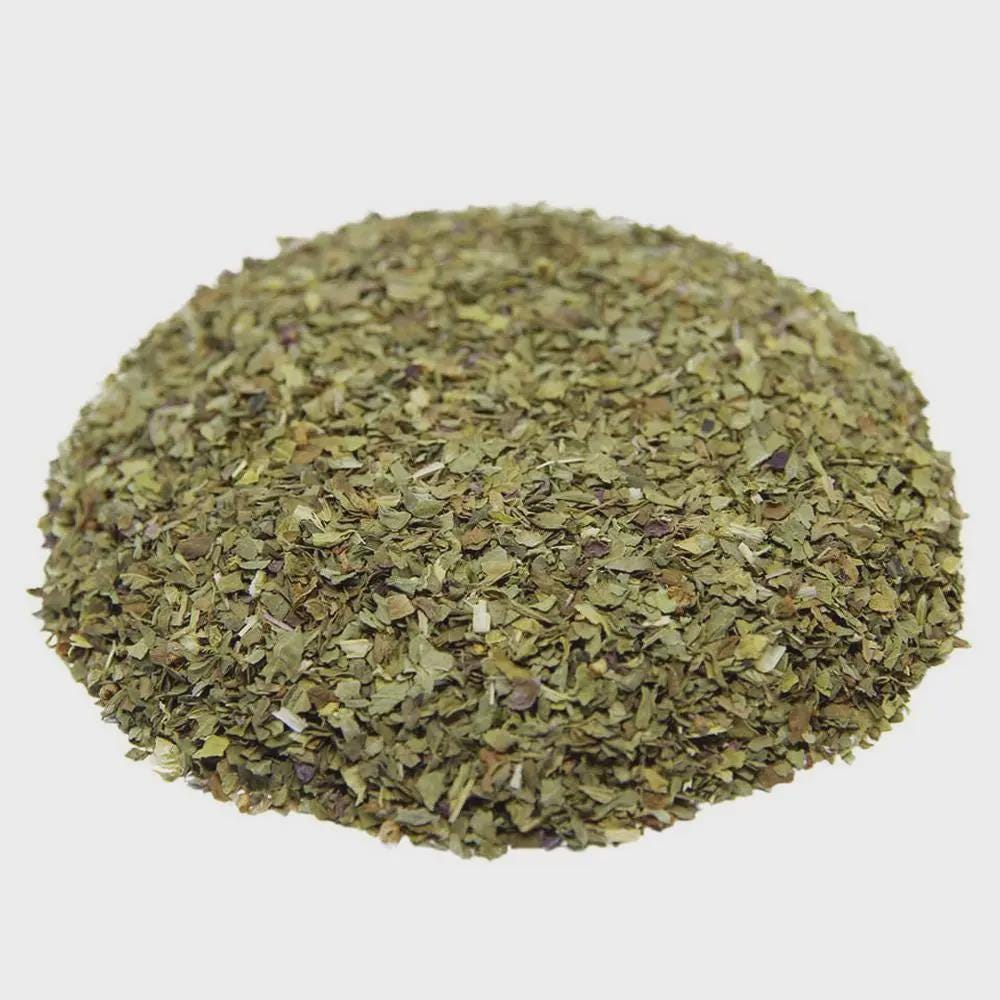
Dried basil, while less pungent than fresh, still retains many of its beneficial compounds and is a convenient spice for year-round use. It’s excellent in sauces, stews, dry rubs for meats, and seasoning blends. Its flavor becomes more concentrated when dried, so use it judiciously. Dried basil is also ideal for making herbal infusions or teas, which can be particularly soothing for digestion or as a calming beverage.
3. Basil Essential Oil
Basil essential oil is a highly concentrated form of the herb’s volatile compounds and should be used with caution. In aromatherapy, it’s diffused to uplift mood, reduce anxiety, and promote mental clarity. Topically, diluted in a carrier oil (like jojoba or almond oil), it can be massaged onto sore muscles to reduce inflammation and pain, or applied to the temples for headache relief. It should never be applied undiluted to the skin and internal consumption should only be under the guidance of a qualified practitioner due to its potency.

4. Basil Supplements and Capsules
For those seeking a more concentrated dose of basil’s health benefits, supplements in capsule or extract form are available. These products typically contain standardized extracts of basil leaf, ensuring a consistent level of active compounds. They are often used to support general wellness, manage stress, or target specific conditions like inflammation or digestive issues. When choosing a supplement, look for reputable brands that provide third-party testing and clear ingredient labeling. Always consult with a healthcare professional before starting any new supplement regimen, especially if you have underlying health conditions or are taking other medications.

Dosage, Precautions, and Potential Side Effects
While basil leaf is generally considered safe for most people when consumed in culinary amounts, there are a few considerations, especially with concentrated forms:
- Culinary Use: Enjoying fresh or dried basil in food is safe and encouraged for most individuals. There is no specific dosage recommendation, as it is a food item.
- Supplements: Doses for basil supplements vary widely depending on the concentration and intended use. Always follow the manufacturer’s instructions or, ideally, consult a healthcare professional.
- Blood Thinners: Basil is a good source of Vitamin K, which plays a crucial role in blood clotting. Individuals taking anticoagulant medications like warfarin should consume basil in consistent, moderate amounts to avoid interference with medication efficacy, and should consult their doctor.
- Pregnancy and Breastfeeding: While culinary amounts are safe, concentrated basil extracts or essential oils are generally not recommended during pregnancy or breastfeeding due to insufficient research on their effects.
- Allergies: Though rare, some individuals may experience allergic reactions to basil, especially if they have allergies to other plants in the mint family.
- Estragole Content: Basil contains estragole, which has shown carcinogenic potential in very high doses in animal studies. However, the amounts found in culinary basil are considered safe for human consumption, and you would need to consume extremely large quantities of basil or highly concentrated essential oil over a prolonged period for this to be a concern.
Conclusion
Basil leaf is far more than just a flavorful herb; it is a nutritional powerhouse steeped in history and validated by modern science. Its intricate composition of essential oils, flavonoids, and polyphenols orchestrates a symphony of health benefits, offering potent antioxidant, anti-inflammatory, and antimicrobial protection. From supporting cardiovascular health and digestive wellness to reducing stress and showing promise in cancer prevention, basil leaf embodies the true essence of food as medicine. By embracing this verdant elixir in its various forms, we can harness its natural potency to enrich our diets, bolster our health, and cultivate a deeper connection to the time-honored wisdom of herbal remedies. Make basil a staple in your kitchen and discover the profound impact of this royal herb on your journey to holistic well-being.
Disclaimer: For informational purposes only. Not medical advice. Consult a qualified healthcare professional before use.