The Profound Health Benefits of Peony: An Exhaustive Deep-Dive into Nature’s Ancient Healer
For centuries, the resplendent peony has captivated the human imagination, adorning gardens with its magnificent blooms and inspiring artists with its delicate beauty. Beyond its aesthetic appeal, however, lies a botanical powerhouse steeped in therapeutic potential. Revered in traditional medicine systems for millennia, particularly Traditional Chinese Medicine (TCM), the peony root, often referred to as “Bai Shao” (white peony) or “Chi Shao” (red peony), offers a spectrum of health benefits that are increasingly supported by modern scientific research. This comprehensive guide will meticulously explore the multifaceted advantages of incorporating peony into a holistic wellness regimen, delving into its rich history, potent bioactive compounds, and the mechanisms behind its remarkable healing properties.
A Journey Through Time: The Historical Significance and Cultural Reverence of Peony
The peony’s journey as a medicinal herb began thousands of years ago in ancient China, where it was first documented in the Shennong Ben Cao Jing, one of the earliest known pharmacopoeias, dating back to 200 AD or earlier. In TCM, peony root is considered a fundamental herb, renowned for its ability to nourish blood, regulate menstruation, calm the liver, and alleviate pain. Its significance extended beyond medicine, becoming a symbol of prosperity, honor, and feminine beauty in Chinese culture, earning it the title “King of Flowers.”
While most commonly associated with East Asia, various species of peony have also found their way into European folk medicine. For instance, European common peony (*Paeonia officinalis*) was historically used for conditions ranging from epilepsy to gout, highlighting a widespread recognition of its therapeutic attributes across different civilizations. This rich historical tapestry underscores peony’s enduring legacy as a plant of profound cultural and medicinal importance.
Botanical Overview: Unveiling the Species Behind the Healing
The genus *Paeonia* encompasses dozens of species, but the primary medicinal varieties are typically derived from two main plants: *Paeonia lactiflora* (often referred to as white peony or common garden peony) and *Paeonia suffruticosa* (tree peony). Both species yield roots that are prized for their medicinal properties, though with subtle differences in their traditional applications and chemical profiles. *Paeonia lactiflora* root (Bai Shao) is traditionally used to nourish blood, regulate menstruation, and alleviate pain, particularly smooth muscle spasms, making it a staple in formulas for gynecological issues and musculoskeletal pain. *Paeonia suffruticosa* root bark (Mu Dan Pi), on the other hand, is known for clearing heat, cooling blood, and reducing stagnant blood, often utilized in inflammatory conditions with fever or rashes.
The peony plant itself is a striking perennial, characterized by its large, showy flowers, typically blooming in late spring to early summer. Its leaves are deeply lobed, and the root system is robust, storing the valuable compounds responsible for its therapeutic effects. Understanding the specific species and their traditional uses is crucial for appreciating the nuances of peony’s medicinal potential.

The Chemical Symphony: Key Bioactive Compounds and Their Mechanisms
The extensive health benefits of peony are attributed to its complex phytochemical profile, a veritable symphony of bioactive compounds working in concert. Among the most extensively studied are monoterpene glycosides, particularly paeoniflorin, and its derivatives such as albiflorin and oxypaeoniflorin. Other crucial components include triterpenoids, flavonoids, tannins, volatile oils, and polysaccharides. Each class of compounds contributes uniquely to peony’s therapeutic repertoire.
- Paeoniflorin: This is arguably the most significant active compound in peony root, responsible for many of its anti-inflammatory, analgesic, immunomodulatory, and neuroprotective effects. Paeoniflorin acts through multiple pathways, including modulating the arachidonic acid pathway, inhibiting pro-inflammatory cytokines like TNF-α and IL-6, and influencing neurotransmitter systems.
- Albiflorin: A derivative of paeoniflorin, albiflorin also exhibits significant anti-inflammatory and analgesic properties, often working synergistically with paeoniflorin to enhance therapeutic outcomes.
- Paeonol: Primarily found in *Paeonia suffruticosa* (tree peony bark), paeonol possesses strong anti-inflammatory, antioxidant, and anti-thrombotic activities. It can inhibit histamine release and suppress various inflammatory mediators.
- Flavonoids: These powerful antioxidants contribute to peony’s ability to combat oxidative stress, protect cells from damage, and exert anti-inflammatory effects.
- Tannins: Known for their astringent properties, tannins can help tighten tissues, reduce inflammation, and possess antimicrobial capabilities.
- Polysaccharides: These complex carbohydrates contribute to peony’s immunomodulatory effects, supporting a balanced immune response.
The intricate interplay of these compounds explains why whole peony root extracts often demonstrate superior efficacy compared to isolated compounds, leveraging a concept known as synergy or the “entourage effect.”

Unlocking Peony’s Potential: A Deep Dive into its Health Benefits
1. Potent Anti-inflammatory and Analgesic Effects
One of peony’s most celebrated attributes is its remarkable ability to combat inflammation and alleviate pain. Chronic inflammation is a root cause of numerous diseases, from autoimmune disorders to cardiovascular disease and neurodegenerative conditions. Peony root, particularly through its paeoniflorin content, intervenes in several critical inflammatory pathways. It has been shown to inhibit the activation of nuclear factor-kappa B (NF-κB), a master regulator of inflammatory genes, thereby reducing the production of pro-inflammatory cytokines such as TNF-α, IL-1β, and IL-6. Furthermore, peony can modulate the activity of cyclooxygenase-2 (COX-2) and inducible nitric oxide synthase (iNOS), enzymes that produce inflammatory mediators like prostaglandins and nitric oxide, respectively. This multi-targeted approach makes peony an effective natural agent for managing inflammatory conditions like rheumatoid arthritis, osteoarthritis, and inflammatory bowel disease, often reducing pain perception without the side effects associated with conventional NSAIDs.
2. Harmonizing the Immune System: Immunomodulatory Actions
Beyond simply suppressing inflammation, peony demonstrates sophisticated immunomodulatory properties, meaning it can help balance an overactive or underactive immune system. This makes it particularly valuable for autoimmune conditions, where the immune system mistakenly attacks the body’s own tissues. Research indicates that peony compounds can regulate T-cell and B-cell activity, promote regulatory T-cell differentiation (which helps to suppress autoimmune responses), and modulate cytokine production. For conditions like systemic lupus erythematosus (SLE) and rheumatoid arthritis, peony root has been studied for its potential to reduce disease activity and improve quality of life by subtly shifting the immune response towards a more balanced state, rather than broadly suppressing it.
3. Nurturing Neurological Health and Mental Well-being
The therapeutic reach of peony extends to the nervous system, offering significant neuroprotective and anxiolytic (anti-anxiety) benefits. Paeoniflorin can cross the blood-brain barrier and has been shown to protect neuronal cells from oxidative stress and inflammation, key factors in neurodegenerative diseases. It influences various neurotransmitter systems, including GABAergic and serotonergic pathways, which are critical for mood regulation and anxiety reduction. Studies suggest that peony may help alleviate symptoms of anxiety and depression, improve sleep quality, and even offer protection against cognitive decline by enhancing cerebral blood flow and reducing excitotoxicity. This makes it a promising natural adjunct for supporting mental clarity, emotional balance, and overall brain health.
4. Supporting Cardiovascular Integrity
Peony’s anti-inflammatory and antioxidant properties contribute to its potential benefits for cardiovascular health. By reducing inflammation in blood vessels and mitigating oxidative stress, peony can help protect against atherosclerosis (hardening of the arteries). Some research also suggests that peony may help to regulate blood pressure and improve microcirculation, potentially due to its ability to relax vascular smooth muscle. In TCM, red peony root (Chi Shao) is specifically used for invigorating blood and dispelling blood stasis, pointing to its historical recognition as a circulatory aid, which aligns with modern understanding of its anti-platelet and anti-thrombotic effects, albeit in a mild and balanced manner.
5. Women’s Health Ally: From Menstruation to Menopause
Peony has long been a cornerstone of women’s health in TCM, where it is used to nourish blood, regulate the menstrual cycle, and alleviate gynecological discomfort. White peony root (Bai Shao) is particularly revered for its ability to address conditions related to blood deficiency, irregular periods, premenstrual syndrome (PMS), and menopausal symptoms like hot flashes and night sweats. Its capacity to reduce uterine spasms contributes to its effectiveness in alleviating menstrual cramps (dysmenorrhea). Furthermore, its hormone-balancing properties, though subtle, may support ovarian function and help manage symptoms associated with conditions like Polycystic Ovary Syndrome (PCOS) by regulating androgen levels and improving insulin sensitivity, working synergistically with other herbs.
6. Enhancing Gastrointestinal Wellness
The anti-inflammatory effects of peony extend to the digestive tract, where it can help soothe inflammation and support gut health. For individuals suffering from inflammatory bowel diseases such as Crohn’s disease and ulcerative colitis, peony may help reduce intestinal inflammation and improve gut barrier function. Its ability to modulate the immune response within the gut lumen and potentially influence the gut microbiome further solidifies its role in promoting digestive comfort and integrity. Moreover, traditional uses often cite peony for its ability to alleviate abdominal pain and spasms, offering relief for conditions like irritable bowel syndrome (IBS).
7. Skin Health and Anti-Aging Properties
Peony’s rich antioxidant content, combined with its anti-inflammatory actions, positions it as a beneficial ingredient for skin health. By neutralizing free radicals, it helps protect skin cells from environmental damage and premature aging, contributing to a more youthful and radiant complexion. Its anti-inflammatory properties can also help soothe irritated skin, reduce redness, and alleviate symptoms of inflammatory skin conditions like eczema and psoriasis. Some traditional formulations include peony for improving skin tone and reducing hyperpigmentation, suggesting a role in achieving clearer, more even skin.
8. Liver Protective Effects
Emerging research indicates that peony compounds may offer hepatoprotective benefits, safeguarding the liver from damage caused by toxins, inflammation, and oxidative stress. By supporting the liver’s detoxification pathways and reducing inflammatory burdens, peony can contribute to overall hepatic health, which is crucial for metabolism, hormone balance, and systemic detoxification.
Practical Applications: Traditional Preparations and Modern Supplements
Historically, peony root has been prepared in various forms, most commonly as decoctions (boiling the dried root in water to extract its compounds), tinctures (alcohol extracts), or incorporated into complex herbal formulas. In TCM, it is rarely used alone but rather as part of a synergistic blend with other herbs to achieve specific therapeutic outcomes, leveraging the wisdom of thousands of years of clinical observation.
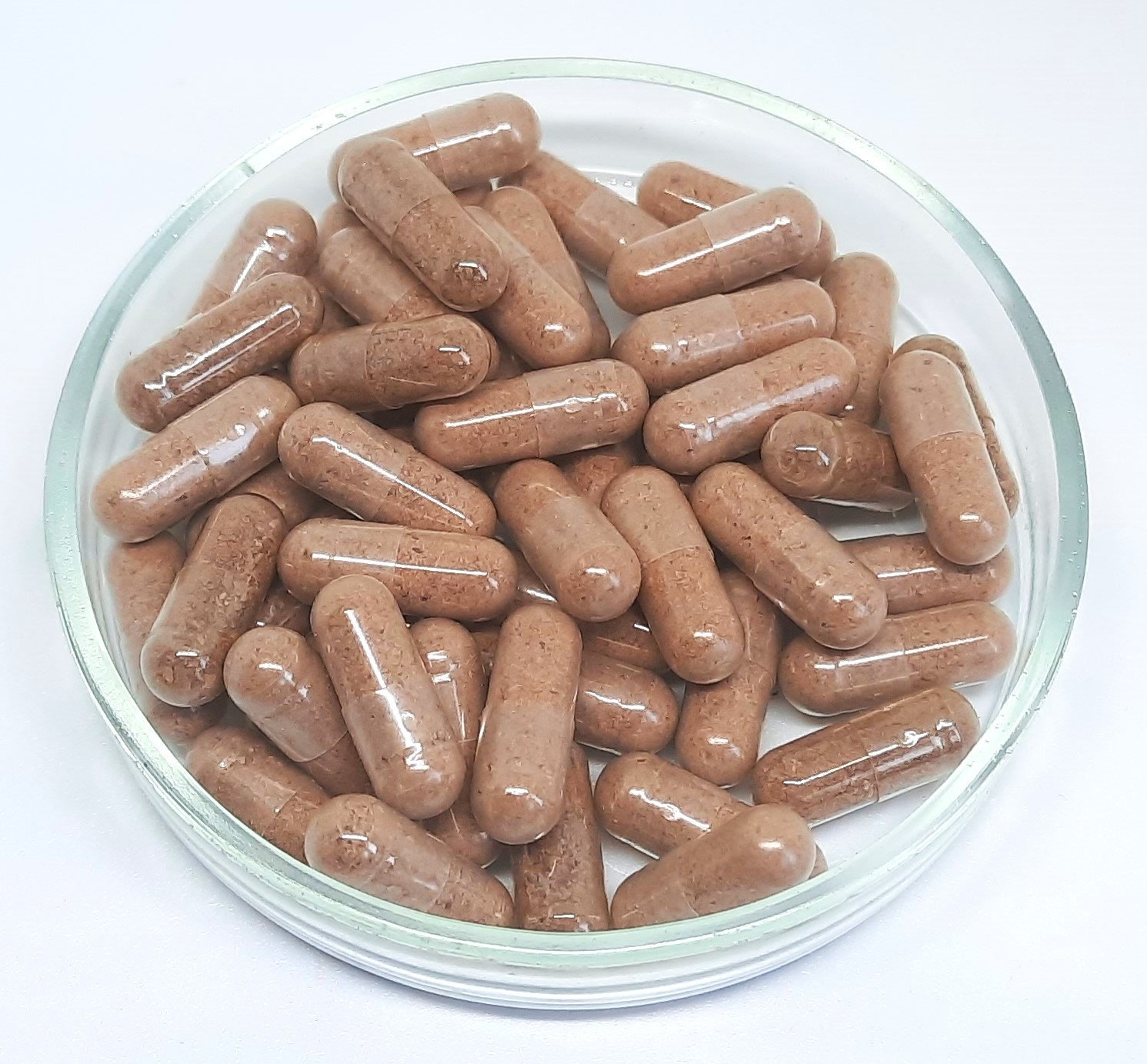
In modern contexts, peony root is widely available as dietary supplements in various forms, including:
- Capsules or Tablets: These typically contain standardized extracts of white peony root, ensuring a consistent concentration of active compounds like paeoniflorin. This form offers convenience and precise dosing.
- Tinctures or Liquid Extracts: These provide a concentrated form of peony, often allowing for faster absorption and flexibility in dosing.
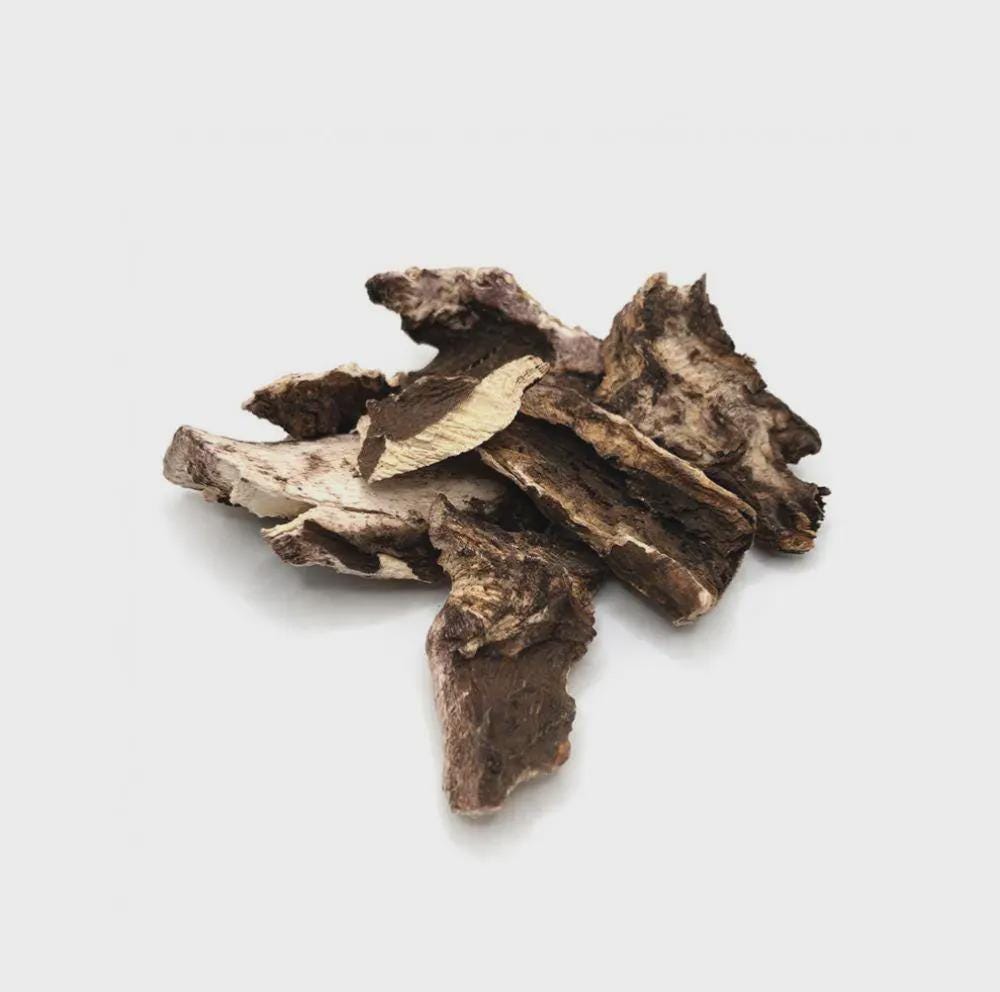
- Dried Root Slices: For those interested in traditional preparation methods, dried peony root is available for brewing teas or decoctions at home.
When selecting a peony supplement, it is paramount to choose products from reputable manufacturers that provide third-party testing for purity and potency. Standardization to a specific percentage of paeoniflorin is often a good indicator of quality and consistency.
Dosage, Safety, and Considerations
While peony is generally considered safe for most individuals when used appropriately, it is crucial to consult with a healthcare professional or a qualified herbalist before initiating any new supplement regimen, especially for those with existing medical conditions, pregnant or breastfeeding women, or individuals taking other medications. The appropriate dosage of peony can vary significantly depending on the form of the herb, the concentration of active compounds, and the specific health concern being addressed. Traditional dosages for dried root typically range from 6 to 15 grams per day in decoction.

Potential side effects are rare but can include mild gastrointestinal upset, such as nausea or diarrhea, particularly at higher doses. In rare cases, allergic reactions may occur. Peony may interact with certain medications, including anticoagulants (blood thinners) due to its mild anti-platelet effects, and potentially drugs metabolized by the liver. Therefore, professional guidance is indispensable to ensure safe and effective use.
Conclusion: Peony – A Jewel in the Crown of Herbal Medicine
The peony, a plant celebrated for its breathtaking beauty, is equally distinguished by its profound medicinal properties. From its deep roots in ancient Chinese medicine to its validation through modern scientific inquiry, peony stands as a powerful testament to nature’s healing prowess. Its multifaceted benefits, encompassing potent anti-inflammatory, immunomodulatory, analgesic, neuroprotective, and hormone-balancing effects, make it a valuable asset for a wide array of health conditions. As research continues to unravel the complexities of its bioactive compounds and mechanisms of action, peony’s potential as a holistic wellness aid continues to expand. Embracing this ancient healer, with due diligence and professional guidance, offers a path toward enhanced well-being and a deeper connection to the therapeutic wisdom of the natural world.
Disclaimer: For informational purposes only. Not medical advice. Consult a qualified healthcare professional before use.