The Unrivaled Power of Nettle: An Exhaustive Deep-Dive into Its Health Benefits
For centuries, a plant often dismissed as a prickly weed has secretly been a cornerstone of traditional medicine and a powerhouse of nutrition across cultures worldwide. Known botanically as *Urtica dioica*, but more commonly as Stinging Nettle, this remarkable herb is far more than its infamous sting suggests. From the bustling markets of ancient Rome to the quiet practices of modern herbalists, nettle has commanded respect for its profound and diverse health benefits. In an era where natural remedies are gaining renewed scientific interest, nettle stands out as a subject of extensive research, revealing a complex tapestry of bioactive compounds that underpin its therapeutic prowess. This definitive guide aims to peel back the layers of this extraordinary plant, exploring its rich history, its intricate chemical composition, and the myriad ways it can contribute to human health and well-being.
A Botanical Profile and Its Storied Past: From Ancient Remedy to Modern Marvel
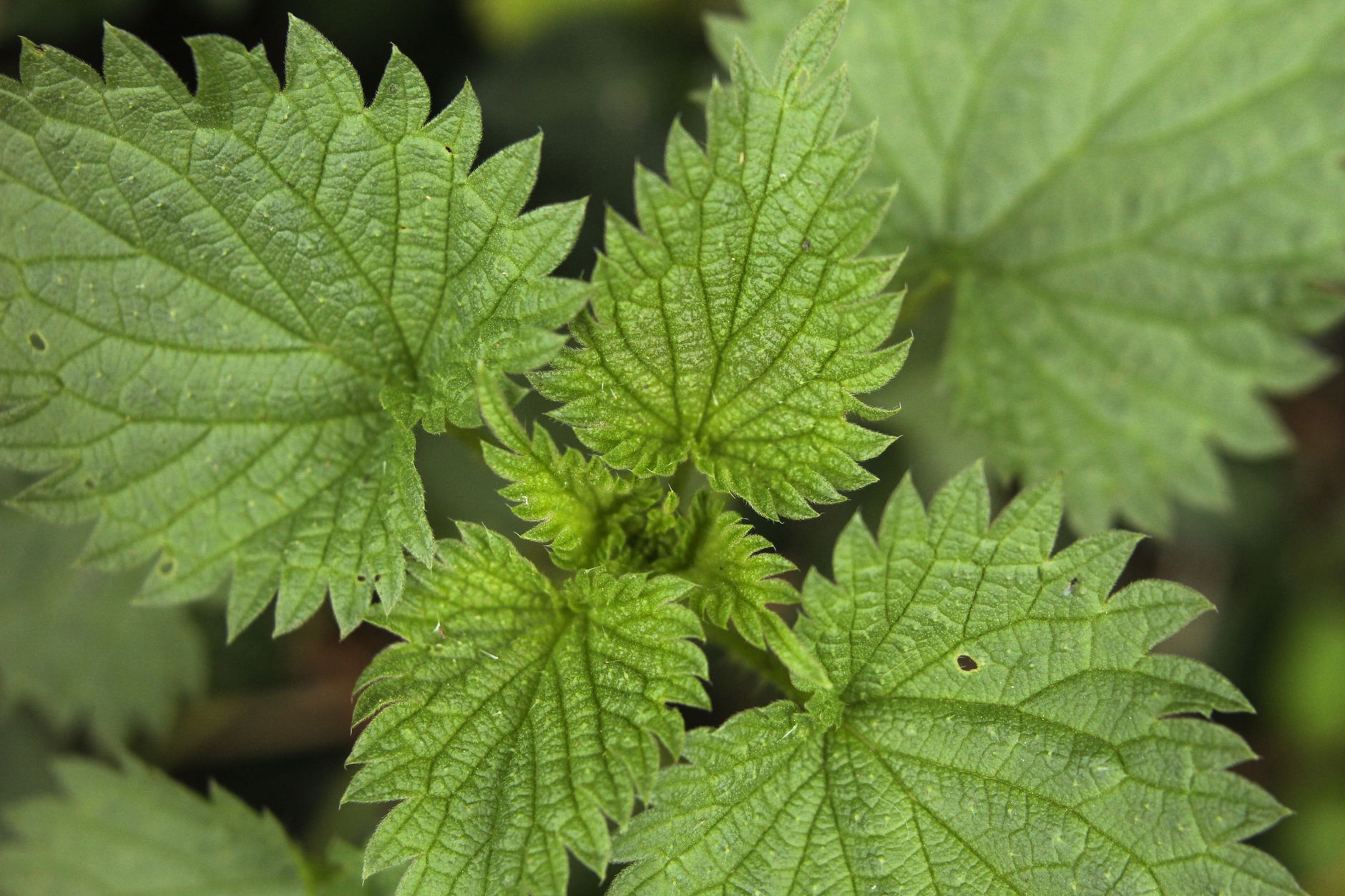
Stinging Nettle (*Urtica dioica*) is a herbaceous perennial flowering plant belonging to the Urticaceae family. Indigenous to Europe, Asia, northern Africa, and North America, it thrives in nitrogen-rich soil, often found in woodlands, meadows, and neglected areas. Its distinguishing feature is the presence of hollow, stinging hairs, called trichomes, on its leaves and stems. These trichomes contain a cocktail of chemicals, including histamine, serotonin, acetylcholine, and formic acid, which, upon contact, inject irritants into the skin, causing a characteristic stinging sensation. However, once dried, cooked, or otherwise processed, these stinging compounds are neutralized, rendering the plant safe and highly beneficial for consumption.
The history of nettle as a medicinal plant is as extensive as its geographical spread. Ancient Egyptians used it for arthritis and back pain. Hippocrates, the father of medicine, listed nettle among his herbal remedies. Roman soldiers reportedly rubbed nettle on themselves to stimulate circulation and keep warm in colder climates – a practice known as “urtication.” During the Middle Ages, nettle was a panacea, used for everything from treating gout and joint pain to addressing digestive issues and promoting lactation. Native American tribes utilized nettle for its diuretic properties, to treat urinary tract infections, and as a nourishing food source. This deep-rooted historical usage is not merely folklore; it provides a compelling context for the scientific investigations that continue to validate its therapeutic claims today.
Unveiling Nettle’s Bioactive Arsenal: A Symphony of Compounds
The profound health benefits of nettle are attributed to its exceptionally rich and complex phytochemical profile. Unlike many herbs that rely on one or two dominant active compounds, nettle boasts a synergistic blend of vitamins, minerals, polyphenols, flavonoids, carotenoids, and other unique constituents. This makes it a true multi-faceted medicinal plant, with its efficacy stemming from the combined action of these diverse elements.
- Flavonoids: Nettle is a rich source of powerful antioxidants like quercetin, kaempferol, and rutin. These compounds are well-known for their anti-inflammatory, antiallergic, and antioxidant properties. They help neutralize free radicals, reduce oxidative stress, and modulate immune responses, playing a crucial role in reducing systemic inflammation.
- Carotenoids: Beta-carotene, lutein, and beta-cryptoxanthin contribute to nettle’s vibrant green color and act as potent antioxidants. Beta-carotene is a precursor to Vitamin A, essential for vision, immune function, and skin health, while lutein is vital for eye health.
- Vitamins: Nettle is packed with essential vitamins. It contains high levels of Vitamin C, a vital antioxidant and immune booster; Vitamin K, crucial for blood clotting and bone health; and several B vitamins (including B1, B2, B3, B5, and B9 or folate), which are critical for energy metabolism and neurological function.
- Minerals: This herb is an excellent source of vital minerals such as iron (essential for red blood cell formation and preventing anemia), calcium (for strong bones and teeth), magnesium (involved in over 300 enzymatic reactions, muscle and nerve function), potassium (for electrolyte balance and blood pressure regulation), and silica (important for connective tissue, hair, skin, and nails).
- Polyphenols: Beyond flavonoids, nettle contains other beneficial polyphenols like caffeic acid, chlorogenic acid, and coumarins, which further contribute to its antioxidant and anti-inflammatory effects.
- Fatty Acids: Nettle also contains beneficial fatty acids, including linoleic acid and alpha-linolenic acid, which are important for cellular function and reducing inflammation.
- Amines: The stinging hairs contain histamine, serotonin, and acetylcholine. While these cause the initial sting, in processed forms, they may play a role in nettle’s therapeutic effects, particularly in modulating allergic responses and pain perception.
- Sterols and Lignans: Beta-sitosterol and other plant sterols are particularly notable for their role in prostate health. Lignans are phytoestrogens that can interact with hormonal pathways, offering benefits for hormonal balance.
- Chlorophyll: The abundant chlorophyll in nettle supports detoxification processes and contributes to its blood-building properties.
It is this remarkable synergy of compounds that allows nettle to exert such a wide range of beneficial effects on the human body, targeting various systems and pathways simultaneously.

Key Health Benefits of Nettle: A Detailed Exploration
1. Potent Anti-inflammatory Properties
One of nettle’s most celebrated attributes is its powerful anti-inflammatory action. Chronic inflammation is at the root of many diseases, including arthritis, cardiovascular conditions, and autoimmune disorders. Nettle addresses inflammation through multiple mechanisms:
- Modulation of Inflammatory Pathways: Research indicates that nettle extracts can inhibit the activity of nuclear factor-kappa B (NF-κB), a protein complex that controls transcription of DNA, cytokine production, and cell survival, thereby playing a key role in regulating the immune response to infection and inflammation. By downregulating NF-κB, nettle reduces the expression of pro-inflammatory genes.
- Inhibition of Pro-inflammatory Cytokines: Nettle has been shown to reduce the production of various pro-inflammatory cytokines, such as Tumor Necrosis Factor-alpha (TNF-α) and Interleukin-1 beta (IL-1β), which are major mediators of inflammation and tissue destruction in conditions like rheumatoid arthritis.
- Reduction of COX-1 and COX-2 Activity: Similar to NSAIDs (non-steroidal anti-inflammatory drugs), nettle can inhibit cyclooxygenase (COX) enzymes, particularly COX-2, which are responsible for the synthesis of prostaglandins – lipid compounds that mediate inflammatory responses and pain. This mechanism helps alleviate pain and swelling associated with inflammatory conditions.
These combined effects make nettle a valuable natural remedy for conditions like osteoarthritis, rheumatoid arthritis, gout, and other inflammatory disorders, offering a gentler alternative or complement to conventional treatments.
2. Relief from Seasonal Allergies (Hay Fever)
Nettle is a renowned natural antihistamine and anti-allergenic herb, particularly effective against seasonal allergic rhinitis (hay fever). Its mechanisms include:
- Mast Cell Stabilization: Nettle compounds appear to stabilize mast cells, which are immune cells that release histamine and other inflammatory mediators in response to allergens. By stabilizing these cells, nettle can prevent the cascade of events that lead to allergic symptoms.
- Inhibition of Histamine Receptor Binding: Certain compounds in nettle may block histamine H1 receptors, reducing the symptoms typically associated with histamine release, such as sneezing, itching, and nasal congestion.
- Anti-inflammatory Effects on Nasal Passages: Its general anti-inflammatory properties help reduce swelling and irritation in the nasal passages and sinuses, providing symptomatic relief for allergy sufferers.
Regular consumption of nettle tea or capsules, especially before and during allergy season, can significantly mitigate the discomfort of allergic reactions.
3. Support for Prostate Health (Benign Prostatic Hyperplasia – BPH)
The roots of *Urtica dioica* have been extensively studied and clinically proven to be beneficial in managing the symptoms of Benign Prostatic Hyperplasia (BPH), a non-cancerous enlargement of the prostate gland common in older men.
- Interference with Testosterone Metabolism: Nettle root extract has been shown to inhibit the activity of 5-alpha-reductase, an enzyme that converts testosterone into dihydrotestosterone (DHT). DHT is a potent androgen implicated in prostate growth. By reducing DHT levels, nettle can help slow or reverse prostate enlargement.
- Modulation of Sex Hormone Binding Globulin (SHBG): Nettle lignans can bind to SHBG, preventing it from binding to sex hormones like testosterone. This mechanism is thought to make more free testosterone available for the body, which paradoxically helps in BPH by potentially reducing the activity of other prostate-stimulating hormones.
- Anti-inflammatory Effects on Prostate Tissue: The anti-inflammatory compounds in nettle can also reduce inflammation within the prostate gland, which contributes to BPH symptoms such as frequent urination, weak urine flow, and incomplete bladder emptying.
Nettle root extracts are often used in combination with saw palmetto for enhanced efficacy in BPH management.
4. Diuretic and Kidney Support
Nettle has a long-standing reputation as a potent diuretic and urinary tract tonic. It gently increases urine flow, which helps flush out toxins and metabolic waste products from the body.
- Increased Urine Output: Its diuretic action is attributed to a combination of flavonoids and potassium salts, which promote the excretion of water and sodium without significant potassium loss, unlike some pharmaceutical diuretics.
- Urinary Tract Health: By encouraging frequent urination, nettle helps prevent the accumulation of bacteria in the urinary tract, making it beneficial for preventing and supporting the treatment of urinary tract infections (UTIs) and kidney stones.
- Detoxification: The enhanced elimination of fluids helps cleanse the kidneys and bladder, contributing to overall detoxification and reducing fluid retention (edema).
5. Blood Sugar Regulation
Emerging research suggests that nettle may play a role in regulating blood glucose levels, offering potential benefits for individuals with diabetes or pre-diabetes.
- Insulin Secretion and Sensitivity: Studies have indicated that nettle extract can stimulate insulin secretion from pancreatic beta cells and improve insulin sensitivity in peripheral tissues, leading to better glucose uptake and utilization.
- Reduction of Glucose Absorption: Some components in nettle may also inhibit enzymes involved in carbohydrate digestion, thereby slowing down glucose absorption from the gut and preventing sharp post-meal blood sugar spikes.
While promising, nettle should be used as an adjunctive therapy under medical supervision for blood sugar management, as it can interact with diabetes medications.
6. Blood Pressure Management
Nettle may contribute to healthy blood pressure levels through several mechanisms:
- Vasodilation: Its compounds, including potassium, can induce vasodilation (widening of blood vessels), leading to reduced peripheral resistance and lower blood pressure.
- Diuretic Effect: The diuretic action helps reduce blood volume, which can also contribute to a decrease in blood pressure.
- Reduction of Sympathetic Activity: Some research suggests that nettle may reduce the activity of the sympathetic nervous system, which plays a role in regulating blood pressure.
These effects make nettle a potentially useful herb for individuals with mild hypertension, though it should not replace prescribed medications without professional advice.
7. Hair and Skin Health
Nettle’s rich nutrient profile and anti-inflammatory properties make it a valuable asset for dermatological and hair care applications.
- Skin Conditions: Its anti-inflammatory and antioxidant compounds can help soothe inflammatory skin conditions like eczema, psoriasis, and acne, reducing redness, itching, and irritation. Topically, nettle preparations can be applied to alleviate these symptoms.
- Hair Growth and Strength: Nettle is rich in silica, sulfur, and a wide array of vitamins and minerals vital for healthy hair. It is believed to stimulate hair follicles, promote hair growth, and reduce hair loss by inhibiting the production of DHT (dihydrotestosterone), a hormone linked to androgenic alopecia. Nettle rinses and scalp treatments are popular for improving hair luster and reducing dandruff.
8. Bone Health
The significant mineral content of nettle, particularly calcium, magnesium, and Vitamin K, makes it an excellent herb for supporting bone health and potentially preventing osteoporosis.
- Bone Mineral Density: Calcium and magnesium are fundamental building blocks of bone tissue. Vitamin K is crucial for activating proteins involved in bone mineralization, such as osteocalcin.
- Silica: Silica is a trace mineral that plays a role in collagen formation and bone matrix development, contributing to bone strength and flexibility.
Incorporating nettle into the diet can provide a natural boost of these essential nutrients for skeletal integrity.
9. Combating Iron Deficiency Anemia
Nettle is an exceptional source of non-heme iron, making it a valuable dietary addition for preventing and treating iron deficiency anemia. Its efficacy is further enhanced by:
- Vitamin C Content: Nettle contains high levels of Vitamin C, which significantly improves the absorption of non-heme iron from plant sources.
- Chlorophyll: The rich chlorophyll content, often referred to as “green blood,” has a chemical structure similar to hemoglobin and is thought to support blood building and purification.
Regular consumption can help increase hemoglobin levels and alleviate symptoms of anemia such as fatigue and weakness.
Practical Usage and Forms of Nettle
Nettle’s versatility extends to its various forms of consumption, making it accessible for different needs and preferences.
1. Fresh Nettle
Harvesting fresh nettle requires caution due to its sting. Gloves are essential. Once blanched, steamed, or cooked, the sting is neutralized. Fresh nettle leaves can be used like spinach in soups, stews, pestos, smoothies, and quiches, adding a nutritious boost and an earthy, slightly spinach-like flavor.
2. Dried Nettle Herb
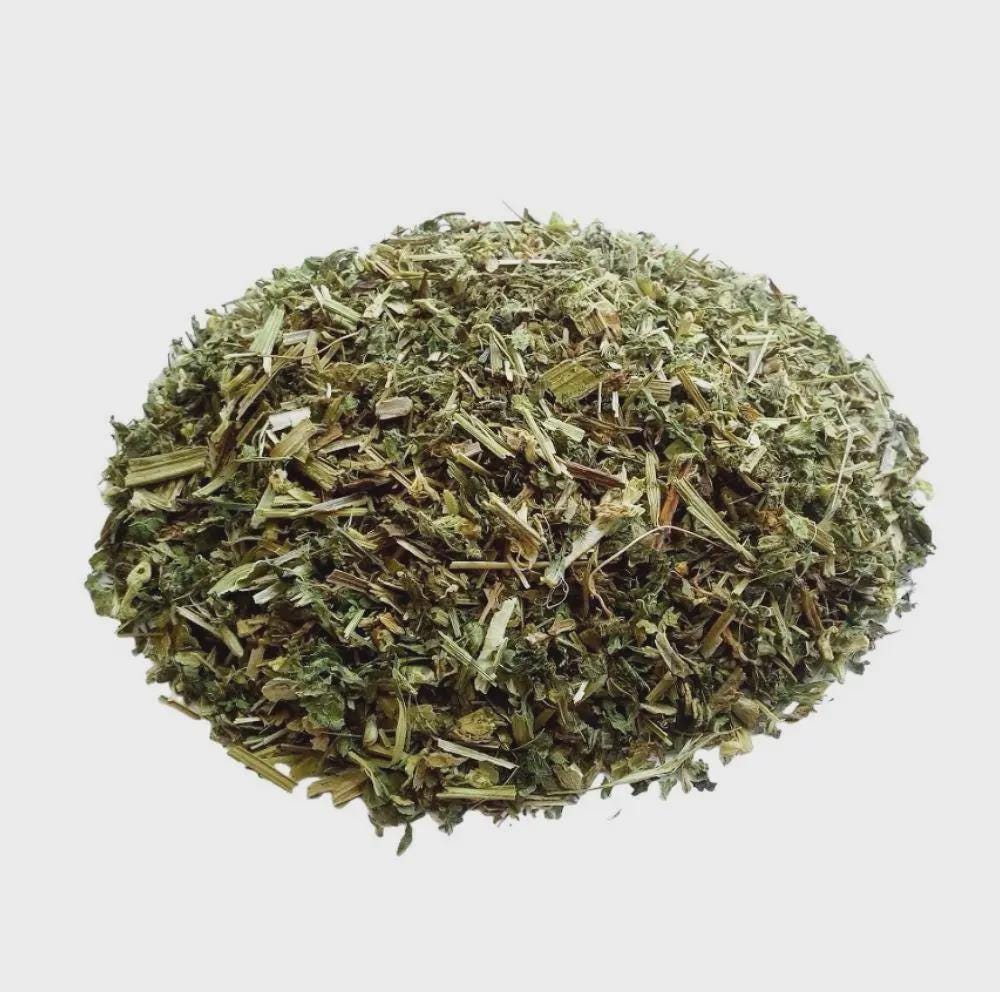
Dried nettle leaves are perhaps the most common form for herbal preparations. They are widely used for:
- Nettle Tea/Infusion: Steep 1-2 teaspoons of dried nettle leaves in hot water for 5-10 minutes. This is a popular way to consume nettle for general health, allergy relief, and as a diuretic. A stronger infusion, steeped for several hours, can be made for more potent effects.
- Tinctures: Nettle tinctures are concentrated liquid extracts made by soaking dried nettle in alcohol. They offer a convenient way to consume the herb, typically taken in drops under the tongue or in water.
- Culinary Uses: Dried nettle can be powdered and added to baked goods, sauces, or sprinkled over meals as a nutrient-dense seasoning.
3. Nettle Supplements
For those seeking convenience or higher concentrations of specific compounds, nettle is available in various supplemental forms:
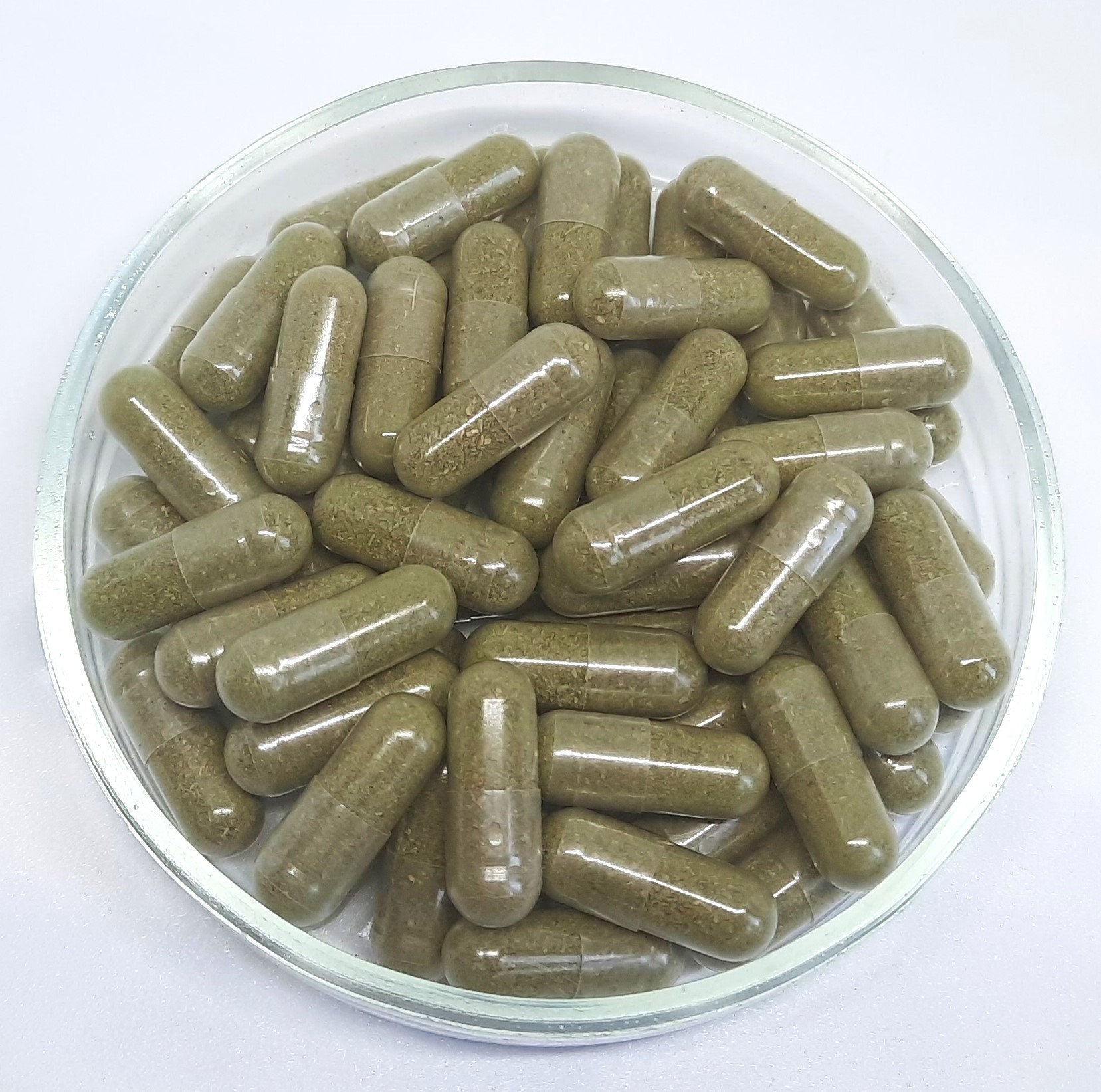
- Capsules/Tablets: These contain powdered nettle leaf or root extract and are a convenient way to ensure consistent dosage. They are often standardized to contain specific levels of active compounds, particularly for prostate health.
- Liquid Extracts: Similar to tinctures but often alcohol-free, these provide a concentrated form of nettle that can be added to water or juice.
4. Topical Applications
Nettle can also be used externally:
- Rinses and Hair Masks: Nettle tea or infusions can be used as a hair rinse to promote growth, reduce dandruff, and add shine.
- Poultices and Compresses: For skin irritations, joint pain, or bruising, a poultice made from fresh or dried nettle (after processing to remove the sting) can be applied to the affected area.
Dosage and Important Considerations
While nettle is generally considered safe for most people when consumed in appropriate amounts, it’s crucial to be aware of potential side effects, contraindications, and interactions. Always consult with a healthcare professional before starting any new herbal supplement, especially if you have underlying health conditions or are taking medications.
General Dosage Guidelines (vary based on form and concentration):
- Tea/Infusion: 1-2 teaspoons of dried herb steeped in 8 oz hot water, 2-3 times daily.
- Capsules: 300-500 mg of standardized extract, 2-3 times daily, or as directed by the product label/healthcare provider. For BPH, doses can be higher, often 600-1200 mg daily.
- Tincture: 1-4 ml, 2-3 times daily.
Potential Side Effects:
Most side effects are mild and include:
- Mild stomach upset, diarrhea, or constipation.
- Allergic reactions (rare), such as skin rash or hives.
- Topical application of fresh nettle will cause a temporary stinging sensation.
Contraindications and Interactions:
- Pregnancy and Breastfeeding: Nettle may stimulate uterine contractions and is generally not recommended for pregnant or breastfeeding women.
- Blood Thinners (Anticoagulants): Nettle’s high Vitamin K content can interfere with blood-thinning medications like warfarin, increasing the risk of blood clots.
- Diuretics: As a natural diuretic, nettle may potentiate the effects of pharmaceutical diuretics, potentially leading to dehydration or electrolyte imbalance.
- Blood Pressure Medications: Nettle can lower blood pressure, potentially causing hypotension when combined with antihypertensive drugs.
- Diabetes Medications: Nettle’s blood sugar-lowering effects can interact with diabetes medications, leading to hypoglycemia (low blood sugar).
- Lithium: Nettle’s diuretic effect could increase the concentration of lithium in the body, leading to serious side effects.
Individuals with kidney conditions, heart disease, or a history of allergic reactions should exercise particular caution.
Conclusion: Embracing the Enduring Legacy of Nettle
From ancient medicinal lore to modern scientific validation, Nettle (*Urtica dioica*) stands as a testament to the enduring power of natural remedies. Its humble appearance belies a sophisticated chemical profile that offers a comprehensive suite of health benefits, including potent anti-inflammatory effects, significant allergy relief, crucial support for prostate and kidney health, and contributions to blood sugar regulation, blood pressure management, and the vitality of hair, skin, and bones. As a nutrient-dense superfood and a versatile medicinal herb, nettle provides a holistic approach to well-being, addressing various bodily systems through its synergistic blend of vitamins, minerals, antioxidants, and unique bioactive compounds.
While the infamous sting serves as a protective mechanism, once processed, nettle transforms into a gentle yet powerful ally in health. Whether consumed as a comforting tea, a nutrient-rich culinary ingredient, or a concentrated supplement, incorporating nettle into one’s health regimen can be a profound step towards harnessing the wisdom of nature. As research continues to unravel its full potential, nettle remains a shining example of how traditional knowledge, when illuminated by scientific inquiry, can offer sustainable and effective pathways to enhance our health and quality of life. Embrace the sting and discover the profound gifts of this remarkable plant.

Disclaimer: For informational purposes only. Not medical advice. Consult a qualified healthcare professional before use.