Unveiling the Sapphire Secret: A Deep Dive into the Profound Health Benefits of Butterfly Pea Flower (Clitoria Ternatea)
In the vibrant tapestry of natural botanicals, few plants captivate the senses and intrigue the mind quite like the Butterfly Pea Flower, scientifically known as Clitoria ternatea. Renowned for its breathtaking indigo hue and its magical ability to shift colors with a change in pH, this extraordinary flower is far more than just a visual spectacle. For centuries, across diverse cultures, it has been revered not only for its aesthetic appeal but, more significantly, for its extensive range of purported medicinal properties. As modern science increasingly turns its gaze towards traditional wisdom, the Butterfly Pea Flower is emerging from the shadows of ancient pharmacopoeias to claim its rightful place as a potent superfood and a subject of intense scientific scrutiny. This exhaustive guide delves into the historical legacy, rich chemical composition, and multifaceted health benefits of this remarkable plant, offering a definitive resource for enthusiasts, researchers, and health-conscious individuals alike.
Botanical Profile: The Enchanting Origins of Clitoria Ternatea
The Butterfly Pea Flower, a member of the Fabaceae (legume) family, is a perennial herbaceous plant native to equatorial Asia, particularly flourishing in Southeast Asia. Its scientific name, Clitoria ternatea, refers to the flower’s unique morphology, while “ternatea” denotes its origin from the Indonesian island of Ternate. The plant is characterized by its slender, climbing vines, ovate leaves, and, most distinctively, its solitary, vivid blue flowers with a pale yellow or white center. These exquisite blooms, often resembling a butterfly, are the primary part of the plant utilized for both culinary and medicinal purposes. Adaptable and resilient, Clitoria ternatea thrives in various tropical and subtropical climates, making it a common sight in gardens and wild landscapes across its native range and beyond.
Beyond its striking appearance, the Butterfly Pea Flower plays a crucial ecological role, enriching soil fertility through nitrogen fixation, a characteristic shared with other legumes. This natural ability to improve soil health contributes to its widespread cultivation in traditional farming systems. The plant produces elongated pods containing seeds, which, like the flowers, have been historically used in various traditional practices, although the flowers remain the most celebrated component due to their high concentration of beneficial compounds.

A Tapestry of Tradition: Historical and Ethnobotanical Uses
The history of Butterfly Pea Flower is deeply interwoven with the traditional medicinal systems and culinary practices of its native lands. In ancient Ayurvedic medicine, it is known as “Shankhapushpi” and revered as a ‘Medhya Rasayana,’ a potent herb believed to enhance intellect and memory. Traditional practitioners prescribed it to alleviate stress, reduce anxiety, and promote mental clarity. Its calming properties were often harnessed to improve sleep quality and soothe nervous disorders.
Across Southeast Asia, particularly in Thailand, Malaysia, and Vietnam, the flower holds a cherished place in gastronomy. The extract from its petals is a natural food dye, imparting a captivating blue hue to a multitude of dishes, from sticky rice (known as “pulut tai tel” in Malaysia) and various desserts to traditional refreshing beverages. The famous Thai “Nam Dok Anchan” (butterfly pea tea) is a staple, often served with a squeeze of lime to transform its color from indigo to a vibrant purple or pink, a delightful visual and sensory experience. Beyond its aesthetic appeal, these traditional uses inherently leveraged its underlying health benefits, even if the precise scientific mechanisms were not yet understood.

The Elixir Within: Key Bioactive Compounds and Their Mechanisms
The profound health benefits attributed to Butterfly Pea Flower are rooted in its exceptionally rich phytochemical profile. This botanical powerhouse is brimming with a diverse array of bioactive compounds, each contributing synergistically to its therapeutic effects. Understanding these compounds is key to appreciating the depth of its medicinal potential.
- Anthocyanins (Ternatins): These are the star compounds responsible for the flower’s striking blue-purple pigmentation and its powerful antioxidant properties. Specifically, Butterfly Pea Flower is rich in delphinidin-based anthocyanins, known as ternatins. Ternatins are water-soluble pigments that are incredibly sensitive to pH changes, explaining the flower’s famous color-shifting ability. Beyond their visual charm, ternatins are potent free radical scavengers, protecting cells from oxidative damage, which is a primary driver of aging and numerous chronic diseases. Their antioxidant capacity is critical for mitigating cellular stress and supporting overall cellular integrity.
- Flavonoids: The flower contains a significant concentration of various flavonoids, including quercetin, kaempferol, and myricetin glycosides. Flavonoids are a vast group of plant secondary metabolites renowned for their anti-inflammatory, antioxidant, and immunomodulatory properties. They work by inhibiting key enzymes involved in inflammatory pathways and by chelating metal ions, further reducing oxidative stress. Quercetin, in particular, is well-studied for its ability to stabilize mast cells and reduce the release of histamine, suggesting potential benefits in allergic reactions.
- Phenolic Acids: Compounds like p-coumaric acid and caffeic acid also contribute to the antioxidant and anti-inflammatory repertoire of Butterfly Pea Flower. These phenolic acids are known to disrupt lipid peroxidation and protect cellular components from damage.
- Cyclotides: A unique class of plant peptides, cyclotides are distinguished by their cyclic backbone and knot-like structure, which grants them remarkable stability and resistance to enzymatic degradation. While research is ongoing, cyclotides from Clitoria ternatea have shown various biological activities, including antimicrobial, anti-HIV, and potential neuroprotective effects. Their intricate structure suggests a broad range of potential pharmacological applications that are only just beginning to be explored.
- Terpenoids and Triterpenoids: These compounds contribute to the plant’s aromatic profile and possess a variety of biological activities, including anti-inflammatory, antimicrobial, and adaptogenic properties.
The combined action of these compounds creates a powerful synergy, making the Butterfly Pea Flower a holistic agent for health promotion and disease prevention.

The Spectrum of Health Benefits: A Detailed Exploration
1. Cognitive Enhancement and Nootropic Properties (Brain Health)
One of the most celebrated traditional uses of Butterfly Pea Flower, particularly in Ayurveda, is its role as a nootropic – a substance that can enhance cognitive function. Modern research is beginning to validate these ancient claims. The plant is believed to improve memory, focus, and overall brain health through several mechanisms. It may promote the synthesis of acetylcholine, a vital neurotransmitter crucial for memory and learning. Furthermore, its potent antioxidant compounds, particularly ternatins and flavonoids, protect brain cells from oxidative stress and neuroinflammation, which are significant contributors to neurodegenerative diseases. By safeguarding neuronal integrity and supporting neurochemical balance, Butterfly Pea Flower acts as a formidable ally in maintaining cognitive vitality and potentially mitigating age-related cognitive decline.
2. Potent Antioxidant Powerhouse
The high concentration of anthocyanins (ternatins), flavonoids, and phenolic acids makes Butterfly Pea Flower an exceptionally strong antioxidant. Antioxidants are crucial for neutralizing harmful free radicals in the body, which are unstable molecules that can damage cells, DNA, and proteins, leading to oxidative stress. Chronic oxidative stress is implicated in the pathogenesis of numerous chronic diseases, including cardiovascular disease, cancer, diabetes, and neurodegenerative disorders. Regular consumption of Butterfly Pea Flower can significantly bolster the body’s antioxidant defenses, reducing the burden of oxidative damage and promoting cellular longevity and overall well-being. This protective effect extends to various organs and systems, providing a systemic shield against environmental toxins and metabolic byproducts.
3. Anti-inflammatory Effects
Inflammation is the body’s natural response to injury or infection, but chronic inflammation is a silent contributor to a vast array of health problems, from autoimmune diseases to metabolic disorders. The flavonoids and ternatins in Butterfly Pea Flower exhibit significant anti-inflammatory properties by modulating various inflammatory pathways. They can inhibit the production of pro-inflammatory cytokines and enzymes, thereby reducing systemic inflammation. This makes the flower a valuable natural remedy for conditions characterized by inflammation, potentially offering relief from pain, swelling, and tissue damage. Its anti-inflammatory action supports gut health, joint health, and contributes to overall physiological balance.
4. Skin and Hair Health Enhancement
The beauty benefits of Butterfly Pea Flower are deeply rooted in its antioxidant and anti-inflammatory properties. For skin, its ability to combat free radicals helps protect against premature aging, reducing the appearance of fine lines and wrinkles. Studies suggest that its compounds may stimulate collagen production and improve skin elasticity, leading to a firmer, more youthful complexion. The anti-inflammatory effects can also soothe skin irritations and promote a clearer complexion. For hair, Butterfly Pea Flower is traditionally used to promote hair growth and darken hair. Proanthocyanidins present in the plant are believed to improve blood circulation to the scalp, which nourishes hair follicles and supports stronger, healthier hair growth. Its antioxidant content also protects hair from environmental damage, contributing to luster and vitality.
5. Support for Eye Health
Emerging research suggests that Butterfly Pea Flower can also play a role in maintaining optimal eye health. The anthocyanins and proanthocyanidins found in the flower are known to improve blood flow to the capillaries of the eyes. Enhanced microcirculation can help alleviate eye strain, reduce visual fatigue, and potentially contribute to the prevention or management of certain eye conditions like glaucoma and diabetic retinopathy by ensuring adequate nutrient and oxygen supply to ocular tissues. These compounds also provide antioxidant protection to delicate eye structures, shielding them from oxidative damage induced by UV light and environmental stressors.
6. Stress Reduction and Anxiolytic Properties
In traditional medicine, Butterfly Pea Flower is widely recognized for its calming and adaptogenic effects. It is believed to help the body adapt to stress, promoting a sense of tranquility and mental well-being. Its anxiolytic (anxiety-reducing) properties are attributed to its ability to modulate neurotransmitter activity and reduce the physiological markers of stress. Regular consumption, often in the form of a soothing tea, can help mitigate symptoms of anxiety, promote relaxation, and improve sleep quality, making it a natural choice for those seeking relief from the pressures of modern life. This adaptogenic action helps balance the body’s stress response system, fostering resilience.
7. Potential for Blood Sugar Regulation
Preliminary studies have indicated that Butterfly Pea Flower may possess properties beneficial for managing blood sugar levels. Research suggests that certain compounds in the flower can inhibit alpha-glucosidase, an enzyme responsible for breaking down complex carbohydrates into glucose in the digestive tract. By slowing down carbohydrate digestion and absorption, Butterfly Pea Flower could help reduce post-meal blood sugar spikes, making it a potentially valuable dietary adjunct for individuals managing diabetes or those at risk of developing the condition. This mechanism offers a promising natural approach to supporting metabolic health.
8. Digestive Health Benefits
Traditionally, Butterfly Pea Flower has been used as a mild laxative and a remedy for digestive issues. Its anti-inflammatory properties can soothe inflammation in the gut lining, promoting a healthier digestive environment. The presence of cyclotides, with their potential antimicrobial activity, might also contribute to balancing the gut microbiome, though more research is needed in this area. A healthy gut is fundamental to overall health, impacting everything from immunity to mood, making the flower’s contribution to digestive well-being particularly significant.
9. Cardiovascular Health Support
The comprehensive antioxidant and anti-inflammatory actions of Butterfly Pea Flower extend to supporting cardiovascular health. By reducing oxidative stress and inflammation within blood vessels, it helps protect against endothelial dysfunction and the development of atherosclerosis. While more research is required, some studies suggest a potential role in modulating cholesterol levels and improving lipid profiles, which are crucial factors in maintaining a healthy heart and circulatory system. Its contribution to reducing overall systemic inflammation indirectly supports a healthy cardiovascular system.
10. Emerging Role in Weight Management
While still in the early stages of research, some studies have explored the potential of Butterfly Pea Flower in weight management. It is hypothesized that certain compounds may influence fat metabolism or inhibit adipogenesis (the formation of fat cells). Its potential role in blood sugar regulation also indirectly supports weight management efforts by preventing insulin spikes and promoting more stable energy levels. As the global prevalence of obesity continues to rise, natural remedies that can support healthy weight are gaining significant attention, and Butterfly Pea Flower presents a promising avenue for further investigation.
Practical Applications and Culinary Versatility
The allure of Butterfly Pea Flower lies not just in its health benefits but also in its remarkable versatility. It can be enjoyed in various forms, seamlessly integrating into daily routines and culinary explorations.
- Teas and Infusions: The most common way to consume Butterfly Pea Flower is as a vibrant blue tea. Simply steep dried flowers in hot water. The magic truly happens with a squeeze of lemon or lime, transforming the tea into a gorgeous purple or pink beverage. It can be enjoyed hot or iced, plain or sweetened, making for a refreshing and visually stunning drink.
- Natural Food Coloring: Its intense blue pigment is a natural and healthy alternative to artificial food dyes. Use it to color rice, pasta, bread, cakes, pastries, smoothies, and cocktails. The color change with acidity makes it a fun ingredient for creating layered drinks or culinary experiments.
- Culinary Ingredient: Beyond coloring, the fresh flowers can be added to salads, stir-fries, or battered and fried for a unique textural and visual element.
- Cosmetic Applications: Traditionally, it has been used in homemade hair rinses to promote hair growth and maintain hair color. Its antioxidant properties also make it a popular ingredient in natural DIY face masks and toners.
Dosage and Supplementation: Navigating Modern Wellness
While the traditional consumption of Butterfly Pea Flower as a tea offers a gentle and enjoyable way to reap its benefits, its growing popularity has led to the availability of concentrated extracts and supplements. For tea, a general guideline is to steep 5-10 dried flowers in a cup of hot water for 5-10 minutes. This can be consumed once or twice daily.
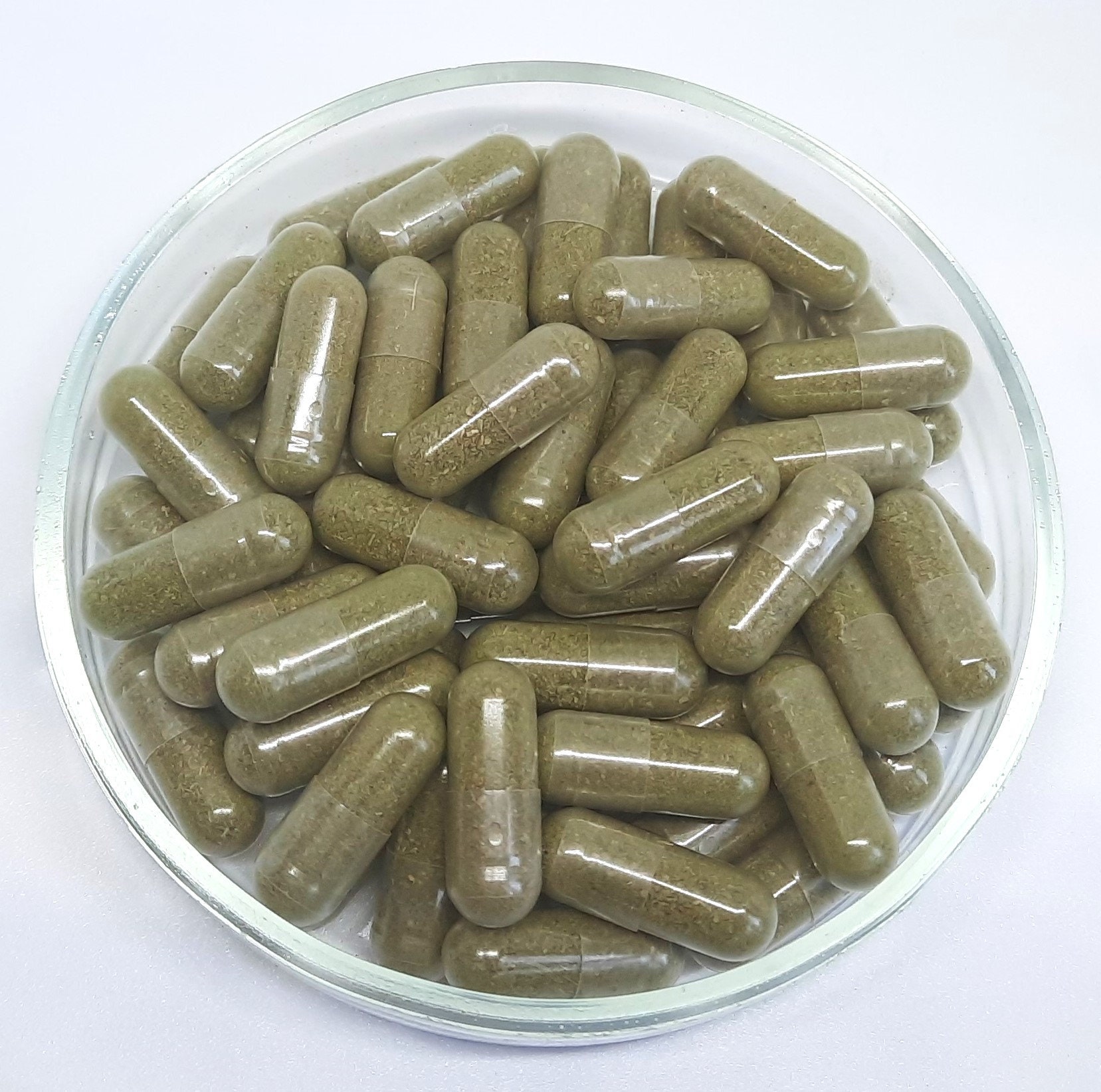
When considering supplements, such as capsules or powders, it is crucial to adhere strictly to the manufacturer’s recommended dosage. These forms typically contain a more concentrated dose of the active compounds. Always opt for reputable brands that provide third-party testing and clear ingredient labeling. Consultation with a healthcare professional is advisable before incorporating any new supplement into your regimen, especially if you have underlying health conditions or are taking other medications.
Potential Side Effects and Precautions
Butterfly Pea Flower is generally considered safe for consumption, with a long history of traditional use without widespread reports of adverse effects. However, as with any potent botanical, certain precautions are warranted:
- Pregnancy and Breastfeeding: Limited research is available on its safety during pregnancy and lactation. It is generally advised for pregnant and breastfeeding women to avoid excessive consumption or consult a healthcare provider.
- Medication Interactions: Due to its potential effects on blood sugar, individuals on diabetes medication should exercise caution and monitor their blood glucose levels closely. Similarly, its potential to affect blood thinning properties warrants caution for those on anticoagulants.
- Allergies: While rare, allergic reactions to any plant are possible. Discontinue use if you experience any adverse symptoms.
- Moderation: As with any food or herb, moderation is key. Excessive consumption is not recommended, and listening to your body’s response is always important.

The Future of Butterfly Pea Flower: Bridging Ancient Wisdom and Modern Science
The journey of the Butterfly Pea Flower from a cherished traditional herb to a global superfood is a testament to the enduring power of nature. As scientific investigation continues to uncover and validate its vast array of health benefits, its importance in pharmaceuticals, nutraceuticals, and functional foods is only set to grow. Future research will likely focus on elucidating the precise molecular mechanisms of its cyclotides, exploring its full potential in chronic disease prevention, and optimizing extraction methods to maximize the bioavailability of its beneficial compounds. Moreover, efforts in sustainable cultivation and ethical sourcing will be crucial to ensure this extraordinary plant continues to enrich lives for generations to come.
Conclusion
The Butterfly Pea Flower (Clitoria ternatea) is a magnificent example of nature’s bounty, offering a captivating blend of beauty, tradition, and profound health benefits. From its striking sapphire hue, indicative of its rich anthocyanin content, to its extensive list of bioactive compounds, this flower stands as a beacon of natural wellness. Whether enjoyed as a vibrant tea, integrated into culinary creations, or consumed as a concentrated supplement, its potential to enhance cognitive function, fortify antioxidant defenses, reduce inflammation, promote radiant skin and hair, and support overall vitality is truly remarkable. As we increasingly seek holistic approaches to health, the Butterfly Pea Flower serves as a compelling reminder that the answers often lie in the ancient wisdom of plants, patiently awaiting modern scientific validation to shine brightly on the global stage.
Disclaimer: For informational purposes only. Not medical advice. Consult a qualified healthcare professional before use.