The Profound Potency of Horse Sorrel: An Exhaustive Guide to Its Health Benefits
In the vast tapestry of botanical medicine, some herbs quietly hold immense power, often overlooked by mainstream awareness. Horse Sorrel, scientifically known as Rumex crispus, stands as a prime example of such an unsung hero. More than just a common weed found in fields and disturbed ground, this perennial plant boasts a remarkable array of health benefits, deeply rooted in centuries of traditional use and increasingly supported by modern scientific inquiry. From its potent detoxification properties to its role in supporting digestive health and bolstering the immune system, Horse Sorrel offers a holistic approach to wellness. This definitive guide delves into the intricate world of Horse Sorrel, exploring its rich history, its complex biochemical composition, and the myriad ways it can contribute to a healthier life, establishing itself as a true botanical marvel deserving of deeper appreciation.
What is Horse Sorrel? A Botanical Overview of Rumex crispus
Horse Sorrel, also widely recognized by its more common name, Curled Dock, or sometimes Yellow Dock, is a member of the Polygonaceae family, which also includes buckwheat and rhubarb. It is a robust, resilient perennial herb native to Europe and Western Asia, though it has naturalized across much of the world, thriving in temperate regions. The plant is characterized by its distinctive long, narrow leaves with wavy or “crisped” edges, giving it its specific epithet, crispus. These leaves form a basal rosette from which a tall, erect flowering stem emerges, often reaching heights of 1 to 3 feet, topped by clusters of small, greenish-red flowers that mature into distinctive reddish-brown, heart-shaped seeds. The taproot, which is stout and yellowish, is the primary part of the plant historically utilized for medicinal purposes, although the leaves and seeds also possess therapeutic properties. Its adaptability allows it to grow in various soils, making it a ubiquitous presence in meadows, waste grounds, and along roadsides, a testament to its hardy nature and widespread availability.

A Rich Tapestry of History: Horse Sorrel Through the Ages
The medicinal narrative of Horse Sorrel is as rich and convoluted as the plant itself, woven through the annals of various ancient civilizations and traditional healing systems. Its use dates back millennia, with evidence suggesting its incorporation into ancient Egyptian, Greek, and Roman pharmacopeias. These early cultures valued its laxative and detoxifying properties, often employing it as a purgative to cleanse the body and as a remedy for various skin ailments. During the medieval period in Europe, Horse Sorrel solidified its place in herbal medicine, frequently cited in herbals and treatises as a “blood purifier” and a remedy for digestive complaints. Herbalists like Nicholas Culpeper, in his 17th-century complete herbal, extensively detailed its applications for liver issues, jaundice, and conditions stemming from an “overheated” or “impure” internal environment.
Beyond Europe, Horse Sorrel found favor in indigenous medicine systems. Native American tribes, particularly in North America where it naturalized, utilized the plant for a broad spectrum of conditions. They prepared decoctions from the root to treat constipation, fevers, and liver complaints, while poultices made from the leaves were applied externally to soothe skin irritations, boils, and swellings. Its reputation as a potent tonic and cleanser persisted through the centuries, evolving from anecdotal folk medicine to a respected component of various herbal traditions, including some subtle influences in Traditional Chinese Medicine (TCM) where related Rumex species are known for their detoxifying and cooling properties. The consistent thread throughout its historical usage has been its perceived ability to cleanse and strengthen the body, making it a perennial staple in natural wellness practices.
The Potent Pharmacy Within: Bioactive Compounds of Horse Sorrel
The extensive health benefits attributed to Horse Sorrel are not mere folklore; they are firmly anchored in its complex and diverse phytochemical profile. The plant’s roots, leaves, and seeds are teeming with a synergistic blend of bioactive compounds, each contributing to its remarkable therapeutic efficacy. Understanding these constituents is key to appreciating the depth of its medicinal potential.

-
Anthraquinones
Foremost among Horse Sorrel’s active compounds are the anthraquinones, particularly emodin and chrysophanol. These compounds are largely responsible for the herb’s renowned laxative properties. Their mechanism of action involves irritating the lining of the colon, which stimulates peristalsis—the wave-like muscular contractions that move waste through the intestines. Additionally, anthraquinones can increase water content in the stool, making it softer and easier to pass. This gentle yet effective purgative action makes Horse Sorrel valuable for alleviating occasional constipation and promoting bowel regularity, contributing significantly to its reputation as a detoxifying agent by facilitating the elimination of waste products from the body. Beyond their laxative effects, some anthraquinones also exhibit anti-inflammatory and antimicrobial properties, adding to the plant’s broad therapeutic spectrum.
-
Flavonoids
Horse Sorrel is exceptionally rich in various flavonoids, potent plant pigments celebrated for their antioxidant, anti-inflammatory, and immune-modulating effects. Key flavonoids found include quercetin and rutin. Quercetin is a powerful antioxidant that scavenges free radicals, thereby reducing oxidative stress and protecting cells from damage. It also possesses significant anti-inflammatory properties, inhibiting the release of histamine and other inflammatory mediators, which can be beneficial in managing allergic reactions and inflammatory conditions. Rutin, another prominent flavonoid, is known for its ability to strengthen capillaries and improve circulation, contributing to overall cardiovascular health. These flavonoids collectively fortify the body’s defense mechanisms against cellular damage and chronic disease.
-
Tannins
The presence of tannins in Horse Sorrel contributes to its astringent properties. Tannins are polyphenolic compounds that bind to proteins, forming a protective layer on mucous membranes. This action helps to tighten and tone tissues, making them useful in treating conditions like mild diarrhea by reducing fluid secretion in the gut. Externally, their astringent nature makes Horse Sorrel valuable in wound healing, where they can help to stop minor bleeding, reduce inflammation, and promote tissue regeneration. They also possess antimicrobial qualities, which can help protect against infections.
-
Oxalic Acid and Oxalates
While contributing to its characteristic tart taste, oxalic acid and oxalates are also present in Horse Sorrel, particularly in the leaves. These compounds can bind to minerals like calcium and iron, potentially hindering their absorption if consumed in very large quantities. While a moderate intake of Horse Sorrel as part of a balanced diet is generally considered safe for most individuals, those with a history of kidney stones or certain metabolic disorders should exercise caution and consult a healthcare professional due to the potential for oxalate accumulation.
-
Vitamins and Minerals
Beyond its complex organic compounds, Horse Sorrel is also a nutritional powerhouse. It is a notable source of Vitamin C, a crucial antioxidant and immune booster, and Vitamin A, vital for vision and immune function. Furthermore, it provides essential minerals such as iron, which is critical for red blood cell formation and preventing anemia, and potassium, important for maintaining fluid balance and nerve function. The presence of chlorophyll, the green pigment in plants, further enhances its detoxifying potential by binding to toxins and promoting their elimination.
Unveiling the Comprehensive Health Benefits of Horse Sorrel
The intricate synergy of Horse Sorrel’s bioactive compounds culminates in a broad spectrum of health benefits, addressing various aspects of human wellness. Its applications extend from ancient detoxifying practices to modern considerations for immune support and anti-inflammatory action.
Digestive Health & Detoxification
Perhaps the most celebrated benefit of Horse Sorrel lies in its profound impact on digestive health and its robust detoxifying capabilities. The anthraquinones, as discussed, exert a gentle laxative effect, stimulating bowel movements and alleviating constipation. This regular elimination is crucial for preventing the reabsorption of toxins from the colon into the bloodstream. Beyond this, Horse Sorrel is a renowned “blood purifier” in traditional medicine. It supports the liver, the body’s primary detoxification organ, by enhancing its ability to process and eliminate metabolic waste products and environmental toxins. Its diuretic properties, though mild, further aid detoxification by increasing urine output, facilitating the removal of water-soluble toxins through the kidneys. This comprehensive action cleanses the entire system, promoting a sense of renewed vitality and supporting optimal organ function.
Immune System Modulation
Horse Sorrel significantly contributes to a resilient immune system. Its high Vitamin C content acts as a powerful antioxidant, protecting immune cells from oxidative damage and enhancing their function. Flavonoids like quercetin and rutin further bolster this defense by reducing inflammation, which can otherwise suppress immune responses, and by exhibiting direct antiviral and antibacterial properties. By reducing the overall inflammatory burden on the body and providing essential nutrients, Horse Sorrel helps the immune system to operate more efficiently, making the body more capable of fending off infections and maintaining general health.
Skin Health & Wound Healing
The external applications of Horse Sorrel are equally impressive, particularly for skin health. Its astringent tannins are invaluable for soothing irritated skin, reducing inflammation, and tightening pores. Traditionally, poultices made from crushed Horse Sorrel leaves have been applied to boils, abscesses, insect bites, and minor wounds to draw out impurities, reduce swelling, and accelerate the healing process. The anti-inflammatory and antiseptic properties of its compounds work in concert to calm skin conditions, protect against secondary infections, and promote healthy tissue regeneration, leading to clearer, healthier skin.
Antioxidant Powerhouse
In an era where environmental pollutants and processed foods expose us to constant oxidative stress, the antioxidant capabilities of Horse Sorrel are more relevant than ever. Its rich flavonoid content, along with Vitamin C and other phenolic compounds, actively scavenges free radicals—unstable molecules that damage cells and contribute to aging and chronic diseases like cancer, heart disease, and neurodegenerative disorders. By neutralizing these harmful radicals, Horse Sorrel helps to protect cellular integrity, reduce oxidative damage, and support long-term cellular health, acting as a formidable shield against internal and external stressors.
Anti-inflammatory Effects
Chronic inflammation is a root cause of many modern diseases. Horse Sorrel’s diverse array of anti-inflammatory compounds offers a natural approach to mitigating this systemic issue. Flavonoids like quercetin inhibit various inflammatory pathways, reducing the production of pro-inflammatory mediators. Additionally, some anthraquinones have demonstrated anti-inflammatory actions. This comprehensive anti-inflammatory profile makes Horse Sorrel potentially beneficial for conditions characterized by inflammation, such as arthritis, inflammatory bowel conditions, and general systemic inflammation, contributing to pain relief and improved bodily function.
Nutritional Value
Beyond its therapeutic compounds, Horse Sorrel offers significant nutritional benefits. Its leaves are a good source of vital nutrients, including a substantial amount of iron, making it a valuable adjunct for individuals struggling with iron-deficiency anemia, particularly when combined with its Vitamin C content which enhances iron absorption. It also provides dietary fiber, contributing to gut health, and other trace minerals essential for various physiological processes, solidifying its role as a nutritive tonic that supports overall well-being.
Practical Usage: Incorporating Horse Sorrel into Your Wellness Routine
Integrating Horse Sorrel into a daily wellness regimen can be done through various traditional and modern forms, offering flexibility based on individual preferences and specific health goals.
Traditional Preparations
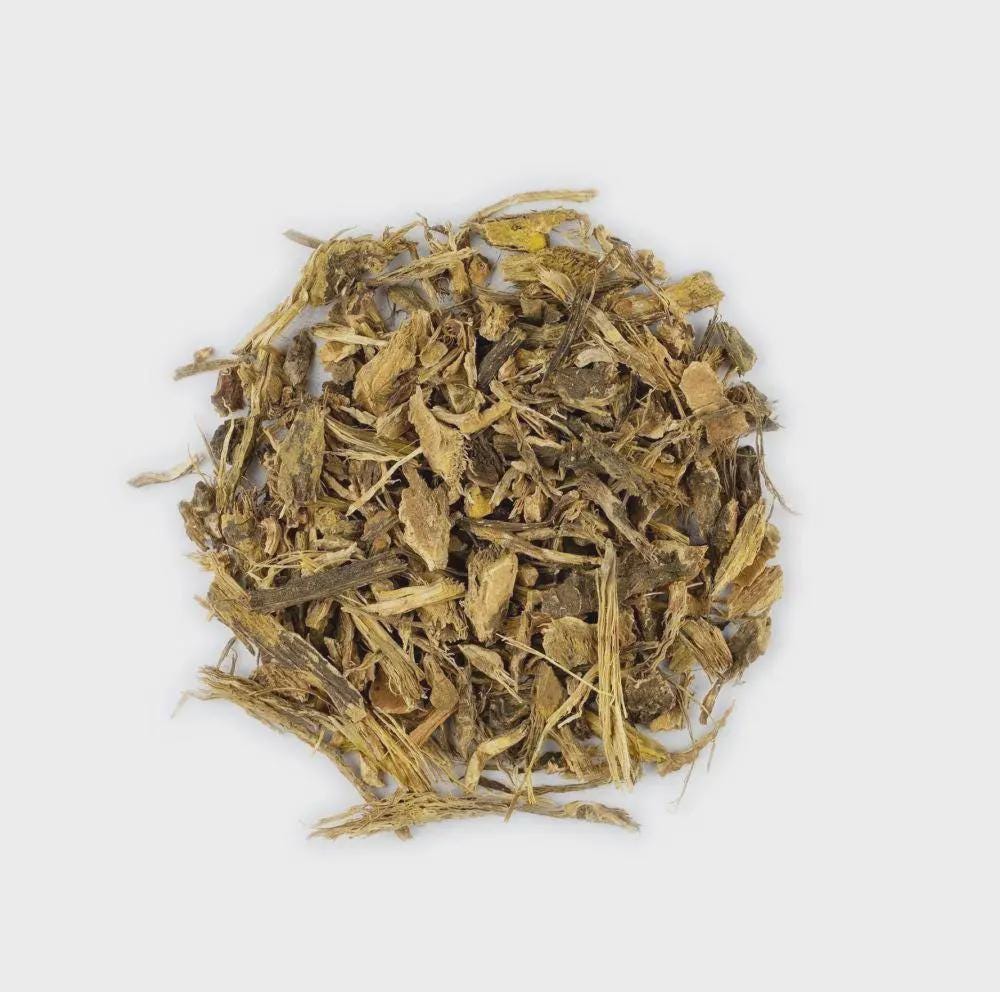
Historically, Horse Sorrel has been most commonly consumed as a tea or infusion. To prepare a tea, the dried root is typically simmered in water (decoction) to extract its potent compounds. The leaves can also be used for a lighter infusion. This method is excellent for leveraging its detoxifying, digestive, and immune-supporting benefits. Tinctures, which are concentrated alcoholic extracts of the root, offer a more potent and convenient way to consume the herb, requiring only a few drops diluted in water. For external applications, fresh or dried leaves can be macerated to create poultices or compresses, directly applied to the skin to treat wounds, rashes, and localized inflammation. While young Horse Sorrel leaves can be eaten raw in moderation, their tart flavor and oxalate content usually limit their culinary use to small amounts in salads or cooked greens, always with caution.
Modern Supplements
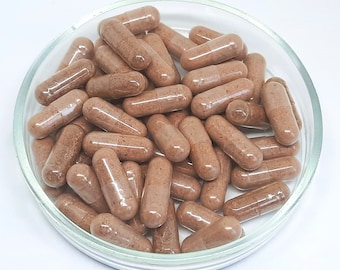
For those seeking a more standardized and convenient method of consumption, Horse Sorrel is readily available in supplement form. Capsules containing powdered dried root or concentrated extracts provide precise dosages and bypass the sometimes bitter taste of the raw herb or tea. Extracts, often liquid, allow for easy integration into daily routines. When choosing supplements, it is crucial to look for reputable brands that provide standardized extracts, ensuring consistent potency and purity. These modern formulations make it easier than ever to harness the extensive benefits of Horse Sorrel without the need for traditional preparation methods.
Dosage, Safety, and Potential Side Effects
While Horse Sorrel offers an impressive array of health benefits, like all potent herbal remedies, it should be approached with respect and informed caution. The appropriate dosage can vary significantly based on the form of the herb (dried root, extract, tincture), the concentration, and the individual’s health status and sensitivity. General guidelines for dried root tea might involve steeping 1-2 teaspoons of dried root in a cup of hot water, consumed 1-3 times daily. Tincture dosages typically range from 1-4 ml, 2-3 times per day. For capsules, always follow the manufacturer’s recommendations. However, it is paramount to consult with a qualified healthcare professional or a knowledgeable herbalist before starting any new herbal regimen, especially if you have pre-existing health conditions or are taking other medications.
One of the primary safety considerations for Horse Sorrel is its oxalate content. While moderate consumption is generally safe, excessive intake, particularly of the raw leaves, can potentially contribute to kidney stone formation in susceptible individuals due to the binding of oxalates with calcium. Therefore, those with a history of kidney stones, gout, or specific kidney disorders should exercise extreme caution or avoid Horse Sorrel altogether. Pregnant and breastfeeding women are also generally advised to avoid Horse Sorrel due to insufficient research on its safety during these periods and the potential for anthraquinones to have uterine stimulant effects or pass into breast milk.
Furthermore, Horse Sorrel’s laxative properties, while beneficial for constipation, can lead to abdominal cramping, diarrhea, or electrolyte imbalances if used excessively or by sensitive individuals. Its potential to interact with certain medications is also a concern. For example, its diuretic effect could amplify the effects of diuretic drugs, and its blood-thinning properties (due to certain constituents) might interact with anticoagulant medications, increasing the risk of bleeding. Always discuss any potential interactions with your doctor. Discontinue use if you experience any adverse reactions, such as allergic responses (skin rash, itching) or severe gastrointestinal discomfort.

Conclusion
Horse Sorrel, or Rumex crispus, stands as a testament to the enduring power of natural medicine. From its historical reverence as a potent detoxifier and blood purifier across continents and cultures to its modern scientific recognition for its rich profile of anthraquinones, flavonoids, and essential nutrients, its health benefits are both extensive and profoundly impactful. It serves as a formidable ally in supporting digestive wellness, bolstering the immune system, promoting healthy skin, and protecting the body against oxidative stress and inflammation. As research continues to unravel the full spectrum of its therapeutic potential, Horse Sorrel is poised to reclaim its rightful place as a cornerstone herb in holistic health. However, embracing this powerful plant requires an informed approach, mindful of proper dosage and potential considerations. When utilized responsibly and under professional guidance, Horse Sorrel offers a profound and natural pathway to enhanced well-being, inviting us to rediscover the wisdom held within the botanical world.
Disclaimer: For informational purposes only. Not medical advice. Consult a qualified healthcare professional before use.