The Profound Health Benefits of Buckthorn Bark (Frangula alnus): A Definitive Deep-Dive Guide
In the vast and intricate tapestry of herbal medicine, certain plants stand out for their enduring efficacy and historical significance. Among these venerable botanicals is Buckthorn Bark, scientifically known as Frangula alnus (formerly Rhamnus frangula). Often revered for its powerful yet naturally derived therapeutic properties, particularly concerning digestive health, Buckthorn Bark has been a cornerstone in traditional remedies for centuries. This exhaustive guide delves into the rich history, botanical profile, intricate chemical composition, and multifaceted health benefits of this remarkable plant, offering a comprehensive understanding for both the curious individual and the discerning health enthusiast.
Our exploration will navigate beyond superficial descriptions, venturing into the precise mechanisms by which its bioactive compounds exert their effects, providing a scientifically informed perspective on its traditional uses. From its role as a potent laxative to its potential indirect contributions to overall well-being, we aim to uncover every layer of Frangula alnus, ensuring a thorough and invaluable resource for those seeking natural pathways to health.
Botanical Overview and Nomenclature: Understanding Frangula alnus
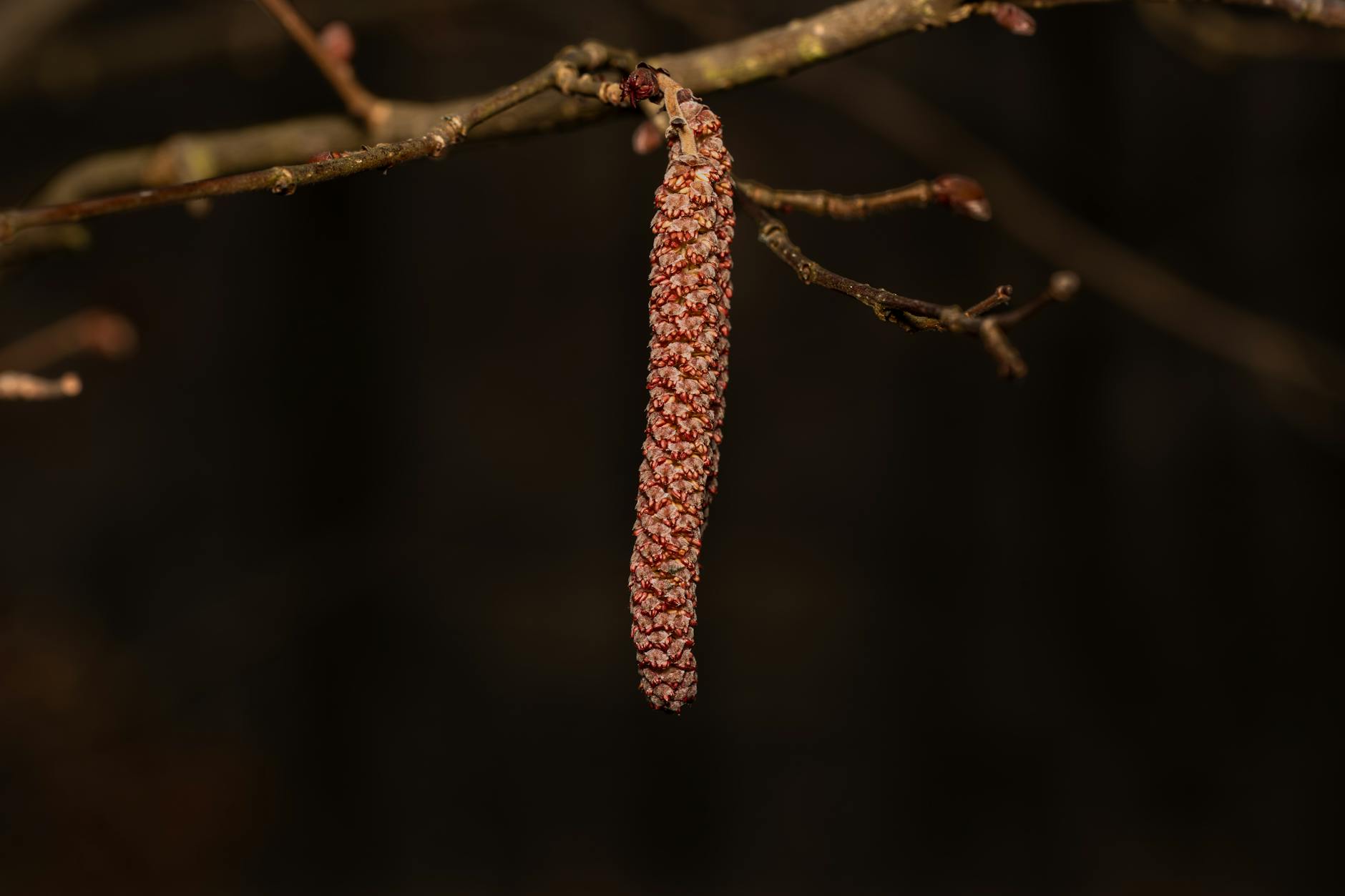
Frangula alnus, commonly referred to as Buckthorn Bark, Alder Buckthorn, Glossy Buckthorn, or Breaking Buckthorn, is a deciduous shrub or small tree native to Europe, northern Africa, and western Asia. Belonging to the Rhamnaceae family, it typically grows to a height of 3-6 meters, though some specimens can reach up to 10 meters. Its smooth bark, initially reddish-brown, gradually darkens with age, and its branches are often characterized by small, reddish buds and elliptical, untoothed leaves with prominent veins.
Historically, the plant was classified under the genus Rhamnus, leading to its former scientific name Rhamnus frangula. However, modern botanical classifications have re-categorized it into the genus Frangula due to distinct morphological differences, particularly the absence of thorns (a characteristic feature of many Rhamnus species) and its solitary flowers. This botanical distinction, while seemingly minor, underscores the precise and evolving understanding of plant taxonomy.

The bark, which is the primary part used therapeutically, must be carefully harvested and properly prepared to mitigate potential adverse effects. The smooth, dark grey bark is collected from the stems and branches and then subjected to an essential aging or curing process before it is deemed safe and effective for medicinal use. This critical preparation step is a testament to the plant’s potent chemistry and the wisdom accumulated over centuries of herbal practice.
A Journey Through Time: Historical Context and Traditional Uses
The use of Buckthorn Bark for medicinal purposes dates back centuries, firmly establishing its place in the annals of European folk medicine. Its earliest recorded uses can be traced to the 13th century, where it was documented by herbalists for its purgative properties. Medieval apothecaries and healers frequently prescribed concoctions derived from Buckthorn Bark to address various forms of constipation and to “cleanse” the bowels.
Throughout the Middle Ages and into the Renaissance, its reputation as a reliable and potent laxative grew. Herbal texts and pharmacopoeias from these periods consistently highlighted Frangula alnus as a go-to remedy for chronic sluggishness of the digestive system. It was also, at times, incorporated into broader detoxification protocols, based on the humoral theory of medicine which posited that purging the body of perceived excess humors was crucial for health maintenance.
Beyond its primary role as a cathartic, traditional practitioners explored other applications for Buckthorn Bark, albeit with less widespread scientific substantiation. These included uses for liver complaints, jaundice, and even as a vermifuge to expel intestinal parasites. Some historical records also suggest its external application for skin conditions, though this use is less prominent and generally not recommended today due to the potent nature of its compounds. The enduring popularity of Buckthorn Bark through the ages underscores a collective recognition of its effectiveness, even if the underlying scientific mechanisms were not fully understood until more recent times.
The Power Within: Key Bioactive Compounds and Their Mechanisms
The therapeutic efficacy of Buckthorn Bark largely hinges on its complex array of bioactive compounds, predominantly a class of natural chemicals known as anthraquinone glycosides. These compounds are responsible for its well-documented laxative properties and are the subject of extensive phytochemical research.

The most significant active constituents include glucofrangulins A and B, and frangulins A and B. These are O-glycosides of emodin and aloe-emodin. It is crucial to understand that these compounds are present in the bark in their inactive glycoside form. When ingested, they pass through the upper digestive tract largely unchanged, resisting degradation by stomach acid and small intestinal enzymes. The magic begins when they reach the large intestine.
In the colon, the indigenous bacteria possess enzymes (specifically β-glucosidases) that cleave off the sugar part of the glycosides, releasing the active anthraquinones, such as emodin and rhein. These active metabolites then exert a dual effect on the colonic mucosa:
- Stimulation of Peristalsis: The free anthraquinones directly irritate the smooth muscle of the colon wall, stimulating the myenteric plexus (a network of nerves in the gastrointestinal tract). This irritation leads to increased rhythmic contractions, known as peristalsis, which propels fecal matter through the colon more rapidly. The increased motility reduces the time available for water absorption.
- Inhibition of Water and Electrolyte Reabsorption: Concurrently, these compounds inhibit the active transport of water and electrolytes (sodium and chloride ions) from the colon back into the bloodstream. This inhibition results in a higher osmotic pressure within the intestinal lumen, drawing more water into the colon. The increased water content softens the stool, increases its bulk, and facilitates easier passage.
The combination of increased colonic motility and greater stool volume/softness leads to a potent laxative effect, typically occurring 6 to 12 hours after ingestion. This delayed action is precisely why the bark’s active components need to reach the colon before they are activated. Furthermore, the presence of these anthraquinone glycosides in the fresh bark in their precursor forms (gluocfrangulins) is critical; fresh bark contains higher levels of free anthranols which are much harsher and can cause severe cramping and vomiting. The essential aging or heat-treatment process transforms these irritating free forms into the milder glycosides, ensuring a safer and more predictable therapeutic effect.
The Primary Benefit: A Natural and Effective Laxative
The most celebrated and scientifically supported health benefit of Buckthorn Bark is its efficacy as a natural stimulant laxative. It is particularly valued for addressing various forms of constipation, both acute and chronic, when other lifestyle modifications have proven insufficient.
- Relief from Chronic Constipation: For individuals suffering from chronic idiopathic constipation, Buckthorn Bark provides a reliable means to restore regular bowel movements. Its consistent action, when used appropriately, helps to prevent the uncomfortable buildup of fecal matter, alleviating symptoms such such as abdominal discomfort, bloating, and straining. The gentle yet firm stimulation of the colon encourages a natural rhythm without the harshness associated with some synthetic laxatives.
- Addressing Occasional Constipation: Beyond chronic conditions, Buckthorn Bark is also an excellent option for occasional constipation caused by dietary changes, travel, stress, or certain medications. Its predictable onset of action allows individuals to time its use strategically, ensuring relief when needed most.
- Preparation for Medical Procedures: In some clinical settings, Buckthorn Bark preparations may be used as part of a bowel preparation regimen before colonoscopies or other gastrointestinal examinations. Its ability to thoroughly cleanse the colon makes it a viable option, often preferred by patients seeking natural alternatives to harsh chemical preparations, though always under medical supervision.
The advantage of using Buckthorn Bark lies in its natural origin and the relatively predictable, dose-dependent response it elicits. However, it is paramount to reiterate the importance of using properly aged or heat-treated bark to avoid the irritating effects of fresh bark’s free anthranols. This careful preparation ensures that the transition of the active compounds through the digestive system is optimized for efficacy and safety, preventing undue irritation in the stomach and small intestine.

Secondary and Complementary Health Considerations
While its primary role is as a laxative, historical usage and the complex phytochemistry of Frangula alnus suggest other potential, albeit less extensively studied, benefits. It’s important to approach these with a nuanced perspective, recognizing that scientific evidence for many of these is preliminary or largely based on traditional use.
- Support for Liver and Gallbladder Function: Traditional herbalism often linked regular bowel function with overall detoxification and organ health, particularly the liver and gallbladder. By promoting regular elimination, Buckthorn Bark indirectly supports these organs by reducing the burden of toxins reabsorbed from a sluggish bowel. Some historical accounts also suggest its use as a cholagogue, stimulating bile flow, which aids in fat digestion and waste elimination. While direct evidence of a cholagogic effect is limited, improved gut motility can certainly contribute to a healthier internal environment.
- Indirect Impact on Gut Microbiome: While a laxative effect might seem simplistic, its consistent action can have an indirect, positive impact on the gut microbiome. By preventing the prolonged transit time of fecal matter, it reduces the opportunity for dysbiotic bacteria to proliferate and produce harmful metabolites. A quicker transit time can help maintain a healthier balance of gut flora, although Buckthorn Bark is not directly considered a prebiotic or probiotic.
- Anti-inflammatory Potential (Limited Evidence): Some anthraquinone derivatives found in plants have demonstrated anti-inflammatory properties in in vitro studies. While Frangula alnus contains these compounds, direct evidence for a significant anti-inflammatory effect in humans via oral consumption is scarce. Any potential anti-inflammatory action would likely be secondary to its primary digestive effects and not its main therapeutic indication.
- Antimicrobial Activity (Historical/Exploratory): Historically, some plant-derived anthraquinones have been explored for potential antimicrobial properties. While certain anthraquinones may exhibit activity against specific bacteria or fungi in laboratory settings, this is not a primary recognized benefit of Buckthorn Bark in current herbal medicine practice, nor is it recommended for treating infections. Its traditional use as a vermifuge, however, hints at some historical understanding of its impact on gut inhabitants.
Practical Usage: Preparation, Forms, and Dosage
The safe and effective use of Buckthorn Bark hinges significantly on proper preparation and adherence to recommended dosages. Due to the potent nature of its active compounds, caution and an understanding of its forms are essential.
Preparation of Dried Bark (Traditional Method)
The most crucial step in preparing Buckthorn Bark is ensuring it is aged. Fresh bark contains compounds (anthranols) that can cause severe gastrointestinal irritation, cramps, and vomiting. The bark must be stored for at least one year before use, or it can be heat-treated (e.g., baking at low temperatures for several hours) to convert these irritating compounds into the milder, therapeutically active anthraquinone glycosides. Once properly aged or treated, the bark is typically used to prepare a decoction.
- Decoction: To make a decoction, typically 1-2 grams of dried, aged bark are simmered in about 200-250 ml (one cup) of water for 5-10 minutes. The mixture is then strained, and the liquid is consumed. This method ensures the extraction of the active compounds.
- Dosage: A common dosage is one cup of decoction, usually taken in the evening before bed. The laxative effect typically manifests within 8-12 hours. It is crucial to start with the lowest effective dose and increase gradually if necessary, never exceeding recommended limits.
Modern Supplements: Capsules and Standardized Extracts
For convenience and precise dosing, Buckthorn Bark is also available in modern supplement forms, such as capsules, tablets, and liquid extracts. These products are often standardized to contain a specific amount of active anthraquinone glycosides, ensuring consistent potency and reducing the risk associated with improper preparation of raw bark.
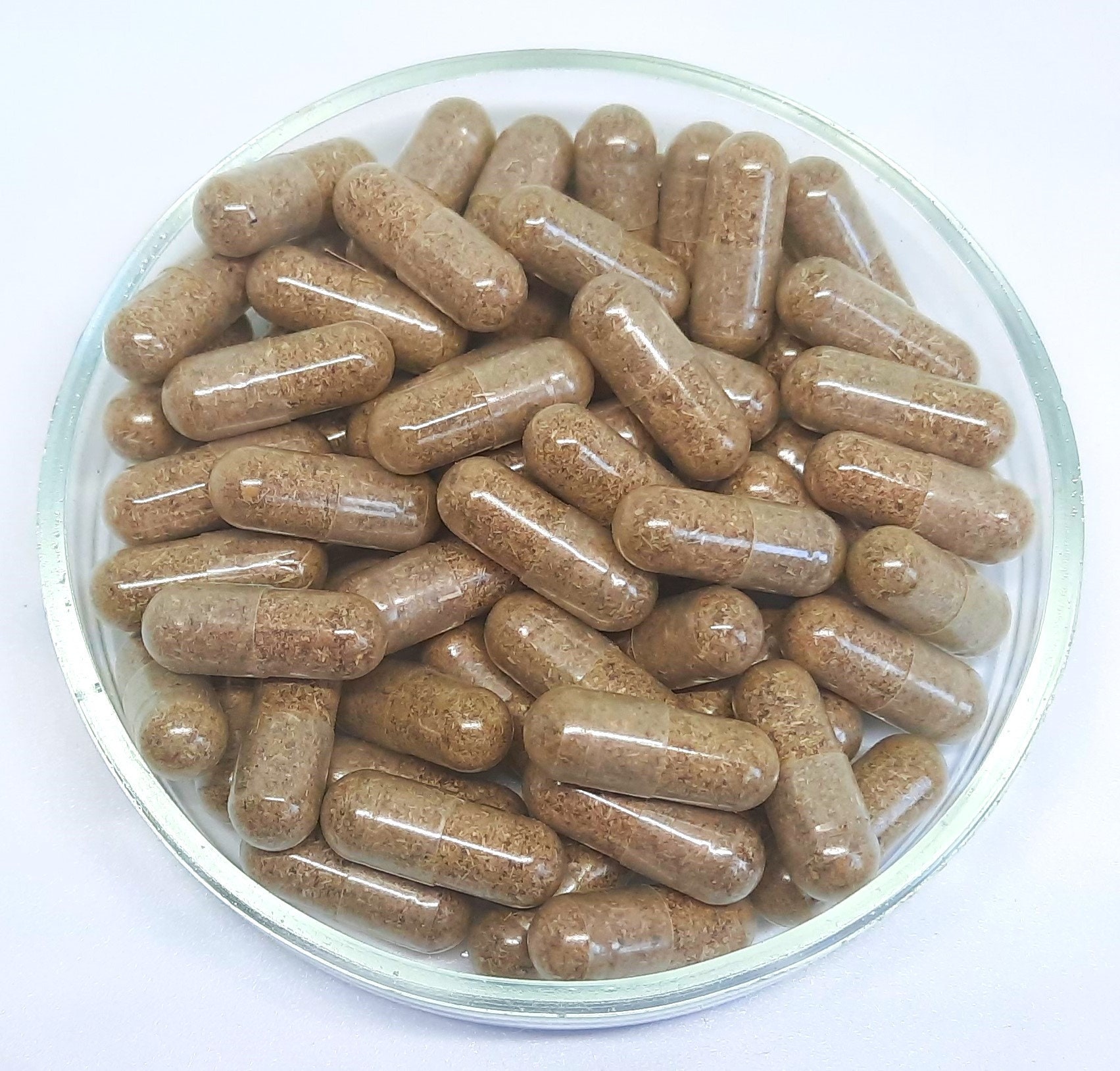
- Capsules/Tablets: These offer a convenient way to consume Buckthorn Bark without the need for preparation. Dosage will vary significantly between brands and concentrations, so always adhere strictly to the manufacturer’s instructions on the product label. Standardized extracts aim to provide a consistent amount of total hydroxyanthracene derivatives.
- Liquid Extracts: Tinctures or liquid extracts offer another convenient form, allowing for flexible dosing. Again, follow the product-specific instructions carefully.
Regardless of the form, the general principle remains the same: use the lowest effective dose for the shortest possible duration. Prolonged use (beyond 1-2 weeks) is generally discouraged without medical supervision due to the risk of dependency and electrolyte imbalance.
Important Considerations, Precautions, and Potential Side Effects
While Buckthorn Bark is a natural remedy, its potent action necessitates careful consideration of its contraindications, side effects, and potential drug interactions. It is not suitable for everyone, and responsible usage is paramount.
- Contraindications: Buckthorn Bark should not be used by individuals with intestinal obstruction, acute inflammatory bowel diseases (such as Crohn’s disease, ulcerative colitis, appendicitis), abdominal pain of unknown origin, dehydration, or electrolyte disturbances. It is also contraindicated in children under 12 years of age, pregnant women, and breastfeeding mothers due to insufficient safety data and the potential for active compounds to pass into breast milk.
- Side Effects: The most common side effects include abdominal cramps, flatulence, and discomfort, especially with higher doses or unaged bark. Long-term or excessive use can lead to dependency (lazy bowel syndrome), where the colon becomes reliant on stimulation to function. It can also cause significant loss of electrolytes, particularly potassium, leading to electrolyte imbalance, which can be dangerous, especially for individuals with heart conditions or those taking certain medications. Prolonged use can also cause a harmless but noticeable discoloration of the urine (yellow-brown or reddish) and melanin deposits in the colon wall (pseudomelanosis coli), which usually reverses after discontinuation.
- Drug Interactions: Buckthorn Bark can interact with several medications. Due to its potential to cause potassium depletion, it can potentiate the effects of cardiac glycosides (like digoxin) and antiarrhythmic drugs, increasing the risk of cardiotoxicity. Concurrent use with diuretics or corticosteroids can also exacerbate potassium loss. It may also interfere with the absorption of other orally administered drugs due to accelerated intestinal transit.
- Dependency and Long-Term Use: It is critical to emphasize that Buckthorn Bark, like other stimulant laxatives, is not intended for long-term daily use. Its continued use can lead to the colon losing its natural tone and function, resulting in laxative dependency. For chronic constipation, a holistic approach involving diet, hydration, exercise, and fiber intake should be prioritized, with Buckthorn Bark serving as a short-term intervention.
- Professional Consultation: Always consult a healthcare professional before initiating any new herbal remedy, especially if you have underlying health conditions, are pregnant or breastfeeding, or are taking other medications. A medical professional can provide personalized advice on appropriate dosage, duration of use, and potential risks.
Conclusion: A Timeless Herbal Ally with Responsible Application
Buckthorn Bark (Frangula alnus) stands as a testament to the enduring power of nature’s pharmacy. Its rich history of use, particularly as a highly effective natural laxative, is firmly supported by modern phytochemical understanding, revealing the intricate dance between its anthraquinone glycosides and the human digestive system. By gently yet powerfully stimulating peristalsis and enhancing water retention in the colon, it offers reliable relief from various forms of constipation, helping to restore regularity and comfort.
However, its potency demands respect and responsible application. The critical step of aging or heat-treating the bark is non-negotiable for safety, transforming potentially irritating compounds into therapeutically beneficial ones. While its primary use is digestive, historical accounts hint at broader systemic benefits, though these remain areas for further scientific exploration.
In an era where digestive health is increasingly recognized as central to overall well-being, Frangula alnus offers a compelling natural option. When used judiciously, with an understanding of its mechanisms, proper preparation, appropriate dosage, and a clear awareness of contraindications, Buckthorn Bark continues to be a valuable ally in maintaining gastrointestinal harmony. Always prioritize consultation with a qualified healthcare provider to ensure its safe and effective integration into your wellness journey.
Disclaimer: For informational purposes only. Not medical advice. Consult a qualified healthcare professional before use.