The Profound Health Benefits of Passion Flower Herb: An Exhaustive Deep-Dive Guide
In the vast botanical tapestry of the world, certain plants distinguish themselves through their remarkable therapeutic properties, revered across centuries and cultures. Among these botanical treasures, the Passion Flower Herb (Passiflora incarnata), stands out as a powerful natural remedy, particularly acclaimed for its profound calming and sedative effects. Often hailed as a cornerstone in natural health for stress, anxiety, and sleep disorders, this exquisite vine offers a holistic approach to well-being. This exhaustive guide delves into the rich history, intricate botanical profile, complex chemical composition, and multifaceted health benefits of Passion Flower, providing a definitive resource for understanding its immense potential.
A Journey Through Time: Historical Context and Ethnobotany
The story of Passion Flower begins in the lush rainforests of the southeastern United States, Central, and South America, its native habitat. Its striking, intricate blossoms first captivated European explorers and missionaries in the 16th century, who observed its unique morphology and ascribed profound religious symbolism to its various parts, interpreting them as representations of the Passion of Christ. This interpretation gave the plant its evocative name. Spanish missionaries, particularly, documented its traditional use by indigenous peoples, including the Aztecs, Incas, and various North American tribes, who utilized it for its medicinal qualities long before its botanical classification.
Indigenous communities traditionally employed Passion Flower as a mild sedative, anxiolytic, and antispasmodic. They used infusions of its leaves and flowers to soothe nervousness, alleviate insomnia, ease pain, and calm digestive spasms. The plant’s ability to induce tranquility without causing heavy narcosis made it a valued part of their herbal pharmacopeia, reflecting a deep intuitive understanding of its pharmacological actions. This rich historical tapestry underscores its enduring legacy as a trusted botanical ally, paving the way for its modern scientific exploration.
Botanical Profile: Unveiling the Enigmatic Passiflora incarnata
Passiflora incarnata, commonly known as Maypop, Purple Passionflower, or Wild Apricot, is a perennial vine belonging to the Passifloraceae family. It is distinctively characterized by its climbing habit, tendrils that allow it to cling to other plants, and its deeply lobed, alternate leaves. However, it is the flower itself that truly captures attention and defines its identity.
The intricate blooms, typically 2-3 inches in diameter, feature five white petals and five white sepals, topped by a prominent fringe-like corona of purple and white filaments. At its center, a distinctive structure arises, comprising five stamens with large anthers and a pistil with three stigmas. These ornate features, which inspired its name, belie the powerful medicinal compounds held within. Following pollination, the flower gives way to an edible, ovoid fruit, the ‘maypop,’ which ripens to a yellowish color and contains numerous seeds embedded in a sweet, aromatic pulp. While the fruit is consumed, it is primarily the aerial parts of the plant – the leaves, stems, and flowers – that are harvested for their therapeutic properties, containing the highest concentration of beneficial phytochemicals.
The Biochemical Symphony: Bioactive Compounds and Mechanisms of Action
The therapeutic efficacy of Passion Flower is not attributable to a single compound but rather to a complex interplay of various bioactive constituents, working synergistically to exert its calming and restorative effects. Scientific research has painstakingly identified several key classes of compounds responsible for its pharmacological actions.

Flavonoids: The Calming Crusaders
Perhaps the most extensively studied and significant group of compounds in Passion Flower are the flavonoids. These plant pigments are renowned for their antioxidant and anti-inflammatory properties, but in Passiflora incarnata, specific flavonoids like vitexin, isovitexin, orientin, and apigenin play a crucial role in its anxiolytic and sedative effects. These compounds are believed to interact with the gamma-aminobutyric acid (GABA) system in the brain. GABA is the primary inhibitory neurotransmitter in the central nervous system, responsible for reducing neuronal excitability and promoting a state of calm. Flavonoids, particularly apigenin, can bind to GABAA receptors, mimicking the action of GABA itself or modulating its effects, thereby leading to decreased nerve activity, reduced anxiety, and improved sleep induction. This interaction is akin to how benzodiazepine drugs work but generally with a milder profile and fewer side effects.
Alkaloids: Gentle Neuromodulators
Passion Flower also contains a small amount of indole alkaloids, including harman, harmaline, harmol, and harmine. While these compounds, particularly at higher concentrations found in other plants, are known as monoamine oxidase inhibitors (MAOIs), their presence in typical Passion Flower preparations is usually too low to exert significant MAOI effects. However, they may contribute to the plant’s overall relaxing properties by subtly modulating neurotransmitter levels or interacting with other neural pathways, potentially enhancing the GABAergic effect or contributing to mood stabilization. It’s their synergistic action with flavonoids that is often considered more impactful than their individual contributions.
Maltol and Ethyl Maltol: Subtle Sedatives
Other compounds contributing to Passion Flower’s sedative profile include maltol and ethyl maltol. These pyrone derivatives are known for their mild hypnotic and tranquilizing properties. While not as potent as the flavonoids in their direct interaction with GABA receptors, their presence adds another layer to the herb’s ability to promote relaxation and facilitate sleep, working subtly to calm the nervous system and prepare the body for rest.
Glycosides and Other Constituents
Beyond these primary compounds, Passion Flower contains various other constituents such as glycosides, phenolic acids, and amino acids, which may further contribute to its overall therapeutic profile. The complex synergy of these diverse phytochemicals underscores the holistic nature of herbal medicine, where the whole plant often offers more comprehensive benefits than isolated compounds.
Key Health Benefits: A Deeper Dive into Efficacy
The wealth of bioactive compounds in Passion Flower translates into a broad spectrum of health benefits, primarily centered around its ability to soothe the nervous system and promote tranquility.
1. Anxiety and Stress Reduction
This is arguably the most well-known and scientifically supported benefit of Passion Flower. Its anxiolytic effects are attributed to its ability to enhance GABA activity in the brain. By boosting GABA, Passion Flower helps to quiet overactive nerve signals, leading to a profound sense of calm and reduced feelings of apprehension and worry. Clinical studies have demonstrated its effectiveness in alleviating symptoms of generalized anxiety disorder (GAD), reducing restlessness, nervous tension, and improving focus during stressful situations. It offers a gentle alternative to pharmaceutical anxiolytics, often without the pronounced side effects like dependence or severe sedation, making it suitable for daily stress management.
2. Insomnia and Sleep Improvement
For individuals struggling with sleep disturbances, Passion Flower offers a natural and gentle solution. Its sedative properties, primarily mediated through GABAergic modulation, help to reduce sleep latency (the time it takes to fall asleep) and improve overall sleep quality. Users often report falling asleep more easily, experiencing deeper and more restorative sleep, and waking up feeling refreshed without the grogginess associated with many conventional sleep aids. It doesn’t induce heavy sedation but rather guides the body into a natural state of relaxation conducive to sleep, making it beneficial for both acute and chronic insomnia.
3. Pain Relief, Including Neuropathic Pain
Beyond its calming effects, Passion Flower exhibits analgesic and antispasmodic properties. Its ability to relax muscles and calm the nervous system makes it effective in alleviating various types of pain, particularly those associated with muscle tension, cramps, and even some forms of neuropathic pain. Some research suggests its flavonoids may interact with opioid receptors or other pain pathways, offering relief for conditions like tension headaches, menstrual cramps, and generalized body aches. This provides a complementary approach for pain management, especially when anxiety and stress exacerbate pain perception.
4. Support for ADHD/ADD Symptoms (Emerging Research)
While more robust research is needed, preliminary studies and anecdotal evidence suggest Passion Flower may offer benefits for individuals with Attention Deficit Hyperactivity Disorder (ADHD) or Attention Deficit Disorder (ADD). Its calming properties can help reduce hyperactivity, impulsivity, and restlessness, potentially improving focus and concentration, especially in children and adolescents who might be sensitive to stimulant medications. By promoting a calmer state, it may help in managing some of the behavioral aspects associated with these conditions.
5. Alleviation of Menopausal Symptoms
For women navigating the physiological and emotional shifts of menopause, Passion Flower may offer relief. Its anxiolytic and sedative effects can help manage mood swings, irritability, and anxiety commonly experienced during this transition. Furthermore, its general calming action may indirectly help with sleep disturbances and hot flashes, contributing to an improved quality of life during menopause. Studies have shown promising results in reducing psychosomatic symptoms associated with menopause.
6. Management of Withdrawal Symptoms
Passion Flower has shown promise in managing withdrawal symptoms, particularly from opioids and benzodiazepines. In clinical settings, it has been studied for its ability to reduce the psychological symptoms of opioid withdrawal, such as anxiety, irritability, and restlessness, often in conjunction with other treatments like clonidine. Similarly, its gentle anxiolytic action can be supportive during benzodiazepine tapering, helping to mitigate the rebound anxiety and insomnia that often accompany withdrawal from these medications. It provides a natural, less addictive alternative to ease the transition.
7. Gastrointestinal Support: Antispasmodic Action
Traditional uses of Passion Flower often included its application for digestive ailments, and modern understanding supports this. Its antispasmodic properties can help relax the smooth muscles of the gastrointestinal tract, alleviating symptoms such as abdominal cramps, nervous stomach, and irritable bowel syndrome (IBS) exacerbated by stress. By calming the nervous system, it can also reduce the “gut-brain axis” related symptoms of digestive distress.
8. Antioxidant and Anti-inflammatory Properties
Like many flavonoid-rich herbs, Passion Flower possesses significant antioxidant capacity. Antioxidants help protect the body’s cells from oxidative stress caused by free radicals, which are implicated in aging and various chronic diseases. Its anti-inflammatory compounds can also help reduce inflammation throughout the body, contributing to overall health and disease prevention, albeit typically in a subtle, supportive role compared to its primary calming effects.
Practical Usage and Forms of Passion Flower Herb
Passion Flower is available in several convenient forms, allowing individuals to choose the method of consumption that best suits their needs and preferences.
Traditional Infusion (Tea)
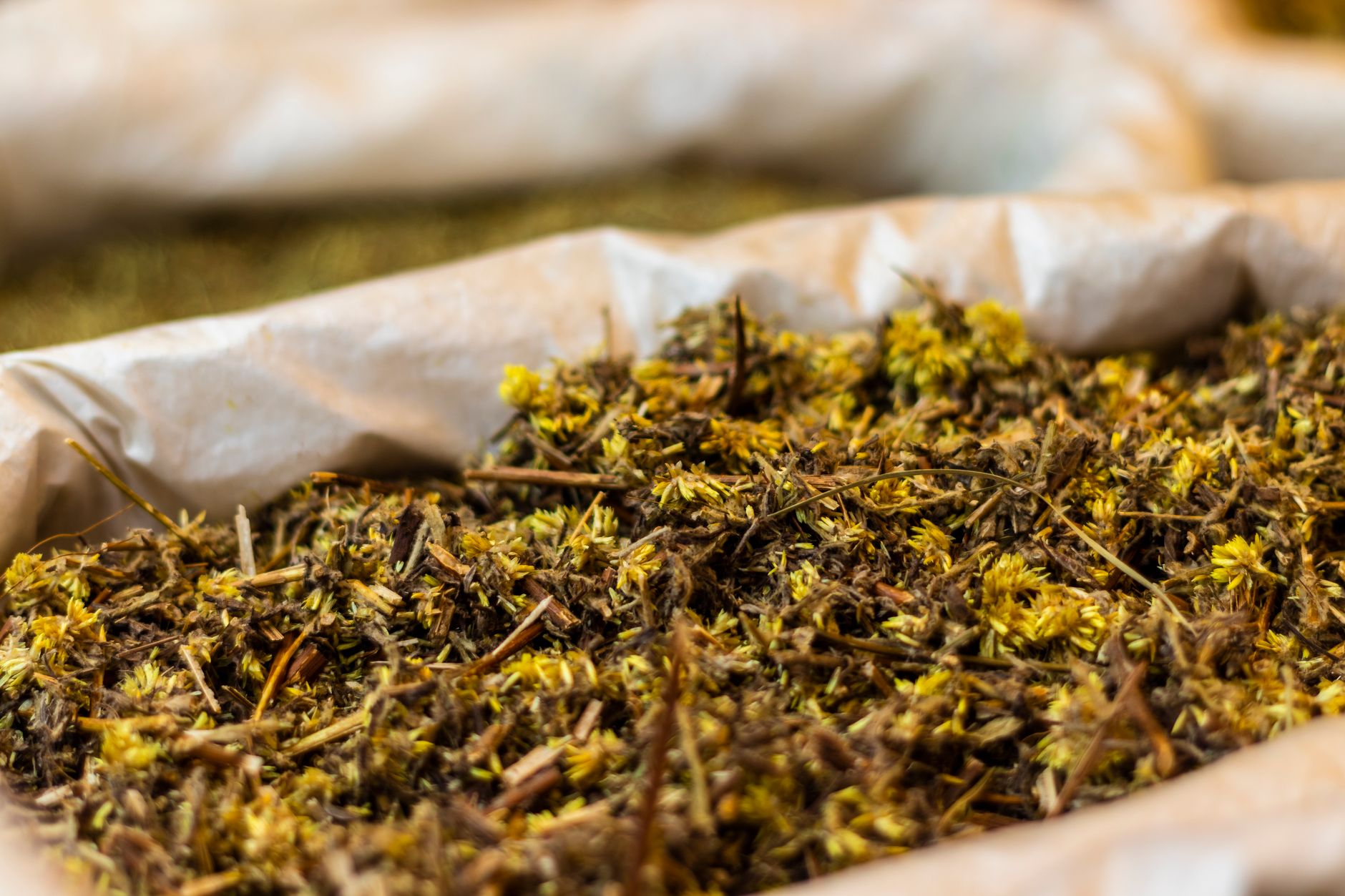
One of the most common and traditional ways to consume Passion Flower is as an herbal tea. This method allows for a gentle and relaxing experience, making it ideal for winding down before bedtime or soothing daily stress. To prepare, steep 1-2 teaspoons of dried Passion Flower herb in a cup of hot water for 10-15 minutes, then strain and enjoy.
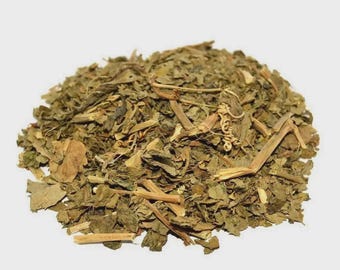
The delicate, slightly grassy flavor is often enjoyed on its own or blended with other calming herbs like chamomile or lemon balm.
Tinctures and Liquid Extracts
Tinctures are concentrated liquid extracts made by steeping the herb in alcohol or glycerin. They offer a potent and rapidly absorbed form of Passion Flower, making them effective for acute anxiety or when a quicker onset of action is desired. Dosages typically range from 20-60 drops (1-3 ml) taken 1-3 times daily, or as directed by a healthcare professional. They can be added to a small amount of water or juice.
Capsules and Tablets
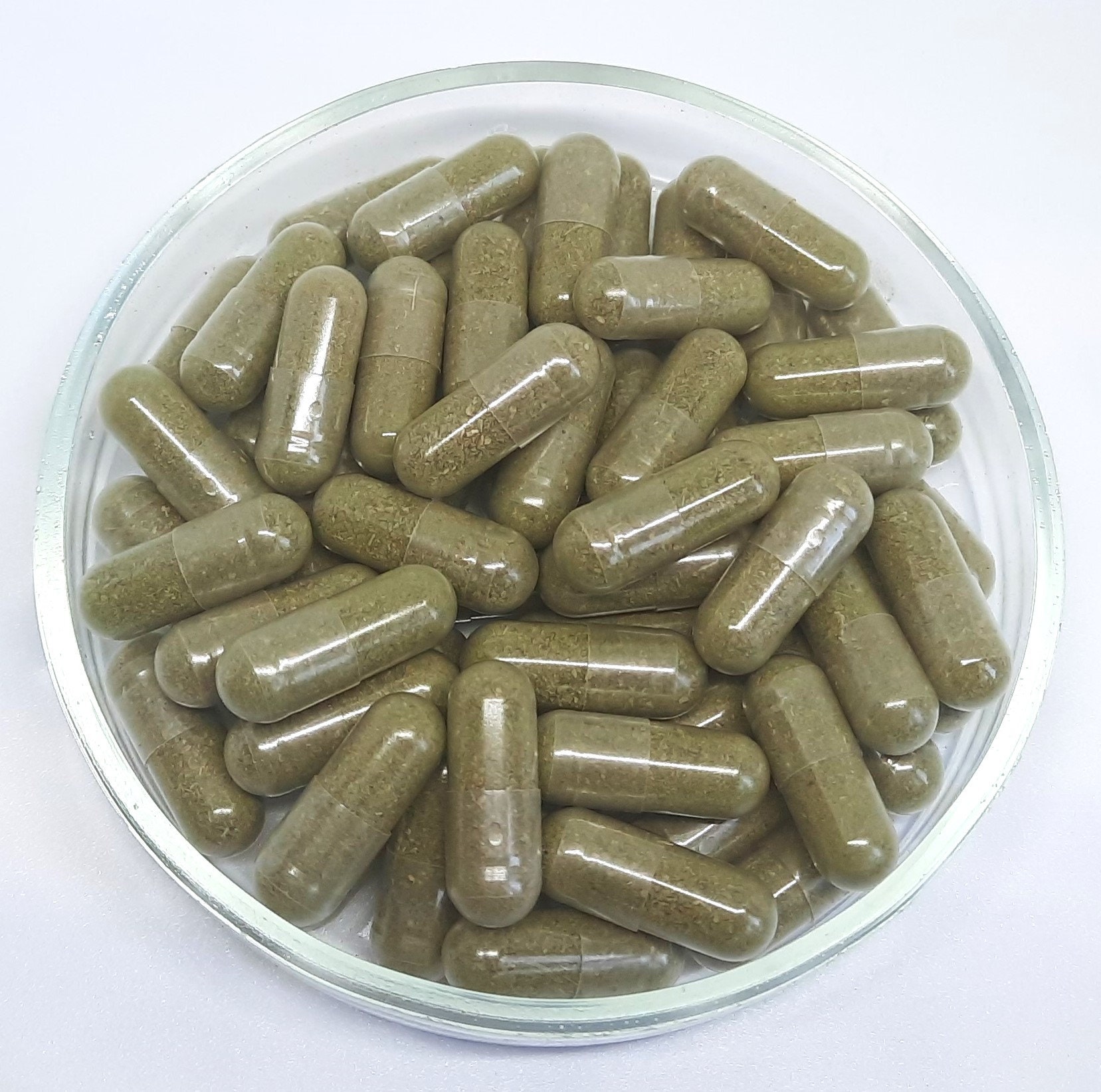
For convenience and precise dosing, Passion Flower is widely available in capsule or tablet form, often containing standardized extracts to ensure consistent potency. This is an excellent option for those who prefer not to taste the herb or require a consistent daily dose without preparation. Capsules are particularly popular for long-term management of anxiety or chronic sleep issues.
Topical Applications
Though less common, Passion Flower can also be found in some topical preparations, such as creams or salves, aimed at localized pain relief or muscle relaxation. While research in this area is limited, its antispasmodic properties could theoretically offer some benefits for external application.
Dosage and Administration: Finding Your Balance
The appropriate dosage of Passion Flower can vary significantly based on the form of the herb, the concentration of the extract, and individual factors such as age, weight, and the specific condition being addressed. It is always advisable to start with the lowest effective dose and gradually increase it if needed, under the guidance of a qualified healthcare professional. General guidelines are:
- Dried Herb (Tea): 1-2 grams (1-2 teaspoons) steeped in 1 cup of hot water, 2-3 times daily, or 30-60 minutes before bedtime.
- Liquid Extract/Tincture (1:5 ratio): 1-4 ml, 2-3 times daily.
- Standardized Extract Capsules: 200-400 mg, 1-3 times daily. Some studies for insomnia used 600-800 mg before sleep.
For sleep, it is generally recommended to take Passion Flower 30-60 minutes before bed. For anxiety, doses can be spread throughout the day. Consistent use over several weeks may be necessary to experience its full therapeutic effects.
Potential Side Effects and Precautions
Passion Flower is generally considered safe for most adults when taken in recommended doses. However, like all herbal remedies, it can cause side effects in some individuals. The most common side effects include:
- Drowsiness or sedation, especially at higher doses.
- Dizziness.
- Mild stomach upset (nausea, vomiting).
- Ataxia (impaired coordination) in rare cases.
Due to its sedative effects, it is crucial to avoid operating heavy machinery or driving until you understand how Passion Flower affects you. Individuals with a history of liver or kidney disease should use Passion Flower with caution and under medical supervision.
Contraindications and Drug Interactions
Despite its gentle nature, Passion Flower is not suitable for everyone and can interact with certain medications:
- Pregnancy and Breastfeeding: Passion Flower should be avoided during pregnancy and breastfeeding due to a lack of sufficient safety data. Some traditional uses suggest it may stimulate uterine contractions, making it potentially unsafe for pregnant women.
- Sedatives: It can potentiate the effects of other central nervous system depressants, including prescription sedatives (benzodiazepines, barbiturates), hypnotics, antihistamines, and alcohol. Concurrent use can lead to excessive drowsiness and impaired cognitive function.
- Antidepressants (especially MAOIs): While the alkaloid content is usually low, there is a theoretical concern about interactions with MAO inhibitor antidepressants. Individuals on antidepressants should consult their doctor before using Passion Flower.
- Blood Thinners: Some research suggests a theoretical possibility of interaction with blood-thinning medications (anticoagulants/antiplatelets) due to certain compounds, though this is less established than other interactions. Caution is advised.
- Surgery: Due to its sedative effects and potential for interaction with anesthesia, discontinue Passion Flower at least two weeks before any scheduled surgery.
Choosing a Quality Passion Flower Product
The efficacy and safety of any herbal supplement depend heavily on its quality. When selecting Passion Flower products, consider the following:
- Reputable Brands: Choose products from well-known brands that adhere to Good Manufacturing Practices (GMP) and conduct third-party testing for purity and potency.
- Organic Certification: Opt for organic products to ensure the herb is free from pesticides and harmful chemicals.
- Standardized Extracts: For capsules and tinctures, look for products that are standardized to a specific percentage of active compounds (e.g., flavonoids like vitexin), which indicates consistent potency.
- Form: Decide whether dried herb, tincture, or capsules best suit your needs and lifestyle.
Conclusion: Embracing the Calming Power of Passion Flower
The Passion Flower Herb stands as a testament to nature’s profound capacity to heal and soothe. From its ancient roots in indigenous medicine to its modern scientific validation, Passiflora incarnata offers a compelling natural solution for navigating the complexities of stress, anxiety, and sleep disturbances in our fast-paced world. Its intricate blend of flavonoids, alkaloids, and other compounds works synergistically to calm the nervous system, promote relaxation, and enhance overall well-being. By understanding its historical significance, botanical characteristics, and intricate mechanisms of action, individuals can confidently harness the gentle yet potent power of Passion Flower to cultivate a greater sense of peace and restorative health. As always, while Passion Flower is largely safe, consulting with a healthcare professional before integrating it into your regimen, especially if you have underlying health conditions or are taking other medications, is highly recommended to ensure it aligns with your individual health needs.
Disclaimer: For informational purposes only. Not medical advice. Consult a qualified healthcare professional before use.