
The Definitive Guide to Celandine Herb: Botanical Profiles, Active Compounds, Historical Uses, and Therapeutic Benefits
Greater Celandine (Chelidonium majus) is a powerful, deeply complex perennial plant that has occupied a revered position in European and Asian herbal medicine for thousands of years. Often distinguished from Lesser Celandine (which belongs to an entirely different botanical family, the Ranunculaceae), Greater Celandine is a member of the poppy family (Papaveraceae). Known for its brilliant yellow flowers, deeply lobed leaves, and a characteristic bright orange-yellow latex that exudes when any part of the plant is broken, this herb is both a potent therapeutic agent and a subject of intense modern pharmacological research. In this exhaustive guide, we will analyze the multi-faceted nature of Celandine, exploring its botany, phytochemical composition, historical legacy, contemporary medical applications, safety profile, and practical usage.
Botanical Classification and Plant Characteristics
To fully appreciate the therapeutic profile of Greater Celandine, one must first understand its botanical identity. Chelidonium majus is native to temperate regions of Europe, Western Asia, and North Africa, and has since been naturalized in North America. It thrives in damp soils, along forest edges, waste ground, and near stone walls. The plant can grow up to 80 centimeters in height, featuring erect, branched stems covered in fine hairs.
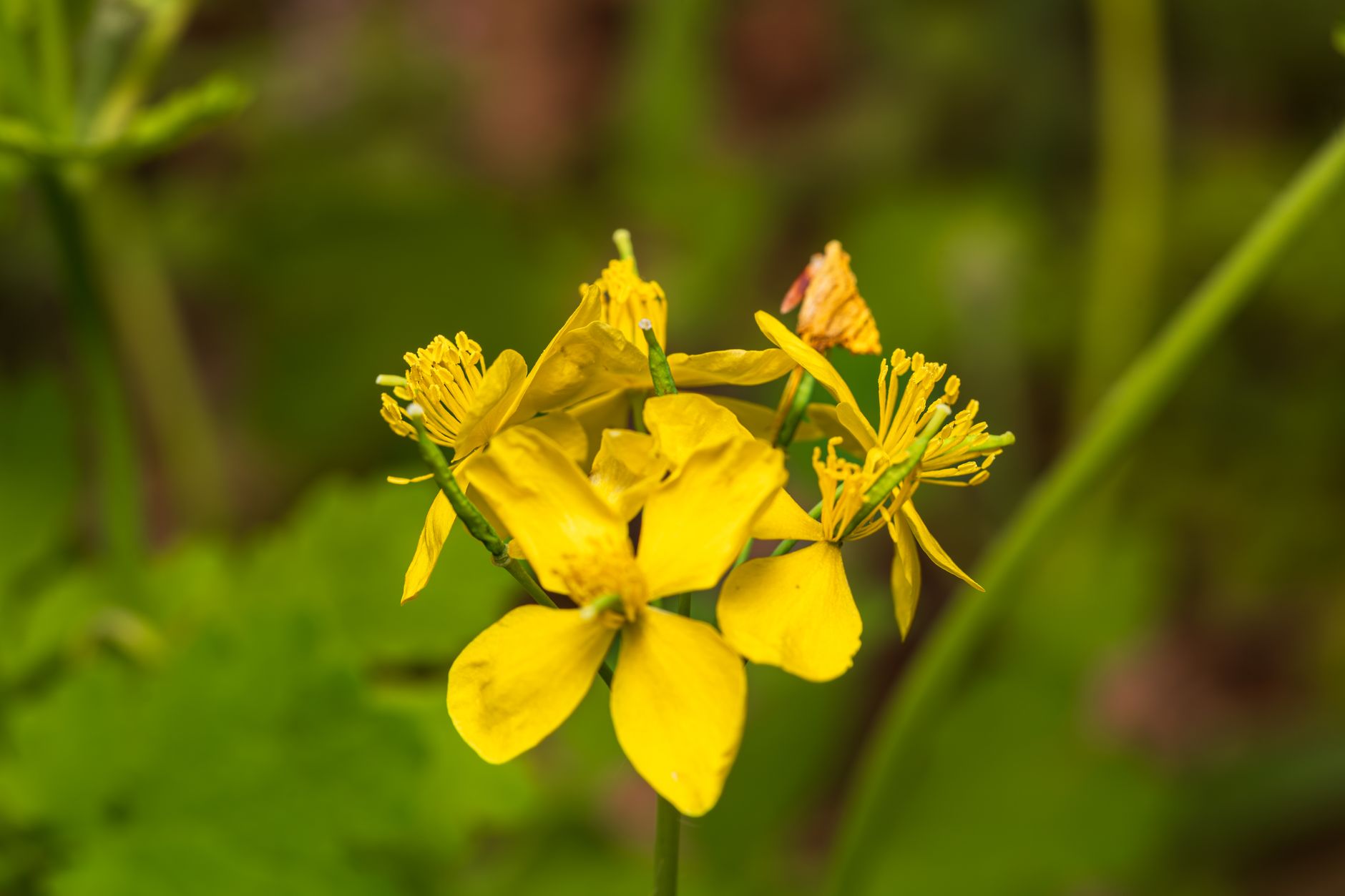
The leaves of Greater Celandine are alternate, pinnate, and deeply lobed, exhibiting a soft, bluish-green hue on their undersides. The flowers are bright yellow, consisting of four petals arranged in a cross-like formation, blooming from late spring through early autumn. However, the most defining botanical marker of Chelidonium majus is its intracellular latex system. This laticifer network contains a viscous, bitter, and staining orange-yellow sap. This sap serves as the primary repository for the plant’s highly concentrated defense chemicals, particularly its specialized alkaloids, which are responsible for both its striking physiological actions and its historical use as a topical treatment.
Historical Legacy and Traditional Medicine
The historical narrative of Celandine is rich and deeply intertwined with ancient European folklore, medieval alchemy, and traditional monastic medicine. The genus name Chelidonium is derived from the Greek word “chelidon,” meaning “swallow.” Ancient naturalists, including Pliny the Elder and Dioscorides, observed that the plant bloomed with the arrival of swallows and withered upon their departure. A popular myth suggested that parent swallows used the corrosive orange sap of the plant to restore sight to their blind fledglings—an observation that led to the herb’s early application in treating various eye ailments, such as cataracts and corneal opacity, though modern science strongly advises against placing this caustic sap near the eyes.

During the Middle Ages, the Doctrine of Signatures played a dominant role in herbal medicine. This philosophy suggested that the physical characteristics of a plant indicated its therapeutic uses. Because the bright yellow-orange sap of Celandine closely resembled bile, it was widely adopted as a premier remedy for hepatic and biliary disorders, including jaundice, gallstones, and liver congestion. In traditional European herbalism, the dried herb was infused into teas, while the fresh juice was applied topically to eliminate warts, corns, and ringworm. In Eastern European folk medicine, particularly in Russian and Ukrainian traditions, Celandine (known locally as “Chistotel,” meaning “clean body”) was considered an unparalleled systemic purifier, used to clear chronic skin conditions, support lymphatic drainage, and combat internal inflammatory states.
Phytochemical Profile and Active Bioactive Compounds
The remarkable therapeutic utility of Celandine, as well as its potential toxicity, is a direct consequence of its dense and diverse phytochemical matrix. The herb is particularly rich in isoquinoline alkaloids, which constitute up to 2% of the dry weight of the aerial parts and up to 4% of the roots. These alkaloids are synthesized by the plant as defensive compounds against herbivores and pathogens, but when administered in controlled, therapeutic doses, they exert profound pharmacological effects on the human nervous, digestive, and immune systems.
To understand how Celandine interacts with human physiology, we must isolate and examine its primary chemical constituents:
- Chelidonine: The primary alkaloid of Chelidonium majus. Chelidonine acts as a mild central nervous system sedative and exhibits strong spasmolytic (muscle-relaxing) properties. It targets smooth muscle tissues, particularly within the bile ducts and gastrointestinal tract, by inhibiting calcium channels and modulating cholinergic receptors. This action effectively relieves painful spasms and cramping.
- Sanguinarine and Chelerythrine: These benzophenanthridine alkaloids are renowned for their intense antimicrobial, antifungal, and anti-inflammatory actions. Sanguinarine intercalates into bacterial DNA, disrupting replication and cellular membrane integrity. It is also highly corrosive in concentrated forms, which explains its historical and current efficacy in burning away viral warts and abnormal skin cells.
- Berberine and Coptisine: These protoberberine alkaloids lend Celandine its bitter taste and vibrant yellow color. Berberine is a highly studied compound known to improve insulin sensitivity, lower systemic inflammation, stimulate bile flow, and exert broad-spectrum antimicrobial activity against gut pathogens.
- Protopine and Allocryptopine: These compounds contribute to the herb’s sedative, anti-arrhythmic, and antihistaminic properties. They interact with gamma-aminobutyric acid (GABA) pathways to promote relaxation and damp down overactive inflammatory responses.
- Phenolic Acids and Flavonoids: In addition to alkaloids, Celandine contains caffeic acid, ferulic acid, and various flavonoids. These compounds act as potent antioxidants, scavenging free radicals, protecting hepatic tissues from oxidative stress, and supporting overall vascular integrity.
Comprehensive Health Benefits of Celandine Herb
1. Optimizing Hepatic, Biliary, and Gallbladder Function
Perhaps the most scientifically validated internal use of Celandine is its ability to support the hepato-biliary system. Celandine acts as both a choleretic (stimulating the liver to produce more bile) and a cholagogue (promoting the contraction of the gallbladder to release stored bile into the duodenum). This dual mechanism is primarily driven by the synergistic action of chelidonine, berberine, and phenolic acids.
By increasing the volume and flow of bile, Celandine helps prevent bile stasis (cholestasis), which is a primary predisposing factor for the formation of gallstones. Improved bile flow also facilitates the emulsification and absorption of dietary fats and fat-soluble vitamins (A, D, E, and K), while accelerating the clearance of metabolic waste, heavy metals, and systemic toxins processed by the liver. Clinical studies have demonstrated that standardized Celandine preparations can significantly alleviate symptoms of dyspepsia, upper abdominal pain, bloating, and nausea associated with gallbladder insufficiency.
2. Spasmolytic and Gastrointestinal Relief
The smooth muscles of the gastrointestinal tract are highly sensitive to stress, inflammatory cytokines, and nervous system imbalances, often resulting in painful cramps, irritable bowel syndrome (IBS), and functional dyspepsia. The alkaloid chelidonine exerts a papaverine-like spasmolytic effect. It relaxes the smooth muscles of the digestive tract and the Sphincter of Oddi (the muscular valve controlling the flow of bile and pancreatic juices into the small intestine).
When this valve is tense or spasming, bile backs up, causing intense pain and digestive distress. By gently relaxing this sphincter and the surrounding intestinal walls, Celandine restores natural peristalsis, relieves painful colic, eases cramping, and reduces abdominal pressure. This muscle-relaxing quality makes it a frequent component in advanced herbal digestive tonics designed to manage chronic functional gastrointestinal disorders.
3. Dermatology: Natural Wart and Cutaneous Lesion Therapy
Topically, the fresh orange latex of Celandine has been used as a natural remedy for dermatological complaints for centuries. The primary target of this topical therapy is the human papillomavirus (HPV), which causes common warts, plantar warts, and genital warts. The fresh sap contains a potent mix of proteolytic enzymes and cytotoxic alkaloids (specifically sanguinarine and chelerythrine) that work via a dual action: they directly inhibit viral replication while systematically destroying the abnormal, virally infected skin cells.
When applied precisely to a wart, the sap causes the lesion to cauterize, turn black, and gradually slough off, without damaging the surrounding healthy dermal tissue, provided it is applied with care. Furthermore, Celandine’s anti-inflammatory and antimicrobial properties make diluted extracts highly beneficial for treating chronic eczema, psoriasis, ringworm, and stubborn calluses, as it reduces localized itching and prevents secondary bacterial infections.
4. Antimicrobial, Antiviral, and Antifungal Activity
In an era of increasing antibiotic resistance, researchers are looking closely at the antimicrobial properties of Celandine. Its alkaloids, especially sanguinarine, exhibit powerful activity against a broad spectrum of pathogens, including Gram-positive bacteria such as Staphylococcus aureus and Streptococcus mutans, as well as Gram-negative strains like Helicobacter pylori (the bacterium linked to gastric ulcers). Additionally, Celandine extracts have demonstrated in vitro antiviral activity against herpes simplex virus (HSV), influenza, and retroviruses, as well as strong antifungal activity against Candida albicans and various dermatophytes.
Modern Preparations, Supplements, and Standardized Extracts
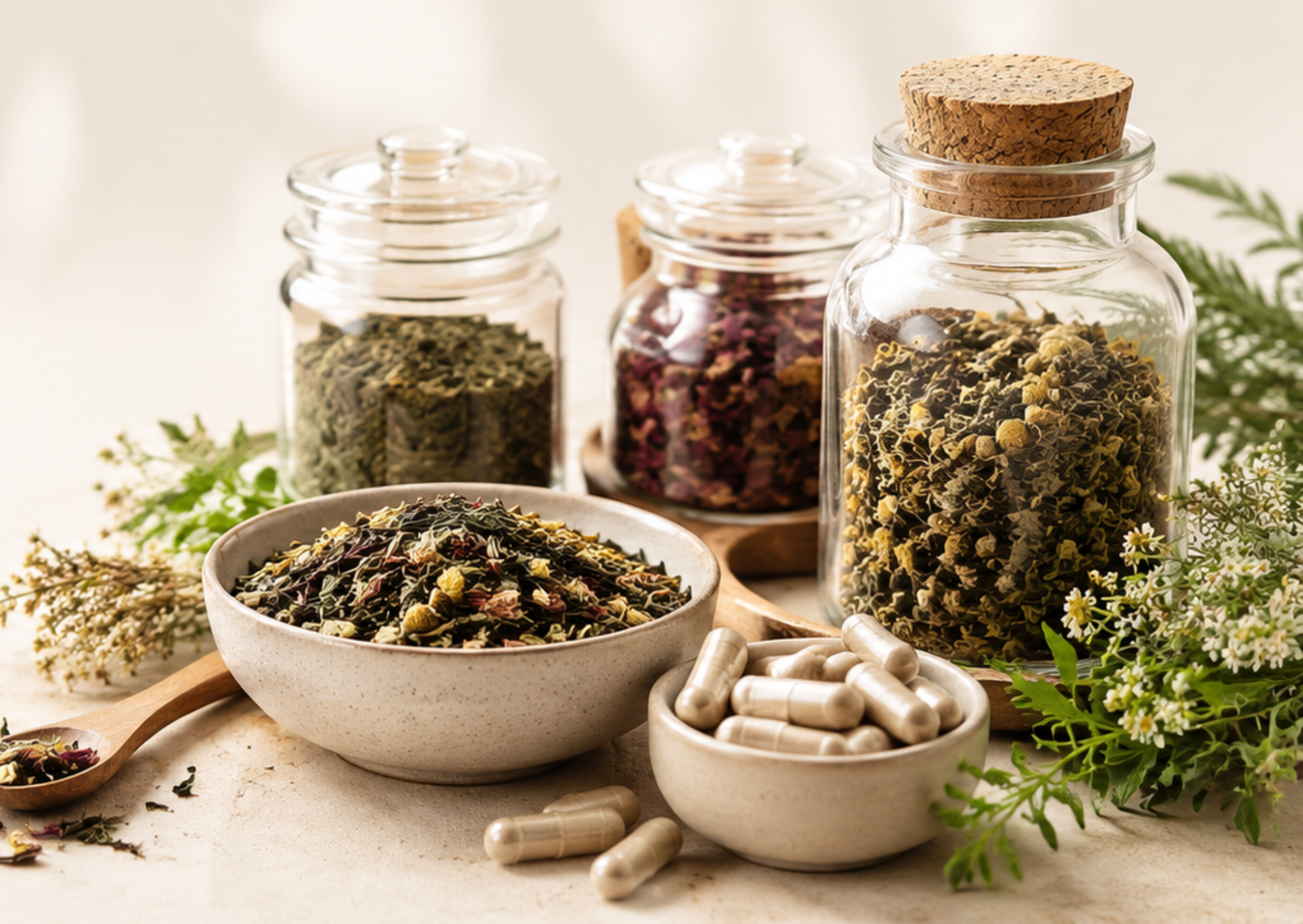
As modern herbalism integrates with clinical science, Celandine has transitioned from raw folk preparations to precise, standardized supplements. While traditionalists still value the wild-harvested dried herb for teas and infusions, contemporary users often prefer standardized capsules, liquid phyto-capsules, and liquid extracts (tinctures). Standardizing these preparations is crucial because the concentration of active alkaloids in wild plants can vary significantly based on soil quality, harvest timing, and weather conditions.

Standardized Celandine capsules typically provide a controlled dose of total alkaloids, calculated as chelidonine. This ensures therapeutic efficacy while minimizing the risk of accidental overconsumption. Many premium digestive and liver formulas combine Celandine with complementary herbs like Milk Thistle (for hepatocyte protection), Artichoke Leaf (for additional bile stimulation), and Dandelion Root (for kidney and liver detoxification). When purchasing Celandine supplements, consumers should look for reputable brands that provide transparent third-party testing for heavy metals, pesticides, and microbial contaminants, ensuring a clean and safe therapeutic experience.
Safety Guidelines, Potential Toxicity, and Side Effects
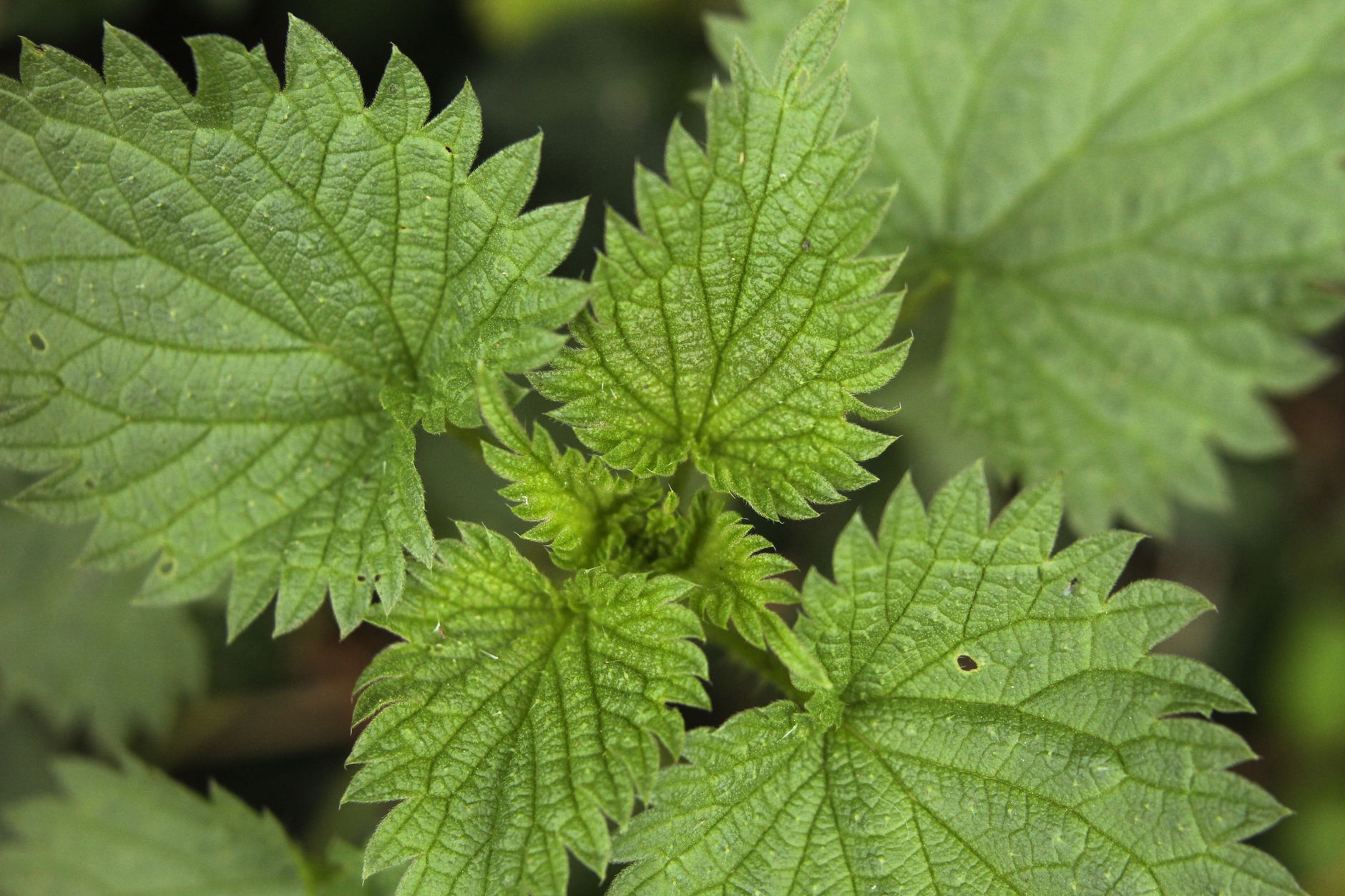
While Greater Celandine offers profound therapeutic benefits, it must be approached with respect and caution. Unlike gentle nutritive herbs like Nettle or Oatstraw, Celandine is a highly active botanical drug. The very alkaloids that make it effective can also cause adverse reactions if used improperly, in excess, or for extended periods.
The primary safety concern associated with the internal use of Greater Celandine is hepatotoxicity (liver damage). Over the past few decades, a small number of clinical cases have documented acute, reversible hepatitis and elevated liver enzymes linked to the consumption of Celandine. In most of these cases, the adverse effects occurred when individuals used excessively high doses or consumed the herb continuously for months without professional supervision. The mechanism behind this hepatotoxicity is thought to be an idiosyncratic metabolic reaction in sensitive individuals, or a cumulative toxic effect of benzophenanthridine alkaloids on hepatocytes.
To ensure a safe and effective therapeutic experience, keep the following safety protocols in mind:
- Short-Term Cycle Use: Internal use of Celandine should be restricted to short-term cycles, typically lasting no more than 2 to 4 weeks, followed by an equivalent break. This prevents any cumulative stress on the liver.
- Professional Guidance: Anyone with a history of liver disease, hepatitis, gallstone blockage, or active bile duct obstruction should strictly avoid Celandine unless it is prescribed and monitored by a qualified healthcare professional.
- Liver Enzyme Monitoring: If using Celandine therapeutically for chronic conditions, it is wise to have a physician perform routine liver function tests (LFTs) to monitor liver health.
- Pregnancy and Lactation: Due to its strong alkaloidal content and potential uterine-stimulating properties, Celandine must never be used by pregnant or breastfeeding women.
- Precise Topical Application: When using the fresh sap or strong concentrated liquid extracts for warts or skin lesions, apply the product strictly to the affected area. Avoid surrounding healthy skin, as the sap can cause localized contact dermatitis, redness, and blistering.
Dosage Guidelines and Practical Administration
To safely unlock the therapeutic potential of Greater Celandine, proper dosing is critical. The exact dosage depends heavily on the preparation method, the specific condition being treated, and individual constitution. Below are the standard, conservative dosing guidelines utilized in traditional and clinical herbal medicine:
Standardized Liquid Extracts (Tinctures)
For liver support, gallbladder sluggishness, or digestive spasms, a 1:5 liquid extract in 45% ethanol is commonly used. The standard dosage is 1 to 2 milliliters (approximately 30 to 60 drops) taken in a small cup of water, two to three times daily, ideally before meals to stimulate digestive secretions. Do not exceed 5 milliliters per day, and do not use continuously for more than four weeks.
Infusions (Dried Herb Tea)
If preparing an infusion from the dried aerial parts, use 1 to 2 grams of dried herb per cup of boiling water. Let it steep for 10 minutes, strain thoroughly, and drink up to two times daily. The taste of Celandine tea is intensely bitter and somewhat acrid, reflecting its rich alkaloidal profile. It can be blended with gentler herbs like Chamomile, Peppermint, or Fennel to improve flavor and enhance its digestive benefits.
Standardized Capsules and Dry Extracts
When using commercial dry extract capsules, follow the manufacturer’s directions closely, as concentration ratios vary. A common dose is 100 to 200 milligrams, taken up to three times per day, standardized to contain between 2 to 4 milligrams of total alkaloids (calculated as chelidonine) per day. This controlled approach is highly recommended for those who wish to avoid the bitter taste of liquid preparations while ensuring a precise, safe dose.
Topical Application for Warts
For topical applications, dab a drop of fresh orange sap directly from a broken stem, or a drop of concentrated tincture, onto the wart twice daily. Allow it to dry completely. To protect the surrounding healthy skin, you can apply a thin layer of petroleum jelly or castor oil around the wart before applying the Celandine. Continue this process daily until the wart darkens, shrinks, and eventually detaches naturally.
Conclusion: The Balanced Path of a Potent Botanical
Greater Celandine is a remarkable testament to the power of traditional plant medicine and the precision of modern pharmacognosy. By understanding its chemical blueprint, respects its potency, and using appropriate preparation methods, we can safely benefit from its impressive therapeutic properties. Whether utilized as a fast-acting spasmolytic for painful digestive cramping, a targeted liver-and-gallbladder tonic, or a dependable topical remedy for viral warts, Celandine remains one of nature’s most effective tools for restoring balance and promoting deep systemic health.
Disclaimer: For informational purposes only. Not medical advice. Consult a qualified healthcare professional before use.