The Definitive Guide to Buckthorn Bark (Frangula alnus): Pharmacological Profile, Health Benefits, and Clinical Applications
Buckthorn bark, derived from the deciduous shrub Frangula alnus (formerly classified as Rhamnus frangula), represents one of the most historically revered and scientifically validated botanical remedies in European herbal medicine. Commonly known as alder buckthorn, glossy buckthorn, or arrowwood, this resilient plant belongs to the Rhamnaceae family. Unlike its botanical cousins, such as Sea Buckthorn (which belongs to an entirely different family, Elaeagnaceae, and yields nutrient-rich berries), Frangula alnus is prized primarily for its pharmacologically active bark. For centuries, traditional healers and modern phytotherapists alike have utilized this specialized bark as a powerful, reliable intervention for gastrointestinal disorders, hepatobiliary congestion, and metabolic imbalances.
To fully appreciate the therapeutic virtues of buckthorn bark, one must navigate its complex chemistry, its strict processing requirements, and the precise physiological pathways through which its active constituents interact with the human body. This comprehensive guide serves as an authoritative deep-dive into the clinical efficacy, biological mechanisms, historical legacy, and safety parameters of Frangula alnus.
Botanical Characteristics and Ecological Distribution
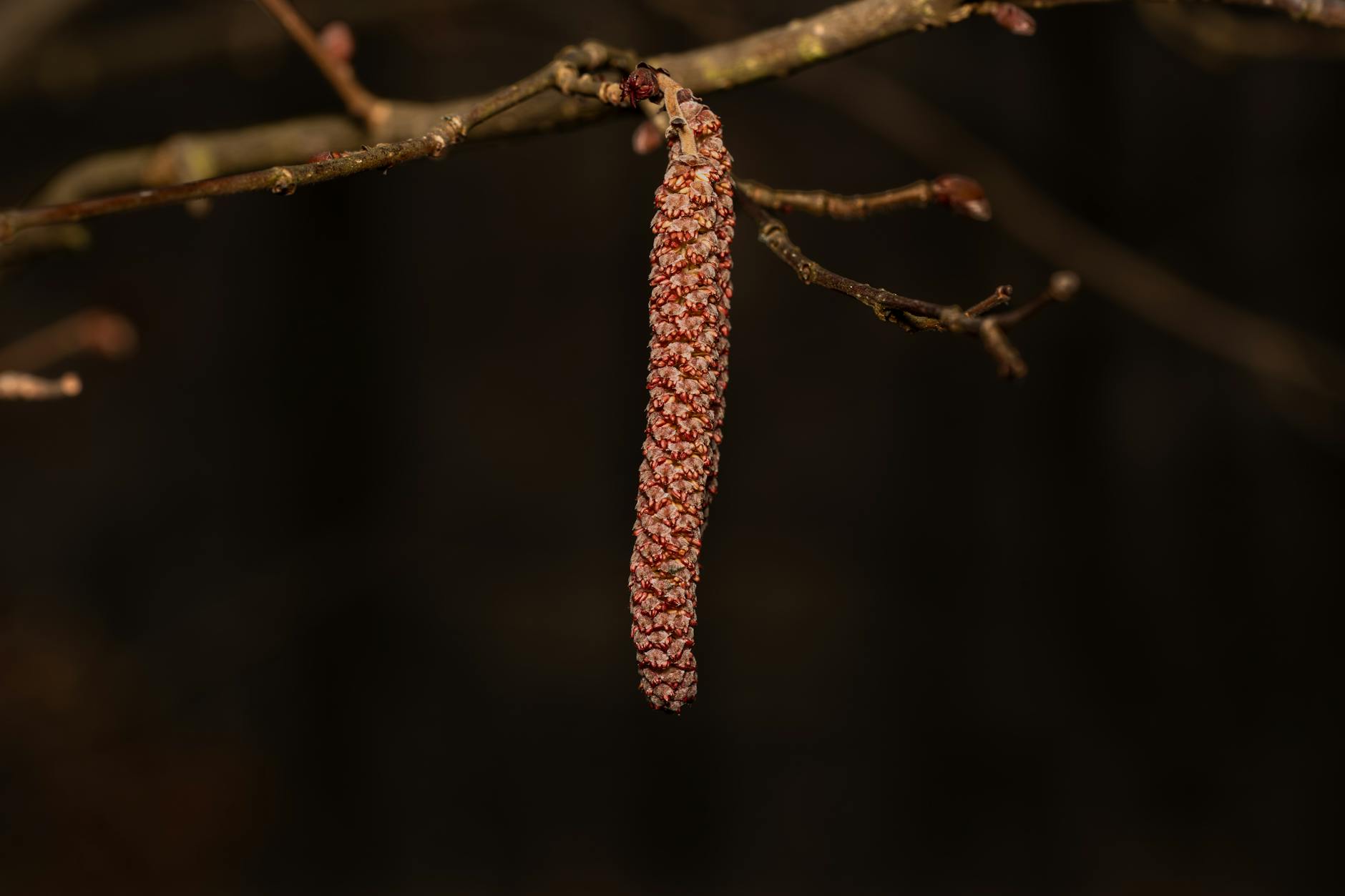
Frangula alnus is native to Europe, Northern Africa, and Western Asia, thriving predominantly in damp, acidic soils, wetlands, open woodlands, and fens. It presents as an upright, thornless shrub or small tree, occasionally reaching heights of up to six meters. The plant is characterized by its dark green, oval, glossy leaves with prominent parallel veins and alternate arrangement—a key distinction from the opposite leaves of common buckthorn (Rhamnus cathartica).
In late spring, small, inconspicuous greenish-white flowers emerge from the leaf axils, eventually yielding globose, fleshy drupes. These berries undergo a striking transition from green to vibrant red, ultimately ripening into a deep purplish-black. However, it is the smooth, dark gray bark of the trunk and older branches, marked by distinctive horizontal, whitish lenticels, that holds the plant’s primary medicinal value. Harvesting this bark requires precise botanical timing and rigorous post-harvest management to unlock its health-promoting properties while neutralizing intrinsic toxicity.

The Science of Aging: Converting Toxicity to Therapeutic Efficacy
A cardinal rule in pharmacognosy dictates that fresh buckthorn bark must never be consumed. Freshly harvested bark contains high concentrations of anthrone and anthranol derivatives, specifically reduced monomeric anthranoids. These raw compounds are exceptionally irritating to the gastric and intestinal mucosa. If ingested, fresh bark induces severe abdominal cramping, violent emesis (vomiting), diarrhea, and acute gastrointestinal distress.
To render the bark safe and therapeutically viable, it must undergo a specialized aging or curing process. This is achieved through two distinct methods:
- Natural Aging: The harvested bark is stored in a dry, well-ventilated environment for a minimum of one year. Over this twelve-month period, atmospheric oxygen slowly and systematically oxidizes the volatile, irritating anthrones into stable, therapeutic anthraquinone glycosides.
- Accelerated Heat Treatment: To expedite production, the bark can be subjected to controlled thermal processing. Exposing the raw bark to a temperature of approximately 100 degrees Celsius for several hours accelerates the oxidation and hydrolysis of the harsh anthrone precursors, yielding a standardized, safe, and highly effective herbal drug.
This conversion process is a classic demonstration of traditional ecological knowledge aligning perfectly with modern biochemistry. Once cured, the bark transitions from a toxic irritant into a reliable, gentle, and highly therapeutic pharmacological agent.
Chemical Composition and Bioactive Compounds
The therapeutic efficacy of aged buckthorn bark is attributed to its complex phytochemical matrix. The primary active constituents are hydroxyanthracene glycosides, which constitute between 4% and 8% of the dry weight of the cured bark. Understanding these specific molecules is key to understanding how the herb interacts with the human digestive system.

1. Glucofrangulins (Types A and B)
These are the principal bis-glucosides found in Frangula alnus. Glucofrangulin A contains a rhamnose moiety and a glucose unit attached to an emodin anthrone core, while Glucofrangulin B contains an apiofuranose and a glucose unit. These large, polar molecules are highly stable. Their unique molecular structure prevents them from being absorbed or broken down in the upper gastrointestinal tract (the stomach and small intestine), allowing them to travel safely to the large intestine where their therapeutic work begins.
2. Frangulins (Types A and B)
Frangulins are monoside derivatives formed through the partial enzymatic hydrolysis of glucofrangulins, wherein the terminal glucose molecule is cleaved off. Frangulin A (emodin-1,8-dihydro-3-monorhamnoside) and Frangulin B (emodin-1,8-dihydro-3-monoapioside) contribute significantly to the secondary phase of the herb’s physiological action within the colon.
3. Free Anthraquinones
In smaller quantities, cured buckthorn bark contains free anthraquinones, including emodin, physcion, and chrysophanol. Emodin (1,3,8-trihydroxy-6-methylanthraquinone) is a highly researched compound possessing potent anti-inflammatory, antimicrobial, and antitumor properties, representing a focal point of ongoing oncology and immunology research.
4. Supporting Phytochemicals
Beyond anthranoid derivatives, Frangula alnus contains a rich array of auxiliary compounds:
- Tannins: These polyphenolic compounds exert a mild astringent effect, helping to tone the mucosal linings of the digestive tract and modulate the hyper-secretory effects of the anthraquinones.
- Flavonoids: Including kaempferol and quercetin, which provide robust antioxidant defenses, mitigating oxidative stress within the gut tissue.
- Peptide Alkaloids: Known as frangulanine and related cyclopeptide alkaloids, which display unique secondary metabolic actions.
Primary Health Benefits and Pharmacological Mechanisms
The primary medical applications of buckthorn bark center around the digestive and hepatobiliary systems. Below, we explore the physiological mechanisms behind these health benefits.
1. Treatment of Acute and Chronic Constipation
Buckthorn bark is classified as a stimulating laxative. Its primary therapeutic mechanism is highly localized, occurring exclusively within the colon. Because glucofrangulins are resistant to gastric acid and human digestive enzymes, they pass intact into the large intestine. Upon reaching the colon, the resident microflora (specifically species containing beta-glucosidase enzymes) hydrolyze these glycosides, cleaving off the sugar moieties to release active emodin anthrone.
Emodin anthrone acts directly on the colonic mucosa through a dual-action pathway:
- Active Fluid and Electrolyte Accumulation: The compound inhibits the basolateral sodium-potassium pump (Na+/K+-ATPase) in the mucosal epithelial cells. This inhibition halts the absorption of sodium, chloride, and water from the intestinal lumen. Simultaneously, it stimulates the secretion of water, sodium, potassium, and calcium into the bowel lumen, dramatically increasing fecal moisture and volume.
- Stimulation of Peristalsis: Emodin anthrone stimulates the myenteric plexus (Auerbach’s plexus), the intrinsic neural network of the gut wall. This stimulation triggers coordinated, propulsive contractions of the colonic smooth muscle, accelerating intestinal transit time and facilitating smooth, strain-free defecation.
2. Hepatobiliary and Cholagogue Support
By stimulating parasympathetic nerve pathways in the digestive tract, Frangula alnus indirectly promotes the secretion of bile from the gallbladder and liver. Bile acts as a natural endogenous laxative, emulsifying dietary lipids and promoting healthy peristaltic flow. This cholagogue effect makes buckthorn bark valuable for individuals suffering from sluggish digestion, biliary insufficiency, and hepatic congestion.
3. Antimicrobial, Antiviral, and Antifungal Activity
The free anthraquinone emodin isolated from buckthorn bark has demonstrated notable antimicrobial activity in laboratory settings. Research indicates that emodin disrupts cellular membranes in Gram-positive bacteria and inhibits the replication of several viral strains, including herpes simplex virus (HSV) and influenza viruses, by interfering with viral envelope proteins. Furthermore, the bark’s tannin content provides a protective barrier on mucosal surfaces, preventing pathogen adhesion.
4. Anti-Inflammatory and Antioxidant Protection
Chronic low-grade inflammation in the gastrointestinal tract can disrupt systemic health. The flavonoids and polyphenols found in buckthorn bark neutralize reactive oxygen species (ROS), thereby protecting cellular DNA from oxidative damage. Simultaneously, emodin has been shown to downregulate nuclear factor-kappa B (NF-kB), a primary transcription factor responsible for the production of pro-inflammatory cytokines such as tumor necrosis factor-alpha (TNF-a) and interleukin-6 (IL-6).
Traditional Uses and Ethnobotanical History
The utilization of Frangula alnus is deeply woven into the tapestry of European ethnobotany. During the Middle Ages, the bark was known as Cortex Frangulae and was highly valued as a “gentle purge” compared to more violent purgatives of the era, such as mercury-based compounds or drastic botanical toxins like hellebore. It was frequently integrated into monastic medicine, where monks and herbalists formulated decoctions to treat chronic liver stagnation, jaundice, dropsy (edema), and persistent skin disorders like eczema and scabies, which traditional systems of medicine viewed as external signs of internal toxicity.

In traditional Russian and Slavic herbalism, buckthorn bark decoctions were routinely combined with carminative herbs like fennel, anise, or chamomile. This formulation strategy was highly deliberate: the carminatives relaxed the smooth muscle of the digestive tract, preventing the localized cramping or “griping” that can sometimes accompany the use of anthraquinone-rich stimulants. The dried herb was also applied externally as a wash for slow-healing wounds, minor skin infections, and gum inflammation, utilizing the astringent and antiseptic properties of its tannins.
Modern Clinical Preparations and Supplementation
In modern phytotherapy, buckthorn bark is processed into several distinct formats to accommodate different therapeutic needs. While traditional decoctions remain popular, standardized extract capsules offer maximum precision and convenience.
1. Standardized Capsules and Tablets
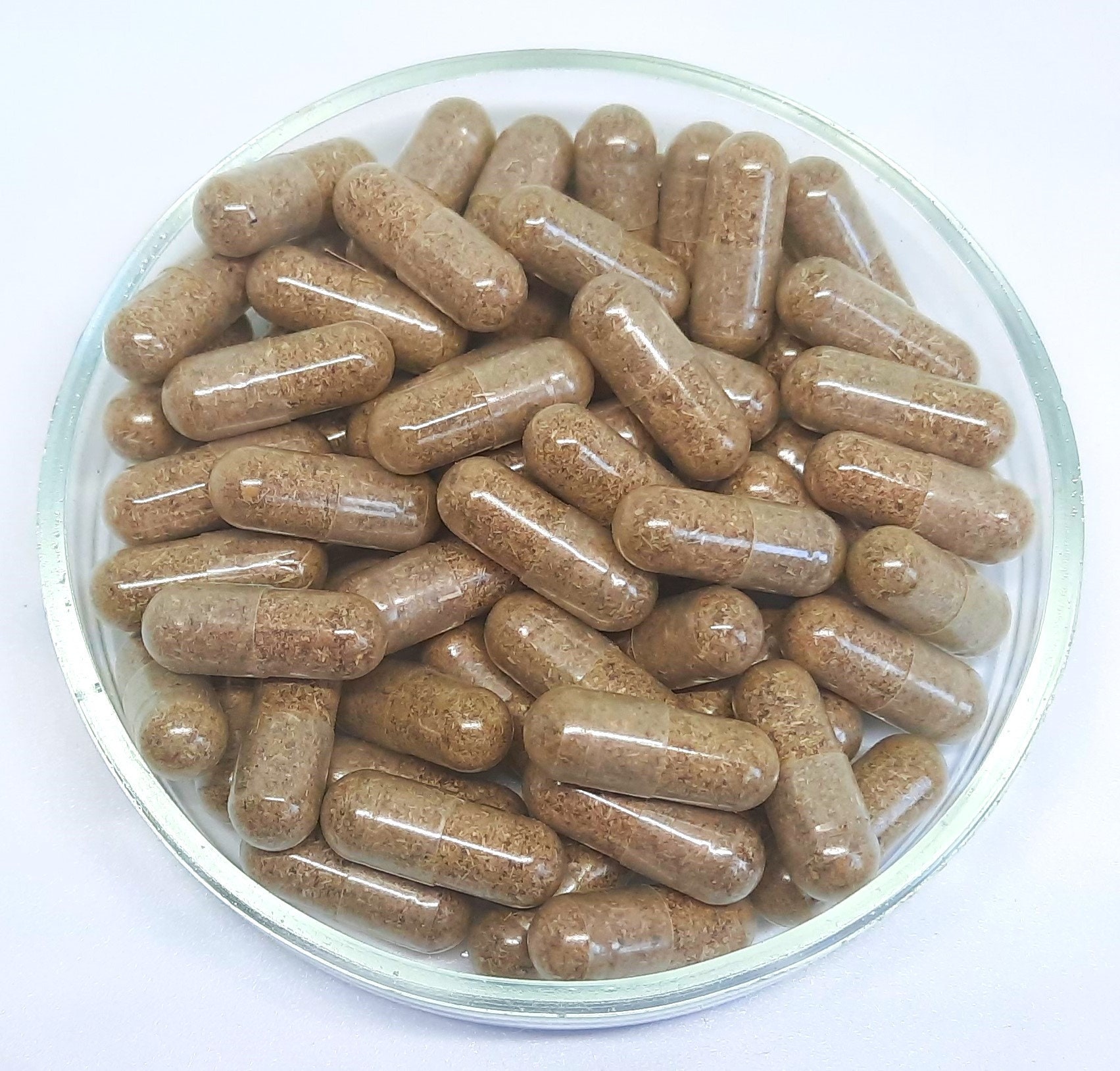
For individuals seeking reliable relief from constipation without the bitter taste of herbal teas, standardized capsules are the preferred choice. These supplements typically contain dry extracts calibrated to deliver a precise dose of hydroxyanthracene glycosides (calculated as glucofrangulin A). This ensures consistent therapeutic results and minimizes the risk of accidental overdosing.
2. Herbal Teas and Decoctions
Traditional herbalists often recommend a decoction made from dried, aged buckthorn bark. To prepare, 1 to 2 grams of the dried bark is simmered in 150 ml of water for 10 to 15 minutes, then strained. This tea is typically consumed warm before bedtime, as the transit time required for the colonic microflora to activate the anthraquinones results in a predictable bowel movement the following morning (typically 8 to 12 hours post-ingestion).
3. Liquid Extracts and Tinctures
Hydroalcoholic extracts (tinctures) offer a highly bioavailable format. Liquid extracts allow for flexible dosing and are easily blended into broader hepatic or digestive formulas containing bitter herbs like dandelion root, artichoke leaf, or milk thistle seed.
Dosage, Safety Guidelines, and Contraindications
While buckthorn bark is an incredibly effective natural remedy, its potency requires disciplined usage. Adhering to established safety guidelines is crucial to prevent adverse effects and ensure a positive therapeutic experience.
Recommended Dosage
The standard therapeutic daily dose of hydroxyanthracene derivatives for adults and adolescents over 12 years of age is 15 mg to 30 mg, calculated as glucofrangulin A. The correct individual dose is the smallest amount required to produce a comfortable, soft-formed stool. It is highly recommended to limit continuous use to one to two weeks.
Potential Side Effects
- Abdominal Cramping: Mild, localized cramping may occur as peristalsis is stimulated. This can be mitigated by combining buckthorn with carminative herbs like peppermint, ginger, or fennel.
- Electrolyte Imbalance: Prolonged, excessive use can lead to the depletion of essential electrolytes, particularly potassium (hypokalemia). Low potassium levels can cause muscle weakness, cardiac arrhythmias, and kidney dysfunction.
- Urine Discoloration: Metabolites of anthraquinones may impart a harmless reddish or yellow-brown hue to the urine, depending on pH. This is completely benign and resolves upon discontinuation.
- Melanosis Coli: Long-term, chronic use (months to years) can lead to a benign, reversible pigmentation of the colonic mucosa known as melanosis coli. This condition typically disappears within a few months after stopping the herb.
Contraindications and Drug Interactions
Buckthorn bark must not be used under the following conditions:
- Inflammatory Bowel Conditions: Including Crohn’s disease, ulcerative colitis, appendicitis, and undiagnosed abdominal pain.
- Intestinal Obstruction or Stenosis: Where physical blockages make stimulated peristalsis highly dangerous.
- Severe Dehydration: Or pre-existing electrolyte imbalances.
- Pregnancy and Lactation: Anthraquinones can stimulate uterine contractions, potentially inducing premature labor. Furthermore, active metabolites can pass into breast milk, potentially causing diarrhea in nursing infants.
- Pediatric Use: Contraindicated for children under 12 years of age unless directed by a qualified healthcare professional.
Drug Interactions: Because of its potential to lower potassium levels, buckthorn bark should not be taken concurrently with cardiac glycosides (such as digoxin), antiarrhythmic drugs, diuretics (especially loop and thiazide diuretics), or corticosteroids, as hypokalemia can potentiate the toxicity of these medications.
Conclusion: Integrating Buckthorn Bark into Modern Wellness
Buckthorn bark (Frangula alnus) stands as a premier example of a botanical medicine with a clear, scientifically validated mechanism of action. When harvested responsibly, aged meticulously, and administered with appropriate clinical boundaries, it offers unmatched support for acute constipation, hepatobiliary congestion, and natural digestive detoxification. By respecting its potency and understanding its biochemistry, modern health advocates can safely utilize this ancient remedy to maintain optimal gastrointestinal wellness and systemic vitality.
Disclaimer: For informational purposes only. Not medical advice. Consult a qualified healthcare professional before use.