The Exhaustive Guide to Life Everlasting Flower: History, Science, and Therapeutic Benefits
In the vast kingdom of botanical medicine, few plants carry a name as poetic and spiritually resonant as the Life Everlasting flower. Botanically classified as Pseudognaphalium obtusifolium (formerly Gnaphalium obtusifolium), and colloquially referred to as sweet everlasting, rabbit tobacco, sweet white balsam, or old field balsam, this resilient wildflower has been a cornerstone of traditional North American herbalism for centuries. With its papery, silver-white blossoms that retain their structure and sweet, maple-like scent long after being harvested, the plant serves as a literal and metaphorical symbol of endurance and vitality.
Today, as modern science increasingly validates ancestral wisdom, Life Everlasting is transitioning from a forgotten folklore remedy to a subject of rigorous pharmacological interest. This comprehensive guide explores the deep-rooted history, complex phytochemical makeup, and multi-faceted health benefits of this remarkable herb, providing you with an authoritative resource for integrating it into a modern wellness regimen.
Botanical Profile and Ecological Classification
To fully appreciate the therapeutic virtues of the Life Everlasting flower, one must first understand its botanical identity and ecological adaptations. Belonging to the Asteraceae (daisy) family, Pseudognaphalium obtusifolium is an annual or biennial herb native to eastern and central North America. It thrives in open, sunny, and dry environments, such as sandy fields, clearings, pastures, and disturbed roadsides. This preference for harsh, nutrient-poor soils is a testament to the plant’s hardiness—a characteristic that is often mirrored in the concentration of its secondary metabolites.
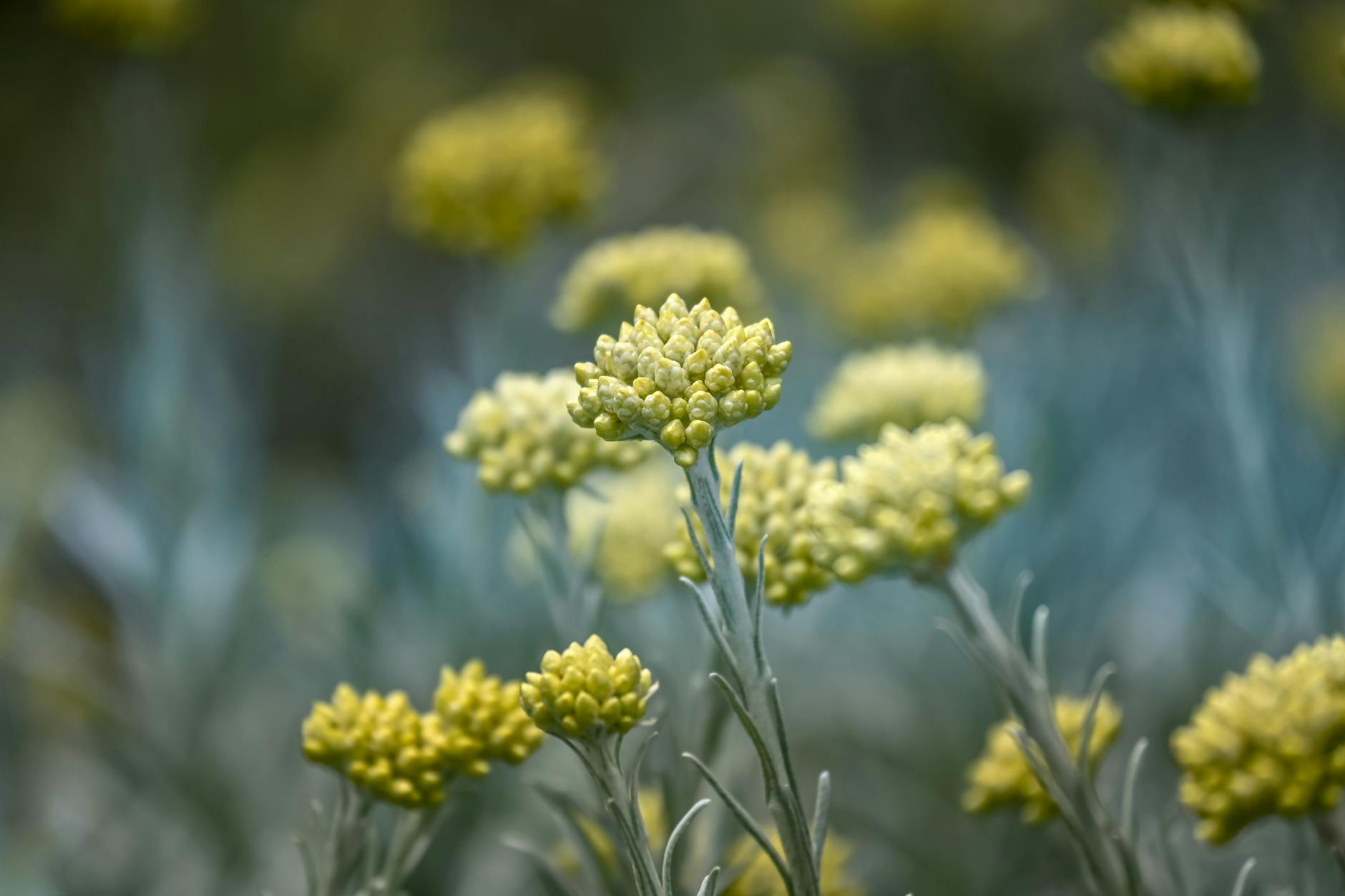
The plant typically grows to a height of one to three feet. Its stems are erect, clad in a dense, woolly coating of white, felted hairs. This wool-like pubescence is a crucial evolutionary adaptation, reflecting harsh sunlight and conserving moisture in arid conditions. The leaves are alternate, linear-lanceolate, and simple, with wavy margins. While the upper surface of the leaves is a deep green, the underside is covered in the same silvery-white wool as the stem.
The defining feature of Life Everlasting is its inflorescence. Branching flat-topped clusters at the apex of the stem bear numerous small, tubular, cream-colored to pale yellow flower heads. These flower heads are surrounded by dry, papery, overlapping bracts (phyllaries) that are pearly white to pale yellow. Because these bracts do not wither or lose their color when dried, the flower heads appear “everlasting,” retaining their pristine appearance and warm, sweet, balsamic fragrance indefinitely. This unique physical property is what first captured the attention of early botanists and indigenous healers alike.
Historical and Ethnological Context
The history of the Life Everlasting flower is deeply intertwined with the ethnobotanical traditions of Native American tribes, African American healers in the rural South, and Appalachian folk practitioners. For these diverse communities, the plant was not merely a physical cure but a powerful spiritual protector, frequently burned as incense to purify spaces, dispel negative energies, and invite ancestral guidance.
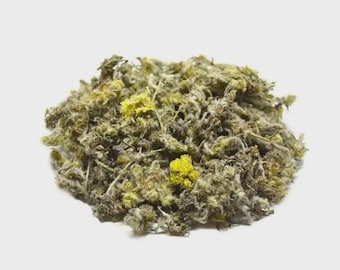
Indigenous nations, including the Cherokee, Creek, Choctaw, and Rappahannock, utilized Life Everlasting to treat a wide array of ailments. The Cherokee, in particular, recognized its profound affinity for the respiratory system. They prepared hot infusions of the leaves and flowers to treat colds, influenza, pneumonia, and asthma. To relieve severe chest congestion, the herb was smoked in pipes or burned over hot coals, allowing the aromatic smoke to act as a direct bronchodilator and expectorant.
In the Gullah-Geechee culture of the Lowcountry and the coastal islands of the American South, Life Everlasting was highly esteemed. Gullah herbalists collected the plant in late autumn, hanging bundles from cabin rafters to dry. It was brewed into a potent, dark tea to combat winter colds, lower fevers, and soothe rebellious stomachs. The herb was also stuffed into mattresses and pillows; not only did this repel pests due to its aromatic oils, but the sweet scent was believed to cure insomnia, calm restless children, and prevent night sweats. Throughout Appalachia, early European settlers adopted these practices, utilizing the plant as an antiseptic poultice for wounds, bruises, and muscular aches, cementing its reputation as a true panacea of the wilderness.
Phytochemical Analysis: The Science Behind the Herb
While historical folklore establishes the clinical utility of Life Everlasting, modern phytochemistry explains why it works. The therapeutic actions of Pseudognaphalium obtusifolium are attributed to a synergistic matrix of bioactive secondary metabolites. These compounds act through diverse physiological pathways to exert anti-inflammatory, antimicrobial, antioxidant, and immunomodulatory effects.

Chemical profiling of the aerial parts of Life Everlasting has revealed several critical classes of compounds:
- Flavonoids: The plant is rich in flavonoids such as quercetin, luteolin, apigenin, and their glycosides. Flavonoids are premier antioxidant and anti-inflammatory molecules. They stabilize cell membranes, scavenge free radicals, and inhibit pro-inflammatory enzymes like cyclooxygenase (COX-2) and lipoxygenase (LOX), which are central to chronic inflammatory conditions.
- Terpenoids and Volatile Oils: The characteristic maple-caramel scent of Life Everlasting is due to its complex essential oil profile. This oil contains monoterpenes and sesquiterpenes, including alpha-pinene, beta-caryophyllene, limonene, and humulene. These volatile compounds possess powerful antimicrobial, expectorant, and mild sedative properties. When inhaled, they directly interact with the respiratory mucosa to thin mucus and relax bronchial spasms.
- Caffeoylquinic Acids: Compounds such as chlorogenic acid and its derivatives are present in significant quantities. These polyphenols are highly bioactive, showing strong antiviral, hepatoprotective, and hypoglycemic activities. They also play a major role in modulating the immune system’s response to pathogens.
- Tannins: The presence of condensed and hydrolyzable tannins imparts a mild astringency to the plant. Tannins bind to and precipitate proteins, which helps to shrink and soothe inflamed mucous membranes, dry up excessive secretions, and form a protective barrier over damaged skin or intestinal linings.
- Phytosterols: Compounds like beta-sitosterol contribute to the herb’s anti-inflammatory and lipid-modulating effects, supporting cellular repair and immune homeostasis.
In-Depth Health Benefits of Life Everlasting Flower
1. Superior Respiratory Support and Bronchial Relief
The most celebrated application of Life Everlasting is its ability to heal and protect the respiratory system. It acts as both an expectorant and a mild antispasmodic. The volatile oils and flavonoids work in tandem to relax the smooth muscles of the bronchial tubes, which helps to alleviate the bronchospasms associated with asthma, bronchitis, and chronic obstructive pulmonary disease (COPD).
Furthermore, its expectorant properties help to thin stubborn, viscous mucus in the lungs and sinuses, making it easier to expel. By promoting productive coughing and clearing the airways, Life Everlasting reduces the risk of secondary bacterial infections that can develop when mucus stagnates in the respiratory tract. Its soothing, demulcent-like qualities also coat the throat, relieving the ticklish, dry coughs that often linger after a viral infection.
2. Potent Anti-Inflammatory and Analgesic Actions
Systemic inflammation is the root driver of many modern chronic diseases, including rheumatoid arthritis, cardiovascular disease, and metabolic disorders. The high concentration of luteolin and quercetin in Life Everlasting provides profound systemic anti-inflammatory support. These compounds inhibit the nuclear factor-kappa B (NF-kB) pathway, which is the primary genetic switch that triggers the release of pro-inflammatory cytokines such as tumor necrosis factor-alpha (TNF-alpha) and interleukins.
When applied topically as a poultice, salve, or compress, Life Everlasting acts as a local analgesic. It helps to reduce swelling, increase local circulation, and dull pain signals. This makes it highly effective for treating sprains, joint pain, bruises, muscle strains, and localized skin inflammations.
3. Strong Antimicrobial and Antiviral Defenses
In an era of rising antibiotic resistance, the search for natural antimicrobials has intensified. Life Everlasting has shown promising antibacterial and antifungal activities in laboratory settings. Its essential oils and phenolic compounds disrupt the cell membranes of pathogenic bacteria, preventing them from replicating and forming biofilms.
Historically used to treat colds and shingles, the herb contains specific caffeoylquinic acids that exhibit direct antiviral activity. These compounds prevent viruses from adhering to host cells and replicating, thereby shortening the duration and severity of common viral infections such as influenza and the common cold. Its astringent tannins also create an inhospitable environment for pathogens on mucosal surfaces.
4. Gastrointestinal Healing and Astringency
The astringent nature of Life Everlasting, driven by its tannin content, makes it a valuable ally for digestive wellness. A cooled infusion of the herb can be used to treat diarrhea, dysentery, and mild gastroenteritis. The tannins bind to the inflamed proteins of the gut lining, reducing inflammation, stopping cellular leakage, and drying up excess watery secretions.
Additionally, the herb’s bitter compounds stimulate the secretion of bile and digestive enzymes, promoting efficient digestion, reducing bloating, and relieving gas. Its anti-inflammatory properties also offer comfort to individuals suffering from inflammatory bowel conditions like gastritis or irritable bowel syndrome (IBS).
5. Nervous System Calming and Sleep Promotion
The gentle, sweet aroma of Life Everlasting has a direct, calming effect on the central nervous system. This is likely mediated by the inhalation of volatile monoterpenes, which can cross the blood-brain barrier and interact with neurotransmitter receptors to promote relaxation. Traditionally used in sleep pillows, the herb helps to quiet a hyperactive mind, ease anxiety, and facilitate deep, restorative sleep without the morning grogginess associated with synthetic sleep aids.
Modern Preparations, Formulations, and Supplements
As interest in traditional herbalism continues to grow, Life Everlasting is becoming more widely available in various commercial forms. Depending on your health goals, you can choose from dried loose herbs, liquid extracts, topical salves, or standardized capsules.
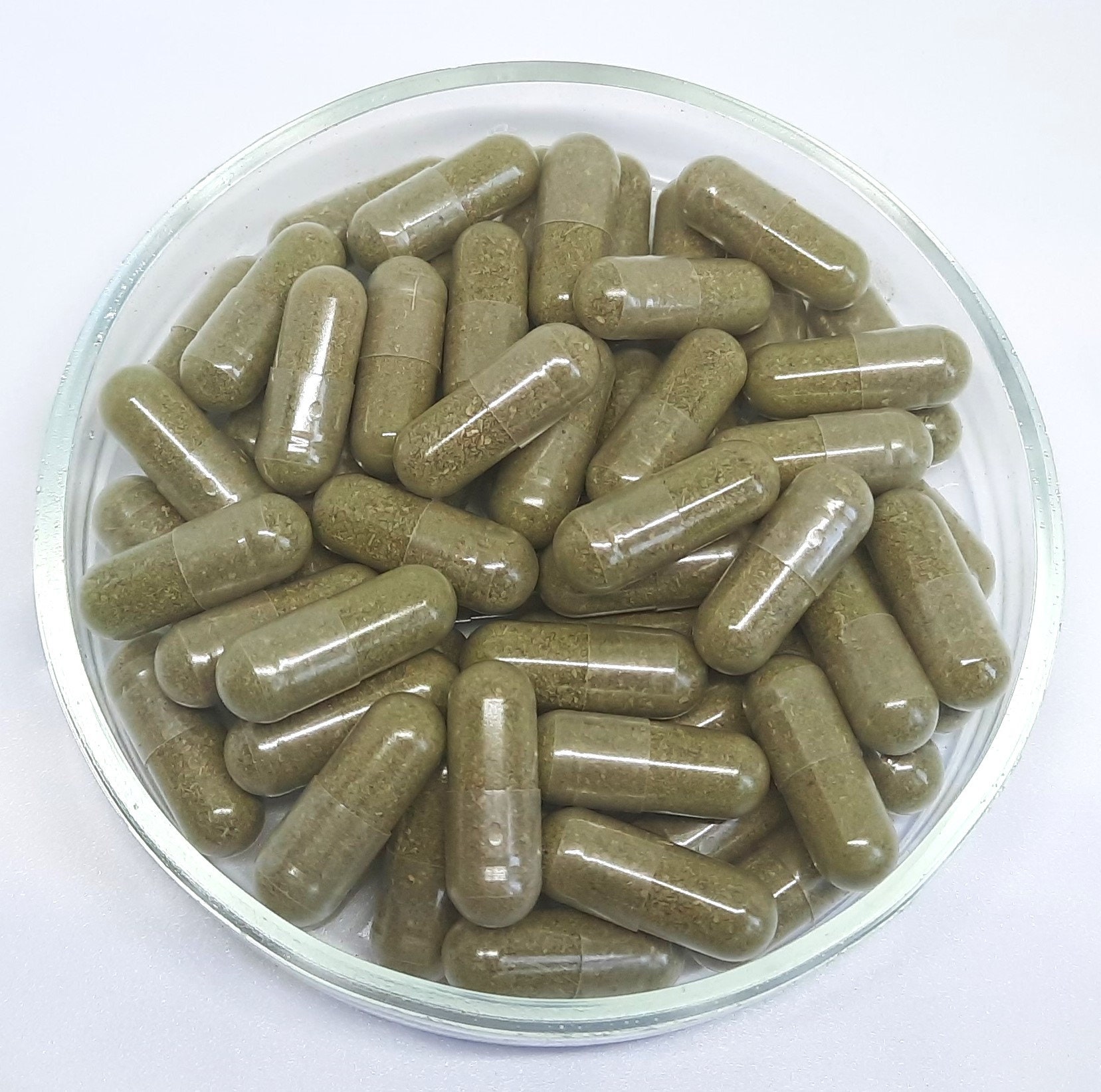
For those seeking a convenient, precise, and taste-neutral way to consume this herb, Life Everlasting capsules are an exceptional choice. Capsules are typically filled with either finely powdered dried aerial parts or a dry, standardized extract. Standardized extracts are particularly advantageous because they guarantee a consistent concentration of key active constituents, such as total flavonoids or chlorogenic acids, in every dose. This delivery method is ideal for systemic applications, such as managing chronic inflammation, supporting daily respiratory health, or boosting overall antioxidant defenses.
If you prefer a more tactile and sensory herbal experience, the dried herb remains highly versatile. It can be used to prepare hot infusions, steam inhalations, or homemade syrups. To make a therapeutic infusion, pour 8 ounces of boiling water over 1 to 2 teaspoons of dried Life Everlasting leaves and flowers. Cover the vessel tightly to prevent the volatile essential oils from escaping in the steam. Let it steep for 10 to 15 minutes, strain, and drink warm. For respiratory congestion, you can breathe in the rising steam of a hot pot of Life Everlasting tea, allowing the volatile oils to make direct contact with your nasal passages and bronchial tree.
Dosage Guidelines and Practical Administration
Because Life Everlasting is not yet as heavily commercialized as herbs like Echinacea or Ginseng, standardized dosing guidelines from regulatory bodies are limited. However, clinical tradition and current herbal practice offer safe, effective parameters for adult use.
The following dosages are generally recommended by professional herbalists:
- Standard Infusion (Tea): Drink 1 cup, two to three times daily, particularly during acute respiratory infections or digestive upsets.
- Liquid Tincture (1:5 ratio in 40% alcohol): Take 2 to 4 mL (approximately 40 to 80 drops) in a small amount of water, three times daily.
- Standardized Capsules: Take 400 mg to 500 mg, once or twice daily, or as directed by the product manufacturer. Always choose products from reputable companies that undergo third-party testing for purity and potency.
- Topical Compress or Poultice: Steep a large handful of the dried herb in hot water, allow it to cool to a safe temperature, soak a clean cloth in the liquid, and apply it directly to the affected joint or skin area for 15 to 20 minutes.
Safety, Side Effects, and Contraindications
Life Everlasting has an excellent safety profile with no documented cases of severe toxicity. However, as with any bioactive botanical, certain precautions should be observed:
Allergies: Because Life Everlasting belongs to the Asteraceae family, individuals with known hypersensitivities to ragweed, daisies, marigolds, or chrysanthemums should use it with caution, as it may trigger an allergic reaction.
Pregnancy and Lactation: Due to a lack of comprehensive safety data regarding developing fetuses and infants, pregnant or nursing women should avoid using Life Everlasting internally unless supervised by a qualified healthcare professional.
Drug Interactions: While there are no well-documented drug interactions, the herb’s high antioxidant and anti-inflammatory properties could theoretically interact with immunosuppressive medications or anti-inflammatory drugs. Consult your primary physician before combining herbal supplements with prescription pharmaceuticals.
Conclusion: Embracing Ancestral Wisdom for Modern Vitality
The Life Everlasting flower stands as a beautiful bridge between the deep wisdom of historical folk medicine and the analytical rigor of modern phytotherapy. Whether you are seeking a natural, highly effective remedy to soothe a chronic cough, a gentle digestive aid to restore gut harmony, or a potent natural anti-inflammatory to support long-term cellular health, this enduring wildflower offers a safe, time-tested solution.
By incorporating Life Everlasting into your health regimen—whether through the aromatic experience of brewing a hot cup of tea or the modern convenience of standardized capsules—you are participating in a rich, centuries-old lineage of natural healing. As scientific research continues to unveil the molecular mechanisms of this humble plant, the name “Life Everlasting” feels less like an exaggeration and more like a well-deserved tribute to its profound, life-supporting virtues.
Disclaimer: For informational purposes only. Not medical advice. Consult a qualified healthcare professional before use.