The Ultimate Deep-Dive Guide to Goldenrod: Science, History, and Therapeutic Benefits
For centuries, the vibrant yellow plumes of Goldenrod (genus Solidago) have painted fields and meadows across the globe in brilliant shades of gold. Often misunderstood and unfairly maligned as a major trigger for autumn seasonal allergies, this resilient perennial herb is actually one of the most versatile, chemically rich, and historically significant botanical remedies in traditional herbalism. Far from being a mere weed, Goldenrod represents a powerhouse of natural medicine, boasting a deep profile of bioactive compounds that support the urinary tract, combat inflammation, protect the cardiovascular system, and assist in respiratory health.
To fully appreciate the therapeutic virtues of Goldenrod, one must separate myth from scientific reality, analyze its complex array of secondary metabolites, and explore the clinical applications that make it a cornerstone of modern natural therapy. This definitive, research-based guide explores the multidimensional world of Solidago, providing an exhaustive look at its botany, historical applications, phytochemical makeup, and validated health benefits.
Botanical Profile and the Great Allergy Myth
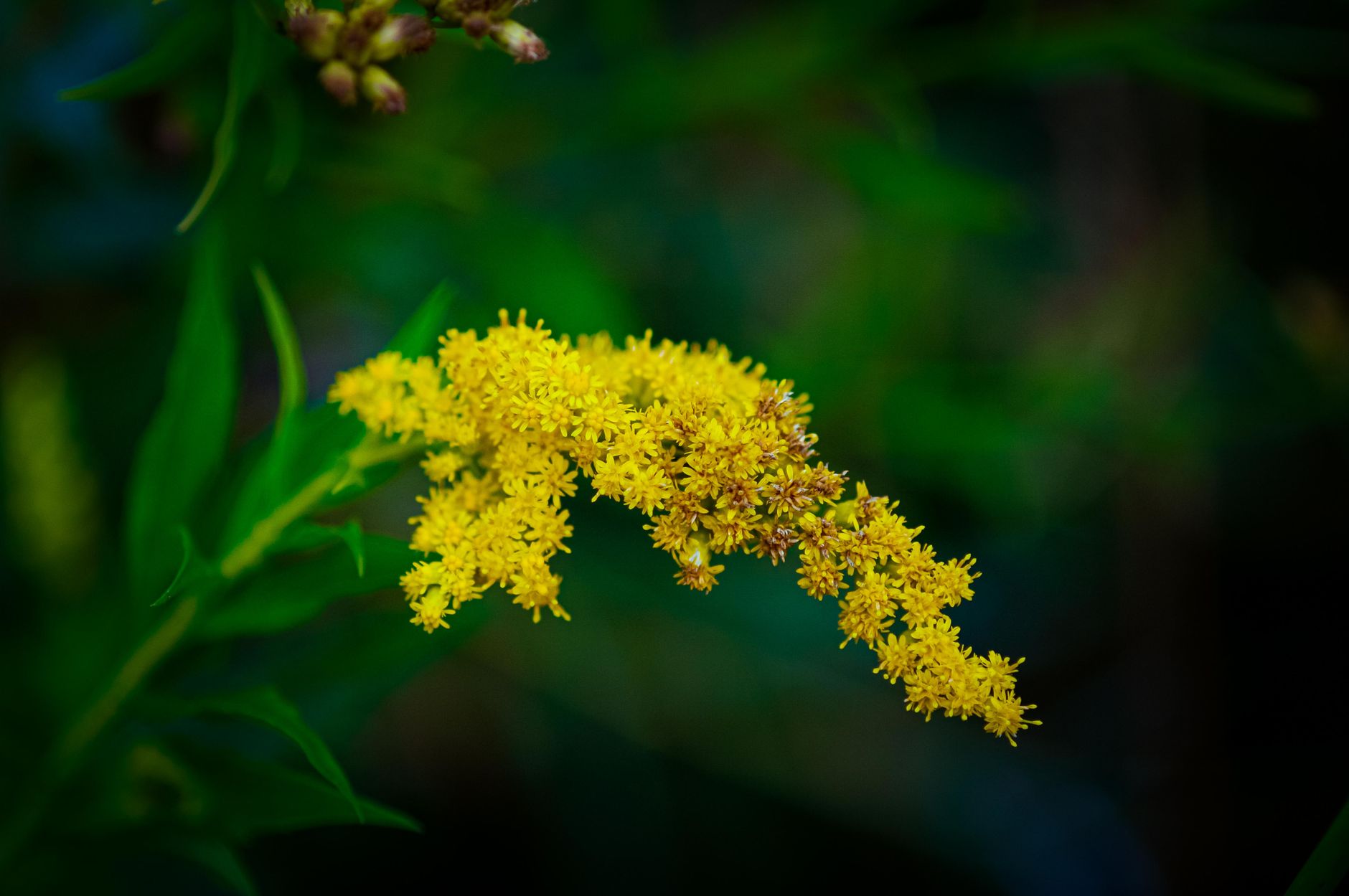
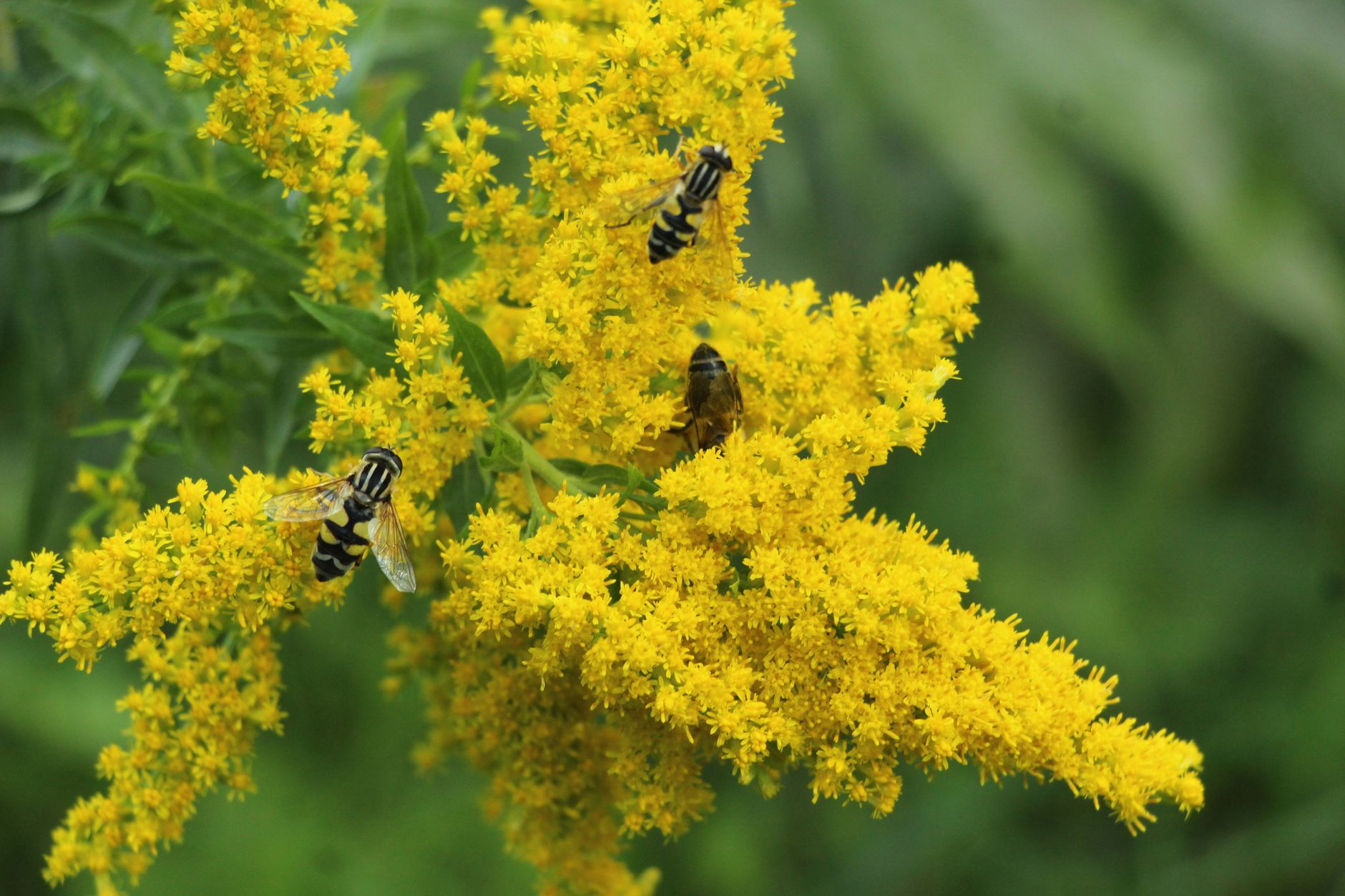
Goldenrod belongs to the Asteraceae (daisy) family, comprising over 100 distinct species within the genus Solidago. The most clinically studied species include Solidago virgaurea (European Goldenrod), Solidago canadensis (Canadian Goldenrod), and Solidago gigantea (Giant Goldenrod). These plants are characterized by their tall, woody stems, alternate lanceolate leaves, and dense, terminal clusters of small, bright yellow flower heads that bloom from late summer through late autumn.
Before exploring its pharmacological applications, it is critical to address the widespread misconception regarding Goldenrod and seasonal allergies (allergic rhinitis). For generations, Goldenrod has been blamed for the itchy eyes, runny noses, and sneezing fits that plague millions of individuals during the late summer and autumn months. This association is entirely erroneous. The true culprit behind these seasonal allergies is Ragweed (genus Ambrosia), which blooms at the exact same time as Goldenrod and often shares the same geographic habitats.
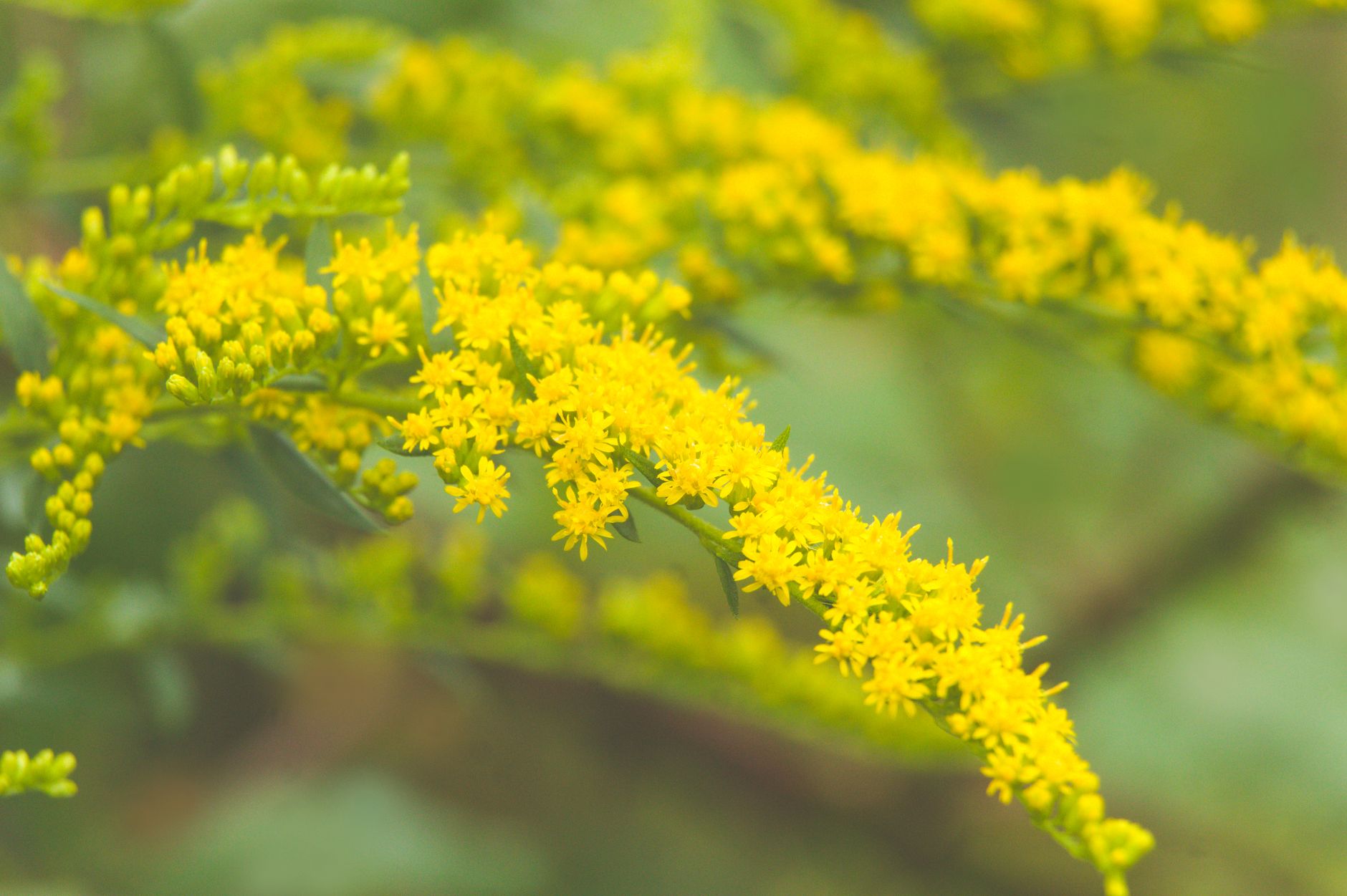
The botanical difference between these two plants lies in their methods of pollination. Ragweed is an anemophilous (wind-pollinated) plant. Its flowers are dull, inconspicuous, and produce millions of microscopic, lightweight pollen grains designed to be carried miles by the wind, directly into human respiratory passages. Conversely, Goldenrod is an entomophilous (insect-pollinated) plant. It produces large, heavy, sticky pollen grains that cannot easily become airborne. Instead, Goldenrod relies on bees, butterflies, and other pollinators to transfer its pollen from flower to flower. Its brilliant yellow color serves as an evolutionary beacon to attract these insects, whereas Ragweed requires no color because the wind is blind. Thus, inhaling airborne Goldenrod pollen is exceptionally rare, and the plant is virtually entirely innocent of causing seasonal hay fever.
The Ethnobotanical Legacy: A History of Healing
The name Solidago is derived from the Latin words solidare or solido, which translate to “to make whole,” “to cure,” or “to consolidate.” This etymology speaks volumes about the plant’s long-standing reputation as a premier vulnerary (wound-healing) herb and systemic restorative. Throughout history, diverse cultures across continents have recognized and harnessed the therapeutic qualities of this golden plant.
In traditional European herbal medicine, Solidago virgaurea was celebrated as an indispensable remedy for kidney ailments, bladder inflammation, and dropsy (edema). During the Middle Ages, it was highly prized as a costly wound herb, often imported and traded as a luxury item. Famed herbalists, including John Gerard and Nicholas Culpeper, documented its ability to stop internal bleeding, dissolve renal calculi (kidney stones), and strengthen weak capillaries. Culpeper famously classified Goldenrod as a plant ruled by Venus, denoting its affinity for the kidneys and urinary system.

Across the Atlantic, Native American tribes independently discovered the profound healing properties of indigenous Goldenrod species. The Chippewa, Ojibwe, Cherokee, and Alabama tribes utilized various preparations of the leaves, roots, and flowers. They formulated warm decoctions to reduce fevers, alleviate chest pain, and soothe sore throats. Externally, they applied poultices of crushed leaves to treat burns, bee stings, skin ulcers, and difficult-to-heal wounds. In colonial America, following the Boston Tea Party of 1773, Goldenrod became a highly popular patriotic alternative to imported Chinese black tea, affectionately referred to as “Liberty Tea.” This pleasant-tasting beverage was consumed not only as a political statement but also for its digestive and warming benefits.
The Phytochemical Blueprint of Goldenrod
The therapeutic efficacy of Goldenrod is not the result of a single “magic bullet” compound, but rather the synergistic action of a highly sophisticated matrix of secondary metabolites. Modern pharmacological analysis has isolated and identified several major classes of bioactive compounds within the aerial parts of Solidago species:
- Flavonoids: Goldenrod is exceptionally rich in antioxidant flavonoids, notably rutin, quercetin, isoquercitrin, astragalin, and kaempferol. These polyphenolic compounds are responsible for the plant’s powerful free-radical scavenging capacity, anti-inflammatory actions, and capillary-stabilizing effects. Rutin, in particular, is renowned for its ability to reduce capillary permeability and fragility, supporting venous health.
- Triterpenoid Saponins: Principally known as virgaureasaponins (most abundant in Solidago virgaurea), these complex glycosides exhibit significant antifungal, anti-inflammatory, and immunomodulatory activities. In the urinary tract, saponins contribute to the antispasmodic effect, helping to relax smooth muscle tissue.
- Phenolic Glycosides: Leiocarposide and virgaureoside A are unique, highly studied compounds found within the genus. Leiocarposide is recognized for its documented anti-inflammatory, analgesic, and mild diuretic activities, working in tandem with flavonoids to soothe inflamed mucous membranes.
- Caffeoylquinic Acids: Compounds such as chlorogenic acid, 3,5-dicaffeoylquinic acid, and caffeic acid provide deep cellular protection by neutralizing reactive oxygen species (ROS) and inhibiting inflammatory enzymes.
- Essential Oils: Comprising monoterpenes and sesquiterpenes (such as alpha-pinene, beta-pinene, limonene, and germacrene D), these volatile oils contribute to Goldenrod’s characteristic pleasant aroma and possess potent antimicrobial, carminative, and mild expectorant qualities.
- Tannins: Condensed and hydrolyzable tannins impart a mild astringency to Goldenrod preparations, which helps to tone and tighten lax mucous membranes, reduce excessive secretions, and facilitate wound healing.
Deep Dive: Verified Health Benefits of Goldenrod
1. Comprehensive Urinary Tract Support and Irrigation Therapy
The most prominent, clinically validated application of Goldenrod lies in its capacity to treat and support the urinary system. In Europe, Goldenrod is officially approved by regulatory bodies, such as the German Commission E and the European Medicines Agency (EMA), for “irrigation therapy.” This therapeutic approach is used to flush the urinary tract in cases of inflammation, bacterial infections (such as cystitis and urethritis), and to prevent and treat renal gravel (kidney stones).
Unlike synthetic loop diuretics, which force the kidneys to rapidly excrete water along with crucial electrolytes like potassium and sodium, Goldenrod acts as a gentle aquaretic. It increases the volume of urine by stimulating renal blood flow and glomerular filtration rate, without disrupting the body’s delicate electrolyte balance. This flushing action is critical during a urinary tract infection (UTI), as it physically sweeps pathogenic bacteria (such as Escherichia coli) out of the bladder and urinary canals, preventing them from adhering to the urothelial lining.
Furthermore, the presence of leiocarposide and flavonoids provides a dual anti-inflammatory and spasmolytic (muscle-relaxing) effect. By relaxing the smooth muscles of the bladder and urethra, Goldenrod significantly alleviates the painful spasms, burning sensations, and frequent urges associated with UTIs. For those prone to chronic kidney stones (urolithiasis), the continuous, gentle flushing action, combined with the plant’s ability to inhibit the crystallization of calcium oxalate, helps prevent micro-crystals from growing into obstructive stones.
2. Potent Anti-Inflammatory and Analgesic Properties
Chronic inflammation is widely recognized as the root cause of many degenerative diseases. Goldenrod contains a robust suite of compounds that systematically downregulate inflammatory pathways. Research indicates that extracts of Solidago inhibit the activity of cyclooxygenase-2 (COX-2) and lipoxygenase (LOX), the primary enzymes responsible for synthesizing pro-inflammatory eicosanoids, such as prostaglandins and leukotrienes.
This mechanism of action is highly comparable to non-steroidal anti-inflammatory drugs (NSAIDs), but without the adverse gastrointestinal side effects commonly associated with synthetic inhibitors. Consequently, Goldenrod is frequently utilized as a supportive therapy for inflammatory musculoskeletal disorders, including osteoarthritis, rheumatoid arthritis, gout, and general joint pain. By reducing systemic inflammatory cytokines and promoting the excretion of uric acid via the kidneys, Goldenrod helps alleviate joint swelling, stiffness, and discomfort.
3. Cardiovascular and Capillary Strengthening
The high concentration of rutin and other bioflavonoids in Goldenrod plays a vital role in maintaining cardiovascular integrity. Rutin is famous for its “vitamin P” activity, which strengthens the endothelial lining of blood vessels and regulates capillary permeability. When capillaries are weak or excessively permeable, fluid can leak into surrounding tissues, resulting in edema (swelling), particularly in the lower extremities.
By reinforcing capillary walls, Goldenrod helps reduce lower leg swelling, varicose veins, and venous insufficiency. Additionally, its rich antioxidant profile prevents the oxidation of low-density lipoprotein (LDL) cholesterol. Oxidized LDL is a major contributor to plaque formation in the arteries (atherosclerosis); by neutralizing the free radicals responsible for this oxidative process, Goldenrod acts as a natural cardioprotective agent.
4. Respiratory and Allergic Relief
While Goldenrod does not cause seasonal allergies, it is paradoxically an exceptional tool for treating them, as well as managing other respiratory challenges. The plant’s rich tannin content provides an astringent quality that dries up excess mucous secretions (catarrh) in the sinus cavities and upper respiratory tract. This makes it highly beneficial for alleviating the symptoms of allergic rhinitis, sinusitis, and common colds.
Simultaneously, the essential oils and saponins present in Goldenrod act as mild expectorants, thinning thick, stubborn mucus in the bronchial tubes and promoting its gentle expulsion. Its antispasmodic properties help soothe irritable, spasmodic coughs and relax restricted airways, providing relief to those suffering from asthma, bronchitis, or persistent post-nasal drip.
5. Antimicrobial, Antifungal, and Wound Healing Capabilities
The traditional use of Goldenrod as a “vulnerary” or wound healer is strongly supported by its antimicrobial profile. Studies have shown that the essential oils, saponins, and tannins in Solidago exhibit broad-spectrum antimicrobial activity against various strains of bacteria and fungi. It has shown particular efficacy against Candida albicans, a common opportunistic yeast responsible for oral thrush, vaginal yeast infections, and systemic dysbiosis.
When applied topically as a wash, poultice, or ointment, Goldenrod’s astringent tannins precipitate proteins at the site of skin damage, creating a protective, localized barrier over the wound. This barrier minimizes minor bleeding, accelerates tissue regeneration, and prevents secondary bacterial infections from taking hold. Its anti-inflammatory compounds simultaneously soothe local redness, heat, and swelling, accelerating the overall healing cascade of cuts, scrapes, insect bites, and minor burns.
Modern Supplementation: Goldenrod Capsules, Extracts, and Teas
To safely and effectively incorporate Goldenrod into a modern wellness routine, consumers have access to several primary delivery methods, each offering distinct therapeutic advantages depending on the target health concern.
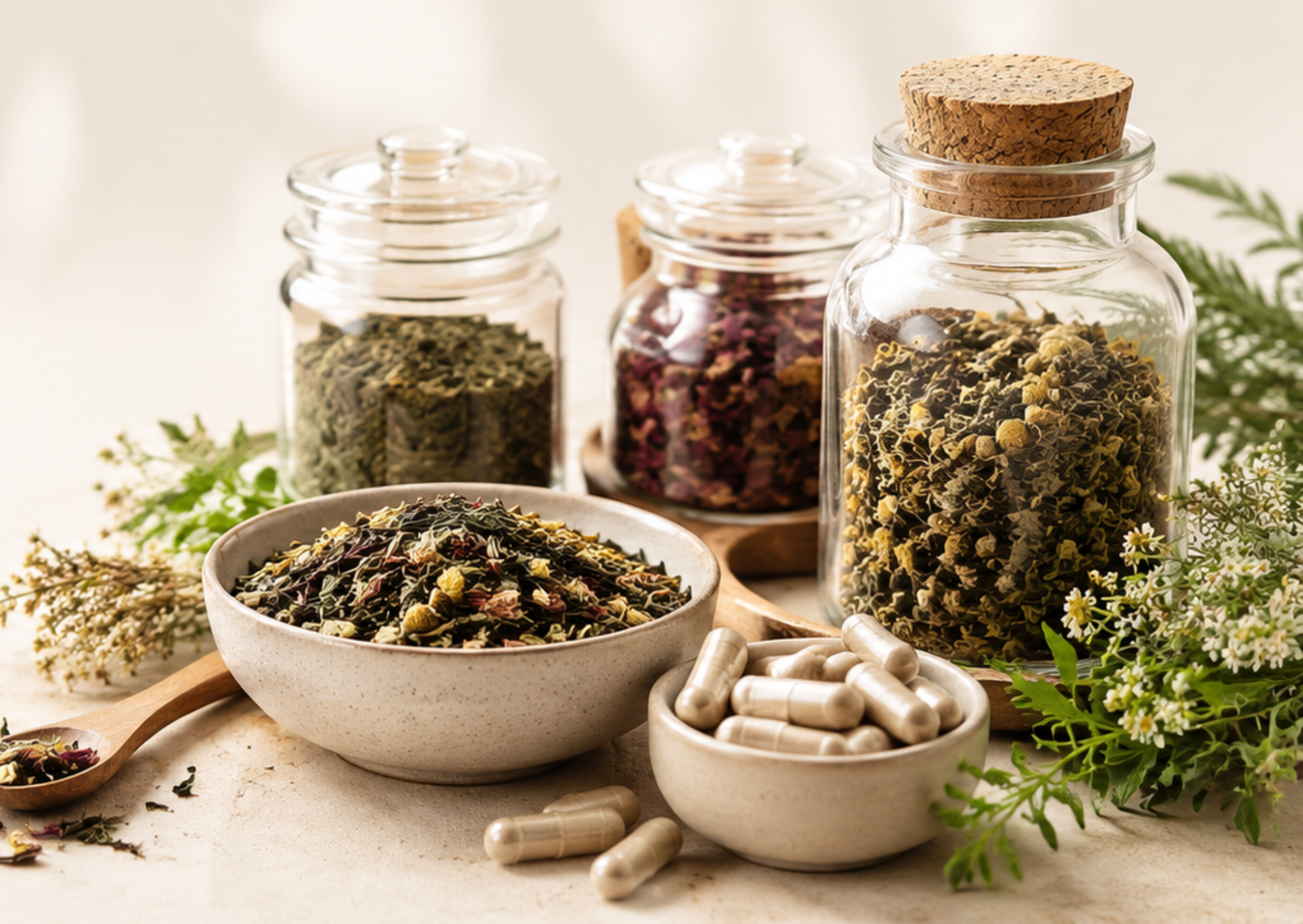
For individuals seeking targeted, standardized doses of Goldenrod’s bioactive compounds, dietary capsules and tablets are an outstanding option. Many premium dietary supplement manufacturers offer standardized extract capsules, typically concentrating key active marker compounds such as flavonoids (calculated as rutin or hyperoside) or leiocarposide. Capsules are highly convenient for daily use, particularly for long-term cardiovascular support, vascular integrity, or as a preventative measure against chronic urinary tract issues.
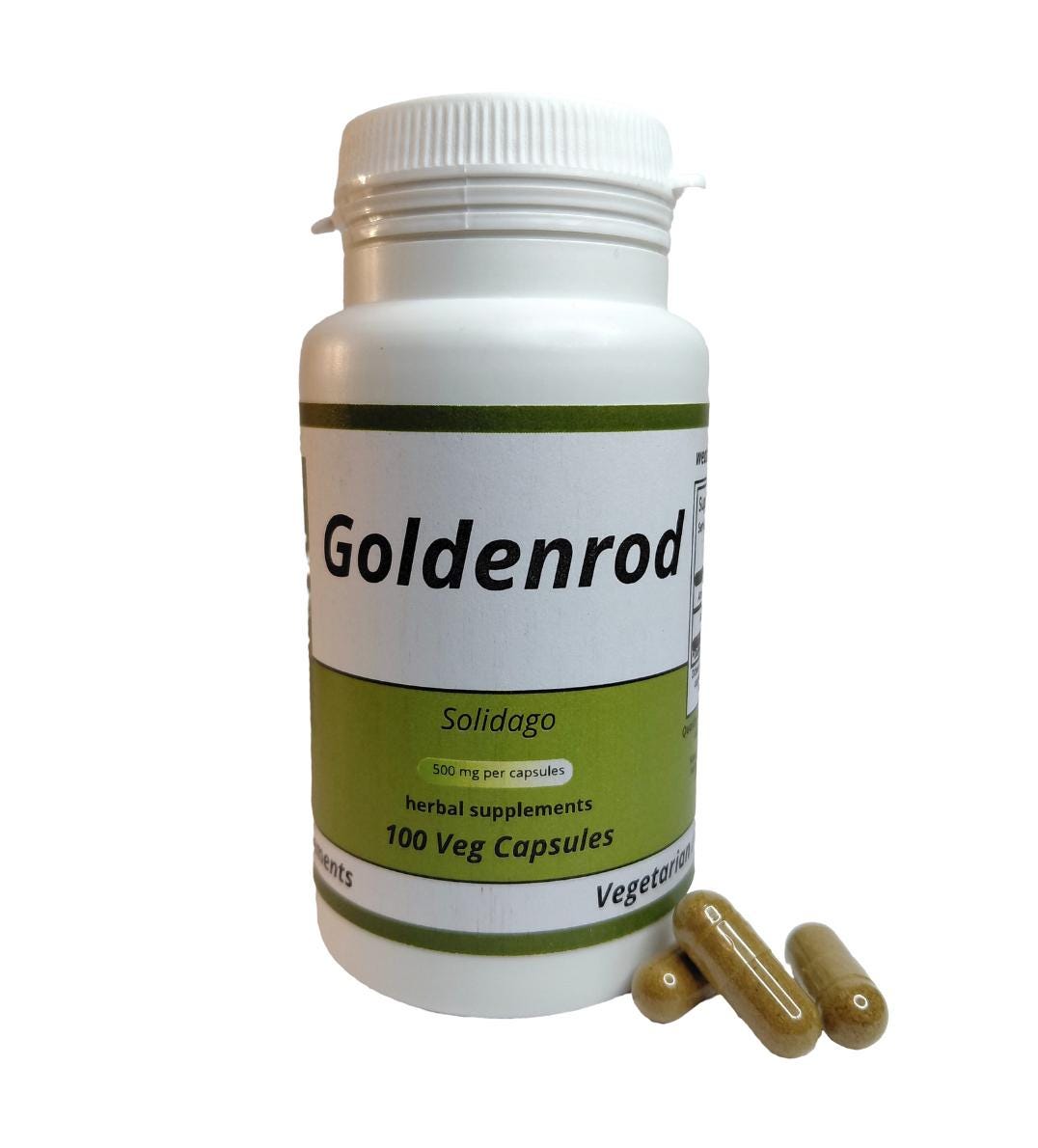
When selecting Goldenrod capsules, it is vital to source products from reputable brands that adhere to Good Manufacturing Practices (GMP) and provide transparent third-party testing. Look for supplements that utilize wildcrafted or organically grown Solidago virgaurea or Solidago canadensis to ensure the absence of heavy metals, pesticides, and synthetic fillers. Capsules allow for precise dosing and eliminate the bitter, highly astringent taste of the raw herb, which some individuals find unpalatable in liquid forms.
Dosage Guidelines and Safe Administration
To maximize the therapeutic benefits of Goldenrod while ensuring safety, it is essential to follow established dosage guidelines tailored to the specific preparation being utilized:
1. Herbal Infusion (Tea)
To prepare a classic Goldenrod tea, pour 150 ml (about 5 ounces) of boiling water over 2 to 3 grams (approximately 1 to 2 teaspoons) of high-quality dried Goldenrod aerial parts. Cover the vessel tightly to prevent the therapeutic volatile essential oils from escaping in the steam. Allow the mixture to steep for 10 to 15 minutes, then strain. For active urinary tract irrigation, drink 2 to 4 cups of this warm tea daily, strictly between meals. It is critical to consume abundant amounts of pure water (at least 2 liters per day) alongside this therapy to facilitate the flushing of the kidneys and bladder.
2. Liquid Extract / Tincture
Liquid extracts provide a highly concentrated form of Goldenrod’s water- and alcohol-soluble constituents. When using a 1:5 tincture (prepared with 40-50% ethanol), the typical adult dosage is 2 to 4 ml, taken three times daily in a small glass of water. Liquid extracts are rapidly absorbed by the body, making them highly effective for acute situations, such as the onset of urinary discomfort or sinus congestion.
3. Standardized Capsules
If utilizing standardized dried extract capsules, follow the manufacturer’s specific labeling instructions, as concentrations can vary. A common therapeutic range is 350 to 500 mg, taken 2 to 3 times daily. Ensure the product is standardized to guarantee consistent potency of the active flavonoids.
Safety, Side Effects, and Contraindications
Goldenrod is widely recognized as a exceptionally safe, non-toxic, and well-tolerated herb for the vast majority of individuals. However, as with any potent botanical medicine, certain precautions and contraindications must be strictly observed:
- Contraindication in Edema from Cardiac or Renal Insufficiency: This is the most critical contraindication. Irrigation therapy using Goldenrod (or any other aquaretic herb) must not be performed if a person is suffering from edema (fluid retention) that is caused by severe heart failure or compromised kidney function. In these delicate conditions, forcing the body to process and excrete excess fluids can place a dangerous, potentially life-threatening strain on these failing organ systems.
- Asteraceae Family Allergies: Individuals with known, severe hypersensitivities or allergic reactions to other members of the Asteraceae (daisy/sunflower) family—such as ragweed, chamomile, marigolds, echinacea, or daisies—should exercise caution when first introducing Goldenrod, as cross-reactivity, though rare, is biologically possible. Start with a very small test dose.
- Pregnancy and Lactation: Due to a lack of comprehensive safety data regarding its effects on developing fetuses and nursing infants, the use of Goldenrod is generally not recommended during pregnancy or breastfeeding, unless explicitly directed and monitored by a qualified healthcare professional.
- Drug Interactions: Because of its natural diuretic properties, Goldenrod may potentiate (enhance) the effects of synthetic diuretic medications (such as furosemide or hydrochlorothiazide), potentially leading to excessive fluid loss or dehydration. Consult a physician before combining these substances.
Conclusion: Restoring Goldenrod to Its Rightful Place
Goldenrod is a shining example of botanical synergy, bridging the gap between ancient folklore and modern, evidence-based phytotherapy. From its historical role as a highly prized wound-healing herb to its validated modern clinical application as an exceptional aquaretic and urinary tract tonic, this resilient plant offers a safe, effective, and deeply holistic approach to systemic wellness.
By dispelling the allergy myth that has unfairly tarnished its reputation, we can appreciate Goldenrod for what it truly is: a valuable natural ally. Whether consumed as a warming, traditional herbal tea, administered as a concentrated liquid extract, or taken as a convenient standardized capsule, incorporating Goldenrod into your wellness regimen can provide profound support for your kidneys, cardiovascular system, and overall vitality.
Disclaimer: For informational purposes only. Not medical advice. Consult a qualified healthcare professional before use.