The Definitive Guide to Nettle Leaf: Science, History, and Therapeutic Mechanisms of Urtica dioica
For millennia, natural practitioners and indigenous cultures have turned to the botanical kingdom to source remedies for human ailments. Among the vast array of pharmacologically active plants, few boast a history as rich or a chemical profile as diverse as Urtica dioica, commonly known as stinging nettle. While often dismissed by modern gardeners as an invasive weed or avoided due to its notorious defense mechanism, nettle leaf is a nutritional powerhouse and a potent therapeutic agent. Modern pharmacology is increasingly validating what traditional medicine has long understood: that this resilient plant holds the key to addressing chronic inflammation, seasonal allergies, cardiovascular regulation, prostate health, and metabolic dysfunction.
To fully appreciate the clinical utility of nettle leaf, one must look beyond its surface. Its therapeutic benefits are not the result of a single “miracle” compound, but rather a synergistic matrix of vitamins, minerals, polyphenols, and bioactive lipids. This comprehensive guide provides an exhaustive exploration of Urtica dioica, outlining its botanical characteristics, complex phytochemical structure, historical applications, and the precise molecular pathways through which it exerts its health-promoting effects.
Botanical Profile and Physiological Characteristics
Stinging nettle belongs to the family Urticaceae and is native to the temperate regions of Europe, Asia, and northern Africa, though it is now naturalized globally. It is a herbaceous perennial that thrives in nitrogen-rich, damp soils, often colonizing disturbed ground, riverbanks, and woodland edges. The plant is characterized by its opposite, cordate (heart-shaped) leaves with deeply serrated margins, upright square stems, and inconspicuous green or yellow-tinged flowers that bloom from summer to autumn.
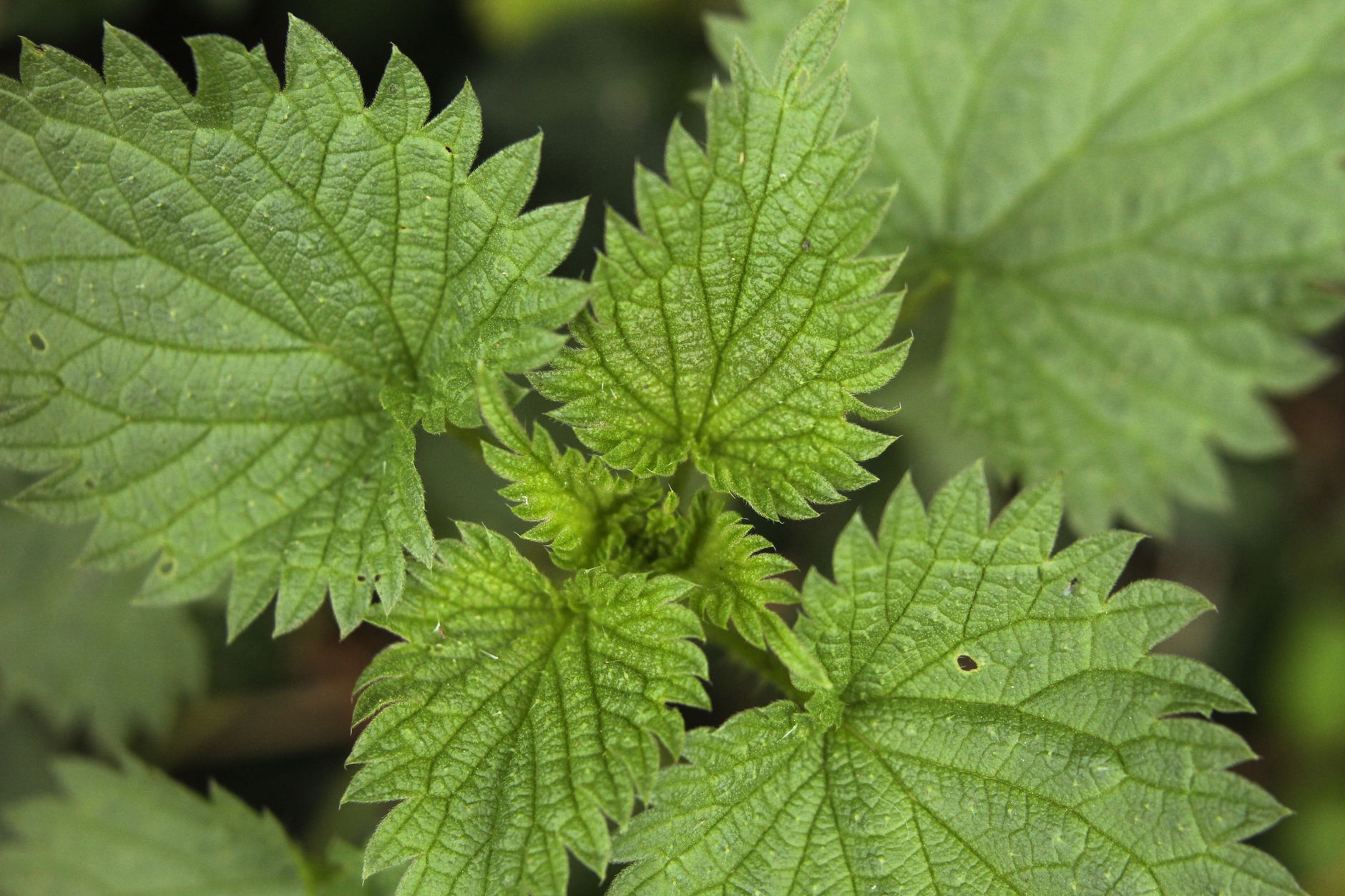
The defining botanical feature of Urtica dioica is its specialized defense system, consisting of hollow, silica-tipped hairs known as trichomes. These trichomes cover the leaves and stems. When brushed against, the fragile silica tips break off, acting like microscopic hypodermic needles that penetrate the skin. This mechanical action injects a highly irritating cocktail of chemical compounds, including histamine, acetylcholine, 5-hydroxytryptamine (serotonin), and formic acid. Paradoxically, it is this very chemical complexity that underpins many of the plant’s therapeutic virtues. When dried, cooked, or subjected to heat extraction, these volatile irritants are completely neutralized, transforming the stinging plant into a highly nutritious and safe medicinal herb.
Phytochemical Composition: The Molecular Architecture
The health-promoting properties of nettle leaf are directly attributable to its exceptionally dense profile of bioactive compounds. Unlike many cultivated leafy greens, wild nettle leaf retains a concentrated array of secondary metabolites designed to survive environmental stressors, which translates to enhanced therapeutic utility for humans.
Phenolic Acids and Flavonoids
Nettle leaf is rich in polyphenols, particularly phenolic acids and flavonoids, which serve as powerful free radical scavengers. The primary flavonoids found in the leaves include quercetin, kaempferol, and rutin. These compounds are renowned for their ability to stabilize cellular membranes, inhibit lipid peroxidation, and modulate intracellular signaling pathways. Phenolic acids, such as caffeic acid and chlorogenic acid, contribute significantly to the plant’s overall antioxidant capacity, protecting tissues from oxidative stress and mitigating systemic inflammation.
Phytosterols
Among the lipid fractions of Urtica dioica, phytosterols—specifically beta-sitosterol—play a critical role. Phytosterols are structurally similar to cholesterol and have been shown to modulate endocrine function. In nettle leaf, these sterols interact with sex hormone-binding globulin (SHBG) and inhibit key enzymes involved in hormone metabolism, rendering the herb highly effective in supporting reproductive and urological health.

Nutritional Density
From a nutritional standpoint, nettle leaf is an outstanding source of essential micronutrients. It contains high concentrations of macrominerals and trace elements, including calcium, magnesium, iron, potassium, phosphorus, and silica. Additionally, it is rich in vitamins A, C, and K, as well as several B vitamins. The presence of chlorophyll—the green pigment essential for photosynthesis—further enhances its profile, providing antioxidant, deodorizing, and potential hematinic (blood-building) benefits due to its structural similarity to human hemoglobin.
Historical and Ethnobotanical Context
The historical footprint of nettle leaf spans centuries and crosses multiple continents. In ancient Egypt, infusions of nettle were utilized to soothe localized discomfort, particularly joint aches and lower back pain. Hippocrates and his Greek contemporaries documented numerous applications for the plant, classifying it as a “hot and dry” herb capable of purging bodily systems, clearing congestion, and stimulating blood circulation.

During the Roman conquest of Britain, soldiers reportedly rubbed fresh stinging nettles onto their limbs—a practice known as urtication. This intentional stinging stimulated localized circulation, providing warmth and relieving joint stiffness in the cold, damp climate of Northern Europe. In traditional European herbalism, nettle leaf was celebrated as a premier spring tonic. After long winters devoid of fresh produce, the emerging spring nettle shoots provided essential vitamins and minerals, revitalizing the body, promoting lymphatic drainage, and acting as a natural depurative to flush accumulated waste products from the kidneys and liver.
Therapeutic Benefits and Scientific Mechanisms
Modern clinical research has increasingly focused on validating the traditional uses of nettle leaf, uncovering the specific molecular pathways through which this plant exerts its therapeutic effects.
1. Modulation of Chronic Inflammatory Pathways
Inflammation is a primary driver of chronic disease, from osteoarthritis to cardiovascular disease. Nettle leaf acts as a multi-target anti-inflammatory agent. Research demonstrates that extracts of Urtica dioica can inhibit the genetic expression of nuclear factor-kappa B (NF-kB), a master transcription factor that orchestrates the inflammatory response. By preventing the activation of NF-kB, nettle leaf suppresses the production of pro-inflammatory cytokines, including tumor necrosis factor-alpha (TNF-alpha), interleukin-1 beta (IL-1b), and interleukin-6 (IL-6).
Furthermore, nettle leaf inhibits the enzymes cyclooxygenase-1 (COX-1) and cyclooxygenase-2 (COX-2), which are responsible for converting arachidonic acid into pro-inflammatory prostaglandins. This mechanism is highly analogous to that of non-steroidal anti-inflammatory drugs (NSAIDs), such as ibuprofen, but without the associated gastrointestinal or renal toxicity. Clinical studies have shown that patients with osteoarthritis who consume nettle leaf extract are often able to significantly reduce their dosage of conventional pain medications.
2. Relief from Allergic Rhinitis (Seasonal Allergies)
Allergic rhinitis, commonly known as hay fever, involves an IgE-mediated immune response to airborne allergens, resulting in mast cell degranulation and the release of histamine. Nettle leaf has demonstrated remarkable efficacy in mitigating these symptoms through several pathways:
- Histamine Receptor Antagonism: Bioactive components in nettle act as competitive antagonists at the histamine H1 receptor, effectively blocking histamine from binding to vascular and mucosal cells.
- Inhibition of Mast Cell Degranulation: Nettle compounds stabilize mast cell membranes, preventing them from ruptures and releasing histamine, tryptase, and other inflammatory mediators in response to allergens.
- Prostaglandin and Leukotriene Suppression: By blocking the 5-lipoxygenase (5-LOX) pathway, nettle limits the synthesis of bronchoconstrictive leukotrienes, thereby easing respiratory congestion and airway hyperreactivity.
3. Support for Benign Prostatic Hyperplasia (BPH)
Benign Prostatic Hyperplasia (BPH) is a non-cancerous enlargement of the prostate gland common in aging men, leading to lower urinary tract symptoms (LUTS) such as weak urinary flow, nocturnal frequency, and incomplete bladder emptying. While nettle root is more commonly studied for this condition, nettle leaf also plays a supportive role due to its concentration of phytosterols and flavonoids.
The progression of BPH is heavily influenced by dihydrotestosterone (DHT), a potent androgen synthesized from testosterone by the enzyme 5-alpha-reductase. Compounds within Urtica dioica have been shown to inhibit 5-alpha-reductase, thereby reducing intraprostatic DHT levels. Additionally, nettle constituents bind to sex hormone-binding globulin (SHBG), preventing it from interacting with prostatic receptors and stimulating cellular proliferation. The result is a reduction in prostate tissue congestion and an improvement in urinary flow dynamics.
4. Glycemic Regulation and Cardiovascular Health
Metabolic syndrome and Type 2 diabetes present major global health challenges. Nettle leaf has emerged as an effective complementary therapy for improving glycemic control. Studies indicate that nettle leaf contains compounds that can mimic the action of insulin, enhancing glucose uptake by skeletal muscle cells via the translocation of GLUT4 transporters. Additionally, it inhibits alpha-glucosidase, an enzyme in the brush border of the small intestine responsible for breaking down complex carbohydrates into glucose, thereby flattening postprandial blood sugar spikes.
Cardiovascularly, nettle leaf promotes vasodilation and blood pressure regulation. It stimulates the production of nitric oxide (NO) by endothelial cells, which relaxes vascular smooth muscle and lowers systemic vascular resistance. Furthermore, its rich potassium content assists in balancing sodium levels, while its natural diuretic properties reduce blood volume, collectively supporting healthy blood pressure ranges.
5. Renal Support and Detoxification
Historically utilized as a “blood purifier,” nettle leaf’s modern equivalent is its role as a mild, potassium-sparing diuretic and renal protective agent. Unlike synthetic loop diuretics that deplete the body of essential potassium, nettle leaf naturally contains high concentrations of potassium, ensuring electrolyte balance is maintained during increased urine output. This diuretic action is highly beneficial for flushing metabolic waste products, particularly uric acid, from the kidneys. By promoting the excretion of uric acid, nettle leaf helps prevent the crystal deposition that leads to gouty arthritis and kidney stones, while simultaneously supporting overall lymphatic drainage and systemic detoxification.
Practical Usage, Forms, and Dosage
To harness the therapeutic benefits of nettle leaf effectively, consumers can choose from several delivery methods, each offering distinct advantages depending on the clinical objective.
Standardized Capsules and Dietary Supplements
For individuals seeking targeted, therapeutic doses of specific bioactive compounds, standardized capsules or tablets are highly recommended. These preparations ensure a consistent concentration of key marker compounds, such as total phenolic content or specific phytosterols. Standardized capsules bypass the variable taste of the herb and provide a highly bioavailable, convenient option for managing chronic conditions such as osteoarthritis, allergic rhinitis, or BPH.
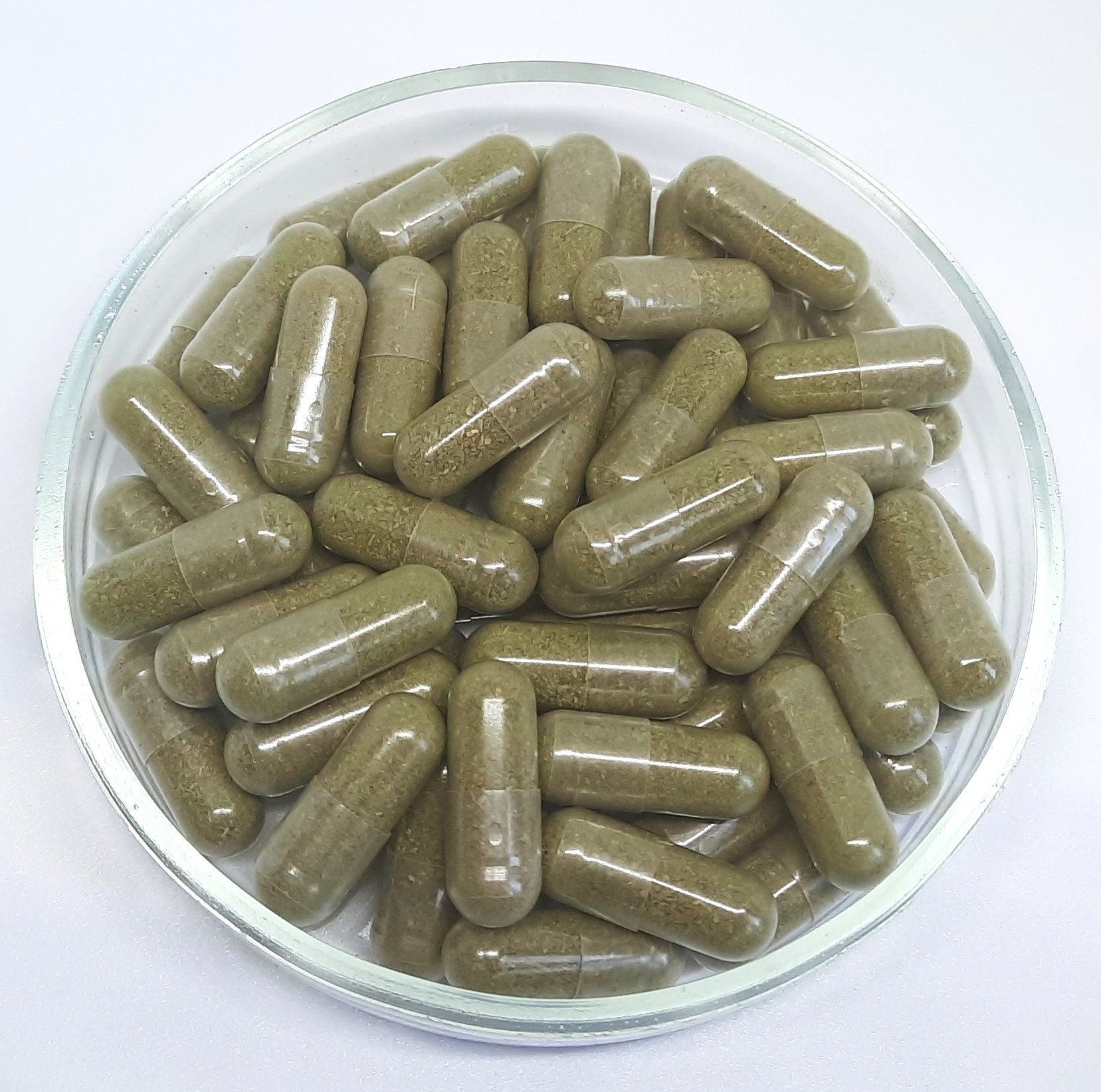
When selecting a capsule supplement, look for reputable manufacturers utilizing dry-extract standardization (e.g., standardized to contain 1% to 2% silica or total polyphenols). This ensures you are receiving a clinically relevant dose free from heavy metals or environmental contaminants.
Teas and Nourishing Herbal Infusions
For those interested in the mineral wealth and daily tonic benefits of the plant, water-soluble extractions—such as teas or long-steeped infusions—are ideal. A standard cup of nettle tea is prepared by steeping 1 to 2 teaspoons of dried nettle leaf in boiling water for 10 to 15 minutes.
To extract the dense mineral content (such as calcium and magnesium) and chlorophyll, a “nourishing herbal infusion” is preferred. This involves steeping one ounce of dried nettle leaf in a quart of boiling water inside a sealed mason jar for 4 to 8 hours (often overnight). The resulting dark, rich liquid is highly concentrated and serves as an excellent mineral-dense tonic to support bone density, hair, skin, and nail vitality.
Safety, Contraindications, and Drug Interactions
Nettle leaf is remarkably safe and well-tolerated by the vast majority of individuals, possessing an excellent safety profile in clinical literature. However, because of its physiological activity, certain precautions must be observed:
- Pregnancy and Lactation: While highly nutritious, nettle leaf can act as a uterine stimulant in very high doses. Pregnant women should consult their obstetrician before consuming medicinal strengths of nettle, though moderate culinary use is generally considered safe.
- Diuretics and Blood Pressure Medications: Due to its natural diuretic and hypotensive properties, concurrent use of nettle leaf with prescription diuretics (e.g., furosemide) or blood pressure medications (e.g., ACE inhibitors) may potentiate their effects, leading to hypotension or electrolyte imbalances. Monitoring by a healthcare provider is recommended.
- Blood Thinners: Nettle leaf is naturally rich in Vitamin K1, which plays an essential role in blood coagulation. Individuals taking vitamin K antagonists (such as warfarin) should maintain a consistent intake of vitamin K-rich substances, including nettle, to avoid altering drug efficacy.
- Diabetes Medications: Because nettle leaf can lower blood glucose levels, individuals taking insulin or oral hypoglycemic agents should monitor their blood sugar closely to avoid hypoglycemia.
Dosage Guidelines and Clinical Summary
Determining the appropriate dosage depends heavily on the form of nettle leaf utilized and the health outcome desired. The following table provides standard clinical recommendations for various preparations:
| Preparation Form | Standard Clinical Dosage | Primary Therapeutic Indications |
|---|---|---|
| Standardized Capsule Extract | 300 mg to 600 mg, 2–3 times daily | Osteoarthritis, allergies, systemic inflammation, BPH support |
| Nourishing Infusion | 1 to 2 cups daily (steeped 4+ hours) | Mineral replenishment, hair/nail health, mild detoxification |
| Liquid Tincture (1:5 extract) | 2 mL to 4 mL, 3 times daily | Acute allergic reactions, rapid anti-inflammatory support |

Conclusion: Integrating Nettle Leaf into Modern Wellness
Stinging nettle stands as a testament to the profound intelligence of nature. Within its stinging, protective exterior lies an unparalleled therapeutic ally capable of addressing some of modern society’s most pervasive chronic health concerns. Whether utilized as a targeted standardized capsule for inflammatory joint pain and allergies, or enjoyed daily as a deeply nourishing, mineral-rich herbal infusion, Urtica dioica offers a holistic, safe, and scientifically validated path toward optimal vitality.
By blending historical wisdom with contemporary, evidence-based science, we can appreciate nettle leaf not as a troublesome weed, but as a premier botanical medicine. As we continue to seek sustainable and integrative approaches to health, the humble stinging nettle undoubtedly deserves a prominent place in our modern herbal apothecary.
Disclaimer: For informational purposes only. Not medical advice. Consult a qualified healthcare professional before use.