
The Golden Healer: Unveiling the Profound Health Benefits of Marigold (Calendula officinalis)
For centuries, the vibrant petals of the Marigold flower have not only brightened gardens but have also served as a cornerstone in traditional medicine across diverse cultures. While several species bear the name “Marigold,” the focus of medicinal use predominantly falls on Calendula officinalis, often referred to simply as Calendula. This cheerful, sun-kissed bloom is far more than just an ornamental plant; it is a veritable powerhouse of bioactive compounds, offering a spectrum of health benefits that range from soothing irritated skin to bolstering internal health. This exhaustive guide delves into the historical reverence, intricate phytochemistry, and evidence-based applications of Marigold, illuminating its profound role as a natural therapeutic agent in modern wellness.
A Botanical Tapestry: Understanding Calendula officinalis
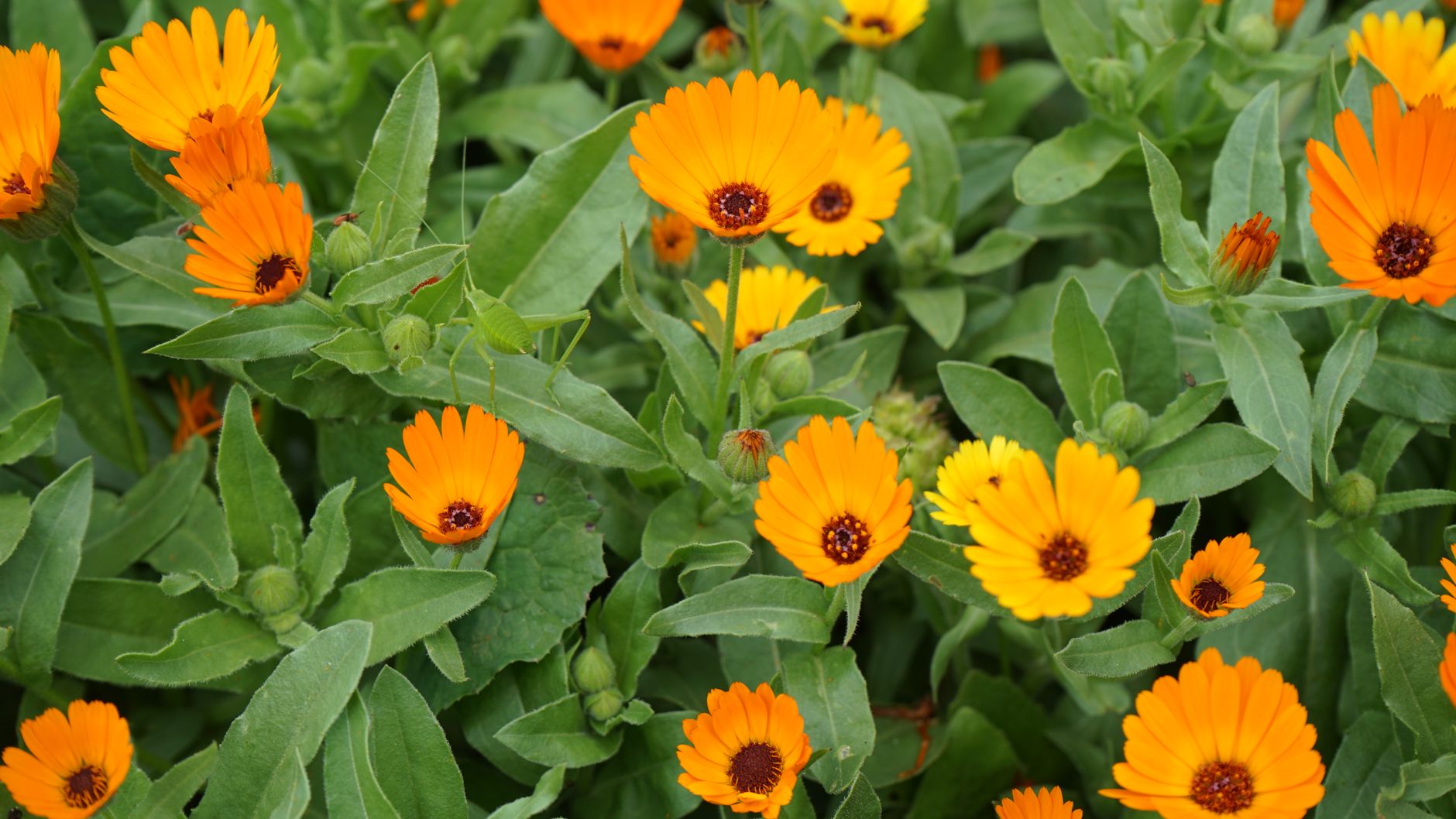
Calendula officinalis, a member of the Asteraceae (daisy) family, is an annual plant native to Southern Europe and the Mediterranean region. It is easily recognizable by its brilliant orange or yellow flowers, which typically bloom from early summer until the first frost. The name “Calendula” is derived from the Latin word “calendae,” meaning “little calendar” or “first day of the month,” a probable reference to its tendency to bloom almost continuously throughout the year in favorable climates, or perhaps to its use in ancient Roman calendars. The plant typically grows between 30 to 60 centimeters tall, featuring lance-shaped leaves and resinous, potent flowers that are the primary source of its medicinal properties. These capitula (flower heads) are rich in a complex array of compounds, making them highly valued in herbal medicine, cosmetics, and even culinary applications.
Echoes Through Time: Marigold’s Historical Significance and Traditional Uses
The therapeutic journey of Marigold is deeply interwoven with human history, dating back to ancient civilizations. In ancient Egypt, Marigold was revered for its rejuvenating properties, used in beauty regimens and thought to possess properties that could help slow the aging process. The ancient Greeks and Romans utilized its petals in culinary dishes, as a dye, and for various medicinal purposes, primarily for digestive ailments and skin conditions. During the Middle Ages, Marigold gained prominence in Europe, where it was often called “poor man’s saffron” due to its ability to impart color to foods. Herbalists prescribed it for fever, measles, smallpox, and jaundice, highlighting its perceived role in detoxification and systemic healing.
Native American tribes and practitioners of Ayurvedic medicine also incorporated Marigold into their healing traditions. They recognized its potent anti-inflammatory and wound-healing capabilities, applying poultices made from its flowers to soothe skin irritations, treat stings, bites, and reduce inflammation. The flower’s internal use was often aimed at supporting liver function and digestive health. This extensive historical utilization across continents underscores Marigold’s enduring reputation as a versatile and efficacious herbal remedy, a testament to its multifaceted benefits long before modern scientific validation.
The Pharmacological Blueprint: Bioactive Compounds in Marigold
The remarkable therapeutic effects of Marigold are attributable to its rich and complex phytochemical profile. Its petals, leaves, and stems contain a diverse range of bioactive compounds, each contributing to its overall medicinal efficacy. Understanding these constituents is key to appreciating the plant’s vast potential.

Flavonoids
Flavonoids are perhaps the most well-known group of antioxidants in Marigold. Quercetin, rutin, and isorhamnetin are prominent examples. These compounds exhibit powerful antioxidant activity, neutralizing harmful free radicals that contribute to oxidative stress and cellular damage. Beyond their antioxidant role, flavonoids also possess significant anti-inflammatory properties, inhibiting enzymes involved in inflammatory pathways, such as cyclooxygenase (COX) and lipoxygenase (LOX). This dual action makes them crucial in mitigating chronic inflammation and protecting against various degenerative diseases.
Triterpene Glycosides and Saponins
These compounds, particularly oleanolic acid glycosides like calendulosides, are primary contributors to Marigold’s anti-inflammatory and wound-healing capabilities. Triterpenes can modulate the immune response, reduce swelling, and promote the synthesis of collagen, a vital protein for skin repair and integrity. Their presence explains why Marigold is so effective in topical preparations for skin regeneration and irritation relief.
Carotenoids
The vibrant orange and yellow hues of Marigold petals are primarily due to their high concentration of carotenoids, including lutein, zeaxanthin, and beta-carotene. Lutein and zeaxanthin are particularly vital for eye health, accumulating in the macula of the retina where they filter harmful blue light and protect against oxidative damage, playing a critical role in preventing age-related macular degeneration (AMD) and cataracts. Beta-carotene is a precursor to Vitamin A, essential for vision, immune function, and skin health.
Volatile Oils
Marigold contains small amounts of essential oils, composed of compounds like alpha-cadinol, germacrene-D, and menthone. While less concentrated than in some other medicinal plants, these volatile oils contribute to the plant’s distinctive aroma and possess mild antimicrobial and antispasmodic properties.
Polysaccharides
Water-soluble polysaccharides found in Marigold have demonstrated immunostimulatory effects. These complex carbohydrates can activate immune cells, such as macrophages, thereby enhancing the body’s natural defense mechanisms against pathogens and supporting overall immune health.
Phenolic Acids
Compounds like caffeic acid and chlorogenic acid are also present, contributing to the overall antioxidant and anti-inflammatory effects, further synergizing with the flavonoids to provide broad-spectrum protection.
The Golden Arsenal: Key Health Benefits of Marigold
The synergy of these bioactive compounds translates into a wide array of scientifically supported health benefits, solidifying Marigold’s status as a versatile medicinal plant.
1. Potent Anti-inflammatory Action
One of Marigold’s most celebrated attributes is its remarkable anti-inflammatory capacity. The triterpenes, flavonoids, and saponins work in concert to inhibit the release of pro-inflammatory cytokines and enzymes, such as COX-2. This mechanism makes Marigold highly effective in reducing swelling, redness, and pain associated with various inflammatory conditions. Topically, it is invaluable for soothing skin inflammation from rashes, eczema, and sunburns. Internally, it can help alleviate inflammation in the digestive tract, making it beneficial for conditions like irritable bowel syndrome (IBS) or gastritis.
2. Superior Wound Healing and Skin Regeneration
Marigold has an exceptional ability to accelerate the healing of wounds, cuts, burns, and abrasions. Its compounds stimulate cellular proliferation, promote collagen synthesis, and enhance angiogenesis (the formation of new blood vessels), all crucial steps in the wound repair process. Furthermore, its anti-inflammatory and antimicrobial properties help prevent infection and reduce scarring. Clinical studies have shown that calendula creams can significantly improve wound healing time, reduce pain after surgical procedures, and even aid in healing diabetic foot ulcers, making it a cornerstone in dermatological and wound care.
3. Powerful Antioxidant Protection
The rich concentration of flavonoids, carotenoids, and phenolic acids endows Marigold with significant antioxidant capabilities. These compounds actively scavenge free radicals, unstable molecules that cause oxidative stress, leading to cellular damage and contributing to chronic diseases, premature aging, and even certain cancers. By neutralizing these free radicals, Marigold helps protect cells and tissues from oxidative damage, promoting overall cellular health and longevity.
4. Vision Protection and Eye Health
The high levels of lutein and zeaxanthin in Marigold are critical for maintaining optimal eye health. These carotenoids are preferentially absorbed into the macula and retina, where they act as natural filters for harmful blue light and potent antioxidants, protecting delicate eye tissues from oxidative stress. Regular intake of Marigold or its extracts can significantly reduce the risk and progression of age-related macular degeneration (AMD) and cataracts, two leading causes of vision impairment in older adults. It can also help alleviate eye strain and improve visual acuity.
5. Digestive System Support
Internally, Marigold acts as a soothing tonic for the digestive tract. Its anti-inflammatory and antispasmodic properties can alleviate symptoms of indigestion, cramps, and gastric ulcers. It may help calm an irritated stomach lining and promote healthy mucosal integrity. Some traditional uses also point to its cholagogic effect, meaning it can stimulate bile production and flow, aiding in fat digestion and liver detoxification processes.
6. Immune System Modulation and Support
The polysaccharides and other compounds in Marigold have been shown to modulate and support the immune system. They can enhance the activity of immune cells, such as macrophages and lymphocytes, which are essential for identifying and eliminating pathogens. This immunostimulatory effect can help the body fend off infections and strengthen overall immune resilience, particularly during seasonal changes or periods of increased susceptibility.
7. Antimicrobial and Antifungal Properties
Marigold exhibits significant antimicrobial activity against various bacteria, viruses, and fungi. This makes it an excellent natural remedy for preventing and treating minor skin infections, fungal conditions like athlete’s foot or ringworm, and even some oral infections. Its ability to combat pathogens without harsh chemicals is a major advantage in many topical and oral hygiene applications.
8. Potential Anti-cancer Properties
Emerging research suggests that Marigold may possess anti-cancer properties. Studies have indicated that certain compounds within Marigold, particularly triterpenoids and flavonoids, can inhibit the proliferation of cancer cells, induce apoptosis (programmed cell death) in various cancer lines, and even suppress tumor growth. While more extensive clinical trials are needed, these preliminary findings highlight Marigold’s potential as a complementary agent in cancer prevention and treatment strategies.
Practical Applications and Forms of Marigold
Marigold’s versatility extends to its various forms of application, allowing individuals to harness its benefits internally or externally, depending on the specific health concern.
Topical Applications: Creams, Ointments, and Infused Oils
For skin-related issues, topical preparations are most common. Marigold-infused oils, salves, creams, and ointments are readily available and widely used. These are excellent for treating:
- Cuts, scrapes, and minor burns
- Diaper rash and other skin irritations
- Eczema and psoriasis flare-ups
- Dry, chapped skin
- Sunburn relief
- Post-surgical wound healing
- Fungal infections like athlete’s foot or ringworm
To make a simple Marigold oil at home, dried flowers can be steeped in a carrier oil (like olive or almond oil) for several weeks, then strained. This infused oil can then be used directly or as a base for salves.
Internal Applications: Teas, Tinctures, and Extracts
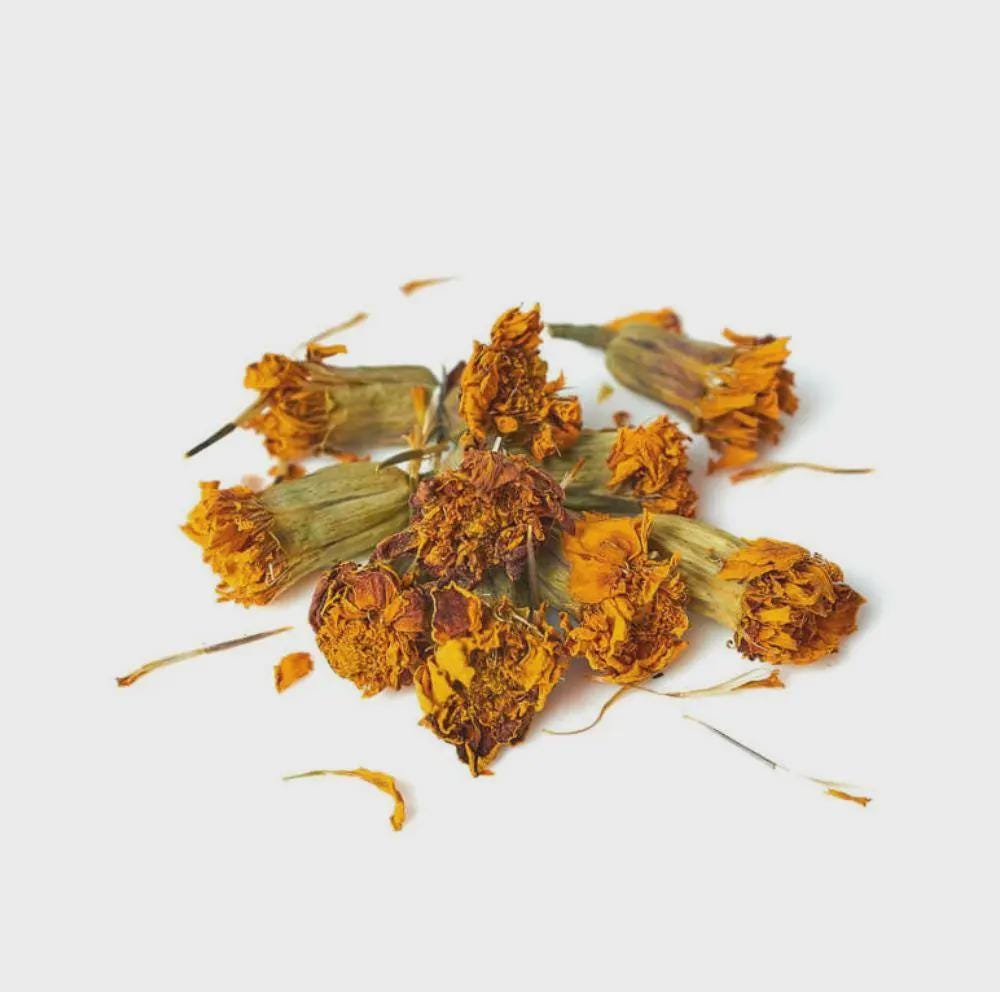
For internal benefits, Marigold can be consumed as a tea or tincture. Marigold tea, made by steeping dried flowers in hot water, is a gentle way to support digestive health, boost immunity, and provide a systemic anti-inflammatory effect. Tinctures, which are concentrated alcoholic or glycerin extracts, offer a more potent internal dose and are often used for chronic conditions or when a stronger effect is desired. They are convenient and have a longer shelf life.
Supplements: Capsules and Standardized Extracts
For individuals seeking specific health benefits, particularly for eye health or systemic antioxidant support, Marigold is available in supplement form. These often come as capsules containing standardized extracts of lutein and zeaxanthin, ensuring a consistent and potent dose of these critical carotenoids. Other supplements may contain a broader spectrum extract of the whole flower, aiming for a more comprehensive range of Marigold’s beneficial compounds. These provide a convenient way to incorporate Marigold into a daily wellness routine.

Dosage and Safety Considerations
While Marigold is generally considered safe for most people, especially in topical applications, it’s crucial to adhere to recommended dosages and be aware of potential considerations:
- Topical Use: Apply creams or ointments 2-3 times daily to affected areas. Perform a patch test first to check for allergic reactions, though these are rare.
- Internal Use (Tea): Typically, 1-2 teaspoons of dried flowers steeped in hot water for 5-10 minutes, consumed 2-3 times a day.
- Internal Use (Tincture): Follow product-specific instructions, usually 1-2 ml, 2-3 times daily.
- Supplements: Dosage varies widely based on the concentration of active compounds (especially lutein/zeaxanthin). Always follow the manufacturer’s recommendations or consult with a healthcare professional.
Precautions:
- Allergies: Individuals with known allergies to plants in the Asteraceae/Compositae family (e.g., ragweed, daisies, chrysanthemums) should exercise caution, as they may be sensitive to Marigold.
- Pregnancy and Breastfeeding: Due to a lack of sufficient research, Marigold is generally not recommended for use during pregnancy or breastfeeding, especially internally.
- Surgery: Marigold may have mild anticoagulant properties. It’s advisable to discontinue internal use at least two weeks before any scheduled surgery to prevent increased bleeding.
- Drug Interactions: While rare, Marigold may theoretically interact with sedative medications due to its mild calming properties, or with blood-thinning medications. Consult a healthcare provider if you are on prescription drugs.
Who Can Benefit from Marigold?
Marigold offers benefits to a wide demographic:
- Individuals with Skin Conditions: Anyone suffering from eczema, psoriasis, dermatitis, or generally sensitive skin.
- Those Seeking Wound Care: Excellent for accelerating healing of minor cuts, scrapes, burns, and post-surgical incisions.
- People Concerned About Eye Health: Particularly beneficial for older adults at risk of AMD or cataracts, and anyone spending significant time in front of screens.
- Individuals with Digestive Issues: Can offer relief for mild indigestion, gastritis, or inflammatory bowel conditions.
- Immune Support Seekers: Useful for bolstering general immunity during cold and flu season.
- Natural Health Enthusiasts: A staple for those preferring botanical remedies for general wellness and preventative care.
Conclusion: Marigold, A Timeless Botanical Treasure
From ancient apothecaries to modern scientific laboratories, the humble Marigold flower continues to prove its immense value as a therapeutic plant. Its rich symphony of flavonoids, triterpenes, carotenoids, and other bioactive compounds underpins its powerful anti-inflammatory, antioxidant, wound-healing, and vision-protective properties. Whether applied topically to soothe irritated skin, consumed as a calming tea, or taken as a targeted supplement for eye health, Marigold stands as a testament to nature’s profound capacity to heal and nurture. As research continues to unveil its full potential, Marigold remains a golden beacon in the realm of natural health, offering a gentle yet potent path to enhanced well-being.

Disclaimer: For informational purposes only. Not medical advice. Consult a qualified healthcare professional before use.