The Unveiling of a Superfruit: Exploring the Profound Health Benefits of Black Currant
Often overshadowed by more widely publicized superfoods, the humble black currant (Ribes nigrum) stands as a true nutritional powerhouse, brimming with an extraordinary array of vitamins, antioxidants, and essential fatty acids. This darkly pigmented berry, with its unique tart-sweet flavor profile, has been cherished across cultures for centuries, not just for its culinary versatility but, more importantly, for its profound medicinal properties. In an era where individuals are increasingly seeking natural avenues for health optimization, the black currant emerges as a quintessential candidate, offering a spectrum of benefits from bolstering immunity and enhancing vision to combating inflammation and promoting cardiovascular health. This definitive guide aims to meticulously unravel the intricate tapestry of black currant’s health benefits, delving deep into its historical roots, chemical composition, and the scientific mechanisms underpinning its impressive therapeutic potential.
A Journey Through Time and Taxonomy: The Rich Heritage of Ribes nigrum
Origins and Traditional Uses
The lineage of the black currant stretches back through the annals of history, originating in the temperate regions of northern Europe and Asia. For millennia, indigenous communities recognized its potent properties, integrating it into their folk medicine practices. Early texts and oral traditions reveal its widespread use as a remedy for various ailments, from fevers and infections to rheumatic pain and digestive complaints. During the Middle Ages, its reputation grew, with herbalists valuing its diuretic and diaphoretic qualities. Perhaps its most celebrated historical application was in preventing scurvy, owing to its remarkably high Vitamin C content, a vital resource for sailors and explorers during long voyages when fresh produce was scarce. This historical reverence laid the groundwork for modern scientific inquiry, compelling researchers to investigate the empirical basis for these long-held beliefs.
Botanical Profile and Cultivation
Botanically classified as Ribes nigrum within the Grossulariaceae family, the black currant is a deciduous shrub that thrives in cooler climates, preferring moist, fertile soils. The plant is characterized by its lobed leaves, inconspicuous flowers, and, most notably, its clusters of glossy, spherical berries that ripen from green to a deep, lustrous black. The berries possess a distinctive aromatic pungency, often described as a complex blend of tart, earthy, and musky notes, which intensifies as they mature. Cultivation practices have evolved over centuries, from wild harvesting to systematic farming, allowing for the widespread availability of this potent fruit, both fresh and in various processed forms. Its robust nature and adaptability have cemented its place in gardens and commercial orchards across its native range and beyond.

The Nutritional Powerhouse: Deconstructing Black Currant’s Bioactive Compounds
The therapeutic efficacy of black currant is not attributed to a single compound but rather to a synergistic orchestra of bioactive constituents working in concert. This complex phytochemical profile is what truly elevates it to its superfood status, offering a multi-faceted approach to health and wellness.
A Symphony of Antioxidants: Anthocyanins and Polyphenols
At the forefront of black currant’s beneficial compounds are its extraordinary levels of anthocyanins, the pigments responsible for its deep purple-black hue. These powerful antioxidants belong to the flavonoid class of polyphenols and are present in exceptionally high concentrations, often surpassing those found in other popular berries like blueberries. Specific anthocyanins prevalent in black currants include cyanidin-3-glucoside, delphinidin-3-rutinoside, cyanidin-3-rutinoside, and delphinidin-3-glucoside. Their mechanism of action involves potent free radical scavenging, neutralizing harmful reactive oxygen species (ROS) that contribute to oxidative stress, cellular damage, and the pathogenesis of numerous chronic diseases, including cardiovascular disease, neurodegenerative disorders, and cancer. Beyond anthocyanins, black currants also contain a rich spectrum of other polyphenols, such as various flavonoids (e.g., quercetin, myricetin) and phenolic acids (e.g., caffeic acid, p-coumaric acid), each contributing to the berry’s overall antioxidant and anti-inflammatory capacity.
The Vitamin C Champion
Black currants are famously lauded for their exceptionally high Vitamin C content, often boasting levels four times greater than oranges and significantly more than many other fruits. This vital water-soluble vitamin is a cornerstone of immune function, acting as a powerful antioxidant itself and playing a crucial role in the synthesis of collagen, a structural protein essential for healthy skin, bones, tendons, and blood vessels. Furthermore, Vitamin C enhances the absorption of non-heme iron from plant-based foods and is integral to the proper functioning of various enzymatic reactions within the body. Its presence in such abundant quantities in black currants underscores its utility as a natural immune booster and protector against cellular degradation.

Essential Fatty Acids: Gamma-Linolenic Acid (GLA)
Beyond the fruit’s pulp, the seeds of the black currant hold another remarkable compound: gamma-linolenic acid (GLA). This omega-6 essential fatty acid is relatively rare in the plant kingdom, with black currant seed oil being one of its richest sources, alongside evening primrose and borage oil. GLA is a precursor to a group of hormone-like substances called prostaglandins (specifically, prostaglandin E1, or PGE1), which play critical roles in regulating inflammation, immune responses, and blood clotting. Unlike other omega-6 fatty acids that can sometimes promote inflammation, GLA is specifically metabolized into anti-inflammatory compounds, making black currant seed oil a valuable asset in managing chronic inflammatory conditions and supporting skin health. Its ability to modulate the body’s inflammatory pathways distinguishes black currant from many other antioxidant-rich fruits.
A Spectrum of Vitamins and Minerals
Completing its impressive nutritional profile, black currants also provide a significant array of other essential vitamins and minerals. These include Vitamin K, crucial for blood clotting and bone health; Vitamin A (in the form of beta-carotene), important for vision and immune function; several B vitamins (B5, B6), vital for energy metabolism and nervous system health; and important minerals such as iron (for oxygen transport), manganese (an antioxidant enzyme cofactor), potassium (for blood pressure and fluid balance), and calcium (for bone health). This comprehensive nutrient density ensures that consuming black currants contributes holistically to various bodily functions and overall well-being.
In-Depth Exploration of Health Benefits: Unlocking Black Currant’s Therapeutic Potential
The intricate blend of anthocyanins, Vitamin C, GLA, and other micronutrients in black currants translates into a wide array of scientifically supported health benefits, impacting multiple physiological systems.
Fortifying the Immune System
Black currant is a formidable ally in immune support. Its extraordinarily high Vitamin C content is paramount, directly stimulating the production and function of white blood cells, which are the body’s primary defense against pathogens. Furthermore, the rich anthocyanin profile contributes by exerting potent antioxidant effects, protecting immune cells from oxidative damage and enhancing their responsiveness. Some studies suggest that black currant extracts can directly inhibit the replication of certain viruses and bacteria, offering a multi-pronged approach to immune defense. Regular consumption may lead to a reduced incidence and duration of common colds and flu-like symptoms, making it an invaluable seasonal prophylactic.
Enhancing Ocular Health and Vision
The vision-enhancing properties of black currants are among its most celebrated benefits, particularly linked to its anthocyanin content. These compounds are believed to improve blood flow to the eyes, which can be beneficial for conditions such as glaucoma. More significantly, anthocyanins aid in the regeneration of rhodopsin, a light-sensitive pigment found in the retina, which is crucial for adaptation to darkness and night vision. Research indicates that black currant consumption can reduce visual fatigue, improve visual acuity in low light conditions, and potentially offer protection against age-related macular degeneration and other oxidative damages to the delicate structures of the eye. Its ability to reduce eye strain from digital device usage also makes it pertinent in modern lifestyles.
Potent Anti-Inflammatory and Pain Relief
Chronic inflammation is a root cause of many debilitating diseases. Black currants offer significant anti-inflammatory effects through multiple pathways. The anthocyanins exert their influence by inhibiting pro-inflammatory enzymes such such as cyclooxygenase (COX-1 and COX-2) and lipoxygenase (LOX), thereby reducing the production of inflammatory mediators. Concurrently, the GLA found in black currant seed oil is converted into anti-inflammatory prostaglandins. This dual action makes black currant a powerful natural agent for mitigating systemic inflammation. It has shown promise in alleviating symptoms associated with inflammatory conditions like arthritis, muscle soreness post-exercise, and even chronic pain syndromes. Its ability to temper the inflammatory cascade without the side effects often associated with pharmaceutical anti-inflammatories makes it an attractive natural alternative.
Cardiovascular Wellness
The comprehensive antioxidant and anti-inflammatory profile of black currants contributes significantly to cardiovascular health. Anthocyanins protect the delicate endothelial lining of blood vessels from oxidative stress, improving vascular elasticity and function. They also help to reduce the oxidation of low-density lipoprotein (LDL) cholesterol, a key step in the formation of atherosclerotic plaques. The potassium content in black currants plays a role in regulating blood pressure by counteracting the effects of sodium, while GLA can also contribute to healthier blood lipid profiles and improved blood vessel relaxation. Together, these effects help to lower the risk of hypertension, atherosclerosis, and other forms of cardiovascular disease, supporting overall heart and circulatory health.
Promoting Digestive Health
Black currants are a good source of dietary fiber, which is fundamental for a healthy digestive system. Fiber adds bulk to stool, promoting regular bowel movements and preventing constipation. Beyond its mechanical benefits, the presence of various polyphenols, including anthocyanins, can exert prebiotic effects, nourishing beneficial gut bacteria and fostering a healthy gut microbiome. A balanced gut microbiota is increasingly recognized as crucial for nutrient absorption, immune modulation, and even mental well-being. By supporting gut integrity and microbial diversity, black currants indirectly contribute to overall health and disease prevention.
Nurturing Skin Health
The skin, as the body’s largest organ, benefits immensely from black currant’s nutrient density. Its high Vitamin C content is vital for collagen synthesis, helping to maintain skin elasticity, firmness, and reducing the appearance of wrinkles. The powerful antioxidants protect skin cells from environmental damage, including UV radiation and pollution, which contribute to premature aging. Moreover, the GLA from black currant seed oil is particularly beneficial for skin health, aiding in the maintenance of the skin barrier function, reducing moisture loss, and alleviating symptoms of inflammatory skin conditions like eczema, psoriasis, and dermatitis. Topical applications of black currant oil can soothe irritation and promote healing, while internal consumption nurtures skin from within.
Supporting Kidney Health
Historically, black currants have been employed as a natural diuretic and for urinary tract health. Their ability to promote urine flow can help in flushing out toxins and may reduce the risk of kidney stone formation. The antioxidant and anti-inflammatory properties also extend to the kidneys, protecting these vital organs from oxidative damage and inflammation, which can impair their filtering function over time. While not a cure for kidney disease, regular consumption within a balanced diet may offer supportive benefits for renal health and function.
Exercise Performance and Recovery
Emerging research indicates that black currants may offer unique advantages for athletes and physically active individuals. The improved blood flow attributed to anthocyanins can enhance oxygen and nutrient delivery to muscles during exercise, potentially improving endurance and performance. Post-exercise, the anti-inflammatory properties help to mitigate muscle damage and reduce delayed onset muscle soreness (DOMS), accelerating recovery times. By reducing oxidative stress and inflammation induced by intense physical activity, black currants can aid in faster recuperation and sustained training capacity, making them a valuable functional food for sports nutrition.
Practical Integration: How to Incorporate Black Currant into Your Lifestyle
Embracing the health benefits of black currant can be both delicious and straightforward, given its versatility in various forms.
Fresh and Frozen Berries
When in season (typically summer months), fresh black currants are an unparalleled treat, offering the full spectrum of their nutrients. They can be enjoyed on their own, added to cereals, yogurts, or fruit salads. Frozen black currants, available year-round, retain much of their nutritional value and are excellent for smoothies, baking into muffins or pies, or creating vibrant sauces and compotes.
Juices and Syrups
Black currant juice, known for its distinct tartness, is a popular way to consume the berries. It can be enjoyed pure or mixed with other fruit juices to balance the flavor. Concentrated syrups are also available, often used in culinary applications or diluted with water for a refreshing, healthful drink. When opting for juices or syrups, it’s advisable to choose unsweetened varieties to minimize sugar intake.
Dried Black Currant
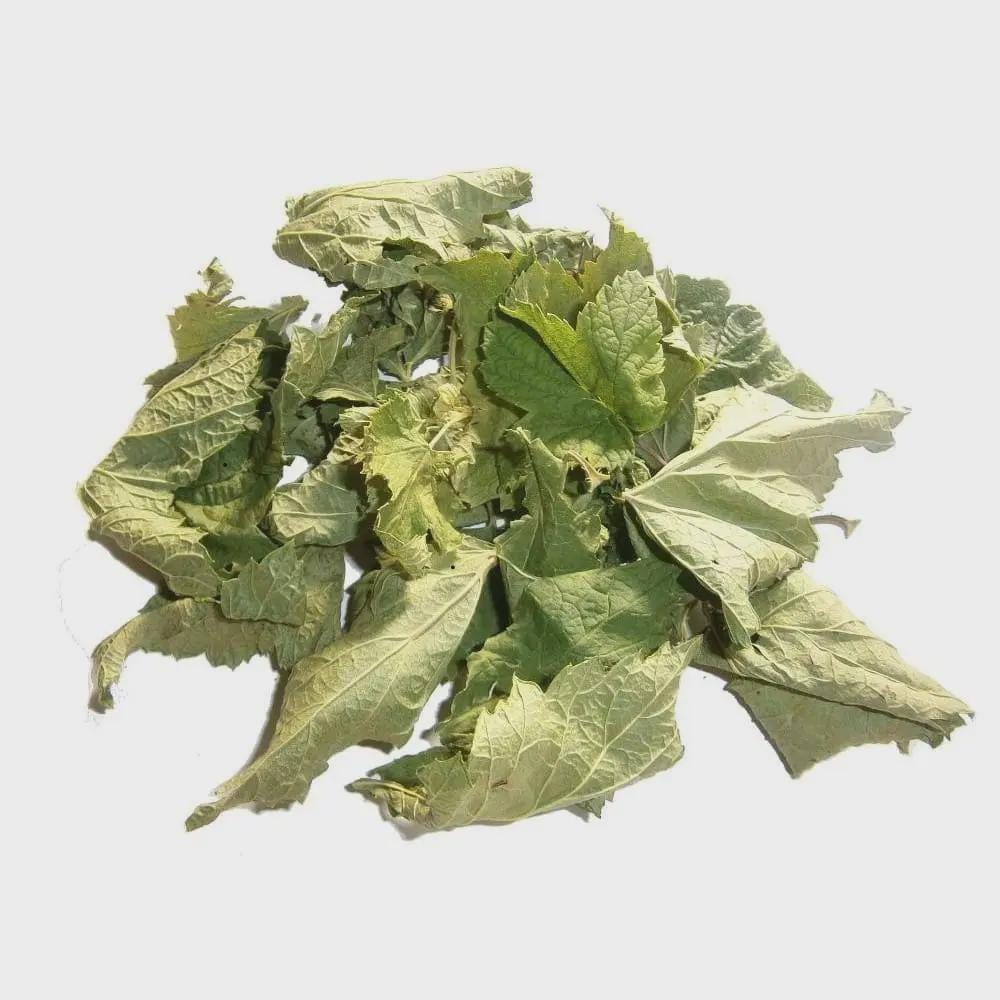
Dried black currants offer a convenient, shelf-stable option. They make a nutritious snack, can be added to trail mixes, oatmeal, or used in baking as a tart alternative to raisins or cranberries. The drying process concentrates the flavors and many of the beneficial compounds, though some heat-sensitive vitamins like Vitamin C might be reduced.
Black Currant Seed Oil
For those specifically seeking the benefits of GLA, black currant seed oil is an excellent source. It can be taken orally as a dietary supplement, often in capsule form, or used topically to support skin health, particularly for inflammatory skin conditions. It’s crucial to choose cold-pressed, unrefined oil to preserve its delicate fatty acid profile.
Black Currant Supplements (Capsules, Extracts)
For a more concentrated and consistent dose of black currant’s active compounds, supplements in the form of capsules or standardized extracts are widely available. These often come as black currant berry extract, focusing on anthocyanins, or black currant seed oil, emphasizing GLA. Extracts are particularly useful for targeted benefits, such as eye health or inflammation reduction. When choosing supplements, look for reputable brands that provide transparency regarding their sourcing, extraction methods, and standardization of active ingredients to ensure potency and purity.

Considerations and Dosage: Maximizing Benefits Safely
While black currant is generally safe and highly beneficial, understanding proper usage and potential considerations is important for maximizing its advantages.
General Recommendations
There is no established Recommended Dietary Allowance (RDA) for black currants specifically. For fresh or frozen berries, incorporating a handful (around 100-150 grams) into your daily diet is a good general guideline. For supplements, dosages vary widely depending on the form (e.g., berry extract, seed oil) and the concentration of active compounds. Always follow the manufacturer’s instructions on supplement labels or consult a healthcare professional for personalized advice, especially when addressing specific health concerns. Starting with a lower dose and gradually increasing it allows the body to adjust.
Potential Side Effects and Interactions
Black currants are generally well-tolerated. However, in some individuals, very high consumption might lead to mild digestive upset, such as stomach discomfort or loose stools, primarily due to their fiber content. Individuals taking anticoagulant medications (blood thinners) should exercise caution with very high doses of black currant extract or seed oil. Black currant contains Vitamin K, which can affect blood clotting, and GLA might also have mild anticoagulant effects. Therefore, it is imperative to consult a doctor before adding black currant supplements to your regimen if you are on such medications. Allergic reactions, though rare, are also possible in sensitive individuals.
Quality and Sourcing
The efficacy and safety of black currant products are highly dependent on their quality. When purchasing fresh or frozen berries, opt for organic options to minimize pesticide exposure. For juices, prioritize 100% pure juice with no added sugars or artificial ingredients. When choosing supplements, look for reputable brands that provide third-party testing for purity and potency. Standardized extracts, which guarantee a certain percentage of active compounds (like anthocyanins or GLA), are often preferred for their consistent therapeutic effects. Understanding the source and processing methods can significantly impact the beneficial compounds retained in the final product.
Conclusion: Black Currant: A Testament to Nature’s Potency
The black currant, with its rich tapestry of history, intricate botanical profile, and unparalleled nutritional density, truly earns its designation as a superfruit. From its exceptional capacity to fortify the immune system and safeguard vision to its profound anti-inflammatory prowess and comprehensive cardiovascular support, the benefits of Ribes nigrum are both diverse and deeply rooted in scientific validation. Its unique blend of potent anthocyanins, abundant Vitamin C, and the distinctive presence of gamma-linolenic acid sets it apart in the realm of health-promoting foods. As we navigate an increasingly health-conscious world, the black currant offers a natural, delicious, and powerfully effective means to enhance well-being and resilience. Incorporating this remarkable berry, whether fresh, frozen, juiced, or in supplement form, into a balanced lifestyle is a testament to embracing nature’s potent pharmacy, promising a richer, healthier, and more vibrant existence.
Disclaimer: For informational purposes only. Not medical advice. Consult a qualified healthcare professional before use.