

The Definitive Guide to Mouseear Hawkweed Herb: Unlocking Nature’s Potent Diuretic and Health Enhancer
In the vast tapestry of botanical medicine, certain plants quietly hold a legacy of profound healing and wellness. Among these verdant treasures is Mouseear Hawkweed, scientifically known as *Hieracium pilosella*. Often overlooked in favor of more mainstream herbs, this unassuming perennial has a rich history of traditional use and is now gaining renewed attention for its diverse and potent health benefits. This exhaustive guide delves deep into the world of Mouseear Hawkweed, exploring its botanical characteristics, historical significance, complex phytochemistry, and the compelling health advantages it offers, making it a valuable addition to any holistic health regimen.
Botanical Overview: Unveiling Hieracium Pilosella
Mouseear Hawkweed, a member of the Asteraceae (daisy) family, is a charming and resilient plant native to Europe and North Asia, though it has naturalized in many other parts of the world, including North America. Its common name, “Mouseear,” is derived from its distinctively hairy, oval-shaped leaves that grow in a basal rosette, bearing a striking resemblance to the ear of a mouse. These leaves are typically gray-green on top and whitish underneath due to a dense covering of star-shaped hairs.
The plant produces bright yellow, dandelion-like flowers, usually solitary or in small clusters, atop slender, leafless stalks that can reach heights of 6 to 30 centimeters. These cheerful blooms typically appear from late spring through late summer. *Hieracium pilosella* is a hardy plant, capable of thriving in various conditions, from meadows and pastures to roadsides and arid, rocky soils, a testament to its robust nature. Its ability to spread via stolons (runners) contributes to its characteristic ground-covering growth habit, making it both a successful colonizer and a persistent presence in its environment.

A Journey Through Time: Historical Context and Traditional Uses
The therapeutic virtues of Mouseear Hawkweed have been recognized and documented across centuries and cultures. Its medicinal use dates back to antiquity, with herbalists and folk practitioners utilizing its various parts for a spectrum of ailments. In traditional European herbalism, particularly in France, Germany, and parts of Eastern Europe, it earned a reputation primarily as a powerful diuretic and a remedy for respiratory complaints.
Historically, healers employed Mouseear Hawkweed to address issues related to fluid retention, kidney stones, and various urinary tract disorders. Its potent diuretic action was highly valued for flushing toxins from the body and supporting renal function. Beyond its kidney-centric applications, the herb was also traditionally used as an astringent to stop bleeding and promote wound healing, both internally and externally. For respiratory conditions, particularly persistent coughs and bronchitis, infusions of the herb were consumed to alleviate symptoms, acting as an expectorant and offering anti-inflammatory relief to the respiratory passages. Its bitter taste was also thought to stimulate digestion and liver function, leading to its inclusion in various detoxification protocols. The herb’s perceived ability to cleanse the blood further cemented its place in traditional spring tonics and purificatory rituals.
The Phytochemical Powerhouse: Bioactive Compounds of Mouseear Hawkweed
The impressive array of health benefits attributed to Mouseear Hawkweed is deeply rooted in its complex and diverse phytochemical profile. Modern scientific inquiry, building upon centuries of empirical knowledge, has begun to unravel the specific bioactive compounds responsible for its therapeutic actions. The herb is particularly rich in flavonoids, coumarins, phenolic acids, triterpenes, and other beneficial secondary metabolites, each contributing synergistically to its overall efficacy.

* **Flavonoids:** These powerful plant pigments are abundant in *Hieracium pilosella* and include compounds like luteolin, apigenin, and quercetin derivatives. Flavonoids are renowned for their potent antioxidant, anti-inflammatory, and protective effects on the cardiovascular system. They play a crucial role in scavenging free radicals, reducing oxidative stress, and modulating inflammatory pathways. In Mouseear Hawkweed, they contribute significantly to its diuretic and kidney-supportive properties.
* **Coumarins:** Present in the herb, coumarins such as umbelliferone contribute to its antimicrobial and anti-inflammatory activities. Some coumarins also possess mild anticoagulant properties, although this effect is typically not significant enough to be a primary concern in standard herbal preparations.
* **Phenolic Acids:** Caffeic acid and chlorogenic acid are examples of phenolic acids found in Mouseear Hawkweed. These compounds are excellent antioxidants and contribute to the herb’s anti-inflammatory and potential hepatoprotective effects. They help protect cells from damage and support the body’s natural detoxification processes.
* **Triterpenes:** Saponins and other triterpenoid compounds are also present. These compounds can have various effects, including anti-inflammatory, antimicrobial, and adaptogenic properties. In the context of Mouseear Hawkweed, they may contribute to its traditional use in respiratory conditions and its overall tonic effects.
* **Tannins:** These astringent compounds contribute to the herb’s historical use in wound healing and as an anti-diarrheal. Tannins can help to tighten tissues, reduce inflammation, and possess antimicrobial properties.
* **Mucilage:** While not a primary active compound, the presence of mucilage can contribute to the herb’s soothing properties, particularly for irritated mucous membranes in the respiratory and digestive tracts.
The synergistic interplay of these diverse compounds is what gives Mouseear Hawkweed its broad spectrum of therapeutic actions, distinguishing it as a valuable polyherbal remedy.
The Compelling Health Benefits of Mouseear Hawkweed Herb
The rich phytochemistry of *Hieracium pilosella* translates into a multitude of health benefits, making it a versatile and effective herbal ally.
1. Potent Diuretic and Kidney Support
This is arguably the most celebrated benefit of Mouseear Hawkweed. The herb acts as a powerful aquaretic, meaning it promotes the excretion of water from the body without causing significant loss of essential electrolytes like potassium, a common drawback of some pharmaceutical diuretics. This potassium-sparing effect is particularly advantageous for long-term use.
* **Mechanism of Action:** The diuretic action is primarily attributed to the flavonoids and coumarins present in the herb. These compounds appear to enhance renal blood flow and directly influence the reabsorption of water and sodium in the kidney tubules. By increasing urine output, Mouseear Hawkweed helps to:
* **Reduce Fluid Retention:** Alleviating edema and swelling caused by various conditions, including mild congestive heart failure, premenstrual syndrome (PMS), and venous insufficiency.
* **Support Kidney Function:** Facilitating the flushing of waste products and toxins from the kidneys, thereby promoting overall renal health.
* **Prevent Kidney Stone Formation:** By increasing urine volume and potentially altering urine composition, it may help prevent the crystallization of salts that lead to stone formation.
* **Support Urinary Tract Health:** Its diuretic and mild antiseptic properties can help flush out bacteria from the urinary tract, making it a valuable adjunct in managing and preventing urinary tract infections (UTIs).
* **Manage Mild Hypertension:** By reducing excess fluid volume in the body, it can contribute to a modest reduction in blood pressure, especially in cases where fluid retention is a contributing factor.
2. Anti-inflammatory Properties
Chronic inflammation is a root cause of many modern diseases. Mouseear Hawkweed contains several compounds with demonstrated anti-inflammatory activities, notably flavonoids and phenolic acids.
* **Mechanism of Action:** These phytochemicals work by modulating various inflammatory pathways within the body. They can inhibit the production of pro-inflammatory mediators such as prostaglandins and leukotrienes, and suppress the activity of enzymes like cyclooxygenase (COX) and lipoxygenase (LOX). This anti-inflammatory action makes the herb potentially beneficial for:
* **Alleviating Pain and Swelling:** In conditions like arthritis, muscle aches, and general inflammatory states.
* **Supporting Respiratory Health:** Reducing inflammation in the bronchial passages, which is beneficial for conditions like bronchitis and asthma.
* **Promoting Overall Well-being:** By reducing systemic inflammation, it contributes to a healthier internal environment and can support immune function.
3. Potent Antioxidant Effects
Oxidative stress, caused by an imbalance between free radicals and antioxidants, contributes to cellular damage and the development of chronic diseases. Mouseear Hawkweed is a rich source of antioxidants.
* **Mechanism of Action:** The flavonoids, phenolic acids, and coumarins act as potent free radical scavengers, neutralizing harmful reactive oxygen species (ROS) before they can inflict damage upon cells, DNA, and proteins. By combating oxidative stress, the herb helps to:
* **Protect Cellular Integrity:** Safeguarding cells from damage and supporting their optimal function.
* **Reduce the Risk of Chronic Diseases:** Contributing to the prevention of conditions linked to oxidative stress, such as cardiovascular diseases, neurodegenerative disorders, and certain cancers.
* **Support Anti-aging Processes:** By protecting tissues from oxidative degradation, it can contribute to healthier aging.
4. Antimicrobial and Antiviral Potential
Historically, Mouseear Hawkweed was used to combat infections, and modern research hints at its capacity for antimicrobial action.
* **Mechanism of Action:** While research is ongoing, certain compounds within the herb, including coumarins and some flavonoids, have shown inhibitory effects against various bacteria and viruses in *in vitro* studies. This suggests the herb may possess properties that:
* **Fight Bacterial Infections:** Especially within the urinary tract, complementing its diuretic action.
* **Support Immune Response to Viruses:** Traditional uses for respiratory infections suggest a potential role in combating viral pathogens, though more direct research is needed.
5. Support for Respiratory Health
As mentioned in its traditional uses, Mouseear Hawkweed has been employed for conditions affecting the respiratory system.
* **Mechanism of Action:** Its anti-inflammatory, expectorant, and possibly antimicrobial properties work in concert to:
* **Soothe Irritated Airways:** Reducing inflammation in the bronchi and lungs.
* **Relieve Coughs:** Acting as an expectorant to help clear mucus and phlegm from the respiratory passages, making coughs more productive.
* **Ease Congestion:** By reducing inflammation and promoting clearance, it can help alleviate symptoms of bronchitis, asthma, and common colds.
6. Wound Healing and Skin Health
Applied topically or taken internally, Mouseear Hawkweed has been traditionally used to aid in skin healing.
* **Mechanism of Action:** The herb’s astringent tannins, anti-inflammatory flavonoids, and antioxidant compounds contribute to:
* **Accelerated Wound Closure:** By tightening tissues and reducing inflammation, it can support the natural healing process of cuts, scrapes, and minor burns.
* **Reduced Risk of Infection:** Its mild antimicrobial properties can help protect open wounds from bacterial colonization.
* **Skin Regeneration:** By reducing oxidative stress and inflammation, it supports healthy skin cell regeneration.
7. Liver Support and Detoxification
Though not its primary indication, Mouseear Hawkweed’s overall tonic and diuretic effects lend themselves to supporting liver function.
* **Mechanism of Action:** By enhancing the elimination of toxins via the kidneys and possessing antioxidant compounds, it can indirectly reduce the burden on the liver, aiding in the body’s natural detoxification processes. Its phenolic acids may also offer direct hepatoprotective effects.
Practical Usage: Incorporating Mouseear Hawkweed into Your Wellness Routine
Mouseear Hawkweed is available in several forms, catering to different preferences and therapeutic needs.
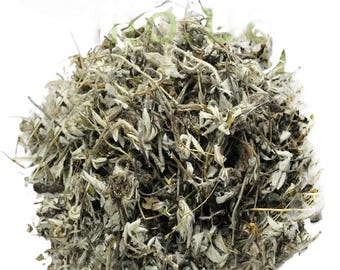
1. Herbal Infusions (Teas)
This is perhaps the most traditional and gentle way to consume Mouseear Hawkweed. An infusion allows for the extraction of water-soluble compounds.
* **Preparation:** Steep 1-2 teaspoons of dried herb (leaves and flowering tops) in 8 ounces (240 ml) of hot water for 10-15 minutes. Strain and drink.
* **Dosage:** Typically, 2-3 cups per day, especially when targeting fluid retention or urinary tract support. The taste is somewhat bitter, which can be masked with honey or lemon if desired.
2. Tinctures
Tinctures are alcohol-based extracts that offer a concentrated form of the herb, allowing for easier dosing and better preservation.
* **Preparation:** Tinctures are usually made by macerating the fresh or dried herb in an alcohol-water solution.
* **Dosage:** Follow the instructions on the product label, which typically ranges from 1-5 ml, 2-3 times per day, diluted in a small amount of water. Tinctures are particularly effective for rapid absorption and systemic action.
3. Poultices and Compresses (External Use)
For skin issues, minor wounds, or localized inflammation, the herb can be applied topically.
* **Preparation:** Crush fresh leaves or moisten dried herb to create a paste. Apply directly to the affected area and cover with a clean cloth. For a compress, steep the herb in hot water, soak a cloth, and apply.
* **Usage:** Useful for minor cuts, scrapes, insect bites, or areas of swelling.
Modern Applications: Capsules and Standardized Supplements
For those seeking convenience, precise dosing, and a consistent level of active compounds, Mouseear Hawkweed is also available in supplement form, most commonly as capsules.

* **Capsules:** These typically contain powdered dried herb or standardized extracts. Standardized extracts are processed to ensure a specific concentration of key active compounds, offering reliability in potency.
* **Advantages:** Capsules provide a convenient way to consume the herb without its bitter taste. They are ideal for individuals looking for a consistent daily intake for long-term health support.
* **Dosage:** Always adhere to the dosage recommendations provided on the product label, as concentrations can vary between brands and formulations. Common doses for powdered herb capsules range from 500 mg to 1500 mg per day, divided into multiple doses.
Dosage, Safety, and Precautions: Important Considerations
While Mouseear Hawkweed is generally considered safe for most adults when used appropriately, it is crucial to approach its use with awareness and caution.
General Dosage Guidelines:
* **Dried Herb for Tea:** 1-2 teaspoons steeped in 8 oz hot water, 2-3 times daily.
* **Tincture (1:5, 40% alcohol):** 1-5 ml, 2-3 times daily.
* **Capsules:** As per product label, typically 500-1500 mg daily of powdered herb.
It is always best to start with a lower dose and gradually increase it as needed, observing your body’s response. For specific health conditions, consulting with a qualified healthcare practitioner or a clinical herbalist is highly recommended to determine the optimal dosage and duration of use.
Potential Side Effects:
Mouseear Hawkweed is generally well-tolerated. However, some individuals might experience:
* **Mild Digestive Upset:** Due to its bitter taste or active compounds, some may experience slight stomach discomfort.
* **Allergic Reactions:** As a member of the Asteraceae family, individuals with known allergies to plants like ragweed, chamomile, or daisies should use it with caution, as cross-reactivity is possible.
* **Excessive Diuresis:** Overconsumption, especially in conjunction with other diuretics, could lead to excessive fluid loss and electrolyte imbalances, though this is rare with typical doses.
Contraindications and Precautions:
* **Pregnancy and Breastfeeding:** There is insufficient safety data for Mouseear Hawkweed during pregnancy and lactation. Therefore, it is best to avoid its use during these periods.
* **Kidney Conditions:** While beneficial for kidney health, individuals with severe kidney disease or those undergoing dialysis should avoid using Mouseear Hawkweed without explicit medical supervision, as its diuretic properties could exacerbate certain conditions or interfere with treatments.
* **Heart Conditions:** Individuals with heart conditions, especially those on medications for blood pressure or fluid retention, should consult their doctor before using Mouseear Hawkweed due to its diuretic and potential blood pressure-lowering effects.
* **Medication Interactions:**
* **Diuretics:** Concurrent use with pharmaceutical diuretics could lead to excessive fluid loss and electrolyte imbalances (e.g., potassium depletion).
* **Anticoagulants/Antiplatelets:** Due to the presence of coumarins, though generally mild, caution is advised for individuals on blood-thinning medications.
* **Lithium:** Diuretics can affect lithium levels in the body, potentially leading to toxicity. Avoid concurrent use.
* **Diabetes Medications:** While not well-studied, any herb influencing fluid balance could potentially affect blood sugar regulation. Monitor blood sugar closely if using with antidiabetic drugs.
* **Dehydration:** Individuals prone to dehydration should use Mouseear Hawkweed cautiously and ensure adequate fluid intake.
Always inform your healthcare provider about all herbs and supplements you are taking, especially if you have underlying health conditions or are on prescription medications.

Conclusion: Mouseear Hawkweed – A Natural Ally for Wellness
Mouseear Hawkweed (*Hieracium pilosella*) stands as a testament to the profound healing potential embedded within the natural world. From its humble origins in European meadows to its revered status in traditional medicine, this remarkable herb offers a compelling profile of health benefits, predominantly centered around its potent diuretic, anti-inflammatory, and antioxidant actions. Its rich phytochemical composition, featuring a symphony of flavonoids, coumarins, and phenolic acids, provides a scientific basis for its historical applications in supporting kidney health, combating fluid retention, soothing inflammation, and aiding the body’s detoxification processes.
Whether embraced as a traditional tea, a concentrated tincture, or a convenient capsule, Mouseear Hawkweed presents itself as a valuable natural ally for those seeking to enhance their well-being. However, like all potent remedies, its use demands respect and informed caution. By understanding its mechanisms, adhering to recommended dosages, and acknowledging potential interactions, individuals can responsibly harness the ancient wisdom and modern insights surrounding Mouseear Hawkweed, integrating this exceptional herb into a holistic approach to vibrant health. As research continues to unfold, *Hieracium pilosella* is poised to reclaim its rightful place as a vital component in the repertoire of botanical medicine.
Disclaimer: For informational purposes only. Not medical advice. Consult a qualified healthcare professional before use.