The Profound Health Benefits of Angelica: An Exhaustive Deep-Dive Guide
Angelica, a revered genus of aromatic plants belonging to the Apiaceae family, has graced the annals of traditional medicine for millennia across diverse cultures. From the frosty tundras of the Nordic regions to the bustling pharmacies of ancient China, the various species of Angelica have been hailed as potent healers, offering a spectrum of therapeutic advantages that continue to fascinate modern science. Often celebrated as a versatile herbal panacea, Angelica encompasses several prominent species, most notably Angelica archangelica (Garden Angelica or Norwegian Angelica), Angelica sinensis (Dong Quai or “female ginseng”), and Angelica gigas (Korean Angelica). While each species boasts unique nuances in its phytochemical composition and traditional applications, they collectively contribute to Angelica’s formidable reputation as a cornerstone of natural health. This exhaustive guide delves into the historical significance, botanical characteristics, rich chemical composition, and an extensive array of health benefits attributed to this remarkable herb, providing a definitive resource for understanding its profound impact on human well-being.
A Journey Through Time: Historical Context and Global Recognition
The story of Angelica is deeply interwoven with human history, folklore, and medicinal practice. In European tradition, Angelica archangelica earned its name from the Archangel Michael, who, according to legend, revealed its medicinal properties during a devastating plague, marking it as a powerful protector against disease and evil. During the Middle Ages, it was widely cultivated in monasteries and apothecaries, valued for its digestive, respiratory, and anti-infective qualities. Its strong, aromatic scent and warming properties made it a popular ingredient in tonics, liqueurs (like Benedictine and Chartreuse), and culinary preparations, particularly in Scandinavian countries where it was used to flavor bread, fish, and spirits, and even eaten as a vegetable.
Across the vast Eurasian continent, Angelica sinensis, known as Dong Quai or “female ginseng,” has been a central herb in Traditional Chinese Medicine (TCM) for over two thousand years. Revered for its ability to “nourish blood,” “regulate menstruation,” and “invigorate blood circulation,” Dong Quai is an indispensable component in countless traditional formulas aimed at supporting women’s health. Similarly, Angelica gigas, or Korean Angelica, holds a significant place in Korean traditional medicine, where it is utilized for its analgesic, anti-inflammatory, and immune-modulating properties, often employed in formulas for neurological and cardiovascular complaints. The enduring presence of Angelica in diverse global pharmacopeias underscores its consistent efficacy and adaptability to various health needs, establishing it as a truly globally recognized botanical.
Botanical Profile: Unveiling the Magnificent Angelica
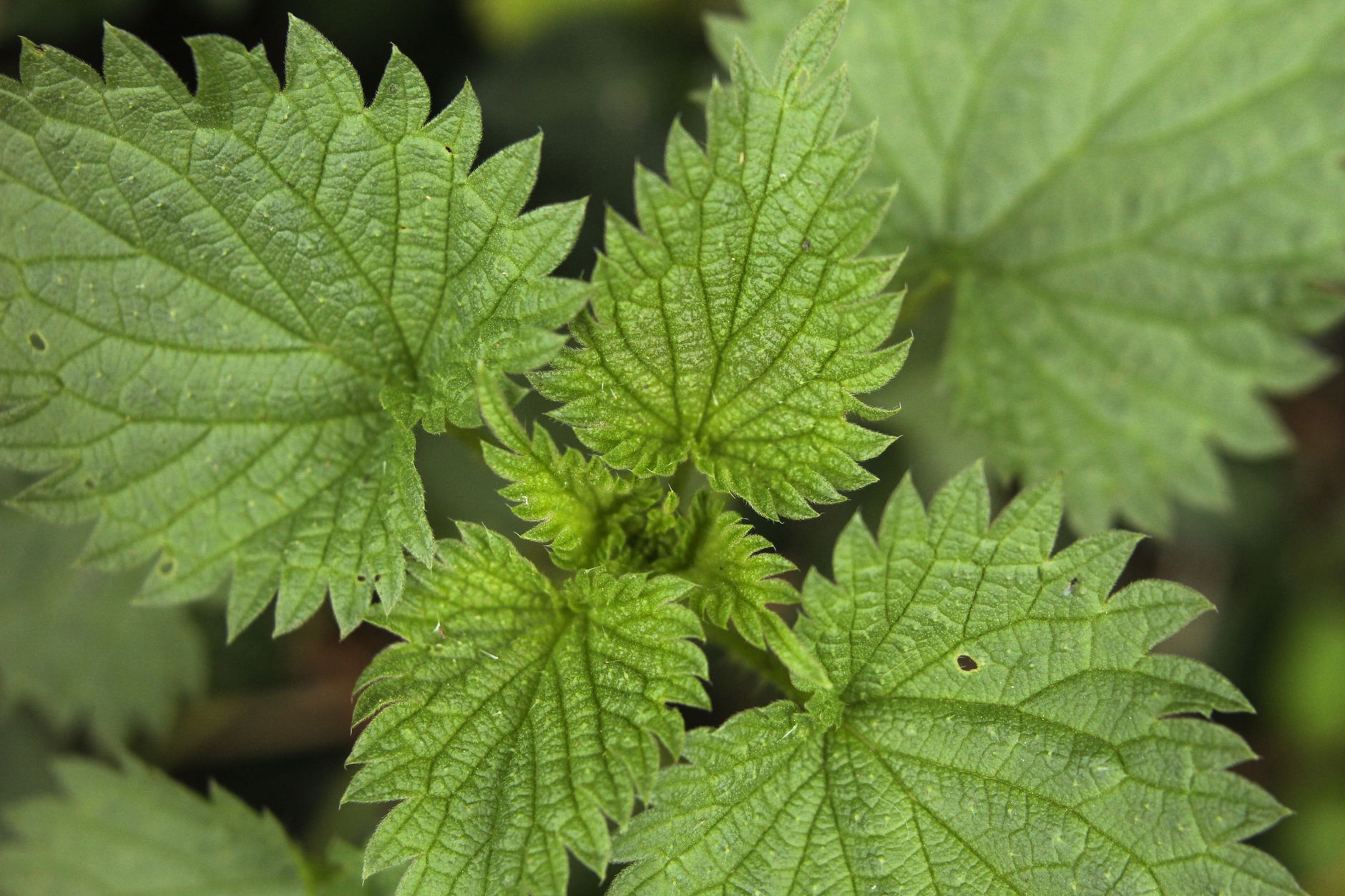
Angelica plants are typically biennial or short-lived perennials, often growing quite tall, sometimes reaching heights of up to 6-8 feet. They are characterized by large, deeply cut leaves, hollow stems, and umbrella-like clusters (umbels) of small white or greenish-white flowers that bloom in mid-to-late summer. The root, stem, leaves, and seeds all possess medicinal properties, with the root generally considered the most potent part. Angelica archangelica thrives in moist, cool climates, often found in riverbanks, damp meadows, and coastal areas across Northern Europe, Greenland, and parts of North America. Its robust growth and aromatic presence make it a distinctive member of the plant kingdom.

The different Angelica species, while sharing a common genus, exhibit subtle variations in their morphology and preferred habitats. For instance, Angelica sinensis prefers high-altitude, cold, damp environments in the mountainous regions of China, characterized by its reddish-brown, thick, and highly aromatic roots. Understanding these botanical distinctions is crucial, as they often correlate with differences in their primary active compounds and traditional applications. Despite their differences, the overarching characteristic of Angelica species is their rich repository of phytochemicals, which are responsible for their extensive therapeutic potential.
The Powerhouse of Bioactive Compounds: A Phytochemical Symphony
The extensive health benefits of Angelica are primarily attributed to its complex and diverse phytochemical profile. This herbal powerhouse contains a symphony of bioactive compounds that work synergistically to exert their therapeutic effects. The most prominent classes of compounds include coumarins, flavonoids, volatile oils, polysaccharides, and various phytosterols and fatty acids.
- Coumarins: These compounds are perhaps the most distinctive and well-studied constituents of Angelica. Furocoumarins (e.g., imperatorin, psoralen, bergapten) and dihydrofurocoumarins (e.g., osthol, oxypeucedanin) are particularly abundant. Coumarins are recognized for their antispasmodic, anti-inflammatory, anticoagulant, and vasodilatory properties. They contribute significantly to Angelica’s ability to relax smooth muscles, alleviate pain, improve blood circulation, and protect against cardiovascular diseases. Some coumarins also exhibit phototoxic effects, which is an important consideration for topical application.
- Flavonoids: Present in significant quantities, flavonoids like quercetin, kaempferol, and apigenin derivatives are powerful antioxidants. They combat oxidative stress by scavenging free radicals, thereby protecting cells from damage and reducing the risk of chronic diseases. Flavonoids also contribute to Angelica’s anti-inflammatory, anti-allergic, and immune-modulating effects.
- Volatile Oils (Essential Oils): The characteristic aroma of Angelica comes from its essential oil, rich in monoterpenes and sesquiterpenes such as alpha-pinene, limonene, beta-phellandrene, and ligustilide. These volatile compounds contribute to the herb’s carminative (gas-relieving), antispasmodic, and antimicrobial properties. Ligustilide, particularly prominent in Angelica sinensis, is noted for its smooth muscle relaxant and neuroprotective effects.
- Polysaccharides: These complex carbohydrates play a crucial role in Angelica’s immune-modulating activities. They can stimulate immune cells, enhance antibody production, and generally bolster the body’s defense mechanisms against pathogens and diseases.
- Phytosterols and Fatty Acids: Compounds like beta-sitosterol and various fatty acids (e.g., linoleic acid) also contribute to the herb’s overall health benefits, particularly in supporting cardiovascular health and reducing inflammation.
The synergistic interaction of these diverse compounds creates a holistic therapeutic effect that often surpasses the sum of individual components. This complex interplay is a hallmark of herbal medicine and underscores Angelica’s profound efficacy.
Comprehensive Health Benefits of Angelica
Angelica’s rich phytochemical composition translates into a wide array of health benefits affecting multiple bodily systems. Each benefit is rooted in the specific actions of its bioactive compounds, offering a natural approach to wellness.
1. Digestive Health and Comfort
Angelica has long been revered as a powerful digestive aid. Its volatile oils, particularly those found in Angelica archangelica, stimulate the production of digestive juices, including stomach acid and bile, thereby improving the breakdown and absorption of nutrients. The carminative properties help to relieve uncomfortable symptoms of indigestion, such as bloating, gas, and abdominal cramps, by promoting the expulsion of intestinal gas. Furthermore, its antispasmodic coumarins can soothe muscle spasms in the gastrointestinal tract, alleviating conditions like irritable bowel syndrome (IBS) and general stomach discomfort. Angelica can also act as an appetite stimulant, making it beneficial for individuals experiencing loss of appetite due to various reasons, by gently priming the digestive system.
2. Potent Anti-inflammatory Properties
Chronic inflammation is a root cause of many modern diseases. Angelica’s anti-inflammatory prowess stems primarily from its coumarins and flavonoids. These compounds work through multiple pathways, including inhibiting the production of pro-inflammatory mediators such as prostaglandins and leukotrienes, and modulating the activity of inflammatory enzymes like COX-2. This comprehensive anti-inflammatory action makes Angelica valuable in managing conditions characterized by inflammation, from joint pain and arthritis to inflammatory bowel diseases and skin inflammations. By reducing systemic inflammation, Angelica can contribute to overall cellular health and disease prevention.
3. Powerful Antioxidant Effects
Oxidative stress, caused by an imbalance between free radical production and the body’s ability to neutralize them, leads to cellular damage and accelerates aging and disease progression. The flavonoids and certain coumarins within Angelica are potent antioxidants. They effectively scavenge harmful free radicals, protecting cellular structures, DNA, and lipids from oxidative damage. This antioxidant activity is crucial for maintaining cellular integrity, supporting healthy aging, and reducing the risk of chronic degenerative diseases, including cardiovascular disease, neurodegenerative disorders, and certain cancers. Regular intake of Angelica can significantly bolster the body’s natural defense against oxidative assault.
4. Hormonal Balance and Women’s Health (Emphasis on Angelica sinensis)
Angelica sinensis, or Dong Quai, is arguably most famous for its profound impact on women’s health. It is often referred to as “female ginseng” due to its ability to regulate and balance the female reproductive system. Dong Quai works by modulating estrogen levels, improving uterine tone, and enhancing blood circulation to the pelvic region. These actions make it exceptionally beneficial for:
- Menstrual Irregularities: It helps to regulate irregular periods, ease premenstrual syndrome (PMS) symptoms such as cramps, bloating, and mood swings, and reduce menstrual pain (dysmenorrhea). Its antispasmodic effects on the uterus contribute directly to pain relief.
- Menopausal Symptoms: Dong Quai can alleviate common menopausal complaints like hot flashes, night sweats, and vaginal dryness by supporting hormonal balance. While it is not a direct phytoestrogen, it appears to help the body adapt to hormonal fluctuations.
- Postpartum Recovery: Traditionally, it has been used to aid recovery after childbirth, helping the uterus return to its normal size and supporting blood replenishment.
- Fertility Support: By improving uterine blood flow and overall reproductive health, it may support fertility in some women.
While primarily associated with Dong Quai, other Angelica species also possess properties that can indirectly support women’s health through their anti-inflammatory and circulatory benefits.
5. Cardiovascular Support and Blood Circulation
Angelica offers significant benefits for cardiovascular health, primarily through its coumarin constituents. These compounds exhibit vasodilatory effects, meaning they help to relax and widen blood vessels, leading to improved blood flow and potentially lower blood pressure. Some coumarins, such as imperatorin, also possess anti-platelet aggregation properties, reducing the risk of blood clot formation and thereby decreasing the likelihood of conditions like stroke and heart attack. By enhancing peripheral circulation, Angelica can also alleviate symptoms associated with poor blood flow, such as cold hands and feet or leg cramps.
6. Respiratory Health and Immune Modulation
Angelica has a long history of use in treating respiratory conditions. Its expectorant properties help to loosen and expel phlegm from the respiratory tract, making it beneficial for coughs, bronchitis, and colds. The antispasmodic action can also help to relieve spasmodic coughs and ease bronchial constriction. Furthermore, the polysaccharides found in Angelica species are powerful immune modulators. They can stimulate various immune cells, enhancing the body’s ability to fight off infections from viruses and bacteria. This dual action of clearing airways and strengthening immunity makes Angelica a valuable ally during cold and flu season.
7. Nervous System Support and Stress Reduction
Certain compounds in Angelica, particularly ligustilide from Angelica sinensis, have demonstrated neuroprotective effects. They can help to protect brain cells from damage and improve cognitive function. Additionally, Angelica possesses mild anxiolytic properties, meaning it can help to reduce anxiety and promote a sense of calm. This is attributed to its ability to modulate neurotransmitter activity and relax the nervous system, making it a potential aid for those experiencing stress, mild anxiety, or sleep disturbances.
8. Skin Health and Photoprotection
The antioxidant and anti-inflammatory properties of Angelica extend to skin health. By combatting free radical damage, it can help protect skin cells from environmental stressors and reduce signs of premature aging. Some studies suggest that certain coumarins might offer photoprotective qualities, although caution is needed due to other phototoxic coumarins. Traditionally, Angelica has been used in topical applications for various skin conditions, benefiting from its anti-inflammatory and antimicrobial actions to soothe irritation and promote healing.
Forms of Angelica and Practical Usage
Angelica is available in various forms, catering to different preferences and therapeutic needs. The choice of form often depends on the specific health concern and the desired method of administration.
Dried Herb and Traditional Preparations
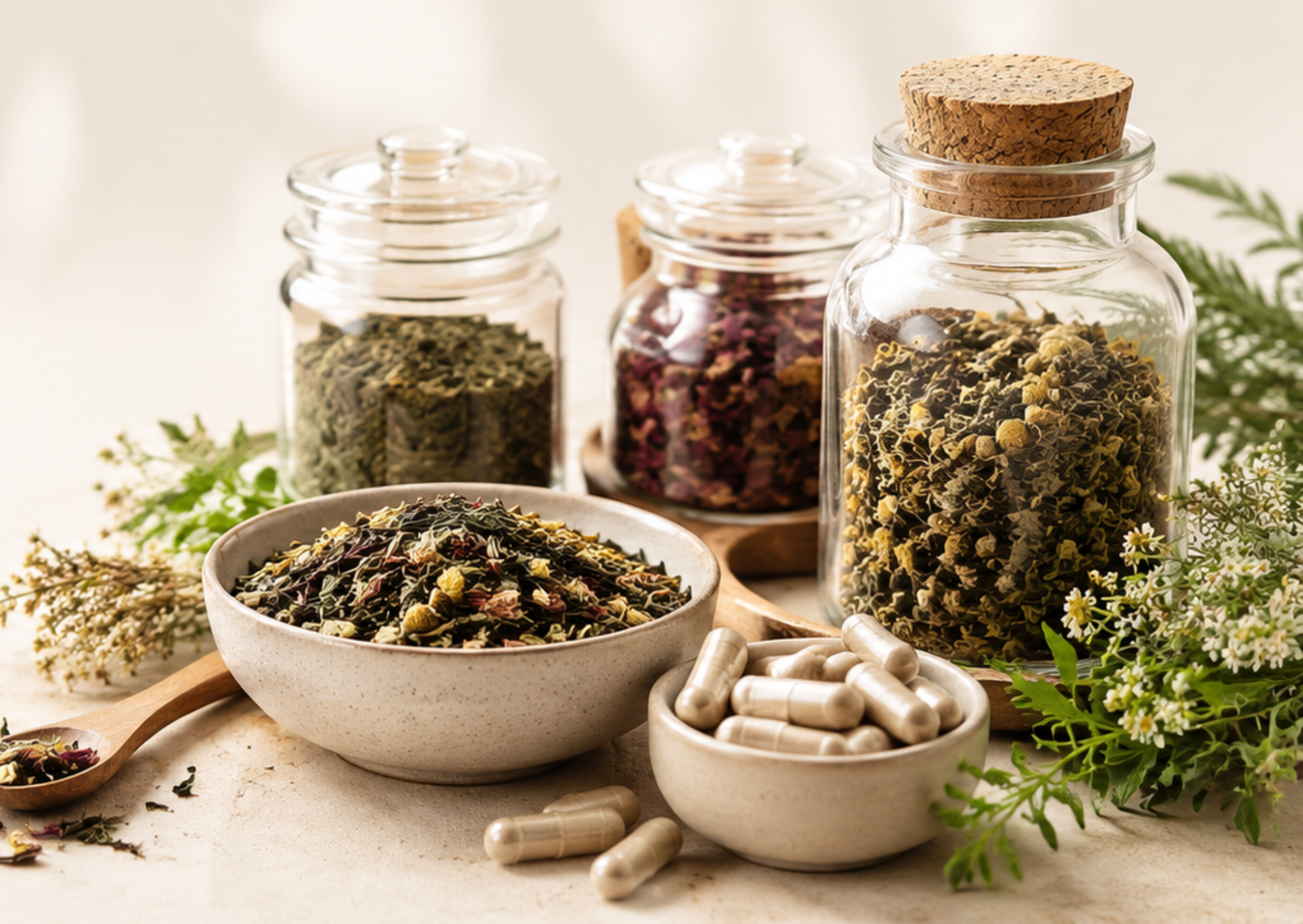
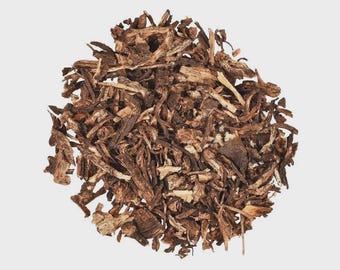
The dried root of Angelica is commonly used to prepare teas, decoctions, and tinctures. To make a tea or decoction, dried Angelica root can be simmered in hot water, allowing its soluble compounds to infuse into the liquid. This method is excellent for digestive issues, respiratory support, and general tonic effects. Tinctures, which involve steeping the herb in alcohol, offer a more concentrated form and have a longer shelf life, making them convenient for consistent daily use. Traditional use often involves combining Angelica with other herbs to create synergistic formulas, especially in TCM, where the whole plant’s energetic qualities are carefully considered.
Supplements: Capsules and Extracts
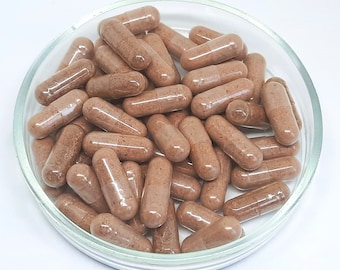
For those seeking a more convenient and standardized dosage, Angelica is widely available in capsule form, containing powdered dried root or concentrated extracts. Extracts are often standardized to contain a specific percentage of active compounds, such as ligustilide in Dong Quai extracts, ensuring consistent potency. These supplements are popular for targeted support, such as hormonal balance for women, or for individuals who prefer not to prepare herbal teas. Essential oils derived from Angelica are also available, though they should be used with extreme caution and typically under the guidance of a qualified aromatherapist, due to their potent concentration.
Dosage and Administration Guidelines
The appropriate dosage of Angelica can vary significantly depending on the species used, the specific health condition being addressed, the form of the herb (dried root, extract, tincture), and individual factors like age, weight, and overall health. It is always recommended to consult with a qualified healthcare professional or a knowledgeable herbalist before starting any new herbal regimen, especially for chronic conditions or if you are taking other medications.
- Dried Root (for tea/decoction): A common dosage might range from 2-5 grams of dried root steeped in hot water, consumed 2-3 times daily.
- Tincture: Typically, 1-4 ml of a 1:5 tincture (1 part herb to 5 parts liquid) taken 2-3 times per day.
- Encapsulated Extracts: Dosages vary widely based on standardization. For Dong Quai, a common range might be 500-1000 mg of extract, 1-3 times daily. Always follow the manufacturer’s recommendations on the product label.
It is generally advisable to start with a lower dose and gradually increase it while monitoring for effects and any potential adverse reactions. Consistent use over several weeks or months is often necessary to observe the full therapeutic benefits of Angelica, especially for conditions like hormonal imbalance.
Potential Side Effects and Precautions
While Angelica is generally considered safe for most people when used appropriately, certain precautions and potential side effects should be considered:
- Photosensitivity: Some coumarins in Angelica can increase sensitivity to sunlight (phototoxicity), leading to sunburn, rashes, or skin irritation, especially with topical use or high internal doses. It is advisable to use sunscreen and limit sun exposure when using Angelica.
- Anticoagulant Effects: Due to its coumarin content, Angelica can have anticoagulant (blood-thinning) properties. Individuals taking anticoagulant medications (e.g., warfarin, aspirin) or those with bleeding disorders should use Angelica with extreme caution and only under medical supervision, as it may increase the risk of bleeding. It should also be avoided before surgery.
- Pregnancy and Lactation: Angelica sinensis (Dong Quai) is traditionally contraindicated during pregnancy due to its potential to stimulate uterine contractions. All Angelica species should generally be avoided during pregnancy and lactation unless specifically advised by a healthcare provider.
- Estrogen-Sensitive Conditions: While Dong Quai is considered an adaptogen for hormonal balance, individuals with estrogen-sensitive conditions (e.g., breast cancer, uterine fibroids, endometriosis) should exercise caution and consult a doctor before use.
- Diabetes: Some research suggests Angelica may affect blood sugar levels, so individuals with diabetes should monitor their glucose carefully.
- Allergic Reactions: As with any botanical, allergic reactions (skin rash, hives, difficulty breathing) are possible, particularly in individuals sensitive to plants in the Apiaceae family (e.g., celery, parsley, carrots).
Always source Angelica products from reputable suppliers to ensure purity, potency, and absence of contaminants. Discontinue use if adverse reactions occur and seek medical advice.

Conclusion: Angelica – A Timeless Herbal Ally
Angelica stands as a testament to the enduring power of nature’s pharmacy. With its rich historical tapestry, diverse botanical forms, and an intricate symphony of bioactive compounds, this remarkable herb offers an unparalleled array of health benefits. From soothing digestive woes and alleviating inflammation to balancing hormones and supporting cardiovascular well-being, Angelica has proven its efficacy across generations and cultures. Its role as a potent antioxidant, immune modulator, and nervous system supporter further solidifies its status as a cornerstone of holistic health. While modern science continues to unravel the complex mechanisms behind its therapeutic actions, the timeless wisdom of traditional medicine has long recognized Angelica as a profound ally in the pursuit of vitality and wellness. As with all powerful botanicals, responsible usage, informed by historical knowledge and scientific understanding, coupled with professional guidance, is key to unlocking its full potential as a natural path to enhanced health.
Disclaimer
The information provided in this article is for educational purposes only and is not intended as a substitute for professional medical advice, diagnosis, or treatment. Always seek the advice of your physician or other qualified healthcare provider with any questions you may have regarding a medical condition. Do not disregard professional medical advice or delay in seeking it because of something you have read in this article. Herbal remedies can interact with medications and may not be suitable for everyone. Consult with a healthcare professional before starting any new herbal supplement regimen.
Disclaimer: For informational purposes only. Not medical advice. Consult a qualified healthcare professional before use.