Unveiling the Ancient Wisdom: A Deep Dive into the Health Benefits of Lady’s Mantle (Alchemilla Vulgaris)
For centuries, nestled within the verdant tapestry of European meadows and woodlands, a unassuming yet profoundly powerful herb has offered solace and healing, particularly to women. Known by the enchanting name Lady’s Mantle, or scientifically as Alchemilla vulgaris, this resilient plant has captivated herbalists, alchemists, and healers alike with its distinctive, dew-collecting leaves and remarkable medicinal properties. Often revered as the “woman’s herb,” its rich history and diverse phytochemical profile position it as a cornerstone in traditional herbal medicine, deserving of a comprehensive exploration into its myriad health benefits.
This exhaustive guide delves into the botanical nuances, historical significance, intricate chemical composition, and the vast array of scientifically recognized and traditionally acclaimed health benefits of Lady’s Mantle. From its potent astringent and anti-inflammatory capabilities to its revered role in supporting women’s reproductive health, we will unpack why Alchemilla vulgaris continues to be a cherished natural remedy in the modern age, offering a definitive resource for anyone seeking to understand the profound potential of this extraordinary plant.
Botanical Profile and Ecological Significance of Lady’s Mantle
Alchemilla vulgaris, belonging to the Rosaceae family alongside roses and strawberries, is a perennial herbaceous plant distinguished by its unique leaf structure. The leaves are typically basal, fan-shaped or kidney-shaped, with finely toothed, lobed margins, often exhibiting nine to eleven shallow lobes. What truly sets Lady’s Mantle apart is its fascinating ability to collect morning dew or guttation droplets in the center of its leaves, forming perfect, shimmering spheres of water. This phenomenon, which earned it the moniker “Alchemilla” from medieval alchemists who believed this pure dew held mystical properties, contributes not only to its aesthetic appeal but also to its rich folklore.
The plant typically grows to a height of 10 to 50 centimeters, producing small, greenish-yellow, inconspicuous flowers arranged in loose clusters during late spring and summer. It thrives in temperate regions across Europe, Asia, and North America, commonly found in meadows, pastures, woodlands, and along stream banks, preferring moist, well-drained soils. Its adaptability and widespread distribution have ensured its accessibility as a traditional remedy for millennia.

A Journey Through Time: Historical and Traditional Uses
The history of Lady’s Mantle is deeply intertwined with ancient European herbalism and even alchemical practices. Its name, “Lady’s Mantle,” is widely believed to be a reference to the Virgin Mary, with its pleated, fan-like leaves resembling a cloak or mantle, symbolizing protection and nurturing. This association cemented its reputation as a sacred herb, particularly revered for its benefits related to women’s health.
In medieval Europe, alchemists were particularly fascinated by the dew collected on its leaves, believing it to be the purest form of water, capable of transmuting base metals into gold or creating the philosopher’s stone. While these alchemical pursuits did not yield gold, they inadvertently led to a deeper appreciation for the plant’s medicinal properties.
Traditional herbalists across various cultures, including those of the Anglo-Saxons, Celtic peoples, and later European physicians, extensively documented its use. It was predominantly prescribed for gynecological issues, including heavy menstrual bleeding (menorrhagia), painful periods (dysmenorrhea), and to tone the uterus after childbirth. Beyond women’s health, it was also employed as a vulnerary (wound healer), an astringent for diarrhea, and a general tonic. Its versatility and gentle yet effective action solidified its place in the herbal pharmacopeia for centuries, passed down through generations of healers.
The Bioactive Arsenal: Key Compounds and Their Mechanisms of Action
The therapeutic efficacy of Lady’s Mantle is attributable to its complex array of bioactive compounds, which work synergistically to exert its diverse health benefits. Understanding these constituents provides a scientific basis for its traditional uses.

1. Tannins (Ellagitannins and Gallotannins): The Astringent Powerhouses
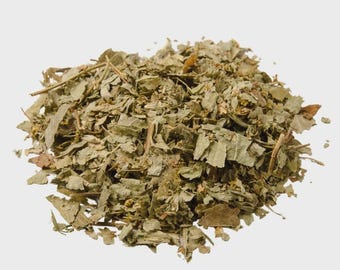
Lady’s Mantle is exceptionally rich in tannins, particularly ellagitannins and gallotannins. These polyphenolic compounds are responsible for the plant’s powerful astringent properties. When tannins come into contact with tissues, they bind to proteins, forming a protective layer that contracts and tightens the tissue. This action reduces permeability of capillaries, decreases secretions, and helps to constrict blood vessels. In the context of heavy menstrual bleeding, this astringent effect can help reduce blood flow by toning the uterine tissues. For digestive issues like diarrhea, tannins help by reducing inflammation and excessive fluid secretion in the gut lining. On the skin, they promote wound healing by forming a protective barrier and reducing exudation.
2. Flavonoids (Quercetin, Kaempferol Derivatives): Antioxidant and Anti-inflammatory Agents
The herb contains various flavonoids, including derivatives of quercetin and kaempferol. Flavonoids are well-known for their potent antioxidant capabilities, scavenging free radicals and protecting cells from oxidative stress, which is a major contributor to chronic diseases and aging. Beyond their antioxidant role, flavonoids also exhibit significant anti-inflammatory actions. They can modulate various inflammatory pathways, such as inhibiting the production of pro-inflammatory cytokines and enzymes like cyclooxygenase (COX) and lipoxygenase (LOX). This contributes to pain reduction, particularly associated with menstrual cramps, and general anti-inflammatory effects throughout the body.
3. Phytosterols: Hormonal Modulators
Lady’s Mantle contains phytosterols, plant compounds that have structural similarities to cholesterol and certain hormones. While not directly hormones, some phytosterols can interact with hormonal pathways in the body, acting as mild phytoestrogens. This means they can weakly bind to estrogen receptors, potentially helping to balance hormonal fluctuations, particularly beneficial during perimenopause or for women experiencing symptoms related to estrogen dominance or deficiency. This contributes to its reputation as a “woman’s herb” for menstrual and menopausal support.
4. Salicylic Acid: Analgesic and Anti-inflammatory Precursor
Traces of salicylic acid, the precursor to aspirin, are present in Lady’s Mantle. Salicylic acid is a well-established anti-inflammatory and analgesic compound, contributing to the herb’s ability to alleviate pain and reduce inflammation. This further enhances its efficacy in managing conditions like dysmenorrhea (menstrual cramps) and inflammatory skin conditions.
5. Saponins and Glycosides: Supporting Diverse Functions
The plant also contains saponins, which can have expectorant, immunomodulatory, and anti-inflammatory properties. Glycosides are another class of compounds that contribute to the plant’s overall therapeutic profile, often acting in conjunction with other constituents to enhance their effects or provide additional specific benefits.
Comprehensive Health Benefits of Lady’s Mantle
The synergistic action of these bioactive compounds underpins the wide spectrum of health benefits attributed to Lady’s Mantle, with a particular emphasis on women’s health.
1. Unparalleled Support for Women’s Reproductive Health
Lady’s Mantle truly shines in its profound benefits for women, addressing various aspects of the menstrual cycle, fertility, and postpartum recovery.
- Regulating Menstrual Cycles and Alleviating Menstrual Pain (Dysmenorrhea): The astringent properties of tannins are pivotal here. They help to tone and strengthen the uterine musculature, which can be beneficial in cases of heavy or prolonged bleeding (menorrhagia) by promoting vascular constriction and tissue contraction. Furthermore, the anti-inflammatory compounds like flavonoids and salicylic acid work to reduce the uterine cramping and pain associated with dysmenorrhea. By modulating prostaglandin production, which contributes to uterine contractions, Lady’s Mantle helps to ease discomfort and promote a more balanced menstrual flow.
- Managing Heavy Menstrual Bleeding (Menorrhagia): This is one of the most historically acclaimed uses. The high tannin content acts as a powerful hemostatic agent, meaning it helps to stop bleeding. By constricting blood vessels and fortifying capillary walls in the uterus, Lady’s Mantle can significantly reduce excessive blood loss during menstruation, thereby preventing iron-deficiency anemia and improving overall well-being.
- Perimenopausal and Menopausal Symptom Relief: While not a direct hormone replacement, the phytoestrogenic compounds in Lady’s Mantle can offer mild support during the perimenopausal and menopausal transitions. They may help to gently balance hormonal fluctuations, potentially easing symptoms such as hot flashes, night sweats, and mood swings. This gentle modulating effect can be a comforting natural alternative or adjunct for women navigating this life stage.
- Postpartum Recovery and Uterine Toning: Traditionally, Lady’s Mantle was used after childbirth to help the uterus contract back to its pre-pregnancy size and position. Its astringent and tonic properties aid in the involution of the uterus, strengthening uterine tissues, and helping to prevent excessive postpartum bleeding. It can also support the healing of any minor tears or wounds in the reproductive tract.
- Vaginal Health and Discharge: The astringent nature of Lady’s Mantle makes it beneficial for managing excessive vaginal discharge (leucorrhea). It helps to tone the mucous membranes, reducing secretions and providing a mild antiseptic effect that can deter microbial overgrowth, thus contributing to overall vaginal health when used topically as a wash or douche.
2. Potent Digestive Support and Relief
The astringent and anti-inflammatory actions of Lady’s Mantle extend significantly to the gastrointestinal tract.
- Combating Diarrhea and Dysentery: High tannin levels make Lady’s Mantle an excellent natural remedy for acute diarrhea. The tannins form a protective layer on the intestinal lining, reducing fluid secretion, tightening the mucosal barrier, and decreasing inflammation. This helps to firm stools and alleviate symptoms of digestive upset, including those associated with mild cases of dysentery.
- Soothing Gastric Irritations and Ulcers: Its anti-inflammatory properties can help calm an irritated stomach lining and may contribute to the healing of minor gastric ulcers. By reducing inflammation and providing a protective coating, it can offer relief from discomfort associated with gastritis and other inflammatory conditions of the digestive system.
- General Digestive Tonic: As a mild bitter, it can also stimulate digestive juices and improve overall digestive function, promoting better nutrient absorption and alleviating symptoms of indigestion.
3. Skin Health and Accelerated Wound Healing
Lady’s Mantle’s astringent, anti-inflammatory, and vulnerary (wound-healing) properties make it a valuable herb for topical applications.
- Accelerating Wound and Cut Healing: When applied externally as a poultice, compress, or wash, the tannins help to constrict blood vessels, reduce bleeding, and form a protective scab, thereby accelerating the healing process of minor cuts, scrapes, and abrasions. They also have a mild antiseptic effect that can help prevent infection.
- Soothing Skin Irritations and Rashes: The anti-inflammatory flavonoids and salicylic acid content can reduce redness, swelling, and itching associated with various skin conditions, including eczema, acne, and insect bites. Its gentle astringency helps to tighten pores and reduce oiliness, which can be beneficial for acne-prone skin.
- Promoting Skin Firmness: The collagen-supporting effects of certain plant compounds, combined with the astringent properties, can contribute to a firmer, more toned appearance of the skin, making it a traditional ingredient in some natural cosmetic formulations.
4. Robust Anti-inflammatory and Antioxidant Properties
Beyond specific applications, the general anti-inflammatory and antioxidant effects of Lady’s Mantle offer systemic health benefits.
- Cellular Protection: The rich concentration of flavonoids acts as powerful antioxidants, neutralizing free radicals that cause oxidative stress and cellular damage. This protective action is fundamental in preventing chronic diseases, supporting healthy aging, and maintaining overall cellular integrity.
- Systemic Inflammation Reduction: By modulating inflammatory pathways, Lady’s Mantle can contribute to reducing systemic inflammation, which is implicated in numerous chronic health conditions, from arthritis to cardiovascular disease. This broad anti-inflammatory effect supports general well-being and helps the body cope with daily stressors.
5. Oral Health Benefits
Its astringent and anti-inflammatory properties also make Lady’s Mantle an excellent choice for oral hygiene.
- Alleviating Gum Inflammation (Gingivitis): Used as a mouthwash or gargle, it can help to reduce inflammation, swelling, and bleeding of the gums. The tannins help to tighten gum tissue, making it more resistant to bacterial invasion and inflammation.
- Healing Mouth Ulcers and Sores: Its protective and healing properties can expedite the recovery of canker sores, mouth ulcers, and other minor oral irritations.
Practical Usage and Forms of Lady’s Mantle
Lady’s Mantle is available in several forms, each suited for different applications and preferences. The choice of form often depends on the specific health concern and desired potency.
1. Herbal Tea (Infusion)
This is the most common and traditional way to consume Lady’s Mantle. An infusion is ideal for internal use, particularly for women’s health issues, digestive complaints, and general tonic effects.
- Preparation: Steep 1-2 teaspoons of dried Lady’s Mantle herb in 1 cup (240ml) of hot water for 10-15 minutes. Strain and drink.
- Dosage: Typically, 2-3 cups per day, especially during the specified phases of the menstrual cycle or when experiencing acute symptoms.
2. Tincture
A tincture is an alcohol extract of the herb, offering a more concentrated and potent form, which can be easily absorbed and convenient for consistent dosing.
- Preparation: Tinctures are usually commercially prepared, often using fresh or dried herb extracted in alcohol.
- Dosage: Follow the manufacturer’s recommendations, usually 2-5 ml, 2-3 times per day, diluted in water. It is particularly effective for heavy bleeding or acute pain where a stronger action is desired.
3. Capsules and Tablets
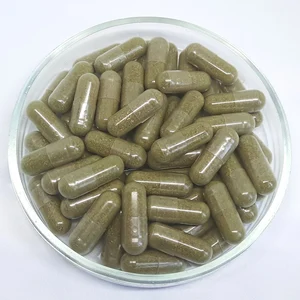
For those who prefer a convenient, standardized dose without the taste of the herb, capsules or tablets are an excellent option. These often contain powdered dried herb or extracts.
- Dosage: Dosage varies greatly depending on the concentration of the extract. Always adhere to the product label instructions. Typically, a standard dose might range from 300-500 mg, 2-3 times daily.
4. Topical Applications (Compresses, Washes, Poultices)
For skin issues, wound healing, or vaginal health, topical applications are highly effective.
- Compress: Soak a clean cloth in a strong infusion of Lady’s Mantle and apply it to affected skin areas, wounds, or swollen joints.
- Wash/Douche: A cooled, strained infusion can be used as a gentle external wash for skin irritations or as a vaginal douche for discharge or postpartum healing (ensure sterility for internal use).
- Poultice: Freshly crushed leaves or powdered dried herb mixed with a little water can be applied directly to wounds or inflammatory skin conditions.

Important Considerations, Side Effects, and Contraindications
While Lady’s Mantle is generally considered safe for most people when used appropriately, it is crucial to be aware of potential side effects and contraindications.
- Pregnancy and Breastfeeding: Lady’s Mantle is traditionally used to tone the uterus after childbirth, but its use during pregnancy is often advised against, particularly in the early stages, due to its potential uterine stimulating effects. There is insufficient research on its safety during breastfeeding, so caution is recommended. Always consult a healthcare professional before use during these periods.
- Hormone-Sensitive Conditions: Due to its mild phytoestrogenic activity, individuals with hormone-sensitive conditions such as endometriosis, uterine fibroids, or hormone-dependent cancers should exercise caution and consult their doctor before using Lady’s Mantle.
- Digestive Upset: In some sensitive individuals, the high tannin content might cause mild stomach upset, nausea, or constipation if taken in very large doses or on an empty stomach.
- Iron Absorption: Tannins can interfere with the absorption of non-heme iron (plant-based iron). If you are prone to iron deficiency or are taking iron supplements, it might be advisable to consume Lady’s Mantle separately from iron-rich meals or supplements.
- Drug Interactions: Lady’s Mantle might interact with certain medications. For example, its astringent properties could potentially affect the absorption of orally administered drugs. Individuals taking blood thinners (anticoagulants), hormone replacement therapy, or any other prescription medications should consult their healthcare provider before incorporating Lady’s Mantle into their regimen.
- Allergies: As with any botanical product, allergic reactions are possible, though rare. Discontinue use if you experience any adverse symptoms.
Conclusion: Lady’s Mantle – A Timeless Ally in Natural Healing
Lady’s Mantle, Alchemilla vulgaris, stands as a testament to the enduring power of nature’s pharmacy. Its rich tapestry of historical use, coupled with a compelling array of bioactive compounds, solidifies its position as a highly valuable medicinal herb. From its profound ability to support women’s reproductive health by regulating menstrual cycles, alleviating pain, and aiding postpartum recovery, to its significant contributions to digestive and skin health, Lady’s Mantle offers a gentle yet effective path to well-being.
Its astringent tannins, antioxidant flavonoids, and anti-inflammatory compounds work in concert to provide a holistic approach to various ailments. As we increasingly turn towards natural and traditional remedies, understanding the intricate mechanisms and practical applications of herbs like Lady’s Mantle becomes paramount. While deeply rooted in ancient wisdom, its benefits remain relevant and scientifically supported in contemporary wellness practices. For anyone seeking a natural ally, particularly for women’s specific health concerns, Lady’s Mantle offers a time-honored solution, reminding us of the potent healing gifts found in our natural world. As always, it is recommended to consult with a qualified healthcare professional or herbalist before incorporating any new herbal remedy into your health routine, especially if you have pre-existing conditions or are taking other medications.
Disclaimer: For informational purposes only. Not medical advice. Consult a qualified healthcare professional before use.