Coltsfoot Herb: An Exhaustive Deep-Dive into the Historical Uses, Bioactive Compounds, and Health Benefits of Tussilago farfara
For centuries, the unassuming Coltsfoot herb (Tussilago farfara) has been revered across diverse cultures as a potent botanical ally, particularly in the realm of respiratory health. Its distinctive early spring blossoms, appearing long before its namesake hoof-shaped leaves, have heralded its medicinal arrival even in the coldest climes. This comprehensive guide delves into the rich tapestry of Coltsfoot’s history, meticulously dissects its complex biochemical composition, and illuminates the scientific underpinnings of its purported health benefits, providing an unparalleled resource for anyone seeking a profound understanding of this venerable plant.
From ancient apothecaries to modern herbalists, Coltsfoot has maintained its esteemed position, primarily due to its remarkable demulcent, antitussive, and anti-inflammatory properties. However, its use is not without nuances, particularly concerning certain naturally occurring compounds. This article aims to provide an exhaustive, evidence-informed perspective, balancing its traditional efficacy with crucial safety considerations, making it the definitive resource for exploring the therapeutic potential of Tussilago farfara.
Botanical Overview: Unveiling Tussilago farfara
Tussilago farfara, commonly known as Coltsfoot, is a perennial herbaceous plant belonging to the Asteraceae family, which also includes sunflowers and daisies. Its botanical name, “Tussilago,” is derived from the Latin “tussis” (cough) and “agere” (to drive away), a direct testament to its long-standing traditional use as a cough remedy. “Farfara” refers to the mealy white underside of its leaves.
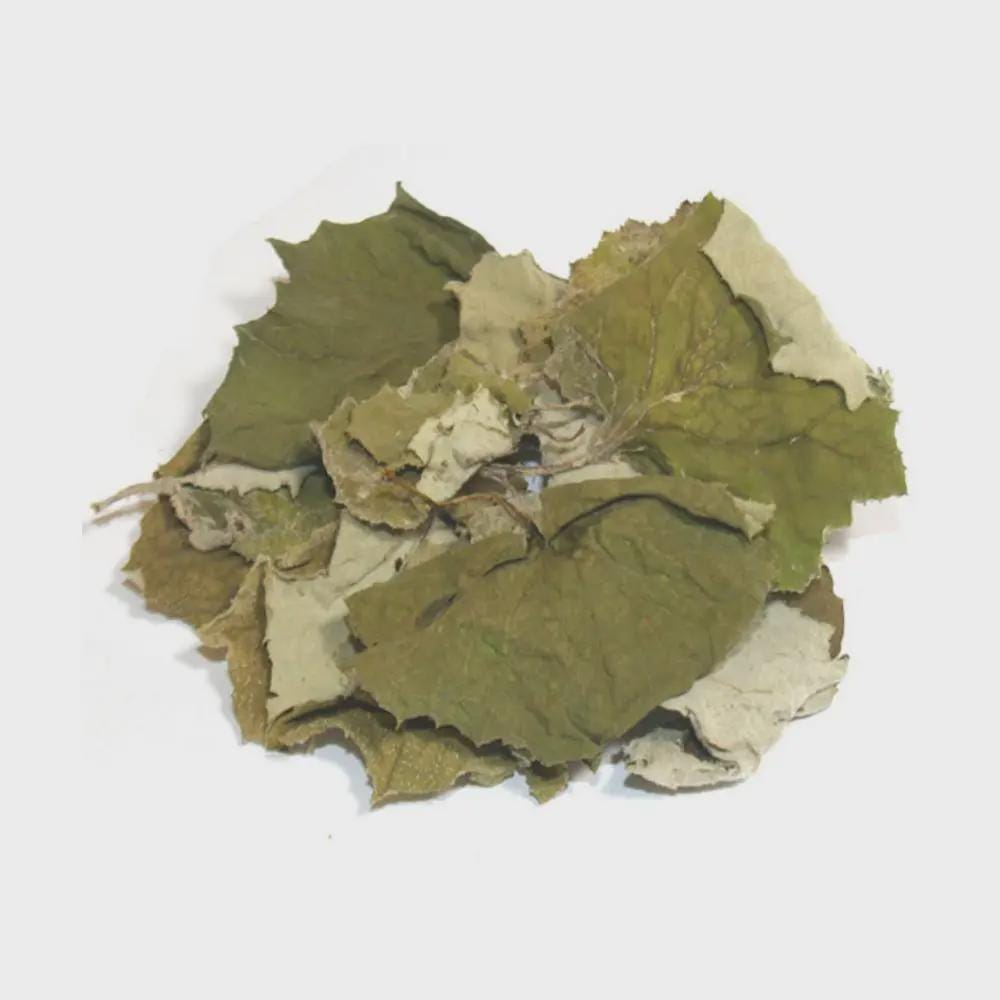
One of Coltsfoot’s most distinctive characteristics is its unique phenology. In early spring, often while snow still speckles the ground, bright yellow, dandelion-like flowers emerge directly from the rhizomes, preceding the development of its large, cordate, or heart-shaped leaves. These leaves, which appear later in the season, are typically dark green on the upper surface and covered with a dense, white, felt-like down on the underside, giving them their characteristic “colt’s foot” shape. The plant thrives in disturbed soils, roadsides, and open fields across Europe, Asia, and North Africa, and has become naturalized in North America.

The entire plant, including the flowers, leaves, and roots, has been utilized for medicinal purposes, though the leaves are most commonly employed in herbal preparations due to their higher concentration of specific beneficial compounds and often lower levels of compounds of concern when collected at the right time.
A Journey Through Time: Historical Context and Traditional Uses
The medicinal use of Coltsfoot is deeply embedded in the annals of herbal medicine, spanning millennia and cultures. Its reputation as a superior respiratory aid dates back to antiquity.
Ancient Greece and Rome: Physicians like Dioscorides and Pliny the Elder documented Coltsfoot’s use for coughs, asthma, and other lung ailments. The smoke from dried Coltsfoot leaves was traditionally inhaled to alleviate chronic coughs and breathing difficulties, a practice that persisted for centuries.
Traditional European Medicine: Throughout the Middle Ages and into the Renaissance, Coltsfoot remained a cornerstone of European herbal pharmacopoeias. It was often smoked as a herbal tobacco for respiratory conditions, included in cough syrups, lozenges, and lung tonics. Nicholas Culpeper, a renowned 17th-century English herbalist, praised Coltsfoot for its ability to “ease the cough” and “rid the chest and lungs of phlegm.” It was also applied externally as a poultice for skin inflammations, wounds, and ulcers.
Native American Traditions: Indigenous tribes in North America also recognized the therapeutic value of Coltsfoot, despite its European origins. They incorporated it into their healing practices for various respiratory complaints, applying poultices to the chest for congestion, and utilizing it for other ailments ranging from headaches to skin irritations.
The consistent thread throughout its historical usage has been its efficacy in soothing irritated mucous membranes, reducing inflammation, and aiding in the expectoration of mucus, making it an invaluable remedy for a wide spectrum of respiratory discomforts.
Decoding the Efficacy: Key Bioactive Compounds
The therapeutic properties of Coltsfoot are attributable to a complex synergy of various bioactive compounds. Understanding these constituents is crucial for appreciating the herb’s mechanisms of action.
1. Mucilage: The Soothing Shield
Coltsfoot is exceptionally rich in mucilage, a complex polysaccharide that forms a gelatinous, soothing substance when mixed with water. This mucilage is primarily composed of various polyuronic acids and sugars. When ingested or applied, it coats and protects irritated mucous membranes of the respiratory and digestive tracts. This demulcent action provides a physical barrier, reducing irritation, inflammation, and reflexive coughing. The mucilage also helps to lubricate the throat, making swallowing easier and soothing sore throats.
2. Flavonoids: Antioxidant and Anti-inflammatory Powerhouses
The herb contains a variety of flavonoids, including rutin, hyperoside, and quercetin derivatives. Flavonoids are well-known for their potent antioxidant activity, scavenging free radicals that contribute to cellular damage and inflammation. Their anti-inflammatory effects are mediated through various pathways, including the inhibition of enzymes involved in prostaglandin synthesis and the modulation of cytokine production, which are key mediators of the inflammatory response. These actions contribute significantly to Coltsfoot’s ability to reduce inflammation in the respiratory tract.
3. Triterpenes and Saponins: Expectorant and Anti-inflammatory
Coltsfoot contains triterpene saponins, such as faradiol and arnidiol. Saponins are known for their expectorant properties, meaning they help to thin and loosen mucus in the airways, making it easier to cough up. This facilitates the clearance of respiratory passages, alleviating congestion and productive coughs. Triterpenes also exhibit anti-inflammatory effects, further enhancing the herb’s capacity to reduce swelling and irritation in the lungs and bronchial tubes.
4. Tannins: Astringent Properties
Tannins are phenolic compounds that possess astringent properties, meaning they can contract tissues and reduce secretions. In Coltsfoot, tannins may contribute to its ability to dry up excessive mucus and provide a mild antiseptic effect on mucous membranes, particularly beneficial in cases of runny nose or mild infections.

5. Pyrrolizidine Alkaloids (PAs): A Critical Consideration
Coltsfoot naturally contains pyrrolizidine alkaloids (PAs), specifically senkirkine and tussilagine. PAs are a class of compounds found in various plants that can be hepatotoxic (damaging to the liver) and potentially carcinogenic, particularly when consumed in large quantities or over extended periods. It is crucial to distinguish between different types of PAs and their metabolic pathways. Unsaturated PAs, which are present in Coltsfoot, are of particular concern. Modern herbal science and regulatory bodies often recommend the use of PA-free or very low-PA preparations of Coltsfoot, or the use of specific plant parts collected at specific times of the year (e.g., leaves harvested in late summer after flowering) when PA content is naturally lower, or for external use only. Some commercially available extracts are specifically processed to remove PAs, addressing this safety concern directly. This aspect is paramount for safe and responsible usage.
Comprehensive Health Benefits of Coltsfoot Herb
Leveraging its rich array of bioactive compounds, Coltsfoot offers a spectrum of health benefits, primarily centered around respiratory and anti-inflammatory support.
1. Exceptional Respiratory Support: A Demulcent and Expectorant Powerhouse
Coltsfoot’s reputation as a respiratory tonic is well-deserved and rooted in its multi-faceted action on the respiratory system. The high mucilage content plays a pivotal role. When this mucilage comes into contact with the irritated lining of the throat and bronchial tubes, it forms a protective, soothing layer. This demulcent action effectively shields the sensitive mucous membranes from further irritation, which can be triggered by dry air, pollutants, or persistent coughing. By reducing irritation, Coltsfoot helps to quell the cough reflex, making it particularly beneficial for dry, hacking coughs and sore throats.
Beyond its soothing effects, the triterpene saponins contribute significantly to its expectorant properties. These compounds stimulate the respiratory tract’s natural mechanisms to produce thinner, less viscous mucus. This thinning action facilitates the removal of phlegm and other irritants from the airways, making it easier to cough them up and clear the lungs. This combined demulcent and expectorant effect makes Coltsfoot highly effective in managing conditions such as acute and chronic bronchitis, laryngitis, spasmodic coughs, and even aiding in the symptomatic relief of asthma by helping to clear congested airways and reduce inflammation.
2. Potent Anti-inflammatory Properties
Inflammation is a common underlying factor in many respiratory conditions, from a simple sore throat to chronic bronchitis. Coltsfoot’s flavonoids, such as quercetin derivatives, along with its triterpenes, exhibit significant anti-inflammatory activity. These compounds work by modulating key inflammatory pathways within the body. They can inhibit the production of pro-inflammatory mediators like prostaglandins and leukotrienes, which are responsible for pain, swelling, and redness. By dampening the inflammatory response, Coltsfoot helps to alleviate discomfort, reduce swelling in the airways, and promote healing of irritated tissues, contributing to overall respiratory comfort and recovery.
3. Soothing Gastrointestinal Discomfort
While primarily known for its respiratory benefits, the demulcent properties of Coltsfoot’s mucilage can also extend to the digestive tract. Just as it soothes inflamed airways, it can provide a protective coating to the delicate lining of the esophagus, stomach, and intestines. This makes it potentially useful for alleviating mild gastrointestinal irritations, such as those associated with indigestion, heartburn, or even mild cases of gastritis, by calming irritated mucous membranes and providing symptomatic relief.
4. Traditional Topical Applications: Wound Healing and Skin Soother
Historically, Coltsfoot has been employed externally as a poultice or compress for various skin conditions. Its anti-inflammatory and demulcent properties make it suitable for soothing minor skin irritations, insect bites, rashes, and even superficial wounds. The mucilage helps to moisten and protect the affected area, while the flavonoids and triterpenes work to reduce inflammation and promote healing. This topical application is also a way to utilize the herb’s benefits without internal consumption, thereby circumventing concerns related to PAs when whole herb preparations are used.
5. Mild Antispasmodic Action
Some traditional uses and anecdotal evidence suggest that Coltsfoot possesses mild antispasmodic properties. This means it may help to relax smooth muscles, particularly in the bronchial tubes. This action could contribute to its effectiveness in relieving spasmodic coughs, where involuntary contractions of the airways lead to sudden, uncontrollable coughing fits. By gently relaxing these muscles, Coltsfoot can help to ease the intensity and frequency of such coughs, providing much-needed relief.
Methods of Preparation and Practical Usage
Coltsfoot can be prepared in various forms, each offering distinct advantages and considerations, especially regarding the management of PAs.
1. Herbal Tea (Infusion)
The most traditional method of consumption, a tea is prepared by infusing dried Coltsfoot leaves or flowers in hot water. For a standard infusion, one to two teaspoons of dried herb are steeped in a cup of boiling water for 10-15 minutes, then strained. This method extracts the water-soluble mucilage, flavonoids, and some other beneficial compounds. Due to the presence of PAs, teas made from whole dried herb should be used sparingly and for short durations (e.g., 4-6 weeks maximum per year), or ideally, use certified PA-free preparations. For external applications, a stronger infusion can be used as a compress.
2. Tinctures
Tinctures are concentrated liquid extracts made by steeping the herb in alcohol. They offer a more potent and convenient form of administration. Tinctures often contain a broader spectrum of compounds, including some that are less water-soluble. When sourcing Coltsfoot tincture, it is paramount to ensure it is explicitly labeled as “PA-free” or made from specific extracts designed to remove or minimize PA content, especially for internal use. Dosage typically involves a few drops or a small amount diluted in water, as advised by a qualified practitioner or product instructions.
3. Syrups and Lozenges
Coltsfoot extracts are often incorporated into herbal cough syrups and lozenges, especially formulations designed for respiratory relief. These preparations are designed for ease of use and often combine Coltsfoot with other complementary herbs. As with tinctures, ensure these products are made from PA-free Coltsfoot extracts for internal consumption.
4. Poultices and Compresses (External Use)
For external applications, fresh or dried Coltsfoot leaves can be crushed and applied directly to the skin as a poultice. Alternatively, a strong tea can be made and applied as a warm compress. This method is particularly safe as it avoids internal consumption of PAs while still leveraging the herb’s anti-inflammatory and soothing properties for skin irritations, minor wounds, and muscular aches.

5. Capsules and Supplements
For those seeking standardized dosages and convenience, Coltsfoot is available in capsule form. These typically contain powdered dried herb or concentrated extracts. When considering capsules for internal use, it is absolutely essential to choose products that are explicitly certified as “PA-free” or “pyrrolizidine alkaloid-free.” Reputable manufacturers often employ specialized processing techniques or select specific cultivars or harvesting times to ensure the safety of their products. Always check for third-party certifications or assurances from the manufacturer regarding PA content.
Important Considerations and Potential Side Effects (A Focus on Pyrrolizidine Alkaloids)
While Coltsfoot offers significant health benefits, its safe use hinges on a clear understanding of its potential risks, primarily associated with pyrrolizidine alkaloids (PAs).
Understanding Pyrrolizidine Alkaloids (PAs)
PAs are naturally occurring compounds found in over 6,000 plant species. In Coltsfoot, the PAs senkirkine and tussilagine are present. The concern with PAs, particularly unsaturated PAs, is their potential for hepatotoxicity (liver damage) and carcinogenicity (cancer-causing effects) when metabolized in the liver. This metabolic process converts the PAs into reactive pyrrolic metabolites that can bind to DNA and proteins, leading to cellular damage.
Acute vs. Chronic Toxicity:
- Acute toxicity can occur with very high doses, leading to acute liver failure.
- Chronic toxicity is more common with regular, prolonged exposure to lower doses, potentially resulting in veno-occlusive disease (a serious liver condition where small veins in the liver become blocked) and an increased risk of liver cancer over time.
Mitigating Risks: Safe Usage Practices
Given the concerns surrounding PAs, responsible use of Coltsfoot necessitates specific precautions:
- Choose PA-Free Products: The most crucial recommendation is to exclusively use Coltsfoot products that are explicitly labeled and certified as “PA-free” or “pyrrolizidine alkaloid-free” for internal consumption. Many reputable herbal supplement manufacturers now offer such extracts, having processed them to remove or significantly reduce PA levels.
- Avoid Self-Harvesting: Unless one is an expert in botany and analytical chemistry, self-harvesting and processing Coltsfoot for internal use is strongly discouraged due to variable PA levels based on plant part, geography, and harvesting time.
- External Use Preference: For applications like poultices or compresses on the skin, the risk of systemic PA absorption is minimal, making external use a safer option for whole herb preparations.
- Short-Term Use Only (for whole herb): If using non-certified whole herb preparations internally (which is generally discouraged), usage should be strictly limited to short periods (e.g., 2-4 weeks, not exceeding 6 weeks per year) and at low doses.
- Consult a Healthcare Professional: Always consult with a qualified herbalist, naturopath, or medical doctor before using Coltsfoot, especially if you have existing health conditions, are taking medications, or are pregnant/breastfeeding.
Contraindications and Precautions
- Pregnancy and Breastfeeding: Coltsfoot should be strictly avoided during pregnancy and breastfeeding due to the potential hepatotoxic and genotoxic effects of PAs, which can cross the placental barrier or be excreted in breast milk.
- Liver Disease: Individuals with pre-existing liver conditions (e.g., hepatitis, cirrhosis) should absolutely avoid Coltsfoot due to its potential to exacerbate liver damage.
- Children: Due to their developing liver systems and greater susceptibility, Coltsfoot should not be given to children.
- Drug Interactions: Caution is advised if taking medications that affect the liver (e.g., acetaminophen, certain antifungal drugs), as Coltsfoot could potentially increase the burden on the liver. Consult a healthcare provider.
- Allergies: Individuals with allergies to plants in the Asteraceae family (e.g., ragweed, chamomile, marigolds) may experience allergic reactions to Coltsfoot.
Dosage Guidelines and Sourcing Quality
General dosage recommendations for Coltsfoot are challenging to provide without specifying the form (tea, tincture, capsule) and whether it’s a PA-free extract or whole herb. Given the PA concerns, it is imperative to follow dosage instructions provided by manufacturers of certified PA-free products or as advised by a qualified healthcare practitioner.
- For PA-Free Extracts/Supplements: Adhere strictly to the manufacturer’s recommended dosage on the product label. These dosages are typically formulated to provide therapeutic effects safely.
- For Traditional Teas (from whole herb, with extreme caution): Historically, 1-2 teaspoons of dried leaves per cup of boiling water, steeped for 10-15 minutes, 2-3 times daily for a very limited duration. However, this is largely discouraged for modern internal use due to PA concerns unless specifically advised by a highly knowledgeable professional overseeing the specific plant material.

Sourcing Quality: The quality and safety of Coltsfoot products vary significantly. Always prioritize reputable suppliers who can provide documentation of third-party testing for purity, potency, and critically, the absence or negligible levels of pyrrolizidine alkaloids. Look for certifications and clear labeling regarding PA content. Purchasing from trusted sources is paramount for ensuring both efficacy and safety.
Conclusion: Embracing Coltsfoot Responsibly
Coltsfoot herb, Tussilago farfara, stands as a testament to nature’s profound healing capabilities, especially for conditions afflicting the respiratory system. Its centuries-old legacy as a demulcent, expectorant, and anti-inflammatory agent is well-supported by its unique blend of mucilage, flavonoids, triterpenes, and other beneficial compounds. From soothing persistent coughs and clearing congested airways to calming irritated skin, its therapeutic applications are historically vast and clinically relevant.
However, the journey with Coltsfoot must be navigated with an informed and cautious approach, primarily due to the presence of pyrrolizidine alkaloids. The advancements in herbal science and extraction techniques have thankfully provided safer avenues for enjoying its benefits through certified PA-free products. By prioritizing responsible sourcing, adhering to recommended dosages, and consulting with healthcare professionals, individuals can confidently and safely integrate this remarkable herb into their wellness protocols, truly harnessing the venerable power of Tussilago farfara for respiratory health and beyond.
Disclaimer: For informational purposes only. Not medical advice. Consult a qualified healthcare professional before use.