

Elecampane: Unearthing the Profound Health Benefits of *Inula Helenium*
For centuries, nestled within the annals of traditional herbal medicine, lies a revered botanical powerhouse known as Elecampane (*Inula helenium*). This majestic plant, celebrated for its striking yellow, daisy-like flowers and formidable root system, has garnered a formidable reputation across diverse cultures as a potent therapeutic agent. From ancient Greek physicians to modern-day herbalists, Elecampane has been lauded for its wide-ranging health benefits, particularly its profound impact on respiratory and digestive health. This comprehensive guide embarks on an exhaustive journey to explore the intricate science, rich history, and practical applications of Elecampane, establishing its rightful place as a cornerstone of natural wellness.
Often referred to as “Elfwort,” “Horse-heal,” or “Scabwort,” Elecampane’s nomenclature itself hints at its enduring legacy as a healer. Its robust root, the primary medicinal part, harbors a complex symphony of bioactive compounds that orchestrate its impressive pharmacological activities. As we delve deeper, we will uncover how this ancient herb continues to offer compelling solutions to contemporary health challenges, supported by both ancestral wisdom and emerging scientific understanding.
Botanical Profile and Elecampane’s Enduring Historical Roots
Botanical Characteristics of *Inula Helenium*
Elecampane, scientifically classified as *Inula helenium*, belongs to the Asteraceae family, making it a relative of sunflowers and daisies. It is a striking perennial herb native to Eurasia, though it has naturalized in parts of North America. Characterized by its towering stature, often reaching heights of 5 to 8 feet (1.5 to 2.5 meters), Elecampane boasts large, lance-shaped basal leaves that can grow up to 2 feet long, tapering towards the stem. The stem itself is thick, furrowed, and hairy.
The plant’s most visually appealing feature are its radiant, golden-yellow, daisy-like flower heads, which bloom from mid to late summer. These composite flowers feature numerous ray florets surrounding a central disc. However, it is beneath the soil where Elecampane truly reveals its medicinal treasure: a thick, fleshy, branched rhizome (rootstock) with a characteristic pungent, camphoraceous aroma and a bitter taste, which intensifies upon drying. This rhizome is the primary source of the herb’s powerful therapeutic compounds, making careful cultivation and harvesting crucial for maximizing its medicinal efficacy.

A Journey Through Time: Elecampane’s Historical Significance
The rich history of Elecampane as a medicinal herb dates back millennia, firmly embedding it in the tapestry of ancient healing traditions. Its use is extensively documented in classical Greek and Roman texts, where its therapeutic prowess was widely recognized. Hippocrates, the “father of medicine,” prescribed Elecampane for various ailments, particularly digestive complaints. Dioscorides, a celebrated Greek physician, pharmacologist, and botanist, meticulously detailed its expectorant and diuretic properties in his seminal work, *De Materia Medica*, which served as a pharmaceutical standard for over 1,500 years.
The Roman natural philosopher Pliny the Elder, in his *Naturalis Historia*, also praised Elecampane, noting its use for indigestion and as a general tonic. He even suggested eating the root with honey as a remedy. Moving into the Middle Ages, Elecampane remained a staple in European monasteries and apothecaries. Herbalists like Hildegard von Bingen recommended it for chest complaints and to promote general well-being. Its traditional European applications extended to treating coughs, asthma, bronchitis, and parasitic infections, solidifying its reputation as a versatile and indispensable herb.
Beyond Europe, traces of Elecampane’s influence can be found in other healing systems. While not a primary herb in traditional Chinese medicine, its properties align with qi-regulating and phlegm-resolving herbs. Native American tribes also incorporated related *Inula* species into their materia medica for similar respiratory and digestive benefits, often preparing decoctions or poultices from the root. This consistent recognition across diverse cultures underscores Elecampane’s enduring efficacy and validates its revered status in global herbal traditions.
The Science Within: Bioactive Compounds of Elecampane
The remarkable therapeutic benefits attributed to Elecampane are not mere folklore; they are meticulously orchestrated by a complex array of bioactive compounds found primarily in its root. These phytochemicals work synergistically to exert a wide spectrum of pharmacological actions, offering a sophisticated explanation for its traditional uses. Understanding these key constituents is paramount to appreciating the herb’s profound impact on human health.

Sesquiterpene Lactones: The Core Therapeutic Agents
Foremost among Elecampane’s active constituents are its sesquiterpene lactones, particularly alantolactone, isoalantolactone, and dihydroalantolactone. These compounds are responsible for much of the herb’s distinct aroma and its most potent therapeutic effects. Their mechanisms of action are multifaceted:
- Anti-inflammatory Properties: Sesquiterpene lactones, especially alantolactone, have been shown to inhibit key inflammatory pathways, such as the nuclear factor kappa-light-chain-enhancer of activated B cells (NF-κB) pathway. NF-κB plays a central role in regulating immune responses and inflammation. By modulating this pathway, Elecampane can help reduce the production of pro-inflammatory cytokines and mediators, thereby alleviating inflammation in various tissues, including the respiratory tract and digestive system.
- Antimicrobial and Antifungal Effects: These compounds exhibit significant antimicrobial activity against a broad spectrum of bacteria, including some responsible for respiratory and gastrointestinal infections. Furthermore, they demonstrate potent antifungal properties, particularly against yeast and dermatophytes. This makes Elecampane a valuable ally in combating infectious agents that can compromise overall health.
- Anthelmintic Action: Alantolactone and isoalantolactone are particularly well-regarded for their vermifuge (worm-expelling) properties. They work by disrupting the cellular structures and metabolic processes of intestinal parasites, leading to their paralysis and expulsion from the host. This traditional use has been supported by modern pharmacological studies.
Inulin: A Prebiotic Powerhouse
Elecampane root is an exceptionally rich source of inulin, a type of fructan (a soluble dietary fiber) that can constitute up to 45% of its dried weight. Inulin is not digested or absorbed in the upper gastrointestinal tract but travels intact to the large intestine, where it serves as a powerful prebiotic.
- Gut Microbiome Support: As a prebiotic, inulin selectively feeds beneficial gut bacteria, such as *Bifidobacteria* and *Lactobacilli*. This promotes a healthy, balanced gut microbiome, which is crucial for nutrient absorption, immune system function, and overall digestive health. By fostering a flourishing environment for beneficial bacteria, inulin helps suppress the growth of pathogenic microorganisms.
- Digestive Regularity: The bulk-forming nature of inulin helps to soften stool and increase its volume, promoting regular bowel movements and alleviating constipation. It also contributes to a sense of fullness, potentially aiding in weight management.
- Blood Sugar Regulation: Inulin has been shown to positively impact blood sugar levels by slowing glucose absorption and improving insulin sensitivity. Its low glycemic index makes it a beneficial component for individuals managing blood sugar.
Volatile Oils and Other Constituents
In addition to sesquiterpene lactones and inulin, Elecampane root contains a range of other important compounds that contribute to its therapeutic profile:
- Volatile Oils: These aromatic compounds, including bornyl acetate, caryophyllene, and traces of thymol, contribute to Elecampane’s characteristic scent and possess antiseptic and anti-inflammatory properties, further enhancing its respiratory benefits.
- Flavonoids: Compounds like quercetin and rutin are potent antioxidants. They help neutralize free radicals, reduce oxidative stress, and exert additional anti-inflammatory effects, protecting cells from damage and supporting cardiovascular health.
- Phytosterols, Saponins, and Triterpenes: These compounds also contribute to Elecampane’s broad spectrum of effects, including anti-inflammatory, immune-modulating, and adaptogenic properties, though their exact mechanisms in the context of Elecampane are still under active investigation.
The synergistic interaction of these diverse bioactive compounds makes Elecampane a truly holistic medicinal herb, capable of addressing a wide array of health concerns through multiple physiological pathways.
Comprehensive Health Benefits of Elecampane
Elecampane’s rich chemical composition translates into an impressive array of health benefits that have been utilized for centuries and are increasingly supported by contemporary scientific inquiry. Its primary reputation lies in its profound effects on the respiratory and digestive systems, but its influence extends to immune modulation, inflammation reduction, and beyond.
1. Respiratory Health & Lung Support
Elecampane is perhaps most renowned as a pulmonary tonic, earning it the moniker “lungwort” in some traditions. Its potent expectorant, antitussive, and antimicrobial actions make it an indispensable herb for a variety of respiratory conditions.
- Expectorant and Antitussive Properties: The sesquiterpene lactones and volatile oils in Elecampane stimulate the mucous membranes of the respiratory tract, increasing the production of thin, watery mucus. This action, known as secretolysis, helps to liquefy thick, tenacious phlegm, making it easier to cough up and expel from the lungs. Simultaneously, its demulcent (soothing) properties help to calm irritated bronchial passages, reducing the urge to cough, thus providing both productive expectoration and relief from persistent coughing spasms. This dual action is crucial for clearing congestion in conditions like bronchitis, common colds, and flu.
- Bronchodilator Effects: While not as potent as pharmaceutical bronchodilators, some compounds in Elecampane may exert a mild bronchodilatory effect, helping to relax the smooth muscles surrounding the bronchioles. This can be particularly beneficial for individuals experiencing wheezing or mild bronchoconstriction associated with conditions like asthma or chronic obstructive pulmonary disease (COPD), facilitating easier breathing.
- Antimicrobial Action: Elecampane’s sesquiterpene lactones (e.g., alantolactone) have demonstrated direct antimicrobial activity against a range of respiratory pathogens, including bacteria (e.g., *Staphylococcus aureus*, *Streptococcus pneumoniae*) and certain fungi. By helping to combat these infectious agents, Elecampane supports the body’s natural defenses against respiratory infections, potentially shortening their duration and reducing their severity.
- Anti-inflammatory Support: The anti-inflammatory compounds within Elecampane reduce inflammation in the bronchial tubes and lung tissue, which is often a significant component of chronic respiratory diseases and acute infections. By mitigating inflammation, it helps to alleviate swelling and irritation, further contributing to improved respiratory function.
2. Digestive System Fortification
Beyond its lung-healing prowess, Elecampane serves as a formidable ally for digestive wellness, primarily due to its rich inulin content and anthelmintic properties.
- Prebiotic Power of Inulin: As extensively discussed, the high concentration of inulin in Elecampane root acts as a potent prebiotic. It selectively nourishes beneficial gut bacteria, such as *Bifidobacteria* and *Lactobacilli*, promoting a healthy gut microbiome. A balanced microbiome is essential for optimal digestion, nutrient absorption, and immune function. By fermenting inulin, these beneficial bacteria produce short-chain fatty acids (SCFAs) like butyrate, which nourish colon cells, maintain gut barrier integrity, and exert systemic anti-inflammatory effects. This contributes to better bowel regularity, alleviation of constipation, and overall gastrointestinal comfort.
- Anthelmintic Properties: Elecampane has a long history of use as a vermifuge, particularly against intestinal worms like roundworms, hookworms, and pinworms. The sesquiterpene lactones, especially alantolactone, are the primary agents responsible for this effect. These compounds are believed to interfere with the metabolic processes and nervous systems of parasites, leading to their paralysis and expulsion from the digestive tract. This traditional application continues to be explored in modern phytotherapy as a natural approach to parasitic infections.
- Bitter Tonic and Digestive Stimulant: Elecampane root possesses a distinctly bitter taste, which, like other bitter herbs, stimulates the production of digestive juices, including saliva, stomach acid, bile, and pancreatic enzymes. This action prepares the digestive system for food intake, enhancing the efficiency of digestion and absorption. It can be particularly beneficial for individuals experiencing indigestion, bloating, or poor appetite. The choleretic effect (stimulation of bile flow) further aids in the digestion of fats.
3. Immune System Modulation
Elecampane’s multifaceted compounds contribute to its ability to modulate and strengthen the immune system, making it a valuable herb for overall immune resilience.
- Immunostimulant Effects: Some research suggests that Elecampane may enhance the activity of immune cells, such as macrophages and lymphocytes, which are critical for recognizing and eliminating pathogens. This immunostimulant effect can help the body mount a more robust defense against infections, both viral and bacterial.
- Antimicrobial and Antifungal Action: By directly combating a wide range of pathogens, Elecampane contributes to immune system support by reducing the infectious load on the body. This broad-spectrum activity provides a protective barrier, complementing the immune system’s efforts.
- Anti-inflammatory Impact: Chronic inflammation can suppress immune function and make the body more susceptible to illness. Elecampane’s anti-inflammatory constituents help to bring the immune response into balance, preventing excessive or prolonged inflammation that can be detrimental to immune health.
4. Anti-inflammatory and Antioxidant Prowess
Chronic inflammation and oxidative stress are underlying factors in many modern diseases. Elecampane offers significant protective benefits against both.
- Inhibition of Inflammatory Pathways: The sesquiterpene lactones, particularly alantolactone, have been shown to inhibit key inflammatory mediators, such as NF-κB, which plays a pivotal role in inflammatory and immune responses. By modulating these pathways, Elecampane can effectively reduce systemic inflammation, making it potentially beneficial for managing conditions characterized by chronic inflammation, such as arthritis or inflammatory bowel disease.
- Scavenging Free Radicals: Flavonoids like quercetin and rutin, along with other phenolic compounds found in Elecampane, are potent antioxidants. They actively scavenge harmful free radicals, which are unstable molecules that can cause cellular damage, contribute to aging, and increase the risk of chronic diseases. By neutralizing these free radicals, Elecampane helps protect cells and tissues from oxidative stress, supporting overall cellular health and longevity.
5. Potential Antidiabetic Effects
The high inulin content in Elecampane root lends it potential benefits in managing blood sugar levels, which is crucial for individuals with diabetes or those at risk.
- Improved Glucose Metabolism: As a soluble fiber, inulin slows down the absorption of glucose from the digestive tract into the bloodstream, leading to a more gradual rise in blood sugar levels after meals. This prevents sharp spikes and crashes.
- Enhanced Insulin Sensitivity: Regular intake of inulin has been associated with improved insulin sensitivity, meaning the body’s cells respond more effectively to insulin, which facilitates glucose uptake. This can be a significant advantage for individuals with type 2 diabetes or insulin resistance.
- Gut Hormone Modulation: The fermentation of inulin by gut bacteria can also influence the release of gut hormones (e.g., GLP-1) that play a role in glucose regulation and satiety.
6. Skin Health and Topical Applications
Elecampane’s antimicrobial and anti-inflammatory properties extend to topical applications, offering benefits for various skin conditions.
- Wound Healing: Applied as a poultice or compress, Elecampane can help to cleanse wounds, reduce inflammation, and promote tissue regeneration, thanks to its antiseptic and healing compounds.
- Addressing Skin Infections: Its antifungal and antibacterial actions make it useful for managing fungal skin infections (e.g., ringworm) and bacterial skin irritations.
- Soothing Skin Conditions: The anti-inflammatory properties can help soothe irritated skin, making it a potential adjunct for conditions like eczema or dermatitis.
Practical Applications: How to Use Elecampane
Elecampane can be incorporated into a wellness routine through various traditional and modern preparations, each offering unique advantages for targeting specific health concerns.
Traditional Preparations of Elecampane
For centuries, herbalists have skillfully transformed Elecampane root into potent remedies, leveraging its medicinal properties through time-honored methods.
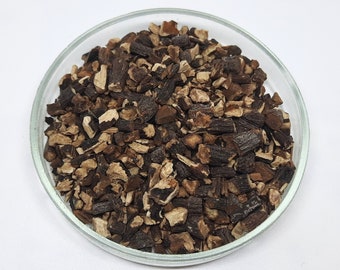
- Decoction (Tea): This is one of the most common and effective ways to use Elecampane, especially for respiratory and digestive issues. A decoction is prepared by simmering the dried, chopped root in water.
- Preparation: Add 1-2 teaspoons of dried Elecampane root to 8-10 ounces of cold water. Bring to a boil, then reduce heat and simmer for 15-20 minutes. Strain and drink.
- Usage: Drink 2-3 cups daily. For respiratory complaints, adding honey can further soothe the throat and enhance expectorant properties.
- Benefits: Ideal for stimulating productive coughs, soothing bronchial irritation, and aiding digestion.
- Tinctures: Tinctures are concentrated liquid extracts made by steeping Elecampane root in alcohol and water. They offer convenience, a longer shelf life, and potent delivery of bioactive compounds.
- Preparation: Typically, dried root is soaked in a mixture of alcohol (usually 40-60%) and water for several weeks, then strained.
- Usage: Standard dosage often ranges from 1-5 ml, 2-3 times daily, diluted in water. Always follow product-specific instructions.
- Benefits: Offers systemic effects, useful for both acute and chronic conditions, and easily absorbed.
- Syrups: Elecampane syrup is particularly effective for soothing coughs and sore throats, often combined with other demulcent or expectorant herbs.
- Preparation: A strong decoction of Elecampane is reduced and combined with honey or another sweetener to create a palatable, viscous syrup.
- Usage: 1-2 teaspoons as needed for cough relief.
- Benefits: Palatable for children and those with sensitive throats, coats and soothes irritated mucous membranes.
- Poultices/Compresses: For external applications, Elecampane can be used to treat skin conditions, wounds, or chest congestion.
- Preparation: A thick paste is made from powdered Elecampane root and a small amount of warm water, or a strong decoction is used to soak a cloth.
- Usage: Apply the paste directly to the affected area or place the soaked cloth as a compress.
- Benefits: Addresses localized inflammation, infections, and promotes healing.
Modern Supplements: Elecampane Capsules and Extracts
For those seeking convenience and standardized dosages, Elecampane is readily available in modern supplement forms, offering a consistent and potent way to experience its benefits.
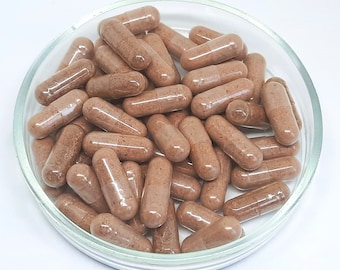
- Capsules and Tablets: Encapsulated Elecampane root powder or extracts provide a straightforward way to consume the herb without the bitter taste. These are often standardized to contain a certain percentage of active compounds, ensuring consistency.
- Usage: Follow the dosage recommendations on the product label, typically 500-1000 mg once or twice daily.
- Benefits: Convenient, tasteless, and allows for precise dosing, making it easy to integrate into daily routines.
- Liquid Extracts: Similar to tinctures but sometimes made with glycerin or other non-alcoholic solvents, liquid extracts offer concentrated benefits in a flexible format.
- Usage: A few drops or a small dropperful diluted in water, 1-3 times daily.
- Benefits: Fast absorption, can be customized to individual needs, and suitable for those avoiding alcohol.
Dosage and Safety Considerations for Elecampane
While Elecampane is a powerful and generally safe herb when used appropriately, it is crucial to approach its use with an understanding of proper dosage, potential side effects, and contraindications. Consulting with a qualified healthcare professional or a seasoned herbalist is always recommended before incorporating any new herbal remedy into your regimen, especially if you have underlying health conditions or are taking other medications.
General Guidelines for Dosage
Dosage can vary significantly depending on the form of Elecampane used, the concentration of the product, and individual factors such as age, weight, and the specific health concern being addressed. Always start with the lowest effective dose and gradually increase if needed, while monitoring your body’s response.
- Dried Root (for decoctions): Typically, 1-3 grams of dried root per cup of water, simmered for 10-20 minutes, 2-3 times daily.
- Tincture (1:5 ratio, 40% alcohol): 1-4 ml, 2-3 times daily.
- Standardized Extracts (capsules): Usually 250-500 mg, 1-3 times daily, depending on the concentration of active compounds (e.g., sesquiterpene lactones, inulin).
These are general guidelines; always refer to specific product instructions or the advice of a healthcare practitioner.
Potential Side Effects
Elecampane is generally well-tolerated, but some individuals may experience side effects, particularly with high doses or prolonged use:
- Allergic Reactions: As a member of the Asteraceae (daisy) family, Elecampane can trigger allergic reactions in individuals sensitive to plants like ragweed, chamomile, marigolds, or chrysanthemums. Symptoms may include skin rash, itching, hives, or respiratory distress.
- Gastrointestinal Upset: Due to its high inulin content, some individuals may experience mild digestive upset, such as gas, bloating, or diarrhea, especially when first starting to use Elecampane or with excessive doses. Starting with a low dose and gradually increasing can help mitigate these effects.
- Nausea and Vomiting: Very high doses of Elecampane may sometimes cause nausea or vomiting due to its bitter taste and potent compounds.
Contraindications and Precautions
Certain conditions and circumstances warrant caution or avoidance of Elecampane:
- Pregnancy and Lactation: There is insufficient scientific evidence regarding the safety of Elecampane during pregnancy and breastfeeding. It is generally advised to avoid its use during these periods unless specifically recommended and supervised by a qualified healthcare provider.
- Allergies: Individuals with known allergies to plants in the Asteraceae family should avoid Elecampane.
- Diabetes: While Elecampane may help regulate blood sugar, individuals with diabetes who are on insulin or oral hypoglycemic medications should use it with caution and under medical supervision, as it may potentiate the effects of these drugs and lead to hypoglycemia. Blood sugar levels should be closely monitored.
- Kidney Disease: Due to its mild diuretic properties, individuals with severe kidney conditions should consult a doctor before use.
- Drug Interactions: Elecampane may potentially interact with certain medications.
- Anticoagulants/Antiplatelet Drugs: Some compounds might theoretically affect blood clotting, though concrete evidence is limited. Caution is advised for individuals taking blood thinners like warfarin.
- Immunosuppressants: As Elecampane may have immunostimulant properties, it could theoretically interfere with immunosuppressant medications.
- Diuretics: May enhance the effects of diuretic medications.
- Chronic Conditions: Individuals with chronic liver or kidney disease, or any serious medical condition, should always seek professional medical advice before using Elecampane.
It is paramount to source Elecampane from reputable suppliers to ensure its purity, potency, and absence of contaminants. Always prioritize organic or ethically wildcrafted options to guarantee the highest quality and sustainability of this powerful natural herb.

Conclusion: Elecampane – A Resurgent Ancient Remedy
Elecampane (*Inula helenium*) stands as a testament to the enduring power of botanical medicine, bridging ancient wisdom with modern scientific inquiry. Its venerable history, stretching back to the classical physicians of Greece and Rome, speaks volumes about its sustained efficacy across millennia. From its towering presence in the landscape to the intricate network of bioactive compounds within its roots, Elecampane offers a holistic approach to wellness.
We have explored its profound benefits for respiratory health, acting as an expectorant, antitussive, and antimicrobial agent that helps clear congestion and soothe irritated airways. Its significant impact on digestive health, primarily through the prebiotic power of inulin and its anthelmintic properties, underscores its role in fostering a robust gut microbiome and alleviating parasitic burdens. Furthermore, Elecampane’s ability to modulate the immune system, combat inflammation, and neutralize oxidative stress highlights its broad therapeutic utility, extending even to potential benefits for blood sugar regulation and topical skin health.
As interest in natural remedies continues to grow, Elecampane is experiencing a well-deserved resurgence. Whether utilized in traditional decoctions and tinctures or in convenient modern capsules and extracts, its multifaceted actions offer a compelling option for those seeking natural support for their health. However, as with all potent herbs, responsible use, adherence to dosage guidelines, and consultation with healthcare professionals remain paramount to safely harness the full spectrum of benefits that this remarkable plant has to offer. Elecampane truly embodies the wisdom of nature, providing a powerful, time-tested tool for enhancing human vitality.
Disclaimer: For informational purposes only. Not medical advice. Consult a qualified healthcare professional before use.