Unveiling the Ancient Elixir: An Exhaustive Guide to the Health Benefits of Lovage (*Levisticum officinale*)
In the vast apothecary of nature, certain herbs stand out not only for their distinctive flavor but also for a rich tapestry of therapeutic properties honed over centuries of human use. Among these revered botanicals is Lovage, scientifically known as *Levisticum officinale*. Often celebrated for its unique, celery-like aroma and taste, this robust perennial has graced kitchens and traditional medicine cabinets across continents, yet its profound health benefits remain a lesser-known secret to many. This comprehensive guide delves deep into the multifaceted advantages of Lovage, exploring its botanical essence, historical significance, potent bioactive compounds, and a myriad of ways it can enrich health and well-being. Prepare to uncover why Lovage is far more than just a culinary herb; it is a venerable source of natural wellness.
Botanical Profile and A Rich Historical Tapestry
To truly appreciate Lovage, one must first understand its botanical identity and its enduring journey through human history.
What is Lovage? (*Levisticum officinale*)
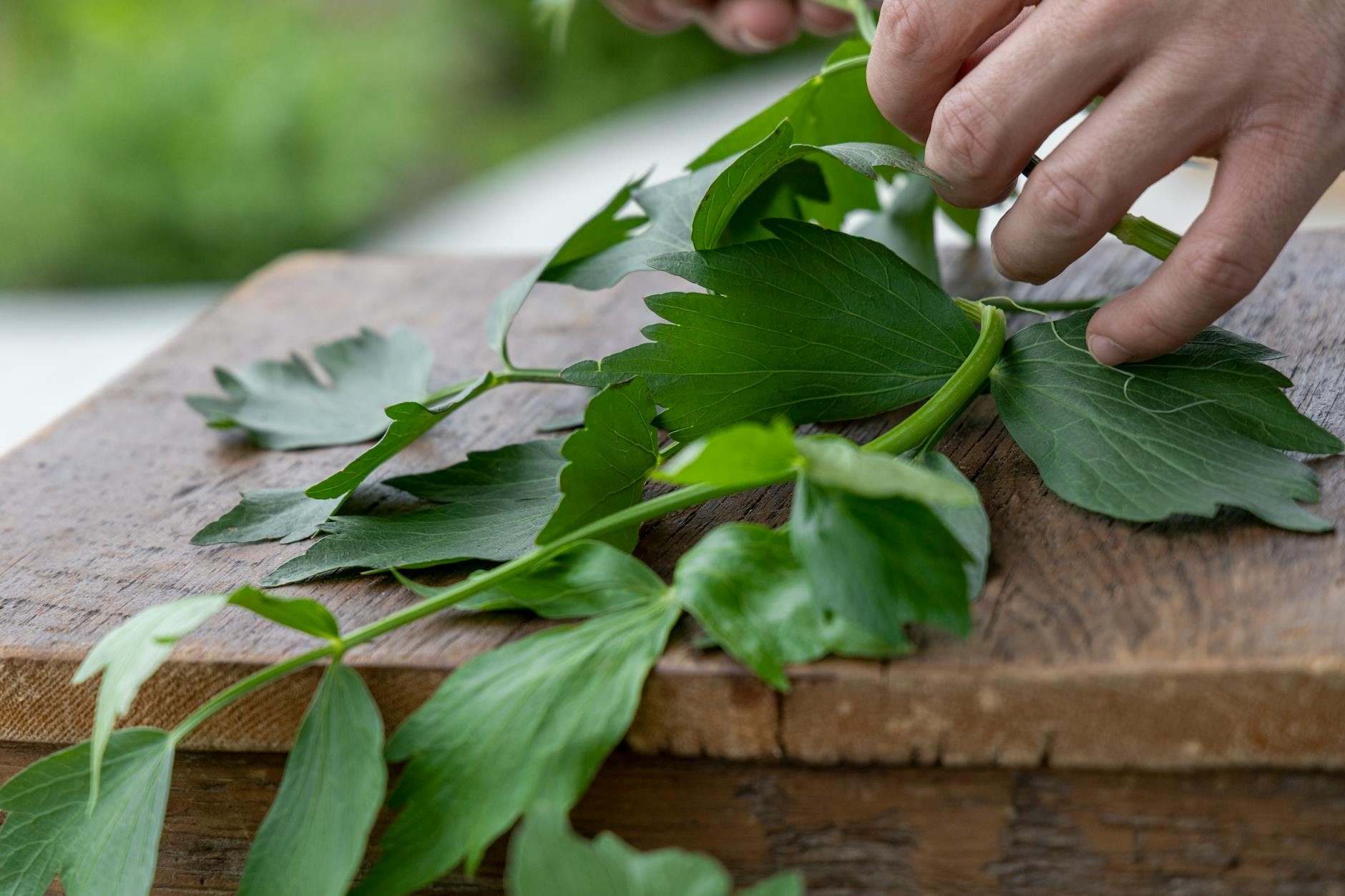
Lovage belongs to the Apiaceae family, a distinguished group that includes familiar plants like parsley, celery, carrots, and dill. Native to parts of Europe and Asia, particularly the Mediterranean region, it has since been cultivated globally for its aromatic and medicinal qualities. *Levisticum officinale* is characterized by its impressive stature, often reaching heights of 4 to 6 feet, with hollow, stout stems. Its dark green leaves are glossy, bipinnate or tripinnate, and resemble those of celery, contributing to its common moniker, “celery-leafed lovage.” In mid-summer, the plant produces distinctive umbels of small, yellowish-green flowers, which eventually give way to small, ribbed fruits (seeds). Every part of the Lovage plant – from its robust roots and succulent stems to its fragrant leaves and potent seeds – emits a strong, unique aroma, a complex blend of celery, parsley, and a hint of yeast, indicative of its rich chemical composition. Its deep, taproot system allows it to draw a wealth of nutrients from the soil, contributing to its therapeutic potency.
A Journey Through Time: Historical and Traditional Uses
The reverence for Lovage is not a modern phenomenon; its roots delve deep into antiquity. The ancient Romans highly prized Lovage, not only as a culinary flavoring agent but also for its perceived medicinal virtues, particularly as a digestive aid and a diuretic. Roman texts describe its use in various dishes, including their renowned “moretum,” a type of cheese and herb paste.
During the Middle Ages, Lovage found a prominent place in monastic gardens across Europe, becoming a staple in traditional herbal medicine. It was often referred to as “love root,” believed to possess aphrodisiac properties, and was incorporated into love potions and charms. Beyond romantic folklore, it was seriously employed for a wide array of ailments. Herbalists and apothecaries prescribed Lovage to expel worms, alleviate fever, treat respiratory conditions like coughs and sore throats, and as a diaphoretic to promote sweating. Its reputation as a potent diuretic and carminative (gas-expelling) made it a go-to remedy for urinary tract issues and digestive complaints. Some historical accounts even suggest its use in warding off the plague due to its strong aromatic properties and perceived purifying effects. The persistent belief in its ability to detoxify the body and stimulate various bodily functions ensured its continued presence in European folk medicine right up to the modern era, where it continues to enjoy a revival for its scientific backing and traditional efficacy.
The Bioactive Powerhouse: Unveiling Lovage’s Chemical Composition
The remarkable health benefits of Lovage are not arbitrary; they are intricately linked to a complex symphony of bioactive compounds present in its roots, leaves, and seeds. Understanding these constituents provides a scientific basis for its traditional uses and modern applications.
Primary Active Compounds
Lovage is a treasure trove of phytochemicals, each contributing to its unique therapeutic profile. The most significant classes of compounds include:
- Phthalides: These are arguably the most distinctive and pharmacologically significant compounds in Lovage, responsible for its characteristic aroma and many of its health benefits. Key phthalides include butylphthalide, ligustilide, senkyunolide, Z-ligustilide, and E-ligustilide. These compounds are known for their potent antispasmodic effects, which can relax smooth muscles, thereby alleviating cramps and spasms in the digestive tract and other areas. Furthermore, research indicates their anti-inflammatory properties and potential neuroprotective actions, suggesting benefits for brain health and mitigating inflammatory responses throughout the body. Ligustilide, in particular, has been studied for its potential to improve blood circulation and reduce platelet aggregation.
- Coumarins: Lovage contains various coumarins such as bergapten, psoralen, and osthole. Coumarins are known for their diverse biological activities, including anti-inflammatory, antioxidant, and anticoagulant properties. Bergapten and psoralen are particularly noteworthy for their photosensitizing effects, meaning they can increase skin sensitivity to sunlight. While this requires caution, these compounds also contribute to the plant’s overall therapeutic spectrum. Osthole has shown promise in studies for its bronchodilatory and vasodilatory effects.
- Essential Oils: The volatile essential oil extracted from Lovage, particularly from its roots, is rich in terpenes like alpha-terpineol, limonene, sabinene, and cineole. These volatile compounds are responsible for Lovage’s intense aroma and contribute significantly to its antimicrobial, carminative, and expectorant properties. They can help inhibit the growth of various microorganisms and aid in expelling mucus from the respiratory system.
- Flavonoids: Like many potent herbs, Lovage is rich in flavonoids such as quercetin and kaempferol. These polyphenolic compounds are powerful antioxidants, crucial for neutralizing harmful free radicals in the body, thereby reducing oxidative stress and protecting cells from damage. Flavonoids also exert significant anti-inflammatory and cardioprotective effects, supporting overall cellular health and cardiovascular function.
- Other Compounds: Beyond these primary classes, Lovage also contains phenolic acids (e.g., caffeic acid, ferulic acid), polyacetylenes, and a good profile of vitamins (especially Vitamin C and B-complex vitamins) and minerals (notably potassium), all of which contribute to its nutritional value and therapeutic efficacy. The high potassium content, for instance, naturally supports its diuretic actions.
Synergistic Effects
It is critical to understand that the health benefits of Lovage are rarely attributable to a single compound. Instead, it is the synergistic interplay of these numerous bioactive constituents that creates a holistic therapeutic effect. For instance, the combination of phthalides and essential oils contributes to its antispasmodic and digestive benefits, while flavonoids and coumarins enhance its anti-inflammatory and antioxidant capabilities. This “entourage effect” is a cornerstone of herbal medicine, where the whole plant often offers greater efficacy than isolated components.
Profound Health Benefits of Lovage: A Deep Dive
Armed with a comprehensive understanding of its chemical makeup, we can now explore the specific health benefits that make Lovage a remarkable natural remedy.
Diuretic and Kidney Health
One of Lovage’s most acclaimed and historically recognized benefits is its powerful diuretic action. The essential oils, particularly the phthalides and terpenes, stimulate the kidneys to increase the production and excretion of urine. This physiological process is invaluable for several reasons:
- Flushing Toxins: By promoting increased urine output, Lovage helps the body efficiently flush out metabolic waste products, toxins, and excess salts from the system. This detoxification process supports the overall burden on the kidneys and liver.
- Kidney Stone Prevention: The enhanced urine flow can help prevent the formation of kidney stones (nephrolithiasis) by reducing the concentration of stone-forming minerals in the urine. It can also aid in passing existing small stones by increasing fluid pressure.
- Urinary Tract Infection (UTI) Relief: Increased urination helps to cleanse the urinary tract, making it more difficult for bacteria to adhere to the bladder walls and multiply, thus assisting in the prevention and management of UTIs.
- Reducing Edema: For individuals suffering from fluid retention (edema) due to conditions like mild heart failure, premenstrual syndrome (PMS), or simply prolonged standing, Lovage can help alleviate swelling by promoting the excretion of excess fluids. The high potassium content also helps balance electrolyte levels, supporting proper fluid balance without depleting essential minerals.
Digestive Aid and Gut Health
Lovage has long been revered as a supreme digestive tonic, working through multiple mechanisms to soothe and support the gastrointestinal system.
- Carminative Properties: The essential oils in Lovage are potent carminatives, meaning they help to reduce the formation of gas in the digestive tract and facilitate its expulsion. This alleviates common complaints like bloating, flatulence, and abdominal discomfort.
- Antispasmodic Effects: The phthalides, particularly ligustilide, exert antispasmodic effects on the smooth muscles of the gut. This helps to relax an overly contracted stomach or intestinal wall, easing cramps, spasms, and the pain associated with conditions like irritable bowel syndrome (IBS) or indigestion.
- Stimulating Digestive Enzymes: Lovage is believed to stimulate the secretion of digestive juices and enzymes, enhancing the breakdown and absorption of nutrients from food. This can lead to improved appetite in those with digestive sluggishness and more efficient digestion overall.
- Liver and Gallbladder Support: Traditionally, Lovage has been used to support liver and gallbladder function, promoting bile flow which is crucial for fat digestion and detoxification processes.
Anti-inflammatory and Pain Relief
Chronic inflammation is a root cause of many modern diseases. Lovage offers a natural approach to mitigating inflammatory responses.
- Inhibition of Inflammatory Pathways: The coumarins and flavonoids in Lovage, such as quercetin and kaempferol, exhibit significant anti-inflammatory activity. They work by inhibiting key inflammatory mediators and pathways, similar to how some non-steroidal anti-inflammatory drugs (NSAIDs) function, but often with fewer side effects.
- Alleviating Aches and Pains: This anti-inflammatory action makes Lovage beneficial for reducing pain and swelling associated with conditions like arthritis, gout, and general muscle aches. Its antispasmodic properties also contribute to pain relief, particularly for muscle spasms.
- Menstrual Cramp Relief: For women experiencing dysmenorrhea (painful menstrual cramps), the antispasmodic and anti-inflammatory properties of Lovage can provide considerable relief by relaxing uterine muscles and reducing inflammation.
Respiratory Support
Lovage’s essential oils lend it expectorant and antispasmodic properties beneficial for the respiratory system.
- Expectorant Action: When consumed, Lovage can act as an expectorant, helping to loosen and thin mucus in the respiratory passages. This makes it easier to clear phlegm and provides relief from productive coughs associated with colds, bronchitis, or allergies.
- Bronchial Relaxation: The antispasmodic effects can extend to the bronchial tubes, potentially offering a mild bronchodilatory effect that may help soothe airways and reduce irritation, although it should not replace prescribed medications for severe respiratory conditions like asthma.
Antioxidant Powerhouse
The presence of flavonoids and phenolic acids makes Lovage a notable source of antioxidants.
- Scavenging Free Radicals: Antioxidants are vital for combating oxidative stress, a process caused by an imbalance between free radicals and the body’s ability to detoxify them. Lovage’s antioxidants effectively scavenge these harmful free radicals, protecting cellular structures, DNA, and proteins from damage.
- Cellular Protection: This cellular protection is fundamental for preventing premature aging, supporting immune function, and reducing the risk of numerous chronic diseases, including cardiovascular diseases, certain cancers, and neurodegenerative disorders.
Cardiovascular Health
Emerging research and traditional use suggest Lovage may offer benefits for the heart and circulatory system.
- Vasodilation and Blood Pressure: Some compounds, particularly certain phthalides and coumarins, have been observed to possess mild vasodilatory effects, meaning they can help relax blood vessels. This can contribute to better circulation and potentially a modest reduction in blood pressure.
- Anti-coagulant Properties: The coumarins in Lovage may also exhibit mild anticoagulant (blood-thinning) properties. While this can be beneficial for preventing clots, it also necessitates caution, especially for individuals on anticoagulant medications.
Antimicrobial Properties
The essential oil components of Lovage, especially terpenes, have demonstrated antimicrobial activity against various bacteria and fungi in vitro. This suggests that Lovage could play a role in supporting the immune system and potentially helping to combat certain infections, contributing to overall health resilience.
Skin Health and Topical Uses
Beyond internal consumption, Lovage has traditional applications for skin conditions.
- Soothing Irritations: Due to its anti-inflammatory and antiseptic properties, poultices or compresses made from Lovage leaves can be applied topically to soothe minor skin irritations, insect bites, and rashes.
- Wound Healing: Its potential antimicrobial effects may also contribute to a clean environment for minor wounds, potentially aiding in the healing process.
Neuroprotective Potential
Recent scientific interest has focused on the neuroprotective potential of phthalides found in Lovage. These compounds are being investigated for their ability to cross the blood-brain barrier and exert beneficial effects on neuronal health, including reducing inflammation in the brain and potentially protecting against neurodegenerative processes. While research is still in its early stages, it highlights another exciting dimension of Lovage’s therapeutic promise.
Practical Applications: Integrating Lovage into Your Lifestyle
Embracing the benefits of Lovage can be a delightful journey, whether through culinary experimentation or specific herbal preparations.
Culinary Uses
Lovage is a chef’s secret ingredient, renowned for its ability to deepen and complexify flavors, especially savory dishes. Its taste is often described as a richer, more intense version of celery, with hints of parsley and an earthy undertone.
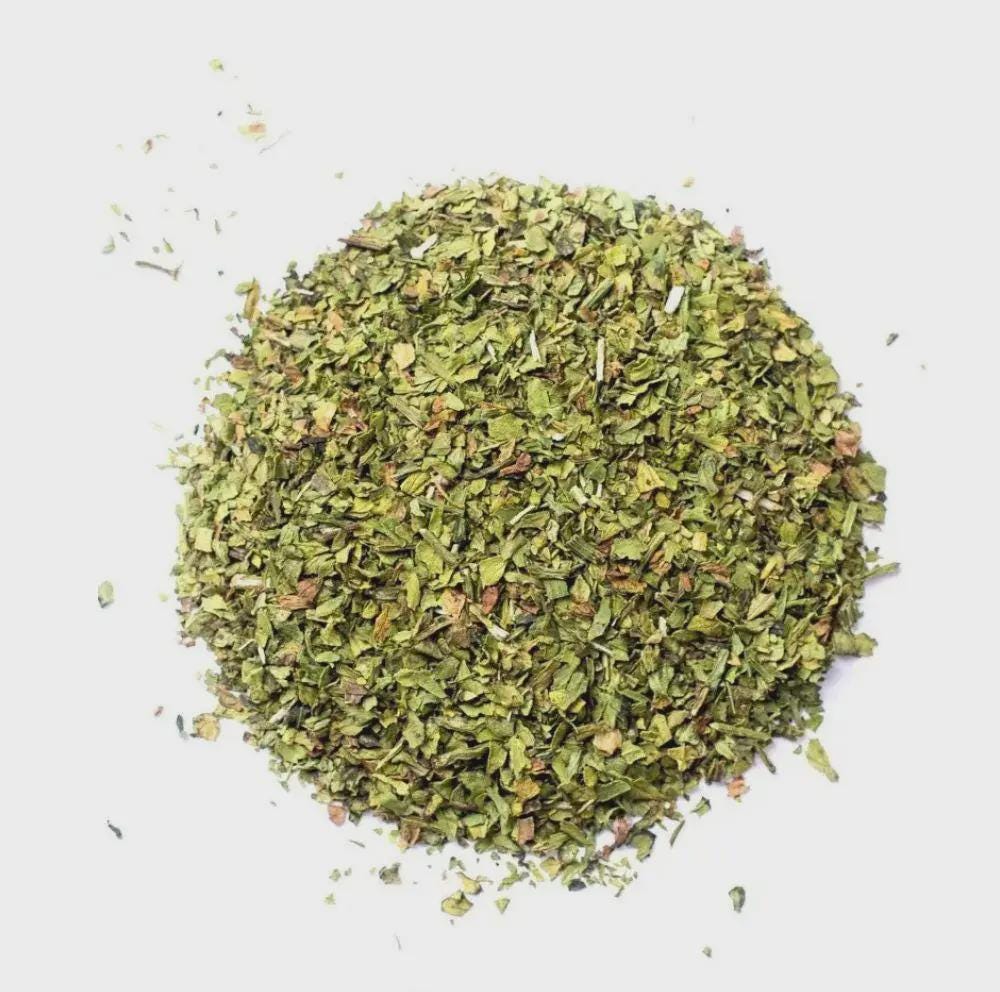
- Leaves: Fresh or dried Lovage leaves are excellent additions to soups, stews, broths, and stocks, imparting a depth of flavor often compared to bouillon cubes (hence its nickname “Maggi herb”). They can also be chopped and added to salads, potato dishes, omelets, and sauces. Use sparingly, as its flavor is potent.
- Roots: The roots can be peeled and added to vegetable dishes, roasted, or grated into salads for a more pungent flavor. They are also excellent infused into spirits or used in stocks.
- Seeds: Lovage seeds are highly aromatic and can be used as a spice, particularly in baking, bread-making, or pickling. They can also be ground and added to spice rubs for meats.
Herbal Preparations
For therapeutic purposes, Lovage can be prepared in various forms:
- Teas/Infusions: A popular method, especially for digestive and diuretic benefits. To prepare, steep 1-2 teaspoons of dried Lovage leaves or root (or a few fresh leaves) in a cup of hot water for 10-15 minutes. Strain and drink up to three times a day. For stronger effects, particularly from the root, a decoction (simmering the herb in water) might be preferred.
- Tinctures: Lovage tinctures are concentrated liquid extracts made by soaking the herb in alcohol. They offer a convenient and potent way to consume Lovage. Dosages typically range from 1-5 ml, 1-3 times daily, but should always follow product instructions or professional advice.
- Poultices/Compresses: For topical application, fresh Lovage leaves can be crushed and applied directly to the skin as a poultice for minor irritations, or a strong tea can be used as a compress.
Supplements and Extracts
For those seeking consistent dosages or specific concentrations of Lovage’s active compounds, supplements are available.
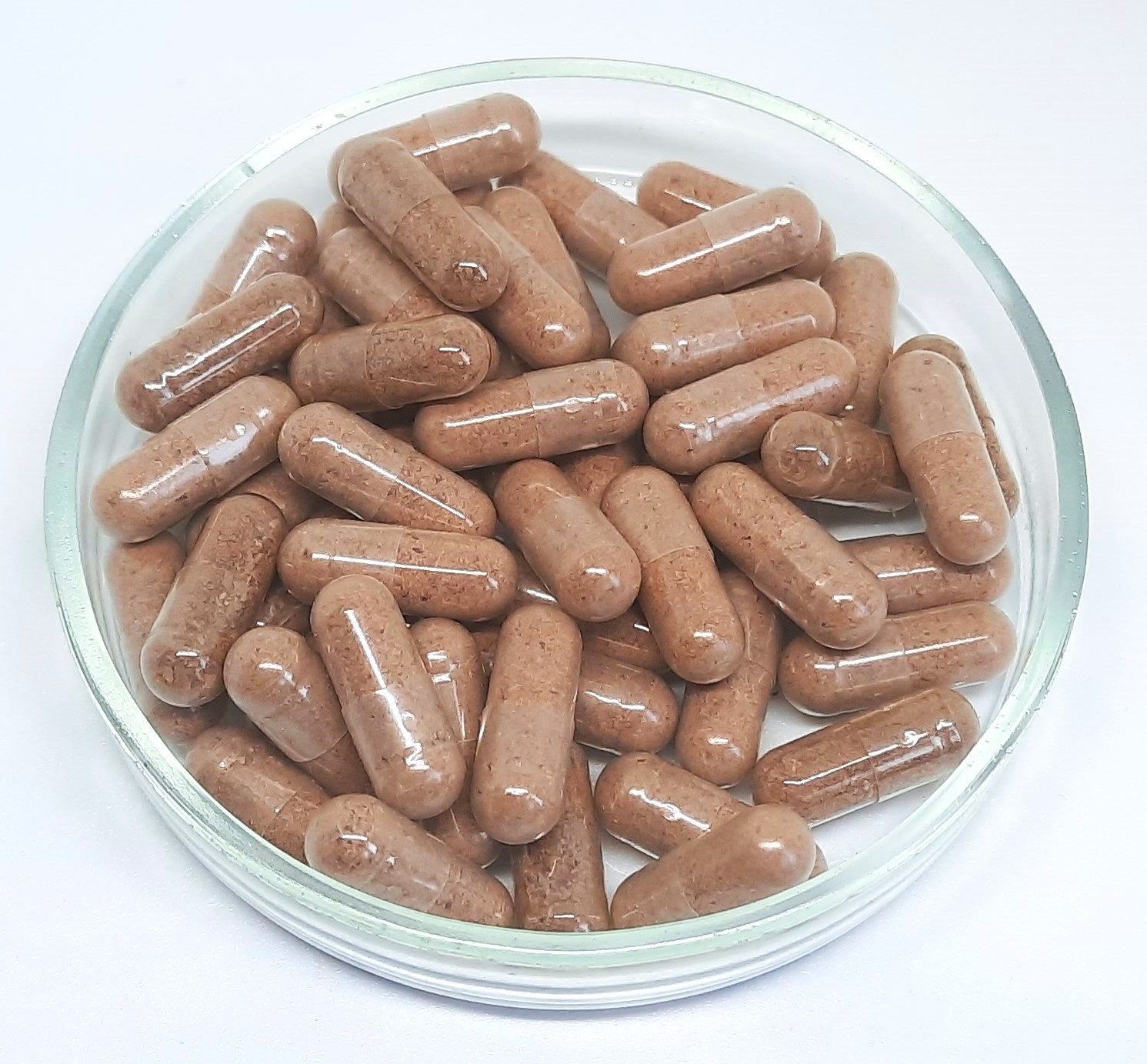
- Capsules: Lovage root or leaf powder is often encapsulated, providing a convenient way to consume the herb without its strong taste. These are typically standardized to ensure a consistent level of active ingredients.
- Liquid Extracts: Similar to tinctures but sometimes alcohol-free, liquid extracts offer an alternative for precise dosing and quick absorption.
Dosage, Safety, and Precautions
While Lovage is generally considered safe for most healthy adults when consumed in culinary amounts, its potent medicinal properties warrant careful consideration, especially when used therapeutically.
General Guidelines
It is always prudent to start with a low dose and gradually increase it, observing how your body responds. For specific health concerns, consulting a qualified healthcare professional or a certified herbalist is highly recommended to determine the appropriate dosage and preparation, as this can vary significantly based on the form (fresh, dried, extract, capsule), individual health status, and the specific condition being addressed.
Potential Side Effects
- Photosensitivity: The most significant concern with therapeutic doses of Lovage, especially the root, is its coumarin content (bergapten and psoralen), which can increase skin sensitivity to ultraviolet (UV) light. This can lead to sunburn or skin rashes if exposed to strong sunlight or tanning beds after consumption. Individuals should exercise caution and use sunscreen when using Lovage internally at higher doses.
- Gastrointestinal Upset: While generally beneficial for digestion, very high doses may occasionally cause mild stomach upset in sensitive individuals.
Contraindications
Certain individuals should avoid Lovage or use it with extreme caution:
- Pregnancy and Breastfeeding: Lovage is traditionally considered an emmenagogue (a substance that stimulates menstrual flow) and may act as a uterine stimulant in high doses. Therefore, it is generally advised to avoid Lovage during pregnancy. Due to insufficient research, it is also best to avoid during breastfeeding.
- Kidney Conditions: While beneficial for many kidney-related issues, individuals with active kidney inflammation (e.g., pyelonephritis), severe kidney disease, or kidney failure should avoid Lovage, as its diuretic action might put undue strain on already compromised kidneys. Always consult a nephrologist.
- Bleeding Disorders or Anticoagulant Medication: Due to its coumarin content and potential mild blood-thinning effects, Lovage should be used with extreme caution or avoided by individuals with bleeding disorders or those taking anticoagulant medications (e.g., Warfarin, Aspirin), as it could potentiate the effects and increase the risk of bleeding.
- Allergies: Individuals with known allergies to plants in the Apiaceae family (e.g., celery, parsley, carrot, dill, caraway) may experience allergic reactions to Lovage.
Interactions
- Anticoagulants: As mentioned, Lovage may interact with blood-thinning medications, potentially increasing their effects and the risk of bleeding.
- Diuretics: Combining Lovage with pharmaceutical diuretics may lead to an additive effect, potentially causing excessive fluid loss or electrolyte imbalances.
- Lithium: Due to its diuretic properties, Lovage may increase the concentration of lithium in the body, potentially leading to increased side effects.
Always inform your healthcare provider about all herbs and supplements you are taking.
Conclusion
Lovage (*Levisticum officinale*) stands as a testament to the enduring power of botanical medicine, a verdant marvel whose historical reverence is now increasingly validated by modern scientific inquiry. From its distinctive culinary presence to its profound therapeutic applications, Lovage offers a spectrum of health benefits rooted in its rich profile of bioactive compounds. Its remarkable ability to act as a natural diuretic, a potent digestive aid, an effective anti-inflammatory agent, and a source of powerful antioxidants makes it a truly versatile herb.
As we navigate an increasing interest in natural health solutions, Lovage emerges as a compelling contender, bridging the gap between ancient wisdom and contemporary wellness. However, like all potent remedies, responsible and informed use, coupled with professional guidance, is paramount. By understanding its botanical nuances, delving into its chemical complexities, and respecting its potential interactions, individuals can mindfully integrate Lovage into their lives, harnessing the full potential of this magnificent “love root” for enhanced vitality and well-being. Embrace Lovage, and discover a natural path to better health.
Disclaimer: For informational purposes only. Not medical advice. Consult a qualified healthcare professional before use.