The Health Benefits of White Water Lily: A Comprehensive Scientific and Historical Guide
For millennia, the serene surfaces of slow-moving rivers, tranquil ponds, and freshwater lakes across Europe, North Africa, and parts of Asia have been graced by the pristine blooms of the white water lily (Nymphaea alba). Beyond its undeniable botanical beauty, this aquatic perennial holds a venerable place in the annals of global ethnobotany and traditional medicine. Often revered as a symbol of purity, peace, and spiritual rebirth, the white water lily is also a powerhouse of complex bioactive compounds. Modern phytochemistry is increasingly validating what ancient healers instinctively understood: that the roots, leaves, and petals of Nymphaea alba possess profound therapeutic properties capable of supporting nervous system equilibrium, alleviating inflammatory conditions, nurturing the skin, and optimizing overall systemic wellness.
This comprehensive, science-backed guide explores the rich history, intricate botanical characteristics, complex phytochemical profile, and clinically relevant health benefits of the white water lily. Whether you are an experienced herbalist, a functional medicine practitioner, or a health conscious consumer looking to expand your natural pharmacy, this deep-dive exploration will illuminate the multi-faceted therapeutic potential of this extraordinary aquatic botanical.
Historical Significance and Cultural Legacy
The cultural and medical history of the white water lily is deeply intertwined with the development of early human civilizations. In ancient Egypt, water lilies (including Nymphaea alba and its relative Nymphaea caerulea) were central to religious iconography and spiritual practices. They were associated with the sun god Ra and the cycle of creation, as the flowers close their petals at night and submerge, only to rise and bloom again with the morning sun. Egyptian priests and healers utilized preparations of the plant in sacred rituals and as a therapeutic draft to induce states of calm, spiritual receptivity, and physical relaxation.
In Classical Greece, the renowned physician Dioscorides documented the use of Nymphaea alba in his seminal pharmacological text, De Materia Medica. Dioscorides and his contemporaries prescribed the roots and seeds of the water lily to treat gastrointestinal distress, calm hyperactive states of mind, and manage excessive libido. This latter application earned the plant a reputation as a powerful anaphrodisiac—a property that would be heavily utilized during the medieval period in Europe. Monks and nuns in Christian monasteries frequently consumed preparations of white water lily root to assist in maintaining vows of celibacy, earning the plant common folk names like “herbe au prêtre” (priest’s herb) and “nun’s discipline.”
Across traditional European folk medicine, the white water lily was also employed as a cooling remedy. It was formulated into soothing poultices to treat sunburns, inflammatory skin diseases, and localized physical trauma, as well as brewed into decoctions to resolve chronic diarrhea, bronchial irritation, and internal hemorrhages. The persistence of its use across diverse cultures and centuries underscores the profound physiological effects this plant exerts on the human body.
Botanical Profile and Ecological Characteristics
Belonging to the family Nymphaeaceae, Nymphaea alba is a hardy, aquatic perennial herb characterized by its deeply submerged, thick, fleshy rhizomes that anchor firmly into the muddy substrates of freshwater bodies. From these nutrient-dense rhizomes, long, flexible, air-filled petioles extend upward, terminating in large, floating, orbicular leaves. These leaves, commonly referred to as lily pads, feature a smooth, leathery surface with a waxy, water-repellent cuticle on top, and a deep reddish-purple underside equipped with specialized stomata to facilitate gas exchange in an aquatic environment.
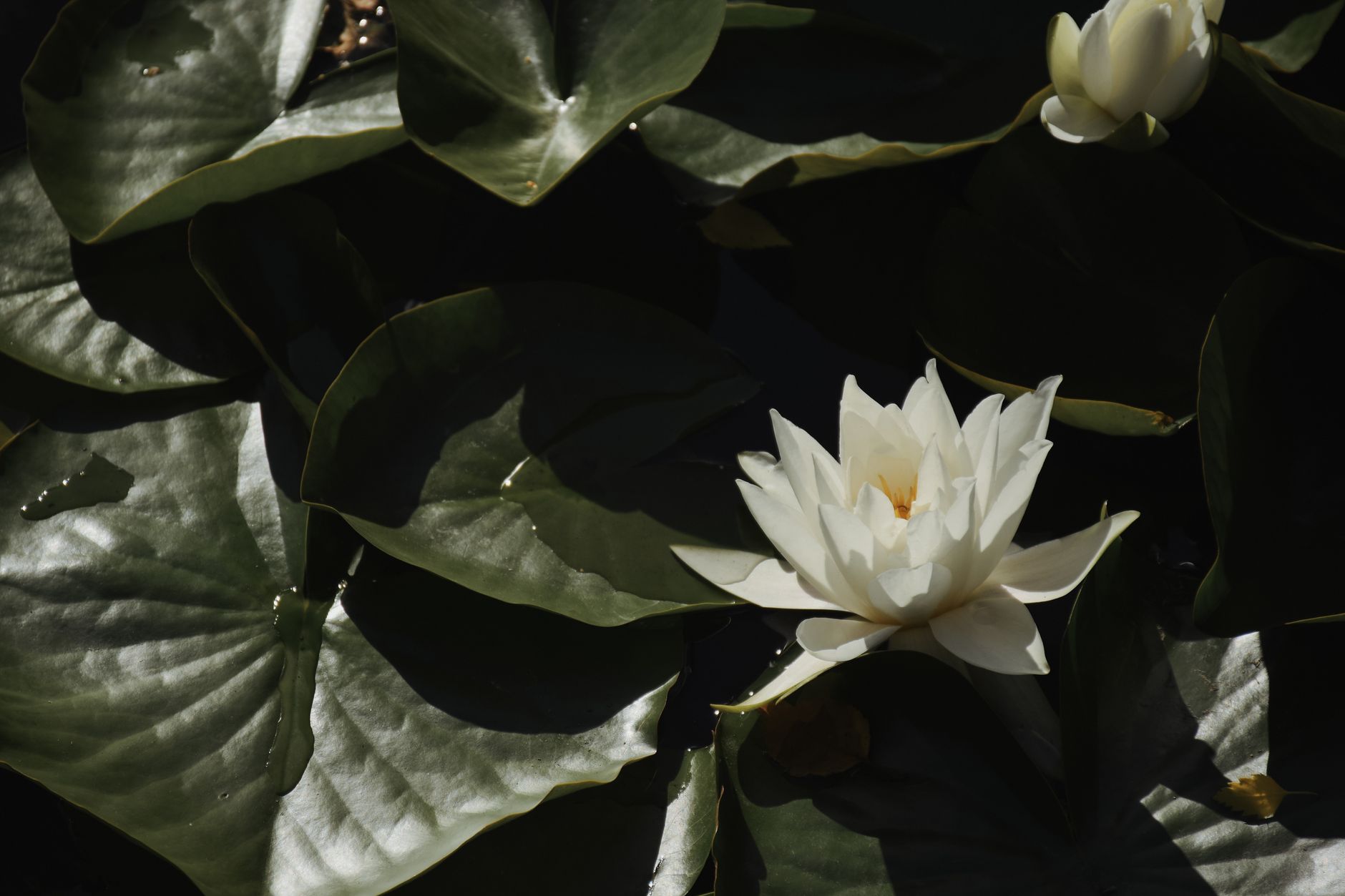
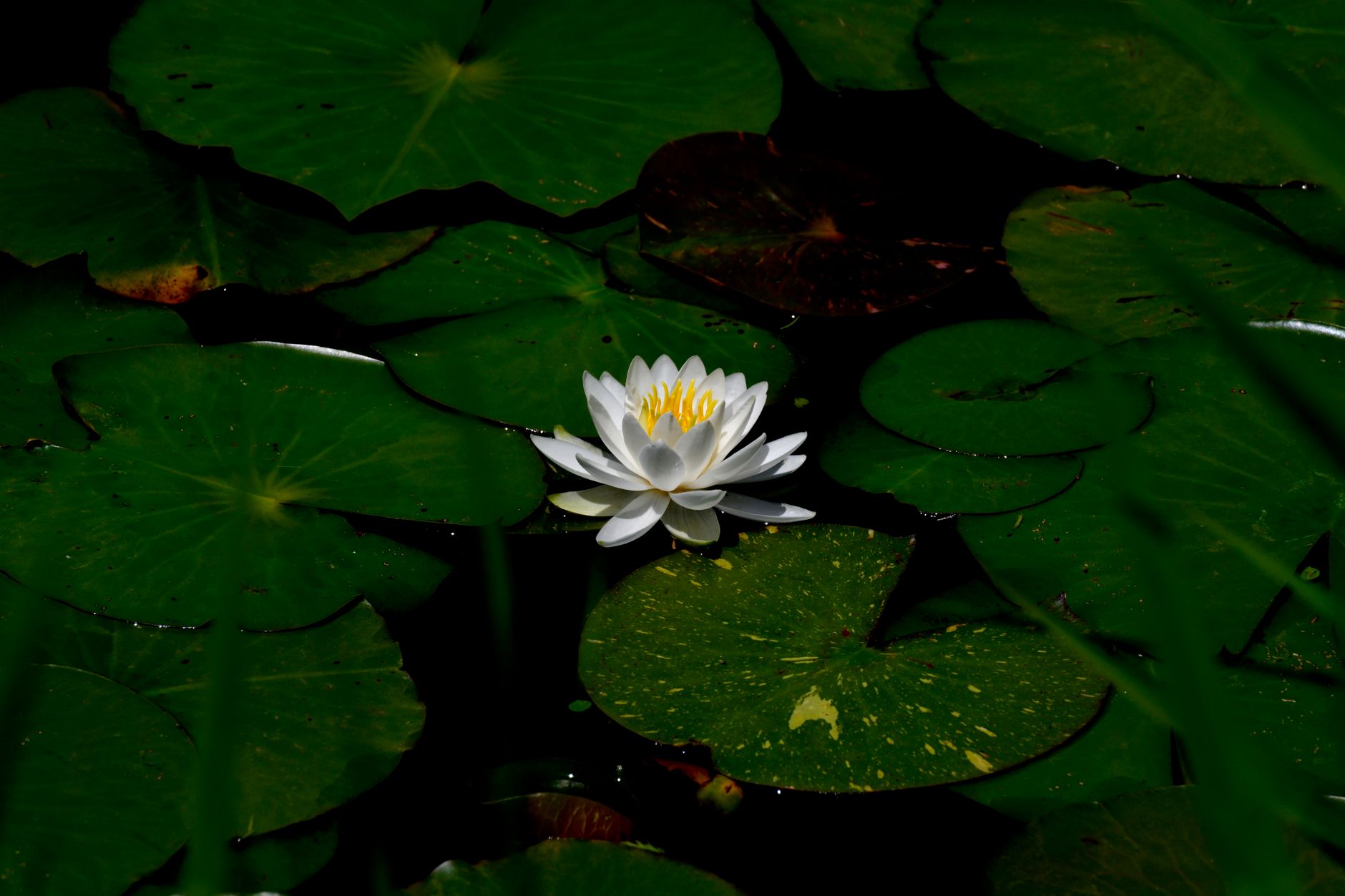
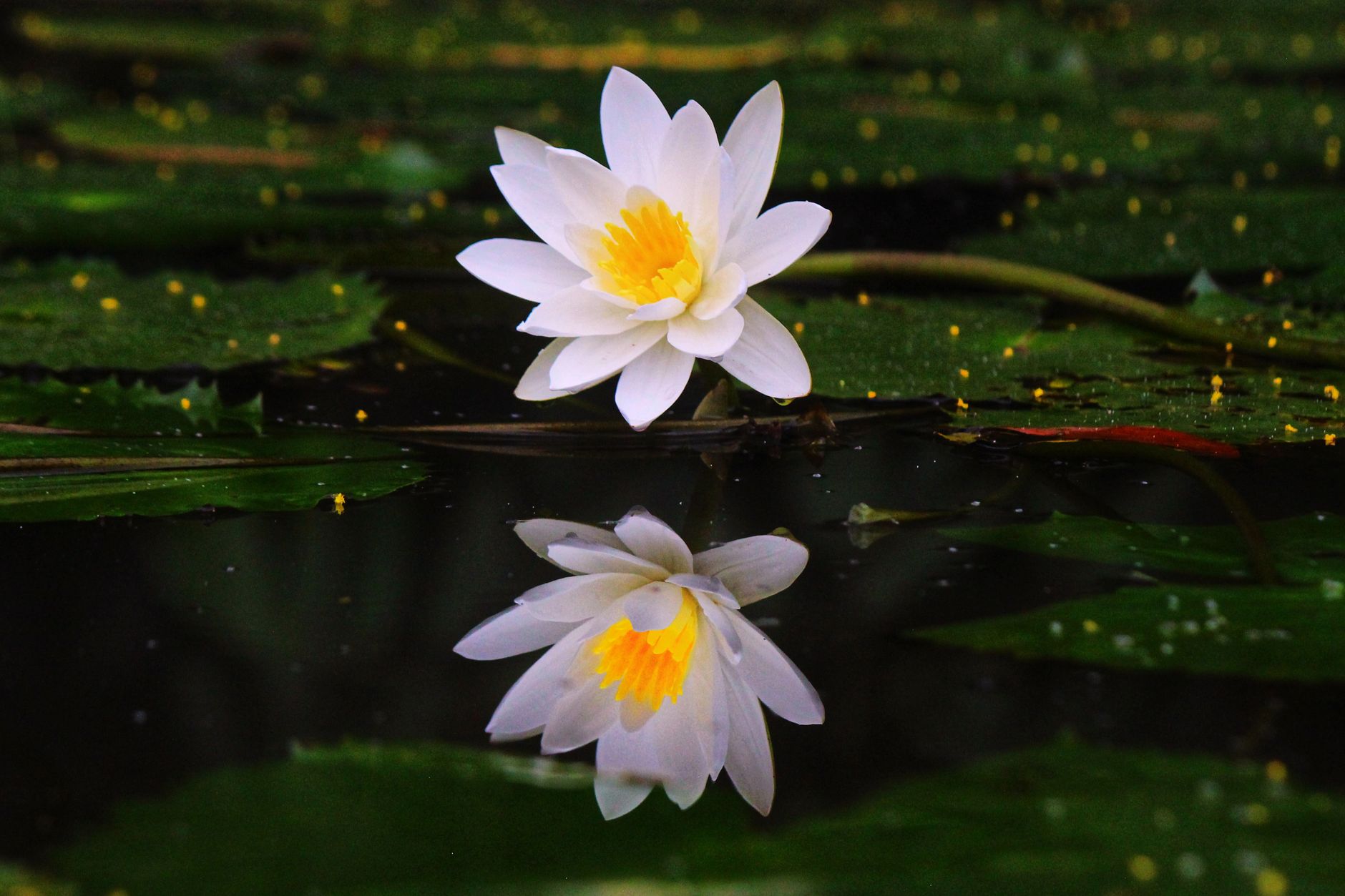
The flowers of Nymphaea alba are solitary, hermaphroditic, and visually striking, measuring up to 20 centimeters in diameter. They consist of numerous spirally arranged, pure white petals that transition gradually into bright yellow, pollen-rich stamens at the center. The plant’s blooming period spans from late spring to early autumn. This species exhibits nyctinasty, meaning the flowers open during the daylight hours to attract pollinators like beetles and bees, and close tightly at dusk. Ecological preservation is vital for this species; because water lilies act as natural water purifiers by absorbing heavy metals and providing critical shelter and oxygenation for aquatic life, harvesting must always be conducted sustainably and from pristine, unpolluted ecosystems.
Phytochemical Composition: The Biochemical Engine of Nymphaea alba
The therapeutic efficacy of the white water lily is a direct consequence of its complex secondary metabolites. Unlike synthetic pharmaceuticals that isolate a single active molecule, the medicinal action of Nymphaea alba arises from the synergistic interaction of several distinct phytochemical classes found throughout its rhizomes, leaves, and blossoms.
The primary bioactive constituents discovered through modern phytochemical analysis include:
- Alkaloids: The most pharmacologically active compounds in Nymphaea alba are unique sesquiterpene alkaloids, primary among which are nupharine, nymphaeine, and beta-nupharidine. These nitrogenous compounds interact directly with the central nervous system, exhibiting mild sedative, spasmolytic, and neuroprotective properties.
- Flavonoids: The flowers and leaves are rich in antioxidant flavonoids, including quercetin, kaempferol, myricetin, and their glycosidic derivatives (such as hyperoside and rutin). These molecules neutralize harmful reactive oxygen species (ROS), protect cellular integrity, and modulate inflammatory pathways.
- Tannins: High concentrations of gallotannins and ellagitannins are concentrated in the rhizomes. These polyphenolic compounds exert a powerful astringent effect, precipitating proteins to form a protective barrier over mucous membranes and wounded skin, which aids in healing and controls minor bleeding.
- Cardiac Glycosides and Cardenolides: Found in trace, safe amounts when properly prepared, these compounds can exert mild cardiotonic activities, influencing myocardial contraction and cardiovascular tone under expert supervision.
- Mucilage and Plant Sterols: Mucilage provides highly soothing, demulcent properties that coat and protect irritated epithelial tissues. Concurrently, phytosterols like beta-sitosterol work to modulate systemic inflammatory cascades and support lipid metabolism.
Deep-Dive into the Health Benefits of White Water Lily
1. Advanced Stress Reduction, Anxiolysis, and Sleep Support
In our modern, high-stress society, chronic activation of the sympathetic nervous system (the “fight-or-flight” response) is a leading driver of physical and mental illness. White water lily acts as a potent nervine and adaptogenic agent, helping to restore balance to an overtaxed nervous system. The primary mechanism driving this benefit is the interaction of its specific alkaloids, nupharine and nymphaeine, with neurotransmitter receptors in the brain.
Research suggests that these active alkaloids exhibit a calming effect on the central nervous system by modulating gamma-aminobutyric acid (GABA) pathways. GABA is the primary inhibitory neurotransmitter in the human brain, responsible for slowing down neuronal firing and promoting feelings of tranquility, safety, and physical relaxation. By supporting GABAergic activity and gently reducing excitotoxicity caused by excess glutamate, white water lily helps to quieten the racing thoughts associated with generalized anxiety disorder, panic states, and chronic mental fatigue.
Furthermore, because of its ability to transition the body into a parasympathetic state (the “rest-and-digest” mode), Nymphaea alba serves as an exceptional natural sleep aid. Unlike synthetic sedative-hypnotics, which disrupt natural sleep architecture and can lead to dependency or next-day cognitive fog, white water lily promotes a natural, restorative sleep cycle. It reduces the latency to sleep onset and enhances the deeper, regenerative stages of slow-wave sleep, allowing individuals to wake up feeling genuinely restored.
2. Anti-Inflammatory Action and Systemic Pain Management
Chronic, low-grade inflammation is the underlying driver of most degenerative diseases, including osteoarthritis, cardiovascular disease, and metabolic disorders. The rich flavonoid and phenolic acid profile of the white water lily offers profound anti-inflammatory and analgesic benefits by intervening directly in the body’s inflammatory signaling cascades.
Scientific investigations indicate that extracts of Nymphaea alba effectively inhibit the activity of key pro-inflammatory enzymes, namely cyclooxygenase-2 (COX-2) and 5-lipoxygenase (5-LOX). These enzymes are responsible for converting arachidonic acid into pro-inflammatory mediators like prostaglandins and leukotrienes, which trigger localized pain, swelling, and tissue destruction. By blocking these pathways, white water lily acts as a natural, plant-based alternative to non-steroidal anti-inflammatory drugs (NSAIDs), helping to alleviate chronic joint pain, muscular aches, and tension headaches without the associated gastrointestinal or renal side effects.
Additionally, the high concentration of systemic antioxidants within the plant neutralizes free radicals that cause oxidative stress. Oxidative stress and chronic inflammation exist in a destructive feedback loop; by scavenging reactive oxygen species (ROS), the phytochemicals in white water lily break this cycle, protecting tissues from premature aging, preserving joint mobility, and supporting arterial health.
3. Dermatological Transformation and Anti-Aging Benefits
The cosmetic and dermatological industries have recently rediscovered Nymphaea alba as a premier active ingredient for advanced skincare formulations. The unique combination of mucilage, tannins, and specialized flavonoids within the plant makes it exceptionally suited for addressing both sensitive skin conditions and the biological signs of aging.
For individuals struggling with inflammatory skin conditions such as eczema, psoriasis, rosacea, or acute sunburn, the white water lily provides immediate, soothing relief. Its high mucilage content acts as a natural humectant, drawing moisture into the stratum corneum (the outermost layer of the skin) and creating a breathable, protective barrier that seals in hydration and accelerates cellular repair. The astringent tannins present in the rhizome extract help to tighten dilated pores, reduce excess sebum production, and soothe the redness and irritation associated with inflammatory acne.
From an anti-aging perspective, white water lily extract targets the primary structural proteins of the skin: collagen and elastin. As we age, enzymes known as collagenase and elastase break down these essential proteins, leading to fine lines, wrinkles, and loss of skin elasticity. Active compounds in Nymphaea alba have been shown to inhibit these destructive enzymes, thereby preserving the structural integrity of the dermal matrix. Furthermore, the extract helps inhibit melanogenesis (the overproduction of melanin triggered by UV exposure and inflammation), making it a highly effective natural agent for fading hyperpigmentation, age spots, and achieving a bright, even skin tone.
4. Modulation of Libido and Reproductive Health
While many botanical adaptogens are celebrated for their ability to boost libido, the historical reputation of the white water lily as an anaphrodisiac remains one of its most unique and valuable therapeutic attributes. In specific clinical scenarios—such as managing hypersexuality, supporting individuals undergoing spiritual celibacy, or calming excessive physical tension and obsessive mental states associated with high libido—Nymphaea alba serves as an invaluable therapeutic tool.
The physiological mechanism behind this effect is believed to reside in the plant’s alkaloid-driven sedation of the central nervous system and its mild antispasmodic action on the smooth muscles of the genitourinary tract. By reducing central nervous system excitability and lowering circulating levels of excessive sympathetic drive, white water lily helps to calm both the physical and psychological impulses of intense sexual drive. Importantly, when used in appropriate, therapeutic doses, it does not cause reproductive toxicity or long-term hormonal disruption; rather, it temporarily pacifies overactive neural pathways to restore psychological and physical equilibrium.
Conversely, in traditional women’s healthcare, the root of the white water lily has been utilized to manage uterine congestion, pelvic inflammatory conditions, and painful menstruation (dysmenorrhea). Its spasmolytic and muscular-relaxant properties help to alleviate acute uterine cramping, while its astringent nature helps to regulate menorrhagia (abnormally heavy or prolonged menstrual bleeding).
Traditional Uses and Ethnobotanical Preparations
Throughout history, different parts of the white water lily were meticulously prepared depending on the specific health condition being targeted. The root (rhizome), which is highly concentrated in tannins and starch, was typically harvested in the autumn, thoroughly cleaned, sliced, and dried for future use.

Traditional preparations of the dried herb include:
- Decoctions: Because the rhizome is tough and woody, it requires prolonged boiling to extract its therapeutic compounds. A traditional decoction is prepared by simmering 1 to 2 teaspoons of the dried, cut root in 8 ounces of water for 15 to 20 minutes. This preparation is highly astringent and was historically consumed to soothe digestive tract inflammation, chronic diarrhea, and internal mucosal irritation, or used cool as a gargle for sore throats and mouth ulcers.
- Infusions: The delicate white flowers and leaves are better suited for light infusions. Pouring freshly boiled water over dried petals and steeping for 10 to 15 minutes yields a fragrant, calming tea that targets insomnia, mild anxiety, and nervous restlessness.
- Poultices and Fomentations: For external applications, the fresh root was grated and applied directly to boils, inflamed joints, and slow-healing wounds. Alternatively, cloth pads soaked in a strong decoction of the root or flowers were applied to the skin to soothe burns, reduce localized swelling, and calm dermatological eruptions.
Modern Herbal Formulations and Supplement Science
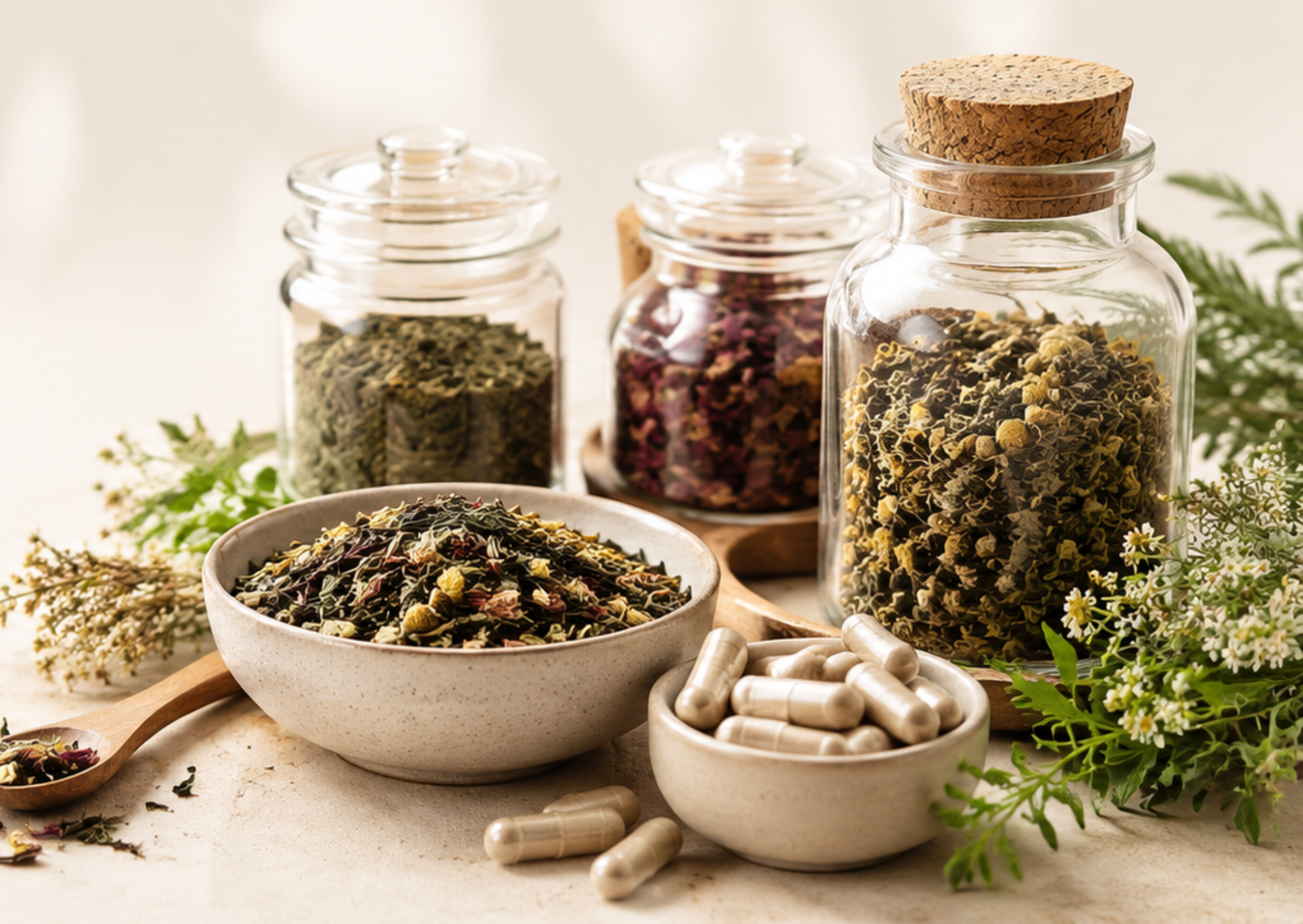
In modern clinical herbalism, the therapeutic application of Nymphaea alba has transitioned from rustic traditional teas to standardized, highly bioavailable modern delivery systems. These contemporary formulations ensure consistent dosing of the plant’s active alkaloids and flavonoids, offering reliable therapeutic outcomes for consumers and healthcare practitioners alike.
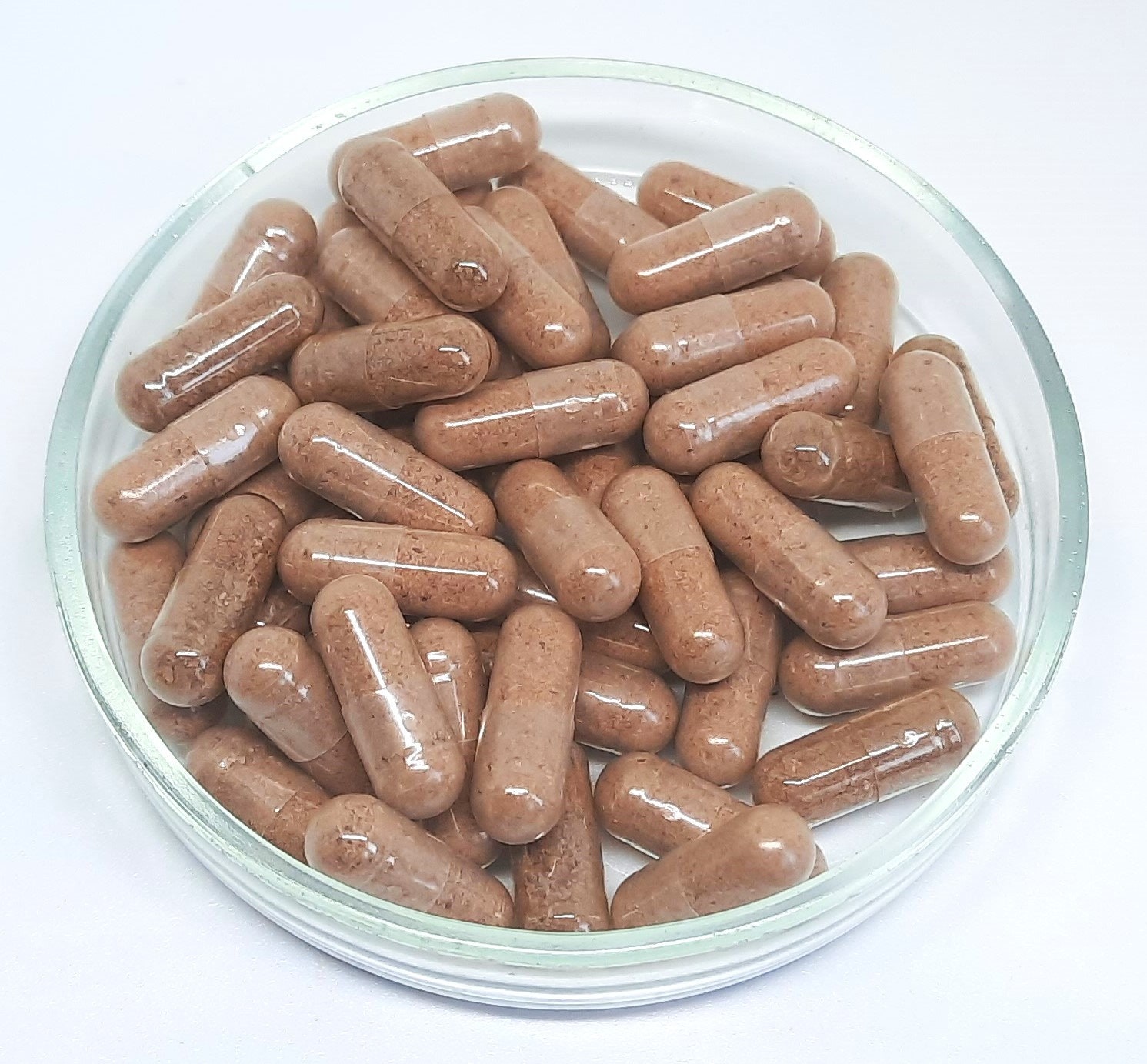
Today, consumers can access the benefits of white water lily through several primary delivery methods:
- Standardized Herbal Capsules: Encapsulated dried powder or concentrated dry extracts offer a convenient, taste-free, and precise method of ingestion. Standardized capsules ensure that a specific concentration of active alkaloids (such as nupharine) is delivered in every dose, making them ideal for managing chronic conditions like daily anxiety, sleep disorders, or systemic inflammatory pain.
- Liquid Tinctures and Glycerites: Liquid extracts utilize a mixture of water and alcohol (or vegetable glycerin for alcohol-free options) to pull both water-soluble and alcohol-soluble compounds from the plant material. Tinctures bypass the digestive tract more rapidly than capsules, allowing for quicker absorption and rapid relief during acute states of panic, physical tension, or acute insomnia.
- Topical Creams and Serums: High-end, clean beauty brands incorporate concentrated white water lily extracts into anti-aging serums, soothing moisturizers, and under-eye creams to combat cellular aging, calm redness, and deeply hydrate the skin.
Recommended Dosage, Preparation, and Practical Applications
Determining the correct dosage of white water lily depends heavily on the form of the supplement being used, the individual’s constitution, and the specific health goal. Because of the pharmacological potency of its alkaloids, it is always recommended to start with the lowest effective dose and gradually increase under the guidance of a qualified healthcare provider.
The following parameters serve as a general clinical guideline for adult administration:
- Standardized Dry Extract Capsules: A typical starting dose ranges from 250 mg to 500 mg, taken once or twice daily. For sleep support, the dose is best consumed approximately 30 to 60 minutes before bedtime.
- Liquid Tincture (1:5 ratio in 40% alcohol): 1 to 2 mL (approximately 30 to 60 drops), taken 2 to 3 times daily in a small amount of water or juice.
- Traditional Dried Root Decoction: 3 to 5 grams of dried root simmered in 250 mL of water, taken up to twice daily. Use with caution to avoid gastrointestinal irritation from excess tannins.
- Topical Application: Apply standardized skin creams or oil infusions containing 2% to 5% water lily extract to affected areas of clean skin morning and evening.
Safety, Side Effects, and Critical Contraindications
While the white water lily is a highly therapeutic botanical with a long history of safe use, its profound biological activity necessitates caution. Understanding potential side effects and contraindications is essential for integrating this herb safely into your wellness routine.
Because of its potent sedative and GABA-modulating properties, white water lily should not be combined with prescription central nervous system (CNS) depressants, including benzodiazepines, barbiturates, sleep medications, or alcohol. Combining these substances can lead to additive sedative effects, resulting in excessive drowsiness, slowed reflexes, or respiratory depression. For the same reason, individuals should avoid operating heavy machinery or driving after consuming internal doses of this herb.
In high doses, the alkaloids present in the plant (specifically nupharine) can cause mild toxicity, manifesting as nausea, gastrointestinal cramps, dizziness, or a slowed heart rate (bradycardia). Always adhere strictly to recommended serving sizes. Due to a lack of comprehensive safety data regarding developing fetuses and infants, the use of Nymphaea alba is strictly contraindicated for pregnant and breastfeeding women.
Finally, individuals with pre-existing cardiovascular conditions, particularly bradycardia or hypotension (low blood pressure), should exercise extreme caution and consult their cardiologist before using white water lily, as the plant’s mild cardiotonic and vasodilatory properties can alter heart rate and blood pressure dynamics.
Conclusion: Embodying the Quiet Wisdom of the Water Lily
The white water lily (Nymphaea alba) is far more than an ornamental jewel gracing wild wetlands; it is a profound botanical ally capable of bringing deep peace, healing, and biological restoration to the human body. From its roots anchored in the dark mud to its pristine white blossoms reaching for the sunlight, the water lily embodies the concept of physical and emotional equilibrium. By combining ancient historical wisdom with the rigorous validation of modern science, we can safely and effectively harness this plant’s remarkable power to calm anxious minds, restore restorative sleep, soothe painful inflammation, and cultivate vibrant, youthful skin.
As you integrate this elegant herb into your natural wellness regimen—whether through a soothing evening tea, a highly concentrated capsule, or a rejuvenating facial serum—remember to respect its potency and seek out sustainably sourced, high-quality preparations. In doing so, you connect with a legacy of natural healing that spans millennia, finding balance and serenity through the quiet medicine of the water lily.
Disclaimer: For informational purposes only. Not medical advice. Consult a qualified healthcare professional before use.