The Definitive Guide to Black Cohosh: Health Benefits, Phytochemistry, and Clinical Applications
Black Cohosh (Actaea racemosa, formerly known as Cimicifuga racemosa) stands as one of the most thoroughly researched and widely utilized botanical remedies in the world. Renowned primarily for its role in mitigating the symptoms of menopause, this perennial herb has a rich history that spans centuries of traditional Indigenous medicine, 19th-century eclectic medical practice, and modern clinical pharmacology. Today, as women increasingly seek evidence-based, natural alternatives to conventional Hormone Replacement Therapy (HRT), Black Cohosh continues to attract significant scientific interest. This comprehensive guide explores the botanical profile, deep historical roots, complex phytochemistry, clinical health benefits, and safe application of this remarkable botanical therapeutic.
Botanical Profile and Ecological Characteristics
Belonging to the buttercup family (Ranunculaceae), Black Cohosh is a stately, shade-loving perennial native to the rich, deciduous woodlands of eastern North America, ranging from southern Ontario to Georgia, and west to Arkansas and Missouri. The plant thrives in moist, organic-rich soils under the dense canopy of hardwood forests, where it plays an integral role in the forest floor ecosystem.
Visually, Black Cohosh is highly distinctive. It produces large, deeply lobed, tripod-pinnate leaves that resemble those of the astilbe. During its mid-summer blooming period, the plant sends up dramatic, slender flower spikes—known botanically as racemes—that can reach heights of up to eight feet. These racemes bear hundreds of tiny, delicate, creamy-white flowers that lack petals but feature dense, tufted stamens. This ethereal appearance has earned the plant several descriptive common names, including “fairy candle” and “bugbane,” the latter referring to the plant’s pungent, insect-repelling scent.
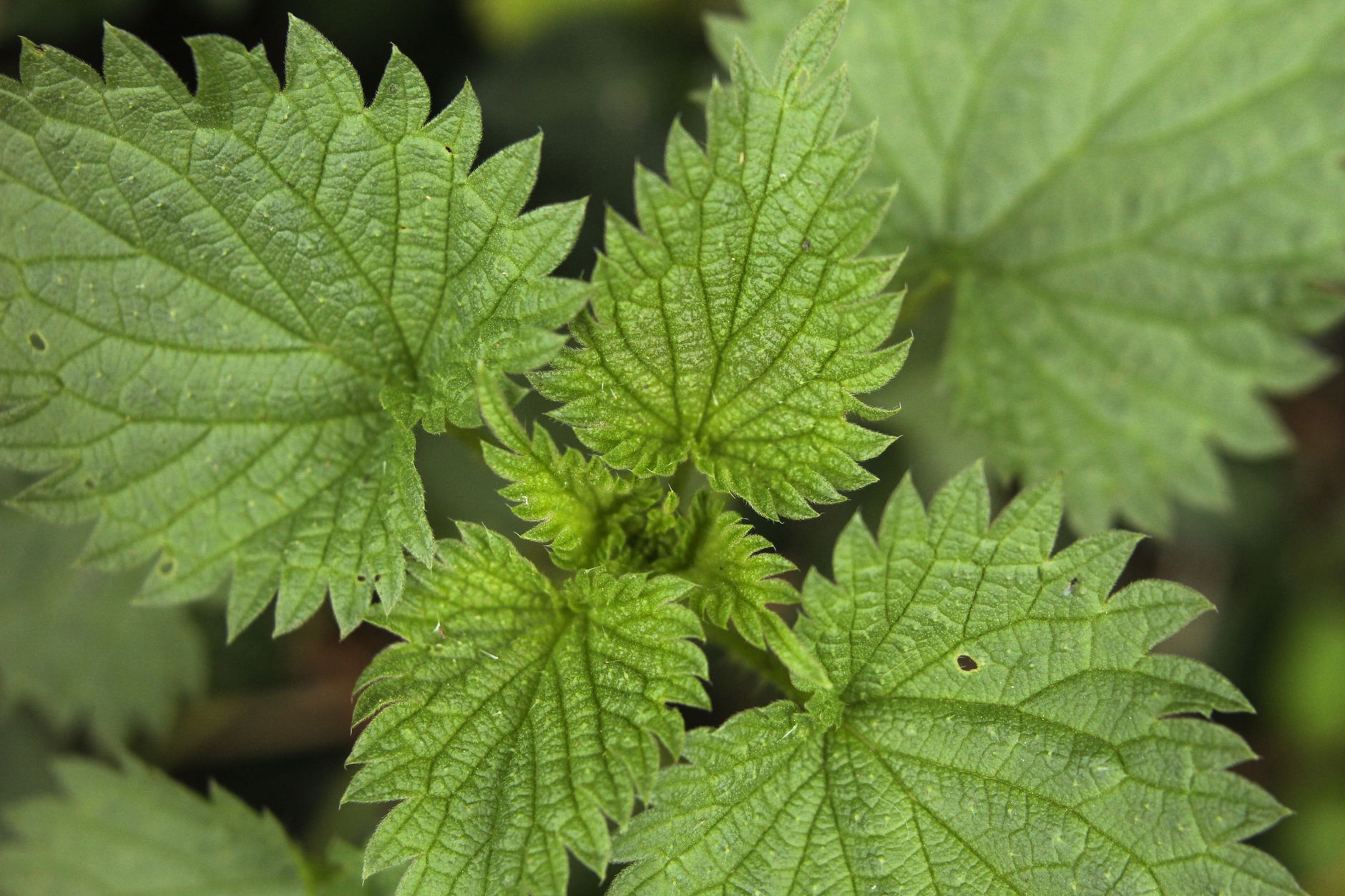
While the aerial portions of the plant are visually striking, the medicinal power of Black Cohosh resides entirely underground. The plant develops a thick, dark, knotted rhizome system adorned with fibrous rootlets. This subterranean structure is harvested in the autumn after the aerial parts have died back. The dried rhizome is intensely bitter, woody, and contains the dense concentration of bioactive secondary metabolites that drive the plant’s therapeutic actions.
Ethnobotanical History and Traditional Uses
The therapeutic journey of Black Cohosh began long before the advent of modern pharmacology. Native American tribes, including the Algonquin, Cherokee, and Iroquois, recognized the profound healing properties of the plant’s roots. They referred to it by various names, including “cohost” (an Algonquian word meaning “rough,” describing the texture of the rhizome) and “rattleroot” or “snakeroot,” because the dry seedpods rattle in the wind, and the root was traditionally used as a poultice for snakebites.
Indigenous healers utilized decoctions of the root for an array of conditions. It was a primary remedy for gynecological complaints, including painful menstruation (dysmenorrhea), childbirth recovery, uterine spasms, and ovarian pain. Beyond women’s reproductive health, Black Cohosh was highly valued as an anti-inflammatory and analgesic agent. It was administered to soothe musculoskeletal pain, joint stiffness, neuralgic pain, and respiratory conditions such as whooping cough and bronchitis.

In the 19th century, European settlers and Eclectic physicians—a group of American doctors who specialized in botanical and non-invasive therapies—adopted Black Cohosh into their pharmacopeia. It became a cornerstone ingredient in Lydia Pinkham’s Vegetable Compound, a highly popular patent medicine marketed for female complaints in the late 1800s. The Eclectics expanded its use, employing it under the name “Macrotys” to treat rheumatic fever, muscular rheumatism, nervous disorders, and pelvic congestion, laying the groundwork for its transition into modern European phytomedicine during the mid-20th century.
Phytochemical Profile: Understanding the Active Compounds
The pharmacological efficacy of Black Cohosh is not attributable to a single constituent, but rather to a complex matrix of synergistic secondary metabolites. For decades, researchers have worked to isolate and characterize these compounds to understand their precise mechanisms of action within the human body. The primary bioactive groups identified in the rhizome include triterpene glycosides, phenolic acids, flavonoids, and volatile oils.
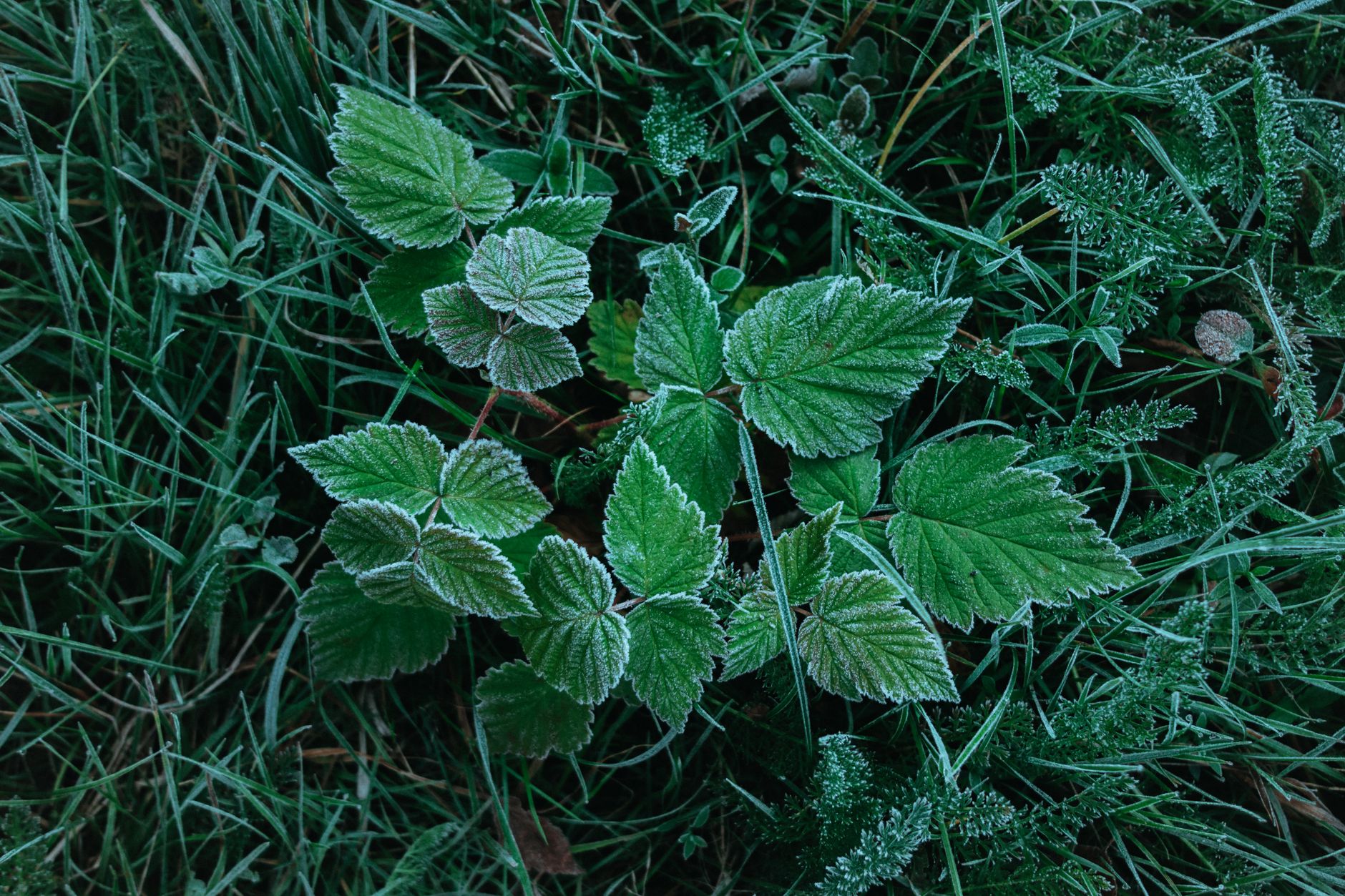
The most prominent and chemically unique compounds in Black Cohosh are the cycloartane-type triterpene glycosides. Chief among these are actein, 27-deoxyactein, and cimicifugoside. These molecules are believed to play a critical role in modulating physiological pathways, particularly within the central nervous system. Alongside these glycosides, Black Cohosh is rich in phenolic acids, including caffeic acid, ferulic acid, and isoferulic acid. These compounds exert potent antioxidant and anti-inflammatory effects, scavenging free radicals and downregulating pro-inflammatory cytokines.
One of the most significant scientific shifts in understanding Black Cohosh involves its endocrine activity. Early research hypothesized that the herb contained phytoestrogens, specifically formononetin (an isoflavone), which would bind directly to estrogen receptors. However, advanced phytochemical analyses have demonstrated that high-quality, standardized extracts of *Actaea racemosa* do not contain clinically relevant amounts of formononetin, nor do they exhibit classic estrogenic activity. Instead, modern pharmacology classifies Black Cohosh as a Selective Estrogen Receptor Modulator (SERM) or, more accurately, a central nervous system modulator that acts via neurotransmitter pathways, particularly the serotonergic, dopaminergic, and GABAergic systems.
The Core Health Benefits of Black Cohosh
1. Management of Vasomotor Symptoms in Menopause
The most widely celebrated and clinically validated benefit of Black Cohosh is its capacity to alleviate vasomotor symptoms associated with the menopausal transition, specifically hot flashes and night sweats. During perimenopause and menopause, declining ovarian function leads to a depletion of circulating estrogen. This hormonal drop disrupts the thermoregulatory center in the hypothalamus, which is highly sensitive to changes in neurotransmitter levels, particularly serotonin and norepinephrine.
Because Black Cohosh operates as a central neuromodulator rather than a direct hormone mimic, it helps stabilize the thermoregulatory center. Clinical trials have shown that standardized extracts of Black Cohosh significantly reduce the frequency, duration, and severity of hot flashes. It offers a viable, non-hormonal therapy for women who cannot undergo conventional hormone replacement therapy (HRT) due to medical contraindications, such as a history of estrogen-sensitive cancers or cardiovascular disease.
2. Improvement of Sleep Quality and Insomnia
Sleep disturbances, night sweats, and frequent nocturnal awakenings are common and distressing symptoms of menopause. By stabilizing hypothalamic thermoregulation, Black Cohosh indirectly improves sleep quality by preventing the disruptive night sweats that cause sudden waking. Furthermore, emerging research suggests that compounds within the plant interact with gamma-aminobutyric acid (GABA) receptors, the brain’s primary inhibitory neurotransmitters. By promoting GABAergic pathway activation, Black Cohosh exerts a mild sedative and anxiolytic effect, helping to facilitate deeper, more restorative sleep patterns without the groggy side effects often associated with pharmaceutical sleep aids.
3. Mood Stabilization and Anxiety Reduction
The hormonal fluctuations of the menopausal transition frequently manifest as mood swings, irritability, anxiety, and mild depressive symptoms. Serotonin is a key neurotransmitter involved in mood regulation, and its synthesis and receptor sensitivity decline in tandem with estrogen levels. Black Cohosh has been shown to interact with serotonin receptors (specifically the 5-HT1A and 5-HT7 subtypes). This serotonergic modulation helps buffer the emotional instability associated with menopause, providing a natural stabilizing effect that enhances overall psychological well-being and resilience.
4. Bone Health and Osteoporosis Support
As estrogen levels drop during postmenopause, women experience an accelerated rate of bone resorption, significantly increasing the risk of osteopenia and osteoporosis. While human clinical trials are ongoing, preliminary in vitro and animal studies suggest that Black Cohosh may help preserve bone mineral density. The mechanism appears to involve the regulation of osteoblasts (bone-building cells) and the inhibition of osteoclasts (cells that break down bone tissue). This potential dual action suggests that Black Cohosh may exert a protective, SERM-like effect on the skeletal system without stimulating endometrial or breast tissue growth.
5. Support for Polycystic Ovary Syndrome (PCOS) and Dysmenorrhea
Beyond menopause, Black Cohosh is increasingly investigated for its potential benefits in managing Polycystic Ovary Syndrome (PCOS) and painful menstruation (dysmenorrhea). In cases of PCOS, the herb is sometimes utilized alongside standard therapies to help regulate ovulation and improve luteinizing hormone (LH) to follicle-stimulating hormone (FSH) ratios. Its traditional role as a uterine spasmolytic also makes it a valuable natural therapeutic for reducing the severity of pelvic cramping and congestion during the menstrual cycle.
Modern Supplementation: Formulations and Standardization
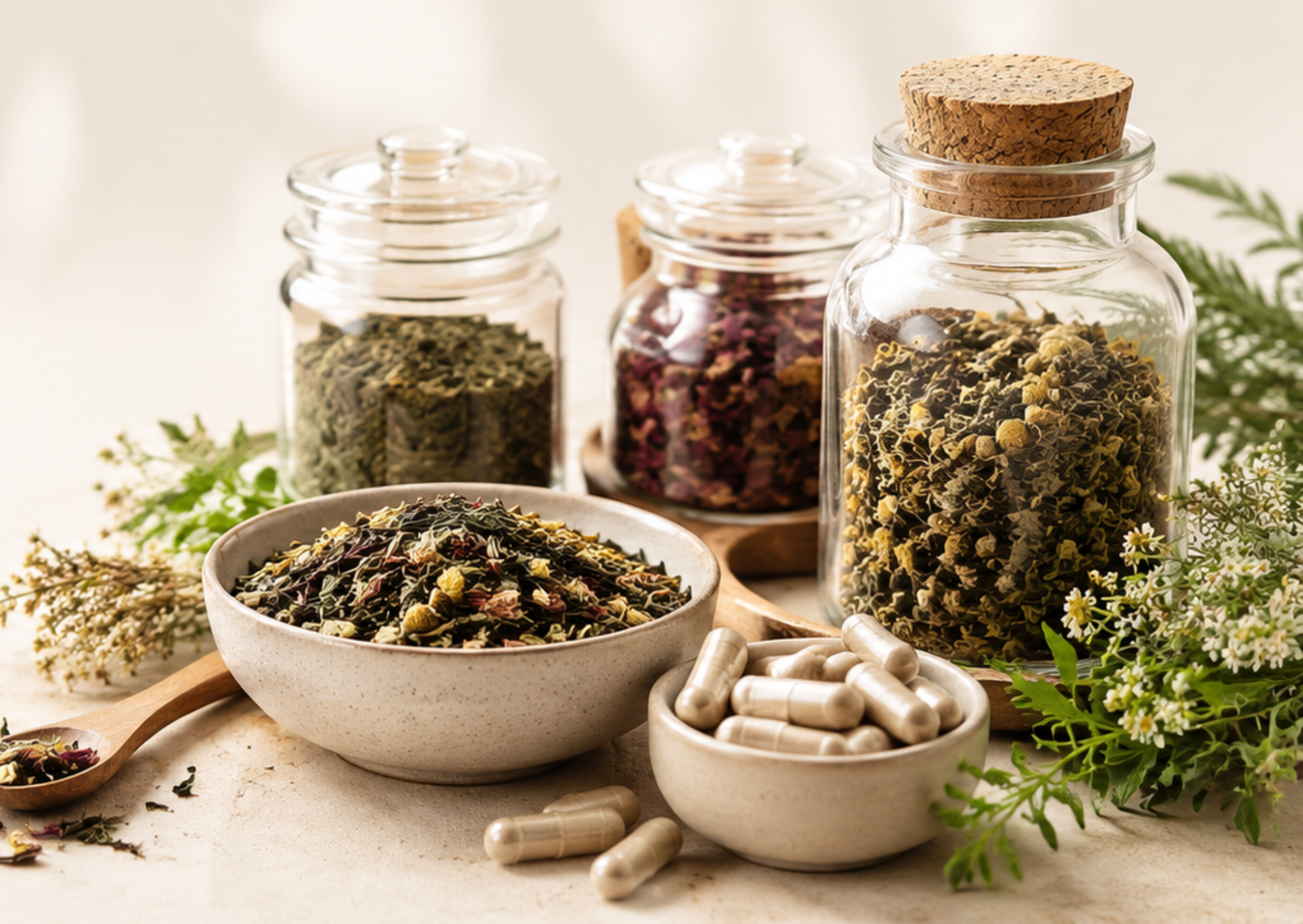
To achieve predictable and therapeutic results, selecting the appropriate form of Black Cohosh is essential. In the commercial market, consumers will find a variety of preparations, ranging from raw dried powders to sophisticated, standardized extracts.

The vast majority of clinical research validating the efficacy of Black Cohosh has been conducted using standardized extract formulations. The gold standard in clinical research is the isopropanolic or ethanolic extract of the rhizome, standardized to contain a specific percentage of triterpene glycosides (typically measured as 2.5% to 8% triterpene glycosides, or quantified by specific marker compounds like 27-deoxyactein). Standardized capsules and tablets ensure that the user receives a consistent, therapeutic dose of active constituents in every serving, bypassing the natural variability inherent in raw herbal powders.
Other common preparations include liquid tinctures, which are hydroethanolic extractions of the fresh or dried rhizome. Tinctures offer rapid absorption and easy dose customization but contain variable amounts of the active glycosides unless specifically standardized. Traditional decoctions—made by simmering the tough, woody root in water—are still favored by traditional herbalists, though they are generally less convenient and have a highly bitter, astringent taste that many find unpalatable.
Dosage Guidelines, Safety Profile, and Drug Interactions
When incorporating Black Cohosh into a wellness regimen, safety and precise dosing should remain paramount. The standard, clinically supported dosage for a standardized dry extract of Black Cohosh typically ranges from 40 mg to 80 mg once or twice daily. When utilizing liquid tinctures (1:5 strength), a common dose is 2 to 4 mL taken two to three times per day in a small amount of water or juice.

Black Cohosh is generally well-tolerated by most individuals when consumed at recommended dosages for up to six to twelve months. The most common mild side effects include transient gastrointestinal upset, mild headaches, dizziness, and a feeling of heaviness in the limbs. These symptoms are typically self-limiting and resolve upon reducing the dose or discontinuing use.
The Hepatotoxicity Debate
Over the past two decades, sporadic case reports have linked Black Cohosh consumption with liver damage (hepatotoxicity). However, extensive reviews by international regulatory bodies, including the United States Pharmacopeia (USP) and the European Medicines Agency (EMA), have concluded that a direct causal relationship between pure *Actaea racemosa* and liver injury is extremely rare. In many reported cases, the liver issues were attributed to product adulteration (where cheaper, non-medicinal Asian species of *Actaea* were substituted for authentic North American Black Cohosh) or pre-existing liver conditions. Nonetheless, as a precautionary measure, individuals with a history of liver disease or those taking medications that affect liver function should consult a healthcare provider and monitor liver enzymes during use.
Contraindications and Drug Interactions
- Pregnancy and Lactation: Black Cohosh should not be used during pregnancy, particularly in the first and second trimesters, due to its traditional classification as an emmenagogue (a substance that stimulates menstrual flow) and its potential to cause uterine contractions. Its safety profile during lactation has not been fully established.
- Hormone-Sensitive Cancers: While current evidence suggests that Black Cohosh does not exert direct estrogenic effects on breast or endometrial tissue, women with a history of, or active treatment for, estrogen-receptor-positive breast, ovarian, or uterine cancer should consult their oncologist before initiating use.
- Pharmaceutical Interactions: Because Black Cohosh is metabolized in part by the liver’s cytochrome P450 enzyme pathway, it may interact with medications metabolized by the same enzymes, such as certain statins, blood thinners, and anti-arrhythmic drugs. Additionally, combining Black Cohosh with conventional HRT or oral contraceptives should only be done under the direct supervision of a qualified medical practitioner.
Conclusion: An Essential Botanical in Integrative Gynecology
Black Cohosh represents a bridge between ancient herbal wisdom and rigorous modern science. Its unique ability to modulate neurotransmitter pathways and safely address the multifaceted challenges of menopause makes it an invaluable tool in the field of integrative medicine. By selecting high-quality, standardized extracts, adhering to appropriate dosing guidelines, and working in partnership with healthcare professionals, individuals can successfully harness the therapeutic power of this remarkable forest native to support vitality, hormonal balance, and long-term well-being.
Disclaimer: For informational purposes only. Not medical advice. Consult a qualified healthcare professional before use.