The Definitive Guide to Birch Leaves: Botanical Wonders, Therapeutic Applications, and Scientific Insights
For millennia, the graceful, silver-barked birch tree has stood as a symbol of purification, renewal, and vitality across the temperate zones of the Northern Hemisphere. Belonging to the genus Betula, birch trees are not merely aesthetic wonders of temperate forests; they are powerful botanical pharmacies. While birch sap and birch bark have received significant attention in modern wellness circles, the delicate, bright green birch leaves (primarily from the Silver Birch, Betula pendula, and the Downy Birch, Betula pubescens) hold an extraordinary wealth of health-promoting compounds. This comprehensive guide explores the deep historical context, complex biochemistry, scientifically validated health benefits, and practical applications of birch leaves.
Modern pharmacognosy—the study of medicinal drugs derived from natural sources—has renewed its focus on birch leaves. No longer regarded as simple folklore remedies, these leaves are recognized by major regulatory bodies, such as the European Medicines Agency (EMA), as effective traditional herbal medicines. Whether used to support renal health, reduce systemic inflammation, or soothe complex dermatological conditions, birch leaves represent a bridge between ancient herbal wisdom and modern, evidence-based wellness practices.
Botanical Profile and Ecological Characteristics of the Birch Tree
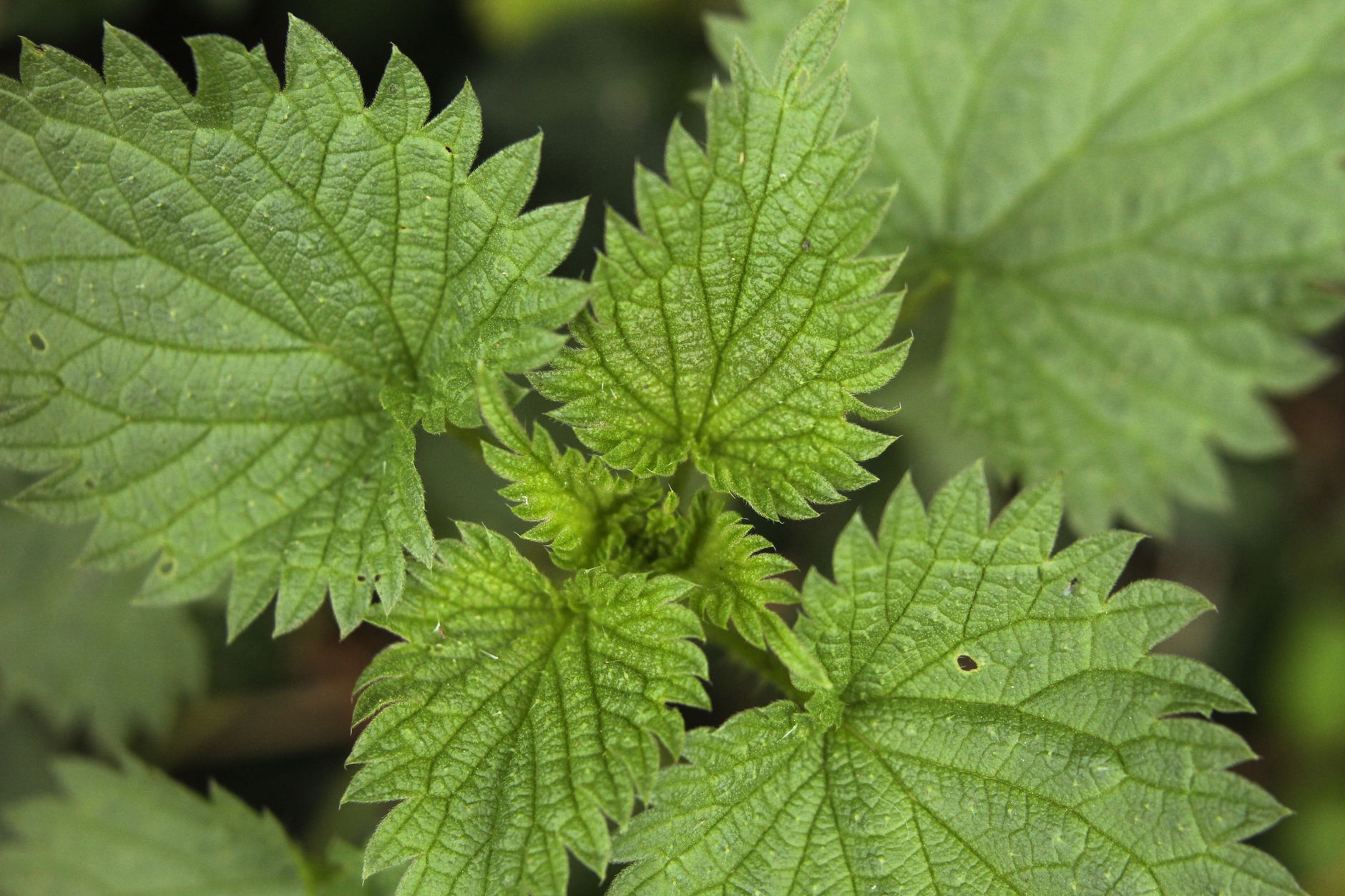
The Betulaceae family comprises a diverse range of deciduous trees and shrubs, but it is the genus Betula that captures the essence of northern woodlands. Birch trees are pioneer species, meaning they are among the first to colonize open spaces, clearings, and areas recovering from ecological disturbances. Their striking white bark, which contains high concentrations of betulin, serves as a natural shield against thermal stress and pests. The leaves of the birch tree are typically alternate, simple, and characterized by doubly serrated margins. They feature a distinct triangular or ovate-rhomboid shape, ending in a sharp tip.
During the spring, young birch leaves emerge covered in sticky resin glands and fine hairs. It is during this early stage of development, typically in late spring when the leaves are still vibrant and tender, that their concentration of bioactive compounds reaches its peak. Harvesting at this precise biological moment ensures that the leaves contain the highest ratios of flavonoids, essential oils, and therapeutic resins, which are essential for medicinal applications.
The ecological resilience of the birch tree translates directly into its robust chemical defense mechanisms. Because these trees thrive in acidic, nutrient-poor soils and tolerate extreme winter conditions, they synthesize a sophisticated array of secondary metabolites. These molecules, designed to protect the tree from ultraviolet radiation, oxidative stress, and herbivores, are the very components that provide therapeutic benefits to humans when the leaves are properly harvested, dried, and prepared.
Historical Context and Traditional Ethnobotany
To fully understand the therapeutic footprint of birch leaves, one must journey back through the history of Eurasian and indigenous North American cultures. In Celtic mythology, the birch tree (known as Beith) represented the first letter of the Ogham alphabet and symbolized new beginnings, purification, and protection. During spring festivals, birch twigs and leaves were used to sweep away the stagnant energy of winter and encourage fertility and growth. In Slavic folklore, the birch tree was considered a sacred entity, deeply tied to water spirits and spring rituals that celebrated the return of life to the earth.
In traditional European medicine, particularly in Germany, Scandinavia, and Russia, birch leaves were the cornerstone of “spring cure” tonics. After a winter of heavy, nutrient-sparse foods, communities relied on birch leaf infusions to stimulate the kidneys, cleanse the blood, and revitalize metabolic function. The leaves were also integrated into the bathhouses (such as the Russian banya and Finnish sauna), where birch branches (called venik or vihta) were used to massage the skin. This practice stimulated local circulation, encouraged sweating, and allowed the therapeutic volatile oils of the leaves to penetrate the skin and respiratory pathways.

Native American tribes, including the Ojibwe and Algonquin, utilized birch leaves to brew soothing teas for joint pain and urinary tract discomfort. The leaves were also crushed into poultices to treat bruises, minor wounds, and insect bites. These historical applications highlight a universal recognition across disconnected cultures: the birch tree is a gentle yet highly effective purifier. Today, modern science validates these centuries-old practices, identifying the exact molecular pathways through which birch leaves exert their physiological benefits.
Phytochemical Profile: The Science Behind the Synergy
The health benefits of birch leaves are not the result of a single “miracle” compound. Instead, they arise from a complex, naturally occurring synergy of secondary metabolites. Chemical analysis of Betula pendula leaves reveals a rich matrix of flavonoids, triterpenes, phenolic acids, tannins, and essential minerals. Understanding these compounds is essential to appreciating how birch leaves interact with human biological systems.
Flavonoids make up the most abundant class of active compounds in birch leaves, often constituting up to 3% of the dry weight. The primary flavonoids include hyperoside (quercetin-3-O-galactoside), quercitrin, rutin, and luteolin glycosides. These molecules are powerful antioxidants that scavenge free radicals, reduce cellular oxidative stress, and modulate inflammatory pathways. Hyperoside, in particular, is highly valued for its ability to support vascular health and promote renal filtration.
In addition to flavonoids, birch leaves contain highly valuable triterpenes, such as betulin, betulinic acid, and lupeol. While these compounds are found in even higher concentrations in the bark, their presence in the leaves contributes significantly to their anti-inflammatory, antimicrobial, and skin-regenerative properties. Phenolic acids, such as chlorogenic acid and caffeic acid, provide additional metabolic and cellular support, while condensed tannins lend the leaves mild astringent properties, helping to tone tissues and soothe irritated mucous membranes.
Crucially, birch leaves are exceptionally high in mineral salts, particularly potassium. When we look at the diuretic mechanism of birch leaves, this high potassium-to-sodium ratio is vital. Unlike synthetic diuretics that deplete the body of potassium—potentially leading to muscle cramps, cardiac arrhythmias, and electrolyte imbalances—birch leaves provide a natural “aquaretic” effect. They encourage the excretion of water and waste products while simultaneously replenishing potassium levels, making them a safe and balanced option for long-term renal support.
Comprehensive Health Benefits of Birch Leaves
1. Renal Support, Aquaresis, and Urinary Tract Health
The primary and most celebrated medicinal use of birch leaves is their ability to support the urinary system. Birch leaves act as an aquaretic, meaning they increase the volume of urine excreted without disturbing the body’s delicate electrolyte balance. This is primarily driven by the synergy between hyperoside, other flavonoid glycosides, and high concentrations of potassium salts. By increasing urinary flow, birch leaves help physically flush out the kidneys, ureters, and bladder.
This flushing action is highly beneficial for preventing and managing lower urinary tract infections (UTIs) and urethritis. By accelerating urine output, birch leaves help prevent bacteria (such as Escherichia coli) from adhering to the mucosal walls of the urinary tract. Furthermore, the mild anti-inflammatory and antimicrobial compounds within the leaves help soothe the irritated lining of the bladder, reducing the pain, burning, and urgency associated with acute cystitis. For individuals prone to kidney stones (nephrolithiasis) or gravel, regular consumption of birch leaf tea can help prevent the crystallization of minerals, assisting the body in expelling micro-calculi before they develop into painful stones.
2. Anti-Inflammatory Action and Joint Mobility
For centuries, individuals suffering from gout, osteoarthritis, and rheumatoid arthritis have turned to birch leaves for systemic relief. Modern scientific investigations confirm that birch leaf extracts inhibit key enzymes involved in the inflammatory cascade, specifically cyclooxygenase-2 (COX-2) and lipoxygenase (LOX). By modulating these enzymes, birch leaves help reduce the synthesis of pro-inflammatory prostaglandins and leukotrienes, which are responsible for joint pain, swelling, and stiffness.
In the case of gout, the diuretic properties of birch leaves play a dual role. Gout is caused by the accumulation of uric acid crystals within the joints, leading to intense pain and inflammation. Birch leaves promote the excretion of uric acid through the kidneys, helping to lower systemic levels of this metabolic waste product. Simultaneously, the anti-inflammatory flavonoids work locally to reduce swelling and ease pain in affected joints, such as the big toe, knees, and wrists. When used consistently, birch leaves support overall joint mobility and can reduce reliance on non-steroidal anti-inflammatory drugs (NSAIDs), which often carry gastrointestinal and cardiovascular side effects.
3. Dermatological Regeneration and Soothing Properties
The therapeutic benefits of birch leaves extend outward to the skin. Thanks to their antioxidant, anti-inflammatory, and astringent properties, birch leaf preparations are highly effective at addressing chronic skin conditions like eczema, psoriasis, and contact dermatitis. The presence of betulinic acid and lupeol stimulates cellular regeneration and collagen synthesis, accelerating the healing of minor wounds, abrasions, and skin irritations.
When applied topically as a compress, wash, or integrated into skincare formulations, birch leaf extract helps soothe itching, reduce redness, and restore the skin’s natural lipid barrier. Its mild astringency, courtesy of natural tannins, helps refine skin texture, minimize the appearance of pores, and balance sebum production, making it an excellent natural treatment for acne-prone skin. Additionally, because oxidative stress is a major driver of premature aging, the high concentration of flavonoids in birch leaves helps shield the skin from environmental stressors, such as UV radiation and pollution, preserving skin elasticity and youthfulness.
4. Detoxification and Metabolic Support
In the realm of holistic health, the liver and kidneys are the body’s primary detoxification organs. By enhancing renal filtration and promoting healthy bile flow (choleretic effect), birch leaves support the body’s natural waste-elimination processes. This internal cleansing action helps clear metabolic byproducts, environmental toxins, and systemic waste from the bloodstream.
Furthermore, emerging research suggests that the phenolic compounds in birch leaves may help support healthy metabolic function. Studies indicate that chlorogenic acid can assist in modulating glucose absorption in the digestive tract and supporting healthy lipid metabolism. By reducing systemic inflammation and oxidative stress, birch leaves support vascular integrity and help protect against metabolic syndrome—a cluster of conditions that increase the risk of heart disease, stroke, and type 2 diabetes.
Modern Preparations, Supplements, and Synergies
As the scientific validation of birch leaves has grown, so too have the options for incorporating them into modern wellness routines. While traditional loose-leaf teas remain incredibly popular and highly effective, advanced manufacturing techniques now allow for standardized extracts, concentrated liquid tinctures, and convenient capsule formulations designed for busy, modern lifestyles.

Standardized dry extracts in capsule form offer a precise, consistent dose of active compounds, such as hyperoside. These supplements are highly valued by individuals seeking targeted support for chronic joint inflammation, systemic fluid retention, or recurrent urinary tract issues. When choosing a supplement, it is crucial to select products that are certified organic and free from synthetic binders, fillers, and heavy metals. This ensures that you receive the pure, unadulterated synergy of the birch leaf’s natural chemistry, optimized for maximum bio-availability and therapeutic efficacy.
Dosage Guidelines, Safety, and Contraindications
To safely maximize the therapeutic benefits of birch leaves, it is important to understand proper preparation, dosage, and safety considerations. Depending on your personal wellness goals, birch leaves can be consumed as an infusion, taken as a tincture, or ingested as a standardized dietary supplement.
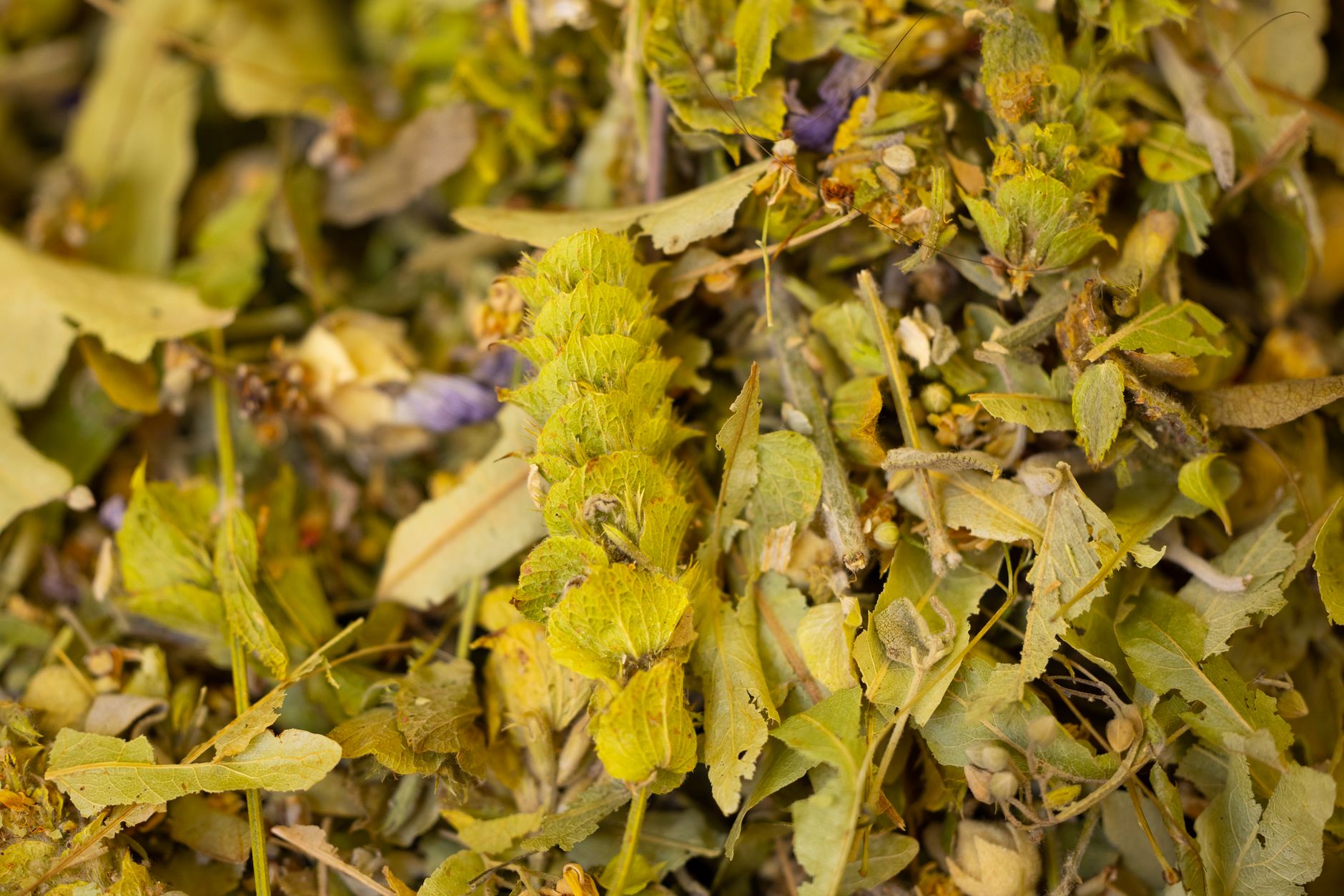
- Traditional Birch Leaf Infusion (Tea): Pour 150–250 ml of boiling water over 1 to 2 teaspoons (approximately 2 to 3 grams) of dried, high-quality birch leaves. Cover the cup and allow the mixture to steep for 10 to 15 minutes. This prolonged steeping time is essential to extract the water-soluble flavonoids and minerals. Drink 3 to 4 cups daily, ideally between meals. To maximize the aquaretic effect, it is critical to consume plenty of additional water throughout the day.
- Liquid Extract / Tincture (1:5 ratio): Take 2 to 4 ml of birch leaf tincture in a small glass of water three times daily. This form is highly convenient and allows for rapid absorption of the lipophilic active components, such as triterpenes.
- Standardized Capsules: Follow the manufacturer’s instructions, which typically recommend 500 to 1000 mg of standardized extract taken 1 to 3 times daily.
While birch leaves are exceptionally gentle and generally well-tolerated by the vast majority of individuals, certain safety guidelines must be observed. Because birch leaves stimulate fluid elimination, they should not be used by individuals suffering from fluid retention (edema) caused by severe, decompensated heart failure or advanced renal disease. In these situations, forcing diuresis can put dangerous stress on compromised cardiovascular and renal systems.
Additionally, individuals with known hypersensitivities or allergies to birch pollen should exercise caution when using birch leaf preparations, as there is a potential for cross-reactivity. Due to a lack of comprehensive safety data, pregnant and lactating women should consult their healthcare provider before using medicinal doses of birch leaves. Always purchase your herbs and supplements from reputable sources to ensure they are free from environmental contaminants, pesticides, and heavy metals.
Conclusion: Embracing the Purification of the Forest
In an age dominated by synthetic solutions and complex pharmaceutical interventions, the birch leaf stands as a gentle yet profoundly effective alternative. It offers a holistic approach to detoxification, joint comfort, and urinary health. Supported by centuries of traditional use and validated by modern pharmacological research, these vibrant green leaves are far more than a simple folk remedy; they are a sophisticated botanical ally designed to support, purify, and revitalize the human body.
By incorporating birch leaves into your daily routine—whether through a soothing afternoon cup of tea, a targeted dietary supplement, or a restorative skincare application—you tap into the deep, resilient vitality of the temperate forests. As we continue to seek balance and harmony in our modern lives, embracing the pure, natural chemistry of the birch tree reminds us of the profound wisdom and healing power found within the natural world.
Disclaimer: For informational purposes only. Not medical advice. Consult a qualified healthcare professional before use.