The Profound Health Benefits of Birch Buds: An Exhaustive Deep-Dive Guide to Nature’s Spring Elixir
For centuries, long before the advent of modern pharmaceuticals, humanity turned to the natural world for healing and sustenance. Among the myriad botanical treasures, the humble birch tree, particularly its burgeoning buds, stands out as a veritable powerhouse of therapeutic compounds. Revered across various cultures, from ancient European folk medicine to traditional Asian remedies, birch buds represent a concentrated source of the tree’s vital energy, gathered precisely at the cusp of spring. This definitive guide delves into the exhaustive health benefits, intricate chemical composition, historical significance, and practical applications of birch buds, offering a comprehensive understanding of why these tiny, unassuming nascent leaves are heralded as a potent natural remedy for a spectrum of ailments.
The birch tree, belonging to the genus Betula, is a resilient and widespread species, thriving in temperate and boreal regions across the Northern Hemisphere. While its bark, leaves, and sap have all been utilized for their medicinal properties, it is the buds that encapsulate the concentrated essence of the tree’s awakening life force. Collected in late winter or early spring, before they unfurl into leaves, birch buds are packed with an astonishing array of bioactive compounds that underpin their extensive reputation in natural health circles. This article aims to unravel the science behind their efficacy, providing a detailed roadmap to understanding and utilizing this remarkable gift from nature.
Botanical Profile and Ancient Roots: Understanding the Birch Bud
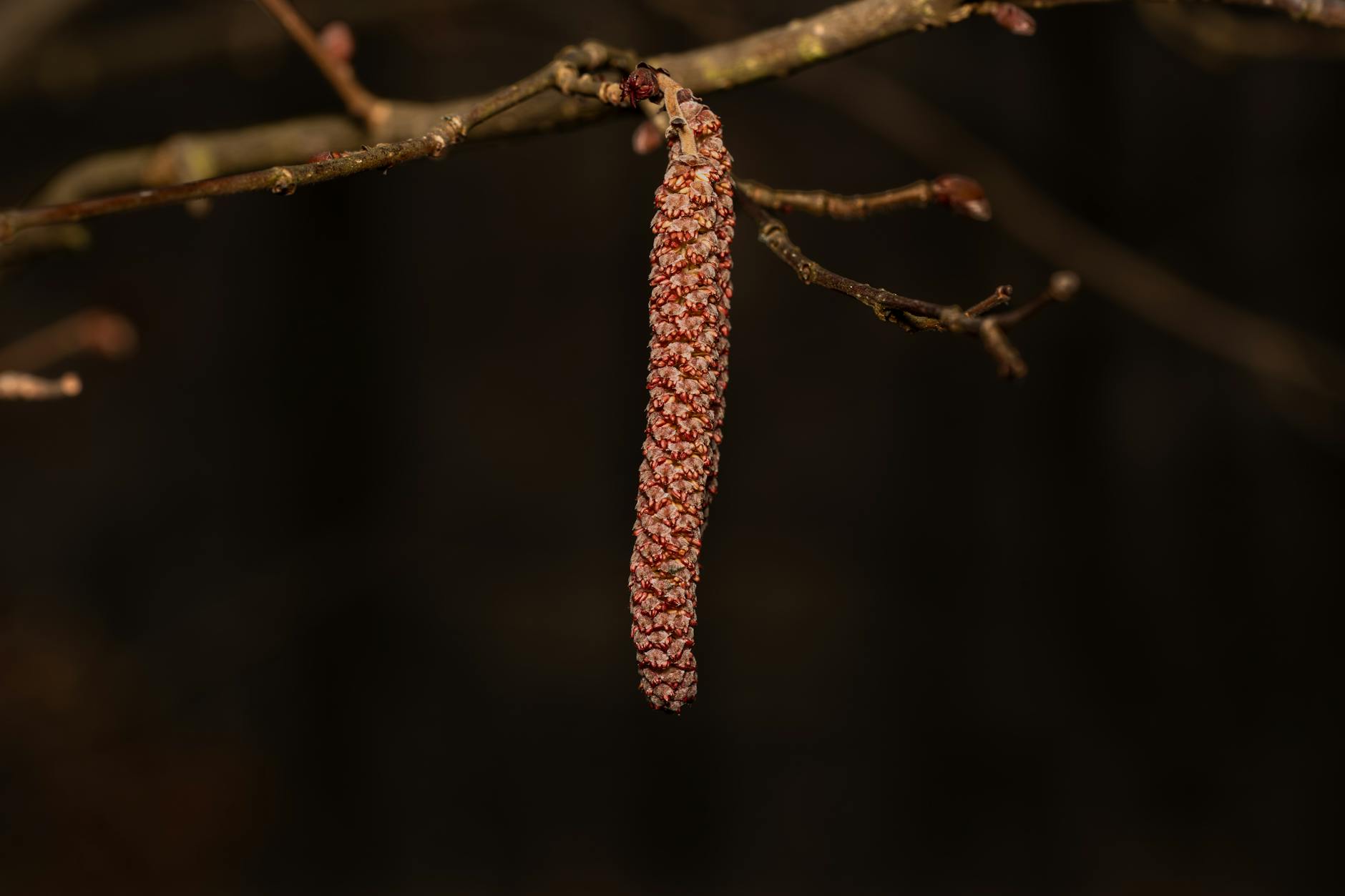
Birch buds are the unopened leaf or flower buds of the birch tree, most commonly harvested from species such as Betula pendula (silver birch) and Betula pubescens (downy birch). These small, pointed structures are enveloped in protective scales, safeguarding the delicate nascent tissues within, which are rich in resins, essential oils, and other potent compounds. Their collection in early spring is strategic, as this period represents the peak concentration of these medicinal constituents, a time when the tree is channeling immense energy into growth and regeneration.
Historically, the use of birch and its various parts, including the buds, is deeply embedded in the traditional medicine systems of Northern Europe, Scandinavia, Russia, and even parts of North America. Indigenous peoples and early herbalists recognized the birch tree as a symbol of renewal and purification. Birch bud preparations were traditionally employed as a diuretic to cleanse the body, particularly during seasonal transitions, and were highly valued for their ability to alleviate joint pain, skin conditions, and respiratory issues. Texts dating back to the Middle Ages document their use, solidifying their place in the materia medica of folk healers and apothecaries alike. This rich historical tapestry underscores not just anecdotal wisdom, but centuries of empirical observation of their profound effects.
The Bioactive Powerhouse: Deconstructing the Chemical Composition of Birch Buds
The therapeutic efficacy of birch buds is attributed to a complex symphony of naturally occurring bioactive compounds. Unlike simpler herbal remedies, birch buds present a multifaceted chemical profile, with each class of compounds contributing synergistically to their holistic health benefits. Understanding these constituents is key to appreciating their mechanisms of action and broad applicability.
- Flavonoids: Quercetin, Rutin, and Kaempferol
Birch buds are exceptionally rich in flavonoids, which are powerful plant pigments with profound antioxidant and anti-inflammatory properties. Quercetin, a prominent flavonoid, is known for its ability to stabilize mast cells, reducing histamine release, and its potent free-radical scavenging capacity. Rutin strengthens capillaries and improves circulation, while kaempferol contributes to the anti-inflammatory cascade. These flavonoids collectively exert protective effects against cellular damage, support cardiovascular health, and modulate immune responses, making them central to the buds’ healing capabilities. - Saponins
These foam-forming glycosides are another significant component of birch buds. Saponins contribute to the diuretic effect, promoting the excretion of excess fluids and toxins from the body. Beyond their diuretic action, some saponins exhibit adaptogenic properties, helping the body cope with stress, and have also been investigated for their potential to lower cholesterol and support immune function. - Essential Oils (Betulenol, Betulene, Camphor)
The distinctive aromatic profile and some of the therapeutic actions of birch buds stem from their essential oil content. These volatile compounds, including betulenol, betulene, and camphor, possess antiseptic, anti-inflammatory, and analgesic properties. They are particularly relevant for topical applications, where they can soothe irritated skin and muscles, and for their expectorant effects when inhaled, aiding respiratory health. - Triterpenoids (Betulin, Betulinic Acid, Lupeol)
Perhaps the most celebrated compounds in birch are its triterpenoids. Betulin and its derivative, betulinic acid, are extensively studied for their remarkable anti-inflammatory, antiviral, and even potential anticancer properties. These compounds are found in high concentrations in the waxy resin of the buds and bark. They contribute significantly to the skin-healing and protective qualities of birch buds, offering profound cellular support and modulating inflammatory pathways. - Phenolic Acids (Gallic Acid, Caffeic Acid)
These organic acids act as strong antioxidants, contributing to the overall free-radical scavenging capacity of birch buds. They also possess antimicrobial and anti-inflammatory properties, further enhancing the therapeutic spectrum of the plant. - Tannins
Known for their astringent properties, tannins help to tighten and tone tissues. In birch buds, they contribute to the anti-inflammatory and antiseptic actions, particularly beneficial for skin conditions and gastrointestinal health, where they can help reduce irritation and promote healing. - Vitamins and Minerals
While not present in exceptionally high quantities compared to other plant sources, birch buds do contain trace amounts of vitamin C and various minerals, which collectively support overall cellular function and metabolic processes, enhancing the body’s natural healing capabilities.
Unveiling the Spectrum of Health Benefits
The rich biochemical profile of birch buds translates into an impressive array of health benefits, addressing various bodily systems. Their holistic action makes them a versatile natural remedy for both preventative care and the management of existing conditions.
1. Potent Diuretic and Detoxification Agent
One of the most well-documented and historically significant uses of birch buds is their powerful diuretic action. The synergistic effect of saponins, flavonoids, and essential oils stimulates the kidneys, promoting increased urine production and facilitating the elimination of excess fluids, metabolic waste products, and toxins from the body. This ‘flushing’ action is invaluable for supporting kidney health, helping to prevent the formation of kidney stones by reducing the concentration of minerals in urine, and alleviating conditions associated with fluid retention, such as edema. Furthermore, by assisting in detoxification, birch buds help to purify the blood and reduce the burden on the liver, contributing to overall systemic cleansing and vitality.
The mechanism behind this is not merely a simple increase in water excretion but also involves the gentle washing out of uric acid, a common culprit in gout and certain kidney issues. This makes birch buds particularly beneficial for individuals suffering from conditions exacerbated by metabolic waste accumulation. Regular, mild diuresis supported by birch bud preparations can contribute significantly to maintaining optimal fluid balance and supporting the body’s natural detoxification pathways, leading to a feeling of lightness and improved energy.
2. Superior Anti-inflammatory Properties
Chronic inflammation is at the root of many modern diseases, from autoimmune disorders to cardiovascular issues and various forms of pain. Birch buds offer a robust natural solution due to their high concentration of anti-inflammatory compounds, most notably flavonoids like quercetin and the triterpenoids such as betulin and betulinic acid. These compounds work by modulating inflammatory pathways, inhibiting the production of pro-inflammatory cytokines, and reducing the activity of enzymes like cyclooxygenase (COX) that contribute to pain and swelling.
This anti-inflammatory action makes birch buds highly effective in alleviating symptoms associated with arthritis, rheumatism, and other inflammatory joint conditions. They can significantly reduce pain, swelling, and stiffness, improving mobility and quality of life. Moreover, their internal anti-inflammatory effects extend to supporting gut health by soothing irritated digestive linings and potentially mitigating inflammatory responses in the urinary tract, which complements their diuretic actions. For those seeking natural alternatives to manage inflammatory conditions, birch buds present a compelling option with a long history of safe use.
3. Powerful Antioxidant Defense
In an environment laden with pollutants and stressors, our bodies are constantly battling oxidative stress caused by free radicals. Unchecked oxidative stress leads to cellular damage, accelerates aging, and is implicated in the development of chronic diseases. Birch buds are rich in potent antioxidants, including flavonoids, phenolic acids, and vitamin C, which actively scavenge these free radicals.
By neutralizing harmful free radicals, birch buds protect cellular structures, including DNA, proteins, and lipids, from oxidative damage. This cellular protection is fundamental for maintaining overall health, preventing premature aging, and reducing the risk of developing degenerative diseases. The cumulative effect of these antioxidants not only strengthens the body’s internal defense mechanisms but also contributes to enhanced vitality and resilience, making birch buds a valuable addition to any anti-aging or wellness regimen.
4. Dermatological Elixir: Promoting Skin Health
The healing power of birch buds extends significantly to the realm of dermatological health. Their combination of anti-inflammatory, antiseptic, and astringent properties makes them an excellent natural remedy for a variety of skin concerns. The triterpenoids, especially betulinic acid, are known for their profound skin-regenerative and protective qualities, while tannins help to tone and tighten the skin.
Birch bud extracts are traditionally used to soothe irritated skin conditions such as eczema, psoriasis, and dermatitis, reducing redness, itching, and scaling. Their antiseptic nature helps to combat bacterial and fungal infections, making them beneficial for acne-prone skin or minor wounds. Furthermore, by improving microcirculation and promoting detoxification, birch buds can contribute to a clearer, healthier, and more radiant complexion. They are also valued for their ability to support collagen production and protect against environmental damage, fostering youthful and resilient skin.
5. Nurturing Hair Growth and Scalp Health
Beyond skin, birch buds also offer considerable benefits for hair and scalp health. The active compounds, particularly the essential oils and triterpenoids, help to stimulate blood circulation to the scalp, which is crucial for nourishing hair follicles and promoting healthy hair growth. This enhanced circulation ensures that follicles receive an ample supply of nutrients and oxygen, strengthening hair from the root and potentially reducing hair loss.
Moreover, the antiseptic and anti-inflammatory properties of birch buds make them effective in treating common scalp conditions such as dandruff, seborrheic dermatitis, and general scalp irritation. They can help to balance the scalp’s microbiome, reduce flakiness, and alleviate itchiness, creating an optimal environment for healthy hair to thrive. Regular use of birch bud-infused hair rinses or topical preparations can lead to stronger, shinier, and more voluminous hair, along with a healthier scalp.
6. Immune System Support and Antimicrobial Action
While not a primary immune booster in the same vein as echinacea, birch buds contribute to immune system resilience through several mechanisms. Their high antioxidant content protects immune cells from damage, allowing them to function optimally. The presence of vitamin C, even in moderate amounts, is known to support various immune functions. Furthermore, some of the essential oils and triterpenoids in birch buds exhibit direct antimicrobial properties, capable of inhibiting the growth of certain bacteria, viruses, and fungi.
This antimicrobial action is beneficial for combating minor infections, particularly in the urinary tract or on the skin. By helping the body to eliminate pathogens and reduce the inflammatory load, birch buds indirectly support a robust immune response, enabling the body to better defend itself against illness and recover more efficiently.
Forms of Birch Bud Usage and Practical Applications
Birch buds can be incorporated into a wellness routine through various forms, each offering distinct advantages depending on the desired therapeutic effect.
1. Herbal Infusions and Teas
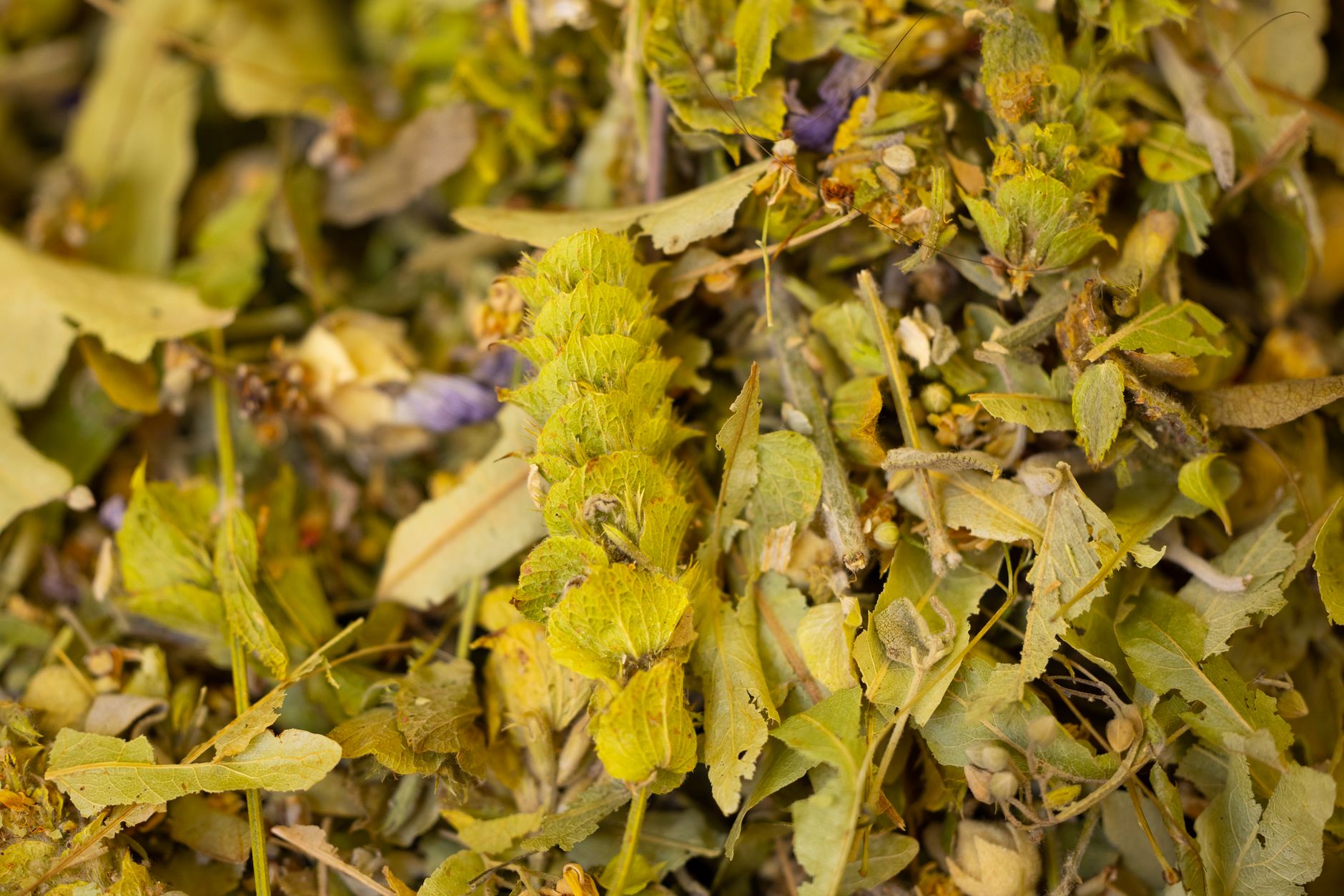
The most traditional and gentle way to utilize birch buds is as an herbal tea or infusion. Dried birch buds are steeped in hot water, allowing their water-soluble compounds to infuse. This method is excellent for their diuretic, detoxifying, and internal anti-inflammatory benefits. A typical preparation involves steeping 1-2 teaspoons of dried buds in 8 ounces of hot water for 10-15 minutes.

2. Tinctures and Extracts
For a more concentrated and potent form, birch bud tinctures (alcohol extracts) are highly effective. Tinctures capture a broader spectrum of compounds, including those that are less water-soluble, like some triterpenoids. They offer convenience and precise dosing. Tinctures are particularly beneficial for systemic conditions, joint pain, and when a stronger therapeutic effect is desired. They are typically taken orally, diluted in water.
3. Topical Applications: Oils, Creams, and Balms
Birch bud-infused oils, creams, and balms are excellent for localized relief. These preparations leverage the anti-inflammatory, antiseptic, and regenerative properties of the buds for skin conditions, muscle aches, joint pain, and scalp issues. The essential oils and triterpenoids penetrate the skin to deliver targeted therapeutic action, soothing irritation, promoting healing, and nourishing tissues. For instance, an infused oil can be massaged into sore joints or used as a hair treatment mask.
4. Birch Bud Supplements and Capsules
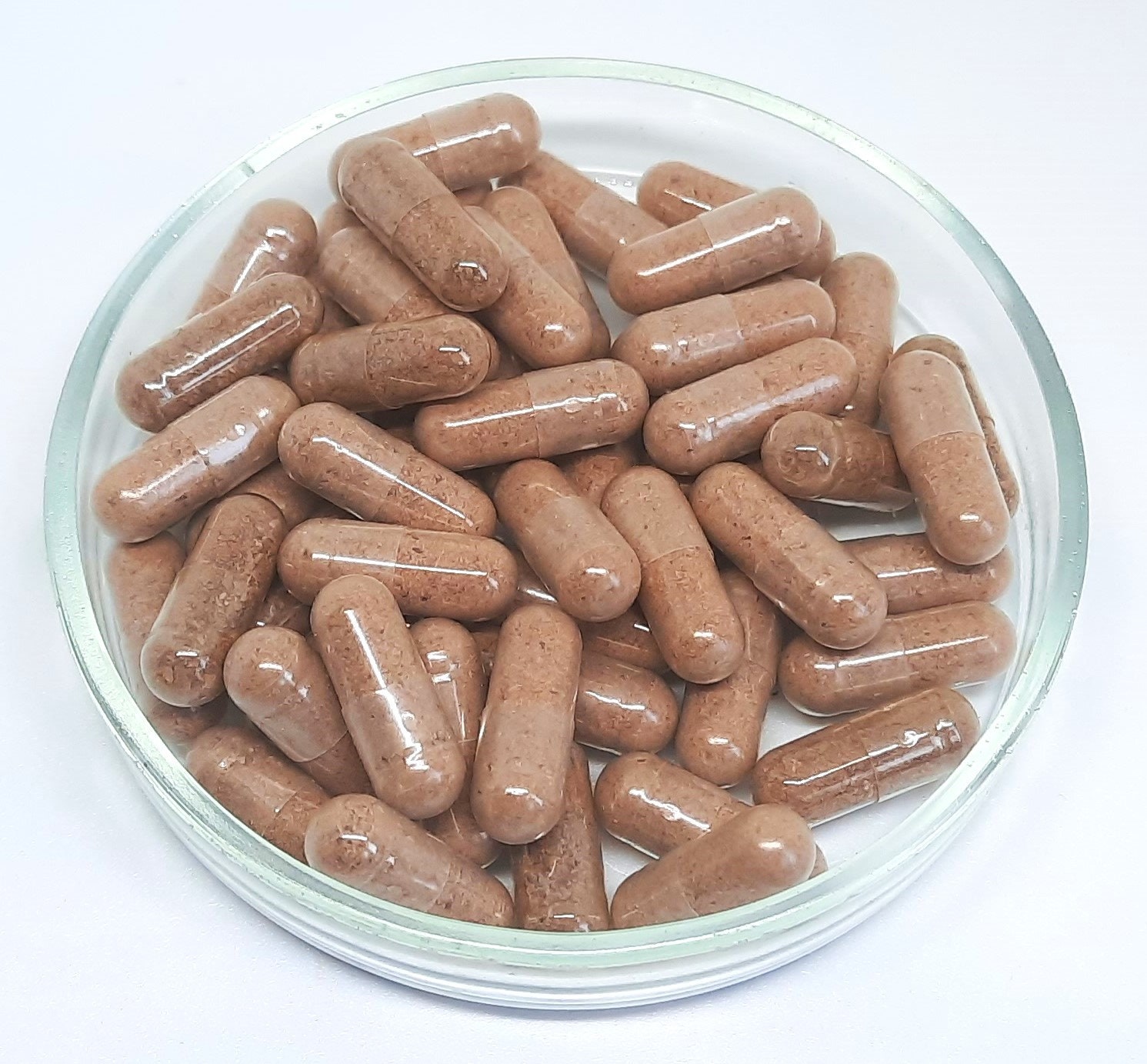
For convenience and standardized dosing, birch bud supplements in capsule form are widely available. These often contain powdered birch bud extract, ensuring a consistent concentration of active compounds. Capsules are ideal for individuals seeking a straightforward way to incorporate birch buds into their daily regimen for general wellness, detoxification, and anti-inflammatory support.
Guidelines for Incorporating Birch Buds and Important Precautions
While birch buds are generally considered safe for most people, it is crucial to approach their use with informed awareness. As with any potent natural remedy, understanding dosage, potential side effects, and interactions is paramount to safe and effective integration into a health regimen.
General Dosage Recommendations
- Tea/Infusion: 1-2 teaspoons of dried buds steeped in 8 oz (240ml) hot water, 2-3 times daily.
- Tincture: 1-2 ml (20-40 drops) of a 1:5 extract, 2-3 times daily, or as directed by a healthcare professional.
- Capsules: Follow manufacturer’s instructions, typically 250-500mg, 1-2 times daily.
- Topical: Apply infused oil or cream to affected areas 2-3 times daily as needed.
It is always advisable to start with a lower dose and gradually increase it, observing your body’s response. Consistency is key for achieving therapeutic benefits over time.
Potential Side Effects and Contraindications
- Allergies: Individuals with known allergies to birch pollen may experience cross-reactivity and should use birch buds with caution or avoid them altogether. Symptoms can include skin rash, itching, or respiratory issues.
- Pregnancy and Lactation: Due to insufficient research on safety, pregnant and breastfeeding women should avoid using birch bud preparations.
- Kidney Disease: While beneficial for kidney health in general, individuals with severe kidney or heart conditions, especially those prone to fluid retention due to compromised organ function, should consult a doctor before using birch buds, particularly due to their diuretic action. The increased fluid excretion could potentially exacerbate certain conditions if not carefully managed.
- Drug Interactions: Birch buds may interact with certain medications. Their diuretic effect could potentially amplify the effects of prescription diuretics, leading to electrolyte imbalances. Additionally, their mild blood-thinning properties (due to certain flavonoids) might interact with anticoagulant medications. Always consult a healthcare professional before combining birch bud supplements with prescription drugs.
- Gastrointestinal Upset: In some sensitive individuals, high doses may cause mild stomach upset.
Conclusion: Embracing the Enduring Legacy of Birch Buds
Birch buds stand as a testament to the profound healing power inherent in the natural world, a small yet mighty botanical marvel offering a wide spectrum of health benefits. From their unparalleled diuretic and detoxification capabilities to their potent anti-inflammatory and antioxidant actions, and their remarkable efficacy in promoting skin and hair health, birch buds embody a holistic approach to wellness. Their rich historical usage, coupled with a complex and scientifically validated chemical composition, firmly establishes them as a valuable ally in maintaining optimal health.
As we navigate an increasingly complex world, the resurgence of interest in traditional remedies like birch buds offers a path towards natural healing and preventative care. By understanding their nuanced properties and incorporating them thoughtfully and responsibly into our lives, we can harness the enduring wisdom of nature to foster greater vitality, resilience, and well-being. Always remember to source high-quality products and, when in doubt, consult with a qualified healthcare provider or herbalist to ensure safe and effective use. Embrace the timeless magic of the birch bud – a true spring elixir for body and soul.
Disclaimer: For informational purposes only. Not medical advice. Consult a qualified healthcare professional before use.