The Unveiling of Lingonberry Leaf: A Definitive Deep Dive into Its Profound Health Benefits
In the vast tapestry of nature’s pharmacopoeia, certain plants stand out for their understated yet potent health-promoting properties. Among these botanical treasures, the lingonberry (Vaccinium vitis-idaea) is widely celebrated for its tart, ruby-red berries, often enjoyed in jams, sauces, and desserts across Northern Europe and Scandinavia. However, it is the often-overlooked leaves of this resilient evergreen shrub that hold a concentrated arsenal of bioactive compounds, offering a spectrum of health benefits that are increasingly gaining recognition in scientific circles and natural health communities alike. This comprehensive guide delves into the intricate world of lingonberry leaf, exploring its historical significance, chemical composition, and the myriad ways it can contribute to enhanced well-being.
From ancient traditional remedies to modern scientific investigations, the journey of lingonberry leaf reveals a profound connection between indigenous wisdom and contemporary understanding. Its enduring presence in folk medicine for centuries is a testament to its efficacy, paving the way for today’s rigorous research that continues to uncover its impressive therapeutic potential. Far more than just a culinary companion, the lingonberry plant, particularly its leaves, offers a natural pathway to bolster urinary tract health, combat inflammation, provide robust antioxidant protection, and support various other physiological functions, making it a compelling subject for anyone seeking holistic health solutions.
Botanical Profile and Ecological Resilience: Understanding Vaccinium vitis-idaea
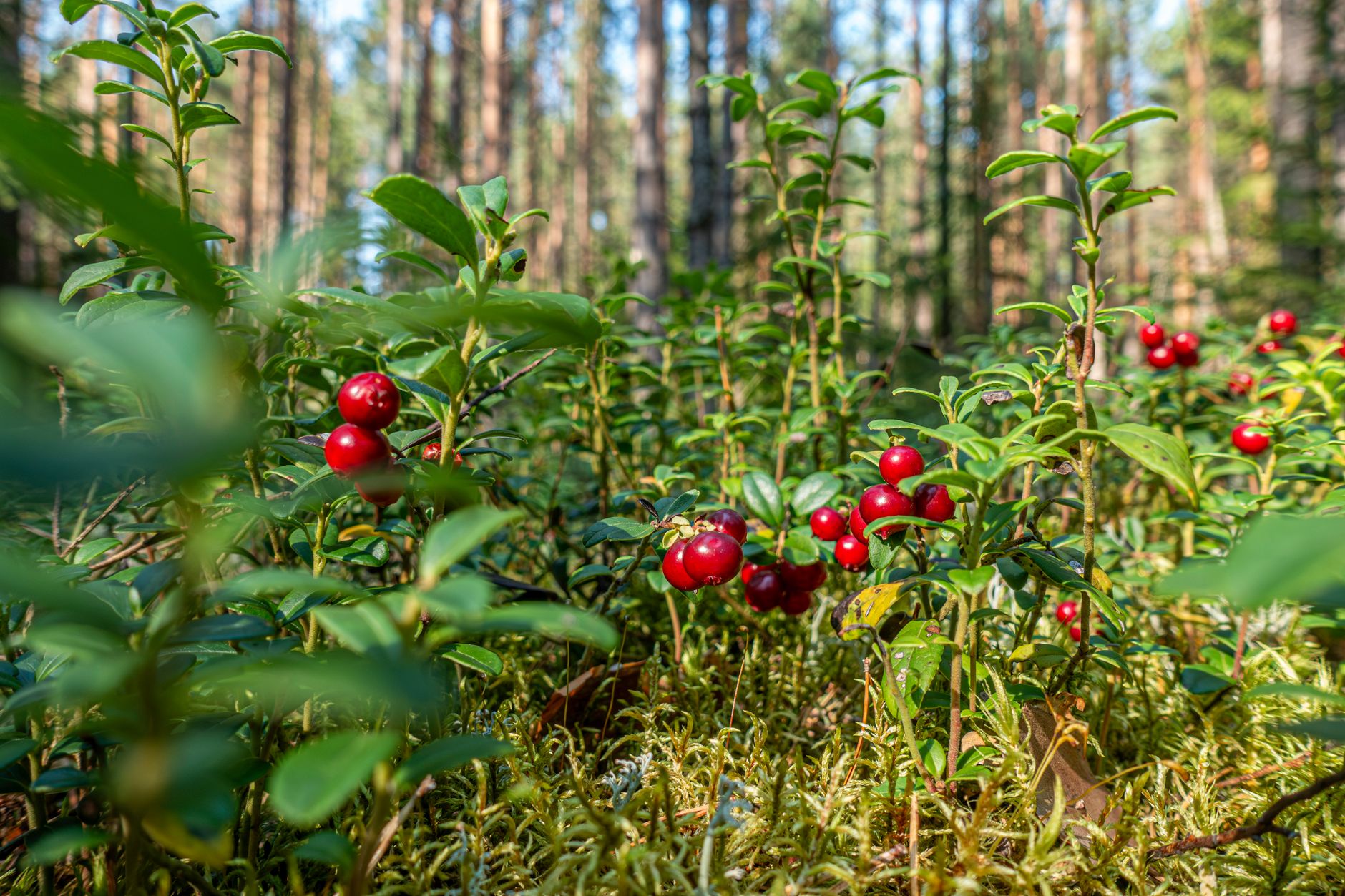
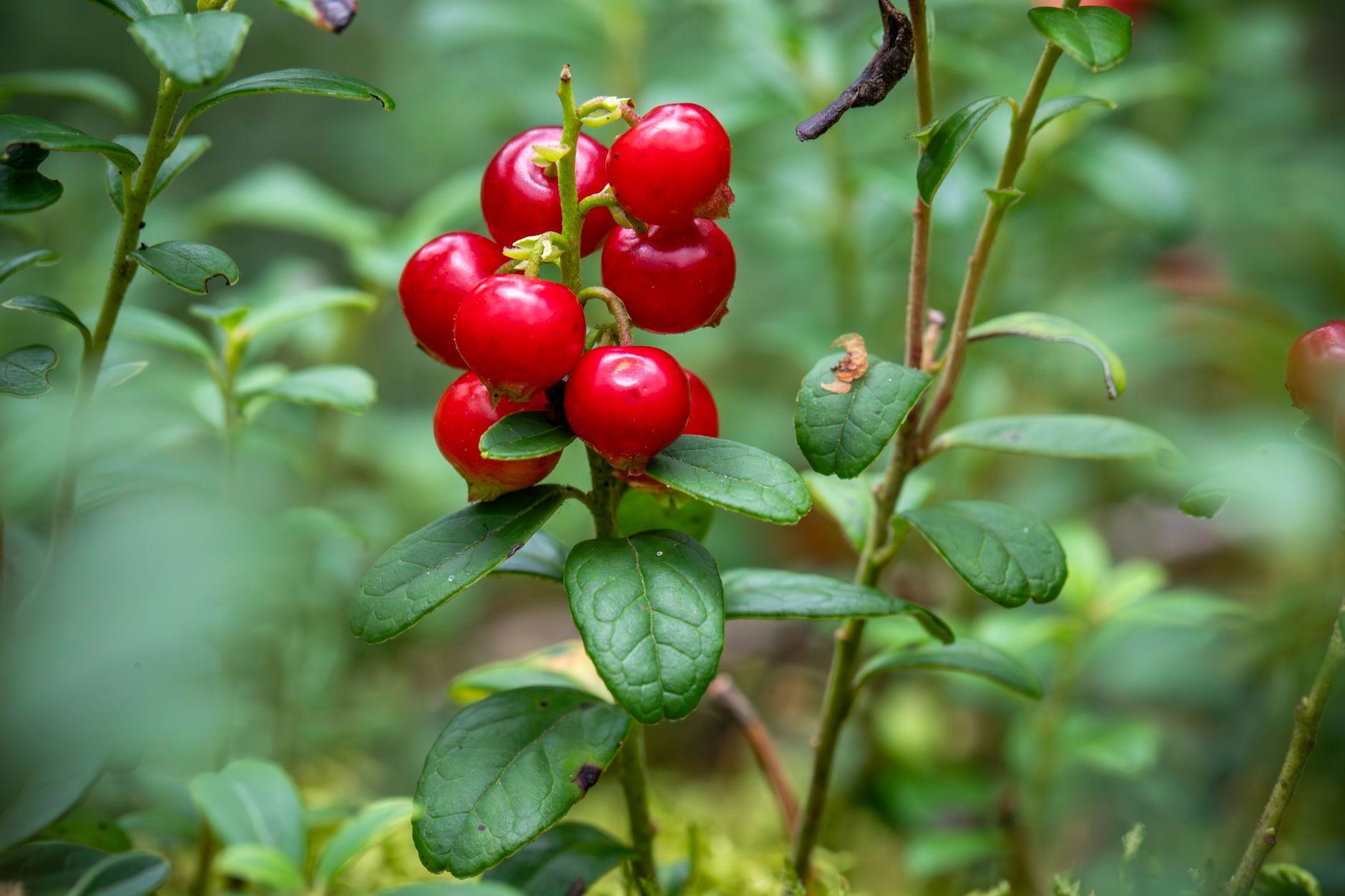
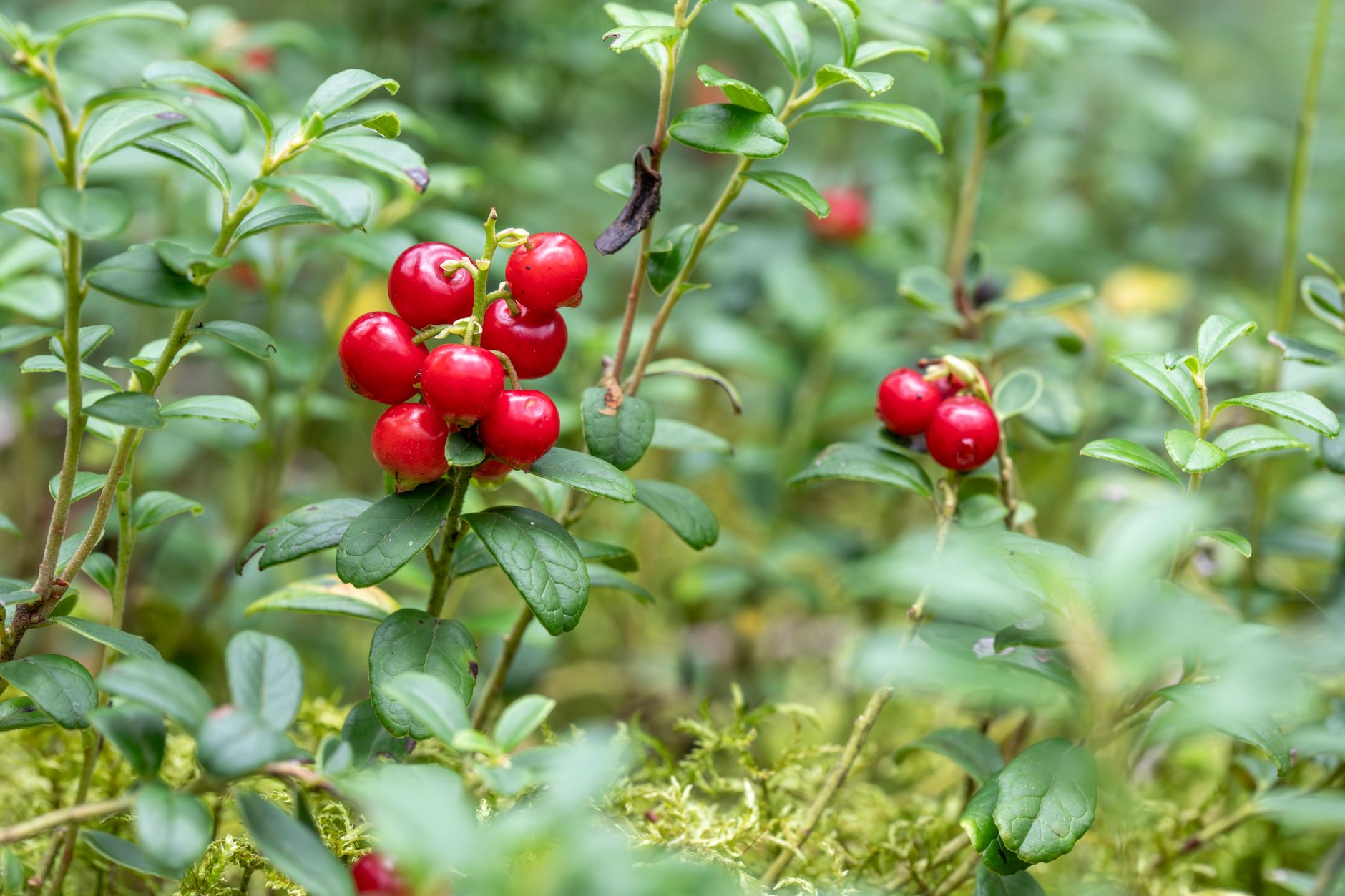
The lingonberry, scientifically known as Vaccinium vitis-idaea, is a small, low-growing evergreen shrub belonging to the Ericaceae family, which also includes cranberries, blueberries, and huckleberries. Native to boreal forests and arctic tundras across the Northern Hemisphere, it thrives in harsh, acidic, nutrient-poor soils and cold climates, demonstrating remarkable resilience. The plant typically grows between 10 to 40 centimeters in height, featuring small, oval, glossy green leaves that remain on the plant throughout the year, even under snow cover. These leathery leaves are not only aesthetically pleasing but are also the primary subject of our exploration, housing the concentrated bioactive compounds responsible for the plant’s medicinal properties.
Lingonberry plants produce delicate white or pink bell-shaped flowers in late spring to early summer, which eventually give way to their iconic red berries. The hardiness and adaptability of Vaccinium vitis-idaea are indicators of its sophisticated biochemical defense mechanisms, which have evolved to protect it from environmental stressors. These very mechanisms produce the potent compounds that humans have harnessed for health benefits. The evergreen nature of its leaves ensures a consistent supply of these compounds, regardless of the season, making them a reliable resource for traditional healers and modern herbalists alike.
A Tapestry of Tradition: Historical and Ethnobotanical Uses
The use of lingonberry leaves for medicinal purposes is deeply rooted in the ethnobotanical traditions of Northern Europe, Scandinavia, Russia, and indigenous communities in North America. For centuries, these communities have recognized the therapeutic value of the entire lingonberry plant, but particularly the leaves, which were often harvested, dried, and prepared as infusions or poultices. Traditional healers utilized lingonberry leaf tea as a diuretic and an astringent, primarily for addressing urinary tract infections, kidney stones, and various bladder conditions. Its anti-inflammatory properties were also recognized, making it a common remedy for general aches, pains, and inflammatory responses.
Beyond its well-documented role in urinary health, lingonberry leaf was also employed for its antiseptic qualities, both internally and externally. Compresses made from the leaves were applied to wounds and skin irritations to promote healing and prevent infection. In some cultures, it was even used to aid digestion and alleviate symptoms of diarrhea, owing to its astringent tannin content. The consistency of these traditional applications across diverse cultures, often without direct contact or shared knowledge, speaks volumes about the observable efficacy of lingonberry leaves, solidifying their status as a time-honored herbal remedy long before modern science began to unravel their biochemical complexities.
The Biochemical Heart of Lingonberry Leaf: Unveiling Its Bioactive Compounds
The remarkable health benefits attributed to lingonberry leaf are not the result of a single compound but rather a synergistic interplay of a rich array of bioactive constituents. Modern phytochemical analysis has identified several key categories of compounds that confer its therapeutic properties. Understanding these individual components provides a deeper insight into the mechanisms behind its traditional and scientifically validated uses.
Arbutin: The Cornerstone for Urinary Tract Health
Perhaps the most prominent and well-researched compound in lingonberry leaf is arbutin, a hydroquinone glycoside. Arbutin itself is relatively inert until it is metabolized in the body. Upon ingestion, arbutin is hydrolyzed in the stomach to hydroquinone, which is then conjugated in the liver. When it reaches the kidneys, especially in an alkaline urine environment, it releases free hydroquinone. This hydroquinone exhibits potent antiseptic and antimicrobial properties, directly targeting bacteria that cause urinary tract infections (UTIs). Its mechanism involves disrupting bacterial cell membranes and inhibiting their growth, effectively sterilizing the urinary tract. This targeted action makes arbutin a primary reason for lingonberry leaf’s historical and contemporary use in preventing and treating UTIs, offering a natural alternative with a specific and powerful mode of action.
Flavonoids: Potent Antioxidants and Anti-Inflammatory Agents
Lingonberry leaves are exceptionally rich in various flavonoids, including quercetin, myricetin, and anthocyanins (though more abundant in the berries, their precursors are present in leaves). Flavonoids are powerful plant pigments renowned for their antioxidant capabilities. They function by scavenging free radicals, which are unstable molecules that can cause oxidative stress and cellular damage, contributing to aging and various chronic diseases. Furthermore, flavonoids exhibit significant anti-inflammatory effects by modulating various inflammatory pathways in the body. They can inhibit the production of pro-inflammatory cytokines and enzymes, thereby reducing inflammation at a cellular level. This dual action of antioxidant and anti-inflammatory support makes flavonoids crucial contributors to the overall health benefits of lingonberry leaf, impacting cardiovascular health, immune function, and cellular longevity.
Proanthocyanidins (PACs): The Anti-Adhesion Specialists
Similar to cranberries, lingonberry leaves contain A-type proanthocyanidins (PACs). These specialized compounds are particularly notable for their ability to prevent certain bacteria, especially Escherichia coli (E. coli), from adhering to the walls of the urinary tract. Unlike antibiotics that kill bacteria, PACs work by inhibiting bacterial adhesion, effectively flushing them out of the system before they can establish an infection. This anti-adhesion mechanism is a crucial preventive measure against UTIs and distinguishes PACs as a unique and valuable component in lingonberry leaf, offering a non-antibiotic approach to managing bacterial infections in the urinary system.
Tannins: Astringent and Protective Compounds
The presence of tannins, particularly ellagitannins and gallotannins, contributes to the astringent properties of lingonberry leaf. Tannins are polyphenolic compounds that can bind to proteins, forming a protective layer on mucous membranes. This action can help to tighten tissues, reduce inflammation, and decrease fluid secretion, which is beneficial in cases of diarrhea or irritated digestive tracts. Additionally, tannins possess antioxidant and antimicrobial properties, further contributing to the leaf’s overall therapeutic profile. Their ability to form complexes with proteins can also create a barrier against pathogens, offering an additional layer of defense.
Phenolic Acids: Diverse Bioactivity
Beyond flavonoids and tannins, lingonberry leaves also contain various phenolic acids, such as chlorogenic acid and caffeic acid derivatives. These compounds are also potent antioxidants and contribute to the plant’s anti-inflammatory properties. Chlorogenic acid, in particular, has been studied for its potential role in metabolic health, including blood sugar regulation and lipid metabolism, suggesting a broader impact on overall systemic health beyond its primary antioxidant function.
Comprehensive Health Benefits: The Therapeutic Scope of Lingonberry Leaf
The synergistic action of these bioactive compounds translates into a wide array of scientifically supported and traditionally recognized health benefits. Lingonberry leaf is not merely a single-purpose herb but a multi-faceted natural remedy.
Pillar of Urinary Tract Health and UTI Prevention
The most celebrated benefit of lingonberry leaf is its remarkable efficacy in promoting urinary tract health and preventing recurrent UTIs. The star compound, arbutin, after being metabolized to hydroquinone, acts as a potent urinary antiseptic, directly combating bacterial growth within the bladder and urethra. Concurrently, the A-type proanthocyanidins (PACs) prevent uropathogenic bacteria, primarily E. coli, from adhering to the epithelial cells lining the urinary tract. This dual-action mechanism—antiseptic and anti-adhesion—offers a comprehensive approach to managing and preventing UTIs, making lingonberry leaf a powerful natural alternative or complementary therapy to conventional treatments, particularly for individuals prone to recurrent infections.
Powerful Antioxidant Protection
The rich concentration of flavonoids, phenolic acids, and other polyphenols renders lingonberry leaf an exceptional antioxidant powerhouse. These compounds actively neutralize harmful free radicals generated by environmental toxins, stress, and metabolic processes, thereby reducing oxidative stress. Oxidative stress is a major contributor to cellular damage, premature aging, and the development of numerous chronic diseases, including cardiovascular disorders, neurodegenerative conditions, and certain cancers. By effectively scavenging these reactive oxygen species, lingonberry leaf helps protect cellular integrity, DNA, and proteins, supporting overall cellular health and longevity.
Potent Anti-inflammatory Effects
Chronic inflammation is a root cause of many modern diseases. Lingonberry leaf’s diverse array of flavonoids and phenolic compounds exhibit significant anti-inflammatory properties. They achieve this by modulating various inflammatory pathways in the body, including the inhibition of pro-inflammatory enzymes like cyclooxygenase (COX) and lipoxygenase (LOX), and by suppressing the production of inflammatory cytokines. This anti-inflammatory action can help alleviate symptoms associated with inflammatory conditions, reduce systemic inflammation, and contribute to the prevention of inflammation-driven diseases, offering relief for conditions ranging from arthritis to inflammatory bowel issues.
Cardiovascular Health Support
Emerging research suggests that lingonberry leaf can contribute to cardiovascular well-being. Its antioxidant properties help protect blood vessels from oxidative damage, maintaining their elasticity and function. Flavonoids and phenolic acids may also play a role in regulating blood pressure by promoting vasodilation and improving endothelial function. Additionally, some studies indicate a potential for lingonberry leaf extracts to influence lipid profiles, helping to manage cholesterol levels. By reducing inflammation and oxidative stress, lingonberry leaf supports a healthy cardiovascular system, potentially lowering the risk of heart disease and stroke.
Metabolic Health and Blood Sugar Regulation
The phenolic compounds, particularly chlorogenic acid, found in lingonberry leaves have shown promise in supporting metabolic health. Research indicates that these compounds may help in modulating glucose metabolism by inhibiting certain enzymes involved in carbohydrate digestion and absorption, potentially leading to a more stable blood sugar response. This effect could be particularly beneficial for individuals managing pre-diabetes or type 2 diabetes, or those looking to maintain healthy blood glucose levels as part of a balanced diet and lifestyle. Furthermore, its anti-inflammatory and antioxidant properties indirectly contribute to better metabolic function by reducing systemic stress that can impair insulin sensitivity.
Skin Health and Anti-Aging Properties
The powerful antioxidant and anti-inflammatory compounds in lingonberry leaf also extend their benefits to skin health. By neutralizing free radicals, they help protect skin cells from environmental damage, such as UV radiation and pollution, which are major culprits in premature skin aging. Reducing inflammation can alleviate skin conditions like redness and irritation, promoting a clearer complexion. When applied topically (in extracts or preparations), its astringent properties can help tone the skin, while its antioxidants contribute to a more youthful and radiant appearance by supporting collagen integrity and reducing oxidative damage. Internally, the systemic antioxidant boost can also reflect in healthier, more resilient skin.
Digestive Wellness
The tannins in lingonberry leaf contribute to its traditional use for digestive complaints. Their astringent action can help to tone the mucous membranes of the digestive tract, potentially reducing inflammation and excessive fluid secretion, which can be beneficial in cases of mild diarrhea. Furthermore, its antimicrobial properties may help balance gut flora, while its anti-inflammatory effects can soothe an irritated digestive system, contributing to overall gut wellness.
Immune System Modulation
While not a primary immune booster in the same vein as echinacea, the comprehensive antioxidant and anti-inflammatory properties of lingonberry leaf contribute significantly to overall immune system health. By reducing oxidative stress and chronic inflammation, it creates a more favorable environment for immune cells to function optimally. A healthy immune system is better equipped to defend against pathogens and respond effectively to challenges, making lingonberry leaf a valuable ally in maintaining robust immunity.
Practical Applications: Incorporating Lingonberry Leaf into Your Wellness Routine
Lingonberry leaf can be consumed in several forms, each offering distinct advantages and traditional applications. The choice of form often depends on individual preference, desired potency, and the specific health goal.
Teas and Infusions: The Traditional Approach
One of the most common and traditional ways to utilize lingonberry leaf is as a tea or infusion. Dried lingonberry leaves can be steeped in hot water, much like any herbal tea. This method allows for a gentle extraction of water-soluble compounds, including arbutin, flavonoids, and some tannins. Lingonberry leaf tea is particularly popular for urinary tract support, as it also provides hydration, which is crucial for flushing out bacteria. Preparing a tea involves steeping 1-2 teaspoons of dried leaves in a cup of hot water for 5-10 minutes. It can be consumed warm, often with a touch of honey or lemon to enhance flavor. Regular consumption of this tea can be a proactive measure for maintaining urinary health and benefiting from its systemic antioxidant effects.

Tinctures: Concentrated Potency
Tinctures are liquid extracts made by macerating dried lingonberry leaves in alcohol (or glycerin for alcohol-free versions). This method extracts a broader spectrum of compounds, including those less soluble in water, resulting in a more concentrated and potent preparation. Tinctures offer convenience and a longer shelf life, and their liquid form allows for quick absorption into the bloodstream. A few drops or a small dose of tincture, typically mixed with water, can provide a powerful dose of lingonberry leaf’s active constituents. This form is often preferred for more acute conditions or when higher potency is desired.
Capsules and Supplements: Modern Convenience
For those seeking a standardized and convenient dose, lingonberry leaf is available in capsule or tablet form. These supplements typically contain powdered dried leaf or concentrated extracts, often standardized to a certain percentage of active compounds like arbutin. Capsules offer precise dosing and are ideal for individuals who may not enjoy the taste of herbal teas or prefer a straightforward method of intake. When choosing a supplement, it is crucial to select products from reputable manufacturers that provide third-party testing and clear labeling of ingredients and standardization. This form ensures consistent delivery of the beneficial compounds, making it a popular choice for regular, long-term supplementation.

Topical Preparations: Skin and Wound Care
Beyond internal use, lingonberry leaf extracts can be incorporated into topical formulations like creams, lotions, or poultices. Its anti-inflammatory, antioxidant, and astringent properties make it beneficial for skin care, helping to soothe irritations, reduce redness, and protect against environmental damage. Traditionally, crushed fresh or rehydrated dried leaves were used as poultices for minor wounds, cuts, and insect bites due to their antiseptic and healing properties.
Dosage, Administration, and Important Considerations
The appropriate dosage of lingonberry leaf can vary significantly based on the form of preparation (tea, tincture, capsule), the concentration of active compounds, and the individual’s age, health status, and specific health goals. It is always prudent to start with the lowest recommended dose and gradually increase it if needed, while monitoring for effects.
- For Teas: Typically, 1-2 teaspoons of dried leaves steeped in 1 cup of hot water, consumed 2-3 times daily.
- For Tinctures: Dosage instructions will vary by manufacturer, but often involve 1-2 ml taken 2-3 times per day.
- For Capsules/Extracts: Follow the specific instructions on the product label, as standardization levels differ. Doses commonly range from 500 mg to 1500 mg of powdered leaf or extract per day.
It is essential to consult with a qualified healthcare professional, herbalist, or naturopathic doctor before incorporating lingonberry leaf into your health regimen, especially if you have pre-existing medical conditions, are pregnant or breastfeeding, or are taking other medications. They can provide personalized advice and ensure its safe and effective use.
Potential Side Effects and Precautions
Lingonberry leaf is generally considered safe for most people when consumed in appropriate doses. However, certain precautions should be observed:
- Kidney Issues: Individuals with pre-existing kidney conditions should use lingonberry leaf cautiously and under medical supervision, especially due to the hydroquinone metabolism.
- Pregnancy and Breastfeeding: Due to insufficient research on its safety in pregnant and lactating women, it is generally advised to avoid its use during these periods.
- Drug Interactions: While interactions are not extensively documented, the diuretic effect might interact with diuretic medications, and its potential impact on blood sugar could influence diabetes medications. Always discuss with a doctor if you are on prescription drugs.
- Gastrointestinal Upset: In rare cases, high doses may cause mild gastrointestinal discomfort due to its tannin content.
- Alkaline Urine: For optimal antiseptic effect of arbutin, an alkaline urine environment is beneficial. This is often achieved naturally, but in some contexts, dietary adjustments might be considered.
Conclusion: The Enduring Promise of Lingonberry Leaf
The humble lingonberry leaf, often overshadowed by its more celebrated berry, emerges as a formidable natural ally for health and well-being. Its rich historical use, coupled with an increasing body of scientific evidence, underscores its profound therapeutic potential. From its well-established role in bolstering urinary tract health through the potent actions of arbutin and proanthocyanidins, to its extensive antioxidant and anti-inflammatory capabilities driven by a symphony of flavonoids and phenolic acids, lingonberry leaf offers a holistic approach to disease prevention and health promotion.
As we navigate an increasingly complex health landscape, the return to natural remedies like lingonberry leaf offers a sustainable and potent path forward. Its ability to support cardiovascular health, aid metabolic regulation, enhance skin vitality, and modulate the immune system positions it as a versatile botanical with far-reaching benefits. Whether incorporated as a comforting tea, a concentrated tincture, or a convenient supplement, lingonberry leaf stands as a testament to nature’s profound capacity to heal and nurture. Embracing this resilient plant and its potent leaves can be a significant step towards a more vibrant and healthy life, bridging the wisdom of ancient traditions with the insights of modern science.
Disclaimer: For informational purposes only. Not medical advice. Consult a qualified healthcare professional before use.