
The Verdant Elixir: Unveiling the Profound Health Benefits of Pine Buds
Deep within the ancient forests, amidst the majestic evergreen canopy, lies a hidden treasure often overlooked yet brimming with potent medicinal properties: pine buds. These unassuming, sticky tips of the pine branches, typically harvested in early spring, represent the nascent life force of the tree. For centuries, traditional medicine systems across Europe, Asia, and North America have revered pine buds not merely as a symbol of rejuvenation but as a powerful natural remedy. Modern scientific inquiry is now progressively validating the profound health benefits attributed to these delicate botanical powerhouses, revealing a rich tapestry of bioactive compounds capable of supporting human health in a multitude of ways. From bolstering respiratory function to fortifying the immune system and delivering robust antioxidant protection, pine buds offer a comprehensive approach to natural wellness that warrants an exhaustive exploration.
A Botanical Glimpse: Understanding the Pine Bud
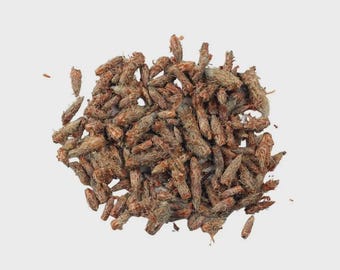
Pine buds are the unopened young shoots of various species within the *Pinus* genus, most commonly derived from the Scots Pine (*Pinus sylvestris*), but also from species like Mugo Pine (*Pinus mugo*), Maritime Pine (*Pinus pinaster*), and White Pine (*Pinus strobus*). These small, often reddish-brown or greenish-brown structures are typically encased in resinous scales, which protect the developing needles and new growth from environmental stressors. The resinous nature is key to their medicinal efficacy, as it contains a high concentration of the plant’s protective compounds. Harvesting occurs when the buds are plump and sticky, just before they begin to open, ensuring the maximum concentration of their active ingredients. This brief window in early spring makes them a seasonal delicacy in the world of herbal medicine, capturing the concentrated energy stored for the tree’s vigorous annual growth.
A Journey Through Time: Historical Context and Traditional Uses
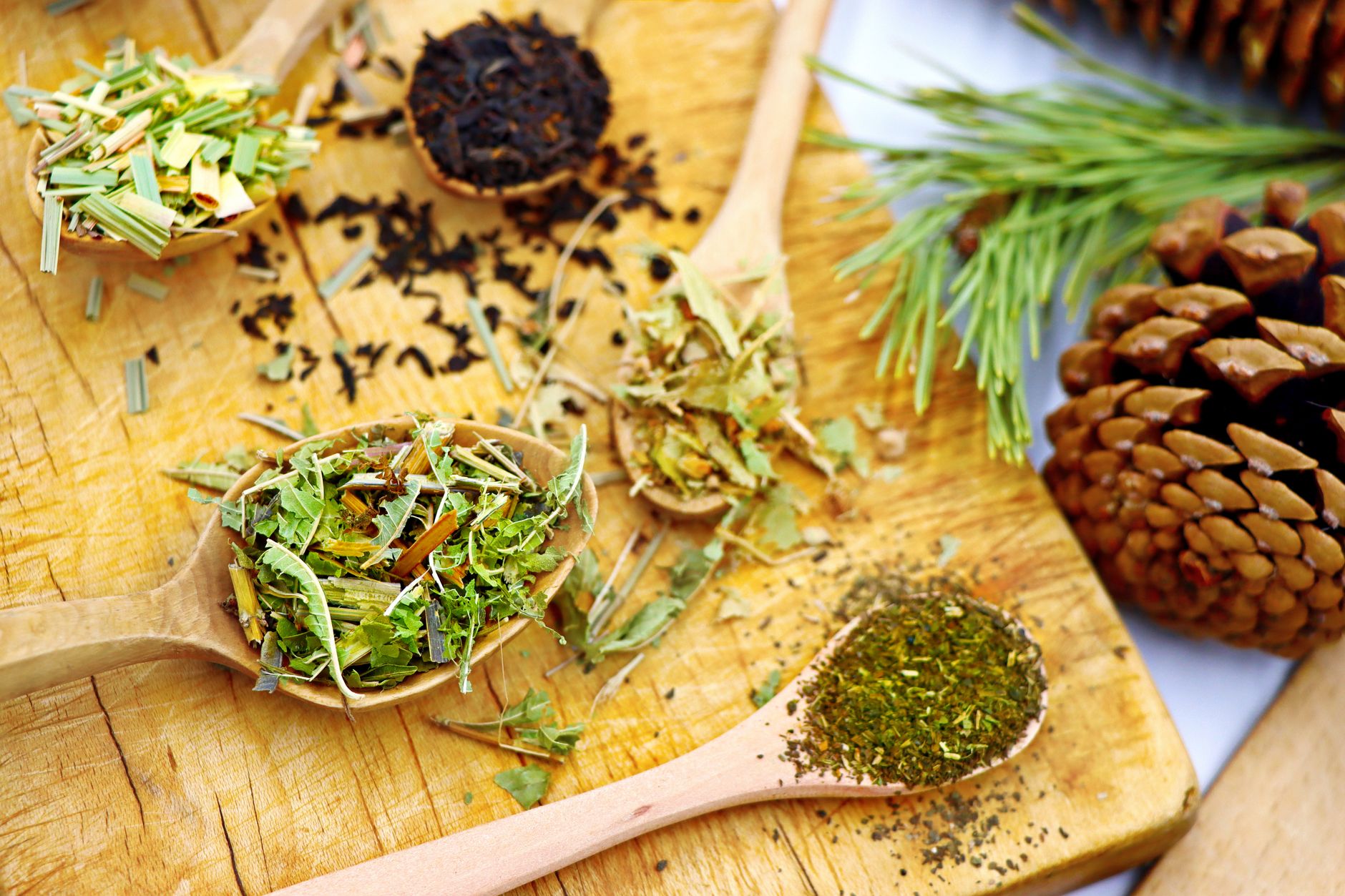
The therapeutic use of pine buds is deeply etched into the annals of traditional medicine. Ancient civilizations, living in close proximity to vast pine forests, intuitively recognized the healing potential of these evergreens. European folk medicine, in particular, has a rich tradition of utilizing pine buds for respiratory ailments. Grandmothers and village healers prepared soothing syrups and invigorating teas to alleviate coughs, bronchitis, asthma, and sore throats. The aromatic vapors were also inhaled to clear congested sinuses and provide relief from common colds. Beyond Europe, indigenous peoples in North America used various pine species, including their buds, for similar purposes, often incorporating them into poultices for wounds or infusing them into tonics for general vitality.
The distinctive scent of pine, attributed to its volatile essential oils, has long been associated with cleansing and purification, both physically and spiritually. In many cultures, pine branches and their extracts were used in ceremonial practices and as air purifiers, a testament to their perceived antiseptic qualities. The knowledge of their expectorant and anti-inflammatory properties was passed down through generations, forming a cornerstone of natural winter remedies. This enduring legacy underscores not just the empirical success of pine buds in treating various conditions but also a profound respect for the resilience and restorative power of nature.
The Bioactive Powerhouse: A Deep Dive into Chemical Composition
The remarkable therapeutic effects of pine buds stem from their complex and synergistic chemical composition. These nascent shoots are a veritable treasure trove of diverse bioactive compounds, each contributing to their overall medicinal profile. The primary constituents can be broadly categorized as follows:
- Volatile Essential Oils (Terpenes): This is perhaps the most significant group, responsible for pine buds’ characteristic aroma and many of their acute therapeutic actions. Key terpenes include alpha-pinene, beta-pinene, limonene, borneol, camphene, and myrcene. Alpha-pinene, in particular, is highly researched for its bronchodilatory, expectorant, and anti-inflammatory effects. These compounds are readily absorbed, making them effective through inhalation and topical application, as well as internal consumption.
- Resins: The sticky exudates that encapsulate the buds are rich in resin acids and diterpenes. These resins contribute to the buds’ antiseptic, antimicrobial, and protective properties. They also play a role in their expectorant action, helping to loosen and expel mucus.
- Flavonoids: These plant pigments are powerful antioxidants and anti-inflammatory agents. Quercetin, kaempferol, and other polyphenolic compounds found in pine buds help to scavenge free radicals, protect cellular integrity, and modulate inflammatory responses within the body.
- Tannins: Known for their astringent properties, tannins contribute to the antimicrobial effects of pine buds and can help to soothe irritated mucous membranes, particularly in the throat and digestive tract.
- Vitamins and Minerals: While not present in large quantities, pine buds contain trace amounts of vitamin C and various minerals, which further support overall health and immune function.
The intricate interplay between these compounds creates a holistic therapeutic effect that often surpasses the sum of individual components. It is this natural synergy that underscores the efficacy of whole-plant remedies like pine buds.

Key Health Benefits of Pine Buds: A Detailed Exploration
1. Exceptional Respiratory Support
Perhaps the most celebrated benefit of pine buds lies in their profound capacity to support respiratory health. The rich concentration of volatile compounds, especially alpha-pinene and borneol, acts as a potent expectorant, facilitating the breakdown and expulsion of mucus from the lungs and airways. This is crucial for conditions like bronchitis, coughs, and colds, where thick, stagnant phlegm can obstruct breathing and promote microbial growth. Furthermore, these terpenes exhibit bronchodilatory effects, helping to relax the smooth muscles of the bronchioles, thereby expanding the air passages and making breathing easier. This action is particularly beneficial for individuals suffering from asthma or allergic reactions that constrict the airways. The anti-inflammatory properties of pine buds also reduce swelling and irritation in the respiratory tract, providing symptomatic relief and promoting faster recovery from respiratory infections. The soothing sensation experienced when inhaling pine vapors or consuming pine bud tea is a direct result of these combined mechanisms, offering a natural and effective alternative for maintaining clear and healthy lungs.
2. Potent Anti-inflammatory and Analgesic Properties
Chronic inflammation is a root cause of many modern diseases, ranging from arthritis to cardiovascular conditions. Pine buds offer significant anti-inflammatory benefits, primarily due to their flavonoid content and certain terpenes. Compounds like alpha-pinene have been shown to inhibit pro-inflammatory mediators, such as prostaglandins and leukotrienes, at a cellular level. By modulating these pathways, pine buds can help to reduce swelling, pain, and redness associated with inflammatory conditions. This makes them valuable not only for respiratory inflammation but also for muscular aches, joint pain, and other systemic inflammatory processes. Their mild analgesic (pain-relieving) effect further enhances their utility, offering a gentle yet effective way to manage discomfort without the side effects often associated with conventional pain relievers. Regular consumption in appropriate forms can contribute to a reduction in overall inflammatory load within the body, promoting long-term health and well-being.
3. Robust Antioxidant Defense
In an environment replete with oxidative stressors, the body constantly battles against free radicals that can damage cells and accelerate aging. Pine buds are a rich source of antioxidants, including flavonoids and various phenolic acids, which play a crucial role in neutralizing these harmful free radicals. These compounds donate electrons to unstable free radicals, effectively disarming them and preventing them from causing oxidative damage to DNA, proteins, and lipids. This antioxidant capacity contributes to cellular protection, reduces the risk of chronic diseases, and supports overall cellular repair and regeneration. By safeguarding cellular integrity, pine buds contribute to the prevention of various degenerative conditions and promote a more resilient, youthful physiological state. The cumulative effect of these antioxidants reinforces the body’s natural defense mechanisms, making pine buds a valuable addition to any anti-aging or wellness regimen.
4. Immune System Fortification and Antimicrobial Action
A strong immune system is paramount for warding off infections and maintaining optimal health. Pine buds possess remarkable immune-modulating and direct antimicrobial properties. The essential oils, particularly alpha-pinene and limonene, have demonstrated significant antibacterial, antiviral, and antifungal activities *in vitro* and *in vivo*. These compounds can disrupt the cell membranes of pathogens, inhibiting their growth and proliferation. This makes pine buds effective against a range of common respiratory pathogens and contributes to their traditional use in treating colds, flu, and sore throats. Furthermore, the combination of antioxidants and other immune-supporting compounds helps to bolster the body’s natural defenses, preparing it to more effectively combat invading microorganisms. Regular intake can act as a preventative measure, especially during seasonal changes or periods of increased susceptibility to infections, by strengthening the body’s innate immunity and providing a natural shield against microbial threats.
5. Digestive Health Enhancement
While primarily known for respiratory benefits, pine buds also offer advantages for the digestive system. The astringent tannins present in pine buds can help to tone and soothe inflamed mucous membranes in the gut, potentially offering relief from mild digestive discomforts. Their mild antiseptic qualities may also contribute to a healthier gut microbiome by inhibiting the growth of undesirable bacteria, without necessarily harming beneficial gut flora. Furthermore, the resinous compounds and essential oils can stimulate digestive secretions, aiding in the more efficient breakdown and absorption of nutrients. However, due to their potent nature, moderation is key when using pine buds for digestive issues, and it’s always advisable to start with small doses to assess individual tolerance.
6. Skin Health and Wound Healing
Topically, pine bud extracts and essential oils have been traditionally used for skin conditions. The antiseptic and anti-inflammatory properties make them suitable for application to minor cuts, scrapes, and skin irritations. The resins can form a protective barrier, while the active compounds aid in reducing inflammation and preventing infection. They can also be incorporated into balms and salves to soothe sore muscles and joints due to their analgesic and anti-inflammatory effects. The circulation-enhancing properties of some terpenes might also contribute to improved blood flow to the skin, supporting tissue regeneration and faster healing.
7. Stress Reduction and Mood Enhancement
The distinctive, invigorating aroma of pine essential oils, released from the buds, has a direct impact on the limbic system of the brain, influencing mood and emotions. Inhaling the scent of pine is often associated with feelings of calm, clarity, and invigoration. This effect is largely due to alpha-pinene, which has been studied for its anxiolytic (anxiety-reducing) properties. The act of enjoying a warm pine bud tea can be a meditative experience, helping to alleviate stress, reduce mental fatigue, and promote a sense of well-being. This natural aromatherapy component adds another layer to the holistic health benefits of pine buds, extending their utility beyond physical ailments to encompass mental and emotional balance.
Practical Applications: How to Incorporate Pine Buds into Your Wellness Routine
Pine buds offer versatile ways for consumption and external application, each method optimizing the delivery of their beneficial compounds:
- Herbal Tea (Infusion): This is the most common and traditional method. Simply steep 1-2 teaspoons of dried pine buds in hot water for 10-15 minutes. The resulting tea is aromatic, slightly bitter, and highly effective for respiratory issues. Honey or lemon can be added to taste.
- Syrups: Pine bud syrup is an excellent way to harness their benefits, especially for children or those who find the tea too strong. Buds are simmered with water and sugar (or honey) to create a concentrated, sweet medicinal syrup for coughs and colds.
- Tinctures: An alcoholic or glycerin extract offers a concentrated form that is easy to dose and has a long shelf life. Tinctures are potent and can be taken orally or added to water.
- Inhalation (Steam): Adding a handful of pine buds or a few drops of pine bud essential oil to a bowl of hot water and inhaling the steam, covered with a towel, provides direct relief for congested sinuses, bronchitis, and sore throats.
- Baths: A strong pine bud infusion can be added to a warm bath to soothe sore muscles, relieve respiratory congestion, and promote relaxation.
- Compresses: A cloth soaked in a strong pine bud infusion can be applied topically to soothe localized pain, inflammation, or skin irritations.
- Essential Oils: Commercially available pine bud essential oil (often derived from *Pinus sylvestris*) can be diffused for aromatherapy or diluted in a carrier oil for topical application (e.g., chest rubs for congestion).

For those seeking convenience or a standardized dose, pine bud extracts are also available in capsule or tablet form. These supplements provide a consistent concentration of the active compounds, making it easier to integrate pine buds into a daily wellness routine, especially for ongoing immune support or general health maintenance.
Dosage, Safety, and Precautions
While generally considered safe for most healthy adults when consumed in appropriate doses, it is crucial to approach the use of pine buds with informed caution. For tea, a typical dosage is 1-2 teaspoons of dried buds steeped in 200ml of hot water, consumed 2-3 times daily. Tincture dosages can vary significantly depending on concentration, so always follow product-specific instructions.

Important considerations include:
- Pregnancy and Breastfeeding: Due to insufficient research, pine buds are generally not recommended for pregnant or breastfeeding individuals.
- Allergies: Individuals with known allergies to pine or other conifers should avoid pine bud products. Skin patch tests are advisable for topical applications.
- Asthma (severe): While beneficial for mild asthma, individuals with severe asthma should consult a healthcare professional before use, as some volatile compounds could potentially trigger reactions in highly sensitive airways.
- Kidney Issues: Some sources suggest caution for individuals with severe kidney conditions due to the diuretic action of certain compounds.
- Children: Use with caution and in reduced doses for children. Syrups tend to be the most palatable and safest form for younger individuals.
- Interactions: There is limited research on interactions with prescription medications. If you are on medication, consult your doctor or a qualified herbalist.
- Quality and Sourcing: Always ensure you are sourcing pine buds from reputable suppliers to guarantee purity and avoid contamination. If foraging, be absolutely certain of plant identification.
As with any potent herbal remedy, it is always recommended to consult with a healthcare professional, especially a qualified herbalist, before incorporating pine buds into your therapeutic regimen, particularly if you have underlying health conditions or are taking other medications. This ensures safe and effective use tailored to your individual needs.
Conclusion: Embracing the Enduring Wisdom of Pine Buds
Pine buds stand as a testament to the enduring wisdom of traditional herbal medicine and the remarkable healing potential embedded within nature. From their humble beginnings as the nascent growth of towering pines, these tiny botanical marvels encapsulate a powerful array of bioactive compounds that offer multifaceted health benefits. Their proven efficacy in supporting respiratory health, coupled with their anti-inflammatory, antioxidant, immune-boosting, and even mood-enhancing properties, positions pine buds as a truly comprehensive natural remedy. As scientific research continues to unravel the complexities of their pharmacological actions, the integration of pine buds into modern wellness practices is gaining well-deserved recognition. By understanding their historical context, chemical composition, and practical applications, we can thoughtfully and safely harness the verdant elixir of pine buds, fostering robust health and a deeper connection to the natural world.
Disclaimer: For informational purposes only. Not medical advice. Consult a qualified healthcare professional before use.