Unveiling the Ancient Power: A Definitive Deep Dive into the Health Benefits of Sweet Wormwood (Artemisia annua)
In the vast tapestry of botanical medicine, few plants boast a history as profound and a scientific validation as compelling as Sweet Wormwood, scientifically known as *Artemisia annua*. Revered for millennia in traditional healing systems and now a subject of intense modern scientific scrutiny, this unassuming herb holds a rich array of bioactive compounds that offer a spectrum of remarkable health benefits. From its celebrated role as a potent antimalarial agent to its emerging potential in combating various cancers and inflammatory conditions, Sweet Wormwood stands as a testament to nature’s profound pharmacy. This exhaustive guide delves into the intricate world of *Artemisia annua*, exploring its botanical origins, historical significance, complex chemical composition, diverse health applications, and practical considerations for its use.
Botanical Profile and Epochal Historical Significance
*Artemisia annua*, commonly known as Sweet Wormwood, Sweet Annie, or Annual Wormwood, is a member of the Asteraceae family, which also includes daisies and sunflowers. Native to temperate Asia, particularly China, it is an herbaceous annual plant characterized by its fern-like, deeply dissected leaves and small, yellowish flower heads. The plant emits a distinctive, camphoraceous aroma, particularly when its leaves are crushed, which is a key identifying feature and hints at its rich volatile oil content. It typically grows to a height of 30 to 100 cm, though some cultivated varieties can reach over 2 meters, flourishing in sunny, well-drained conditions.
The history of Sweet Wormwood is inextricably linked with Traditional Chinese Medicine (TCM), where it is known as *Qinghao*. Its medicinal properties were first documented over two millennia ago in the “Fifty-two Prescriptions” (Wushi’er Bingfang), a medical text unearthed from the Mawangdui Han tombs, dating back to 168 BCE. Early texts described its use for hemorrhoids and, significantly, for fevers, including those associated with malaria. Ge Hong, a prominent alchemist and physician from the 4th century CE, further detailed its use for intermittent fevers in his work “Zhou Hou Bei Ji Fang” (A Handbook of Prescriptions for Emergencies), noting that a decoction of *Qinghao* provided relief. However, the true efficacy of the herb against malaria was dramatically rediscovered and isolated in the 20th century, leading to one of the most significant breakthroughs in modern pharmacology. This long and distinguished history underscores its enduring value as a therapeutic agent, bridging ancient wisdom with contemporary scientific understanding.

The Science Behind the Herb: A Symphony of Bioactive Compounds
The remarkable therapeutic efficacy of Sweet Wormwood stems from its intricate chemical composition, a veritable pharmacopeia of compounds working in concert. While one compound, artemisinin, has garnered global recognition, the plant’s full spectrum of benefits is attributed to a synergistic interplay of various secondary metabolites.
Artemisinin: The Antimalarial Miracle
The most celebrated compound in *Artemisia annua* is artemisinin, a sesquiterpene lactone. Its discovery in the 1970s by Chinese scientist Tu Youyou, who later received the Nobel Prize in Medicine, revolutionized malaria treatment. Artemisinin’s mechanism of action against the malaria parasite, *Plasmodium falciparum*, is unique and highly effective. The parasite, particularly in its blood stages, digests hemoglobin, releasing heme, which contains iron. Artemisinin contains an unusual endoperoxide bridge (a three-oxygen ring). When this bridge comes into contact with ferrous iron (Fe2+), such as that released by the parasite, a chemical reaction occurs, generating highly reactive free radicals. These free radicals then alkylate and damage key parasitic proteins, membranes, and cellular structures, leading to rapid parasite death. This iron-dependent activation makes artemisinin selectively toxic to the parasite, which accumulates high levels of iron, while sparing host cells to a greater extent. Artemisinin-based combination therapies (ACTs) are now the first-line treatment for uncomplicated *P. falciparum* malaria worldwide.

Beyond Artemisinin: A Rich Phytochemical Profile
While artemisinin is the superstar, Sweet Wormwood contains hundreds of other compounds that contribute to its overall therapeutic profile:
* **Flavonoids:** These polyphenolic compounds, including quercetin, rutin, luteolin, and apigenin, are renowned for their potent antioxidant, anti-inflammatory, and immunomodulatory activities. They can scavenge free radicals, inhibit lipid peroxidation, and modulate cellular signaling pathways involved in inflammation (e.g., NF-κB pathway). In the context of malaria, flavonoids may also enhance the efficacy of artemisinin and inhibit parasite growth through different mechanisms.
* **Coumarins:** Compounds like scopoletin and esculetin possess anti-inflammatory, antimicrobial, and anticoagulant properties. They contribute to the plant’s overall protective effects.
* **Terpenes and Essential Oils:** The plant’s characteristic aroma comes from its volatile essential oil, rich in compounds such as artemisia ketone, camphor, pinene, and cineole. These compounds exhibit antimicrobial, insecticidal, and anti-inflammatory properties, contributing to the plant’s traditional uses and overall therapeutic actions.
* **Phenolic Acids:** Caffeic acid and chlorogenic acid are examples of phenolic acids found in *Artemisia annua*, contributing to its antioxidant and anti-inflammatory capabilities.
* **Other Sesquiterpenes:** Besides artemisinin, other sesquiterpene lactones are present, some of which may also possess mild antiparasitic or anti-inflammatory effects.
The combined action of these diverse phytochemicals creates a holistic therapeutic effect that is often more profound and multifaceted than any single isolated compound, showcasing the power of phytocomplexity.
Key Health Benefits: An In-depth Exploration
The multifaceted chemical composition of Sweet Wormwood translates into an impressive array of health benefits that extend far beyond its antimalarial fame.
1. Unrivaled Antimalarial Efficacy
As previously detailed, artemisinin and its derivatives (artesunate, artemether, dihydroartemisinin) are cornerstones of global malaria treatment. They are characterized by rapid action, quickly reducing parasite load and alleviating symptoms. ACTs are crucial for managing drug-resistant strains of *Plasmodium falciparum*. The synergistic effects of other compounds in the whole plant extract are also being investigated, with some research suggesting that the complete extract may offer benefits beyond isolated artemisinin, potentially reducing the risk of resistance development and providing broader therapeutic action. This makes *Artemisia annua* a critical resource in the ongoing fight against malaria, a disease that still claims hundreds of thousands of lives annually.
2. Promising Anti-Cancer Properties
Emerging research has shed light on Sweet Wormwood’s remarkable potential in the realm of oncology, primarily driven by artemisinin but also enhanced by other compounds. The anti-cancer mechanism of artemisinin is strikingly similar to its antimalarial action, hinging on its iron-dependent activation. Cancer cells, particularly aggressive ones, often exhibit a higher uptake and accumulation of iron compared to healthy cells, a phenomenon known as the “Warburg effect” and driven by their rapid proliferation. This elevated iron content makes cancer cells particularly susceptible to artemisinin.
Upon entering cancer cells, artemisinin reacts with intracellular iron, generating a burst of reactive oxygen species (ROS) and free radicals. This oxidative stress damages mitochondria, DNA, and proteins within the cancer cell, ultimately leading to apoptosis (programmed cell death). Studies have shown artemisinin and its derivatives to be effective against a range of cancer cell lines *in vitro* and *in vivo*, including those of breast, colon, lung, prostate, ovarian, and leukemia. Furthermore, artemisinin has been observed to inhibit angiogenesis (the formation of new blood vessels that feed tumors), block cell cycle progression, and suppress metastasis. While these findings are highly promising, most studies are preclinical, and human clinical trials are still needed to establish safe and effective protocols for cancer treatment.
3. Potent Anti-inflammatory and Immunomodulatory Effects
Chronic inflammation is a root cause of numerous diseases, including autoimmune disorders, cardiovascular disease, and neurodegenerative conditions. Sweet Wormwood possesses significant anti-inflammatory and immunomodulatory properties, largely attributed to its flavonoid content (quercetin, luteolin) and other phenolic compounds. These compounds can:
* **Inhibit pro-inflammatory cytokines:** They can suppress the production of inflammatory mediators such as TNF-α, IL-1β, and IL-6, which are key drivers of inflammation.
* **Modulate NF-κB pathway:** Flavonoids can interfere with the NF-κB signaling pathway, a central regulator of immune responses and inflammation. By inhibiting NF-κB activation, they can reduce the expression of genes involved in inflammatory processes.
* **Scavenge free radicals:** Their antioxidant activity reduces oxidative stress, which is often a precursor and perpetuator of inflammation.
* **Impact autoimmune conditions:** Preliminary research suggests potential benefits in conditions like Crohn’s disease and rheumatoid arthritis, where modulating immune responses and reducing inflammation are crucial. For example, some studies indicate *Artemisia annua* extract can help maintain remission in Crohn’s patients, possibly due to its anti-inflammatory and gut-healing properties.
4. Broad-Spectrum Antimicrobial and Antiparasitic Actions
Beyond malaria, Sweet Wormwood exhibits a wide range of antimicrobial and antiparasitic activities.
* **Other Parasites:** Artemisinin and other compounds in the plant have shown efficacy against various other parasites, including:
* *Leishmania spp.* (causing leishmaniasis)
* *Toxoplasma gondii* (causing toxoplasmosis)
* *Schistosoma spp.* (causing schistosomiasis)
* Certain intestinal worms.
The mechanisms often involve disruption of parasitic metabolism, membrane integrity, or DNA synthesis.
* **Antibacterial Properties:** Extracts of *Artemisia annua* have demonstrated activity against several bacteria, including some multidrug-resistant strains. This is thought to be due to a combination of compounds, including essential oils and flavonoids, which can disrupt bacterial cell walls, inhibit enzyme activity, or interfere with bacterial communication (quorum sensing).
* **Antifungal Activity:** The plant has also shown inhibitory effects against various fungi, including some *Candida* species, suggesting its potential in managing fungal infections.

5. Digestive Health and Gut Support
Traditional uses of Sweet Wormwood often include digestive support. Its bitter compounds stimulate digestive juices, including bile and gastric acid, which can improve digestion and nutrient absorption. This choleretic effect can be beneficial for those with sluggish digestion or mild liver congestion. Furthermore, its antimicrobial properties may help balance gut microbiota, potentially alleviating symptoms of conditions like Small Intestinal Bacterial Overgrowth (SIBO) or dysbiosis. The anti-inflammatory actions also contribute to a healthier gut lining, offering potential relief for conditions like Irritable Bowel Syndrome (IBS) or inflammatory bowel diseases.
6. Potent Antioxidant Activity
The rich cocktail of flavonoids, phenolic acids, and other phytochemicals within Sweet Wormwood endows it with significant antioxidant capabilities. These compounds actively neutralize free radicals, unstable molecules that can cause oxidative damage to cells, proteins, and DNA, contributing to aging and chronic diseases. By reducing oxidative stress, Sweet Wormwood helps protect cellular integrity and supports overall health, potentially reducing the risk of age-related diseases and supporting detoxification pathways.
Forms of Sweet Wormwood and Practical Usage
Sweet Wormwood is available in various forms, each offering distinct advantages and considerations for use.
Dried Herb for Traditional Preparations
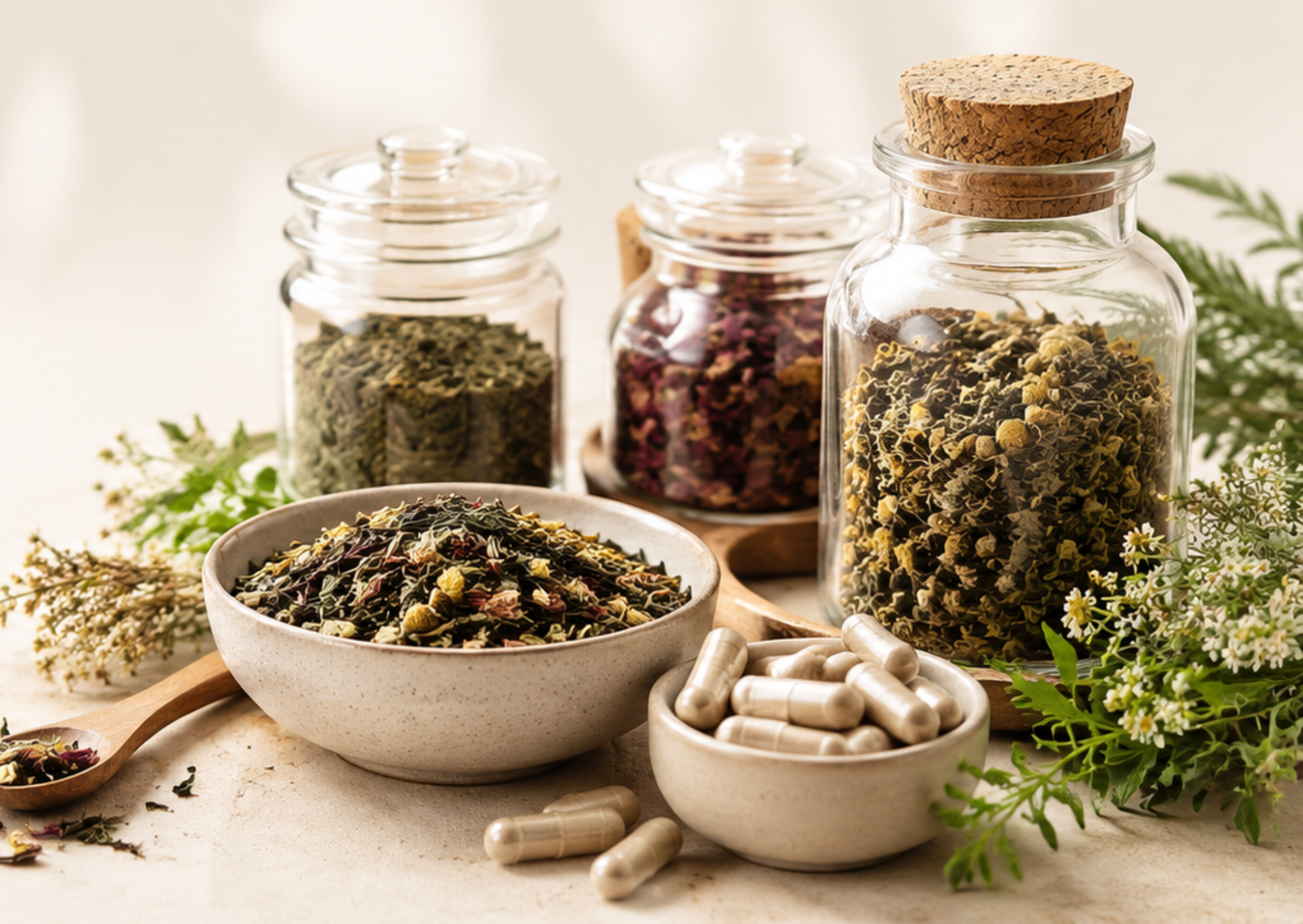
The dried aerial parts of *Artemisia annua* are commonly used to prepare infusions (teas) and decoctions. For a traditional tea, approximately 1-2 teaspoons of dried herb can be steeped in hot water for 5-10 minutes. This method allows for the extraction of water-soluble compounds, including some artemisinin (though its solubility is limited in water) and many of the beneficial flavonoids and phenolic acids. Tinctures, which involve steeping the herb in alcohol, are another traditional method that can extract a broader spectrum of compounds, including more lipophilic (fat-soluble) ones like artemisinin. Traditional uses often involve consuming the tea or tincture for general wellness, digestive aid, or as a support during feverish conditions.
Standardized Extracts and Capsules
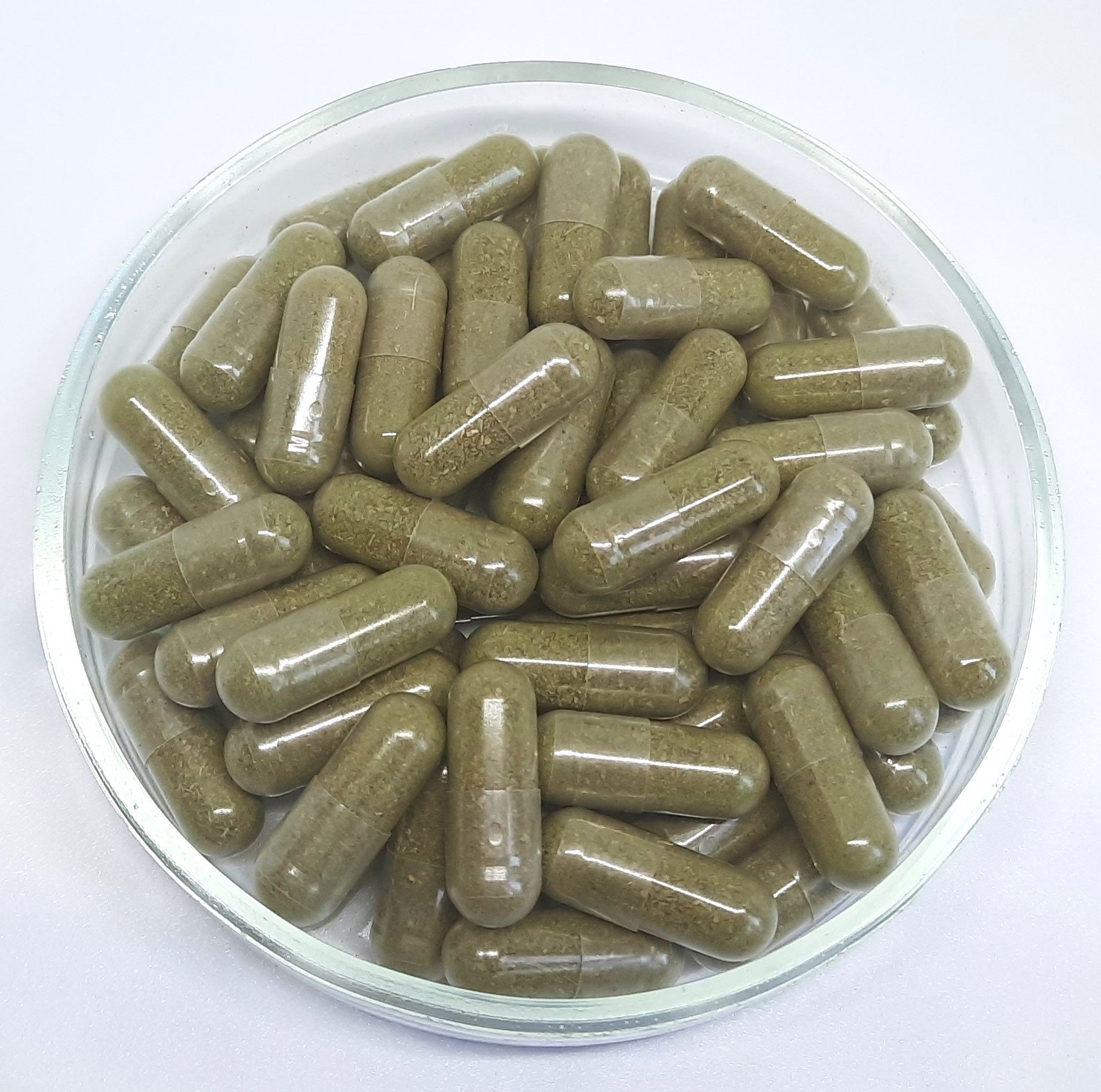
For more precise dosing and higher concentrations of active compounds, particularly artemisinin, standardized extracts and capsules are widely available. These supplements typically contain a guaranteed percentage of artemisinin, ranging from 90% to 98% purity. Capsules offer convenience and bypass the bitter taste of the raw herb. They are frequently chosen for targeted therapeutic uses, such as supporting protocols for parasitic infections (including malaria prophylaxis in some contexts, though professional guidance is crucial) or as part of complementary cancer support strategies. When selecting capsules, it is vital to choose reputable brands that provide third-party testing for purity and potency to ensure product quality and efficacy.
Essential Oil for Topical Applications (with Caution)
The essential oil of *Artemisia annua* is rich in volatile terpenes and possesses a strong, characteristic aroma. While it exhibits antimicrobial and insecticidal properties, it is generally not recommended for internal consumption due to its potency and potential toxicity. It may be used topically, highly diluted, for insect repellent purposes or in aromatherapy, but extreme caution is advised, and consultation with a qualified aromatherapist is recommended due to potential skin irritation or sensitization.
Dosage, Safety, and Precautions: Navigating Responsible Use
Despite its natural origins, Sweet Wormwood is a potent medicinal herb, and its use should be approached with respect and informed caution.
General Dosage Guidelines
Dosage for Sweet Wormwood varies significantly depending on the form (dried herb, extract, isolated artemisinin), the specific condition being addressed, and individual factors such as age, weight, and overall health.
* **For Dried Herb Tea:** 1-2 teaspoons infused in hot water, 1-3 times daily.
* **For Standardized Extracts/Capsules:** Doses often range from 100 mg to 500 mg of artemisinin per day, usually divided into multiple doses. However, therapeutic doses for specific conditions like malaria or cancer may be significantly higher and *must* be prescribed and monitored by a qualified healthcare professional.
* **For Tinctures:** Follow product-specific instructions, typically a few drops to a dropperful, 1-3 times daily.
It is crucial to emphasize that self-medication, especially for serious conditions like malaria or cancer, is highly discouraged. Always consult with a healthcare professional before starting any Sweet Wormwood regimen.
Potential Side Effects
While generally well-tolerated at recommended doses, some individuals may experience side effects:
* **Gastrointestinal Distress:** Nausea, vomiting, diarrhea, or abdominal discomfort are the most common side effects, especially with higher doses.
* **Dizziness and Vertigo:** Some users report lightheadedness or dizziness.
* **Allergic Reactions:** As with any plant, allergic reactions (skin rash, itching, swelling) are possible.
* **Neurotoxicity:** While rare, high doses of artemisinin have been associated with potential neurotoxicity in animal studies, particularly affecting the brainstem. This is why strict adherence to prescribed dosages is critical.
Contraindications and Interactions
Several conditions and medications warrant caution or contraindicate the use of Sweet Wormwood:
* **Pregnancy and Breastfeeding:** Sweet Wormwood and artemisinin are contraindicated during pregnancy due to potential abortifacient effects and lack of safety data. It should also be avoided during breastfeeding.
* **Liver or Kidney Conditions:** Individuals with pre-existing liver or kidney disease should use Sweet Wormwood with extreme caution, as the body processes and eliminates its compounds through these organs.
* **Iron Deficiency Anemia:** Given artemisinin’s iron-dependent mechanism, individuals with severe iron deficiency should exercise caution and seek medical advice.
* **Medication Interactions:**
* **Anticoagulants/Antiplatelet Drugs:** Sweet Wormwood may have mild anticoagulant properties, potentially increasing the risk of bleeding when taken with blood thinners like warfarin, aspirin, or clopidogrel.
* **Immunosuppressants:** Due to its immunomodulatory effects, it might theoretically interfere with immunosuppressant medications.
* **CYP450 Enzyme Substrates:** Artemisinin can induce or inhibit certain cytochrome P450 enzymes (e.g., CYP3A4, CYP2B6), which are involved in the metabolism of many drugs. This could alter the effectiveness or increase the toxicity of other medications.
* **Antacids:** Some sources suggest antacids might reduce the absorption of artemisinin.
* **Iron Supplements:** Concurrent use of high-dose iron supplements might theoretically enhance artemisinin’s pro-oxidant effects, which could be a double-edged sword depending on the context (e.g., cancer treatment vs. general use).
Always disclose all medications and supplements you are taking to your healthcare provider before incorporating Sweet Wormwood into your regimen.
Future Research and Concluding Thoughts
The journey of Sweet Wormwood from an ancient fever remedy to a globally recognized pharmaceutical source is a remarkable narrative of scientific inquiry meeting traditional wisdom. While artemisinin’s role in combating malaria is firmly established, the plant’s broader therapeutic potential, particularly in anti-cancer and anti-inflammatory applications, is still being extensively explored. Future research will likely focus on:
* **Clinical trials:** Rigorous human clinical trials are essential to validate its efficacy and safety for various non-malarial conditions, especially cancer and autoimmune diseases.
* **Mechanistic studies:** Further elucidating the synergistic interactions between artemisinin and other phytochemicals in the plant extract.
* **Drug resistance:** Investigating strategies to prevent artemisinin resistance in malaria and developing new derivatives.
* **Bioavailability and delivery:** Optimizing formulations for better absorption and targeted delivery of active compounds.

In conclusion, Sweet Wormwood (*Artemisia annua*) is a profoundly potent herb, a botanical treasure chest of compounds offering a multitude of health benefits. Its storied past and scientifically validated present position it as a critical player in both traditional medicine and modern pharmacology. As research continues to unfold its full spectrum of capabilities, Sweet Wormwood promises to remain at the forefront of natural health solutions, a powerful testament to the intricate healing potential residing within the plant kingdom. However, as with all powerful medicines, its use demands respect, knowledge, and, most importantly, professional guidance to ensure both efficacy and safety.
Disclaimer: For informational purposes only. Not medical advice. Consult a qualified healthcare professional before use.