
The Profound Health Benefits of Marsh Labrador Herb (*Rhododendron tomentosum*): A Definitive Deep Dive
In the vast tapestry of traditional herbal medicine, certain plants stand out for their enduring legacy and remarkable array of therapeutic properties. Among these is the Marsh Labrador Herb, scientifically known as Rhododendron tomentosum, formerly *Ledum palustre*. This unassuming evergreen shrub, native to the cold, boggy landscapes of the Northern Hemisphere, has been a cornerstone of indigenous healing practices for centuries. Revered by various cultures for its potent medicinal qualities, Marsh Labrador Herb offers a spectrum of health benefits ranging from powerful anti-inflammatory and antioxidant actions to significant respiratory and immune support. This exhaustive guide delves into the botanical nuances, rich historical context, intricate chemical composition, and diverse therapeutic applications of this extraordinary herb, providing a comprehensive resource for enthusiasts, practitioners, and those seeking natural wellness solutions.
Botanical Profile and Historical Roots of Marsh Labrador Herb
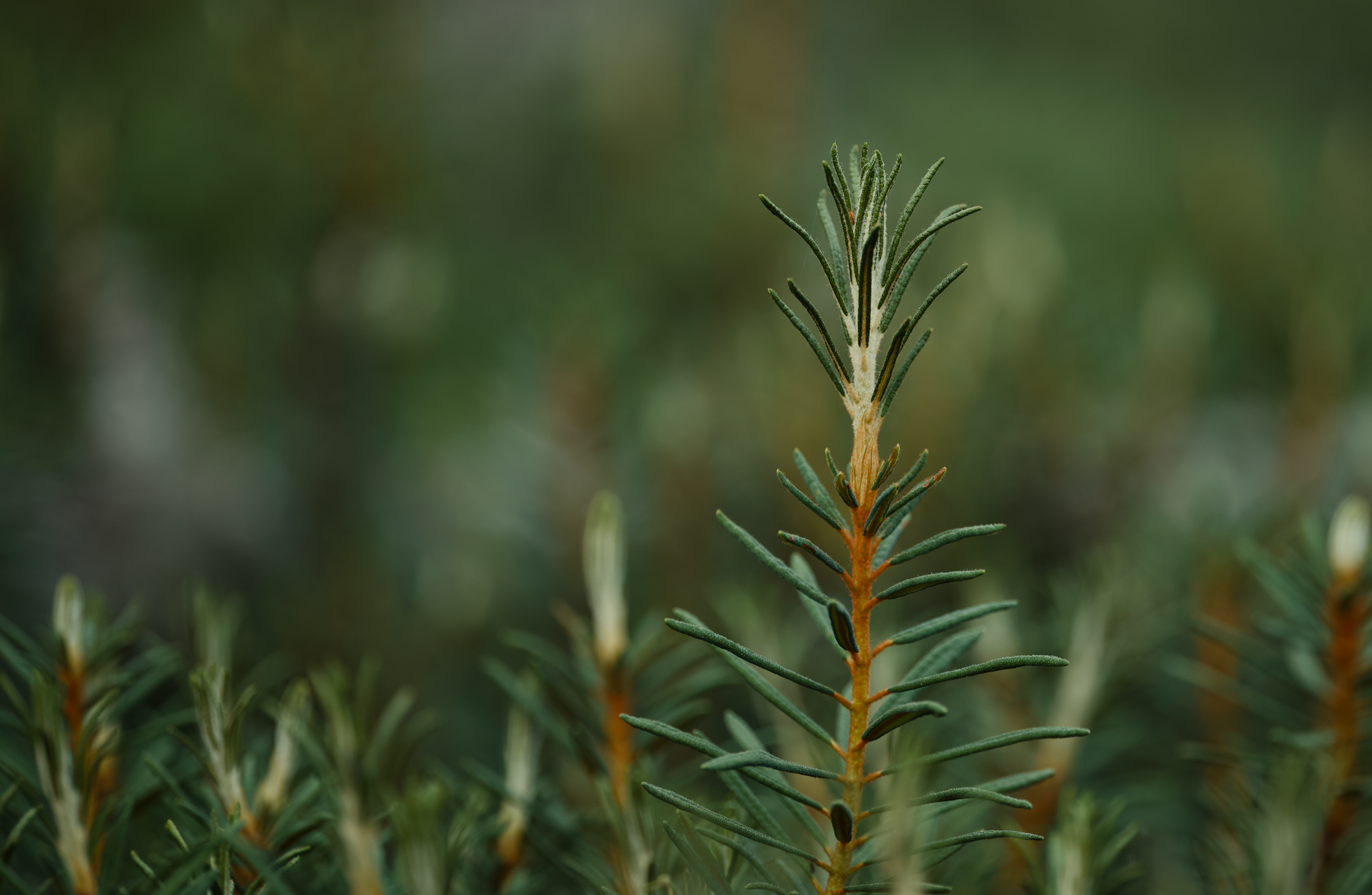
Rhododendron tomentosum, often referred to as Marsh Labrador Tea, Wild Rosemary, or Bog Rosemary, is a resilient shrub belonging to the Ericaceae family. It thrives in challenging environments such as peat bogs, marshlands, and damp coniferous forests across northern North America, Europe, and Asia. The plant is characterized by its leathery, dark green leaves, which are typically rolled at the edges and covered with a distinctive reddish-brown woolly pubescence on their undersides. Its small, fragrant white flowers bloom in clusters during late spring to early summer, releasing a pungent, resinous aroma that hints at its potent chemical makeup.
The historical use of Marsh Labrador Herb is deeply embedded in the traditions of numerous indigenous peoples. Native American tribes, particularly in the northern regions, utilized it extensively for a variety of ailments, often brewing its leaves into a medicinal tea to alleviate respiratory complaints, fevers, and aches. The Sami people of Scandinavia, along with various Siberian ethnic groups, similarly prized the herb for its ability to combat colds, soothe sore throats, and provide relief from rheumatic pain. Beyond medicine, its strong aroma made it a valuable insect repellent, and some cultures even used it in brewing alcoholic beverages due to its distinctive flavor profile. This long history of practical application underscores its cultural significance and provides a testament to its efficacy long before modern scientific inquiry began to unravel its chemical secrets.

The Bioactive Arsenal: Key Chemical Constituents
The therapeutic prowess of Marsh Labrador Herb stems from its complex array of bioactive compounds, predominantly concentrated in its essential oil and flavonoid fractions. Understanding these constituents is crucial for appreciating the herb’s multifaceted health benefits. The synergy among these compounds often results in a more potent effect than any single isolated component could achieve.
Essential Oils: The Aromatic Powerhouses
The essential oil of *Rhododendron tomentosum* is particularly rich and is the primary driver of many of its pharmacological actions. Key components include:
- Ledol: A sesquiterpene alcohol, Ledol is one of the most characteristic compounds of Marsh Labrador Herb. It contributes significantly to the herb’s anti-inflammatory, analgesic, and antimicrobial properties. However, it is also associated with potential toxicity in high doses, underscoring the need for careful usage.
- Palustrol: Another prominent sesquiterpene alcohol, Palustrol works in concert with Ledol, enhancing the anti-inflammatory and antiseptic effects. Research suggests its involvement in modulating immune responses.
- Cymene and Limonene: Monoterpenes known for their pleasant aroma and recognized for their carminative, antiseptic, and anti-inflammatory attributes. Limonene, in particular, has been studied for its potential anxiolytic and anti-cancer properties.
- Sabinene and Myrcene: Other monoterpenes contributing to the herb’s distinct scent. Sabinene offers antimicrobial and antioxidant benefits, while Myrcene is noted for its analgesic and anti-inflammatory effects.
- Terpinen-4-ol: This compound is a powerful antimicrobial and anti-inflammatory agent, often found in tea tree oil, indicating a broad spectrum of antiseptic activity in Marsh Labrador Herb.
Flavonoids: Antioxidant and Anti-inflammatory Guardians
Beyond the essential oils, Marsh Labrador Herb is a rich source of flavonoids, plant pigments known for their robust antioxidant and anti-inflammatory capabilities:
- Quercetin: A widely studied flavonoid with potent antioxidant and anti-inflammatory effects. It helps stabilize mast cells, potentially reducing allergic reactions, and supports cardiovascular health.
- Rutin: A glycoside of quercetin, Rutin enhances the activity of Vitamin C and exhibits strong antioxidant, anti-inflammatory, and venotonic (vein-strengthening) properties.
- Kaempferol: Another powerful flavonoid with significant antioxidant and anti-inflammatory actions, also being investigated for potential anti-cancer effects.
These flavonoids work by scavenging free radicals, inhibiting oxidative stress, and modulating inflammatory pathways, thereby contributing to the herb’s overall protective and healing properties.
Other Compounds
The plant also contains tannins, which impart astringent properties useful in wound healing and reducing inflammation, as well as various organic acids and coumarins that may contribute to its complex pharmacological profile.
Comprehensive Health Benefits of Marsh Labrador Herb
The diverse chemical composition of *Rhododendron tomentosum* translates into a wide array of health benefits, validated by both traditional use and an increasing body of scientific research.
1. Potent Anti-inflammatory Action
One of the most celebrated attributes of Marsh Labrador Herb is its profound anti-inflammatory capacity. The essential oils, particularly Ledol and Palustrol, along with the rich flavonoid content (quercetin, rutin), work synergistically to suppress inflammatory responses. These compounds interfere with various inflammatory pathways, including the inhibition of cyclooxygenase (COX) and lipoxygenase (LOX) enzymes, which are crucial in the synthesis of pro-inflammatory mediators like prostaglandins and leukotrienes. Furthermore, they can modulate the production of inflammatory cytokines such as TNF-alpha and interleukins. This comprehensive anti-inflammatory effect makes Marsh Labrador Herb a valuable ally in managing conditions characterized by chronic inflammation, such as arthritis, rheumatism, and inflammatory skin disorders, offering natural relief from pain and swelling without the typical side effects associated with conventional anti-inflammatory drugs.
2. Robust Antioxidant Protection
The plant’s high concentration of flavonoids and other phenolic compounds endows it with exceptional antioxidant properties. Antioxidants are vital for neutralizing free radicals, unstable molecules that cause oxidative stress, leading to cellular damage, accelerated aging, and the development of chronic diseases like cardiovascular disease, neurodegenerative disorders, and certain cancers. By effectively scavenging these free radicals, Marsh Labrador Herb helps protect cellular integrity, supports DNA repair mechanisms, and reinforces the body’s natural defense systems. This cellular protection is fundamental for maintaining overall health and promoting longevity, making it a powerful natural tool in the fight against oxidative damage.
3. Respiratory System Support
Marsh Labrador Herb has a long-standing reputation as a respiratory aid, particularly effective in alleviating symptoms of colds, flu, bronchitis, and asthma. Its essential oil components act as expectorants, helping to thin and expel mucus from the respiratory passages, thereby clearing congestion and facilitating easier breathing. The bronchodilator effects attributed to some of its constituents can help relax the smooth muscles of the airways, making it beneficial for those experiencing bronchospasm. Furthermore, its anti-inflammatory properties can reduce irritation and swelling in the bronchial tubes, soothing persistent coughs and sore throats. Traditional preparations often involved inhaling the vapors or drinking teas made from the leaves to leverage these respiratory benefits.
4. Antimicrobial and Antifungal Efficacy
The essential oil of *Rhododendron tomentosum* exhibits significant antimicrobial and antifungal activity against a range of pathogens. Compounds like terpinen-4-ol, cymene, and sabinene have demonstrated the ability to inhibit the growth of various bacteria and fungi. This makes the herb potentially useful for both internal and topical applications. Traditionally, it was used to treat minor wounds and skin infections, where its antiseptic qualities could prevent infection and promote healing. In modern contexts, its essential oil can be diffused to purify indoor air or incorporated into natural cleaning products, leveraging its broad-spectrum antimicrobial action.
5. Natural Analgesic (Pain Relief) Properties
Beyond its anti-inflammatory effects, Marsh Labrador Herb possesses direct analgesic qualities. While much of its pain-relieving action is secondary to its ability to reduce inflammation, some components may also interact with pain receptors or pathways in the nervous system. This makes it a traditional remedy for muscle aches, joint pain, headaches, and general discomfort. The synergistic action of its various compounds means that the herb can offer a holistic approach to pain management, addressing both the underlying inflammation and the symptomatic pain perception.
6. Diuretic and Detoxifying Benefits
Historically, Marsh Labrador Herb has been used as a diuretic, promoting increased urine production. This action can be beneficial for reducing fluid retention (edema) and assisting the body in expelling toxins through the urinary system. By supporting kidney function and enhancing the elimination of waste products, the herb contributes to the body’s natural detoxification processes, which can lead to improved overall vitality and cellular health. This detoxifying effect, combined with its anti-inflammatory properties, can indirectly support various metabolic functions.
7. Immune System Modulation
Emerging research suggests that Marsh Labrador Herb may also play a role in modulating the immune system. Its antioxidant and anti-inflammatory compounds can help balance immune responses, preventing both overactive and underactive immunity. While not a direct immune stimulant, its ability to reduce systemic inflammation and protect cells from oxidative stress contributes to a more robust and resilient immune system, enhancing the body’s natural ability to ward off infections and maintain health.
8. Topical Applications for Skin Health and Insect Repellency
Applied topically, Marsh Labrador Herb can soothe various skin irritations, thanks to its anti-inflammatory and antiseptic properties. It has been used traditionally in poultices for wounds, burns, insect bites, and eczema. Furthermore, the strong, distinctive aroma of its essential oil, rich in terpenes, makes it an effective natural insect repellent. Indigenous peoples often hung branches of the plant in their dwellings or rubbed leaves on their skin to deter mosquitoes and other biting insects, a practice still relevant in natural pest control today.
Traditional Usage and Modern Preparations
The versatility of Marsh Labrador Herb has led to various methods of preparation and administration throughout history and into modern times. Understanding these applications is key to safely and effectively harnessing its benefits.
Traditional Preparations:
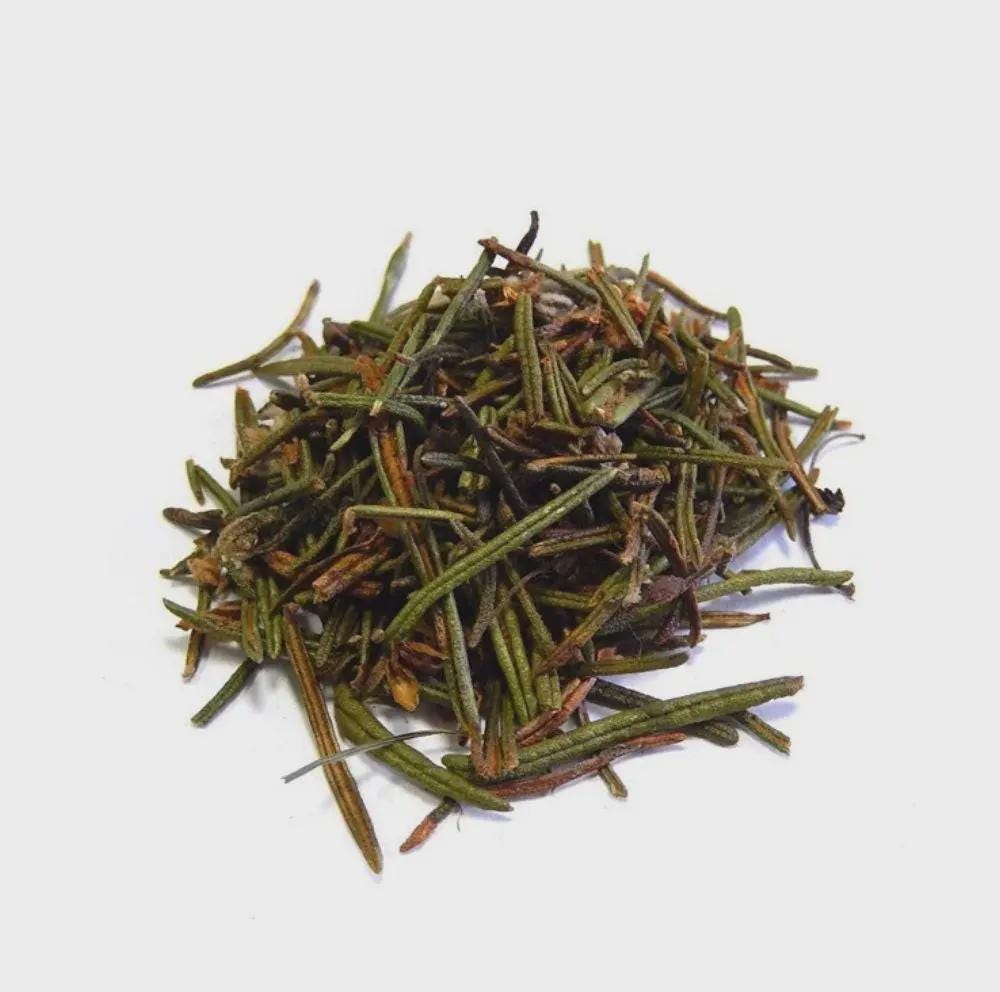
- Teas and Infusions: The most common traditional method involves steeping dried leaves and twigs in hot water to create a medicinal tea. This was typically consumed for respiratory issues, fevers, and general wellness.
- Poultices and Compresses: Crushed fresh or rehydrated dried leaves were applied directly to the skin to treat wounds, bruises, and inflammatory conditions like rheumatism.
- Smokes: Some indigenous groups historically used the dried leaves in ceremonial smokes or inhaled the smoke for respiratory relief, though this practice is less common and carries different risks.
Modern Applications:
- Herbal Teas: Still a popular method, using properly dried and processed leaves. For an infusion, typically 1-2 teaspoons of dried herb per cup of hot water, steeped for 5-10 minutes. It’s important to start with lower doses and observe reactions due to the herb’s potency.
- Tinctures: Alcohol-based extracts offer a more concentrated form, allowing for precise dosing. Tinctures are usually taken orally, diluted in water, following recommended dosages on product labels or practitioner advice.
- Essential Oil: The highly concentrated essential oil is primarily used for external applications like topical rubs (diluted in a carrier oil for pain relief or insect repellency) or diffusion for respiratory benefits and air purification. It is *critically important* to use Marsh Labrador essential oil with extreme caution. Due to the high concentration of Ledol, internal consumption of undiluted essential oil is generally not recommended and can be toxic. Even topical application requires proper dilution.

- Capsules and Supplements: For convenience and standardized dosing, Marsh Labrador Herb is available in capsule form. These supplements often contain powdered dried herb or extracts, offering a controlled way to incorporate the herb into a daily regimen. When choosing supplements, look for reputable brands that provide clear information on sourcing, processing, and concentration to ensure quality and safety.
Precautions, Side Effects, and Contraindications
While Marsh Labrador Herb offers significant health benefits, it is crucial to approach its use with respect and caution. The presence of potent compounds like Ledol means that indiscriminate or excessive consumption can lead to adverse effects.
- Toxicity: High doses of Marsh Labrador Herb, particularly its essential oil, can be toxic. Symptoms of overdose may include nausea, vomiting, dizziness, drowsiness, confusion, and in severe cases, even paralysis or convulsions. Always adhere to recommended dosages and consult with a healthcare professional or experienced herbalist before use.
- Pregnancy and Breastfeeding: Due to insufficient research on its safety during pregnancy and lactation, Marsh Labrador Herb is generally contraindicated for pregnant and breastfeeding women.
- Children: Its use in children should be approached with extreme caution and only under professional guidance due to their increased sensitivity to potent compounds.
- Liver and Kidney Conditions: Individuals with pre-existing liver or kidney diseases should avoid this herb or use it only under strict medical supervision, as these organs are responsible for processing and eliminating herbal constituents.
- Drug Interactions: Marsh Labrador Herb may interact with certain medications, particularly those affecting the central nervous system, blood thinners, or drugs metabolized by the liver. Always consult a healthcare provider before combining this herb with prescription medications.
- Allergic Reactions: As with any botanical, allergic reactions are possible, manifesting as skin rashes, itching, or respiratory distress. Discontinue use if such symptoms occur.
- Sourcing: Given the potential for toxicity and the importance of proper identification, it is vital to source Marsh Labrador Herb from reputable suppliers who can guarantee purity and proper species identification. Wild harvesting should only be done by knowledgeable individuals to avoid mistaken identity with similar-looking but toxic plants.

Conclusion: Marsh Labrador Herb – A Bridge Between Tradition and Modern Wellness
The Marsh Labrador Herb, *Rhododendron tomentosum*, represents a compelling intersection of rich historical reverence and promising modern scientific inquiry. Its potent blend of essential oils and flavonoids provides a formidable array of health benefits, ranging from profound anti-inflammatory and antioxidant activities to comprehensive respiratory support, antimicrobial protection, and natural pain relief. For centuries, it has served as a testament to the healing power of nature in the harshest of environments, cherished by indigenous cultures who understood its profound capabilities.
As we continue to explore the vast potential of botanical medicine, Marsh Labrador Herb stands out as an herb deserving of continued attention and careful study. While its benefits are undeniable, particularly in areas of inflammation, oxidative stress, and respiratory health, its potent nature necessitates respectful and informed usage. Always prioritizing proper dosage, professional guidance, and responsible sourcing is paramount to safely harnessing the remarkable therapeutic qualities of this unique and powerful plant. By doing so, we can ensure that the Marsh Labrador Herb continues to contribute significantly to holistic health and wellness in our contemporary world, bridging ancient wisdom with modern understanding for generations to come.
Disclaimer: For informational purposes only. Not medical advice. Consult a qualified healthcare professional before use.