
Calamus: Unveiling the Ancient Herb’s Profound Health Benefits – An Exhaustive Guide
In the vast tapestry of botanical medicine, certain plants stand out not only for their enduring historical legacy but also for their potent, multifaceted health benefits validated by centuries of traditional use and emerging scientific inquiry. Among these revered botanicals, Calamus, scientifically known as Acorus calamus, occupies a unique and significant position. Often referred to as “sweet flag” due to its aromatic rhizome, Calamus has been a cornerstone of healing systems across continents, from the ancient Ayurvedic texts of India to the traditional practices of Native Americans and the esoteric pharmacopoeias of European herbalists. This comprehensive guide aims to delve deeply into the world of Calamus, exploring its rich history, intricate chemical composition, a wide array of scientifically supported and traditionally acclaimed health benefits, practical applications, and crucial precautions, providing an invaluable resource for anyone seeking to understand this extraordinary herb.
Our journey will uncover how this humble marsh plant, with its sword-like leaves and fragrant root, has profoundly impacted human health and consciousness. From its remarkable capacity to enhance cognitive function and soothe digestive ailments to its potential as an adaptogen and anti-inflammatory agent, Calamus presents a compelling profile that warrants a detailed examination. Prepare to immerse yourself in the definitive exploration of Calamus, an herb whose time-honored wisdom continues to reveal its relevance in modern holistic wellness.
Botanical Overview and Traditional Roots of Acorus Calamus
Acorus calamus, commonly known as Calamus, Sweet Flag, or Vacha (in Ayurveda), is a perennial wetland monocot belonging to the Acoraceae family. It thrives in marshes, bogs, and along the banks of rivers and lakes across temperate and subtropical regions of the Northern Hemisphere, including North America, Europe, and Asia. The plant is characterized by its long, sword-shaped leaves that can grow up to a meter in length, reminiscent of iris or cattails. However, its true treasure lies beneath the water’s surface or within the mucky soil: a creeping, branching rhizome (underground stem) that is highly aromatic and possesses the majority of the plant’s medicinal properties.
The rhizome itself is stout, cylindrical, and reddish-brown externally, with a white, spongy interior. When dried, it retains its distinctive, warm, spicy, and somewhat bitter aroma. This aromatic quality is a key indicator of its rich essential oil content, which underpins many of its therapeutic actions. Historically, indigenous cultures revered Calamus, integrating it into their spiritual rituals, daily health maintenance, and acute medicinal interventions. Its widespread presence and potent effects made it an indispensable part of traditional medicine systems, each discovering and utilizing its diverse properties in unique ways.
A Storied Past: Historical and Cultural Significance Across Civilizations
The history of Calamus is as rich and diverse as the cultures that embraced it. Its journey through human civilization is a testament to its perceived efficacy and profound impact. In ancient India, Calamus, or Vacha, holds a paramount position in Ayurveda, one of the world’s oldest holistic healing systems. It is celebrated as a “medhya rasayana,” a rejuvenator of the mind, revered for its ability to enhance intellect, improve memory, and sharpen speech. Ayurvedic texts describe it as heating, pungent, and bitter, balancing Kapha and Vata doshas while potentially increasing Pitta. It was commonly used to invigorate the nervous system, alleviate digestive distress, clear congestion, and as a powerful brain tonic.
Similarly, Traditional Chinese Medicine (TCM) recognizes Acorus calamus as “Shi Chang Pu” (石菖蒲). Here, it is valued for its ability to open the orifices, clear phlegm, strengthen the spleen, and calm the spirit. It has been historically prescribed for conditions involving cognitive impairment, sensory dullness, digestive sluggishness, and nervous disorders, mirroring many of its Ayurvedic applications. The plant’s aromatic properties were also utilized in ritualistic practices and as an incense.
Across the Atlantic, Native American tribes, particularly in the Great Lakes region, utilized Calamus extensively. The Ojibwa, Potawatomi, and Menominee peoples, among others, chewed the root for its stimulating and endurance-enhancing effects during long journeys or spiritual ceremonies. It was also employed as a remedy for toothaches, colds, coughs, fever, and digestive complaints. The root was often carried as a protective charm or used in sweat lodge rituals for purification and spiritual clarity.
European herbal traditions also incorporated Calamus, albeit sometimes with greater caution. It was used as a carminative, a digestive aid, and a stimulant. During the Middle Ages, it was often part of plague remedies and revered for its antiseptic qualities. Its essential oil found applications in perfumery and as a flavoring agent in liqueurs. This widespread adoption across vastly different geographical and cultural landscapes underscores a universal recognition of Calamus’s remarkable therapeutic potential.
Unlocking Nature’s Pharmacy: Key Bioactive Compounds of Calamus
The profound health benefits attributed to Calamus are largely due to its complex phytochemistry, particularly the diverse array of compounds found in its essential oil extracted from the rhizome. While the exact chemical profile can vary depending on the chemotype, geographical origin, and harvesting conditions, several key bioactive constituents are consistently identified and contribute significantly to its pharmacological activities.
The most prominent and often discussed compounds are the phenylpropanoids, specifically **alpha- and beta-asarone**. Beta-asarone (cis-isoasarone) has received considerable attention due to its recognized pharmacological activity, including sedative, anxiolytic, and neuroprotective effects, but also its historical association with potential toxicity at high doses, particularly in certain polyploid varieties (e.g., the triploid and tetraploid European and Indian species). Diploid varieties, often found in North America, contain significantly lower or undetectable levels of beta-asarone, making them generally considered safer for internal use.
Beyond asarones, Calamus essential oil is rich in a variety of other beneficial compounds:
- Monoterpenes: Such as alpha-pinene, beta-pinene, camphene, limonene, and camphor. These contribute to its aromatic profile and possess anti-inflammatory, antimicrobial, and expectorant properties.
- Sesquiterpenes: Including calamene, calamol, calamol acetate, and shyobunone. These compounds are known for their anti-inflammatory, antioxidant, and potentially neuroprotective effects.
- Phenylpropanoids (other): Methyl eugenol (eugenol methyl ether) is another aromatic component found in varying concentrations, contributing to its fragrance and possibly some antimicrobial activity.
- Flavonoids and Tannins: These polyphenolic compounds are present in the plant matrix and contribute to its antioxidant, anti-inflammatory, and astringent properties.
- Mucilage: Providing soothing effects on mucous membranes.
The synergistic interaction of these diverse compounds, rather than the action of a single isolated ingredient, is believed to be responsible for the holistic therapeutic efficacy of Calamus. This complex interplay highlights the inherent wisdom of whole-plant medicine, where the sum is often greater than its individual parts.

A Deep Dive into the Comprehensive Health Benefits of Calamus
1. Cognitive Enhancement and Neurological Support: The Nootropic Powerhouse
Calamus has earned its reputation as a premier “brain tonic” across various traditional systems, and modern research begins to elucidate the mechanisms behind these claims. Its nootropic (cognitive-enhancing) effects are primarily attributed to compounds like beta-asarone, which can interact with neurotransmitter systems in the brain. Studies suggest that Calamus can improve memory retention, learning capacity, and overall cognitive performance by modulating acetylcholine levels (a key neurotransmitter for memory and learning) and influencing GABAergic activity, which can reduce anxiety and promote mental clarity. Furthermore, its potential neuroprotective properties may help shield brain cells from oxidative stress and inflammation, contributing to long-term neurological health. The adaptogenic qualities of Calamus also play a role, helping the brain adapt to stress and maintain optimal function under challenging conditions, thereby improving focus and concentration.
2. Digestive Harmony: A Carminative and Digestive Aid
One of the most universally recognized benefits of Calamus is its profound impact on the digestive system. Traditionally, it has been employed as a powerful carminative, effectively alleviating flatulence, bloating, and abdominal discomfort by promoting the expulsion of gas from the intestines. Its bitter principles stimulate the production of digestive enzymes and bile, which are crucial for the efficient breakdown and absorption of nutrients. As an antispasmodic, Calamus can relax the smooth muscles of the gastrointestinal tract, thereby reducing cramps and spasms associated with indigestion, irritable bowel syndrome (IBS), and other digestive disturbances. It also acts as an appetite stimulant, particularly beneficial for individuals experiencing loss of appetite due to illness or stress. The aromatic compounds contribute to its ability to soothe an upset stomach and combat nausea, making it a holistic remedy for various gastrointestinal complaints.
3. Potent Anti-inflammatory and Analgesic Properties
Calamus exhibits significant anti-inflammatory and analgesic (pain-relieving) effects, which are likely due to the presence of various terpenes and sesquiterpenes. These compounds can modulate inflammatory pathways, reducing the production of pro-inflammatory cytokines and mediators in the body. This makes Calamus potentially beneficial for managing a range of inflammatory conditions, from arthritic pain and muscle soreness to gastrointestinal inflammation. By reducing systemic inflammation, Calamus can contribute to overall comfort and facilitate the body’s natural healing processes. Its traditional use for alleviating discomfort in conditions like rheumatism and gout underscores this potent anti-inflammatory action, offering a natural alternative for pain management.
4. Antimicrobial and Antifungal Defense
Throughout history, Calamus has been utilized for its ability to combat various pathogens, and contemporary research supports its antimicrobial and antifungal properties. The essential oil of Calamus, rich in compounds like asarone, pinene, and calamene, has demonstrated inhibitory effects against a broad spectrum of bacteria, including some common foodborne pathogens, and various fungal species, including Candida albicans. This makes Calamus a valuable natural agent for addressing internal and external infections. Traditionally, it was used topically for skin infections, wounds, and mouth sores, and internally for gastrointestinal infections and parasitic infestations, leveraging its ability to create an unfavorable environment for microbial growth.
5. Respiratory Support: An Expectorant and Decongestant
The aromatic and warming qualities of Calamus make it an effective remedy for respiratory ailments. It acts as an expectorant, helping to loosen and expel phlegm and mucus from the respiratory passages, thereby easing congestion and facilitating clearer breathing. This action is particularly beneficial for conditions such as colds, coughs, bronchitis, and asthma, where excessive mucus production can impede respiration. The volatile oils in Calamus can also have a soothing effect on irritated mucous membranes, reducing inflammation in the throat and bronchial tubes. Its ability to clear “dampness” and “phlegm” in TCM resonates with its expectorant properties, highlighting its role in maintaining respiratory health.
6. Stress Reduction and Mood Enhancement: The Adaptogenic Effect
Calamus is considered an adaptogen, meaning it helps the body adapt to various stressors and maintain physiological balance. Its anxiolytic (anxiety-reducing) and mild sedative properties contribute to its ability to calm the nervous system, reduce feelings of stress, and promote mental tranquility. By influencing neurotransmitter activity, particularly GABA, Calamus can help mitigate the physiological responses to stress, fostering a sense of well-being. This can translate into improved mood, reduced irritability, and better sleep quality. Its historical use in spiritual practices for enhancing focus and promoting a meditative state further emphasizes its capacity to positively impact mental and emotional states.
7. Antioxidant Activity: Protecting Cellular Health
Like many medicinal plants, Calamus contains a variety of phenolic compounds, including flavonoids and tannins, which possess significant antioxidant activity. Antioxidants are crucial for neutralizing harmful free radicals in the body, which can cause oxidative stress and damage to cells, leading to chronic diseases and accelerated aging. By scavenging these free radicals, Calamus helps protect cellular integrity, reduce oxidative damage, and support overall cellular health. This protective mechanism contributes to its broad-spectrum health benefits and its potential role in disease prevention.
8. Metabolic Health Considerations
While not its primary claim to fame, some research suggests that Calamus may have a role in supporting metabolic health. Preliminary studies indicate potential effects on blood glucose regulation and lipid profiles. For instance, some constituents may help improve insulin sensitivity or reduce cholesterol levels, although more robust human clinical trials are needed to confirm these effects. Its traditional use in balancing metabolic functions and supporting detoxification processes points towards a broader role in maintaining systemic health, but specific recommendations for metabolic disorders should always come from a qualified healthcare professional.
Practical Applications: Forms of Calamus and Usage Guidelines
Calamus is available in various forms, each offering different methods of administration and therapeutic profiles. The choice of form often depends on the desired effect, traditional practice, and safety considerations.
1. Dried Rhizome (Root): For Teas, Tinctures, and Chewing
The dried and cut or powdered rhizome is the most common form of Calamus. It can be used to prepare decoctions (teas), infusions, or tinctures. Traditionally, small pieces of the dried root were also chewed directly for their stimulating, digestive, and oral hygiene benefits. When preparing a tea, a stronger decoction (simmering the root in water) is often preferred to extract the active compounds effectively. This form is versatile for addressing digestive issues, respiratory complaints, and as a general tonic.

2. Tinctures: Concentrated Herbal Extracts
Tinctures are alcohol-based extracts of the Calamus rhizome, offering a concentrated form of the herb’s active constituents. They are convenient for precise dosing and can be easily absorbed by the body. Tinctures are particularly effective for systemic benefits, such as cognitive enhancement, stress reduction, and digestive support. Given the potential variability in asarone content, choosing tinctures made from known diploid species (e.g., American Calamus) is crucial for internal use.
3. Capsules and Supplements: Modern Convenience
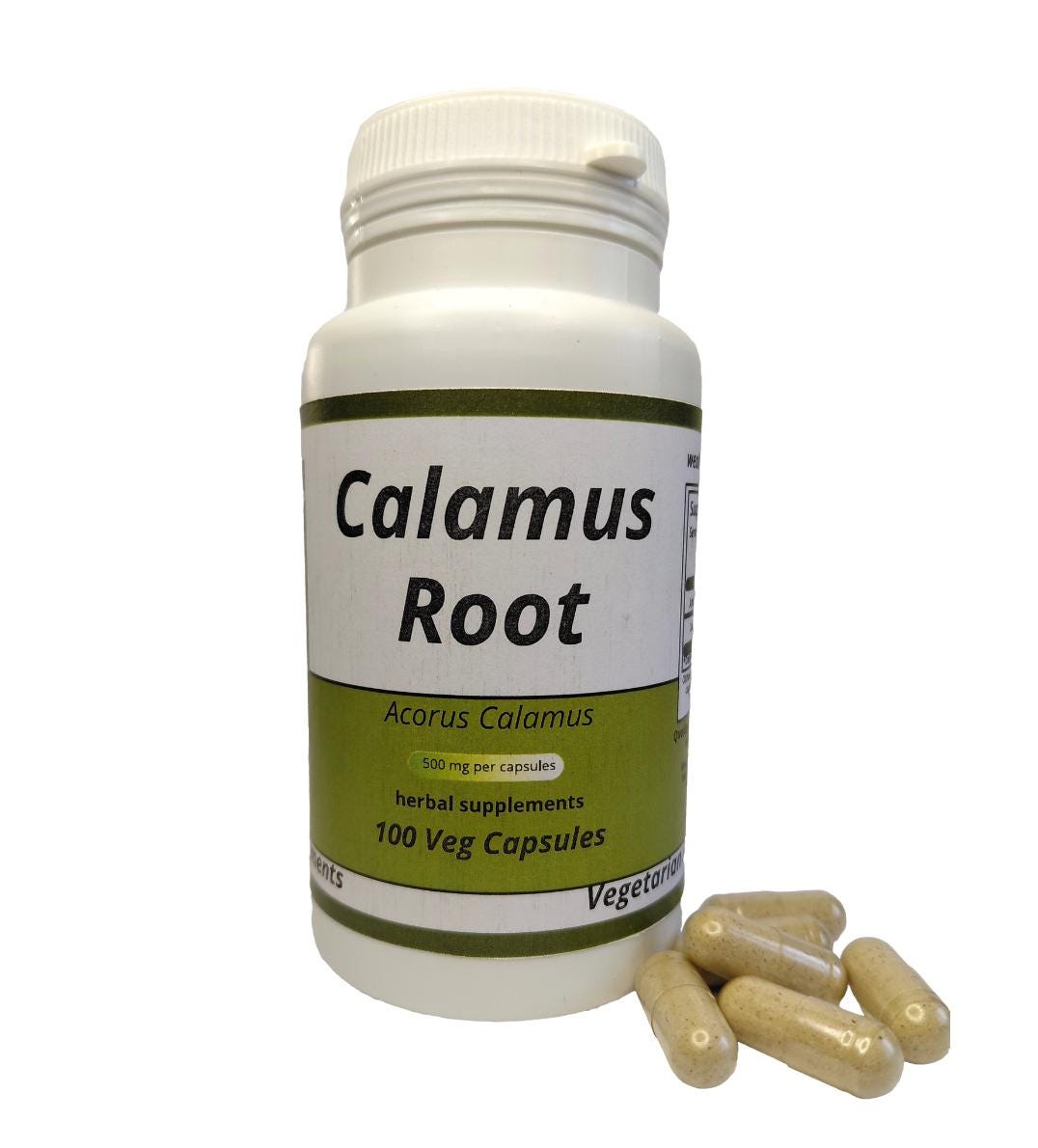
For those seeking a convenient and standardized approach, Calamus is also available in capsule form. These usually contain powdered rhizome or an extract. Capsules offer a tasteless and odorless way to consume the herb, making it easier to integrate into a daily wellness routine. When opting for supplements, it is paramount to source from reputable manufacturers who specify the species used and ideally provide third-party testing for purity and composition, especially concerning asarone levels for internal consumption.
4. Essential Oil: For External Use and Aromatherapy (with caution)
Calamus essential oil is potent and highly concentrated. Due to the varying levels of beta-asarone, particularly in essential oils derived from triploid or tetraploid varieties, internal use of the essential oil is generally discouraged and can be highly toxic. It is primarily used topically (diluted in a carrier oil) for its anti-inflammatory and antimicrobial properties, such as for muscle aches or skin conditions, or diffused in aromatherapy for its grounding and calming aroma, with careful consideration of ventilation and exposure. Always perform a patch test when applying topically.
Dosage and Preparation Guidelines: Navigating Safe and Effective Use
Determining the appropriate dosage of Calamus can be complex due to variations in species, preparation methods, and individual sensitivities. It is always advisable to start with the lowest effective dose and consult with a qualified healthcare practitioner, especially when considering internal use.
- Dried Root (for tea/decoction): A common traditional dosage for a decoction might involve simmering 1-2 grams of dried, chopped rhizome in 1 cup of water for 10-15 minutes. This can be consumed once or twice daily. For chewing, a small piece (0.5-1 gram) of the dried root may be chewed periodically.
- Tincture: Dosages can range from 1-3 ml, 1-3 times daily, depending on the concentration of the tincture and the specific health concern. It’s crucial to follow the manufacturer’s instructions or a practitioner’s guidance.
- Capsules/Powder: Typically, capsules contain 250-500 mg of powdered rhizome or extract. Standard recommendations might suggest 1-2 capsules, 1-2 times daily. Always adhere to product labels and professional advice.
It is paramount to source Calamus from reputable suppliers who can verify the botanical species (e.g., Acorus americanus for lower asarone content) and provide analysis of its chemical composition, particularly concerning beta-asarone levels, if available. For sustained internal use, varieties known to be low in beta-asarone are generally recommended.

Important Precautions and Potential Side Effects: A Prudent Approach
While Calamus offers numerous health benefits, its use is not without important considerations and potential risks, primarily revolving around the compound beta-asarone. **This section cannot be overstated in its importance.**
- Beta-Asarone Content and Toxicity: The primary concern with Calamus is the presence of beta-asarone. Certain polyploid varieties (triploid and tetraploid), particularly those found in India and Europe, can contain high levels of beta-asarone. High doses of beta-asarone have shown mutagenic and carcinogenic effects in animal studies, leading regulatory bodies in some countries (e.g., FDA in the US) to advise against the internal use of Calamus varieties high in this compound.
- Species Differentiation: It is crucial to differentiate between species and chemotypes. Acorus americanus (American Calamus), a diploid variety, naturally contains very low or undetectable levels of beta-asarone and is generally considered safer for internal use in moderate doses. Conversely, Acorus calamus (often referring to Asian or European triploid/tetraploid varieties) can have significantly higher beta-asarone content. Always confirm the specific species when purchasing Calamus for internal consumption.
- Pregnancy and Lactation: Calamus should be avoided during pregnancy and breastfeeding due to insufficient safety data and the potential for uterine stimulation or other adverse effects.
- Drug Interactions: Calamus may interact with sedative medications, central nervous system depressants, and potentially blood-thinning drugs. Individuals on any prescription medication should consult their doctor before using Calamus.
- Gastrointestinal Upset: Some individuals may experience mild gastrointestinal upset, such as nausea or vomiting, especially with higher doses.
- Neurological Effects: While lower doses may have anxiolytic effects, excessively high doses of beta-asarone-rich varieties could potentially lead to over-sedation, dizziness, or even convulsions.
- Essential Oil Caution: Calamus essential oil, especially from high beta-asarone varieties, should NEVER be ingested due to its concentrated nature and higher risk of toxicity. It should only be used externally with extreme caution and proper dilution, or in aromatherapy in well-ventilated spaces.
Given these concerns, responsible and informed use of Calamus is paramount. Prioritizing low-asarone varieties (like Acorus americanus), adhering to recommended dosages, and seeking professional guidance are essential steps to safely harness the benefits of this ancient herb.
Sourcing and Quality: Ensuring Efficacy and Safety
The efficacy and safety of Calamus greatly depend on its quality and botanical identity. When sourcing Calamus, look for reputable suppliers who:
- Clearly label the botanical species (e.g., Acorus americanus vs. Acorus calamus).
- Provide information on the origin and cultivation practices.
- Ideally, offer third-party testing results for purity, heavy metals, pesticides, and, most importantly, beta-asarone content for internal use products.
- Ensure the product is free from contaminants and adulterants.
Investing in high-quality, ethically sourced Calamus not only supports sustainable practices but also ensures that you are receiving a product that is both safe and effective for its intended purpose.
Conclusion: Re-embracing the Wisdom of Calamus with Prudence
Calamus stands as a testament to the enduring power of natural medicine, a botanical marvel whose therapeutic reach spans cognitive enhancement, digestive harmony, anti-inflammatory action, and profound stress reduction. Its historical reverence across diverse cultures underscores a universal appreciation for its ability to invigorate the mind, soothe the body, and calm the spirit. From the ancient Ayurvedic scriptures hymning its nootropic virtues to Native American rituals leveraging its stimulating qualities, Calamus has woven itself into the fabric of human healing traditions for millennia.
However, as with all potent natural remedies, a judicious and informed approach is paramount. The modern understanding of its complex phytochemistry, particularly the nuances of beta-asarone content across different species, empowers us to utilize Calamus with unprecedented safety and efficacy. By prioritizing low-asarone varieties such as Acorus americanus, adhering to sensible dosages, and consulting with healthcare professionals, individuals can confidently explore the profound health benefits this extraordinary herb offers.
As research continues to unravel the intricate mechanisms behind Calamus’s actions, its relevance in an era seeking natural, holistic pathways to wellness only grows. This definitive guide serves as an invitation to re-engage with the ancient wisdom of Calamus, fostering a renewed appreciation for its multifaceted healing potential while navigating its use with the informed prudence that modern science provides. Embrace Calamus not merely as a herb, but as a bridge between ancestral knowledge and contemporary well-being, a powerful ally in the pursuit of optimal health and vitality.
Disclaimer: For informational purposes only. Not medical advice. Consult a qualified healthcare professional before use.