The Comprehensive Guide to Mulberry Leaves: A Botanical Powerhouse for Metabolic and Systemic Health
The mulberry tree, belonging to the genus Morus, has been revered for millennia, not only for its succulent fruits and its essential role in the sericulture industry as the primary food source for silkworms but also as a cornerstone of traditional pharmacopeia. While the berries are often the focal point of culinary interest, the leaves of the mulberry tree—particularly those of the White Mulberry (Morus alba)—harbor a sophisticated profile of bioactive compounds that offer profound therapeutic potential. In contemporary nutritional science, mulberry leaves are emerging as a premier functional food, particularly noted for their ability to modulate glycemic responses and support cardiovascular integrity.
Historically, practitioners of Traditional Chinese Medicine (TCM) have utilized “Sang Ye” (mulberry leaf) to clear lung heat, soothe the liver, and brighten the eyes. However, modern clinical research has shifted the focus toward the leaf’s unique chemical constituents that interact with metabolic pathways. This exhaustive guide explores the botanical nuances, chemical complexity, and multifaceted health benefits of mulberry leaves, providing a definitive resource for those seeking to integrate this ancient botanical into a modern wellness regimen.
Botanical Characteristics and Ecological Context
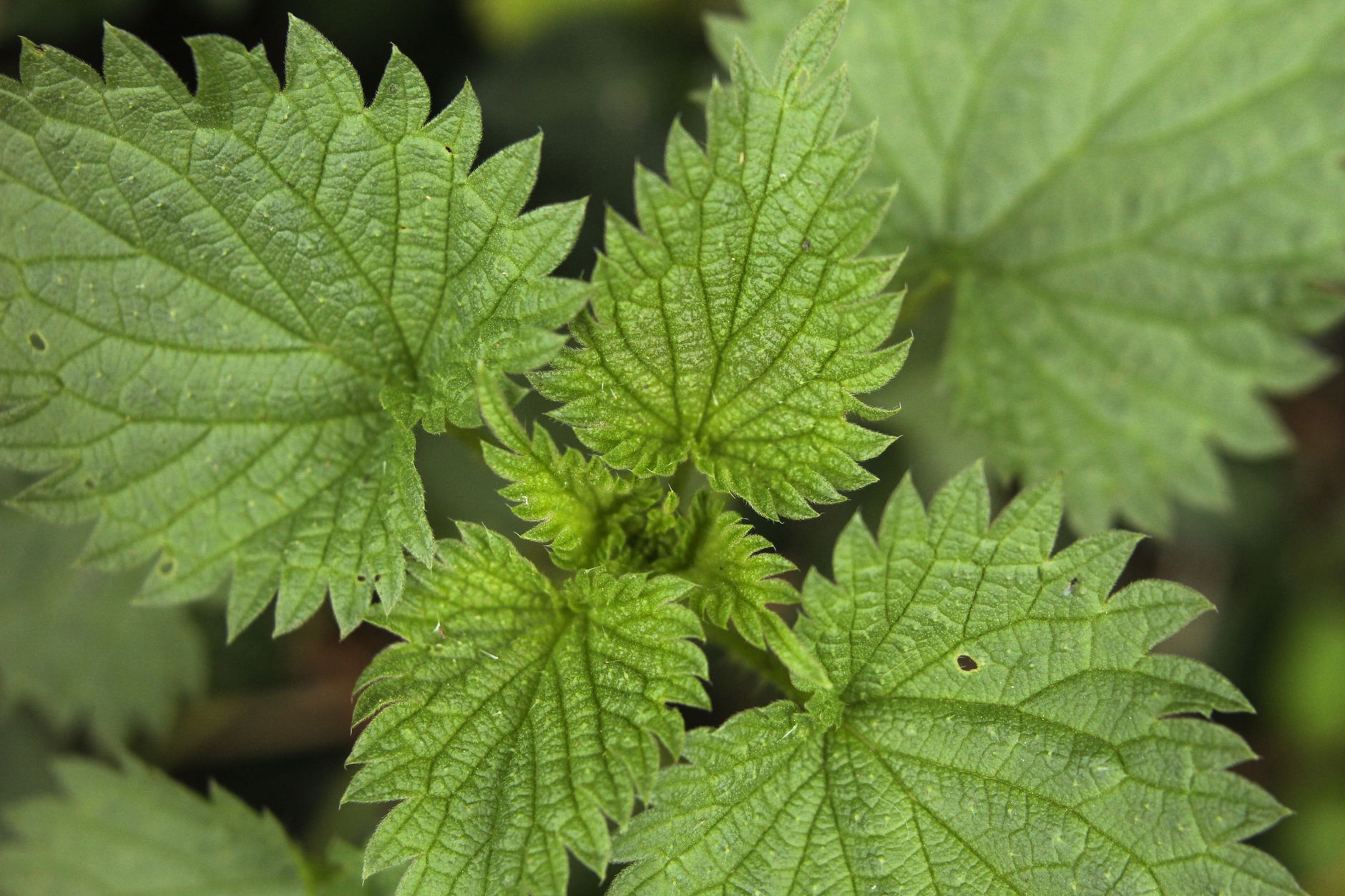
The Morus genus consists of several species, with Morus alba (white mulberry), Morus nigra (black mulberry), and Morus rubra (red mulberry) being the most prominent. These deciduous trees are incredibly resilient, capable of thriving in diverse climates ranging from the temperate regions of East Asia to the subtropical environments of the Americas. The leaves are characterized by their polymorphic nature; a single tree may produce leaves that are simple and ovate alongside those that are deeply lobed. This morphological plasticity is a fascinating aspect of the tree’s biology.

The nutritional density of the leaves is influenced by the soil quality, the age of the leaf, and the timing of the harvest. Typically, young leaves harvested in the late spring are believed to contain the highest concentrations of specific alkaloids, while the more mature leaves collected after the first frost in autumn are often preferred in certain traditional preparations for their concentrated mineral content. The leaves are rich in chlorophyll, proteins, and essential amino acids, making them a surprisingly potent source of nutrition even before considering their secondary metabolites.
Phytochemical Composition: The Science of Bioactive Compounds
The therapeutic efficacy of mulberry leaves is attributed to a complex “chemical cocktail” of alkaloids, flavonoids, polyphenols, and steroids. Understanding these components is essential for appreciating how the leaf interacts with human physiology. The most significant of these is 1-deoxynojirimycin (DNJ), a polyhydroxylated alkaloid that functions as a potent alpha-glucosidase inhibitor. DNJ is structurally similar to glucose, allowing it to bind to the enzymes in the small intestine that are responsible for breaking down complex carbohydrates into simple sugars.
Beyond DNJ, mulberry leaves contain a significant array of polyphenols, including rutin, quercetin, and isoquercitrin. These flavonoids are renowned for their antioxidant capacity, neutralizing free radicals and reducing systemic inflammation. Furthermore, the presence of gamma-aminobutyric acid (GABA) contributes to the plant’s neuroprotective and hypotensive properties. The leaves also provide a rich source of chlorogenic acid, the same compound found in green coffee beans, which is linked to improved insulin sensitivity and weight management.
The synergistic effect of these compounds is what distinguishes mulberry leaf from isolated supplements. While DNJ handles the immediate postprandial glucose spike, the flavonoids work on a cellular level to protect the vascular endothelium from the damaging effects of oxidative stress. This dual-action approach makes mulberry leaf a comprehensive tool for metabolic health.
Mastering Blood Sugar Regulation
The primary reason for the surging popularity of mulberry leaf in the health and wellness sector is its unparalleled ability to manage blood glucose levels. When we consume carbohydrates, enzymes like alpha-glucosidase break them down into glucose, which enters the bloodstream. In individuals with insulin resistance or type 2 diabetes, this process can lead to dangerous hyperglycemic spikes. The DNJ found in mulberry leaves effectively “blocks” these enzymes, delaying the absorption of sugar.
Clinical studies have demonstrated that consuming mulberry leaf extract before a carbohydrate-rich meal can significantly reduce the subsequent rise in blood sugar and insulin levels. This is not only beneficial for diabetics but also for healthy individuals looking to avoid “sugar crashes” and maintain stable energy levels throughout the day. By smoothing out the glycemic curve, mulberry leaf helps to reduce the long-term risk of metabolic syndrome and the glycation of proteins, a process linked to premature aging and organ damage.
Cardiovascular Benefits and Lipid Modulation
Mulberry leaves contribute significantly to heart health through several distinct mechanisms. First, the antioxidants within the leaf help prevent the oxidation of Low-Density Lipoprotein (LDL) cholesterol. Oxidized LDL is a primary driver of atherosclerosis, as it contributes to the formation of plaque within the arterial walls. By inhibiting this oxidative process, mulberry leaf extracts help maintain clear and flexible arteries.
Second, research suggests that mulberry leaves can improve the overall lipid profile by lowering total cholesterol and triglycerides while potentially increasing High-Density Lipoprotein (HDL), the “good” cholesterol. This is partly due to the presence of phytosterols, which compete with cholesterol for absorption in the digestive tract. Additionally, the GABA content in the leaves acts as a natural vasodilator, helping to relax blood vessels and support healthy blood pressure levels, further reducing the strain on the cardiovascular system.
Traditional Usage and the Evolution of the Dried Herb
In traditional practices, particularly in China, Japan, and Korea, the use of dried mulberry leaves is a sophisticated art. The leaves were often steamed, dried, and then brewed into a delicate tea. This “Sang-Ye tea” was utilized as a seasonal tonic to guard against “wind-heat” illnesses, such as the common cold, coughs, and sore throats. The cooling properties of the leaf were thought to balance the body’s internal temperature and promote detoxification through the skin and kidneys.
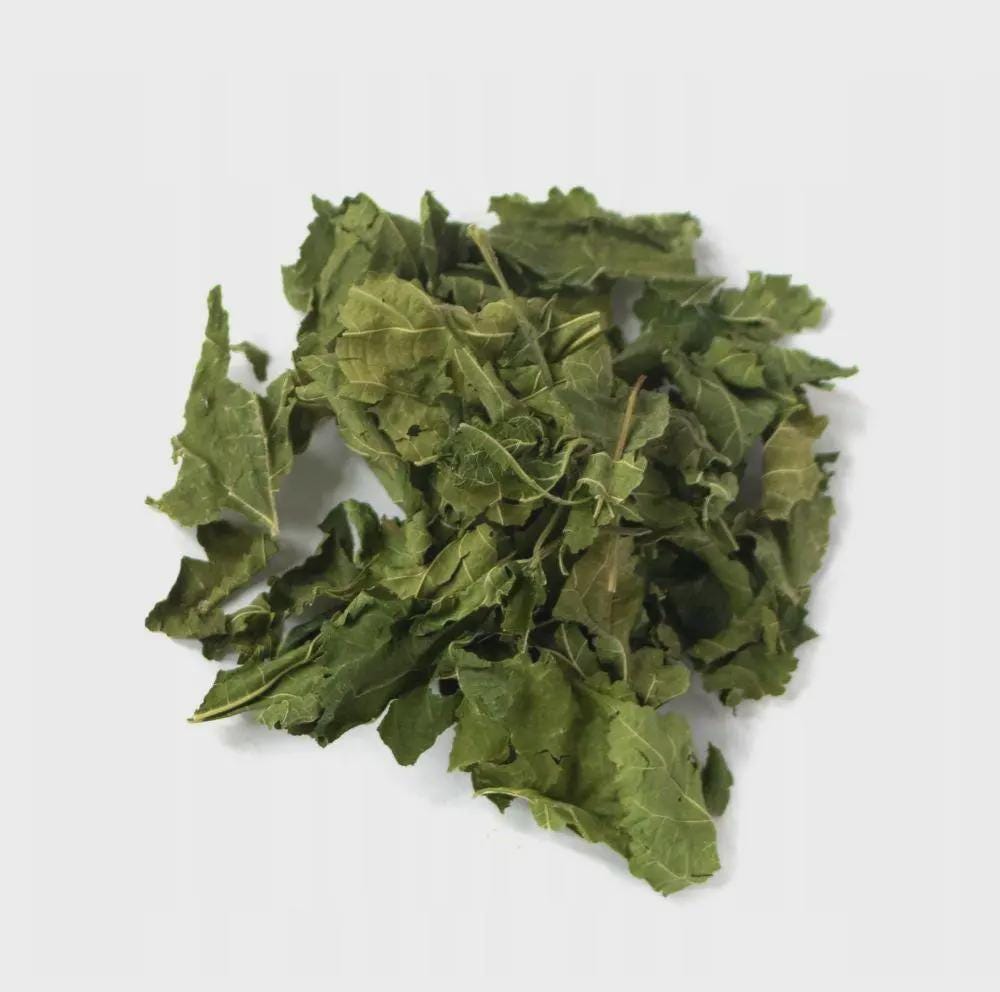
The transition from a traditional remedy to a modern functional herb involved refining the drying process to preserve the heat-sensitive DNJ and volatile oils. Today, high-quality dried mulberry leaves are often sourced from organic farms where the timing of the harvest is strictly controlled to maximize the concentration of active iminosugars. Whether used in loose-leaf form for a therapeutic infusion or ground into a fine powder for inclusion in culinary recipes, the dried herb remains a versatile and potent medium for delivering the plant’s benefits.
Anti-Inflammatory and Neuroprotective Properties
Chronic inflammation is the silent precursor to many modern ailments, including neurodegenerative diseases like Alzheimer’s and Parkinson’s. Mulberry leaves contain a variety of anti-inflammatory agents that inhibit the production of pro-inflammatory cytokines. Research into the neuroprotective effects of mulberry suggests that its antioxidants can cross the blood-brain barrier, providing a shield against oxidative damage to neurons.
Furthermore, some studies indicate that mulberry leaf extract may help inhibit the formation of amyloid-beta plaques in the brain, which are hallmarks of Alzheimer’s disease. While human trials are ongoing, the preliminary data suggests that the regular consumption of mulberry leaf could be a valuable strategy for maintaining cognitive health and longevity. The combination of improved blood flow to the brain and reduced neuro-inflammation creates a supportive environment for mental clarity and memory retention.
Weight Management and Metabolic Efficiency
The quest for effective, natural weight management solutions often leads to mulberry leaf. Its impact on weight is twofold. Firstly, by inhibiting carbohydrate absorption, the body is forced to utilize stored fat for energy rather than relying on a constant influx of dietary glucose. This can lead to a gradual reduction in body fat percentage, particularly visceral fat, which is metabolically active and dangerous to health.
Secondly, certain compounds in mulberry leaves are thought to activate AMPK (adenosine monophosphate-activated protein kinase), an enzyme often referred to as the “metabolic master switch.” Activating AMPK stimulates fat burning and improves mitochondrial function, which increases the body’s overall basal metabolic rate. When combined with a balanced diet and regular physical activity, mulberry leaf extract can act as a powerful catalyst for achieving a healthy body composition.
Modern Applications: Capsules and Concentrated Extracts
For many modern consumers, the convenience of capsules and standardized extracts outweighs the ritual of brewing tea. The supplement industry has responded by creating highly concentrated mulberry leaf extracts, often standardized to contain a specific percentage of DNJ (usually 1% to 5%). This allows for precise dosing, which is particularly important for those using the herb specifically for blood sugar management.
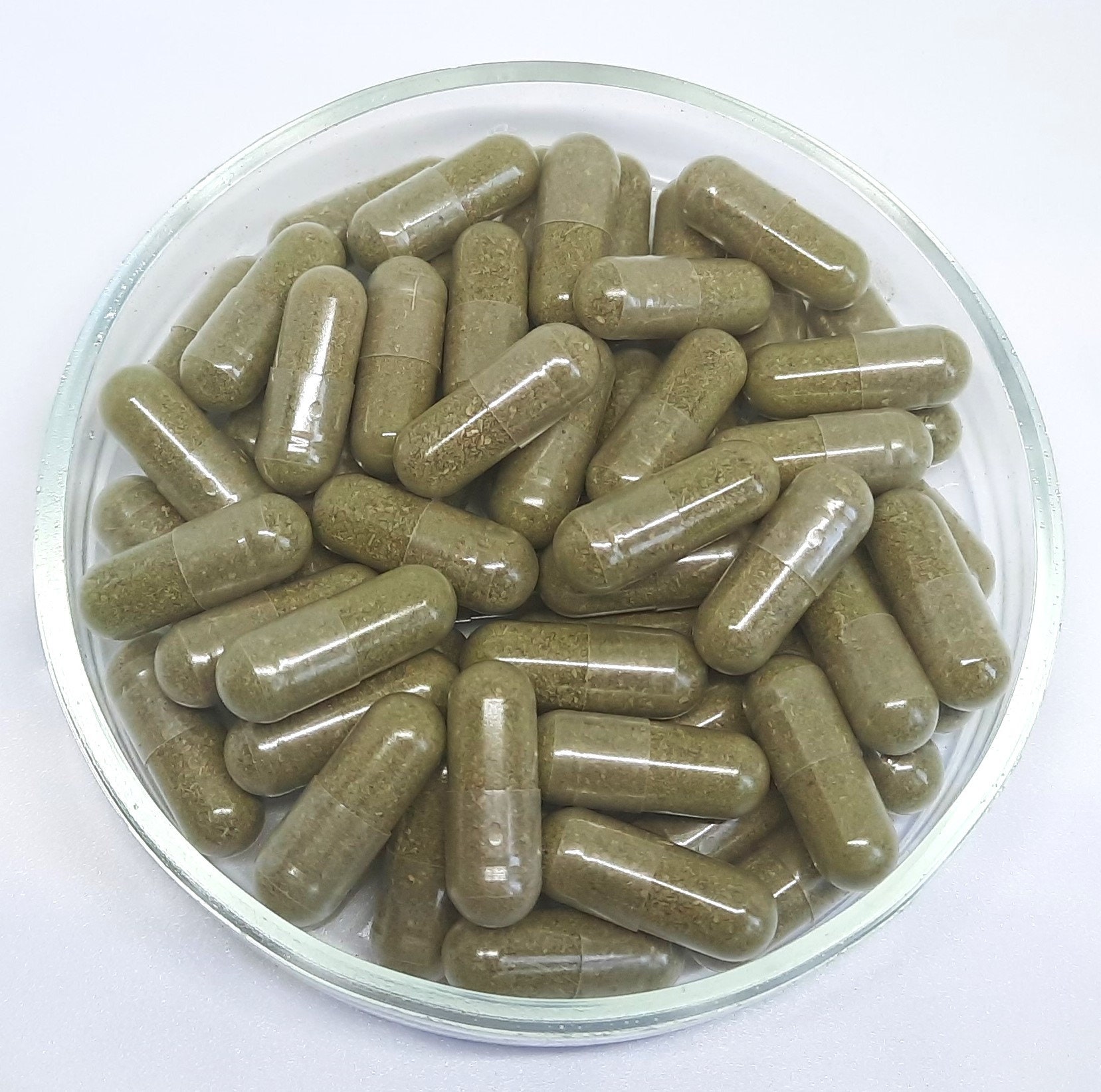
Capsules provide a method to bypass the slightly bitter, earthy taste of the leaf, which some individuals find unpalatable. Furthermore, encapsulated forms often utilize advanced delivery systems to enhance the bioavailability of the flavonoids and alkaloids. When selecting a mulberry leaf supplement, it is crucial to look for products that specify the species (ideally Morus alba) and provide transparency regarding their testing for purity, heavy metals, and active constituent levels.
Dermatological Benefits: Skin Brightening and Anti-Aging
Mulberry leaf extract is not only beneficial when ingested; it also has a significant presence in the cosmetic industry. The leaves contain arbutin and other compounds that inhibit tyrosinase, the enzyme responsible for melanin production. This makes mulberry leaf extract a natural and effective ingredient for treating hyperpigmentation, age spots, and uneven skin tone. Unlike harsher chemical skin lighteners, mulberry extract provides a gentle way to brighten the complexion.
Additionally, the high concentration of antioxidants helps protect the skin from environmental stressors such as UV radiation and pollution. By neutralizing free radicals, mulberry extract prevents the breakdown of collagen and elastin, the proteins responsible for skin firmness and elasticity. Whether applied topically in a serum or consumed as a tea, the anti-aging benefits of mulberry leaves contribute to a more youthful and radiant appearance from the inside out.
Practical Usage, Dosage, and Safety Considerations
Integrating mulberry leaf into your daily routine requires a thoughtful approach to dosage and timing. For those using the leaf for glycemic control, the most effective strategy is to consume the tea or supplement approximately 15 to 30 minutes before a meal containing carbohydrates. This ensures that the DNJ is present in the small intestine when the food arrives, ready to inhibit the enzymes.
The standard dosage for a concentrated extract (standardized to 1% DNJ) typically ranges from 250mg to 500mg per meal. For those brewing dried leaves, 1 to 2 teaspoons of leaves steeped in hot water for 5-10 minutes, three times a day, is a common traditional recommendation. It is important to start with a lower dose to assess tolerance, as some individuals may experience mild digestive upset or bloating due to the slowed carbohydrate absorption.

While mulberry leaf is generally considered safe for the majority of people, certain precautions are necessary. Pregnant or breastfeeding women should consult with a healthcare provider before use. Most importantly, individuals currently taking medication for diabetes (such as insulin or metformin) must monitor their blood sugar closely and work with their doctor, as mulberry leaf may enhance the effect of these drugs, leading to hypoglycemia (dangerously low blood sugar). Quality sourcing is also paramount to avoid leaves contaminated with pesticides or heavy metals.
Conclusion: The Future of Mulberry Leaf in Holistic Health
The mulberry leaf represents a perfect synthesis of ancient wisdom and modern scientific validation. As we continue to navigate a world where metabolic disorders are increasingly prevalent, the role of natural enzyme inhibitors like DNJ becomes ever more critical. The leaf’s ability to address multiple facets of health—from blood sugar and heart health to neuroprotection and skin vitality—positions it as one of the most versatile botanicals available today.
By understanding the deep biochemical mechanisms at play and respecting the historical context of its use, consumers can effectively harness the power of the mulberry leaf. Whether through the simple act of enjoying a cup of dried herb tea or the targeted use of standardized capsules, the mulberry leaf offers a path toward greater metabolic balance and systemic well-being. As research continues to unfold, it is likely that we have only scratched the surface of what this remarkable “silk-maker’s tree” has to offer the world of medicine and nutrition.
Disclaimer: For informational purposes only. Not medical advice. Consult a qualified healthcare professional before use.