The Definitive Guide to Tribulus Terrestris: A Deep Dive into the Science, History, and Health Benefits of the Puncture Vine
In the vast world of botanical pharmacology, few plants have commanded as much attention from both traditional healers and modern sports scientists as Tribulus Terrestris. Known colloquially by a variety of evocative names—including Puncture Vine, Goat’s Head, Gokshura, and Bindii—this hardy, low-growing perennial herb has bridged the gap between ancient Ayurvedic wisdom and contemporary performance-enhancing supplementation. While often marketed primarily as a testosterone booster, the biological reality of Tribulus Terrestris is far more nuanced, involving a complex interplay of steroidal saponins, flavonoids, and alkaloids that influence everything from cardiovascular health to kidney function and neuroprotection.
This comprehensive guide explores the botanical intricacies, historical applications, and the robust scientific landscape surrounding Tribulus Terrestris. We will dissect its chemical composition, evaluate the veracity of its purported health claims, and provide a detailed framework for its practical application in a modern wellness regimen.
Botanical Characteristics and Geographic Distribution
Tribulus Terrestris belongs to the Zygophyllaceae family. It is a prostrate, branching herb that thrives in various climates, particularly in the warm-temperate and tropical regions of the Old World. Its resilience is legendary; the plant is frequently found in arid environments, sandy soils, and even disturbed ground where other vegetation struggles to survive. Structurally, the plant features pinnately compound leaves and small, five-petaled yellow flowers that bloom throughout the warmer months. However, its most distinguishing feature—and the source of its “Puncture Vine” moniker—is its woody fruit. The fruit consists of five nutlets that possess sharp, rigid spines capable of piercing bicycle tires or the hides of livestock.
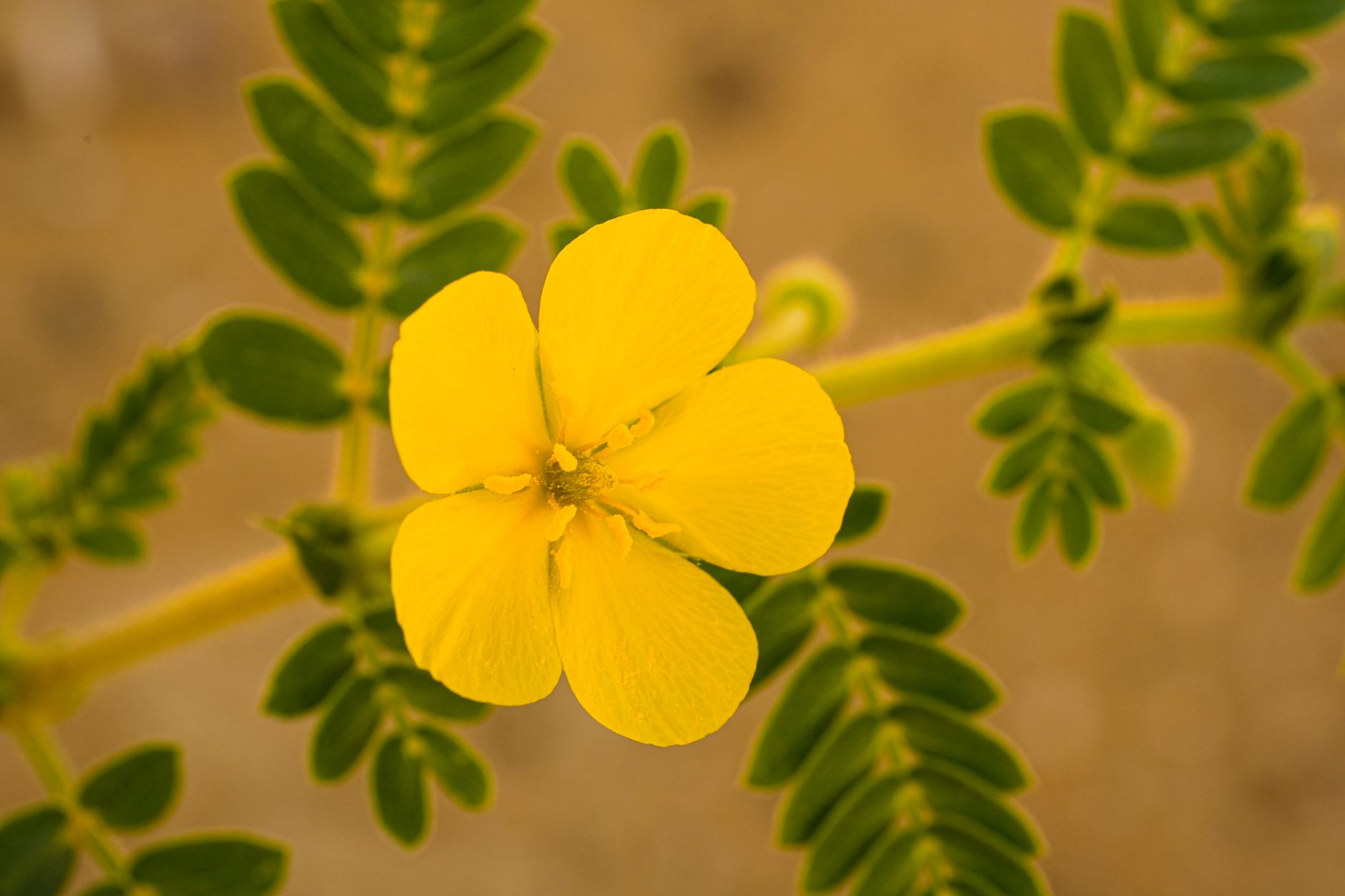
From an evolutionary perspective, these spines serve as a sophisticated dispersal mechanism, hitchhiking on the feet of animals or the tires of vehicles to spread the seeds across vast distances. Biologically, the plant concentrates its most potent bioactive compounds within its leaves and fruits, which are the primary parts used in the creation of therapeutic extracts. The concentration of these compounds can vary significantly based on the geographic origin of the plant, with Bulgarian, Turkish, and Macedonian varieties often cited in clinical literature as having the highest concentrations of the specific steroidal saponins responsible for its physiological effects.
Historical Context: From Ayurveda to Traditional Chinese Medicine
The therapeutic use of Tribulus Terrestris spans millennia and crosses several continents. In Ayurveda, the traditional medicine of India, the plant is known as “Gokshura.” It is classified as a “Rasayana” or a rejuvenative herb. Practitioners traditionally utilized Gokshura to treat conditions of the urogenital tract, such as urinary tract infections (UTIs), kidney stones, and painful urination. It was also valued for its “Vrushya” (aphrodisiac) properties, believed to enhance vitality and reproductive health in both men and women by balancing the “Vata” and “Pitta” doshas.

In Traditional Chinese Medicine (TCM), the herb is referred to as “Bai Ji Li.” Its application in TCM focuses on the “Liver” meridian, where it is used to “calm the liver” and “expel wind.” This translates to the treatment of headaches, dizziness, and certain ocular issues. Additionally, TCM practitioners used it to treat skin conditions like itching and hives, recognizing its anti-inflammatory and anti-allergic potential. The historical convergence of these diverse medical systems highlights a shared recognition of the plant’s systemic influence on human physiology, long before the advent of modern chemical analysis.
The Chemical Blueprint: Bioactive Compounds and Saponins
The efficacy of Tribulus Terrestris is rooted in its incredibly rich profile of secondary metabolites. The most critical group of these compounds are the steroidal saponins, specifically those of the furostanol and spirostanol types. Among these, Protodioscin is widely considered the primary active constituent. Protodioscin is a glycoside that, upon ingestion, may be converted into dehydroepiandrosterone (DHEA) precursors or influence the activity of androgen receptors, although the exact metabolic pathway in humans remains a subject of intense scientific debate.
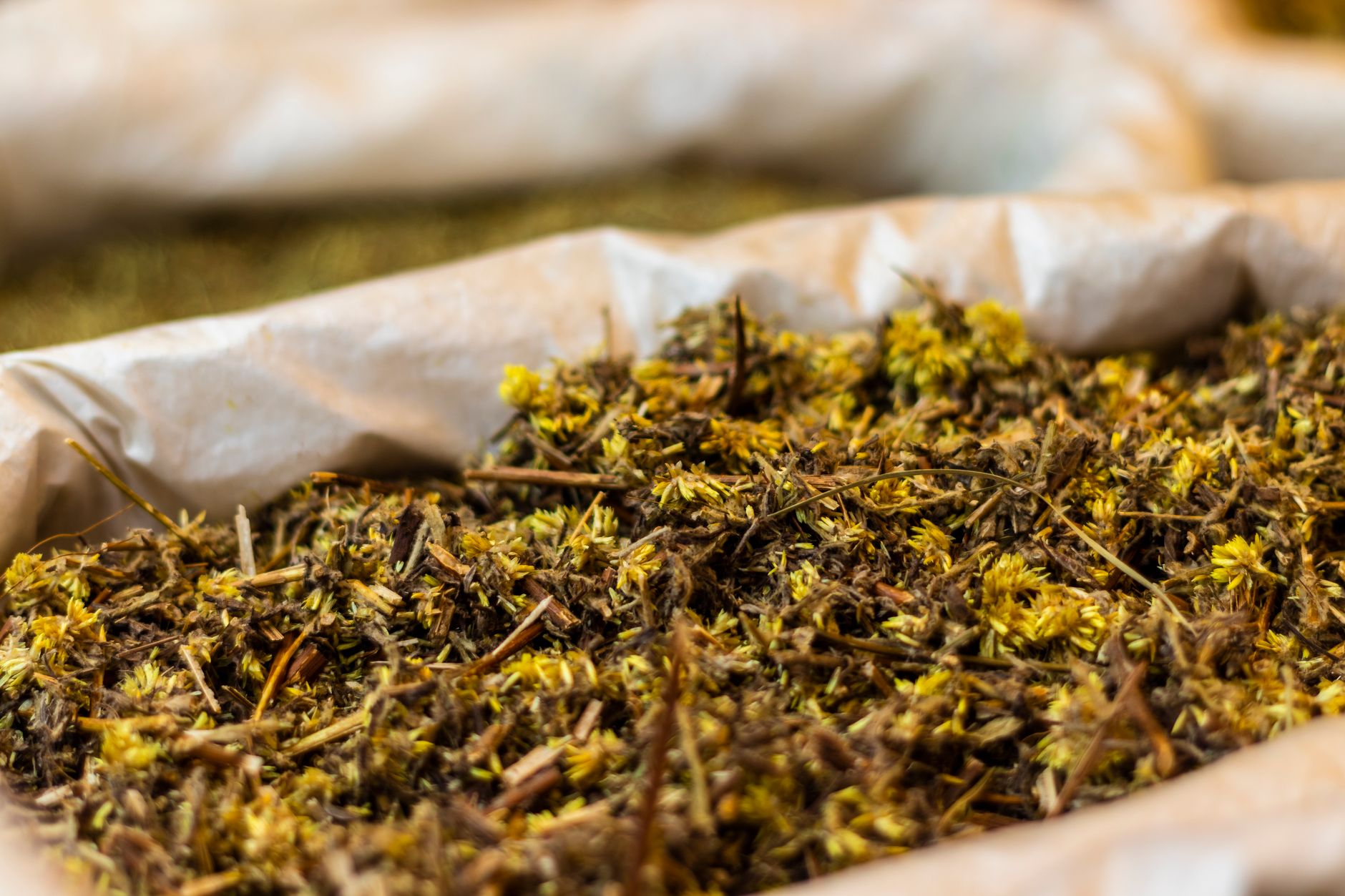
Beyond saponins, Tribulus contains a variety of other health-promoting molecules:
- Flavonoids: Including quercetin, kaempferol, and rutin, which provide potent antioxidant and anti-inflammatory effects.
- Alkaloids: Specifically the beta-carboline alkaloids (such as harmane and harmine), which have been studied for their neuroprotective and mild monoamine oxidase (MAO) inhibitory activities.
- Phytosterols: Such as beta-sitosterol, which contribute to prostate health and the modulation of cholesterol levels.
- Lignanamides: Unique nitrogen-containing compounds that have shown promise in protecting against oxidative stress in vascular tissues.
The synergy between these compounds creates a “multi-target” effect. Unlike synthetic pharmaceuticals that often target a single receptor, the complex chemistry of Tribulus Terrestris allows it to modulate multiple physiological pathways simultaneously, contributing to its reputation as an adaptogen—a substance that helps the body maintain homeostasis under stress.
Health Benefit 1: Libido and Sexual Function
The most celebrated benefit of Tribulus Terrestris is its impact on sexual health and libido. Numerous clinical trials have demonstrated that standardized extracts of the herb can significantly improve sexual desire and arousal in both men and women. In men, this is often attributed to the herb’s ability to enhance nitric oxide (NO) release from the endothelium and nerve endings. Nitric oxide is a critical vasodilator that relaxes the smooth muscles of the corpus cavernosum, facilitating blood flow and improving erectile function.
In women, particularly those experiencing female sexual dysfunction (FSD) or postmenopausal symptoms, Tribulus has shown remarkable efficacy. Studies have indicated that supplementation leads to higher scores on the Female Sexual Function Index (FSFI), showing improvements in desire, lubrication, and satisfaction. Interestingly, while the herb is often called a “testosterone booster,” many human studies show that it increases libido *without* necessarily raising serum testosterone levels in healthy individuals. This suggests that the mechanism may involve increasing the sensitivity of androgen receptors or influencing neurotransmitters like dopamine that govern sexual drive.
Health Benefit 2: Athletic Performance and Muscle Recovery
The association between Tribulus Terrestris and bodybuilding dates back to the 1970s, when Bulgarian Olympic weightlifters reportedly used the herb to enhance their performance. While modern science has debunked the idea that Tribulus acts like an anabolic steroid, its role in sports nutrition remains relevant. The plant’s high saponin content is believed to aid in muscle recovery by reducing exercise-induced muscle damage and oxidative stress.
Furthermore, because Tribulus supports the health of the endocrine system and may help modulate cortisol (the body’s primary stress hormone), it can prevent the overtraining syndrome that often plagues elite athletes. By maintaining a favorable anabolic-to-catabolic ratio, Tribulus allows for more efficient recovery periods. While it may not directly cause massive hypertrophy in the absence of caloric surplus and training, it serves as an excellent supportive supplement for maintaining stamina and reducing fatigue during high-intensity training cycles.
Health Benefit 3: Cardiovascular and Metabolic Health
Emerging research is increasingly focusing on the cardioprotective effects of Tribulus Terrestris. The saponins and flavonoids within the plant have been shown to exert an anti-hyperlipidemic effect, helping to lower LDL (bad) cholesterol and triglycerides while potentially raising HDL (good) cholesterol. This is crucial for preventing the buildup of arterial plaque (atherosclerosis).
Moreover, Tribulus has demonstrated significant blood-sugar-lowering capabilities. In studies involving patients with Type 2 diabetes, Tribulus extracts were found to reduce fasting blood glucose levels and improve insulin sensitivity. This may be due to the inhibition of enzymes like alpha-glucosidase, which breaks down carbohydrates into glucose. By slowing the absorption of sugar into the bloodstream, Tribulus helps maintain more stable energy levels and reduces the long-term inflammatory damage associated with hyperglycemia.
Health Benefit 4: Diuretic Properties and Kidney Support
Consistent with its traditional use as “Gokshura” in Ayurveda, Tribulus Terrestris serves as a natural diuretic. Unlike synthetic diuretics that can sometimes deplete the body of essential electrolytes, Tribulus promotes the excretion of excess fluids and toxins while appearing to be relatively “potassium-sparing.” This makes it an effective tool for managing mild edema (water retention) and supporting kidney health.
Research suggests that Tribulus can help prevent the formation of calcium oxalate kidney stones. It achieves this by reducing the levels of oxalate in the urine and inhibiting the crystallization process. Additionally, its antimicrobial properties help protect the urinary tract from infections, ensuring the entire renal system operates efficiently.
Modern Supplementation: Capsules and Standardized Extracts
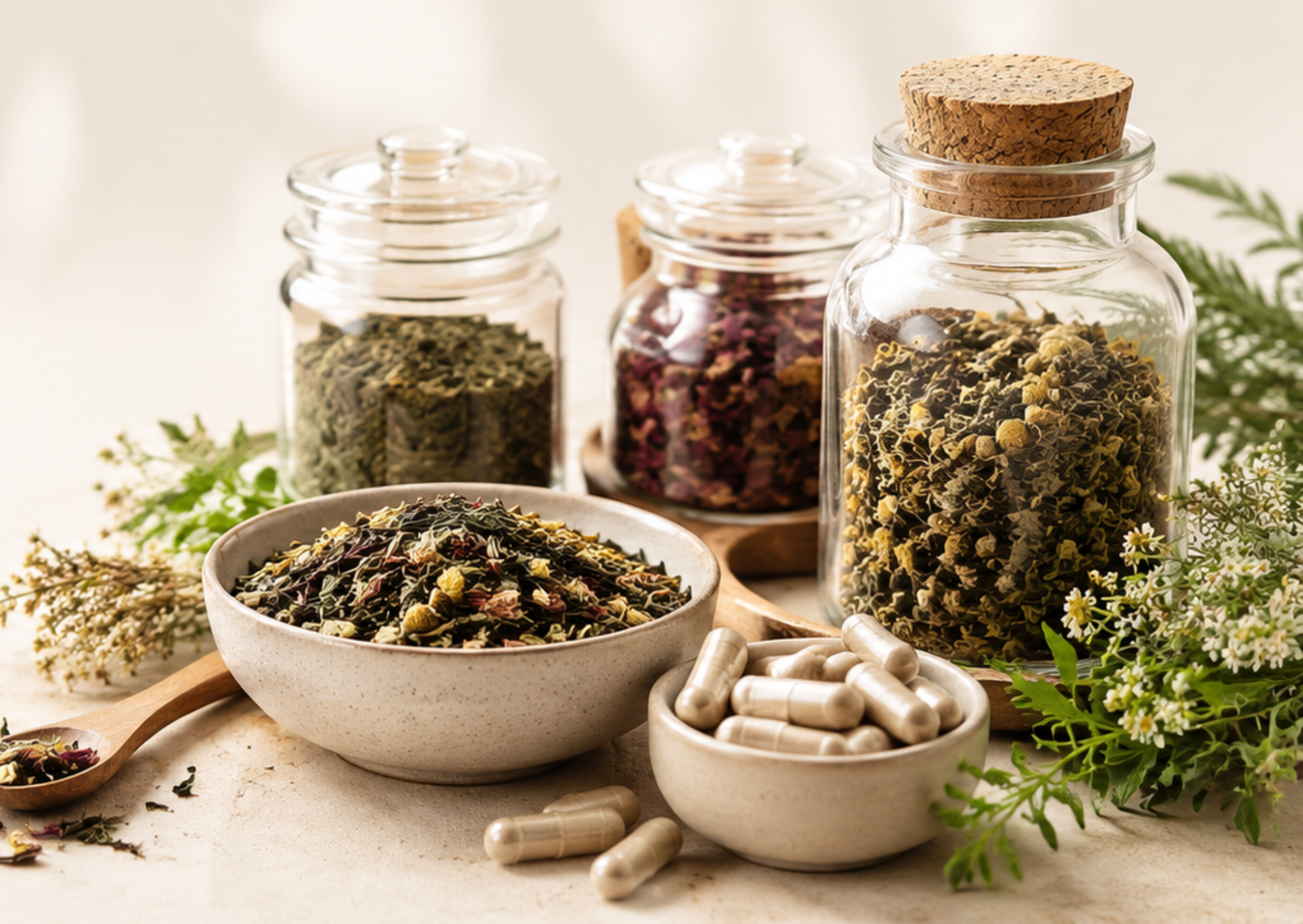
In the modern marketplace, Tribulus Terrestris is most commonly consumed in the form of encapsulated extracts. The primary reason for this is standardization. Raw herb powder can vary wildly in potency, whereas standardized capsules ensure a consistent delivery of the active saponins. When choosing a supplement, it is vital to look for the “saponin percentage.” Most high-quality clinical trials use extracts standardized to contain 40% to 90% total saponins, with a specific focus on the protodioscin content.

Capsules offer a convenient way to integrate the herb into a daily routine, avoiding the bitter and somewhat astringent taste of the raw plant. For athletes and individuals seeking the specific hormonal and libido-enhancing benefits, the concentrated nature of these supplements provides a more targeted therapeutic dose than traditional teas or decoctions could typically offer.
Safety, Dosage, and Practical Usage
Tribulus Terrestris is generally considered safe for most healthy adults when taken in appropriate dosages for limited periods. Most clinical studies have utilized dosages ranging from 250 mg to 1,500 mg per day, often split into two or three doses. It is best taken with meals to minimize the potential for gastrointestinal upset, which is the most commonly reported side effect.
However, there are important contraindications to consider:
- Pregnancy and Breastfeeding: Women who are pregnant or nursing should avoid Tribulus, as animal studies suggest it may interfere with fetal development.
- Prostate Health: While it can support general prostate health, men with existing conditions like Benign Prostatic Hyperplasia (BPH) or prostate cancer should consult a physician, as the herb may theoretically influence androgen-sensitive tissues.
- Blood Sugar Medications: Because Tribulus can lower blood sugar, those taking insulin or oral diabetes medications should monitor their levels closely to avoid hypoglycemia.
- Surgery: Due to its effects on blood sugar and potential blood-thinning properties, it is recommended to stop taking Tribulus at least two weeks before any scheduled surgery.
For optimal results, many practitioners recommend “cycling” Tribulus—taking it for 8 to 12 weeks followed by a 2-week break. This prevents the body from down-regulating its natural response to the bioactive compounds and maintains the supplement’s effectiveness over the long term.
Conclusion: The Multi-Faceted Power of Tribulus
Tribulus Terrestris stands as a testament to the power of ethnobotanical history validated by modern science. While it may not be the “magic pill” for instant muscle growth that early marketing suggested, its reality is arguably more impressive. It is a sophisticated metabolic and endocrine modulator that supports sexual vitality, cardiovascular resilience, and renal health. By understanding the chemical complexity of its saponins and respecting the traditional wisdom of its use, individuals can leverage this remarkable “Puncture Vine” to enhance their overall quality of life and physiological performance. Whether used by an athlete for recovery or by an individual seeking to regain natural vitality, Tribulus Terrestris remains one of the most versatile and researched botanicals in the natural health arsenal.
Disclaimer: For informational purposes only. Not medical advice. Consult a qualified healthcare professional before use.