

The Comprehensive Guide to Burnet Saxifrage: Nature’s Potent Lithontriptic and Respiratory Ally
Burnet Saxifrage (Pimpinella saxifraga) is a perennial herbaceous plant that belongs to the Apiaceae (Umbelliferae) family. While its delicate, white, umbrella-like flower clusters may appear unassuming to the casual observer, this plant harbors a complex array of bioactive compounds that have been utilized in European traditional medicine for centuries. Often confused with Salad Burnet (Sanguisorba minor), which belongs to the Rosaceae family, Burnet Saxifrage is a distinct species with a unique pharmacological profile. Its name, “saxifraga,” is derived from the Latin words saxum (stone) and frangere (to break), reflecting its historical reputation as a “stone-breaker” capable of addressing renal and gallbladder calculi. In this exhaustive guide, we explore the botanical intricacies, chemical composition, and multifaceted health benefits of Burnet Saxifrage.
Botanical Characteristics and Taxonomy
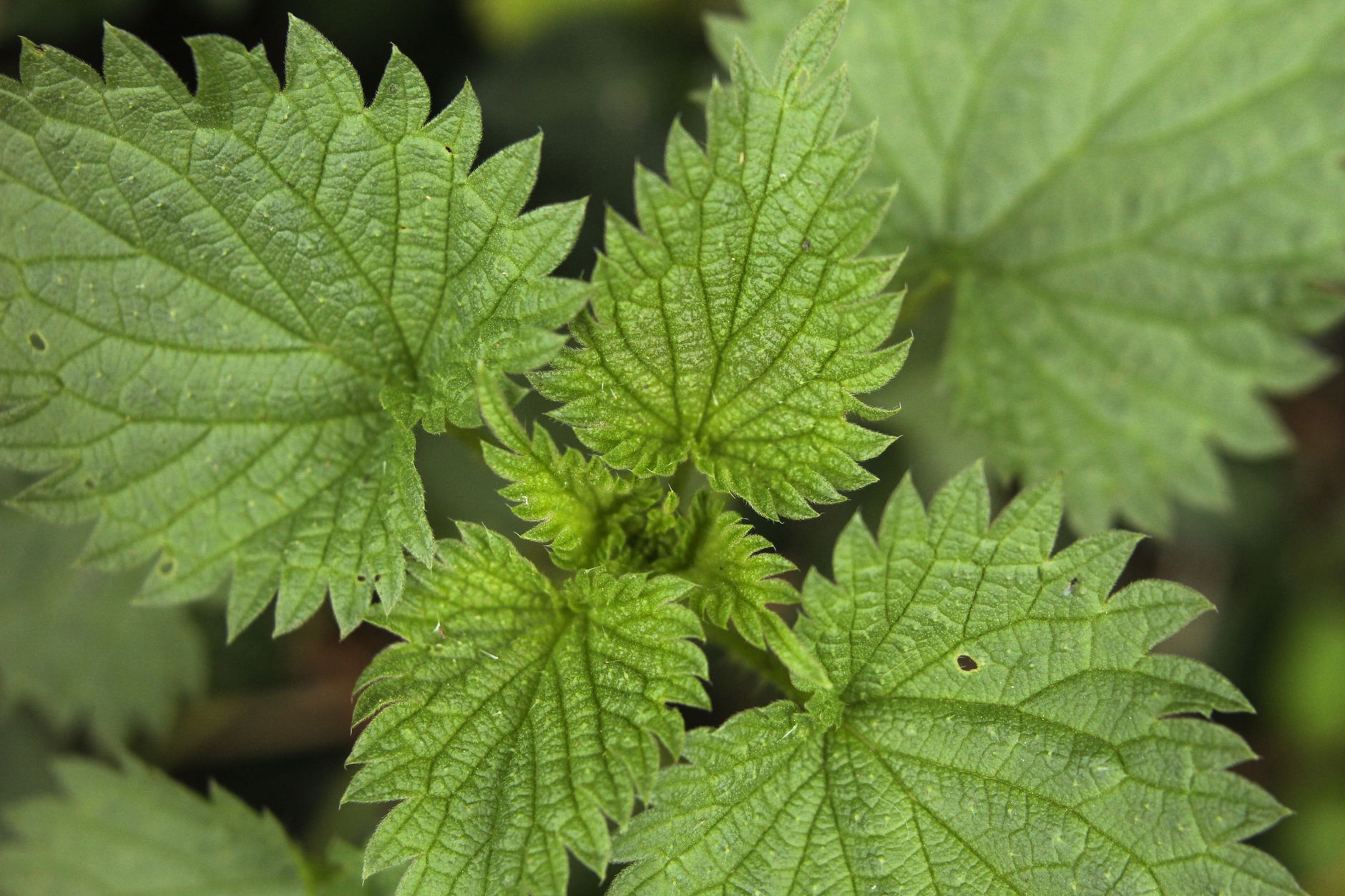
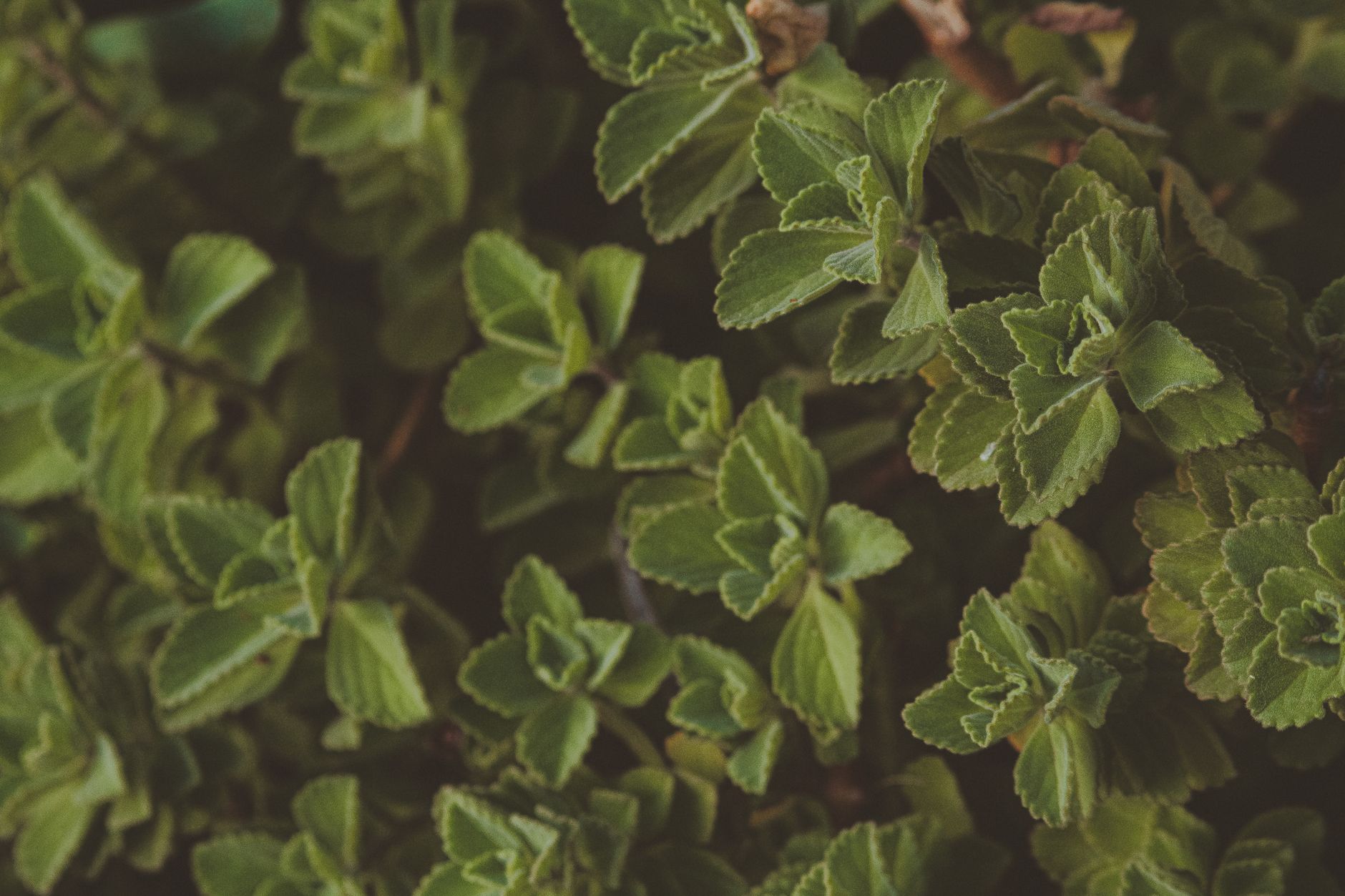
To understand the therapeutic potential of Burnet Saxifrage, one must first appreciate its botanical foundations. Pimpinella saxifraga is native to Europe and temperate regions of Asia, typically thriving in dry grasslands, meadows, and limestone-rich soils. The plant features a spindle-shaped, woody rhizome that emits a characteristic, slightly acrid aroma when cut. Its stems are cylindrical, finely striated, and can reach heights of 30 to 70 centimeters. The leaves exhibit a fascinating heterophylly; the basal leaves are simply pinnate with ovate, serrated leaflets, while the upper stem leaves are more deeply divided and linear. This morphological diversity is a key identifier in the field.
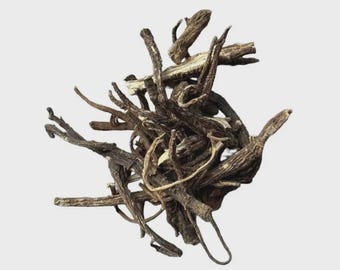
The inflorescence of Burnet Saxifrage consists of compound umbels, typically lacking both involucre and involucel bracts. The small white or occasionally pinkish flowers bloom from mid-summer to early autumn. From a physiological standpoint, the plant is highly adapted to nutrient-poor environments, which is often where it develops its most concentrated secondary metabolites. The root, specifically harvested in the autumn or early spring, remains the primary source of medicinal extracts due to its high concentration of essential oils and specialized glycosides.
Deep Dive into Chemical Composition
The efficacy of Burnet Saxifrage is rooted in its complex phytochemistry. Analytical studies have identified several classes of bioactive compounds that contribute to its medicinal actions. The most significant of these is the essential oil, which ranges from 0.4% to 0.6% in the roots. This oil is rich in various sesquiterpenes and phenylpropanoids. Notably, the presence of pseudoisoeugenol derivatives, such as 2-methylbutyric acid esters, provides the plant with its unique aromatic and therapeutic properties.
Beyond essential oils, Burnet Saxifrage contains significant levels of coumarins and furanocoumarins, including umbelliferone, pimpinellin, isopimpinellin, and sphondin. These compounds are known for their anti-inflammatory and potentially antimicrobial effects. The plant also synthesizes triterpene saponins, which act as natural surfactants. In the human body, these saponins are responsible for the plant’s expectorant properties, as they mildly irritate the gastric mucosa, triggering a reflex stimulation of the bronchial glands to increase the secretion of thinner, less viscous mucus. Furthermore, the presence of tannins provides an astringent quality, making it useful for topical applications and intestinal health.
Therapeutic Benefits for Respiratory Health
One of the primary applications of Burnet Saxifrage in modern herbalism is the treatment of upper respiratory tract infections. Its role as a secretolytic and expectorant is well-documented. When an individual suffers from bronchitis or a persistent dry cough, the bronchial secretions often become thick and difficult to expel. The saponins and essential oils in Pimpinella saxifraga work synergistically to liquefy this mucus. By reducing the surface tension of the phlegm, the herb facilitates the ciliary movement in the respiratory tract, allowing for more efficient clearing of the airways.
In addition to its expectorant action, the herb possesses mild antispasmodic properties. This is particularly beneficial for reducing the frequency and intensity of coughing fits. The furanocoumarins present in the root may also offer a degree of antimicrobial protection, helping the body to combat the underlying viral or bacterial pathogens responsible for the inflammation. It is frequently included in herbal cough syrups and teas alongside other botanicals like Thyme or Primrose root to enhance its respiratory benefits.
Gastrointestinal and Digestive Support
The bitter compounds and essential oils found in Burnet Saxifrage serve as a potent digestive stimulant. In traditional European medicine, the root was often used to treat “dyspepsia,” a broad term covering indigestion, bloating, and flatulence. The mechanism involves the stimulation of the bitter receptors on the tongue, which in turn signals the vagus nerve to increase the production of saliva, gastric acid, and bile. This cephalic phase of digestion ensures that the body is optimally prepared to break down nutrients.
Furthermore, the carminative properties of the essential oils help to relax the smooth muscles of the gastrointestinal tract. This relaxation aids in the expulsion of trapped gas and relieves cramping. For individuals suffering from chronic sluggish digestion or a lack of appetite (anorexia), a tincture or decoction of Burnet Saxifrage root can act as a gentle yet effective tonic. The tannins also contribute a mild anti-diarrheal effect by toning the intestinal lining and reducing excessive fluid secretion into the gut lumen.
The “Stone-Breaker” Mechanism: Renal and Urinary Health
Historical texts frequently highlight Burnet Saxifrage as a primary remedy for urolithiasis (kidney stones). While the name “Saxifrage” suggests a literal breaking of stones, the actual pharmacological mechanism is more nuanced. The herb acts as a mild diuretic, increasing the volume of urine produced by the kidneys. This increased flow helps to flush out “gravel” or micro-calculi before they can aggregate into larger, more painful stones. The diuretic effect is attributed to the presence of flavonoids and certain terpenes that influence the osmotic balance within the renal tubules.
Moreover, the anti-inflammatory properties of the coumarins help to soothe the urinary tract’s mucous membranes, which can become irritated or damaged by the passage of mineral deposits. By reducing inflammation in the ureters and bladder, Burnet Saxifrage helps alleviate the burning sensations often associated with urinary tract infections (UTIs) and cystitis. While it should not replace modern medical intervention for acute renal crises, it serves as a valuable supportive therapy for long-term urinary health maintenance and stone prevention.
Historical Context and Folklore
The history of Burnet Saxifrage is as rich as its chemical profile. In the Middle Ages, it was highly regarded as a prophylactic against the plague. Herbalists believed that the aromatic roots could purify the blood and protect the wearer from “miasma.” Hildegard von Bingen, the famed 12th-century mystic and herbalist, mentioned the use of Pimpinella for various ailments, emphasizing its warming and strengthening qualities. In folklore, the plant was sometimes associated with protection against enchantments, but its most enduring legacy remained in the realm of physical healing.
During the 16th and 17th centuries, the “Doctrine of Signatures”—the belief that a plant’s appearance indicates its medicinal use—played a role in the popularity of Burnet Saxifrage. Because the plant often grows in the cracks of rocks, it was logically concluded that it could crack or dissolve stones within the body. While this philosophical approach has been replaced by evidence-based phytotherapy, modern science has largely validated the herb’s efficacy in treating the very conditions for which it was originally prized.
Modern Applications: Extracts and Supplements
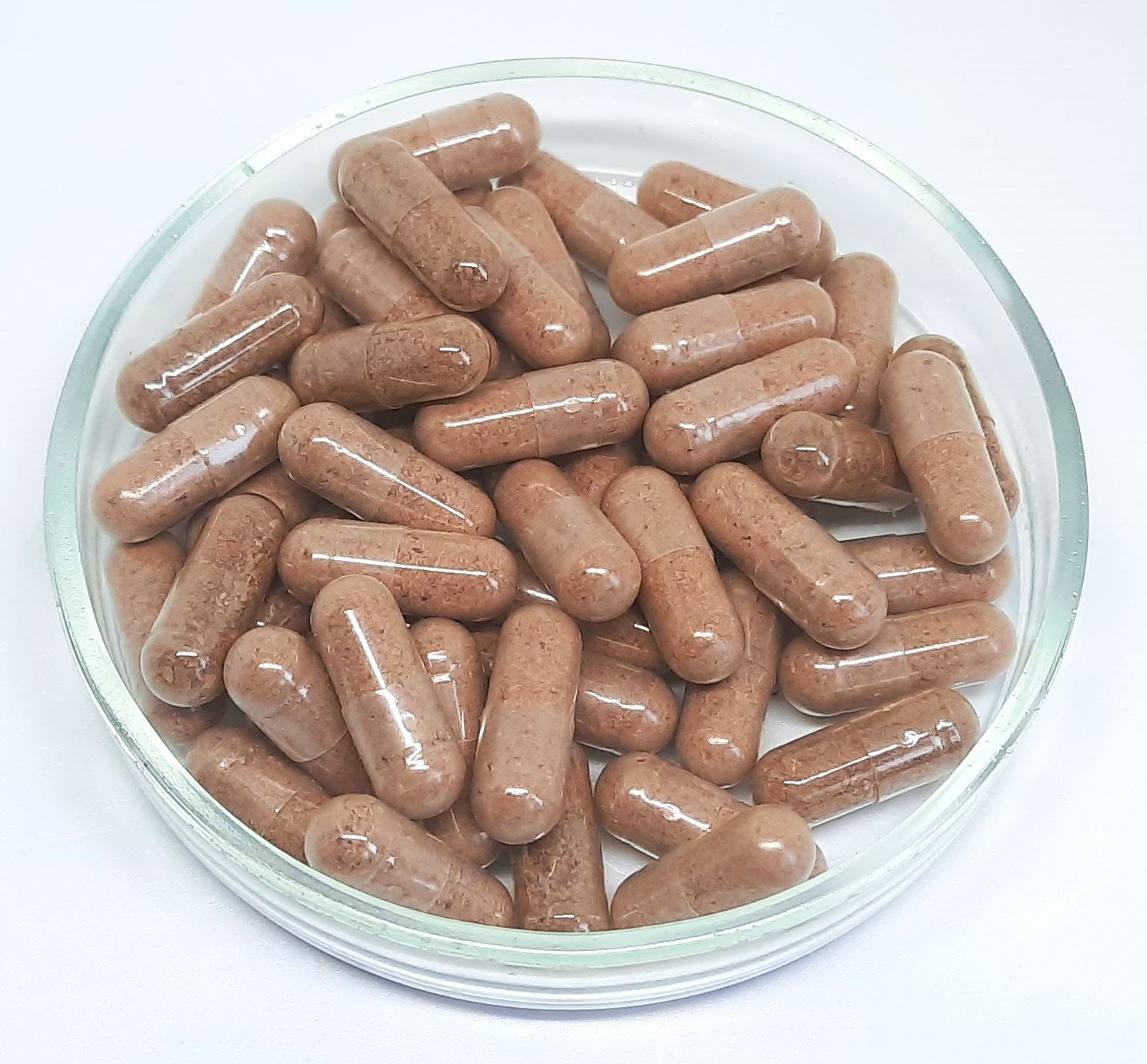
Today, Burnet Saxifrage is available in several formats, ranging from traditional dried roots to standardized extracts and capsules. For those seeking targeted support for respiratory or digestive issues, capsules offer a convenient way to ensure a consistent dosage of the plant’s active constituents. These supplements often utilize a concentrated extract of the root, providing a higher density of saponins and coumarins than a simple tea. When choosing a supplement, it is vital to look for products that specify the species Pimpinella saxifraga to avoid confusion with unrelated “Burnet” species.
In addition to oral capsules, liquid extracts and tinctures are popular. Tinctures, usually prepared with a high-proof alcohol base, are particularly effective at extracting the essential oils and resins that are less soluble in water. A few drops of Burnet Saxifrage tincture in water can be used as a gargle for sore throats or as a digestive aid before meals. The versatility of these modern preparations allows for the integration of this ancient herb into contemporary wellness routines with ease and precision.
Topical and External Uses
While primarily used internally, Burnet Saxifrage has a history of topical application. The plant’s astringent and mild antiseptic properties make it a suitable ingredient for skin washes and compresses. Traditionally, a decoction of the root was used to treat minor wounds, skin irritations, and even as a wash to lighten freckles and skin discolorations—a practice common in early European cosmetic herbalism.
In modern dermatological context, the anti-inflammatory nature of the plant’s extracts can be beneficial in soothing inflammatory skin conditions when used in dilute forms. However, caution must be exercised due to the presence of furanocoumarins, which can cause photosensitivity. When applied to the skin and then exposed to sunlight, these compounds can trigger a reaction known as phytophotodermatitis, resulting in redness or blistering. Therefore, topical use should generally be confined to areas not exposed to direct UV light, or used in preparations where these compounds have been moderated.
Dosage, Preparation, and Safety Guidelines
For those preparing Burnet Saxifrage at home, the most common method is a root decoction. This involves simmering 1 to 2 teaspoons of the dried, crushed root in a cup of water for approximately 10 to 15 minutes. This process is necessary to break down the woody structure of the rhizome and release the active saponins and oils. For respiratory support, drinking 2 to 3 cups per day is the standard recommendation. If using a 1:5 tincture, a dosage of 2 to 4 ml three times daily is typically suggested.
Safety is paramount when using any potent botanical. Burnet Saxifrage is generally considered safe when used in appropriate dosages. However, as mentioned, the furanocoumarin content necessitates caution regarding sun exposure. Individuals with known allergies to the Apiaceae family (which includes celery, carrots, and parsley) should avoid this herb. Furthermore, due to its mild emmenagogue properties (the ability to stimulate blood flow in the pelvic area), it is generally advised that pregnant women consult with a healthcare provider before use. As with any diuretic herb, those with severe kidney disease should seek medical advice to ensure that increased fluid output does not strain renal function.
Conclusion: The Enduring Value of Pimpinella saxifraga
Burnet Saxifrage stands as a testament to the sophistication of traditional herbal medicine. Far from being a “weed,” it is a specialized biochemical factory capable of addressing a variety of human health concerns. From its ability to clear congested lungs and stimulate sluggish digestion to its historical role in supporting urinary health, Pimpinella saxifraga remains a relevant and powerful tool in the natural pharmacopeia. By understanding its chemical makeup and respecting its physiological effects, modern users can safely harness the “stone-breaking” power of this remarkable plant to enhance their overall well-being.
- Primary Use: Expectorant for coughs, bronchitis, and sore throats.
- Digestive Aid: Stimulates appetite and reduces flatulence.
- Urinary Support: Acts as a mild diuretic and prevents stone formation.
- Key Compounds: Saponins, essential oils, and furanocoumarins.
- Precautions: Avoid excessive sun exposure during use; consult professional advice during pregnancy.
Disclaimer: For informational purposes only. Not medical advice. Consult a qualified healthcare professional before use.