The Comprehensive Guide to Comfrey: Healing Power, Phytochemistry, and Therapeutic Applications
Comfrey, scientifically known as Symphytum officinale, stands as one of the most revered and debated plants in the annals of botanical medicine. Often referred to by its evocative folk names such as “Knitbone,” “Boneset,” or “Bruisewort,” this perennial herb has been a staple of traditional European and Asian medicine for over two thousand years. Belonging to the Boraginaceae family, Comfrey is a robust plant characterized by its large, hairy, lance-shaped leaves and drooping clusters of bell-shaped flowers that range in color from creamy white to deep purple. While its reputation as a master healer of skeletal and cutaneous injuries is legendary, modern science has introduced a nuanced perspective on its use, particularly regarding its complex chemical profile and the presence of certain alkaloids. This guide provides an exhaustive exploration of Comfrey’s benefits, its chemical architecture, and the safety protocols essential for modern application.
Botanical Characteristics and Growth Habits
To understand the potency of Comfrey, one must first look at its physical nature. The plant is a “dynamic accumulator,” meaning its incredibly deep taproot—sometimes reaching six to ten feet into the earth—extracts minerals and nutrients from the subsoil that are inaccessible to shallower-rooted plants. These nutrients, including high concentrations of nitrogen, potassium, and calcium, are then concentrated within its leaves. This botanical efficiency not only makes Comfrey an exceptional healing herb but also a premier “green manure” in permaculture, used to enrich garden soils.

The leaves are broad and covered in stiff, bristly hairs that can cause mild skin irritation upon contact for some individuals—a testament to the plant’s protective mechanisms. The flowers are highly attractive to pollinators, particularly bumblebees, which can reach the nectar inside the tubular corollas. Identifying Comfrey in the wild requires careful observation, as it can occasionally be confused with Foxglove (Digitalis purpurea) before it flowers, which is a dangerous mistake given the latter’s high toxicity. However, Comfrey’s unique leaf attachment—where the leaf base runs down the stem—serves as a primary distinguishing feature for herbalists.
Historical Context: The “Knitbone” Legacy
The history of Comfrey is inextricably linked to the history of trauma medicine. The Greek physician Dioscorides, writing in his seminal work De Materia Medica in the 1st century AD, recommended the herb for healing wounds and mending broken bones. Its name, Symphytum, is derived from the Greek “symphyo,” meaning “to unite,” reflecting its primary therapeutic function. Throughout the Middle Ages, Comfrey was a common sight in monastery gardens across Europe, where monks used it to create poultices for soldiers returning from battle with fractures and deep bruising.
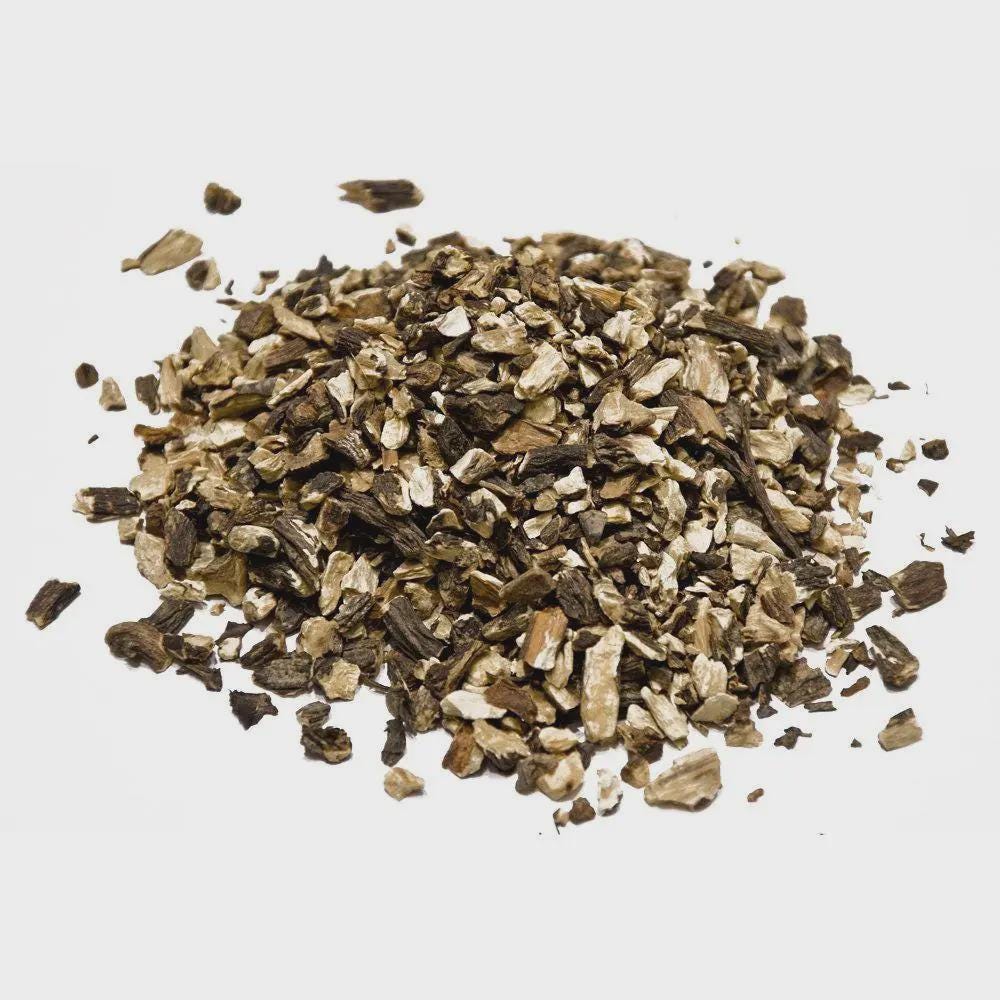
Traditional usage was not limited to external applications. Historical records indicate that Comfrey tea was frequently administered for internal ailments such as stomach ulcers, heavy menstrual bleeding, and respiratory issues like bronchitis. Herbalists believed that the “mucilaginous” or gooey nature of the plant acted as a demulcent, coating inflamed mucous membranes and providing a physical barrier against irritation. While internal consumption is now heavily restricted in many jurisdictions due to safety concerns, the historical success of these treatments remains a subject of great interest in ethnobotanical research.
Bioactive Compounds: The Chemistry of Regeneration
The therapeutic efficacy of Comfrey is not a matter of folklore alone; it is grounded in a sophisticated array of bioactive secondary metabolites. The most significant of these is Allantoin. Allantoin is a cell-proliferant that stimulates leukocytosis (the production of white blood cells) and promotes the rapid growth of new muscle and bone cells. This compound is the primary reason Comfrey is so effective at “knitting” tissues back together. When applied to a wound or a fracture site, allantoin speeds up the mitotic process, significantly reducing recovery time.

In addition to allantoin, Comfrey contains a high concentration of Rosmarinic Acid. This polyphenolic compound is a potent anti-inflammatory and antioxidant. It works by inhibiting the synthesis of prostaglandins—lipids that trigger inflammatory responses in the body. By suppressing inflammation at the site of an injury, Comfrey allows the healing compounds like allantoin to work more efficiently. Furthermore, the plant is rich in tannins, which provide astringent properties, helping to draw tissues together and provide a protective layer over minor skin abrasions. The presence of mucilage, a complex polysaccharide, further enhances its ability to soothe and hydrate damaged tissues.
The Pyrrolizidine Alkaloid Controversy
No exhaustive discussion of Comfrey is complete without addressing Pyrrolizidine Alkaloids (PAs). These are naturally occurring chemicals that the plant produces to deter herbivores. In humans, certain PAs—specifically those found in Comfrey like symphytine and lasiocarpine—can be converted by the liver into toxic metabolites known as pyrroles. These pyrroles can cause Veno-Occlusive Disease (VOD), a condition where the small veins in the liver become blocked, leading to liver damage or failure over long periods of ingestion.
Because of this risk, the medical community and regulatory bodies like the FDA and the European Medicines Agency have largely banned the sale of Comfrey for internal use. Modern herbalism now emphasizes “PA-free” extracts or focuses exclusively on topical applications. It is crucial to note that the concentration of PAs is highest in the roots and youngest leaves of the plant. Furthermore, Russian Comfrey (Symphytum x uplandicum) typically contains higher alkaloid levels than the common Symphytum officinale. Understanding this chemical distinction is vital for anyone looking to incorporate the herb into their wellness regimen safely.
Therapeutic Benefits for Bone and Joint Health
Comfrey’s most celebrated use remains its ability to accelerate the healing of fractures, sprains, and strains. When used as a poultice or a concentrated oil, the active compounds penetrate the skin to reach the underlying musculoskeletal structures. Clinical trials have demonstrated that topical Comfrey preparations can be as effective as pharmaceutical-grade non-steroidal anti-inflammatory drugs (NSAIDs) for treating acute upper and lower back pain and osteoarthritis of the knee.
For bone health, Comfrey stimulates the formation of the “callus”—the bridge of new bone that forms across a fracture. This is particularly useful for small stress fractures or stubborn injuries that are slow to heal. In the case of sprains and ligament damage, the herb’s ability to reduce edema (swelling) and stimulate collagen production helps restore joint stability and mobility. Many athletes and physical therapists utilize Comfrey-infused salves as a natural alternative to help manage the inflammation associated with repetitive strain injuries like tendonitis.
Skin Regeneration and Wound Care
Beyond the skeletal system, Comfrey is a powerhouse for dermatological health. Its regenerative properties make it an excellent treatment for scars, minor burns, and dry, cracked skin. The allantoin content encourages the shedding of dead skin cells while simultaneously promoting the growth of a healthy new epidermal layer. This “keratolytic” effect ensures that skin remains soft and resilient.
However, a critical rule in Comfrey application is that it should never be applied to deep, open, or infected wounds. Because Comfrey heals the skin so rapidly from the outside in, it can potentially “seal” an infection beneath the surface of the skin before the body has had a chance to clear the bacteria. This can lead to the formation of abscesses. Therefore, Comfrey is best reserved for closed wounds, such as bruises, or skin that is in the later stages of healing where the risk of infection has passed.
Practical Usage: Supplements, Capsules, and Topical Forms
For those seeking the benefits of Comfrey in a modern context, several delivery methods are available. While traditionalists might prefer a freshly harvested leaf poultice, manufactured products offer standardized concentrations of active ingredients and, in many cases, reduced alkaloid profiles for increased safety.

Comfrey capsules are available in some markets, though they are often labeled for specific, limited durations of use or are formulated as PA-free extracts. These are sometimes used by individuals under the guidance of a clinical herbalist to support systemic tissue repair. However, the most common and widely recommended form is the topical salve or ointment. To create a home remedy, dried comfrey leaves are often infused into a carrier oil (like olive or jojoba oil) for several weeks, then thickened with beeswax. This creates a portable and shelf-stable way to apply the herb’s healing properties to joints and muscles.
Another popular method is the “fomentation.” This involves soaking a cloth in a strong Comfrey tea (infusion) and applying the warm cloth directly to the injured area. This allows for deep penetration of the water-soluble allantoin and is particularly soothing for acute injuries like a rolled ankle or a bruised rib.
Safety Guidelines and Dosage Recommendations
Safety is paramount when working with a plant as biochemically active as Comfrey. Professional guidelines suggest that topical application should be limited to no more than 4 to 6 weeks of total use per year to prevent the theoretical accumulation of alkaloids through skin absorption. Pregnant and breastfeeding women, as well as children and individuals with pre-existing liver conditions, should avoid Comfrey entirely.

When purchasing Comfrey products, look for labels that specify the species (Symphytum officinale) and ensure the product is intended for external use. If using internal supplements, ensure they are certified PA-free by a third-party laboratory. For topical use, applying a small amount to a patch of skin first is recommended to check for allergic reactions or sensitivity to the plant’s hairs. When used correctly and with respect for its potency, Comfrey remains one of the most effective tools in the herbalist’s toolkit for physical restoration and structural integrity.
Conclusion: The Future of Comfrey in Modern Wellness
Comfrey occupies a unique space in the bridge between ancient wisdom and modern science. While we must remain vigilant regarding the risks of pyrrolizidine alkaloids, we cannot ignore the profound clinical evidence supporting its regenerative capabilities. As research continues into PA-free cultivation and refined extraction techniques, it is likely that Comfrey will see a resurgence in mainstream sports medicine and geriatric care for its unparalleled ability to support the body’s innate healing mechanisms. Whether grown in a garden for its ecological benefits or kept in a first-aid kit as a potent salve, Comfrey remains a testament to the complex and powerful relationship between humans and the plant kingdom.
Disclaimer: For informational purposes only. Not medical advice. Consult a qualified healthcare professional before use.