

The Underrated Powerhouse: A Deep Dive into the Health Benefits of Couch Grass (Elymus repens)
Often dismissed as a tenacious weed, Couch Grass, scientifically known as Elymus repens (formerly Agropyron repens), stands as a remarkable testament to nature’s overlooked pharmacies. For centuries, across diverse cultures, the humble rhizomes of this resilient plant have been a cornerstone of traditional herbal medicine, revered for their profound therapeutic properties. From soothing urinary tract irritations to promoting systemic detoxification, Couch Grass offers a spectrum of benefits that are increasingly being validated by modern scientific inquiry. This exhaustive guide delves deep into the botanical marvel that is Couch Grass, exploring its rich history, intricate chemical composition, and the myriad ways it can contribute to holistic well-being.
In an era where natural remedies are gaining renewed appreciation, understanding the full potential of plants like Couch Grass is paramount. Beyond its reputation for invasiveness in gardens, its subsurface network of rhizomes harbors a complex array of bioactive compounds that exert powerful effects on the human body. Join us as we uncover the secrets of this green healer, transforming its common perception from a garden nuisance to a revered medicinal herb.
Botanical Profile and Identification: Unmasking Elymus repens
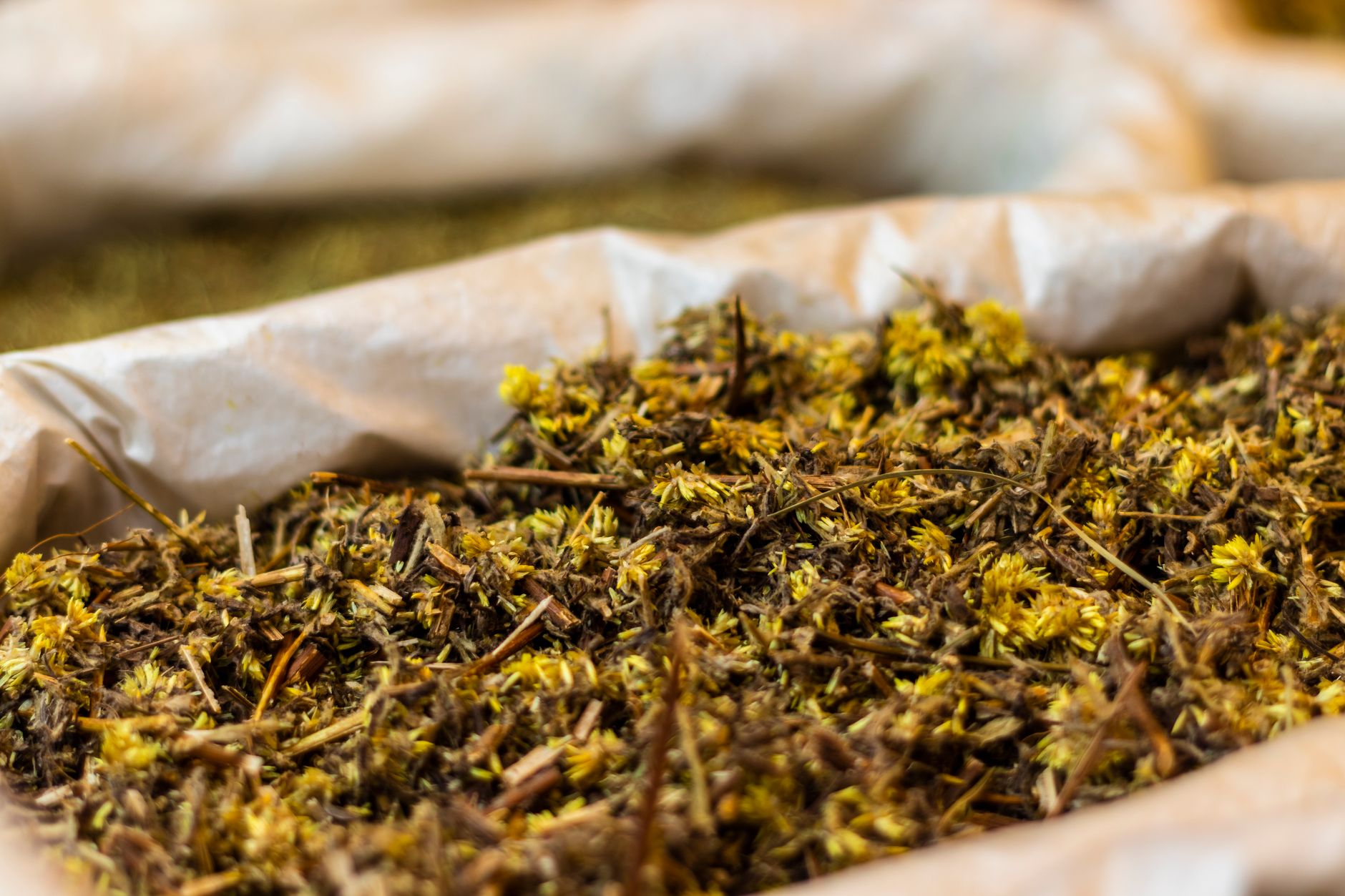
Couch Grass, known by a plethora of common names including Quackgrass, Witchgrass, Dog Grass, and Twitch Grass, is a perennial grass belonging to the Poaceae family. Its pervasive nature stems from its extensive, creeping rhizome system, which allows it to spread rapidly and endure challenging environmental conditions. These underground stems are precisely the part of the plant most valued for medicinal purposes, typically harvested in autumn or early spring when their concentration of active compounds is highest.
Superficially, Couch Grass can be identified by its flat, relatively broad leaves that typically grow to a length of 15-40 cm. The leaves are often rough to the touch on their upper surface and may exhibit small, hairy auricles at the base, clasping the stem. Its flowering stalks emerge in summer, bearing spikelets arranged alternately on a central axis, forming a distinctive, often slender spike. While it thrives in disturbed soils, cultivated fields, and gardens, its ability to adapt to a wide range of climates and soil types has made it a global presence.
Historically, the plant’s reputation as a “weed” has ironically contributed to its widespread availability and ease of access for herbalists. Its tenacity, once a gardener’s bane, is precisely what makes it a robust source of natural medicine, embodying resilience and vitality even in harsh conditions. Understanding its botanical characteristics is the first step in appreciating its profound medicinal value.
A Journey Through Time: Historical Context and Ethnobotanical Significance
The medicinal use of Couch Grass dates back millennia, deeply interwoven into the fabric of traditional European and Asian herbal medicine. Ancient Greek physicians, notably Dioscorides, recognized its diuretic properties, recommending it for conditions of the bladder and kidneys. Pliny the Elder, the Roman naturalist, also documented its use, cementing its place in classical antiquity as a valuable urinary remedy.
Throughout the Middle Ages and into the Renaissance, Couch Grass remained a prominent herb in apothecaries and folk remedies across Europe. Herbalists frequently prescribed it for urinary tract infections, kidney stones, and as a general cleansing tonic. Its reputation as a safe and effective diuretic made it a go-to remedy for conditions involving fluid retention and the need to flush toxins from the body. In fact, its common name “Dog Grass” is said to originate from observing sick dogs instinctively chewing on the grass to induce vomiting or cleanse their systems, an anecdotal testament to its ancient perceived benefits.
Beyond Europe, indigenous cultures in various parts of the world where Couch Grass naturalized also discovered its uses. It was employed for similar conditions, highlighting a convergent understanding of its therapeutic potential across disparate healing traditions. The enduring presence of Couch Grass in historical herbals and pharmacopoeias underscores its reliability and the sustained trust placed in its medicinal efficacy by generations of healers.

Phytochemical Powerhouse: Bioactive Compounds of Couch Grass
The therapeutic prowess of Couch Grass is attributed to a complex synergy of bioactive compounds found primarily in its rhizomes. Modern phytochemistry has begun to unravel the intricate composition that underlies its traditional uses, revealing a rich tapestry of molecules working in concert to exert their health-promoting effects. Understanding these compounds is key to appreciating the herb’s multifaceted benefits.
Triterpenes: The Diuretic and Anti-inflammatory Agents
- Agropyrene: This distinctive polyacetylene compound is considered one of the primary active constituents responsible for Couch Grass’s powerful diuretic and antimicrobial properties. Agropyrene works by influencing kidney function, promoting the excretion of urine without significantly altering electrolyte balance, a characteristic known as aquaresis. Its antimicrobial action helps combat pathogens in the urinary tract, making it invaluable for preventing and treating infections.
- Saponins: These complex plant compounds contribute to the herb’s diuretic and expectorant actions. Saponins can irritate the mucous membranes, stimulating the production of thinner, more fluid mucus, which aids in respiratory clearance. In the urinary tract, they enhance the flushing action and may contribute to the breakdown of urinary calculi.
Polysaccharides: Demulcent and Prebiotic Wonders
- Mucilage: Couch Grass rhizomes are rich in mucilaginous polysaccharides. When consumed, these compounds form a soothing, gel-like substance that coats and protects irritated mucous membranes throughout the digestive and urinary tracts. This demulcent action is crucial for alleviating inflammation, reducing pain, and promoting healing in conditions like cystitis, gastritis, and irritable bowel syndrome.
- Fructans (e.g., Inulin): These long-chain polysaccharides act as powerful prebiotics, serving as nourishment for beneficial gut bacteria. By fostering a healthy gut microbiome, inulin contributes to improved digestion, enhanced nutrient absorption, bolstered immune function, and potentially even mood regulation. Its presence highlights Couch Grass’s indirect yet significant contribution to overall systemic health.
Volatile Oils and Flavonoids: Antioxidant and Anti-inflammatory Synergists
- Volatile Oils: Present in smaller quantities, these aromatic compounds contribute to the herb’s subtle flavor and possess mild antiseptic and antispasmodic properties, which can help relax smooth muscles and alleviate cramps.
- Flavonoids: These ubiquitous plant pigments are potent antioxidants, protecting cells from oxidative damage caused by free radicals. Their anti-inflammatory effects further augment Couch Grass’s ability to reduce swelling and pain, contributing to its efficacy in managing inflammatory conditions.
Other Important Constituents
- Silicic Acid: Contributes to the structural integrity of connective tissues and may play a role in promoting healthy urinary function.
- Carbohydrates: Provide energy and contribute to the bulk of the rhizome.
- Vitamins and Minerals: While not a primary source, Couch Grass contains trace amounts of various vitamins and minerals, adding to its overall nutritional profile.
The intricate interplay of these compounds explains why Couch Grass has been such a versatile and effective herbal remedy for centuries. Each constituent contributes uniquely, but their combined action creates a more potent and holistic therapeutic effect than any single compound alone.

Comprehensive Health Benefits of Couch Grass: A Deep Dive
The rich biochemical composition of Couch Grass translates into a wide array of health benefits, primarily focused on its unparalleled ability to support the urinary system, promote detoxification, and reduce inflammation. Let’s explore these benefits in detail.
1. Unrivaled Urinary Tract Health and Diuretic Action
Couch Grass is arguably best known for its exceptional benefits to the urinary system. Its primary action is as a gentle yet potent diuretic (aquaretic), meaning it increases urine flow without causing significant electrolyte loss, unlike many pharmaceutical diuretics. This action is primarily attributed to agropyrene and saponins.
- Flushing Urinary Tract Infections (UTIs): By promoting increased urine production, Couch Grass effectively flushes bacteria and other pathogens from the bladder and urethra. Its inherent antimicrobial properties, particularly from agropyrene, directly combat the growth of infection-causing microorganisms, making it a valuable adjunct for preventing and managing UTIs, particularly those caused by common bacteria like E. coli.
- Kidney Stone Prevention and Support: The diuretic and demulcent properties of Couch Grass are invaluable for individuals prone to kidney stones (nephrolithiasis) and those experiencing them. By increasing urine volume, it helps to prevent the supersaturation of urine with stone-forming minerals and facilitates the passage of small stones or ‘gravel.’ The soothing mucilage also helps to reduce irritation and pain as stones pass. Some research suggests it may even aid in dissolving certain types of stones.
- Soothing Bladder Irritation and Cystitis: The demulcent mucilage coats the irritated lining of the bladder and urethra, providing significant relief from discomfort, burning, and inflammation associated with conditions like cystitis, urethritis, and even interstitial cystitis. It helps to calm spasms and reduce the urge to urinate frequently, fostering comfort and healing.
- Prostate Health: While not a direct treatment for serious prostate conditions, the diuretic action can help alleviate symptoms of benign prostatic hyperplasia (BPH) by promoting easier urination and reducing urinary retention, which can be a common issue with an enlarged prostate.
2. Potent Detoxification and Cleansing Agent
Beyond its urinary benefits, Couch Grass acts as a systemic cleanser, supporting the body’s natural detoxification pathways.
- Lymphatic System Stimulation: By promoting fluid circulation, Couch Grass may indirectly support the lymphatic system, which is crucial for removing waste products, toxins, and cellular debris from tissues throughout the body. A well-functioning lymphatic system is essential for immune health and overall detoxification.
- Blood Purification: As a general depurative, Couch Grass is believed to help “purify” the blood by facilitating the excretion of metabolic wastes and toxins through the kidneys. This systemic cleansing effect contributes to improved organ function and a greater sense of vitality.
- Liver Support: While not a direct liver tonic like milk thistle, its robust diuretic action reduces the burden on the liver by facilitating the elimination of water-soluble toxins once processed by the liver. This indirect support is crucial for maintaining optimal liver function.
3. Significant Anti-inflammatory and Analgesic Properties
The presence of flavonoids, saponins, and other compounds contributes to Couch Grass’s ability to modulate inflammatory responses throughout the body.
- Relief from Inflammatory Conditions: Couch Grass can be beneficial for conditions characterized by inflammation, such as arthritis, rheumatism, and gout. Its anti-inflammatory action helps to reduce pain, swelling, and stiffness in affected joints. For gout, its diuretic effect also aids in flushing out excess uric acid, a primary contributor to gout flares.
- Internal and External Soothing: The demulcent properties extend beyond the urinary tract, providing anti-inflammatory effects on the gastrointestinal lining and even topically for skin irritations.
4. Digestive System Support and Gut Health
Couch Grass offers notable benefits for the digestive tract, extending from the stomach to the intestines.
- Demulcent for Gastric Irritation: The mucilage content creates a protective layer over inflamed mucous membranes in the stomach and esophagus, providing relief from heartburn, gastritis, stomach ulcers, and general indigestion. It can soothe irritation caused by excess stomach acid.
- Prebiotic Effects: The fructans, including inulin, act as prebiotics, selectively feeding beneficial bacteria in the gut. This promotes a healthy gut microbiome, which is vital for efficient digestion, nutrient absorption, synthesis of certain vitamins, and a strong immune system. A balanced gut flora can also influence mood and overall systemic health.
- Mild Laxative Effect: The mucilage also contributes to a gentle bulk-forming effect, which can aid in promoting regular bowel movements and alleviating mild constipation without harsh stimulation.
5. Respiratory Health Support
While primarily known for urinary benefits, Couch Grass also has applications in respiratory health.
- Expectorant Action: The saponins present in Couch Grass can act as mild expectorants, helping to thin and loosen mucus in the respiratory passages. This makes coughs more productive and aids in clearing congestion from conditions like bronchitis, colds, and flu.
- Soothing for Coughs and Sore Throats: Its demulcent properties can help soothe irritated throat and bronchial tissues, reducing the severity of coughs and providing comfort for sore throats.
6. Potential for Blood Sugar Management
Emerging research suggests that certain compounds in Couch Grass, particularly its fructans, might play a role in blood sugar regulation. While not a direct treatment for diabetes, preliminary studies indicate potential for modulating glycemic response and supporting metabolic health. This area warrants further investigation but adds another dimension to its therapeutic profile.
7. Antimicrobial Activity
As highlighted with UTIs, the presence of agropyrene and other constituents confers broad-spectrum antimicrobial activity against various bacteria, fungi, and even some viruses. This property contributes to its effectiveness not only in urinary infections but also potentially in supporting overall resistance to microbial challenges.
Practical Applications and Usage: Integrating Couch Grass into Your Wellness Routine
Couch Grass is versatile and can be incorporated into a health regimen in several forms, each offering different advantages. The most common medicinal part used is the rhizome, typically dried and cut.
1. Traditional Decoction (Tea)
This is the most traditional and perhaps most effective method for extracting the water-soluble compounds, particularly the mucilage and diuretics.
- Preparation: Add 1-2 tablespoons of dried, cut Couch Grass rhizome to 500ml (2 cups) of cold water. Bring to a boil and then simmer gently for 10-15 minutes. Strain the liquid, ensuring all plant material is removed.
- Dosage: Drink 2-3 cups of the decoction per day, ideally between meals. For acute conditions like UTIs, dosage can be increased under professional guidance. It can be consumed warm or cold.
- Taste: Couch Grass tea has a mild, slightly sweet, earthy, and somewhat grassy flavor, which is generally palatable. You can add a touch of honey or lemon if desired.
2. Tinctures
Tinctures are alcohol-based extracts that offer convenience and a longer shelf life. They are more concentrated than teas.
- Preparation (Home): While commercially prepared tinctures are readily available, one can make them by soaking dried rhizomes in high-proof alcohol for several weeks.
- Dosage: Typically, 2-5 ml (40-100 drops) of tincture are taken 2-3 times per day, diluted in a small amount of water. Always follow the specific instructions on the product label as concentrations vary.

3. Capsules and Supplements
For those who prefer convenience or dislike the taste of herbal teas, Couch Grass is available in standardized capsule or tablet form. These usually contain powdered rhizome extract.
- Dosage: Follow the manufacturer’s recommended dosage on the product label. This typically ranges from 500mg to 1500mg per day, often split into multiple doses. Capsules offer a consistent dosage and are easy to integrate into a daily routine.
4. Topical Applications
Though less common than internal use, Couch Grass can be used externally for skin conditions.
- Poultices/Compresses: A strong decoction can be used as a compress for minor skin irritations, cuts, or inflamed areas due to its anti-inflammatory and soothing properties.

Safety, Side Effects, and Contraindications
Couch Grass is generally considered safe for most people when used appropriately and in recommended dosages. However, like all potent herbal remedies, certain precautions are necessary.
- Hydration: Due to its strong diuretic action, it is crucial to maintain adequate fluid intake when consuming Couch Grass to prevent dehydration.
- Mild Gastrointestinal Upset: In some sensitive individuals, high doses may rarely cause mild stomach upset, nausea, or diarrhea. Starting with a lower dose and gradually increasing can help mitigate this.
- Interactions with Medications:
- Diuretics: Couch Grass can potentiate the effects of pharmaceutical diuretics, potentially leading to excessive fluid loss and electrolyte imbalances. Use with caution and under medical supervision.
- Blood Thinners (Anticoagulants): While not extensively studied, some herbs with diuretic and cleansing properties can theoretically impact blood clotting. If on blood thinners, consult a doctor.
- Blood Sugar Medications: Given its potential to influence blood sugar, individuals with diabetes on medication should monitor their glucose levels closely and consult a healthcare provider.
- Lithium: As a diuretic, Couch Grass may increase the concentration of lithium in the body, potentially leading to adverse effects.
- Pregnancy and Lactation: Due to insufficient research on its effects in these populations, Couch Grass should be avoided during pregnancy and breastfeeding unless specifically recommended and supervised by a qualified healthcare practitioner.
- Kidney or Heart Disease: Individuals with severe kidney disease, heart failure, or conditions requiring strict fluid management should use Couch Grass only under the guidance of a healthcare professional.
- Allergies: While rare, individuals with known allergies to plants in the Poaceae family (grasses) should exercise caution.
Always consult with a healthcare professional or a qualified herbalist before starting any new herbal supplement, especially if you have underlying health conditions or are taking other medications. This ensures safe and effective integration into your health regimen.
Conclusion: Embracing the Forgotten Power of Couch Grass
Couch Grass, long overlooked and misunderstood, stands as a formidable ally in the realm of natural medicine. Its rich historical use, coupled with an impressive array of bioactive compounds, solidifies its position as a valuable therapeutic agent, particularly for urinary tract health, systemic detoxification, and inflammation management. From its ancient recognition as a potent diuretic to modern insights into its prebiotic and antimicrobial actions, this humble rhizome embodies the profound healing potential often found in the most unexpected corners of nature.
By understanding its botanical intricacies, historical significance, and detailed mechanisms of action, we can appreciate Couch Grass not as a mere garden intruder, but as a sophisticated herbal powerhouse. As interest in holistic wellness and natural remedies continues to grow, Couch Grass offers a gentle yet effective path towards supporting kidney and bladder function, promoting internal cleansing, and fostering overall vitality. With mindful application and professional guidance, this tenacious grass can indeed become a cherished component of a comprehensive approach to health.
Disclaimer: For informational purposes only. Not medical advice. Consult a qualified healthcare professional before use.