

The Profound Health Benefits of Hops: A Definitive Deep-Dive Guide into Humulus Lupulus
Often celebrated for its pivotal role in brewing the world’s most popular alcoholic beverage, beer, the humble hop plant (Humulus lupulus) is far more than just a bittering agent or a preservative. For centuries, long before its frothy fame, hops have been revered in traditional medicine across diverse cultures for a remarkable array of therapeutic properties. This exhaustive guide delves into the intricate botanical profile, historical lineage, and the cutting-edge scientific understanding of hops, unveiling its profound health benefits that extend far beyond the pint glass. From soothing sleep to hormonal balance and potent anti-inflammatory action, Humulus lupulus emerges as a powerhouse of natural wellness.
The journey into the health benefits of hops requires a comprehensive exploration of its rich phytochemical composition. The plant’s unique bitter acids, essential oils, and an impressive spectrum of flavonoids and chalcones work synergistically to exert their therapeutic effects. As modern research continues to uncover the intricate mechanisms of action behind these compounds, hops are garnering renewed attention as a valuable botanical for addressing a variety of contemporary health concerns, making it a compelling subject for those seeking natural remedies and holistic well-being.
A Glimpse into History: Hops Beyond the Brewery
While hops’ association with brewing dates back to the 9th century in Europe, its medicinal applications predate this by centuries. Ancient Roman and Greek texts hint at the use of hop sprouts as a culinary delicacy, while medieval monastic gardens cultivated hops not just for brewing but for their sedative and digestive properties. Traditional Chinese Medicine (TCM) and Ayurvedic practices also incorporated hops for various ailments, recognizing its calming and anti-inflammatory attributes. In European folk medicine, hops were frequently used to treat nervous tension, indigestion, and even topical skin conditions due to its antiseptic qualities. Women historically used hops for regulating menstrual cycles and alleviating menopausal symptoms, intuiting its estrogenic effects long before modern science could identify phytoestrogens. This rich historical tapestry underscores hops’ enduring reputation as a versatile healing herb.
Botanical Overview: Understanding Humulus Lupulus
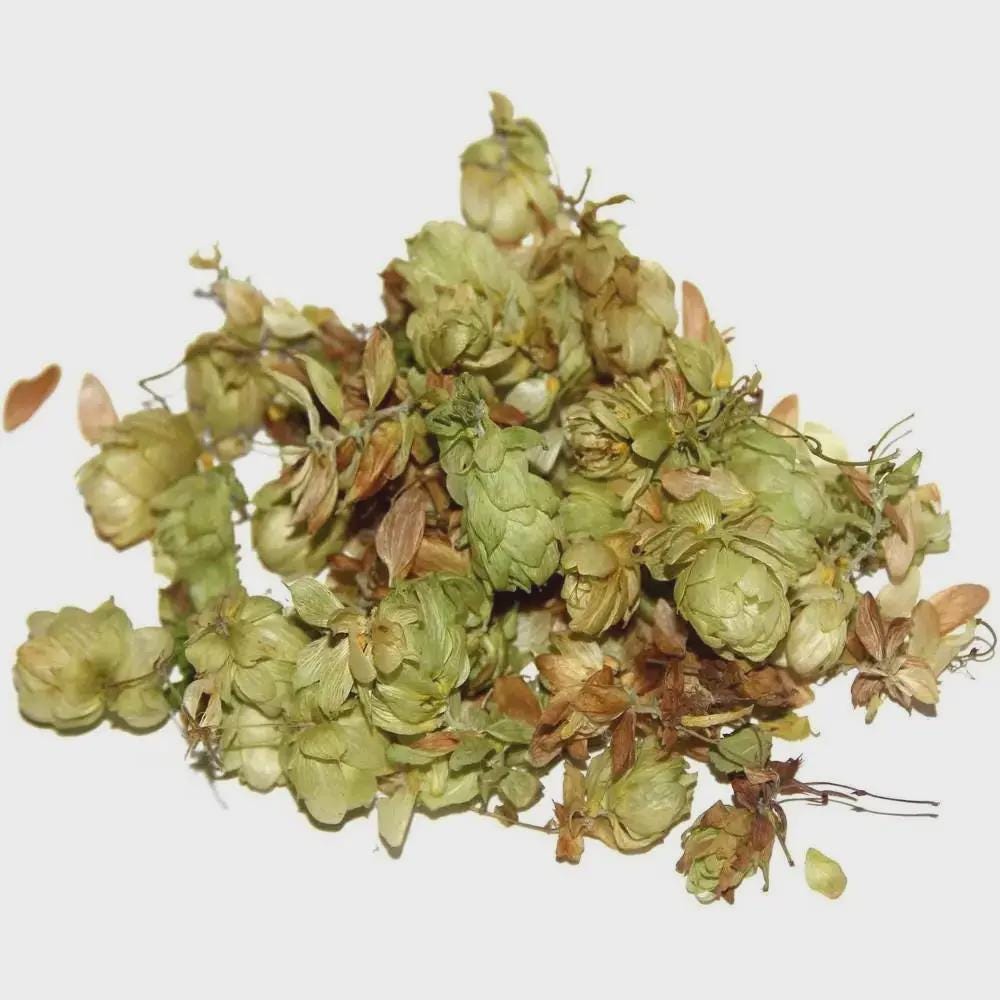
Humulus lupulus, commonly known as hops, is a member of the Cannabaceae family, a close relative to cannabis. It is a vigorous, perennial climbing vine that can grow up to 20 feet in a single season, thriving in temperate climates. The part of the plant primarily used for medicinal purposes and brewing are the dried female flowers, often referred to as “cones” or “strobiles.” These cones are characterized by their papery texture and contain small, yellow, resinous glands called lupulin. Lupulin is the primary source of the plant’s most pharmacologically active compounds, including bitter acids and essential oils, which impart the characteristic aroma, flavor, and much of the therapeutic efficacy of hops.
The structure of the hop cone is crucial to its function. Each cone is composed of overlapping bracts and bracteoles, within which the lupulin glands are concentrated. These glands release a complex mixture of chemical compounds when processed, which are then extracted into various preparations like teas, tinctures, and supplements. The meticulous cultivation and harvesting of these cones are essential to ensure the potency and quality of the final product, whether for brewing or for medicinal use, highlighting the importance of understanding the plant’s unique biology.

The Chemical Symphony: Bioactive Compounds in Hops
The diverse health benefits of hops are attributable to a complex synergy of its bioactive constituents. These compounds can be broadly categorized into several classes, each contributing unique pharmacological properties:
Bitter Acids (Humulones and Lupulones)
These are the primary bittering compounds in hops and include alpha acids (humulones: humulone, cohumulone, adhumulone) and beta acids (lupulones: lupulone, colupulone, adlupulone). While contributing to beer’s bitterness, in a medicinal context, they possess significant anti-inflammatory and sedative properties. Humulones, in particular, have been studied for their ability to inhibit cyclooxygenase-2 (COX-2) enzymes, a key mediator of inflammation, similar to the action of some NSAIDs, but potentially with fewer side effects. This inhibition reduces the production of pro-inflammatory prostaglandins, thereby mitigating pain and swelling. Moreover, some bitter acids exhibit antibacterial activity, contributing to hops’ historical use as a preservative.
Flavonoids (Xanthohumol, Isoxanthohumol, 8-Prenylnaringenin)
Hops are exceptionally rich in prenylated flavonoids, a unique class of polyphenols with remarkable biological activity. Xanthohumol (XN) is the most abundant and well-studied chalcone in hops, renowned for its potent antioxidant, anti-inflammatory, and anticancer properties. Its derivative, isoxanthohumol (IXN), also contributes to these effects. Perhaps most significantly, 8-prenylnaringenin (8-PN), a potent phytoestrogen, is formed metabolically from IXN. 8-PN is considered one of the most potent phytoestrogens discovered to date, mimicking the action of estrogen in the body and playing a crucial role in hops’ efficacy for menopausal symptom relief. These flavonoids work through various pathways, including modulating enzyme activity, scavenging free radicals, and influencing cellular signaling.

Essential Oils
The characteristic aroma of hops comes from its complex essential oil fraction, which includes monoterpenes (e.g., myrcene) and sesquiterpenes (e.g., humulene, caryophyllene). These volatile compounds are largely responsible for hops’ sedative and anxiolytic effects. Myrcene, in particular, has been implicated in the tranquilizing properties, interacting with GABA receptors in the brain to promote relaxation and sleep. Humulene and caryophyllene also exhibit anti-inflammatory and potentially analgesic effects, further contributing to the plant’s therapeutic profile.
Other Compounds
Beyond these major categories, hops also contain tannins, resins, and other trace compounds that may contribute to its overall health benefits through synergistic interactions. The holistic effect of the entire plant extract is often more potent and balanced than isolated compounds, a principle common in herbal medicine.
Key Health Benefits of Hops: A Detailed Exploration
The rich biochemical tapestry of hops translates into a broad spectrum of health benefits, supported by both traditional use and contemporary scientific investigation.
1. Promoting Restful Sleep and Reducing Anxiety
Perhaps the most well-known traditional use of hops is its efficacy as a mild sedative and anxiolytic. This benefit is largely attributed to the synergistic action of its bitter acids (especially methylbutenol from lupulin) and essential oils (primarily myrcene and humulene). These compounds appear to interact with the central nervous system by modulating gamma-aminobutyric acid (GABA) activity. GABA is the primary inhibitory neurotransmitter in the brain, responsible for reducing neuronal excitability and promoting relaxation. Hops compounds can increase GABAergic tone, leading to decreased nerve activity, feelings of calmness, and an easier transition into sleep. This mechanism of action makes hops a popular ingredient in natural sleep aids, often combined with valerian root, for synergistic effects.
Beyond GABAergic modulation, some research suggests that hops can influence melatonin levels, the hormone crucial for regulating the sleep-wake cycle. By helping to quiet the racing mind and ease nervous tension, hops can significantly improve sleep quality, reduce sleep latency (the time it takes to fall asleep), and extend the duration of restorative sleep, all without the severe side effects often associated with pharmaceutical sleep aids.
2. Alleviating Menopausal Symptoms
Hops have emerged as a significant natural intervention for women experiencing menopausal symptoms, particularly hot flashes, night sweats, and mood swings. This powerful effect is primarily due to the presence of 8-prenylnaringenin (8-PN), a prenylflavonoid derived from xanthohumol. 8-PN is recognized as the most potent phytoestrogen discovered to date, demonstrating a strong binding affinity for estrogen receptors, particularly ER-alpha, which are implicated in regulating thermoregulation and mood.
By mimicking the action of endogenous estrogen, 8-PN can help to compensate for the decline in natural estrogen levels during menopause. Clinical trials have shown that standardized hop extracts containing 8-PN can significantly reduce the frequency and severity of hot flashes and other climacteric complaints, offering a natural and potentially safer alternative to conventional hormone replacement therapy (HRT) for some women. Its selective estrogen receptor modulator (SERM)-like activity suggests it may exert beneficial effects on bone density and cardiovascular health as well, without necessarily stimulating estrogen-sensitive tissues in undesirable ways.
3. Potent Anti-inflammatory and Analgesic Properties
Chronic inflammation is a root cause of many modern diseases. Hops contain several compounds with robust anti-inflammatory capabilities, particularly the bitter acids (humulones and lupulones) and various flavonoids. These compounds work through multiple pathways to mitigate inflammation. They can inhibit the activity of pro-inflammatory enzymes like cyclooxygenase-2 (COX-2) and lipoxygenase (LOX), which are responsible for producing inflammatory mediators suchpros like prostaglandins and leukotrienes. By blocking these pathways, hops can effectively reduce pain, swelling, and redness associated with inflammatory conditions.
Furthermore, xanthohumol and other hop flavonoids can modulate the expression of inflammatory cytokines and adhesion molecules, further dampening the inflammatory cascade. This broad-spectrum anti-inflammatory action suggests potential therapeutic applications for conditions ranging from arthritis and inflammatory bowel disease to general aches and pains, offering a natural alternative for managing inflammatory responses within the body.
4. Powerful Antioxidant Defense
Oxidative stress, caused by an imbalance between free radicals and antioxidants, contributes to cellular damage and accelerates aging and disease progression. Hops are a rich source of powerful antioxidants, predominantly flavonoids like xanthohumol, isoxanthohumol, and quercetin derivatives. These compounds effectively scavenge harmful free radicals, neutralizing them before they can damage DNA, proteins, and lipids. Xanthohumol, in particular, is noted for its exceptional antioxidant capacity, often surpassing that of other well-known antioxidants.
By bolstering the body’s antioxidant defenses, hops can protect cells from oxidative damage, support cellular health, and potentially reduce the risk of chronic diseases associated with oxidative stress, including cardiovascular diseases, neurodegenerative disorders, and certain types of cancer. This protective effect extends to various tissues and organs, reinforcing hops’ role in overall wellness and longevity.
5. Supporting Digestive Health
Traditionally, hops have been used to aid digestion. The bitter compounds in hops stimulate the production of digestive enzymes and bile, which are essential for breaking down fats and absorbing nutrients. This ‘bitter’ reflex can enhance overall digestive efficiency and alleviate symptoms of indigestion, bloating, and sluggish digestion. Furthermore, hops possess mild antibacterial properties, which may help to balance the gut microbiota and protect against pathogenic bacteria. While more research is needed, the intricate interplay between gut health and overall systemic health suggests that hops’ contribution to a healthy digestive system could have far-reaching positive effects.
6. Promising Anticancer Potential
Emerging research has highlighted the remarkable anticancer potential of specific hop compounds, particularly xanthohumol (XN). Numerous in vitro and in vivo studies have demonstrated that XN can exhibit multi-targeted anticancer activities. It can inhibit cell proliferation, induce apoptosis (programmed cell death) in cancer cells, block angiogenesis (the formation of new blood vessels that feed tumors), and prevent metastasis (the spread of cancer). XN also modulates various signaling pathways involved in cancer development and progression, such as NF-κB, PI3K/Akt, and MAPK pathways.
While these findings are predominantly from preclinical studies, they underscore the significant therapeutic promise of hops-derived compounds in cancer prevention and as adjuncts in cancer therapy. The multifaceted mechanisms through which XN operates make it a particularly intriguing candidate for further development in oncology research, though it is crucial to emphasize that hops are not a cure for cancer and should not replace conventional treatments.
7. Cardiovascular Health Support
The antioxidant and anti-inflammatory properties of hops contribute to its potential benefits for cardiovascular health. By reducing oxidative stress and inflammation within blood vessels, hops can help to maintain endothelial function, which is critical for healthy blood flow and blood pressure regulation. Some studies suggest that certain hop compounds may also help lower cholesterol levels and prevent the oxidation of LDL cholesterol, a key step in the development of atherosclerosis. The mild sedative effect can also indirectly benefit the cardiovascular system by reducing stress and anxiety, which are known risk factors for heart disease.
Practical Applications: Integrating Hops into Your Wellness Routine
Hops can be incorporated into a health regimen in various forms, each offering distinct advantages depending on the desired effect.
Traditional Usage: Dried Hops and Herbal Teas
For centuries, dried hop cones have been used to make soothing herbal teas or infusions. A simple preparation involves steeping 1-2 teaspoons of dried hop flowers in hot water for 5-10 minutes. This tea is traditionally consumed before bedtime to promote relaxation and sleep. The bitter taste can be mellowed with honey or lemon. Dried hops are also famously used in “hop pillows,” where dried cones are placed inside a pillowcase to release their calming essential oils, aiding sleep through aromatherapy. This method provides a gentle, non-ingestive way to experience the tranquilizing effects of hops.
Standardized Supplements: Capsules and Extracts
For consistent and targeted therapeutic effects, standardized hop extracts in capsule or liquid form are often preferred. These supplements are formulated to contain specific concentrations of key bioactive compounds, such as 8-prenylnaringenin for menopausal relief or a standardized extract of bitter acids for anti-inflammatory purposes. When choosing a supplement, look for products that specify the active compound content, as this indicates a higher quality and more reliable product. Standardized extracts allow for precise dosing and can be particularly beneficial for addressing specific health concerns under professional guidance.

Topical Applications
Due to their anti-inflammatory and antiseptic properties, hop extracts can also be found in topical creams and salves. These are traditionally used to soothe irritated skin, reduce inflammation, and promote healing of minor wounds or skin conditions. The antioxidant benefits may also contribute to anti-aging formulations.
Dosage, Safety, and Considerations
While hops are generally considered safe for most healthy adults when consumed in appropriate doses, it is crucial to adhere to recommended guidelines and consult a healthcare professional, especially if you have underlying health conditions or are taking other medications.
General Dosage Guidelines
- For Sleep and Relaxation: Typically, 0.5 to 1 gram of dried hop strobiles in tea, or 300-500 mg of standardized extract taken 30-60 minutes before bedtime. Often combined with valerian root for enhanced effects.
- For Menopausal Symptoms: Standardized extracts containing 8-prenylnaringenin are typically dosed at 80-100 mg daily. It’s important to follow product-specific recommendations and consult a physician.
- For General Well-being: Dosage can vary widely based on the extract concentration. Always follow the manufacturer’s instructions on specific supplement products.
Potential Side Effects and Contraindications
- Drowsiness: Hops can cause drowsiness, especially when first used or at higher doses. Avoid driving or operating heavy machinery until you know how hops affect you.
- Allergic Reactions: Rarely, individuals may experience allergic reactions, particularly those sensitive to other members of the Cannabaceae family or daisies.
- Depression: Due to its sedative properties, hops should be used with caution by individuals with depression, as it may exacerbate symptoms in some cases.
- Hormone-Sensitive Conditions: Given its phytoestrogenic activity, individuals with hormone-sensitive cancers (e.g., breast, ovarian, uterine cancer) or other estrogen-dependent conditions should avoid hops or use them only under strict medical supervision.
- Pregnancy and Breastfeeding: Hops are generally not recommended during pregnancy or breastfeeding due to insufficient safety data and its potential hormonal effects.
- Drug Interactions: Hops may interact with sedative medications (e.g., benzodiazepines, barbiturates), increasing their effects. It may also interact with blood thinners, hormone therapies, and drugs metabolized by the liver. Always discuss hops supplementation with your doctor if you are on any medications.
Always prioritize purchasing high-quality, third-party tested hop products to ensure purity and potency, minimizing exposure to contaminants. Starting with a lower dose and gradually increasing it while monitoring your body’s response is a sensible approach for any new supplement.

Conclusion: Hops – A Multifaceted Natural Ally for Health
The journey through the world of hops reveals a plant of remarkable versatility and profound health benefits. Far from being solely a brewing ingredient, Humulus lupulus stands as a testament to the power of botanical medicine. Its intricate blend of bitter acids, essential oils, and unique prenylated flavonoids offers a natural path to enhanced sleep, relief from menopausal discomfort, potent anti-inflammatory and antioxidant protection, and even promising anticancer potential. As research continues to unravel the full spectrum of its therapeutic actions, hops solidify its position as a valuable natural ally in the pursuit of holistic health and well-being.
Embracing hops, whether through traditional herbal preparations or modern standardized supplements, presents an opportunity to harness nature’s wisdom for a healthier, more balanced life. However, as with all powerful botanicals, responsible use and consultation with healthcare professionals are paramount to ensure safety and maximize efficacy. The enduring legacy and scientific validation of hops underscore its place not just in history, but as a relevant and potent contributor to contemporary natural health solutions.
Disclaimer: For informational purposes only. Not medical advice. Consult a qualified healthcare professional before use.