The Unveiling of Rhubarb: A Definitive Deep-Dive into Its Profound Health Benefits
Often mistaken for a fruit due to its culinary applications in sweet pies and crumbles, rhubarb (genus Rheum) is, botanically speaking, a vegetable with a rich and storied past as a potent medicinal herb. Revered for centuries in traditional healing systems, particularly Traditional Chinese Medicine (TCM), this vibrant, tart stalk holds a treasure trove of bioactive compounds that confer an array of impressive health benefits. From its robust impact on digestive health to its potent anti-inflammatory and antioxidant properties, rhubarb is far more than just a seasonal delicacy; it is a nutritional powerhouse warranting a deeper exploration into its scientific underpinnings and therapeutic potential. This comprehensive guide aims to peel back the layers of this fascinating plant, detailing its historical significance, intricate nutritional profile, and the myriad ways it can contribute to holistic well-being.
A Journey Through Time: The Historical Significance and Botanical Roots of Rhubarb
The history of rhubarb as a medicinal agent dates back nearly 5,000 years, primarily in China, where it was known as ‘Da Huang’ and held a prestigious position in the pharmacopeia of Traditional Chinese Medicine. Ancient texts lauded its powerful purgative properties, using it to treat constipation, abdominal pain, and various digestive ailments. Its journey westward was slow and arduous, with its medicinal roots reaching Europe via the Silk Road by the 14th century, initially used by Arab traders and eventually adopted by European apothecaries. It wasn’t until the 18th century that rhubarb began to gain prominence as a culinary ingredient in Western cultures, particularly with the availability of sugar making its tart flavor more palatable in desserts. This long and distinguished history underscores rhubarb’s enduring value, transitioning from a strictly medicinal root to a beloved spring stalk.
Botanically, rhubarb belongs to the Polygonaceae family, which also includes buckwheat and sorrel. While several species exist, Rheum palmatum (often called Chinese rhubarb or ‘Da Huang’) and Rheum rhaponticum (garden rhubarb) are the most commonly recognized for their medicinal and culinary uses, respectively. The plant itself is characterized by large, coarse leaves (which are toxic and should never be consumed due to high oxalic acid content) and thick, succulent stalks that range in color from crimson red to speckled pink and pale green, depending on the variety and growing conditions. It thrives in temperate climates and is one of the first crops to emerge in spring, signaling the arrival of warmer weather. Understanding this botanical distinction is crucial, as the medicinal properties are often more concentrated in the rhizomes (roots) of species like R. palmatum, while the stalks of R. rhaponticum are enjoyed culinarily.

The Intricate Chemistry: Unpacking Rhubarb’s Nutritional Profile and Bioactive Compounds
Rhubarb’s impressive health benefits stem from its complex interplay of macro and micronutrients, alongside an extraordinary array of bioactive compounds. While low in calories, rhubarb stalks are a good source of dietary fiber, which is crucial for digestive health and satiety. They also provide essential vitamins and minerals, albeit in moderate amounts, including Vitamin K (vital for blood clotting and bone health), Vitamin C (an antioxidant and immune booster), B vitamins, and minerals like potassium, calcium, and manganese. However, the true medicinal potency of rhubarb lies in its unique phytochemical composition, which includes several classes of compounds, each contributing to its therapeutic effects.

Key Bioactive Compounds and Their Mechanisms of Action:
- Anthraquinones: The Digestive Movers
Rhubarb is particularly rich in anthraquinone derivatives, such as emodin, rhein, aloe-emodin, and chrysophanol. These compounds are largely responsible for rhubarb’s well-known laxative effects. Their mechanism involves irritating the intestinal lining, stimulating peristaltic movement (contractions that move food through the digestive tract), and inhibiting water and electrolyte absorption from the colon, leading to softer stools and increased bowel frequency. Beyond their purgative action, anthraquinones also exhibit antimicrobial properties, potentially contributing to a healthier gut microbiome by inhibiting the growth of certain pathogenic bacteria. - Stilbenoids: Anti-inflammatory and Antioxidant Powerhouses
Compounds like rhaponticin and desoxyrhaponticin are prominent stilbenoids found in rhubarb. These molecules are structurally similar to resveratrol (found in grapes and red wine) and share many of its beneficial properties. Stilbenoids are powerful antioxidants, capable of neutralizing harmful free radicals that contribute to cellular damage and chronic diseases. Furthermore, they demonstrate significant anti-inflammatory activity by modulating various inflammatory pathways, including the inhibition of cyclooxygenase (COX) enzymes and the suppression of pro-inflammatory cytokines, making them valuable in managing inflammatory conditions. - Polyphenols (Flavonoids and Tannins): Broad-Spectrum Antioxidants
Rhubarb contains a diverse range of polyphenolic compounds, including various flavonoids (e.g., catechins, quercetin) and tannins. These compounds are well-regarded for their robust antioxidant capacities, which protect cells from oxidative stress by scavenging free radicals, chelating metal ions, and inhibiting lipid peroxidation. The collective action of these polyphenols contributes to rhubarb’s ability to reduce inflammation, protect cardiovascular health, and potentially offer protective effects against certain chronic diseases. - Dietary Fiber: Gut Health and Beyond
The high fiber content in rhubarb stalks contributes significantly to digestive regularity. Soluble fiber helps to regulate blood sugar and cholesterol levels by forming a gel-like substance in the digestive tract, slowing glucose absorption and binding to cholesterol. Insoluble fiber adds bulk to stool, facilitating its passage and preventing constipation. This dual action supports a healthy digestive system and contributes to overall metabolic health.
The Myriad Health Benefits of Rhubarb: A Deeper Look
The synergistic effects of rhubarb’s diverse compounds translate into a broad spectrum of health benefits, supported by both traditional wisdom and emerging scientific research.
1. Exceptional Digestive Health Support
As previously mentioned, rhubarb’s anthraquinones make it a potent natural laxative, particularly effective for acute and chronic constipation. Unlike some harsh chemical laxatives, rhubarb’s effect, when used appropriately, can be gentle yet effective. By stimulating intestinal motility and increasing water content in the stool, it facilitates easier and more frequent bowel movements. Additionally, the fiber content further aids regularity and supports a healthy gut microbiome, providing nourishment for beneficial gut bacteria, which can positively influence overall digestive function and immune health.
2. Potent Anti-inflammatory Properties
Chronic inflammation is a root cause of many modern diseases, including cardiovascular disease, arthritis, and certain cancers. Rhubarb’s stilbenoids and polyphenols exhibit significant anti-inflammatory effects. They achieve this by modulating key inflammatory pathways in the body, such as inhibiting the production of pro-inflammatory cytokines (e.g., TNF-α, IL-6) and reducing the activity of enzymes like COX-2, which are involved in pain and inflammation. This makes rhubarb a potential natural ally in managing inflammatory conditions and reducing systemic inflammation.
3. A Powerful Antioxidant Shield
The abundance of antioxidants, including stilbenoids, flavonoids, Vitamin C, and other phenolic compounds, makes rhubarb an excellent food for combating oxidative stress. Oxidative stress occurs when there’s an imbalance between free radical production and the body’s ability to neutralize them, leading to cellular damage that can accelerate aging and contribute to chronic diseases. By actively scavenging free radicals, rhubarb’s antioxidants protect cellular integrity, DNA, and essential proteins, thus reducing the risk of various health issues and promoting overall cellular health and vitality.
4. Cardiovascular Wellness
Several components of rhubarb contribute to heart health. Its fiber content can help lower LDL (“bad”) cholesterol levels by binding to cholesterol in the digestive tract and preventing its absorption. Some studies suggest that certain compounds in rhubarb may also contribute to blood pressure regulation and possess anti-atherosclerotic properties, helping to prevent the hardening and narrowing of arteries. The anti-inflammatory and antioxidant actions further protect the cardiovascular system from damage, making rhubarb a valuable addition to a heart-healthy diet.
5. Bone Health and Coagulation
Rhubarb is a notable source of Vitamin K, a fat-soluble vitamin essential for bone metabolism and blood clotting. Vitamin K plays a critical role in activating proteins involved in bone mineralization, thus contributing to maintaining bone density and reducing the risk of fractures. Furthermore, its role in synthesizing clotting factors underscores its importance in proper blood coagulation. While rhubarb contains oxalic acid (which can bind calcium), consuming the stalks in moderation as part of a balanced diet that includes other calcium-rich foods provides the benefits of Vitamin K without significant calcium depletion concerns, especially when cooked.
6. Promising Anticancer Potential
Preliminary research, primarily in vitro and animal studies, has indicated that certain compounds in rhubarb, particularly emodin and other anthraquinones, as well as stilbenoids, may possess anticancer properties. These compounds have been shown to inhibit the proliferation of various cancer cell lines, induce apoptosis (programmed cancer cell death), and suppress tumor growth. While these findings are exciting, more extensive human clinical trials are needed to confirm rhubarb’s efficacy as an anticancer agent in humans. Nevertheless, its potent antioxidant and anti-inflammatory profile suggests a role in cancer prevention.
7. Blood Sugar Regulation
The dietary fiber in rhubarb plays a significant role in moderating blood sugar levels. Fiber slows down the absorption of glucose into the bloodstream, preventing rapid spikes and crashes, which is particularly beneficial for individuals managing diabetes or seeking to maintain stable energy levels. While research is ongoing, some bioactive compounds in rhubarb may also directly impact glucose metabolism, contributing to better glycemic control.
Traditional Uses and Modern Applications: Embracing Rhubarb in Diverse Forms
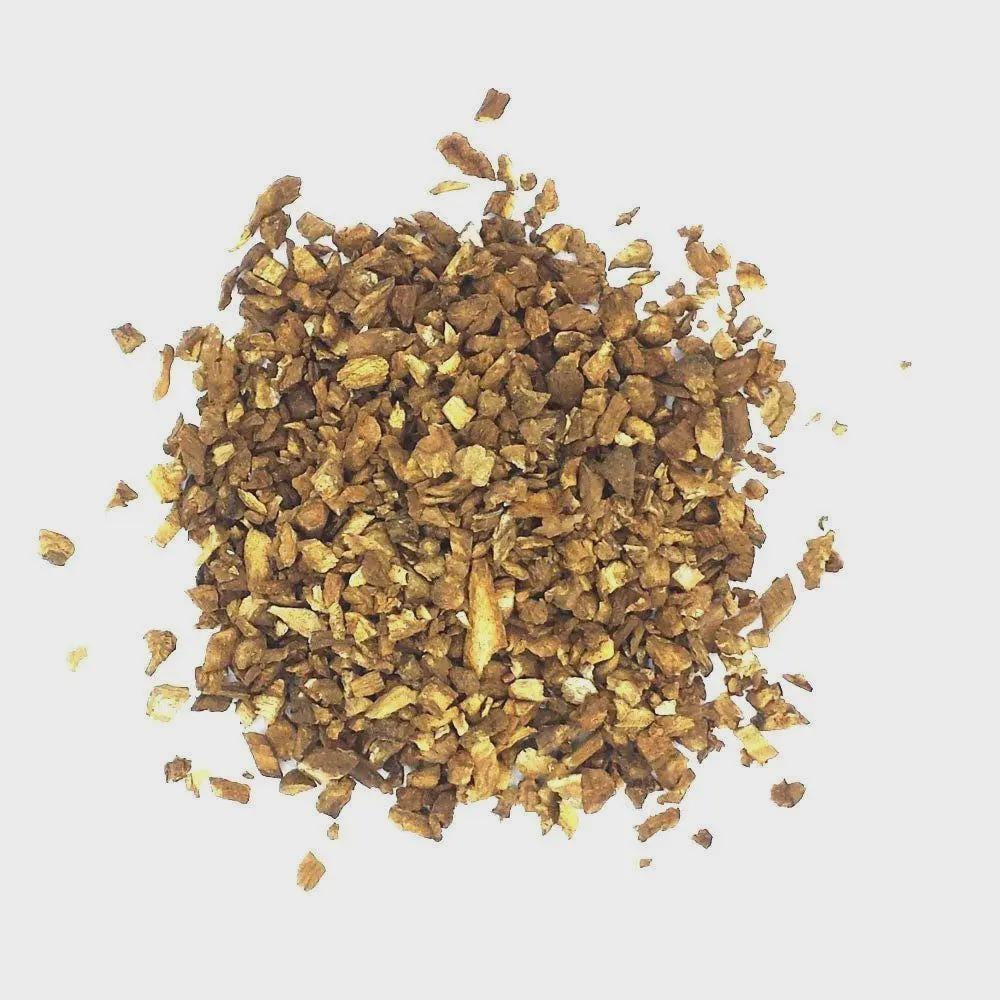
The versatility of rhubarb extends beyond its culinary appeal. Historically, dried rhubarb roots were the primary form for medicinal applications, ground into powders or decoctions. Today, while culinary use of the stalks remains popular, modern herbal medicine has harnessed rhubarb’s power into various convenient forms.
Culinary Delights:
In the kitchen, rhubarb stalks are celebrated for their tart flavor, which pairs wonderfully with sweet ingredients. They are commonly used in pies, crumbles, jams, sauces, and compotes. When cooking rhubarb, it’s often combined with sugar to balance its sourness. Roasting or stewing rhubarb can enhance its natural sweetness and soften its fibrous texture. It’s crucial to remember that only the stalks are edible; the leaves contain high levels of oxalic acid and are toxic.
Herbal Extracts and Supplements:
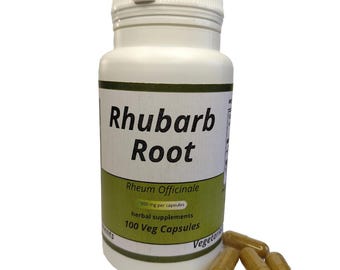
For therapeutic purposes, especially targeting its potent digestive or anti-inflammatory effects, rhubarb is available in various supplemental forms. These often utilize extracts from the root (Rheum palmatum) rather than the stalks of garden rhubarb, as the roots contain higher concentrations of the most active compounds, particularly anthraquinones. Common supplemental forms include capsules, tinctures, and powdered extracts. These standardized preparations allow for precise dosing and targeted effects.
Important Precautions, Side Effects, and Contraindications
While rhubarb offers remarkable health benefits, its potency necessitates careful consideration of its potential side effects and contraindications. Responsible consumption and professional guidance are paramount, especially when using concentrated herbal forms.
Oxalic Acid Content:
The most significant concern with rhubarb is its high content of oxalic acid, particularly in the leaves. Ingesting rhubarb leaves can lead to oxalic acid poisoning, characterized by symptoms ranging from nausea and vomiting to kidney damage and, in severe cases, death. Even the stalks contain oxalic acid, but in much lower and generally safe concentrations for most people. However, individuals prone to kidney stones (calcium oxalate stones) should consume rhubarb in moderation, as oxalic acid can bind with calcium to form these stones. Cooking rhubarb can slightly reduce its oxalic acid content by releasing some of it into the cooking water, which should be discarded.
Laxative Effects:
While beneficial for constipation, excessive or prolonged use of rhubarb, especially in medicinal doses, can lead to adverse effects. These include:
- Dehydration and Electrolyte Imbalance: Due to increased fluid loss through stools.
- Abdominal Pain and Cramping: Especially with higher doses.
- Dependency: Long-term use of stimulant laxatives like rhubarb can lead to a dependency, where the bowels become less responsive without the stimulant.
- Potassium Depletion: Chronic use can lead to low potassium levels, which can affect heart function.
Other Contraindications:
- Pregnancy and Breastfeeding: Rhubarb should be avoided during pregnancy and breastfeeding due to its stimulant laxative effects and potential to pass compounds into breast milk.
- Kidney Disease: Due to oxalic acid content, individuals with pre-existing kidney conditions should avoid rhubarb.
- Inflammatory Bowel Conditions: People with Crohn’s disease, ulcerative colitis, or other inflammatory bowel conditions should consult a healthcare provider before using rhubarb, as its stimulant properties could exacerbate symptoms.
- Medication Interactions: Rhubarb can interact with certain medications. Its laxative effect can reduce the absorption of oral medications. It may also interact with blood thinners (due to Vitamin K content) and diuretics, potentially enhancing potassium loss.
Dosage and Preparation Guidelines for Safe and Effective Use
When consuming rhubarb for its health benefits, distinguishing between culinary use and medicinal application is critical. For general dietary inclusion, rhubarb stalks are safely enjoyed in moderate quantities, typically cooked. If considering rhubarb for specific therapeutic purposes, especially for conditions like chronic constipation, it is imperative to consult with a qualified healthcare professional or an experienced herbalist. They can provide personalized advice on appropriate dosages, duration of use, and potential interactions with existing health conditions or medications. Self-medicating with potent herbal extracts without professional guidance can lead to unintended consequences. Medicinal preparations often involve specific ratios or standardized extracts of the root, which differ significantly from consuming the fresh stalks.

Conclusion: Rhubarb – A Legacy of Wellness
Rhubarb stands as a testament to nature’s profound pharmacy, embodying a rich historical legacy as a medicinal powerhouse and a cherished culinary ingredient. Its vibrant stalks and potent roots are packed with an impressive array of bioactive compounds, including anthraquinones, stilbenoids, and a diverse range of polyphenols, each contributing to its remarkable health benefits. From its unparalleled support for digestive health and its robust anti-inflammatory and antioxidant capabilities to its potential roles in cardiovascular wellness, bone health, and even nascent anticancer research, rhubarb offers a compelling profile for enhancing overall well-being. However, its potency demands respect and informed usage. By understanding its chemical composition, acknowledging its historical journey, and adhering to crucial safety guidelines, particularly regarding its toxic leaves and the proper use of medicinal forms, individuals can safely integrate this extraordinary plant into their health regimen. Rhubarb is not merely a tart treat; it is a profound natural healer, a vibrant botanical legacy waiting to be thoughtfully embraced for its holistic advantages.
Disclaimer: For informational purposes only. Not medical advice. Consult a qualified healthcare professional before use.