The Ancient Elixir: Unveiling the Profound Health Benefits of Rose Petals
For millennia, the rose has captivated humanity with its unparalleled beauty, intoxicating fragrance, and symbolic richness. Beyond its aesthetic appeal, however, lies a botanical treasure trove – the humble rose petal. Far from being merely a decorative flourish, rose petals, particularly from species like Rosa damascena, Rosa centifolia, and Rosa gallica, have been revered across cultures for their remarkable medicinal properties. This definitive guide delves deep into the science, history, and practical applications of rose petals, uncovering the exhaustive array of health benefits that make this delicate bloom a powerhouse of natural wellness.
From ancient Ayurvedic texts and Traditional Chinese Medicine to modern pharmacological research, the therapeutic potential of rose petals is consistently highlighted. Rich in an intricate symphony of bioactive compounds, they offer a holistic approach to health, impacting everything from skin vitality and digestive harmony to emotional well-being and immune defense. Join us as we explore the multifaceted advantages of integrating rose petals into your health regimen, transforming a timeless symbol of love into a potent ally for vitality.
A Botanical Marvel: Understanding the Rose at Its Core
The genus Rosa, belonging to the family Rosaceae, encompasses hundreds of species and thousands of cultivars, each boasting unique characteristics. While all roses hold a certain charm, it is specific species that are primarily cultivated for their petals’ medicinal and aromatic virtues. The Damask rose (Rosa damascena) stands out as the most prized variety, originating from Persia and renowned for its intensely fragrant petals, which yield the highly coveted rose essential oil and rose water. Other significant species include the Cabbage rose (Rosa centifolia), known for its numerous petals and sweet scent, and the French rose (Rosa gallica), historically used in traditional herbal medicine.
These particular species are distinguished by their rich concentration of volatile compounds, flavonoids, anthocyanins, and other polyphenols, which collectively contribute to their profound therapeutic effects. The meticulous cultivation and harvesting processes, often undertaken at dawn to preserve their delicate compounds, underscore the value placed on these petals. Understanding the botanical distinctions is crucial, as not all rose petals offer the same spectrum of health benefits, making the choice of species paramount for therapeutic applications.
A Glimpse Through Time: The Historical and Cultural Significance of Rose Petals
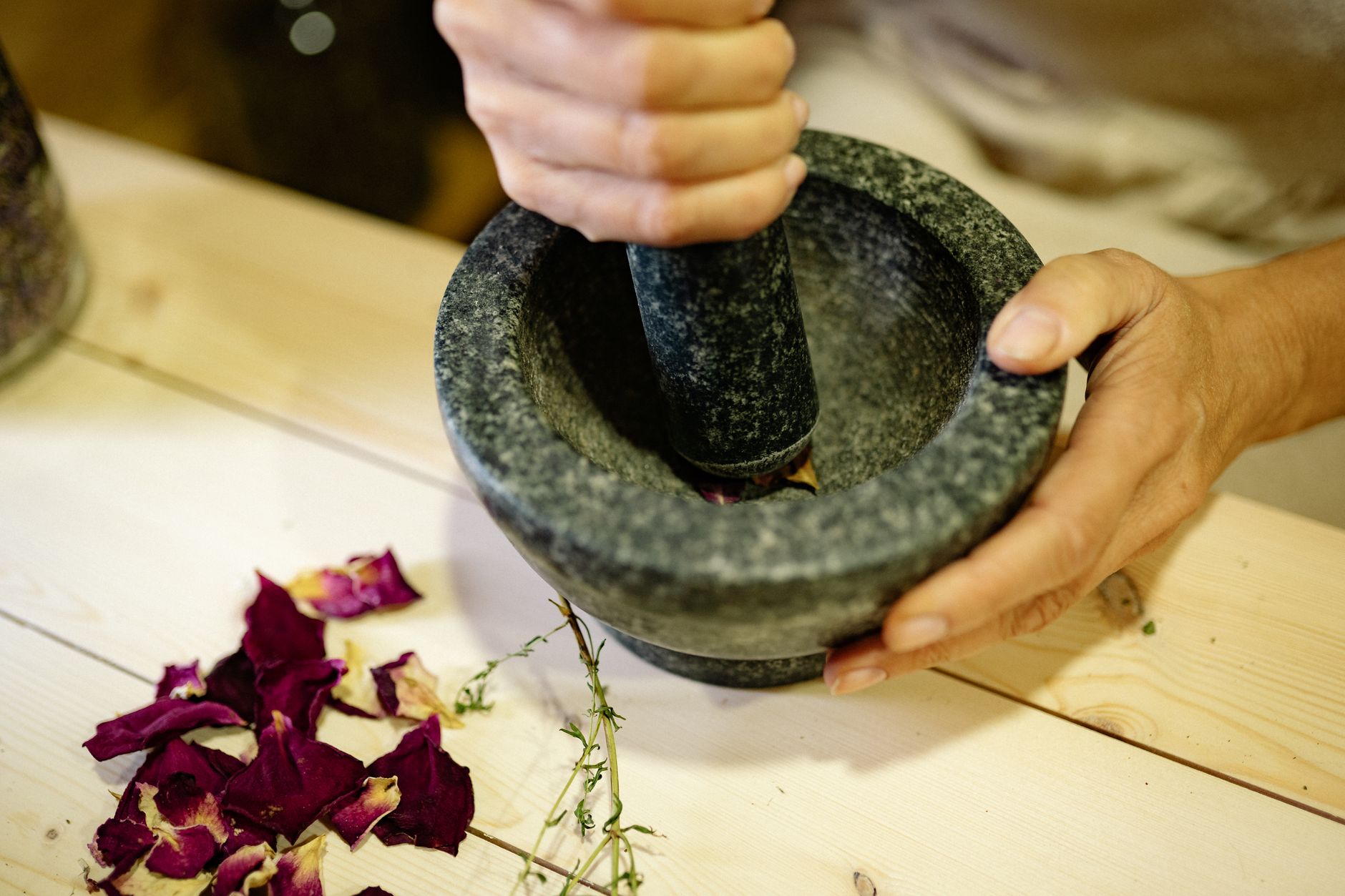
The journey of rose petals as a healing agent stretches back thousands of years, interwoven with the tapestry of human civilization. Ancient Egyptians used roses in their rituals, cosmetics, and medicinal preparations, recognizing their soothing and beautifying properties. Cleopatra herself is famously said to have used rose petals to scent her baths and living spaces, believing in their power to enchant and heal. The Greeks and Romans similarly revered roses, associating them with goddesses of love and beauty, and employing their petals in culinary delights, perfumery, and therapeutic concoctions to treat ailments ranging from digestive issues to nervous disorders.
In Persia, the birthplace of rose water distillation, roses were central to medicine, cuisine, and spiritual practices. Avicenna, the renowned Persian physician, extensively documented the medicinal uses of roses in his Canon of Medicine around the 10th century, detailing their efficacy as a tonic for the heart, brain, and digestive system. Traditional Chinese Medicine (TCM) considers rose petals (Mei Gui Hua) to be energetically warming and sweet, used to regulate Qi (vital energy), invigorate blood, alleviate stagnation, and soothe liver Qi, particularly beneficial for women’s health and emotional balance. Ayurveda, the ancient Indian system of medicine, classifies roses as having cooling properties (virya) and a sweet post-digestive effect (vipaka), making them ideal for pacifying Pitta dosha, promoting emotional tranquility, and supporting skin health. Across medieval Europe, monastic gardens cultivated roses for their medicinal value, utilizing them in poultices, tinctures, and teas to combat infection, reduce inflammation, and calm the nerves. This rich historical narrative underscores a consistent, cross-cultural appreciation for the rose petal’s profound therapeutic gifts.
The Chemical Symphony: Bioactive Compounds in Rose Petals
The remarkable health benefits of rose petals stem from their complex and synergistic phytochemical profile. Far from a simple flower, rose petals are a sophisticated blend of bioactive compounds, each contributing to their overall therapeutic efficacy. Understanding these constituents provides a scientific basis for their traditional and modern applications.

-
Flavonoids: Quercetin, Kaempferol, Anthocyanins, and Catechins
These powerful plant pigments are largely responsible for the antioxidant and anti-inflammatory properties of rose petals. Quercetin, for instance, is a potent antioxidant that helps scavenge free radicals, reducing oxidative stress and protecting cells from damage. Kaempferol exhibits anti-inflammatory, antioxidant, and anti-cancer effects. Anthocyanins, which give some rose varieties their vibrant red and purple hues, are strong antioxidants and have been linked to cardiovascular health and improved cognitive function. Catechins, also found in green tea, further bolster the antioxidant defense system and contribute to anti-inflammatory processes by inhibiting pro-inflammatory enzymes and pathways. -
Terpenes and Terpenoids: Geraniol, Citronellol, Nerol, and Farnesol
These volatile organic compounds are the primary components responsible for the rose’s characteristic fragrance and are found in high concentrations in rose essential oil. Beyond their aromatic appeal, terpenes possess significant therapeutic properties. Geraniol and citronellol exhibit potent antimicrobial activities, making them effective against a range of bacteria and fungi. Nerol contributes to the calming and antidepressant effects, while farnesol plays a role in skin cell regeneration and has anti-inflammatory capabilities. These compounds contribute to the holistic healing potential, especially in aromatherapy and topical applications. -
Phenolic Acids: Gallic Acid, Caffeic Acid, and Ellagic Acid
Phenolic acids are another class of antioxidants found in abundance in rose petals. Gallic acid, for example, is a powerful astringent and antioxidant, known for its ability to protect cells from oxidative damage and exhibit anti-inflammatory and antimicrobial properties. Caffeic acid is recognized for its strong antioxidant capacity and potential anti-cancer effects. Ellagic acid is a notable antioxidant and anti-mutagenic compound, contributing to cellular protection and overall health maintenance. These compounds work synergistically to enhance the overall protective and healing benefits of rose petals. -
Vitamins: Vitamin C, B-complex Vitamins, and Vitamin K
Rose petals are a natural source of several essential vitamins. Vitamin C (ascorbic acid) is a critical antioxidant, vital for immune function, collagen synthesis, and skin health. Its presence in rose petals contributes to their anti-aging and wound-healing properties. B-complex vitamins support cellular metabolism, energy production, and nervous system health. Vitamin K is essential for blood clotting and bone health. While not present in quantities as high as in some fruits, their presence adds to the overall nutritional and therapeutic value. -
Minerals: Calcium, Potassium, Magnesium, and Iron
Trace amounts of essential minerals are also found in rose petals. Calcium supports bone health and nerve function, potassium is crucial for blood pressure regulation and fluid balance, magnesium plays a role in over 300 enzymatic reactions, and iron is vital for oxygen transport. These minerals contribute to the broader nutritional support offered by rose petals. -
Pectins and Other Polysaccharides
These dietary fibers contribute to digestive health by acting as a mild laxative and supporting a healthy gut microbiome. Pectins can form a gel-like substance, aiding in detoxification and promoting regular bowel movements. Their presence also provides a prebiotic effect, nourishing beneficial gut bacteria.
The Myriad Health Benefits of Rose Petals: A Deep Dive
The intricate blend of these bioactive compounds translates into a wide array of scientifically supported and traditionally recognized health benefits:
Antioxidant Powerhouse: Combating Oxidative Stress
One of the most significant benefits of rose petals is their exceptional antioxidant capacity. The high concentration of flavonoids, anthocyanins, and phenolic acids enables rose petals to effectively neutralize free radicals, which are unstable molecules that can cause oxidative stress. Oxidative stress is a primary contributor to cellular damage, accelerated aging, and the development of chronic diseases such as cardiovascular disease, neurodegenerative disorders, and various cancers. By scavenging these harmful free radicals, rose petals help protect cellular integrity, reduce inflammation, and support the body’s natural defense mechanisms. This protective action is crucial for maintaining overall cellular health and longevity.
Potent Anti-inflammatory Properties
Beyond their antioxidant effects, rose petals exhibit remarkable anti-inflammatory capabilities. Compounds like quercetin, kaempferol, and gallic acid modulate inflammatory pathways within the body. They can inhibit the production of pro-inflammatory cytokines and enzymes (such as COX-2), thereby reducing systemic inflammation. This makes rose petals beneficial for a range of inflammatory conditions, from soothing irritated skin and alleviating joint discomfort to potentially mitigating inflammation in the gastrointestinal tract. Their ability to calm inflammatory responses contributes significantly to their therapeutic value, offering relief and promoting healing across various bodily systems.
Digestive Health and Gut Harmony
Rose petals have long been used in traditional medicine to support digestive wellness. They act as a mild natural laxative, helping to relieve constipation and promote regular bowel movements without harsh side effects. This effect is partly attributed to their pectin content, which adds bulk to stool and facilitates its passage. Furthermore, rose petals possess anti-spasmodic properties, which can help soothe an irritated digestive tract, alleviate cramps, and reduce bloating. Their gentle cleansing action also supports a healthy gut microbiome, potentially acting as a prebiotic that nourishes beneficial gut bacteria. The anti-inflammatory compounds further reduce inflammation in the gut lining, contributing to overall digestive comfort and optimal nutrient absorption.
Skin Rejuvenation and Dermatological Aid
The benefits of rose petals for skin health are legendary and deeply rooted in historical cosmetic practices. Their rich vitamin C content is crucial for collagen production, helping to maintain skin elasticity and reduce the appearance of wrinkles, thus contributing to anti-aging effects. The astringent properties of gallic acid and tannins help to tighten pores, tone the skin, and reduce excess oiliness, making rose petals excellent for balancing complexion. Their anti-inflammatory and antimicrobial properties make them effective in soothing irritated skin conditions such as eczema, rosacea, and acne. Rose water, derived from rose petals, is an exceptional hydrator, helping to maintain the skin’s moisture barrier and imparting a healthy, radiant glow. It can also reduce redness and provide a cooling sensation, offering immediate relief to sun-exposed or sensitive skin.
Mood Enhancement and Stress Reduction (Anxiolytic Effects)
The delicate aroma of rose petals is more than just pleasant; it possesses profound therapeutic effects on the mind and nervous system. Rose essential oil, derived from the petals, is widely used in aromatherapy for its anxiolytic (anxiety-reducing) and antidepressant properties. Inhaling the scent of roses can stimulate the limbic system, a part of the brain associated with emotions, memory, and motivation. This interaction can lead to a reduction in cortisol levels (the stress hormone), promote relaxation, alleviate symptoms of anxiety and depression, and improve sleep quality. Rose tea, too, offers a calming effect, helping to soothe nervous tension and promote a sense of well-being. This ability to positively influence mood and stress makes rose petals a valuable tool for mental and emotional balance.
Immune System Support
The presence of Vitamin C, along with other antioxidants like flavonoids, contributes to the immune-boosting properties of rose petals. Vitamin C is a well-known immune enhancer, stimulating the production and function of white blood cells, which are crucial for fighting off infections. The antimicrobial compounds, particularly terpenes like geraniol and citronellol, further provide a protective layer against various pathogens, including bacteria and fungi. Regular consumption or use of rose petal preparations can help strengthen the body’s natural defenses, making it more resilient against common illnesses.
Menstrual Health and Hormonal Balance
For centuries, rose petals have been utilized in traditional medicine to support women’s health. They are often recommended to alleviate symptoms of premenstrual syndrome (PMS), such as cramping, bloating, and mood swings, due to their anti-inflammatory and mood-balancing effects. Rose petals are considered a uterine tonic, helping to regulate menstrual cycles and ease discomfort. The gentle calming action can also help to mitigate emotional fluctuations associated with hormonal changes, promoting a greater sense of equilibrium during menstrual cycles.
Cardiovascular Health
Emerging research suggests that the antioxidant and anti-inflammatory compounds in rose petals may contribute to cardiovascular health. By reducing oxidative stress and inflammation, they can help protect blood vessels from damage and improve endothelial function. Some studies indicate that certain rose extracts may help in modulating blood pressure and cholesterol levels, although more extensive research is needed in this area. The cumulative effect of these beneficial compounds supports overall heart health and circulatory system integrity.
Antimicrobial and Antiseptic Actions
The significant concentration of terpenes (like geraniol and citronellol) and phenolic compounds (like gallic acid) endows rose petals with potent antimicrobial and antiseptic properties. These compounds have been shown to inhibit the growth of various bacteria, fungi, and even some viruses. This makes rose petal preparations useful for preventing and treating minor infections, both internally and externally. Rose water can be used as a gentle antiseptic for wounds or as a mouthwash to combat oral bacteria, while internal consumption can support the body’s fight against internal pathogens.
Wound Healing
Due to their astringent, anti-inflammatory, and antimicrobial properties, rose petals can aid in wound healing. The astringent effect helps to constrict tissues and reduce bleeding, while the anti-inflammatory compounds reduce swelling and pain. The antimicrobial actions prevent infection, and the presence of Vitamin C supports collagen formation, which is crucial for tissue repair and regeneration. Topically applied rose petal preparations or rose water can accelerate the healing process of minor cuts, abrasions, and burns, promoting faster and cleaner recovery.
Practical Applications and Forms of Rose Petal Usage
The versatility of rose petals allows for their incorporation into daily life through various forms, each offering unique benefits and applications:
Rose Tea (Infusion)
One of the simplest and most comforting ways to consume rose petals is as an herbal tea. Dried rose petals are steeped in hot water, releasing their soluble compounds. Rose tea is particularly beneficial for digestive health, stress reduction, and as a gentle immune booster. It offers a subtle, aromatic flavor profile and can be enjoyed warm or chilled. The act of preparing and sipping rose tea itself can be a meditative, calming ritual, enhancing its anxiolytic effects.
Rose Water
Rose water is produced by steam distillation of rose petals and is perhaps the most widely recognized and versatile rose product. It retains many of the water-soluble therapeutic compounds and the delicate fragrance of the rose. Topically, it serves as a natural toner, hydrator, and soothing agent for the skin, reducing redness and irritation. It can be used as a facial mist, added to baths, or incorporated into homemade cosmetics. Internally, a small amount of food-grade rose water can be added to beverages and desserts for its flavor, digestive aid, and calming properties. It is also used as a gentle eye wash to soothe tired or irritated eyes.
Rose Essential Oil
Extracted through steam distillation, rose essential oil is a highly concentrated and potent form of rose petals’ volatile compounds. It is one of the most precious and expensive essential oils due to the vast quantity of petals required for production. Rose essential oil is primarily used in aromatherapy for its profound effects on mood, stress, and emotional balance. It is a powerful antidepressant, anxiolytic, and aphrodisiac. When used topically, it must be diluted in a carrier oil (like jojoba or almond oil) due to its potency. It can be massaged into the skin for anti-aging benefits, or applied to pulse points for a calming effect. Its antimicrobial properties also make it useful for minor skin irritations when appropriately diluted.
Rose Petal Jam, Syrup, and Culinary Uses
Beyond medicinal applications, rose petals are a cherished ingredient in culinary traditions, especially in Middle Eastern and Indian cuisines. Rose petal jam or preserves offer a delightful way to enjoy their flavor and benefits, often served with bread or pastries. Rose syrup can be added to drinks, desserts, or even salad dressings. Incorporating fresh or dried rose petals into various dishes not only adds a unique floral aroma and taste but also imbues the food with their antioxidant and nutritional properties. They can be used in teas, infused oils, vinegars, and baking, providing a fragrant and healthful twist.
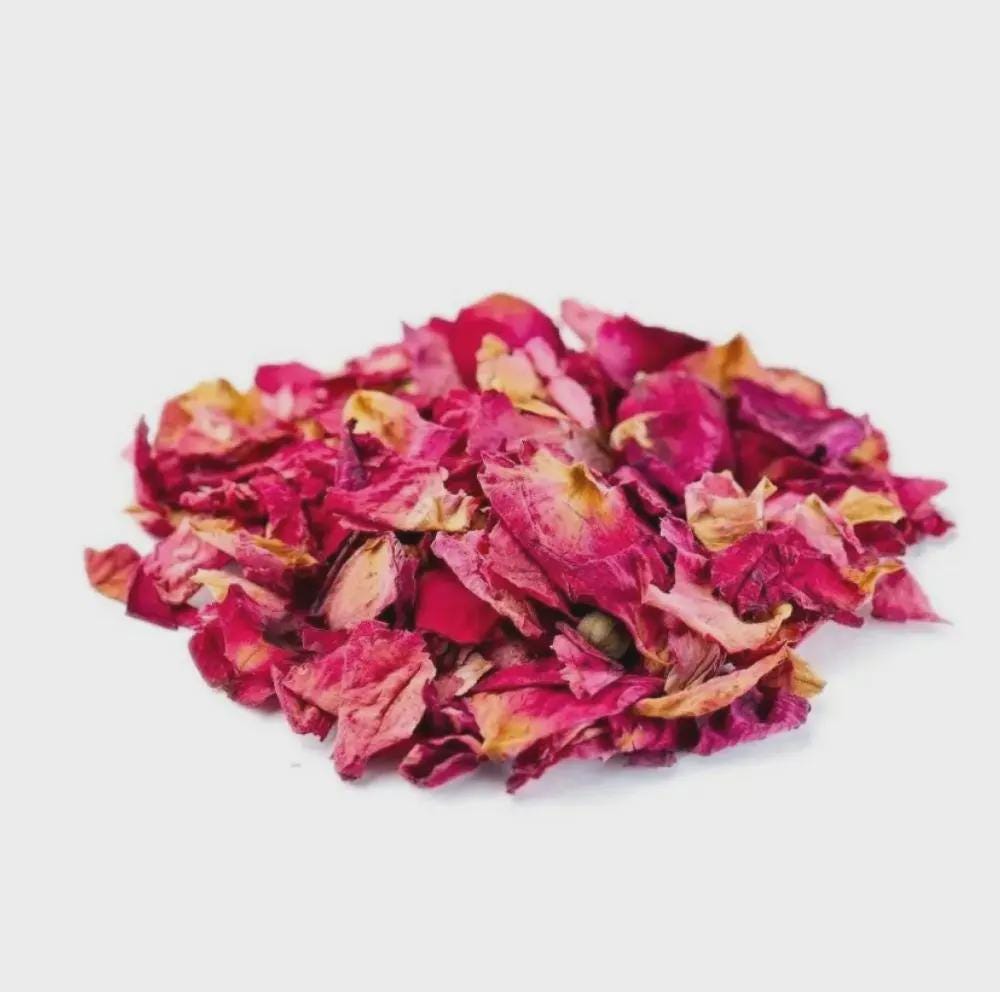
Dried Rose Petals for Baths and Potpourri
Dried rose petals can be used to create luxurious and therapeutic bath soaks. Adding a handful of dried petals to warm bath water releases their essential oils and soluble compounds, providing a calming and skin-softening experience. The aromatic steam contributes to mood enhancement and stress relief. Beyond the bath, dried rose petals are a classic component of potpourri, naturally scenting living spaces and creating a pleasant, uplifting atmosphere, drawing on their inherent aromatherapeutic properties without direct ingestion or topical application.

Rose Petal Capsules/Supplements
For those seeking a convenient and standardized approach to harness the systemic benefits of rose petals, dietary supplements in capsule or tablet form are available. These supplements typically contain concentrated extracts of rose petals, standardized for specific bioactive compounds. They are designed to deliver targeted benefits such as antioxidant support, mood enhancement, or digestive aid. As with any supplement, it is crucial to choose reputable brands that provide third-party testing and clear labeling of ingredients and dosages to ensure purity and efficacy. This modern application allows for consistent intake of rose petal benefits for long-term wellness goals.
Dosage and Safety Considerations
While rose petals are generally considered safe for most individuals, especially when consumed in culinary amounts or as tea, it is important to be mindful of dosage and potential considerations, particularly with concentrated forms like essential oils or supplements.
-
General Guidelines: For rose tea, 1-2 teaspoons of dried rose petals steeped in hot water, consumed 1-3 times daily, is a common dosage. For rose water, a few drops (food-grade) can be added to drinks or food. Essential oil use should always involve proper dilution (typically 1-2% for topical application) and consultation with an aromatherapist, as it is highly concentrated.
-
Allergies: Though rare, some individuals may experience allergic reactions to roses, manifesting as skin irritation, respiratory issues, or digestive upset. If you have known allergies to other plants in the Rosaceae family, exercise caution.
-
Pregnancy and Breastfeeding: While generally considered safe in food quantities, the concentrated forms of rose petals (like essential oil or high-dose supplements) should be approached with caution during pregnancy and breastfeeding. It is always best to consult a healthcare professional before using any herbal remedies during these sensitive periods.
-
Drug Interactions: There is limited research on potential drug interactions with rose petal extracts. If you are on prescription medications, especially blood thinners or sedatives, it is advisable to consult your doctor before incorporating large amounts of rose petal preparations into your routine.
-
Quality and Sourcing: Always ensure that rose petals and rose products are sourced from reputable suppliers, especially if intended for internal consumption. Look for organic, pesticide-free petals to avoid contaminants. For essential oils, ensure they are 100% pure and therapeutically graded.
Conclusion: The Timeless Allure and Modern Relevance of Rose Petals
The rose petal, a symbol of beauty and love across civilizations, stands today as a testament to nature’s profound healing capabilities. From its rich historical lineage in ancient medicine to its modern scientific validation, the exhaustive health benefits of rose petals are undeniable. Its complex symphony of bioactive compounds – including potent antioxidants, anti-inflammatory agents, essential vitamins, and soothing terpenes – empowers it to support health holistically, addressing everything from cellular protection and digestive wellness to skin vitality and emotional equilibrium.
Whether enjoyed as a comforting tea, a refreshing facial mist, a luxurious bath soak, or a convenient dietary supplement, rose petals offer a gentle yet powerful pathway to enhanced well-being. Their ability to combat oxidative stress, reduce inflammation, soothe digestive discomfort, rejuvenate the skin, and uplift the spirit makes them an invaluable addition to any health-conscious lifestyle. As we continue to rediscover and appreciate the wisdom of traditional remedies, the rose petal shines brightly as a versatile, effective, and deeply enriching botanical ally. Embrace the timeless allure of the rose and unlock its profound benefits for a healthier, more balanced you.
Disclaimer: For informational purposes only. Not medical advice. Consult a qualified healthcare professional before use.