The Golden Healer: An Exhaustive Guide to the Health Benefits of Arnica Flower
Deep within the sun-drenched meadows and alpine regions of Europe and Siberia flourishes a botanical marvel known as Arnica montana, commonly referred to as Arnica Flower, Leopard’s Bane, or Mountain Tobacco. This vibrant yellow daisy-like bloom has transcended centuries, earning a revered status in traditional medicine and modern pharmacology alike for its profound therapeutic properties. Renowned primarily for its potent anti-inflammatory and pain-relieving capabilities, Arnica has become a cornerstone in natural healing, offering a holistic approach to managing various physical discomforts, from athletic injuries to post-operative recovery. This comprehensive guide delves into the historical legacy, intricate chemical composition, diverse health benefits, and practical applications of the extraordinary Arnica Flower, providing an unparalleled understanding of this golden healer.
A Journey Through Time: The Historical and Cultural Significance of Arnica
The story of Arnica Flower is etched into the annals of herbal medicine, stretching back hundreds of years. Its earliest recorded uses trace back to the 16th century in European folk medicine, where it was extensively documented by botanical and medicinal texts. Swiss naturalist and physician Paracelsus, a pioneer in toxicology and a keen observer of herbal remedies, was among the first to formally recognize Arnica’s medicinal value. He noted its efficacy in treating bruises, sprains, and wounds, particularly amongst mountaineers and those suffering from the physical toll of rigorous activity – hence its moniker, “Leopard’s Bane,” alluding to its ability to soothe muscle and joint discomfort from vigorous movements akin to a leopard’s agility.
Throughout subsequent centuries, Arnica’s reputation grew exponentially, becoming a household staple across Germany, France, and other European nations. It was a preferred remedy for soldiers, athletes, and anyone enduring physical trauma. The flower’s bright, resilient appearance, often found clinging to steep, rocky terrain, seemed to mirror the very restorative qualities attributed to it – a symbol of healing and robust endurance. This rich history underscores not just a fleeting trend but a sustained, empirical validation of its benefits, passed down through generations before modern science began to unravel its complex mechanisms.
Botanical Profile and Characteristics: Unveiling Arnica Montana
Arnica montana is a perennial herbaceous plant belonging to the Asteraceae (daisy) family. It typically grows to a height of 1 to 2 feet, boasting distinctive bright yellow-orange flowers that bloom in mid-summer. These captivating flowers, which are the primary medicinal part of the plant, feature numerous ray florets surrounding a central disc. The plant prefers nutrient-poor, acidic soils and can be found thriving in mountainous regions, meadows, and heaths, particularly at higher altitudes across temperate Europe and Russia. Its habitat choice further contributes to its mystique and perceived hardiness.
The leaves of Arnica are somewhat hairy, forming a basal rosette, with smaller, sparser leaves ascending the stem. Its rhizomatous root system allows it to spread and establish robust colonies. Identifying genuine Arnica montana is crucial due to potential confusion with other similar-looking species, some of which lack its medicinal properties or may even be toxic. The distinct scent of its flowers, a subtle, aromatic fragrance, can also aid in identification. Its striking visual appeal, combined with its historical importance, makes it a truly iconic plant in the world of natural medicine.

Phytochemical Composition: The Bioactive Powerhouse of Arnica
The therapeutic prowess of Arnica Flower stems from its rich and diverse phytochemical profile, a complex symphony of bioactive compounds working in concert. The most extensively studied and pharmacologically active constituents are the sesquiterpene lactones, particularly helenalin and dihydrohelenalin. These compounds are largely responsible for Arnica’s potent anti-inflammatory effects.
- Sesquiterpene Lactones (especially Helenalin): These are the true stars of Arnica’s medicinal chemistry. Helenalin, in particular, has been shown to exert its anti-inflammatory action by inhibiting the activation of Nuclear Factor-kappa B (NF-κB), a pivotal transcription factor involved in regulating the expression of pro-inflammatory genes. By suppressing NF-κB, helenalin effectively reduces the production of various inflammatory mediators, such as cytokines (e.g., TNF-α, IL-1β) and adhesion molecules, thereby dampening the inflammatory cascade. This mechanism is crucial in reducing swelling, pain, and redness associated with inflammation. Furthermore, helenalin can also inhibit the activity of cyclooxygenase-2 (COX-2), an enzyme responsible for producing prostaglandins, which are key players in pain and inflammation.
- Flavonoids: Quercetin, kaempferol, and their glycosides are present in Arnica. Flavonoids are well-known for their antioxidant properties, helping to neutralize free radicals that contribute to cellular damage and inflammation. They can also enhance capillary strength and permeability, which is beneficial in reducing bruising and swelling by preventing leakage of blood into surrounding tissues.
- Phenolic Acids: Caffeic acid and chlorogenic acid are examples found in Arnica. These compounds also contribute to the plant’s antioxidant and anti-inflammatory activities, further supporting the overall therapeutic effect.
- Coumarins: Umbelliferone and scopoletin, while present in smaller quantities, may contribute to some of Arnica’s anticoagulant and anti-inflammatory properties.
- Essential Oils: Comprising thymol and its derivatives, essential oils give Arnica its characteristic aroma and may possess antiseptic and local stimulating effects, enhancing blood flow to the application area.
It is the synergistic interplay of these compounds, rather than any single constituent, that imbues Arnica with its remarkable healing capabilities. The diverse chemical tapestry ensures a multi-pronged approach to addressing pain and inflammation, making it a highly effective natural remedy.

The Core Health Benefits of Arnica Flower: A Deep Dive
The therapeutic applications of Arnica Flower are extensive, primarily revolving around its powerful anti-inflammatory, analgesic, and tissue-healing properties. Its benefits are most commonly realized through topical application, though highly diluted homeopathic forms are taken internally.
1. Potent Anti-inflammatory Properties
Arnica’s reputation as a supreme anti-inflammatory agent is well-earned. The sesquiterpene lactones, particularly helenalin, are at the forefront of this action. As detailed, helenalin’s ability to inhibit NF-κB activation directly reduces the synthesis and release of pro-inflammatory cytokines such as TNF-α, IL-1β, and IL-6. This inhibition curtails the entire inflammatory cascade at an early stage, effectively diminishing swelling, redness, heat, and pain that characterize inflammatory responses. For conditions ranging from blunt trauma and contusions to chronic inflammatory issues like arthritis, topical Arnica can provide significant relief by locally dampening the inflammatory process in affected tissues.
2. Effective Pain Relief (Analgesic Effects)
Beyond its anti-inflammatory action, Arnica also exhibits direct analgesic effects. By reducing inflammation, it inherently alleviates pain caused by tissue swelling and nerve irritation. Furthermore, some research suggests that Arnica compounds may directly interfere with pain signaling pathways, although the precise mechanisms are still under investigation. Users often report a noticeable reduction in soreness and discomfort following the application of Arnica-based preparations, making it a valuable adjunct for muscle aches, strains, sprains, and generalized musculoskeletal pain. Its ability to reduce post-exertion muscle soreness is particularly valued by athletes and active individuals.
3. Accelerated Bruising and Swelling Reduction
Perhaps one of Arnica’s most famous applications is its remarkable ability to reduce the appearance and duration of bruises and to alleviate swelling (edema). Bruises, or ecchymoses, occur when small blood vessels beneath the skin rupture, leading to blood leakage into surrounding tissues. Arnica, through its anti-inflammatory properties, helps to prevent and reduce this leakage. The flavonoids present may also contribute by strengthening capillary walls, making them less prone to breakage. Additionally, Arnica is thought to stimulate phagocytic activity, helping the body to reabsorb pooled blood more efficiently, thus speeding up the fading of discoloration and the resolution of swelling. This makes it a go-to remedy for black eyes, surgical bruising, and accidental impacts.
4. Support for Post-Operative Recovery
The benefits of Arnica extend significantly into the realm of post-operative care. Numerous clinical studies have explored its efficacy in reducing pain, swelling, and bruising following various surgical procedures, including cosmetic surgery (rhinoplasty, liposuction), dental extractions, and orthopedic surgeries. Patients who use Arnica topically, or in highly diluted homeopathic forms as prescribed by a healthcare professional, often experience a faster resolution of post-surgical edema and ecchymosis, leading to quicker recovery times and improved comfort. This can be particularly beneficial in enhancing patient satisfaction and reducing reliance on conventional pain medications.
5. Enhanced Wound Healing (Topical, on Intact Skin)
Historically, Arnica was used for wound healing. While it should *never* be applied to broken skin or open wounds due to its potential for irritation and systemic toxicity if absorbed internally, its benefits for promoting healing on *intact* skin surrounding an injury are significant. By reducing inflammation and promoting circulation in the area, Arnica can create an optimal environment for the body’s natural healing processes. This can aid in the recovery of closed wounds, such as those caused by blunt trauma or post-surgical incisions that have fully closed, by mitigating swelling and pain, indirectly contributing to faster tissue repair.
6. Joint Health and Arthritic Support
For individuals suffering from joint conditions such as osteoarthritis, bursitis, or tendonitis, topical Arnica preparations can offer symptomatic relief. Its potent anti-inflammatory action helps to reduce the swelling and pain associated with inflamed joints. While it doesn’t cure the underlying degenerative processes, regular application can significantly improve joint mobility and reduce discomfort, thereby enhancing the quality of life for those with chronic joint pain. This makes it a valuable complementary therapy for managing musculoskeletal conditions without the systemic side effects often associated with oral anti-inflammatory drugs.
7. Antimicrobial Potential
While not its primary therapeutic application, some studies have indicated that Arnica extracts possess mild antimicrobial properties. The essential oils and certain sesquiterpene lactones may exhibit activity against various bacteria and fungi. This property, in conjunction with its anti-inflammatory effects, could theoretically contribute to preventing secondary infections in minor skin irritations, although its use in this context is secondary to its main benefits and should not replace standard antiseptic care for open wounds.
Traditional and Modern Applications of Arnica Flower
The versatility of Arnica has led to its incorporation into various forms, catering to both traditional practices and modern preferences.
Traditional Uses: Poultices, Infused Oils, and Tinctures
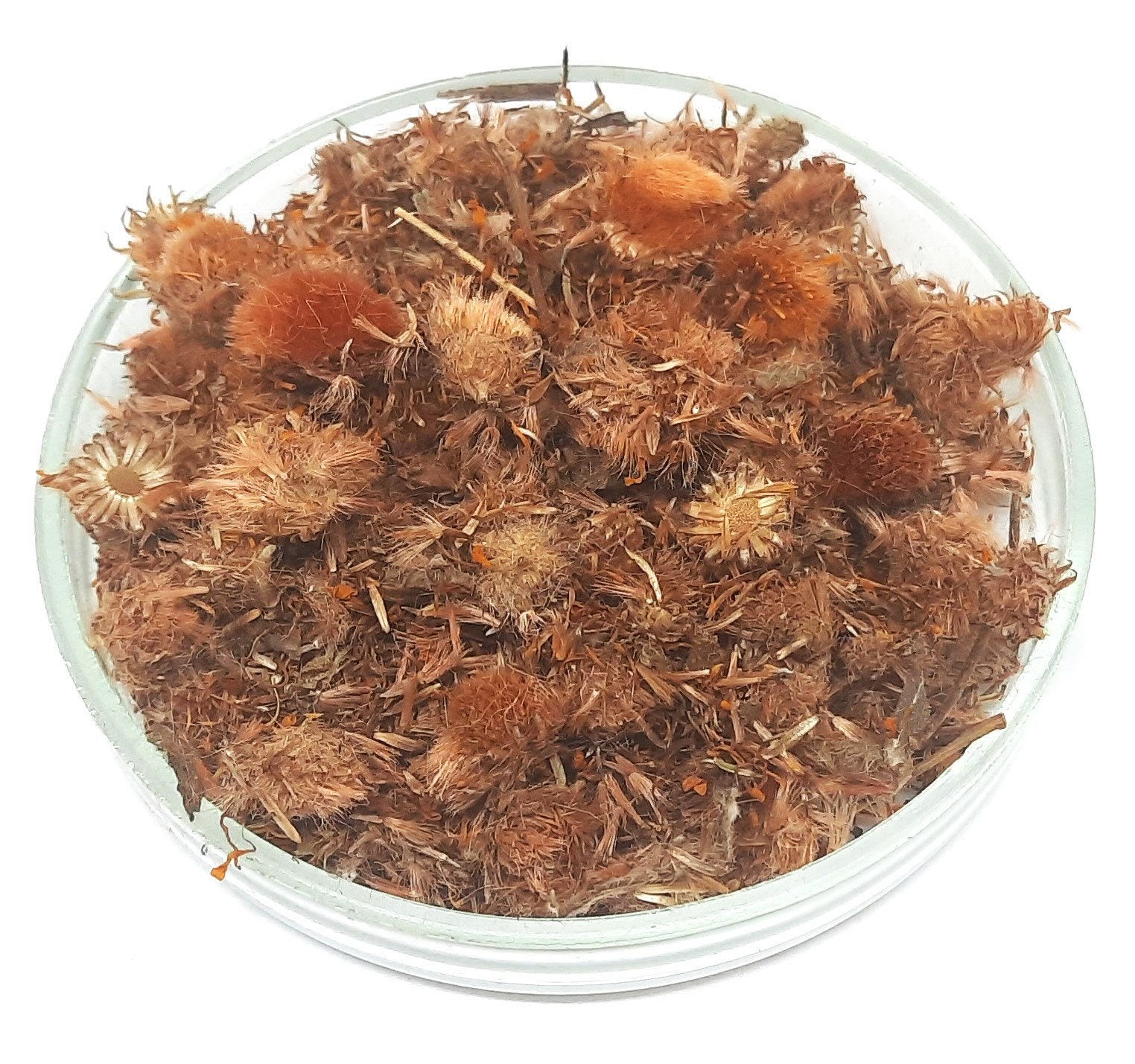
Historically, Arnica was often prepared as a poultice from dried flowers, mixed with a carrier like water or oil, and applied directly to the skin for bruises, sprains, and muscle soreness. Arnica-infused oils and tinctures (alcoholic extracts) were also common, allowing for easier application and greater potency. These traditional methods highlight the long-standing recognition of Arnica’s efficacy in direct topical application to the affected area.
Modern Formulations: Creams, Gels, Ointments, and Homeopathic Remedies
Today, Arnica is widely available in various convenient forms designed for topical use. Creams, gels, and ointments are the most common, offering a pleasant texture and easy application. These formulations often combine Arnica extract with other soothing ingredients like witch hazel or essential oils to enhance their efficacy. Homeopathic Arnica, available in pellet form (often 30C or 200C dilutions), is a highly diluted preparation taken orally and is a popular choice for generalized trauma, shock, and bruising, following the principles of homeopathy where “like cures like” with infinitesimal doses.
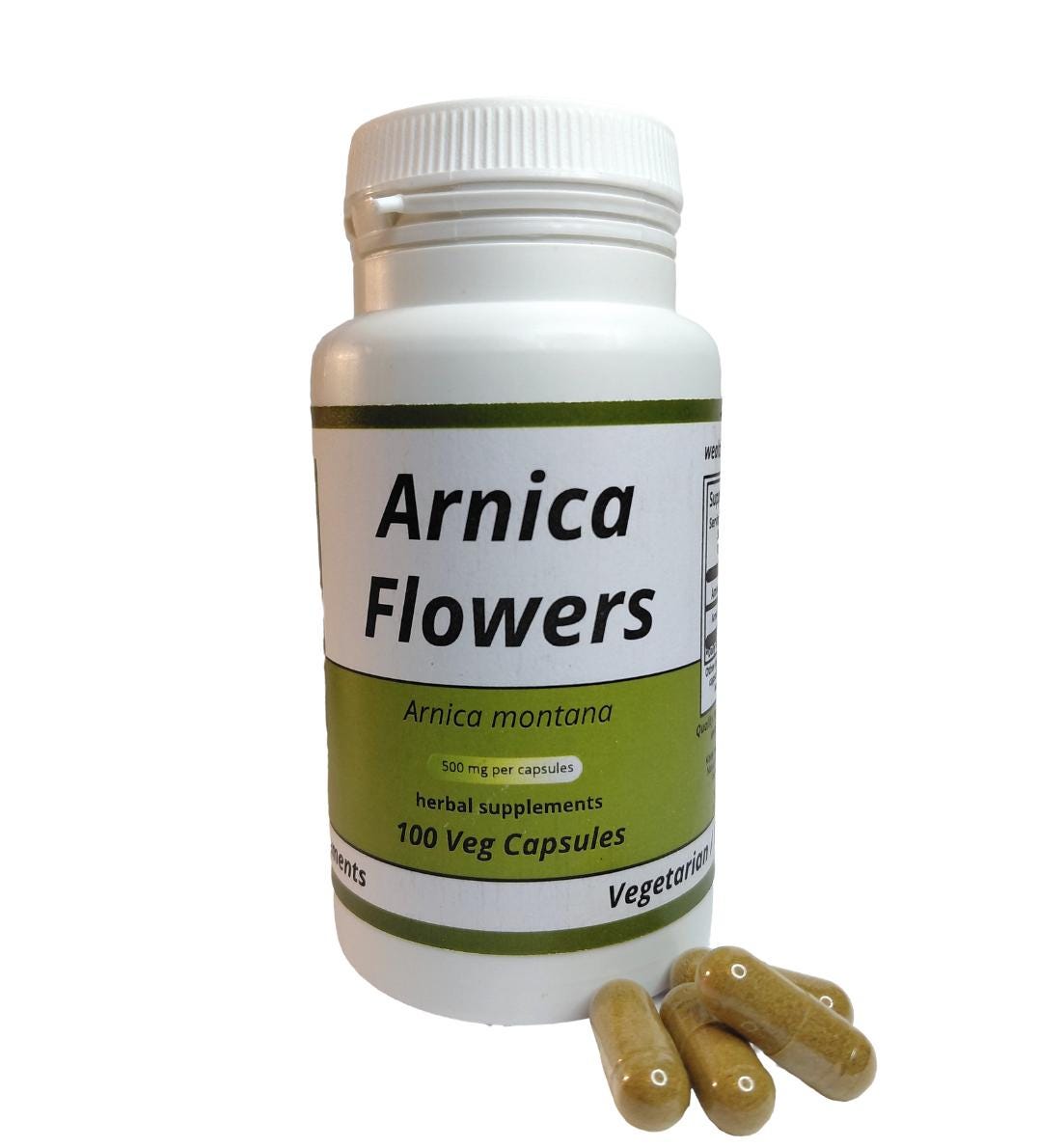
While most Arnica products are topical, some dietary supplements are marketed as oral capsules or tablets containing Arnica extract, often standardized to specific concentrations of active compounds. These are distinct from homeopathic dilutions and are intended for systemic effects. However, extreme caution must be exercised with such products, as the undiluted plant material is toxic when ingested, and the safety and efficacy of oral Arnica supplements are less well-established compared to its topical use or homeopathic forms. Always consult a healthcare professional before considering oral supplements containing Arnica extract.
Practical Usage Guidelines and Dosage Considerations
Safe and effective use of Arnica hinges on understanding appropriate application methods and concentrations.
Topical Application
- Creams, Gels, Ointments: Apply a thin layer to the affected area 2-4 times daily, or as directed by the product manufacturer. Gently massage until absorbed. Always apply to intact skin only; never use on open wounds, cuts, or abraded skin. Wash hands thoroughly after application.
- Concentration: Commercial topical products typically contain Arnica extract in concentrations ranging from 10% to 25%. Follow the specific product’s instructions.
Homeopathic Arnica (Oral)
- Pellets/Tablets: These are highly diluted and considered safe for internal use. Common potencies are 6C, 30C, or 200C. Follow dosage instructions provided by a homeopathic practitioner or the product label. Typically, 3-5 pellets are dissolved under the tongue multiple times a day, especially after trauma or surgery.

Safety, Side Effects, and Contraindications: Crucial Considerations
Despite its widespread benefits, Arnica is a potent herb that requires careful and informed use. The un-diluted Arnica plant is toxic when ingested due to its high concentration of sesquiterpene lactones, which can cause severe gastrointestinal distress, cardiac issues, and nervous system disorders. Therefore, raw Arnica or non-homeopathic Arnica extracts should *never* be taken internally unless specifically formulated and approved for oral use under medical supervision.
- Topical Use:
- Skin Irritation: Some individuals may experience allergic reactions, such as dermatitis, itching, redness, or swelling, especially with prolonged use or in those sensitive to plants in the Asteraceae family (e.g., ragweed, marigolds). Discontinue use if irritation occurs.
- Broken Skin: Never apply Arnica to open wounds, cuts, scrapes, or mucous membranes, as systemic absorption through broken skin can lead to toxicity.
- Internal Use (Non-Homeopathic):
- Toxic: Ingestion of undiluted Arnica can lead to severe poisoning, characterized by vomiting, diarrhea, dizziness, tremors, heart palpitations, and even death. This is why it is critical to distinguish between safe homeopathic dilutions and toxic herbal extracts.
- Pregnancy and Breastfeeding: Due to insufficient safety data and the potential for toxicity, Arnica (topical or oral non-homeopathic) should be avoided during pregnancy and breastfeeding. Homeopathic Arnica may be considered under professional guidance.
- Children: Use with caution in children, always under the guidance of a healthcare professional. Topical application should be limited to small areas.
- Drug Interactions: Arnica may theoretically interact with anticoagulant or antiplatelet medications (blood thinners) due to its potential anti-clotting effects, increasing the risk of bleeding. Consult a doctor before use if on such medications.
- Surgery: Discontinue Arnica use (especially oral forms) at least two weeks before any scheduled surgery to minimize the risk of increased bleeding.
Conclusion: Embracing the Healing Power of Arnica Flower
The Arnica Flower stands as a testament to the enduring power of natural medicine. Its vibrant history, intricate botanical chemistry, and diverse health benefits – particularly its renowned anti-inflammatory and pain-relieving properties – cement its place as a quintessential natural remedy. From alleviating muscle soreness and accelerating bruise resolution to aiding in post-operative recovery and supporting joint health, Arnica offers a compelling alternative or complement to conventional treatments.
However, its potency demands respect and responsible usage. By adhering to guidelines for topical application on intact skin and understanding the crucial distinction between herbal extracts and highly diluted homeopathic forms, individuals can safely harness the remarkable healing potential of this golden healer. As research continues to uncover the nuances of its mechanisms, Arnica Flower will undoubtedly remain a vital component in the pursuit of natural health and wellness, offering a gentle yet powerful touch from the heart of the mountains to alleviate human suffering.
Disclaimer: For informational purposes only. Not medical advice. Consult a qualified healthcare professional before use.