

The Profound Health Benefits of Fumitory Herb: A Definitive Deep-Dive Guide
In the vast and intricate tapestry of natural remedies, certain herbs stand out for their enduring legacy and remarkable spectrum of therapeutic properties. Among these venerable botanical treasures is Fumitory Herb, scientifically known as Fumaria officinalis. For centuries, this unassuming plant with its delicate flowers and feathery foliage has been revered in traditional medicine systems across Europe, Asia, and North Africa. Often overlooked in modern discourse, Fumitory is a powerhouse of bioactive compounds, offering a wealth of health benefits, particularly for liver function, skin health, and digestive well-being. This exhaustive guide delves into the botanical wonders of Fumitory, exploring its historical significance, intricate chemical composition, and the scientific basis for its diverse therapeutic applications, aiming to provide a definitive resource for anyone seeking to understand and harness the profound potential of this ancient herb.
Botanical Profile and Characteristics of Fumitory Herb
Fumaria officinalis, commonly known as Common Fumitory, Earth Smoke, or Beggary, belongs to the Papaveraceae family (formerly classified under Fumariaceae), a botanical group renowned for its alkaloid-rich members. This annual herbaceous plant is characterized by its slender, sprawling stems, finely dissected, greyish-green leaves that resemble smoke (hence its common name “earth smoke”), and delicate clusters of small, tubular, purplish-pink flowers. These flowers, often tipped with a darker red or purple, bloom from spring to autumn, adding a subtle beauty to its often-weedy presence in disturbed soils, cultivated fields, and gardens across temperate regions.
Fumitory typically grows to a height of 10 to 50 centimeters, displaying a rather delicate appearance that belies its robust medicinal capabilities. Its leaves are bipinnate or tripinnate, giving them a fern-like or smoky texture, which contributes to its whimsical nomenclature. The fruit is a small, single-seeded nutlet, globular in shape, which aids in its widespread propagation. Understanding its botanical identity is crucial, as its unique chemical profile, developed through its evolutionary lineage within the Papaveraceae family, directly underpins its therapeutic efficacy. The plant thrives in nitrogen-rich soils and can often be found growing as a beneficial companion plant in agricultural settings, naturally attracting pollinators while offering its medicinal bounty.

A Rich Tapestry of History: Traditional Uses of Fumitory
The medicinal use of Fumitory Herb dates back to antiquity, with its properties meticulously documented by some of the earliest pioneers of Western medicine. Ancient Greek physicians like Dioscorides and Galen recognized its therapeutic value, primarily as a blood purifier and a remedy for various skin afflictions. Its Latin name, Fumaria, is thought to derive from “fumus terrae” meaning “smoke of the earth,” possibly referring to the slightly smoky or ashy appearance of its foliage, or perhaps the belief that its vapor could irritate the eyes, similar to smoke.
Throughout the Middle Ages and into the Renaissance, Fumitory maintained its prominent position in European herbal pharmacopoeias. Herbalists such as John Gerard and Nicholas Culpeper extensively detailed its use for liver and gallbladder complaints, digestive disorders, and a wide array of dermatological issues, including eczema, scabies, and leprosy. It was often prescribed as a “depurative” herb, believed to cleanse the blood and lymphatic system, thereby improving overall health and vitality. This concept of internal purification was deeply entrenched in humoral theory, where imbalances in bodily fluids were thought to cause disease, and Fumitory was a prime agent for restoring equilibrium, particularly in cases linked to an excess of “black bile,” associated with melancholic temperaments and skin conditions.
Traditional Chinese Medicine (TCM) also features species of Fumaria, though often different specific species than F. officinalis, for similar purposes, particularly for promoting bile flow and addressing pain. This cross-cultural recognition underscores the fundamental efficacy of the plant’s constituents across diverse healing traditions, highlighting its universal appeal as a potent detoxification and digestive aid. Its consistent historical application provides a robust anecdotal foundation for its continued use and scientific investigation.
Unveiling the Chemical Wonders: Bioactive Compounds in Fumitory Herb
The remarkable therapeutic effects of Fumitory Herb are directly attributable to its complex array of bioactive compounds, particularly its rich concentration of isoquinoline alkaloids. These nitrogen-containing organic compounds are characteristic of the Papaveraceae family and are responsible for many of the herb’s pharmacological actions. The principal alkaloid found in Fumaria officinalis is protopine, also known as fumarine, which is often considered the most significant contributor to its choleretic and spasmolytic properties. Other notable alkaloids include cryptopine, sinactine, sanguinarine, chelerythrine, and fumaric acid, each playing a distinct yet synergistic role.
Beyond alkaloids, Fumitory also contains a significant profile of other beneficial phytochemicals:
- Flavonoids: Compounds like quercetin and rutin contribute to its antioxidant and anti-inflammatory effects, scavenging free radicals and protecting cellular integrity.
- Phenolic Acids: Such as caffeic acid and ferulic acid, further enhance its antioxidant capacity and may contribute to its hepatoprotective properties.
- Tannins: Provide astringent qualities, which can be beneficial for skin conditions and internal mucous membranes.
- Mucilage: Offers soothing and protective effects on the digestive tract.
- Fumaric Acid: While not an alkaloid, this organic acid is noteworthy. It plays a role in the Krebs cycle (cellular energy production) and has been historically used in some dermatological preparations for conditions like psoriasis, suggesting specific cellular regulatory functions.
The synergistic interaction of these diverse compounds—alkaloids, flavonoids, phenolic acids, and organic acids—creates a holistic therapeutic effect that often surpasses the action of isolated compounds. Protopine, for instance, has been extensively studied for its ability to regulate smooth muscle tone, which explains Fumitory’s efficacy in addressing spasms of the gastrointestinal tract and bile ducts. Cryptopine and sanguinarine contribute to its antimicrobial and anti-inflammatory activities, further broadening its spectrum of action. This intricate biochemical orchestra underscores Fumitory’s profound impact on various physiological systems.
Comprehensive Health Benefits: The Therapeutic Spectrum of Fumitory
Fumitory Herb’s rich phytochemical composition translates into a wide array of documented health benefits, addressing multiple bodily systems and conditions. Its traditional uses are increasingly supported by contemporary pharmacological research.
1. Unlocking Liver and Gallbladder Health: The Cholagogue and Choleretic Power
Perhaps Fumitory’s most celebrated benefit lies in its profound impact on liver and gallbladder function. It is classified as a powerful cholagogue and choleretic agent.
- Choleretic Action: This refers to its ability to stimulate the production of bile by the liver. Bile is essential for the digestion and absorption of fats and fat-soluble vitamins. By increasing bile synthesis, Fumitory aids the liver in its crucial detoxification processes, helping to flush out metabolic waste products and toxins from the body.
- Cholagogue Action: This describes its capacity to promote the flow and release of bile from the gallbladder into the small intestine. Many of the alkaloids, particularly protopine, exhibit spasmolytic effects on the sphincter of Oddi, the muscular valve that controls bile and pancreatic fluid release into the duodenum. By relaxing this sphincter, Fumitory facilitates smoother and more efficient bile excretion, preventing stasis and reducing the risk of gallstone formation or sludge buildup.
This dual action makes Fumitory invaluable for individuals suffering from sluggish liver function, mild liver congestion, or gallbladder issues, such as indigestion, bloating, and discomfort after fatty meals. It supports the liver’s natural detoxification pathways, contributing to overall metabolic health and systemic purification.
2. Nurturing Skin Health: A Natural Remedy for Dermatological Conditions
Fumitory’s traditional use as a skin remedy finds strong support in its internal and external mechanisms of action. Its efficacy in treating conditions like eczema, psoriasis, acne, and other inflammatory dermatoses stems from several key properties:
- Anti-inflammatory Effects: The flavonoids and certain alkaloids within Fumitory help modulate inflammatory responses, reducing redness, swelling, and irritation associated with chronic skin conditions. By dampening the inflammatory cascade, it can provide symptomatic relief and promote healing.
- Antipruritic (Anti-itch) Properties: The soothing action of some of its compounds can alleviate the intense itching often accompanying eczema and other dermatoses, preventing scratching that can exacerbate skin damage and lead to secondary infections.
- Antioxidant Protection: Free radicals contribute significantly to skin aging and damage. Fumitory’s antioxidant profile helps protect skin cells from oxidative stress, supporting skin integrity and repair processes.
- Detoxification through Liver Support: Many skin conditions are viewed as external manifestations of internal imbalances, particularly related to liver overload or impaired detoxification. By enhancing liver function and systemic detoxification, Fumitory helps address the root causes of certain dermatological issues from within, promoting clearer, healthier skin.
- Topical Application: When applied topically as a compress or wash, its astringent tannins and soothing mucilage can help dry weeping lesions, reduce inflammation, and provide a protective barrier.
3. Optimizing Digestive Well-being: Aiding Indigestion and Spasms
The herb’s benefits extend significantly to the digestive system, where it acts as a gentle yet effective tonic:
- Spasmolytic Action: Protopine and other alkaloids exert a relaxant effect on the smooth muscles of the gastrointestinal tract. This makes Fumitory highly effective in relieving intestinal cramps, spasms, bloating, and discomfort associated with irritable bowel syndrome (IBS) or general indigestion. By reducing hypermotility, it helps normalize gut function.
- Mild Laxative Effect: By promoting bile flow and gently stimulating intestinal peristalsis, Fumitory can help alleviate mild constipation, ensuring regular bowel movements without harsh laxative effects. This is particularly beneficial for constipation linked to sluggish bile production.
- Appetite Stimulant: In traditional practices, Fumitory was sometimes used to stimulate appetite, likely due to its bitters that enhance digestive secretions and prepare the gut for nutrient absorption.
By addressing both the mechanical (spasms) and biochemical (bile flow) aspects of digestion, Fumitory provides comprehensive support for a healthy gut.
4. Potent Anti-inflammatory and Antioxidant Effects
Systemic inflammation and oxidative stress are underlying factors in a multitude of chronic diseases. Fumitory’s rich phytochemical profile offers robust protection:
- Anti-inflammatory Action: Beyond skin conditions, the flavonoids and specific alkaloids in Fumitory can help modulate inflammatory pathways throughout the body. This can be beneficial in alleviating symptoms of inflammatory conditions and supporting overall cellular health.
- Antioxidant Defense: The presence of numerous phenolic compounds, flavonoids, and other antioxidants means Fumitory actively scavenges free radicals, protecting cells and tissues from oxidative damage. This cellular protection is fundamental to preventing chronic diseases, supporting healthy aging, and maintaining overall physiological function.
5. Diuretic and Depurative Qualities
Fumitory is traditionally recognized for its diuretic and depurative (blood-purifying) properties.
- Diuretic Effect: It gently increases urine production, helping the body eliminate excess fluids and metabolic waste products through the kidneys. This supports kidney function and helps to reduce water retention and mild edema.
- Depurative Action: By enhancing both liver detoxification (bile production) and kidney excretion (diuresis), Fumitory acts as a systemic cleanser. It aids in purifying the blood, removing toxins, and supporting the body’s natural waste elimination processes. This ‘blood cleansing’ effect is integral to its traditional use for improving overall vitality and addressing conditions thought to stem from internal toxicity.
Practical Usage and Forms of Fumitory Herb
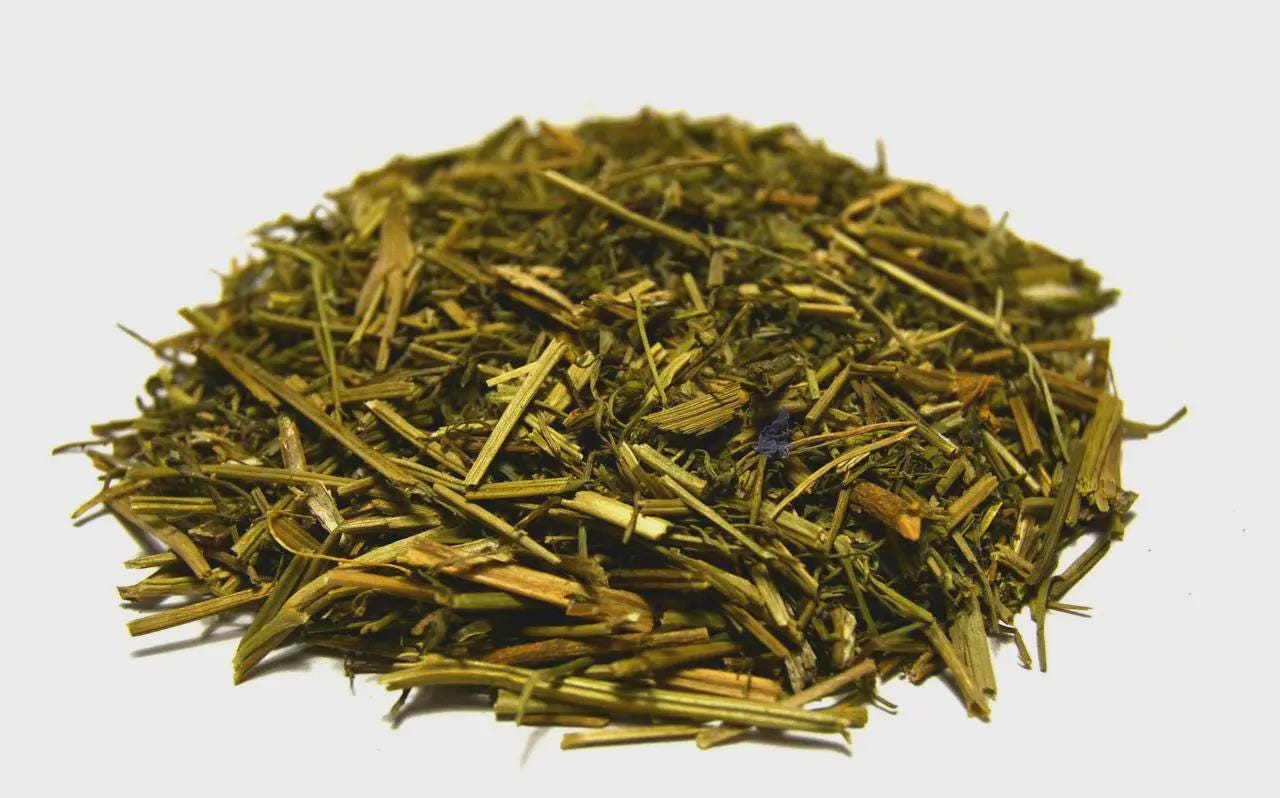
Fumitory Herb can be incorporated into health regimens in various forms, catering to different preferences and needs. The choice of form often depends on the specific health concern and desired potency.
1. Herbal Infusion (Tea)
One of the most traditional and gentle ways to consume Fumitory is as an herbal tea. This method is ideal for supporting digestion, liver function, and systemic detoxification.
- Preparation: Typically, one to two teaspoons of dried Fumitory herb are steeped in a cup (250ml) of hot water for 5-10 minutes. It’s often recommended to cover the cup during steeping to prevent the volatile compounds from escaping.
- Dosage: Generally consumed 2-3 times a day, ideally before meals to stimulate bile flow and aid digestion. The taste is distinctly bitter, a characteristic often associated with its choleretic properties.
2. Tinctures
Tinctures are concentrated liquid extracts made by macerating the herb in alcohol or a mixture of alcohol and water. They offer a more potent and convenient method of delivery, as the alcohol extracts a broader spectrum of active compounds, including the less water-soluble alkaloids.
- Preparation: Tinctures are usually commercially prepared, ensuring consistency and proper extraction. They are also sometimes made by experienced herbalists.
- Dosage: Dosages vary widely depending on the concentration of the tincture, but typically range from 20-60 drops (1-3 ml), 2-3 times daily, diluted in a small amount of water. It is crucial to follow the manufacturer’s specific instructions.
3. Topical Applications
For skin conditions, Fumitory can be applied externally to soothe inflammation and promote healing.
- Compresses/Washes: A strong infusion of the herb can be cooled and then used as a wash or applied as a compress to affected skin areas. This is particularly beneficial for eczema, psoriasis, and other itchy or inflamed dermatoses.
- Ointments/Creams: Some herbal formulations incorporate Fumitory extract into topical creams or ointments for targeted skin treatment.
4. Capsules and Supplements
For those who prefer convenience or dislike the bitter taste of the tea, Fumitory is available in capsule or tablet form. These supplements often provide standardized extracts, ensuring a consistent dosage of active compounds.
- Advantages: Capsules offer a precise and pre-measured dose, making it easier to manage intake. They are also discreet and travel-friendly.
- Dosage: Follow the specific instructions on the product label, as concentrations can vary between brands. Typical dosages might range from 250mg to 500mg, 1-3 times daily.

Dosage, Administration, and Important Considerations
While Fumitory Herb offers numerous benefits, responsible usage is paramount. General dosage guidelines exist, but individual needs and health conditions may necessitate adjustments. It is always advisable to consult with a qualified healthcare professional or an experienced herbalist before initiating any new herbal regimen, especially if you have pre-existing health conditions or are taking other medications.
General Dosage Guidelines:
- Dried Herb for Tea: 1-2 teaspoons per cup of hot water, steeped for 5-10 minutes, consumed 2-3 times daily.
- Tincture (1:5 @ 25% alcohol): 1-3 ml (20-60 drops), 2-3 times daily.
- Capsules/Tablets: Refer to product-specific instructions, typically 250-500mg, 1-3 times daily, often with meals.
It is generally recommended to start with a lower dose and gradually increase it to assess tolerance and efficacy. Continuous use of Fumitory is usually for specific periods, often with breaks, rather than indefinite daily consumption.
Potential Side Effects and Contraindications:
Fumitory is generally considered safe when used appropriately and within recommended dosages. However, some individuals may experience mild side effects:
- Gastrointestinal Upset: Some people may experience mild stomach upset, nausea, or diarrhea, especially with higher doses or on an empty stomach due to its bitter nature and choleretic action.
- Allergic Reactions: As with any plant, allergic reactions are possible, though rare. Symptoms might include skin rash, itching, or respiratory issues.
There are specific contraindications where Fumitory should be avoided or used with extreme caution:
- Pregnancy and Breastfeeding: Due to insufficient research on its effects, Fumitory is generally not recommended for pregnant or breastfeeding women.
- Bile Duct Obstruction: Individuals with an acute obstruction of the bile ducts (e.g., large gallstones blocking bile flow) should avoid Fumitory, as its cholagogue action could worsen the obstruction and cause severe pain.
- Severe Liver Disease: While beneficial for mild liver support, individuals with severe liver damage or active liver disease should use Fumitory only under strict medical supervision.
- Drug Interactions: Fumitory may interact with certain medications, particularly those affecting liver enzymes or bile production. Consult a healthcare provider if taking prescription drugs.
- Children: Use in children should be under the guidance of a healthcare professional.
Always prioritize professional medical advice to ensure safety and efficacy, especially when dealing with chronic conditions.

Current Research and Future Perspectives
While Fumitory’s traditional uses are well-established, modern scientific research continues to unravel the precise mechanisms behind its therapeutic actions. Studies are actively investigating the individual and synergistic effects of its alkaloids, flavonoids, and other compounds. Research is particularly focused on:
- Further elucidating the exact pathways through which protopine and other alkaloids exert their spasmolytic and choleretic effects.
- Exploring the anti-inflammatory and immunomodulatory potential of Fumitory in autoimmune skin conditions like psoriasis, moving beyond anecdotal evidence to clinical trials.
- Investigating its potential antimicrobial properties against various pathogens, which have been suggested by some preliminary studies.
- Delving into its role in liver detoxification at a cellular and enzymatic level, potentially identifying novel hepatoprotective applications.
As analytical techniques become more sophisticated, the full spectrum of Fumitory’s biochemical interactions and therapeutic applications is likely to be revealed, potentially opening new avenues for its integration into mainstream medicine and dietary supplements. This ongoing research promises to solidify Fumitory’s position as a valuable botanical in evidence-based natural health practices.
Conclusion: Reclaiming the Power of Fumitory Herb
Fumitory Herb, Fumaria officinalis, stands as a testament to the enduring wisdom of traditional herbal medicine. Its journey from ancient pharmacopoeias to modern scientific inquiry highlights its consistent efficacy in addressing a range of health concerns, particularly those related to the liver, gallbladder, skin, and digestive system. The complex interplay of its rich bioactive compounds, notably its isoquinoline alkaloids, underpins its well-documented choleretic, cholagogue, spasmolytic, anti-inflammatory, and antioxidant properties.
As we navigate an increasingly complex health landscape, the natural depurative and supportive actions of Fumitory offer a compelling option for promoting internal balance and enhancing overall well-being. Whether consumed as a traditional tea, a concentrated tincture, or a convenient capsule, Fumitory provides a holistic approach to detoxification and systemic health. However, it is imperative to approach its use with knowledge, respect, and professional guidance. By understanding its profound benefits and observing responsible usage, individuals can confidently reclaim the historical power of Fumitory Herb, integrating this remarkable botanical into a proactive and health-conscious lifestyle.
Disclaimer: For informational purposes only. Not medical advice. Consult a qualified healthcare professional before use.