Anise Hyssop: Unveiling the Profound Health Benefits of Agastache foeniculum
In the expansive and diverse realm of herbal medicine, certain plants stand out for their multifaceted benefits, captivating both the culinary enthusiast and the wellness seeker. Anise Hyssop (scientific name: Agastache foeniculum), a fragrant member of the mint family (Lamiaceae), is precisely one such botanical treasure. Often celebrated for its distinct licorice-like aroma and sweet, subtle flavor, this remarkable herb offers far more than just sensory delight. From ancient indigenous traditions to modern scientific inquiry, Anise Hyssop has consistently demonstrated a rich tapestry of health-promoting properties. This exhaustive guide delves deep into the mechanisms, historical uses, and contemporary applications of Anise Hyssop, revealing why it deserves a prominent place in any natural health regimen.
Our exploration will traverse its botanical identity, uncover its potent bioactive compounds, and meticulously detail its extensive range of health benefits, including digestive support, respiratory relief, anti-inflammatory action, and immune modulation. We aim to provide a definitive resource for anyone seeking to understand and harness the full potential of this extraordinary plant, solidifying its reputation not merely as a garden ornamental, but as a powerhouse of natural wellness.
Botanical Profile: The Distinctive Charms of Agastache foeniculum
Anise Hyssop, also known as Blue Giant Hyssop, Fragrant Giant Hyssop, or Licorice Mint, is a perennial herb native to much of North America. It thrives in open woodlands, prairies, and disturbed areas, displaying a remarkable adaptability. As a member of the Lamiaceae family, it shares characteristic features with its mint relatives, including square stems and oppositely arranged leaves. However, its aesthetic and aromatic profiles are uniquely captivating.
The plant typically grows to a height of 2 to 4 feet, adorned with spikes of vibrant lavender-blue flowers that bloom from mid-summer to early autumn. These inflorescences are not only beautiful but also highly attractive to pollinators, particularly bees, earning Anise Hyssop a reputation as an excellent “honey plant.” The leaves are ovate to lanceolate, finely toothed, and release a strong, sweet scent reminiscent of licorice or anise when crushed – a characteristic due to the presence of anethole and methyl chavicol (estragole) in its essential oils. This delightful fragrance is a tell-tale sign of its identity and a prelude to its rich medicinal properties.

A Glimpse into History: Traditional Uses Across Cultures
The medicinal and culinary legacy of Anise Hyssop stretches back centuries, deeply rooted in the traditions of various indigenous communities across North America. Native American tribes, including the Cheyenne, Cree, and Ojibwe, revered Anise Hyssop for its versatile healing properties. They utilized nearly every part of the plant – leaves, flowers, and roots – for a multitude of ailments. Teas made from the leaves and flowers were commonly employed to alleviate respiratory conditions such as coughs, colds, and sore throats, leveraging its expectorant and soothing qualities.
Beyond respiratory relief, it was also valued as a digestive aid, used to soothe upset stomachs, reduce bloating, and calm intestinal discomfort. Some tribes incorporated it into poultices for external applications, addressing skin irritations or minor wounds. Furthermore, Anise Hyssop played a role in ceremonial practices and was sometimes used as a mild sedative to promote relaxation. Its sweet flavor also made it a popular culinary herb, incorporated into stews, teas, and as a flavoring agent. European settlers later adopted many of these uses, integrating Anise Hyssop into their own herbal pharmacopeia and culinary traditions, further cementing its status as a valuable medicinal and gastronomic resource.
The Chemical Canvas: Key Bioactive Compounds and Their Actions
The profound health benefits of Anise Hyssop are intrinsically linked to its complex phytochemical profile, particularly its rich essential oil content and an abundance of flavonoids and phenolic acids. Understanding these compounds is crucial to appreciating the herb’s therapeutic potential.
Essential Oils: The Aromatic Powerhouses
- Methyl Chavicol (Estragole): This phenylpropene is the primary constituent responsible for Anise Hyssop’s distinctive licorice-like scent and flavor. While common in tarragon, its presence in Anise Hyssop contributes significantly to its carminative (gas-reducing) and antispasmodic properties, helping to relax smooth muscles in the digestive tract and alleviate cramping.
- Anethole: Though typically found in higher concentrations in true anise (Pimpinella anisum) and fennel, anethole also contributes to Anise Hyssop’s aroma and some of its expectorant and antimicrobial effects. It has been studied for its potential estrogenic and anti-inflammatory activities.
- Limonene: A monoterpene commonly found in citrus peels, limonene is present in Anise Hyssop and is known for its antioxidant properties and potential to support detoxification pathways.
- Pulegone: While found in smaller quantities, pulegone contributes to the minty notes and has some insecticidal properties.
- Carvone: Often associated with spearmint, carvone also appears in Anise Hyssop’s essential oil, offering mild antimicrobial and calming effects.
Flavonoids and Phenolic Acids: The Antioxidant and Anti-inflammatory Brigade
Beyond essential oils, Anise Hyssop is a rich source of polyphenolic compounds, which are renowned for their antioxidant and anti-inflammatory capabilities:
- Rosmarinic Acid: This potent phenolic acid is a superstar in the mint family. It is a powerful antioxidant, effectively neutralizing free radicals and protecting cells from oxidative damage. Rosmarinic acid also exhibits significant anti-inflammatory and antiviral properties, contributing to Anise Hyssop’s efficacy in immune and inflammatory conditions.
- Luteolin and Apigenin: These are well-known flavonoids with robust anti-inflammatory, antioxidant, and even potential anticancer activities. They can modulate various signaling pathways involved in inflammation and cellular proliferation.
- Quercetin: Another ubiquitous flavonoid, quercetin, is present in Anise Hyssop and is celebrated for its antihistamine, anti-inflammatory, and antioxidant effects, which are particularly beneficial for allergic reactions and immune support.
The synergistic interaction of these diverse compounds creates a holistic therapeutic effect that is often greater than the sum of its individual parts, making Anise Hyssop a true gem in the herbal world.

The Extensive Health Benefits of Anise Hyssop
Armed with a deeper understanding of its chemical constituents, let’s explore the specific and profound health benefits that Anise Hyssop offers.
1. Digestive System Support: A Natural Carminative and Antispasmodic
Anise Hyssop’s most celebrated traditional use is its remarkable ability to soothe and support the digestive system. The essential oils, particularly methyl chavicol and anethole, act as potent carminatives, meaning they help to expel gas from the intestines, thereby reducing bloating, flatulence, and general abdominal discomfort. These compounds also exhibit antispasmodic effects, relaxing the smooth muscles of the gastrointestinal tract. This relaxation can alleviate cramps, intestinal spasms, and the discomfort associated with conditions like irritable bowel syndrome (IBS) or indigestion. By promoting smoother muscle function, Anise Hyssop can facilitate more efficient digestion and nutrient absorption, making it an excellent post-meal digestive aid.
2. Respiratory Health: Expectorant, Antitussive, and Soothing Agent
For centuries, Anise Hyssop has been a go-to remedy for various respiratory ailments, and its efficacy is supported by its phytochemical makeup. It functions as an expectorant, helping to thin and loosen mucus in the respiratory passages, making it easier to cough up and expel. This mucolytic action is particularly beneficial for productive coughs, bronchitis, and congestion associated with colds and flu. Furthermore, its demulcent (soothing) properties help to coat and calm irritated mucous membranes in the throat and lungs, offering relief from dry, scratchy coughs and sore throats. The antimicrobial compounds present may also help combat the underlying pathogens contributing to respiratory infections, while its anti-inflammatory properties can reduce swelling in the airways, making breathing easier.
3. Potent Anti-inflammatory Properties
Chronic inflammation is a root cause of numerous modern diseases, from arthritis and cardiovascular issues to neurodegenerative disorders. Anise Hyssop stands out for its impressive anti-inflammatory capabilities, largely attributable to its rich flavonoid and phenolic acid content, especially rosmarinic acid, luteolin, and quercetin. These compounds work through various mechanisms to dampen the inflammatory cascade. They can inhibit the activity of pro-inflammatory enzymes like cyclooxygenase (COX) and lipoxygenase (LOX), thereby reducing the production of inflammatory mediators such as prostaglandins and leukotrienes. Additionally, they can modulate the expression of pro-inflammatory cytokines, essentially signaling the body to reduce its inflammatory response. This makes Anise Hyssop a valuable herb for managing inflammatory conditions throughout the body.
4. Antioxidant Powerhouse: Combating Oxidative Stress
Oxidative stress, caused by an imbalance between free radical production and the body’s ability to neutralize them, leads to cellular damage and is implicated in aging and numerous chronic diseases. Anise Hyssop is exceptionally rich in antioxidants, particularly rosmarinic acid and various flavonoids. These compounds act as potent free radical scavengers, directly neutralizing harmful reactive oxygen species. By protecting cellular components like DNA, proteins, and lipids from oxidative damage, Anise Hyssop helps preserve cellular integrity and function. Regular consumption can contribute to a stronger defense against age-related degeneration, support overall cellular health, and potentially reduce the risk of chronic diseases associated with oxidative stress.
5. Nervous System Support and Stress Reduction: A Mild Nervine
In today’s fast-paced world, finding natural ways to support mental well-being is increasingly important. Anise Hyssop offers mild nervine properties, contributing to a sense of calm and relaxation. While not a strong sedative, the essential oils and other compounds can help soothe the nervous system, reduce mild anxiety, and promote restful sleep. Its aromatic qualities alone, when inhaled as a tea or diffused essential oil, can have an immediate calming effect, helping to alleviate tension and improve mood. This makes it a lovely herb for winding down after a stressful day or gently preparing the mind and body for sleep.
6. Antimicrobial and Antifungal Activity
The essential oils of Anise Hyssop possess significant antimicrobial properties, demonstrating efficacy against a range of bacteria and fungi. Studies have indicated that compounds like methyl chavicol and anethole can disrupt the cell membranes of pathogenic microorganisms, inhibiting their growth and proliferation. This broad-spectrum activity makes Anise Hyssop a useful internal and external agent for combating various infections. It can support the body’s natural defenses against bacterial illnesses and may even play a role in managing superficial fungal infections when applied topically.
7. Immune System Modulation
Beyond specific antimicrobial actions, Anise Hyssop contributes to overall immune system health. Its antioxidant content helps protect immune cells from damage, ensuring they can function optimally. The anti-inflammatory properties reduce systemic inflammation, which can otherwise suppress immune responses. By supporting a balanced immune response and protecting the body from oxidative damage, Anise Hyssop helps to strengthen the body’s natural defenses, making it more resilient to infections and illnesses. Regular use can be part of a proactive strategy for maintaining robust immune function.
Practical Applications and Usage
Anise Hyssop’s versatility extends to its myriad applications in daily life, ranging from traditional herbal preparations to modern culinary delights.
Herbal Teas and Infusions
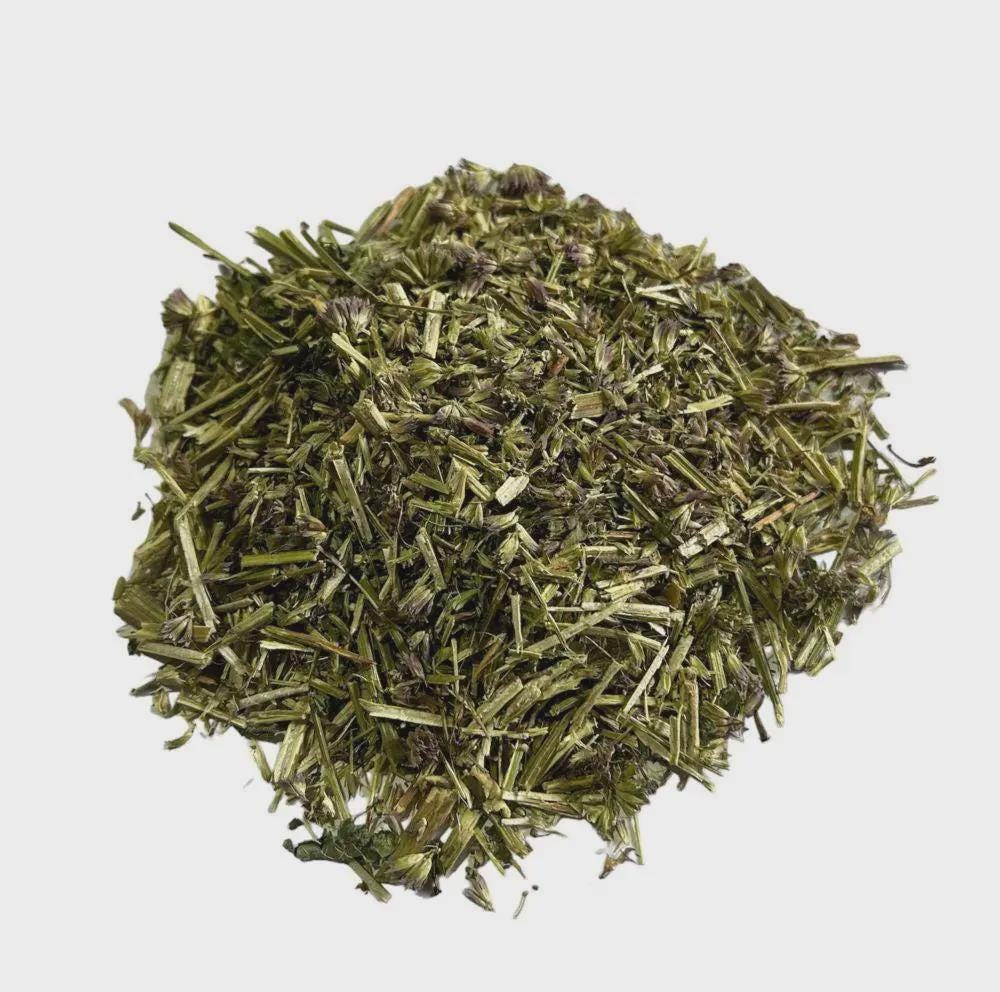
The most common and perhaps simplest way to enjoy the health benefits of Anise Hyssop is by preparing a soothing herbal tea. An infusion made from the fresh or dried leaves and flowers offers a pleasant, licorice-scented beverage that is both calming and therapeutically active. It can be particularly effective for digestive upset, respiratory congestion, or simply as a relaxing evening drink.
Tinctures and Extracts
For a more concentrated and potent form, Anise Hyssop can be prepared as an alcohol-based tincture. Tinctures allow for a higher extraction of the herb’s beneficial compounds and offer a convenient way to administer specific dosages. They are excellent for consistent, long-term therapeutic use, especially for conditions requiring sustained support, such as chronic digestive issues or immune modulation.
Culinary Uses
Anise Hyssop’s unique flavor profile makes it a delightful addition to the kitchen. The leaves and flowers can be used fresh in salads, fruit salads, and desserts, imparting a delicate licorice-mint note. It can also be incorporated into baked goods, syrups, jams, and jellies. Infused into honey or vinegar, it creates gourmet condiments. Its versatility allows for creative culinary experimentation, enhancing dishes with both flavor and subtle health benefits.
Aromatherapy and Topical Applications
The essential oil of Anise Hyssop, though not as widely available as some other essential oils, can be used in aromatherapy. Diffusing the oil can help clear respiratory passages, uplift mood, and create a calming atmosphere. Topically, infused oils or poultices made from the leaves can be applied to soothe minor skin irritations, insect bites, or muscular aches, leveraging its anti-inflammatory and antimicrobial properties.
Modern Supplementation: Capsules and Powders
For individuals seeking a convenient and standardized approach to incorporating Anise Hyssop into their wellness routine, encapsulated forms or powdered extracts are available. These supplements typically contain dried and ground herb or concentrated extracts, offering a precise dosage. This method is particularly suitable for those who may not enjoy the taste of herbal teas or who require a higher, consistent therapeutic dose. When choosing supplements, it’s crucial to select reputable brands that provide transparency regarding sourcing and manufacturing processes to ensure purity and potency.

Cultivation: Bringing Anise Hyssop to Your Garden
One of the many joys of Anise Hyssop is its ease of cultivation. It is a resilient and adaptable plant, tolerant of a wide range of soil types, though it prefers well-drained soil and full sun to partial shade. It is drought-tolerant once established and generally pest-free, making it an ideal choice for both novice and experienced gardeners. Its attractive flowers and aromatic foliage add beauty to any garden, while also serving as a vital food source for pollinators like bees and butterflies, contributing to local biodiversity and ecological health. Growing Anise Hyssop at home ensures a fresh, readily available supply of this beneficial herb for culinary and medicinal uses.
Potential Side Effects, Precautions, and Dosage Guidelines
While Anise Hyssop is generally considered safe for most individuals when consumed in moderate amounts, it is always prudent to be aware of potential precautions and consult with a healthcare professional before incorporating any new herbal remedy into your routine, especially if you have underlying health conditions or are taking medications.
Precautions:
- Pregnancy and Breastfeeding: Due to the presence of methyl chavicol and anethole, which in very high doses can have mild estrogenic effects, pregnant and breastfeeding women should exercise caution and consult a doctor before using Anise Hyssop.
- Allergies: Individuals with known allergies to plants in the mint family (Lamiaceae) may experience allergic reactions.
- Drug Interactions: While unlikely with typical consumption, very high doses could theoretically interact with blood-thinning medications or sedatives due to its mild calming properties. Always discuss with your doctor if on medication.
General Dosage Guidelines (these are approximations and should be adjusted based on individual sensitivity and product concentration):
- Tea/Infusion: Steep 1-2 teaspoons of dried Anise Hyssop leaves and flowers in 8 ounces of hot water for 5-10 minutes. Drink 1-3 cups per day.
- Tincture: 2-4 ml (approximately 40-80 drops) of a 1:5 ratio tincture, 2-3 times per day.
- Capsules: Follow manufacturer’s instructions, usually 500-1000 mg of dried herb or extract, 1-2 times daily.
It is always recommended to start with the lowest effective dose and gradually increase if needed, observing your body’s response. Quality and concentration of herbal products can vary significantly, so choose reputable sources.

Conclusion: Anise Hyssop – A Pillar of Herbal Wellness
Anise Hyssop (Agastache foeniculum) emerges not just as a plant of exquisite beauty and delightful fragrance, but as a formidable ally in the pursuit of natural health and well-being. Its rich historical legacy, deeply rooted in Native American traditions, is now increasingly supported by modern scientific understanding of its potent bioactive compounds. From its remarkable ability to soothe digestive distress and alleviate respiratory discomfort to its powerful antioxidant, anti-inflammatory, and immune-modulating effects, Anise Hyssop offers a holistic approach to wellness.
Whether enjoyed as a comforting tea, a potent tincture, a flavorful culinary herb, or a convenient supplement, this versatile plant seamlessly integrates into diverse lifestyles, offering tangible benefits for mind and body. As we continue to rediscover the profound wisdom of nature, Anise Hyssop stands as a shining example of an accessible, effective, and truly comprehensive herbal remedy. Its continued cultivation and use promise to enrich our gardens, our tables, and most importantly, our health for generations to come, solidifying its place as a definitive pillar of herbal wellness.
Disclaimer: For informational purposes only. Not medical advice. Consult a qualified healthcare professional before use.