Unveiling the Potent Power of Orange Peel: An Exhaustive Guide to Its Profound Health Benefits
In the vibrant world of citrus fruits, the sweet, juicy flesh of the orange has long been celebrated for its refreshing taste and rich Vitamin C content. Yet, for centuries, a treasure trove of nutritional and medicinal value has often been discarded, overlooked in favor of its succulent interior: the humble orange peel. Far from being a mere fibrous rind, orange peel is a powerhouse of bioactive compounds, an intricate natural pharmacy packed with antioxidants, anti-inflammatory agents, and potent phytochemicals that offer a spectrum of profound health benefits. This comprehensive guide delves deep into the often-underestimated potential of orange peel, exploring its historical significance, intricate chemical composition, and the scientific backing for its myriad advantages, positioning it as a true superfood deserving of a place in our holistic wellness regimens.
A Journey Through Time: Historical Context and Traditional Uses of Orange Peel
The utilization of citrus peels, including that of the orange, stretches back millennia, deeply embedded in various traditional medicine systems across the globe. In ancient Chinese medicine, dried orange peel, known as “Chen Pi,” has been revered for its therapeutic properties for over 1,000 years. It was traditionally employed to regulate qi (life force), alleviate digestive discomfort such as bloating, indigestion, and nausea, and to help clear phlegm and congestion in respiratory ailments. Its warm, pungent, and slightly bitter nature was believed to harmonize the spleen and stomach, promoting proper digestion and absorption. Similarly, in Ayurvedic medicine, citrus peels found their application in various formulations aimed at supporting digestion, detoxification, and boosting immunity. European folk medicine also recognized its value, often incorporating it into teas and tinctures for its aromatic and carminative effects. Beyond medicinal applications, orange peel has historically been prized in culinary traditions worldwide, lending its aromatic oils and distinctive flavor to beverages, confectionery, and savory dishes, acting as a natural preservative and flavor enhancer. This rich tapestry of historical use underscores a collective, intuitive understanding of its inherent value long before modern science could unravel its complex chemistry.
Botanical Overview: The Anatomy of a Nutritional Marvel
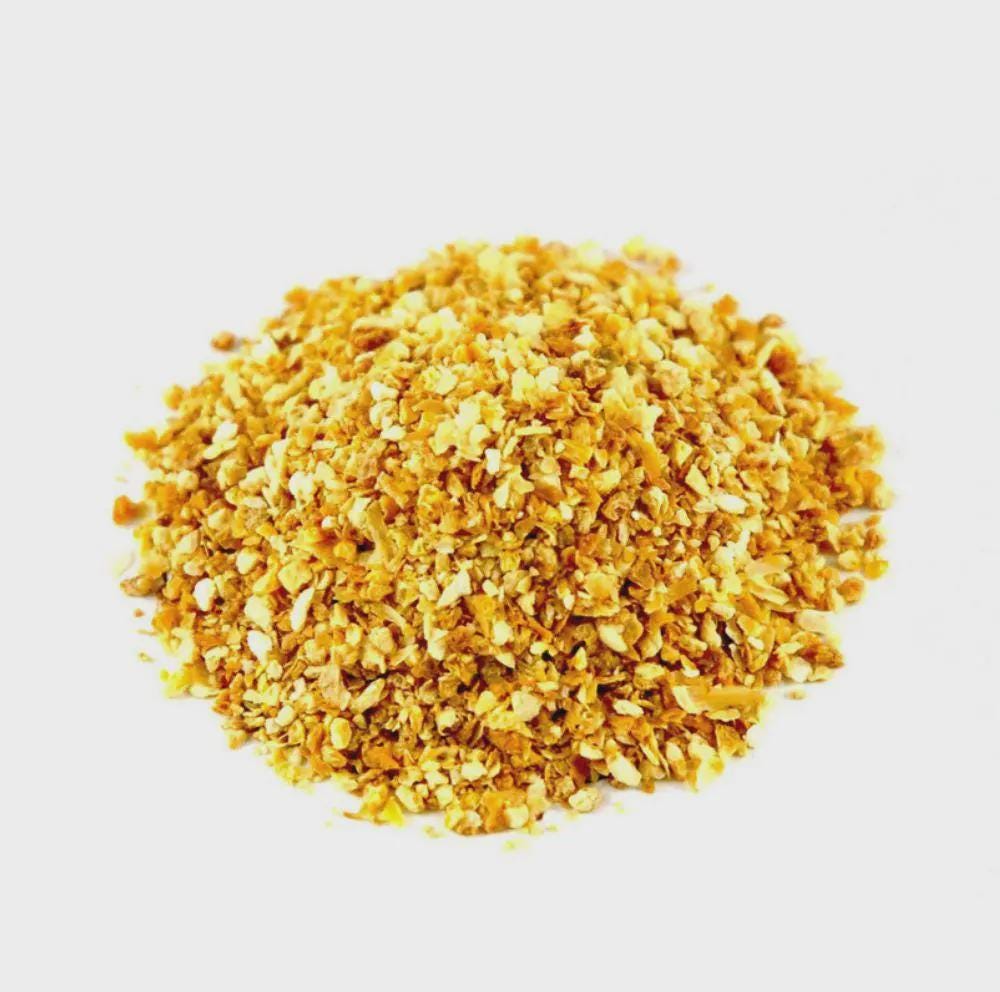
The sweet orange, Citrus sinensis, belongs to the Rutaceae family, a genus celebrated for its aromatic and medicinal fruits. While the juicy pulp is primarily composed of water, simple sugars, and Vitamin C, the peel, which constitutes roughly 25-30% of the fruit’s total weight, is a distinct biological entity with a significantly different and more concentrated nutritional profile. The peel itself is comprised of two main layers: the outer, colored part called the flavedo (epicarp), and the inner, white, spongy layer known as the albedo (mesocarp). The flavedo is rich in essential oils, pigments like carotenoids, and a high concentration of flavonoids, giving the orange its characteristic color and aroma. The albedo, while often overlooked, is particularly rich in dietary fiber, including pectin, and other beneficial phytochemicals. This structural complexity is directly correlated with its dense array of bioactive compounds, making it a highly concentrated source of beneficial nutrients compared to the fruit’s pulp.

The Nutritional Powerhouse: Deconstructing Orange Peel’s Bioactive Compounds
The remarkable health benefits attributed to orange peel stem from its incredibly diverse and concentrated array of bioactive compounds. Unlike the pulp, the peel contains significantly higher amounts of certain phytonutrients. Understanding these components is key to appreciating its therapeutic potential.
Flavonoids: The Cardiovascular and Anti-Inflammatory Guardians
Orange peel is an exceptional source of flavonoids, a class of polyphenolic compounds renowned for their potent antioxidant and anti-inflammatory properties. Among the most prominent are:
- Hesperidin: This is one of the most abundant flavonoids in orange peel. Hesperidin plays a critical role in cardiovascular health by strengthening capillary walls, improving blood circulation, and exerting significant anti-inflammatory effects. Research suggests it can help lower high blood pressure and reduce cholesterol levels by inhibiting HMG-CoA reductase, an enzyme involved in cholesterol synthesis. Its antioxidant capabilities also protect blood vessels from oxidative damage, thereby reducing the risk of atherosclerosis.
- Naringenin: While more prominent in grapefruit, naringenin is also present in orange peel and contributes to its antioxidant and anti-inflammatory profile. It has been studied for its potential in modulating lipid metabolism, improving insulin sensitivity, and exhibiting hepatoprotective effects.
- Polymethoxyflavones (PMFs): These are unique to citrus peels and are considered among the most potent flavonoids. Tangeretin and nobiletin are two well-known PMFs. PMFs are particularly lauded for their exceptional anti-inflammatory and cholesterol-lowering properties. Studies indicate that PMFs are more effective than other flavonoids in reducing LDL (“bad”) cholesterol without affecting HDL (“good”) cholesterol, making them powerful allies in preventing cardiovascular disease. Their distinct chemical structure allows for enhanced bioavailability and stronger biological activity compared to other flavonoids.
Terpenes: The Aromatic Protectors
The characteristic fragrant aroma of orange peel is primarily due to its high concentration of terpenes, especially limonene.
- Limonene: Constituting over 90% of the essential oil in orange peel, limonene is a monoterpene with a vast array of health benefits. It is a powerful antioxidant and has been extensively studied for its chemopreventive and chemotherapeutic potential against various cancers, including breast, colon, and prostate cancers. Limonene is believed to induce apoptosis (programmed cell death) in cancer cells and inhibit their growth. Furthermore, it possesses anti-inflammatory, gastroprotective, and anxiolytic (anxiety-reducing) properties.
Vitamin C: The Immune System’s Best Friend
While the pulp is famous for Vitamin C, the peel also contains significant amounts, often comparable to or even higher per gram than the pulp itself. Vitamin C (ascorbic acid) is a vital water-soluble antioxidant essential for:
- Immune System Function: It stimulates the production and function of white blood cells, enhancing the body’s ability to fight off infections.
- Collagen Synthesis: Crucial for healthy skin, blood vessels, bones, and cartilage.
- Antioxidant Defense: Protects cells from oxidative damage caused by free radicals.
Dietary Fiber: The Digestive and Metabolic Regulator
Orange peel is an excellent source of both soluble and insoluble dietary fiber, making it a potent aid for digestive health and metabolic regulation.
- Pectin: A soluble fiber particularly abundant in the white albedo layer. Pectin forms a gel-like substance in the digestive tract, which can help lower cholesterol, stabilize blood sugar levels by slowing down glucose absorption, and promote satiety, aiding in weight management. It also acts as a prebiotic, feeding beneficial gut bacteria.
- Insoluble Fiber: Adds bulk to stool, promoting regular bowel movements and preventing constipation. It also helps in cleansing the digestive tract by binding to toxins and facilitating their excretion.
Carotenoids: Vision and Cellular Health Enhancers
The vibrant orange color of the peel is due to the presence of carotenoids, powerful antioxidants like beta-cryptoxanthin, beta-carotene, and lutein. These compounds are precursors to Vitamin A and play a crucial role in:
- Vision Health: Protecting the eyes from oxidative damage and age-related macular degeneration.
- Immune Function: Supporting overall immune response.
- Skin Health: Protecting against UV damage and contributing to a healthy complexion.

In-Depth Health Benefits: A Scientific Exploration
With its rich profile of bioactive compounds, orange peel offers a compelling array of health benefits, each underpinned by specific mechanisms of action.
1. Exceptional Digestive Health Support
The high fiber content of orange peel, particularly pectin, acts as a formidable ally for the digestive system. Pectin, a soluble fiber, forms a viscous gel in the gut, which can slow down gastric emptying, promoting a feeling of fullness and aiding in weight management. More importantly, it acts as a powerful prebiotic, serving as nourishment for beneficial gut bacteria (probiotics). A healthy gut microbiome is crucial for nutrient absorption, immune function, and even mood regulation. The insoluble fiber in the peel adds bulk to stool, facilitating its passage through the digestive tract and preventing constipation, while also helping to eliminate toxins and waste products more efficiently. Additionally, the essential oils, especially limonene, possess carminative properties that can help alleviate symptoms of indigestion, bloating, and gas, contributing to overall gastrointestinal comfort.
2. Potent Immune System Fortification
Orange peel is a significant contributor to a robust immune system. Its high Vitamin C content is crucial for the production and function of white blood cells, which are the body’s primary defense against pathogens. Vitamin C also enhances the production of antibodies, improving the body’s ability to recognize and neutralize threats. Beyond Vitamin C, the array of flavonoids like hesperidin and PMFs exert profound immunomodulatory effects. They bolster immune cell activity, reduce inflammation that can hinder immune responses, and act as powerful antioxidants, protecting immune cells from oxidative stress during the fight against infections. This multi-pronged approach strengthens the body’s natural defenses against common colds, flu, and other infectious diseases.
3. Advanced Cardiovascular Protection
The cardiovascular benefits of orange peel are particularly compelling, largely due to its unique flavonoid profile. The Polymethoxyflavones (PMFs) like nobiletin and tangeretin have demonstrated an exceptional ability to lower LDL (“bad”) cholesterol levels and triglycerides without adversely affecting beneficial HDL cholesterol. This occurs through various mechanisms, including inhibiting cholesterol synthesis in the liver and increasing LDL receptor activity, which enhances the clearance of cholesterol from the bloodstream. Hesperidin further contributes by strengthening blood vessel walls, improving blood flow, and reducing inflammation within the arterial system. Its antioxidant properties prevent the oxidation of LDL cholesterol, a critical step in the development of atherosclerosis (hardening of the arteries). Regular consumption can thus contribute to blood pressure regulation, reduced arterial stiffness, and overall heart health, significantly mitigating the risk of heart disease and stroke.
4. A Powerhouse of Antioxidants
Oxidative stress, caused by an imbalance between free radicals and the body’s ability to detoxify them, is a major contributor to aging and numerous chronic diseases. Orange peel is an extraordinary source of antioxidants, including Vitamin C, flavonoids (hesperidin, PMFs), carotenoids, and limonene. These compounds work synergistically to neutralize harmful free radicals, protecting cellular structures, DNA, and proteins from oxidative damage. This comprehensive antioxidant defense helps to reduce inflammation throughout the body, supports cellular repair mechanisms, and safeguards against the initiation and progression of diseases associated with oxidative stress, such as cancer, neurodegenerative disorders, and cardiovascular ailments.
5. Significant Anti-inflammatory Effects
Chronic inflammation is a silent driver of many modern diseases. Orange peel’s potent anti-inflammatory properties are primarily attributed to its high concentration of flavonoids, particularly PMFs and hesperidin. These compounds interfere with inflammatory pathways in the body, such as the COX-2 and NF-κB pathways, which are central to the production of pro-inflammatory cytokines and enzymes. By modulating these pathways, orange peel can significantly reduce systemic inflammation, thereby offering therapeutic potential in conditions like arthritis, metabolic syndrome, and inflammatory bowel diseases. Limonene also contributes to these effects by exhibiting anti-inflammatory activities, particularly in the gastrointestinal tract and liver.
6. Promising Anticancer Potential
Emerging research has highlighted the remarkable anticancer potential of orange peel, primarily linked to limonene and PMFs. Limonene has been extensively studied for its ability to prevent and treat various cancers. Its mechanisms include inducing apoptosis (programmed cell death) in cancer cells, inhibiting angiogenesis (the formation of new blood vessels that feed tumors), and detoxifying carcinogens. PMFs like nobiletin and tangeretin have also shown promise in inhibiting the proliferation of cancer cells, particularly in liver, colon, breast, and prostate cancers. They are believed to interfere with multiple signaling pathways involved in cancer cell growth and survival, making orange peel a compelling natural adjunct in cancer prevention strategies and potentially in supporting conventional cancer therapies.
7. Enhancing Skin Health and Radiance
The benefits of orange peel extend to skin health, both through internal consumption and topical application. The high Vitamin C content is critical for collagen synthesis, the structural protein that gives skin its firmness and elasticity, helping to reduce wrinkles and improve overall skin texture. Antioxidants like Vitamin C, flavonoids, and carotenoids protect skin cells from UV radiation-induced damage and environmental pollutants, thereby preventing premature aging, hyperpigmentation, and promoting an even skin tone. Topical applications of orange peel (e.g., in face masks or scrubs) can leverage its mild exfoliating properties (due to fruit acids) and antimicrobial actions to unclog pores, reduce acne, and impart a natural glow. The essential oils also contribute to skin rejuvenation and a refreshing sensation.
8. Supporting Respiratory Wellness
In traditional medicine, orange peel, particularly dried Chen Pi, has been valued for its ability to alleviate respiratory issues. Its expectorant properties help to loosen and expel phlegm and mucus from the respiratory tract, providing relief from coughs, colds, and bronchitis. The anti-inflammatory compounds can reduce inflammation in the airways, making breathing easier. The aromatic essential oils can also act as natural decongestants, helping to clear nasal passages and provide comfort during respiratory infections.
9. Aiding in Weight Management and Blood Sugar Regulation
The substantial dietary fiber, especially pectin, in orange peel plays a crucial role in weight management. Fiber promotes satiety by absorbing water and expanding in the stomach, reducing overall caloric intake. It also slows down the absorption of sugars into the bloodstream, which helps stabilize blood glucose levels and prevent insulin spikes, a key factor in weight gain and type 2 diabetes development. The flavonoids may also contribute to improved insulin sensitivity and glucose metabolism, further reinforcing its role in metabolic health.
Practical Applications and Diverse Usage of Orange Peel
Incorporating orange peel into your diet and lifestyle is surprisingly easy and versatile, allowing you to harness its numerous health benefits.
- Culinary Delights:
- Zest: The most common application. Finely grated zest adds an intense citrus aroma and flavor to baked goods (cakes, muffins, cookies), salads, marinades, dressings, and savory dishes. It can elevate stir-fries, roasted vegetables, and even cocktails.
- Candied Peel: A delicious treat made by boiling orange peel until tender, then simmering in sugar syrup. It can be eaten on its own, dipped in chocolate, or used in fruitcakes and desserts.
- Marmalade & Jams: The pectin in orange peel is essential for the setting of marmalades, imparting a delightful bitter-sweet flavor and firm texture.
- Infused Oils/Vinegars: Steep dried or fresh orange peel in olive oil or white vinegar to create aromatic infusions perfect for cooking or salad dressings.
- Herbal Remedies & Beverages:
- Teas/Infusions: Steep fresh or dried orange peel in hot water to make a soothing, aromatic tea. This is particularly beneficial for digestion, relaxation, and respiratory congestion. Combine with ginger or cinnamon for added benefits.
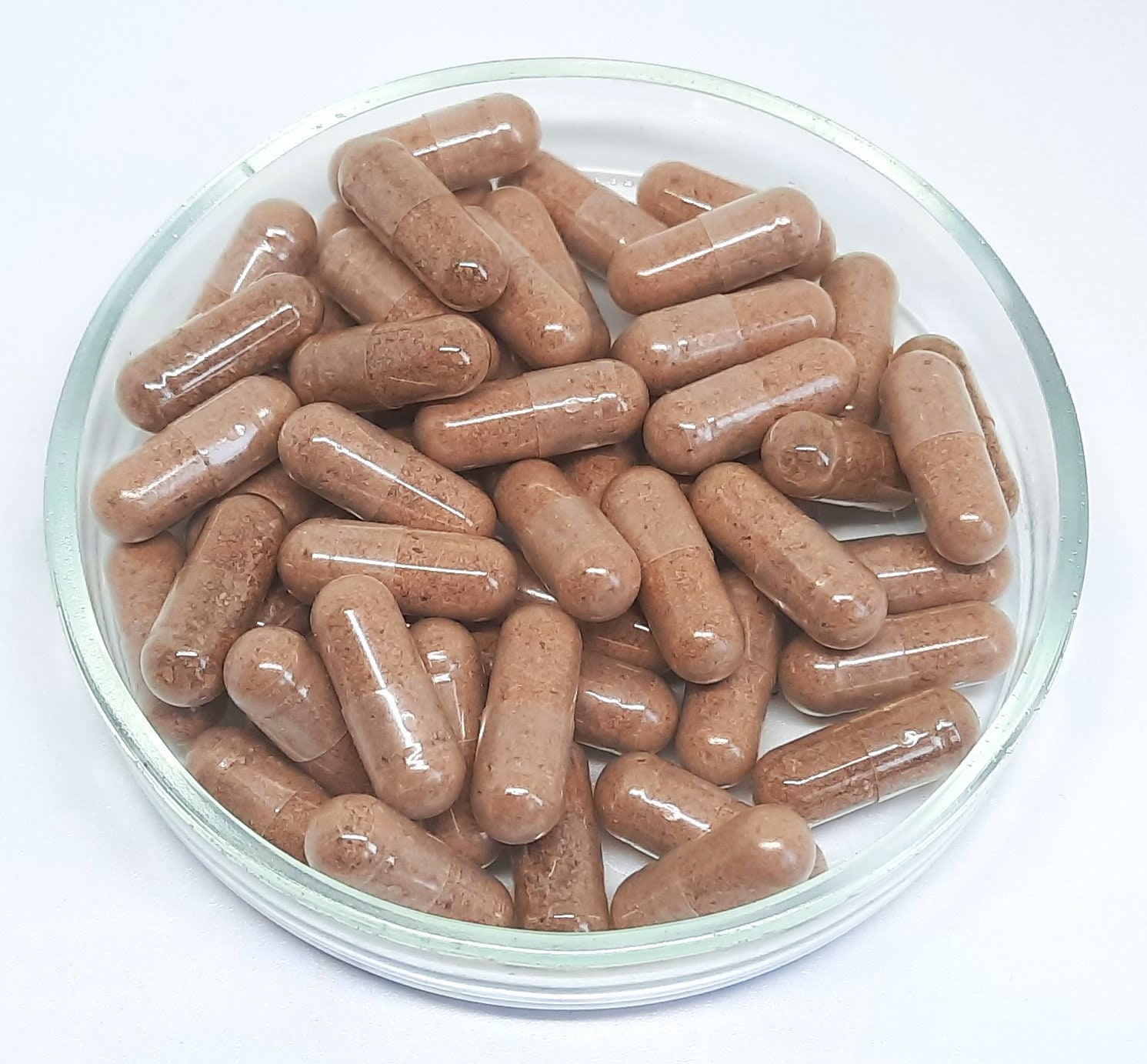
- Powdered Form: Dried orange peel can be ground into a fine powder and added to smoothies, yogurts, oatmeal, or used as a spice in cooking. This offers a concentrated dose of its nutrients.
- Essential Oil:
- Aromatherapy: Orange peel essential oil, primarily d-limonene, is extracted through cold pressing. It’s widely used in aromatherapy for its uplifting, anxiolytic, and mood-enhancing properties.
- Topical Use: Diluted in a carrier oil, it can be applied topically for skin benefits, muscle aches, or as a natural insect repellent. Always perform a patch test and use diluted.
- Supplements & Extracts:
- For those seeking a more concentrated and consistent dose of specific compounds like hesperidin or PMFs, standardized orange peel extracts or capsules are available. These supplements are often formulated to deliver optimal levels of the key bioactive compounds for targeted health benefits, such as cardiovascular support or antioxidant defense.
- Household & DIY Applications:
- Natural Cleaner: Steep orange peels in white vinegar for a few weeks to create an all-natural, fragrant, and effective cleaning spray.
- Insect Repellent: The essential oils in orange peel can repel ants, mosquitoes, and other pests. Rub fresh peel on skin or leave pieces around problematic areas.
- Odor Eliminator: Dried orange peels can be used as potpourri or simmered in water to naturally freshen the air.

Safety, Dosage, and Important Considerations
While orange peel offers remarkable benefits, a few considerations are important to ensure safe and effective use:
- Pesticides: Conventional oranges are often treated with pesticides. For optimal safety, always choose organic oranges when planning to consume the peel. Thoroughly wash the peel before use, even if organic, to remove any surface residues.
- Bitterness: The peel, especially the albedo, can be quite bitter. Blanching or boiling the peel multiple times can reduce this bitterness, especially for candied peel or marmalades.
- Allergies: Individuals with citrus allergies should avoid orange peel. Symptoms can include skin irritation, itching, or digestive upset.
- Drug Interactions: While generally safe, high concentrations of certain compounds in orange peel, particularly essential oils or specific flavonoids, could theoretically interact with certain medications, similar to grapefruit. For instance, some flavonoids might impact drug-metabolizing enzymes. If you are on medication, especially for chronic conditions, consult a healthcare professional before significantly increasing your intake of orange peel or its supplements.
- Moderation: As with any concentrated food source, moderation is key. While beneficial, excessive consumption may lead to digestive upset in some individuals due to its high fiber content.
- Essential Oil Use: Orange peel essential oil is highly concentrated. It should always be diluted with a carrier oil (e.g., jojoba, almond oil) before topical application and generally not ingested without expert guidance, as high doses can be toxic.
Conclusion: Embracing the Underrated Potential of Orange Peel
From its humble beginnings as a discarded byproduct to its recognition as a potent natural remedy and functional food, orange peel stands as a testament to nature’s profound capacity for providing holistic wellness. Its intricate composition of flavonoids, terpenes, Vitamin C, and dietary fiber orchestrates a symphony of health benefits, ranging from robust cardiovascular protection and digestive harmony to potent antioxidant, anti-inflammatory, and even anticancer properties. By acknowledging its rich historical context and delving into the scientific mechanisms behind its therapeutic actions, we can truly appreciate the untapped potential residing within this fragrant rind. Whether incorporated into culinary creations, steeped into calming teas, or harnessed through advanced supplements, orange peel offers an accessible and powerful pathway to enhancing overall health and vitality. It is time to peel back the layers of misconception and embrace orange peel not as mere waste, but as a valuable and indispensable component of a balanced, health-conscious lifestyle.
Disclaimer: For informational purposes only. Not medical advice. Consult a qualified healthcare professional before use.