
The Comprehensive Guide to Menthol Mint: A Pharmacological and Botanical Deep Dive
Menthol mint, primarily derived from Mentha arvensis (Corn Mint) and its cousin Mentha x piperita (Peppermint), stands as one of the most economically and therapeutically significant botanicals in the world. Known for its piercing, cooling aroma and its profound physiological effects, this member of the Lamiaceae family has transitioned from an ancient herbal remedy to a cornerstone of modern pharmaceutical and cosmetic industries. Unlike standard garden mints, menthol-rich varieties are specifically cultivated for their high concentration of menthol, a cyclic monoterpene alcohol that serves as the primary bioactive constituent responsible for the plant’s wide-ranging health benefits.
The therapeutic profile of menthol mint is not merely anecdotal; it is supported by a growing body of clinical evidence that explores its roles as an antispasmodic, analgesic, anti-inflammatory, and antimicrobial agent. To understand the full spectrum of its utility, one must explore the synergy between its botanical characteristics, its complex chemical composition, and the biological pathways it activates within the human body. This guide provides an exhaustive analysis of menthol mint, offering insights into why this plant remains an indispensable tool in natural medicine.
Botanical Characteristics and Taxonomy
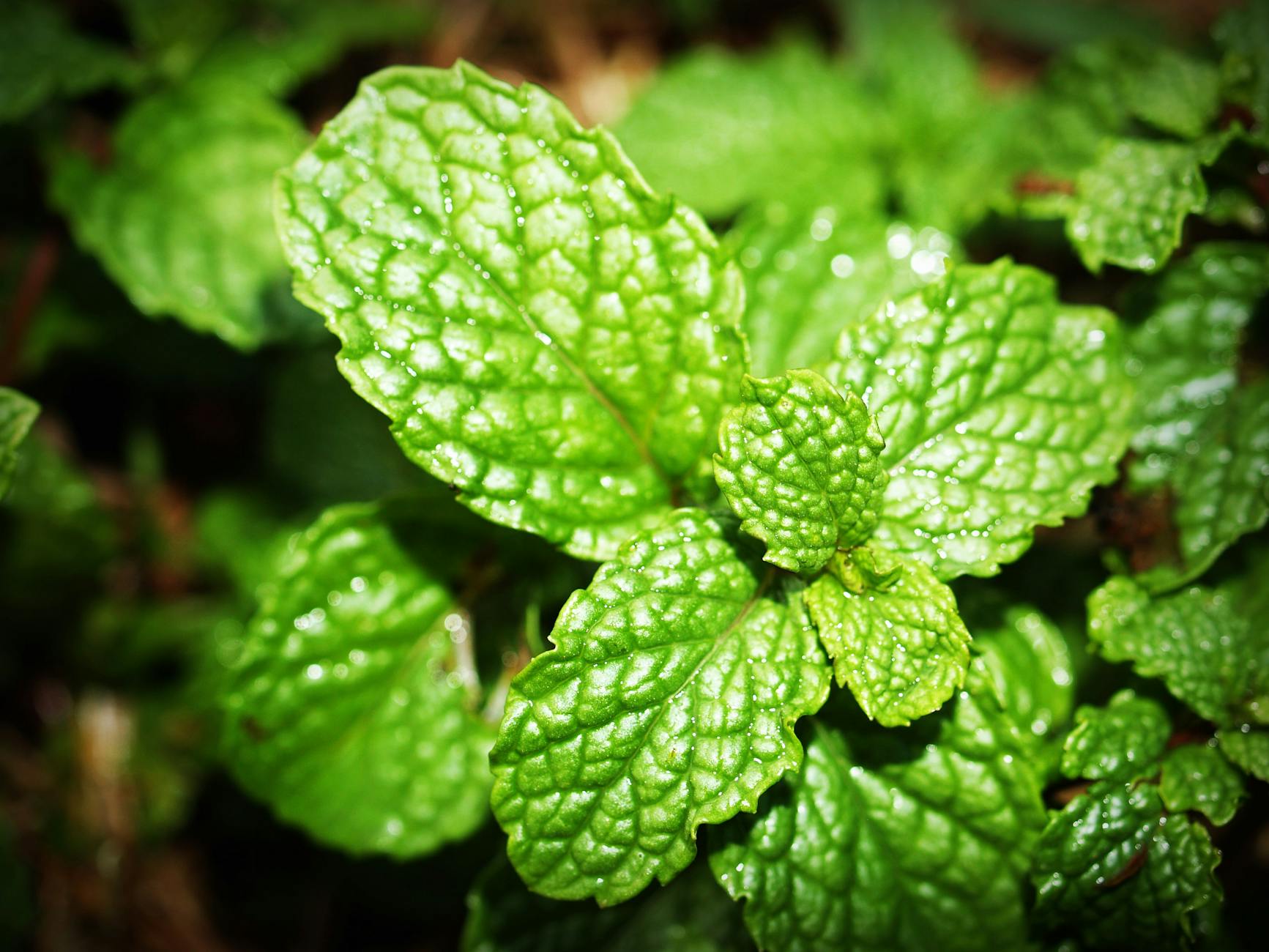
Botanically, menthol mint is characterized by the typical features of the mint family: square stems, opposite leaves, and the presence of glandular trichomes. These trichomes are specialized “oil factories” located on the surface of the leaves, where the essential oils are synthesized and stored. Mentha arvensis, often called Japanese Mint or Corn Mint, is particularly prized because its essential oil can contain upwards of 70% to 95% menthol, significantly higher than the 30% to 50% found in standard peppermint.

The plant thrives in temperate climates, requiring moist soils and ample sunlight to maximize oil production. Its morphology—serrated, lanceolate leaves and small, verticillate flower clusters—is designed for resilience and rapid spreading via underground rhizomes. Understanding the botanical origin is crucial for practitioners, as the specific variety determines the “chemotype,” or the dominant chemical profile, which in turn dictates the plant’s therapeutic efficacy. For instance, the high menthol content of Mentha arvensis makes it the ideal candidate for menthol crystal extraction, whereas Mentha x piperita is often preferred for culinary and digestive tea applications due to its more nuanced flavor profile.
The Chemical Powerhouse: Bioactive Compounds and Mechanisms
The health benefits of menthol mint are a direct result of its secondary metabolites. While menthol is the protagonist, it works in concert with a suite of other compounds including menthone, isomenthone, methyl acetate, limonene, and various flavonoids and phenolic acids like rosmarinic acid. Menthol itself exists as several isomers, but L-menthol is the naturally occurring form that exhibits the most potent biological activity.

The most famous mechanism of menthol is its interaction with the TRPM8 (Transient Receptor Potential Melastatin 8) receptor. This is a voltage-gated ion channel that responds to cold temperatures. When menthol binds to these receptors on the skin or mucous membranes, it triggers a sensory signal that the brain interprets as a cooling sensation, even though the actual temperature of the tissue remains unchanged. Beyond this sensory trick, menthol acts as a calcium channel blocker. By inhibiting the influx of calcium ions into smooth muscle cells, it facilitates muscle relaxation—a mechanism that is central to its effectiveness in treating gastrointestinal distress and tension headaches.
Historical Context and Traditional Applications
The use of menthol-rich mints spans millennia and continents. In ancient Egypt, mint was so highly valued that it was used as a form of currency and was included in the tombs of Pharaohs to ensure a pleasant transition into the afterlife. In the Ebers Papyrus, one of the oldest medical texts in existence, mint is cited as a remedy for digestive complaints. Similarly, in Traditional Chinese Medicine (TCM) and Ayurveda, Mentha arvensis (known as “Pudina”) has been utilized for centuries to clear “wind-heat” patterns, treat fevers, and soothe the liver.

Historically, the dried herb was often prepared as a strong infusion or pulverized into a poultice. These traditional preparations focused on the “opening” quality of the herb—its ability to clear the sinuses, stimulate the appetite, and alleviate the stagnation of “Qi” or energy in the gut. Modern science has largely validated these ancient practices, particularly the use of dried mint leaves for alleviating dyspepsia and nausea, proving that the ancestral wisdom regarding menthol’s carminative properties was biologically grounded.
Gastrointestinal Health: The Antispasmodic Effect
One of the most clinically significant benefits of menthol mint is its impact on the digestive system, particularly in the management of Irritable Bowel Syndrome (IBS). The menthol in the essential oil acts directly on the smooth muscles of the colon. By blocking calcium channels, it prevents the over-contraction of these muscles, which is the primary cause of the cramping, bloating, and pain associated with IBS. Numerous double-blind, placebo-controlled trials have demonstrated that peppermint oil (high in menthol) is more effective than standard antispasmodic medications for long-term symptom relief.
Furthermore, menthol mint acts as a carminative, meaning it aids in the expulsion of gas from the digestive tract and prevents its formation. It also stimulates the flow of bile from the gallbladder, which enhances the digestion of fats and improves overall metabolic efficiency. For those suffering from functional dyspepsia—a condition characterized by upper abdominal pain and fullness—menthol mint provides a natural, non-invasive means of accelerating gastric emptying and reducing discomfort after meals.
Respiratory System Relief and Decongestant Properties
Menthol is perhaps most globally recognized for its role in respiratory health. It is a staple ingredient in cough drops, chest rubs, and inhalants. While many believe menthol is a physical decongestant that shrinks swollen nasal tissues, its primary action is actually neurological. By stimulating the TRPM8 receptors in the nasal passages, it creates the sensation of increased airflow, which can significantly reduce the distress of nasal congestion during a cold or bout of sinusitis.
In addition to this sensory relief, menthol mint possesses antitussive (cough-suppressing) properties. It acts as an expectorant, helping to thin mucus and make it easier to expel from the lungs. The antimicrobial constituents within the mint, such as limonene and alpha-pinene, also provide a secondary defense by inhibiting the growth of certain respiratory pathogens. For individuals with asthma, the smooth-muscle-relaxing properties of menthol can theoretically help bronchodilation, although it should be used with caution as strong aromas can sometimes trigger spasms in sensitive individuals.
Analgesic and Neurological Benefits
The analgesic (pain-killing) properties of menthol mint are highly effective for topical and systemic pain. When applied to the skin in the form of an oil or salve, menthol creates a cooling effect that “distracts” the nerves from pain signals—a process known as the Gate Control Theory of pain. This makes it an excellent remedy for muscle aches, joint pain, and sports injuries. Research has specifically shown that a 10% menthol solution applied to the forehead and temples can be as effective as paracetamol in alleviating tension headaches.
Beyond physical pain, the aroma of menthol mint has been studied for its effects on cognitive function. Inhalation of the essential oil has been linked to increased alertness, improved memory retention, and reduced mental fatigue. This is likely due to the stimulating effect of menthol on the reticular activating system of the brain, making it a valuable tool for students and professionals who require sustained focus and mental clarity.
Supplements, Capsules, and Modern Delivery Systems
In the modern era, the delivery of menthol’s benefits has been refined through supplementation. While tea is excellent for mild digestive issues, concentrated capsules are often required for chronic conditions like IBS. Many of these supplements use enteric coating, a specialized technology that allows the capsule to pass through the stomach’s acidic environment intact, only dissolving once it reaches the small intestine. This prevents the side effect of heartburn or gastroesophageal reflux (GERD) that can occur when menthol relaxes the lower esophageal sphincter.
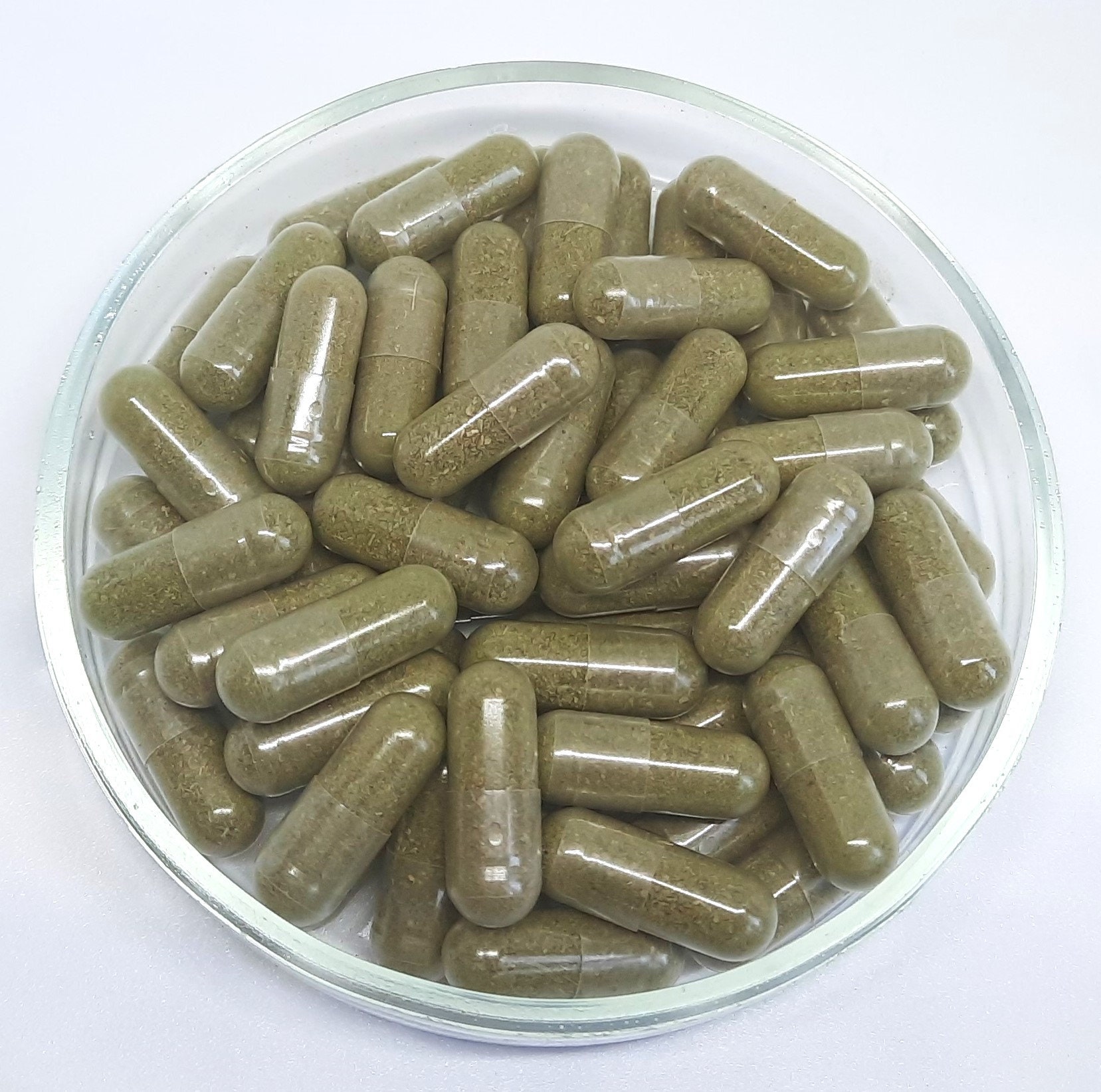
Capsules offer a standardized dose of menthol, ensuring that the patient receives a therapeutic amount of bioactive compounds consistently. These supplements are often combined with other carminatives like caraway or ginger to provide a synergistic effect on the digestive tract. When selecting a supplement, it is vital to look for high-quality, cold-pressed oils that maintain the integrity of the monoterpenes, as excessive heat during the extraction process can degrade the menthol and reduce its efficacy.
Antimicrobial and Antioxidant Properties
The chemical profile of menthol mint also renders it a potent antimicrobial agent. Studies have demonstrated its ability to inhibit the growth of various bacteria, including Staphylococcus aureus and Escherichia coli, as well as several strains of fungi and yeast like Candida albicans. This makes menthol mint an excellent natural preservative and a common ingredient in oral hygiene products, where it helps combat the bacteria responsible for plaque and halitosis.
From an antioxidant perspective, the flavonoids and phenolic acids found in the mint leaves help neutralize free radicals—unstable molecules that cause oxidative stress and cellular damage. Rosmarinic acid, in particular, is known for its potent anti-inflammatory and antioxidant activities. By reducing oxidative stress, menthol mint may contribute to long-term cellular health and help mitigate the chronic inflammation that underlies many modern diseases, including cardiovascular disease and certain metabolic disorders.
Safety, Dosage, and Practical Usage
While menthol mint is generally recognized as safe (GRAS), its potency requires informed usage. For culinary purposes or mild herbal tea, 1 to 2 teaspoons of dried leaves steeped in hot water is standard. However, for therapeutic purposes using essential oils or capsules, the dosage must be more precise. Typically, 0.2 to 0.4 mL of peppermint oil three times a day in enteric-coated capsules is recommended for IBS symptoms. Topical applications should usually involve diluting the pure essential oil in a carrier oil (such as coconut or jojoba) to a concentration of 3% to 5% to avoid skin irritation.
There are certain contraindications to keep in mind. Individuals with severe gastroesophageal reflux disease (GERD) should avoid high doses of menthol, as it can relax the sphincter between the esophagus and stomach, potentially worsening acid reflux. Furthermore, menthol should not be applied to the faces of infants or very young children, as it can trigger a rare but serious reflex that causes breathing difficulties. As with any potent botanical, consultation with a healthcare professional is advised, especially for those with pre-existing gallbladder conditions or those taking medications metabolized by the liver’s cytochrome P450 enzyme system.
Conclusion: The Enduring Legacy of Menthol Mint
Menthol mint is a testament to the power of plant-based medicine. Its ability to interact so precisely with human physiology—from the TRPM8 receptors in our skin to the calcium channels in our gut—highlights a profound biological connection between humans and the botanical world. Whether used as a simple cup of tea to soothe a restless stomach or as a highly engineered enteric-coated capsule for chronic illness, menthol mint offers a versatile and effective solution for a myriad of health concerns.
As research continues to uncover the epigenetic and molecular pathways influenced by menthol and its associated compounds, the role of this ancient herb in modern wellness is only set to expand. By integrating historical usage with rigorous scientific validation, we can appreciate menthol mint not just as a flavoring agent, but as a sophisticated therapeutic tool capable of enhancing human health and quality of life.
Disclaimer: For informational purposes only. Not medical advice. Consult a qualified healthcare professional before use.