The Comprehensive Guide to Lemna Minor: Exploring the Therapeutic Potential and Health Benefits of Common Duckweed
In the vast world of botanical medicine, some of the most potent therapeutic agents are found in the most humble of places. Lemna minor, commonly known as common duckweed or lesser duckweed, is a free-floating aquatic plant that belongs to the Lemnaceae family. Often dismissed as a mere pond weed or a nuisance to water features, this minuscule perennial is rapidly gaining recognition in the fields of nutraceuticals, pharmacology, and functional food science. Beyond its ecological role in water purification and as a primary food source for aquatic life, Lemna minor possesses a complex biochemical profile that offers profound implications for human health. This guide provides an exhaustive analysis of Lemna minor, detailing its botanical characteristics, historical context, chemical composition, and the emerging clinical evidence supporting its diverse health benefits.
Botanical Characteristics and Ecological Significance
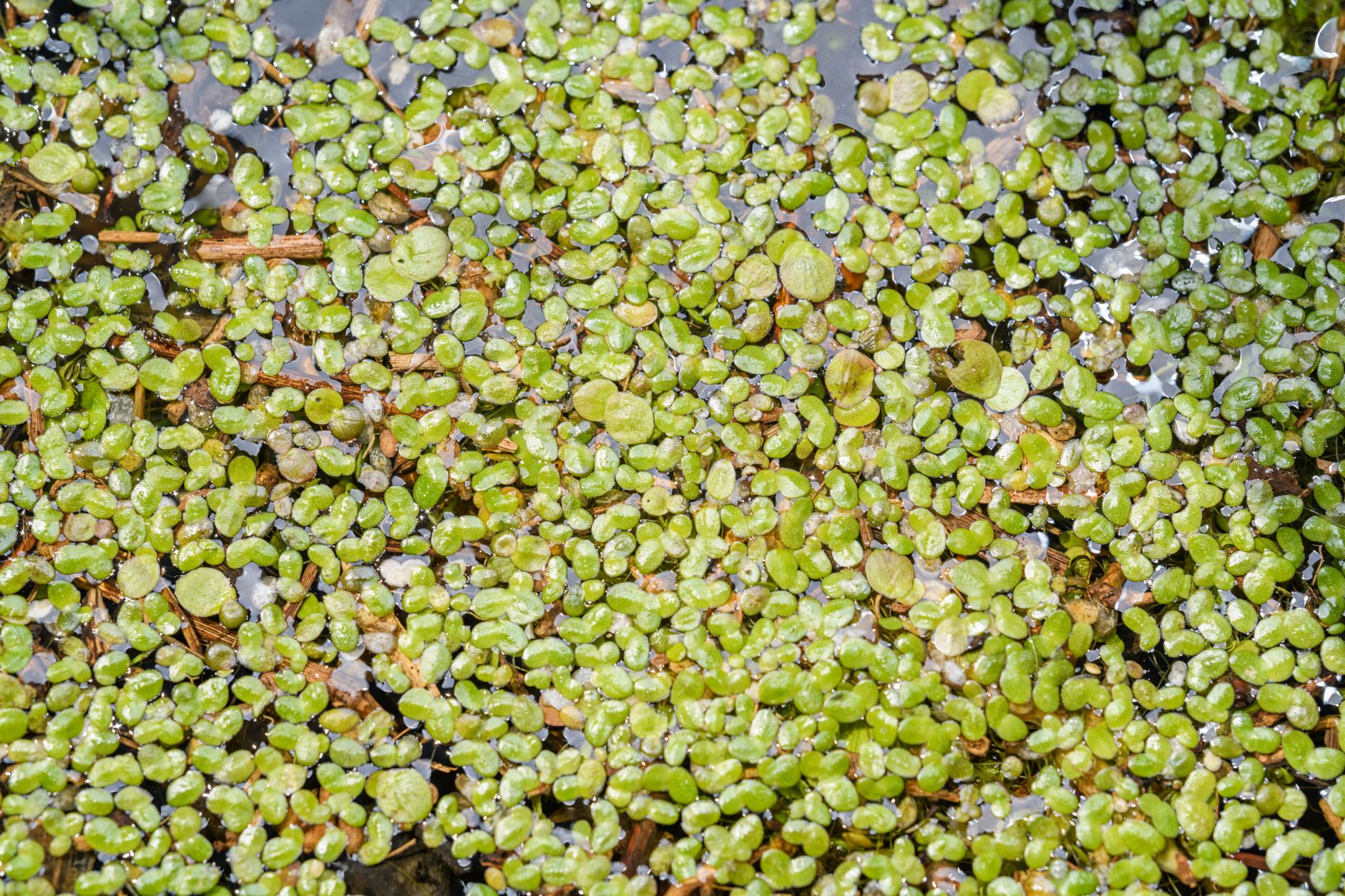
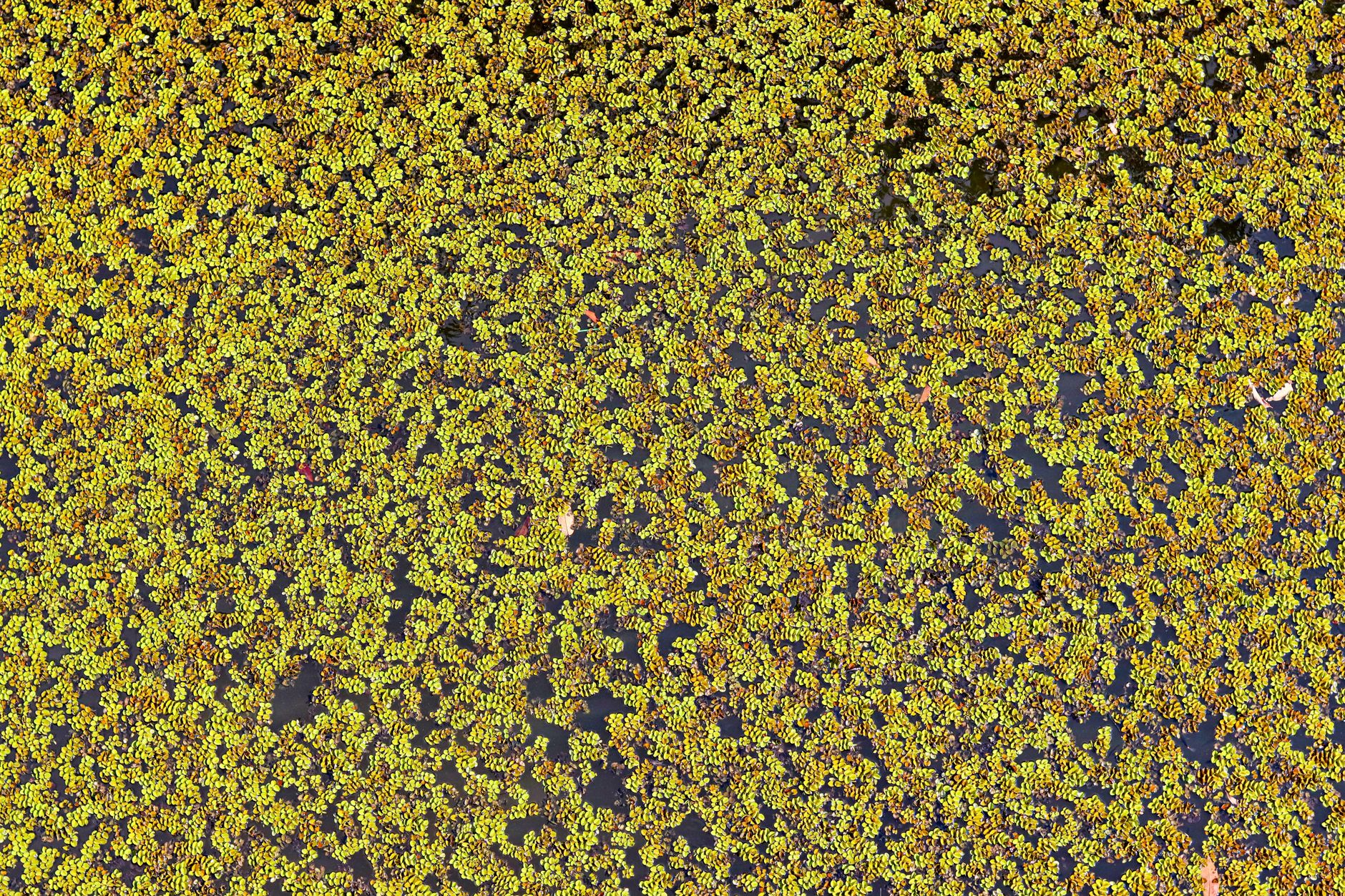
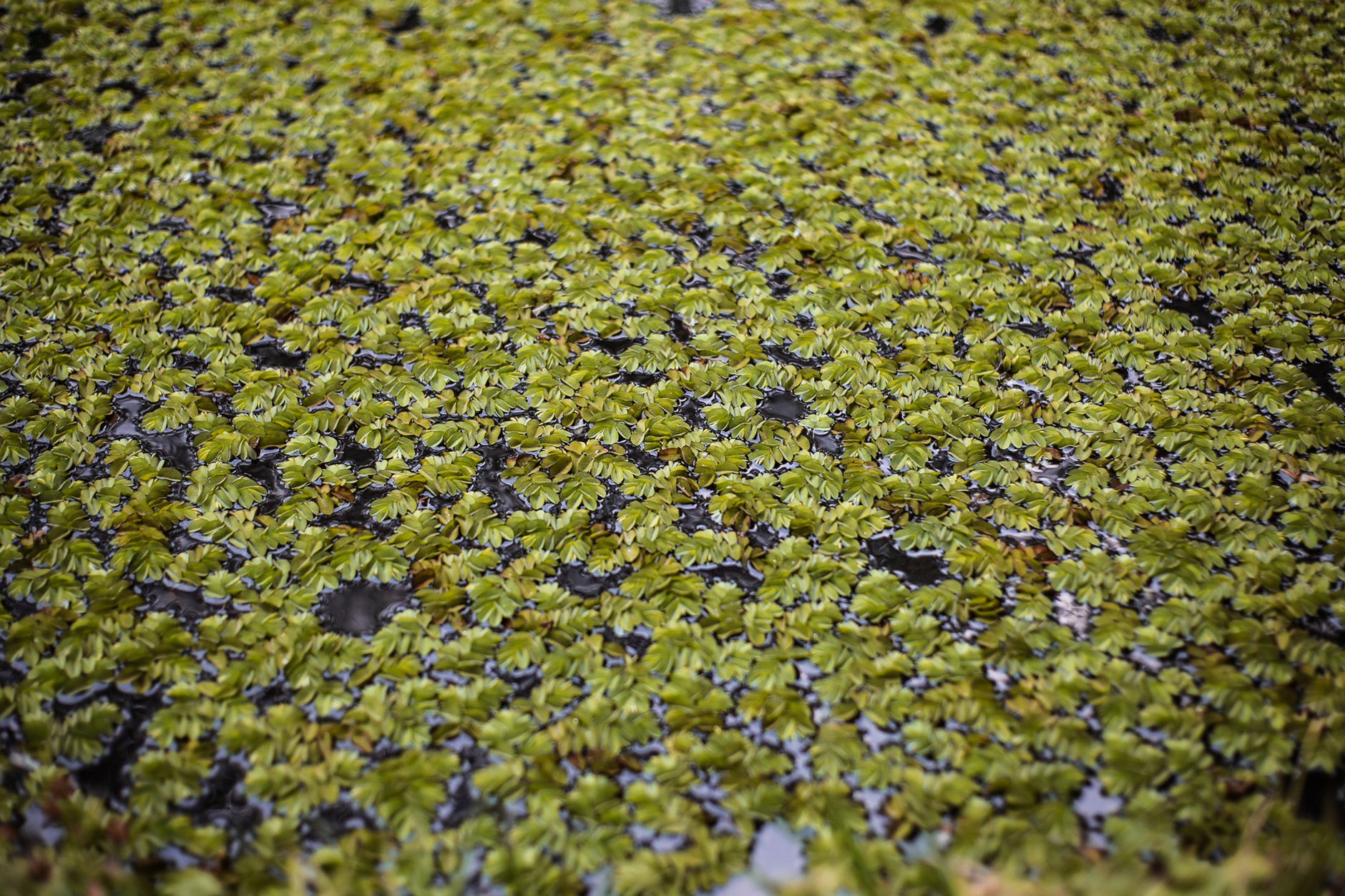
Lemna minor is characterized by its simplistic structure, consisting of a small, green, leaf-like structure known as a frond, which typically measures between 2 to 4 millimeters in length. From the underside of each frond, a single, translucent root descends into the water column to absorb nutrients. Unlike many terrestrial plants, Lemna minor lacks a traditional stem or complex vascular system, allowing it to dedicate its metabolic energy to rapid asexual reproduction via budding. This efficiency allows populations of duckweed to double their biomass in as little as 16 to 48 hours under optimal conditions.
From an ecological perspective, Lemna minor serves as a biological powerhouse. It is highly efficient at absorbing nitrogen, phosphorus, and even heavy metals from its environment, making it a critical component in bioremediation efforts. However, this same trait necessitates that any Lemna minor intended for human consumption must be cultivated in controlled, ultra-pure environments to ensure it does not contain concentrated toxins. When grown in pharmaceutical-grade conditions, it transforms from an environmental cleanser into a nutrient-dense superfood containing a full spectrum of essential amino acids, vitamins, and minerals.
Ethnobotanical History and Traditional Medicinal Uses
The utilization of Lemna minor in traditional medicine spans centuries and continents. In Traditional Chinese Medicine (TCM), it is known as “Fu Ping” and is traditionally used to address conditions related to “Wind-Heat.” Practitioners have long employed it to promote diaphoresis (sweating) to break fevers, treat skin eruptions such as measles or hives, and reduce edema. Its “cooling” energetic property is believed to vent the skin and release pathogens trapped in the superficial layers of the body.
In European folk medicine, particularly in Germany and Eastern Europe, Lemna minor has been a staple in homeopathic preparations. It was famously highlighted by various herbalists for its specific affinity for the mucous membranes of the upper respiratory tract. Historical texts describe its use in treating chronic rhinitis, nasal polyps, and sinusitis. The plant was often prepared as a fresh plant tincture or a dried herb infusion to alleviate congestion and restore the integrity of the respiratory lining. This historical context provides a foundation for modern investigations into its anti-inflammatory and immunomodulatory properties.
Detailed Phytochemical Profile and Bioactive Compounds
The health-promoting properties of Lemna minor are the direct result of its sophisticated chemical makeup. Modern chromatography and mass spectrometry have revealed a wealth of bioactive compounds that contribute to its pharmacological activity. One of the most striking features of Lemna minor is its high protein content, which can reach up to 40% of its dry weight. More importantly, this protein is “complete,” containing all nine essential amino acids in a ratio that closely mirrors the requirements of the human body, similar to animal-based proteins but with the benefits of a plant-based profile.
Beyond macronutrients, Lemna minor is rich in specialized metabolites, particularly flavonoids. It contains high concentrations of orientin, vitexin, and luteolin glycosides. These flavonoids are potent antioxidants that help neutralize reactive oxygen species (ROS) and protect cells from oxidative stress. Additionally, the plant is a significant source of phenolic acids, including caffeic acid and chlorogenic acid, which are known for their anti-inflammatory and metabolic-regulating effects. The presence of phytosterols, such as sitosterol and stigmasterol, further contributes to its ability to modulate lipid profiles and support cardiovascular health.
Mechanisms of Action: How Lemna Minor Supports Health
The therapeutic efficacy of Lemna minor is mediated through several biological pathways. Understanding these mechanisms is key to appreciating its role in modern wellness. One of the primary pathways is the inhibition of pro-inflammatory cytokines. Research suggests that extracts of Lemna minor can downregulate the expression of Interleukin-6 (IL-6) and Tumor Necrosis Factor-alpha (TNF-α), which are central drivers of chronic inflammation. By modulating the NF-κB signaling pathway, Lemna minor helps to quench the “inflammatory fire” that contributes to autoimmune conditions and chronic respiratory ailments.
Furthermore, Lemna minor exhibits significant antimicrobial and antifungal activity. This is largely attributed to its unique peptides and secondary metabolites that disrupt the cell membranes of pathogenic organisms. In the context of respiratory health, this action helps to clear secondary bacterial infections often associated with chronic sinusitis. Moreover, its high chlorophyll content acts as a natural internal deodorant and detoxifying agent, binding to toxins in the gastrointestinal tract and promoting their excretion, thereby supporting hepatoprotective (liver-protecting) functions.
Modern Clinical Perspectives on Lemna Minor
Recent scientific inquiries have expanded the scope of Lemna minor beyond its traditional uses. One of the most promising areas of research involves its role in metabolic health. Preliminary studies indicate that Lemna minor may help regulate blood glucose levels. The high fiber content combined with specific polyphenols appears to slow the absorption of carbohydrates and improve insulin sensitivity. This makes it a potential dietary adjunct for individuals managing Type 2 diabetes or metabolic syndrome.
Additionally, the plant’s high concentration of Vitamin B12 (in its bioactive form, depending on cultivation conditions) and Omega-3 fatty acids (specifically alpha-linolenic acid) makes it a valuable supplement for vegans and vegetarians. Unlike many other plant sources, the bioavailability of the nutrients in Lemna minor is remarkably high due to its low lignin content, which allows the human digestive system to easily break down the cell walls and absorb the internal compounds. This high nutrient density and digestibility are why it is often referred to as “the world’s most efficient vegetable.”
Lemna Minor as a Dietary Supplement
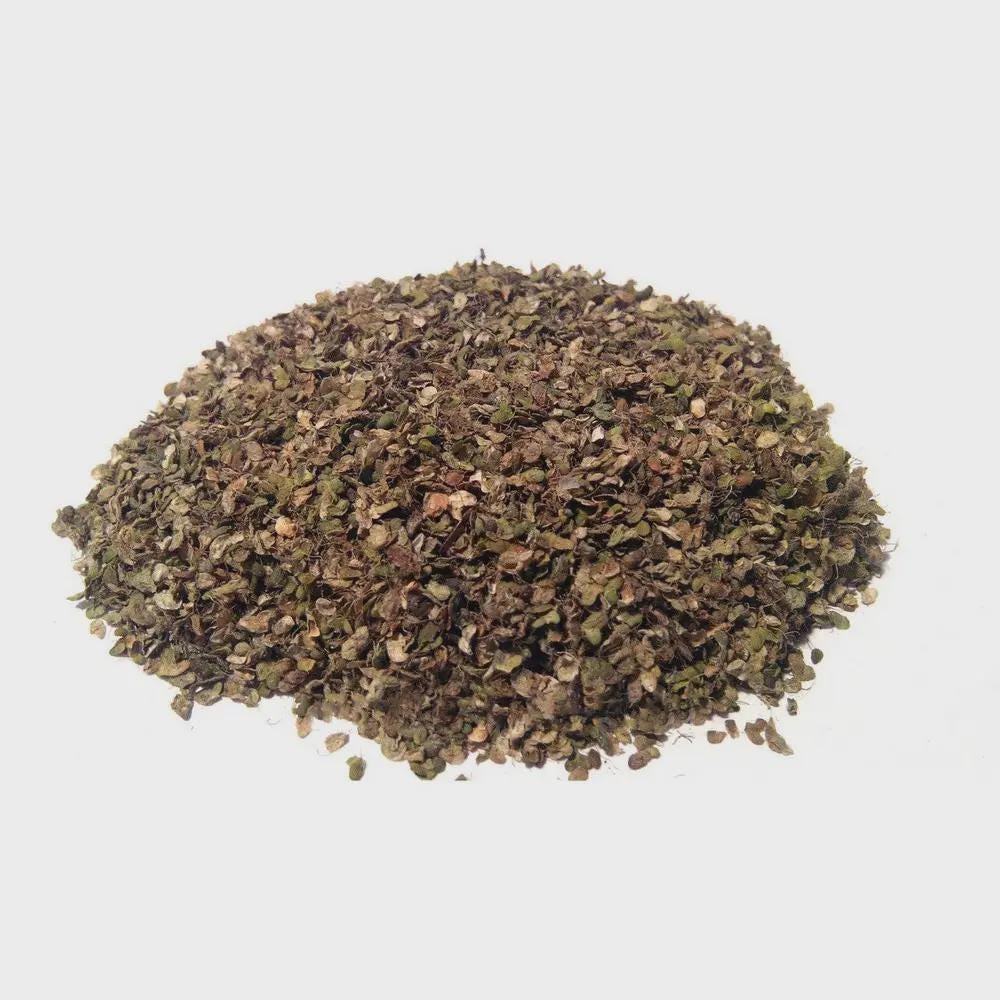
For those looking to integrate Lemna minor into their health regimen, supplements offer a convenient and standardized method of delivery. Modern processing techniques, such as freeze-drying or cold-press extraction, preserve the delicate enzymes and volatile compounds found in the fresh plant. Supplementation is particularly beneficial for those seeking targeted relief from upper respiratory issues or those looking to boost their overall protein and micronutrient intake through a whole-food source.
When selecting a Lemna minor supplement, it is crucial to ensure the product is sourced from controlled aquatic environments. Because duckweed is an efficient bio-accumulator, “wild-crafted” versions can be dangerous if the water source is contaminated. Professional-grade capsules and powders are typically produced using vertical farming or closed-loop hydroponic systems, ensuring the highest level of purity and potency. These supplements provide a concentrated dose of the plant’s flavonoids and proteins without the risk of environmental pollutants.

Practical Usage, Dosage, and Preparation
The application of Lemna minor varies depending on the desired health outcome. For chronic rhinitis or sinusitis, homeopathic dilutions (such as 3X or 6X) or mother tinctures are frequently used. A typical homeopathic approach involves taking several drops of the tincture in water three times daily. For those using Lemna minor as a nutritional powerhouse, the dried powder can be added to smoothies, juices, or soups. Because of its mild, slightly sweet, “water-cress” like flavor, it blends seamlessly into various culinary applications.
In terms of dosage for general health support, 500mg to 1500mg of dried Lemna minor powder daily is common. If using a concentrated extract, follow the manufacturer’s specific guidelines, as potency can vary. For topical applications, such as treating minor skin irritations or inflammation, a cold infusion of the dried herb can be applied as a compress. This versatility allows Lemna minor to serve as both a systemic internal treatment and a localized external remedy.
Safety, Side Effects, and Contraindications
Lemna minor is generally considered safe for most individuals when consumed in appropriate amounts and sourced from clean environments. There are no well-documented cases of toxicity associated with purified Lemna minor. However, as with any botanical supplement, certain precautions should be observed. Individuals with known allergies to aquatic plants or those with severe hay fever should start with a very low dose to monitor for potential allergic reactions.
Due to its high Vitamin K content, individuals taking blood-thinning medications (such as Warfarin) should consult with their healthcare provider, as Vitamin K plays a significant role in blood coagulation. Pregnant or nursing women should also seek professional medical advice before introducing any new herbal supplement into their routine. Finally, it is worth reiterating the importance of sourcing: never consume duckweed harvested from stagnant ponds or unknown urban water sources, as these may contain harmful bacteria, parasites, or heavy metals.
Conclusion: The Future of Lemna Minor in Modern Wellness
Lemna minor represents a bridge between ancient herbal wisdom and future-forward nutritional science. As we move toward a more sustainable and plant-based global food system, the role of Lemna minor will only grow in importance. Its ability to provide high-quality protein, potent antioxidants, and specific therapeutic benefits for the respiratory and metabolic systems makes it a standout candidate in the world of natural medicine. Whether used as a homeopathic remedy for stubborn sinus issues or as a daily superfood supplement for overall vitality, Lemna minor proves that even the smallest plants can offer the greatest health transformations. By incorporating this “water lens” into our wellness strategies, we tap into a source of vitality that is as ecologically responsible as it is biologically potent.
Disclaimer: For informational purposes only. Not medical advice. Consult a qualified healthcare professional before use.