
An Exhaustive Deep-Dive into Grindelia: The Comprehensive Guide to Gumweed’s Therapeutic Potential
Grindelia, commonly known as “Gumweed” or “Rosinweed,” represents a genus of approximately 30 to 40 species of flowering plants in the aster family, Asteraceae. Native primarily to the arid regions of North and South America, this resilient herb has carved a permanent niche for itself in the annals of botanical medicine. Often characterized by its striking yellow daisy-like flowers and a distinctively sticky, resinous coating that envelopes its flower heads and leaves, Grindelia is far more than a roadside wildflower. It is a complex biochemical factory, producing a unique array of secondary metabolites that have been utilized for centuries to treat a myriad of respiratory, dermatological, and inflammatory conditions. As modern pharmacology continues to investigate the synergy of plant-based compounds, Grindelia has emerged as a subject of intense study, particularly for its mucolytic, antispasmodic, and anti-inflammatory properties.
In this definitive guide, we will explore the multifaceted nature of the Grindelia herb. We will traverse its botanical origins, dissect its intricate chemical profile, and analyze the physiological mechanisms that allow it to provide relief for chronic respiratory ailments and acute skin irritations. Whether you are an herbalist, a healthcare professional, or a wellness enthusiast, understanding the depth of Grindelia’s therapeutic window is essential for appreciating its role in holistic health.
Botanical Overview and Morphological Characteristics
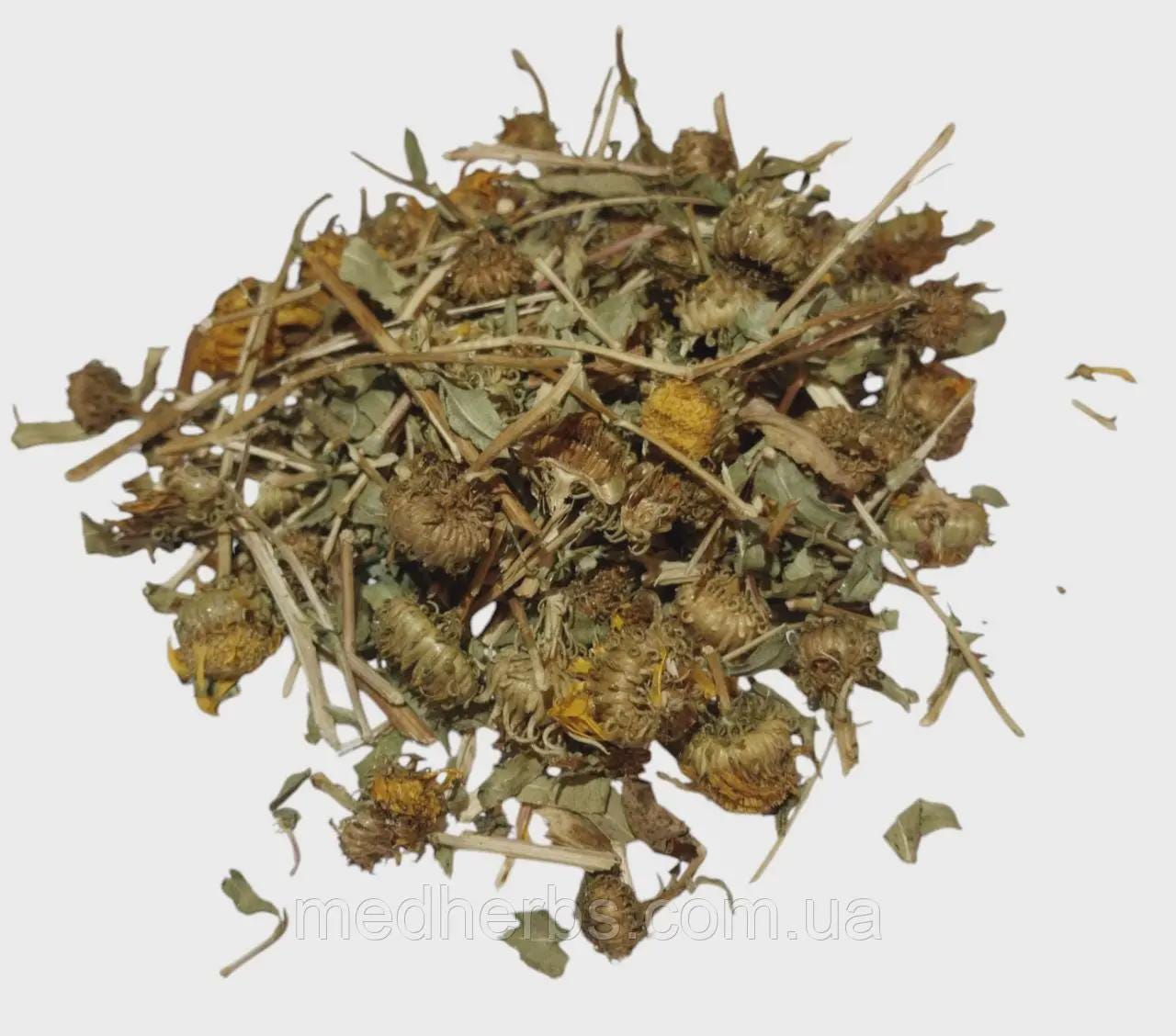
The genus Grindelia is most frequently represented in herbal medicine by species such as Grindelia camporum (Great Valley Gumweed), Grindelia squarrosa (Curly-cup Gumweed), and Grindelia robusta. These plants are typically perennial herbs or shrubs that thrive in dry, open habitats, including prairies, coastal marshes, and disturbed soils. The most defining feature of the plant—and the source of its common name—is the balsamic resin that coats the unopened flower buds. This sticky secretion serves as an evolutionary defense mechanism, protecting the plant from desiccation in harsh sun and deterring herbivorous insects.
The leaves of the Grindelia plant are usually alternate, often clasping the stem, and possess serrated or tooth-like edges. The inflorescence consists of bright yellow ray and disk florets. Below the flower head, the phyllaries (the bracts surrounding the base of the flower) are often recurved or “hooked,” especially in Grindelia squarrosa. From a pharmacological perspective, the aerial parts—specifically the leaves and the flowering tops—are the primary portions used for extraction. The concentration of resin is highest just before the flowers fully bloom, which is the optimal time for harvesting to ensure maximum potency of the bioactive constituents.

Historical Context and Traditional Ethnobotanical Uses
The history of Grindelia use is deeply rooted in the indigenous cultures of North America. For centuries, tribes such as the Chumash, Costanoan, and Shoshone recognized the plant’s ability to soothe “labored breathing” and skin afflictions. The Chumash people, for instance, utilized a decoction of the leaves as a wash for poison ivy and other dermatological eruptions. Internally, it was brewed into a tea to treat bronchial congestion and what we now recognize as symptoms of asthma and bronchitis.
Upon the arrival of European settlers, the knowledge of Grindelia’s efficacy was quickly adopted and integrated into Western medical practices. By the 19th century, Grindelia was officially recognized in the United States Pharmacopeia (USP) from 1882 to 1926. It was highly valued as a “sedative-expectorant,” particularly for patients suffering from spasmodic asthma and whooping cough. Its transition from a traditional indigenous remedy to an officially sanctioned pharmaceutical ingredient highlights its profound impact on early American medicine. Even after the advent of synthetic bronchodilators, Grindelia has remained a staple in European phytomedicine, particularly in Germany and France, where it is still frequently included in cough syrups and respiratory teas.
The Chemical Composition: Unveiling the Bioactive Compounds
The therapeutic efficacy of Grindelia is attributed to a complex mixture of secondary metabolites found within its resinous secretions. The primary bioactive components are labdane-type diterpene acids, most notably grindelic acid. These resins constitute up to 20% of the plant’s dry weight in some species. Grindelic acid and its derivatives are thought to be responsible for the plant’s significant anti-inflammatory and antimicrobial actions. These compounds work by modulating inflammatory pathways, potentially inhibiting the production of leukotrienes and prostaglandins that contribute to bronchial constriction and skin inflammation.
In addition to resin acids, Grindelia contains a diverse profile of flavonoids (such as quercetin and kaempferol), which provide potent antioxidant support and help stabilize mast cells, thereby reducing allergic responses. The presence of saponins contributes to the herb’s expectorant action by irritating the gastric mucosa, which reflexively stimulates the production of thinner, more fluid secretions in the respiratory tract. Essential oils, tannins, and phytosterols also play supporting roles, enhancing the overall synergistic effect of the herb. This multi-compound approach is what distinguishes whole-plant Grindelia extracts from isolated synthetic drugs, as the various constituents work together to balance efficacy with a reduction in potential side effects.

Grindelia for Respiratory Health: Mechanisms of Action
The most prominent use of Grindelia in modern herbalism is for the management of respiratory conditions characterized by “stuck” mucus and spasmodic coughing. The herb exerts its influence through three primary mechanisms: expectoration, bronchodilation, and direct antimicrobial activity.
As an expectorant, Grindelia helps to liquefy thick, tenacious phlegm that obstructs the airways. This is particularly beneficial in cases of chronic bronchitis where the patient finds it difficult to clear the lungs. The resinous compounds act as a mild irritant to the mucous membranes, triggering a “productive” cough that efficiently removes debris from the bronchial tree. Simultaneously, Grindelia possesses antispasmodic properties. It acts on the smooth muscles of the bronchi, helping to relax the “tightness” associated with asthma and nervous coughs. This dual action—thinning the mucus while relaxing the airway—makes it a unique tool for treating various stages of respiratory distress.
Furthermore, the antimicrobial properties of the resin acids offer an added layer of protection against secondary bacterial infections that often follow viral respiratory illnesses. By creating an environment that is less hospitable to pathogens, Grindelia may help shorten the duration of respiratory infections and prevent complications. It is often combined with other herbs like Thyme or Mullein to create a comprehensive respiratory tonic.
Dermatological Applications: Relief for Poison Ivy and Eczema
Beyond the lungs, Grindelia is a powerhouse for skin health. Its most famous topical application is for the treatment of Rhus dermatitis—the allergic reaction caused by contact with poison ivy, poison oak, or poison sumac. The resins in Grindelia contain compounds that can help neutralize the urushiol (the oily allergen in poison ivy) or at least mitigate the body’s inflammatory response to it. When applied as a wash or a topical extract, it provides immediate relief from itching and helps to dry up the weeping blisters associated with the rash.
The anti-inflammatory and sedative qualities of Grindelia also make it useful for other skin conditions, such as eczema, psoriasis, and insect bites. Its tannins provide an astringent effect, which helps to tone the skin and promote the healing of minor wounds. Its ability to reduce redness and swelling is attributed to its inhibition of inflammatory mediators at the site of application. For those with sensitive skin prone to allergic reactions, Grindelia serves as a natural alternative to hydrocortisone creams, offering a more holistic pathway to skin restoration.
Modern Preparations, Supplements, and Extraction Methods
Today, Grindelia is available in several forms, each suited for specific therapeutic goals. Because the primary active constituents (resins and diterpenes) are not highly water-soluble, traditional teas or decoctions may not be the most efficient way to capture the herb’s full potency. Instead, alcohol-based tinctures or fluid extracts are generally preferred, as the ethanol effectively dissolves the resinous compounds.
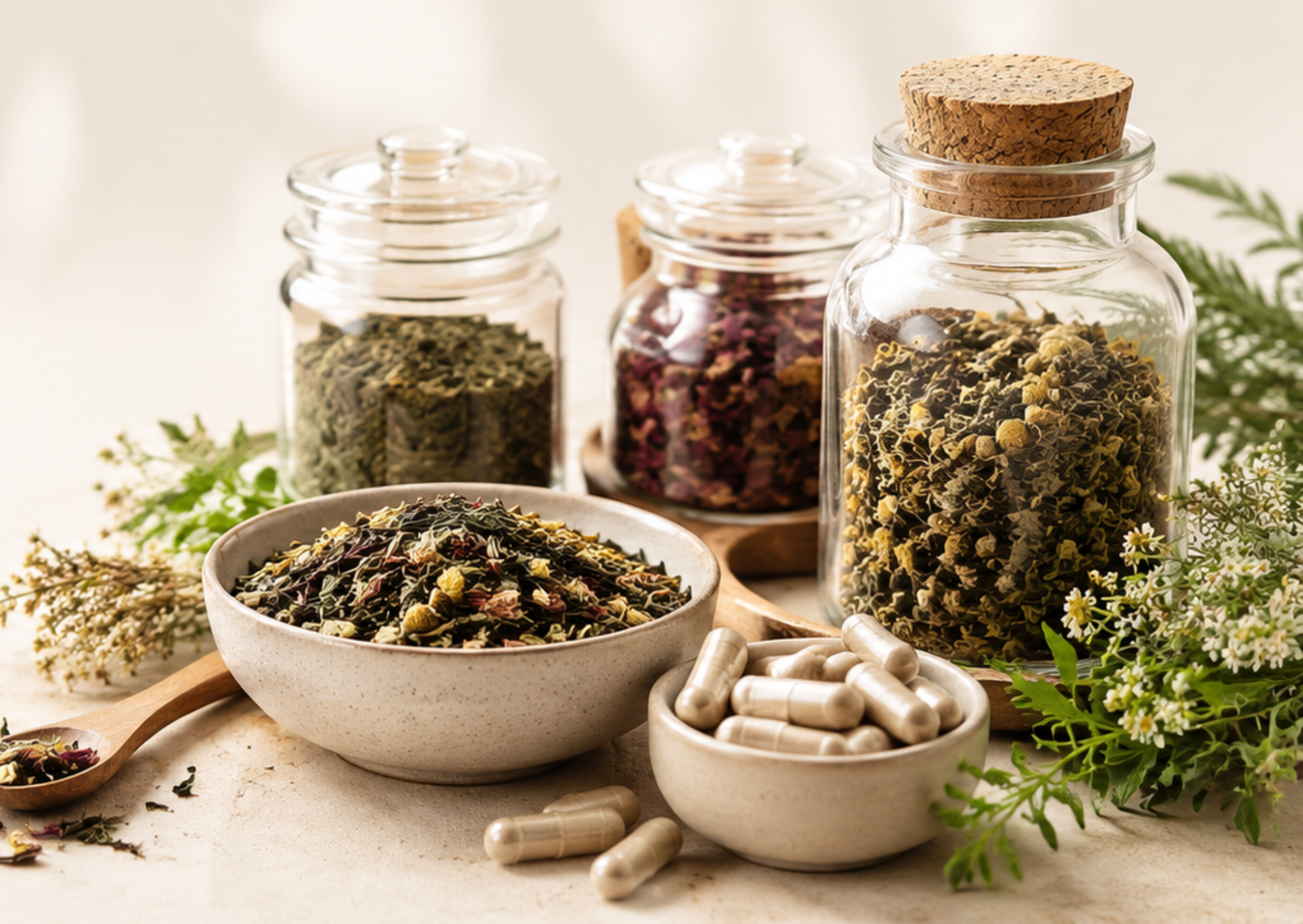
For those who prefer a standardized approach, Grindelia capsules are also widely available. These often contain dried, powdered herb or a concentrated dry extract. Capsules are particularly convenient for individuals using Grindelia as a long-term support for chronic conditions like asthma or recurring bronchitis, as they provide a consistent dosage without the strong, somewhat bitter taste of the liquid extract. When choosing a supplement, it is vital to look for products that specify the species (e.g., Grindelia camporum) and ensure the manufacturer adheres to high-quality harvesting and processing standards.

Dosage Guidelines and Practical Usage
Determining the appropriate dosage of Grindelia depends on the form being used and the severity of the condition. For a standard 1:5 tincture (using 60-70% ethanol), a typical dose is 1 to 2 milliliters taken three times daily. If using the dried herb in a tea, 2 to 4 grams of the herb steeped in hot water is a common recommendation, though as mentioned, the resin may not fully extract in water alone. Adding a small amount of honey or glycerin can help emulsify the resins and make the tea more palatable.
For topical applications, a fluid extract can be diluted with water (typically 1 part extract to 10 parts water) and used as a soak or a wash for irritated skin. Alternatively, Grindelia can be infused into oil and made into salves for chronic skin issues. It is always advisable to start with a lower dose to assess individual sensitivity, especially for those with known allergies to other members of the Asteraceae family (like ragweed or daisies).
Safety Profile, Contraindications, and Precautions
Grindelia is generally considered safe when used appropriately, but like all potent medicinal herbs, it requires respect and caution. Due to its high resin content, excessive doses may cause irritation to the kidneys or the digestive tract. Therefore, individuals with pre-existing kidney disease or chronic renal failure should avoid using Grindelia without strict medical supervision. Furthermore, its potential to stimulate the gastric mucosa means those with active stomach ulcers or gastritis should use it with care.
As with many herbal remedies, there is insufficient data regarding the safety of Grindelia during pregnancy and breastfeeding; consequently, it is generally recommended to avoid use during these times. Patients taking pharmaceutical medications for heart conditions should also exercise caution, as very high doses of Grindelia have historically been noted to have a slowing effect on the heart rate (bradycardia). Always consult with a qualified healthcare provider before integrating Grindelia into a treatment regimen, particularly if you are taking other prescription medications.

Conclusion: The Future of Grindelia in Integrative Medicine
In an era where respiratory health has become a global priority, the rediscovery of traditional botanical allies like Grindelia is more pertinent than ever. Its unique ability to address both the physical obstruction of mucus and the physiological distress of bronchial spasms makes it a versatile tool in the herbalist’s apothecary. Beyond its respiratory benefits, its proven track record in treating stubborn skin conditions like poison ivy reaffirms its value as a multi-purpose medicinal plant.
As research into the molecular mechanisms of resin acids and flavonoids progresses, we are likely to see Grindelia gain more recognition within integrative medicine frameworks. By bridging the gap between ancient indigenous wisdom and modern pharmacological analysis, Grindelia stands as a testament to the enduring power of nature’s pharmacy. Whether utilized as a targeted extract for an acute cough or a soothing wash for irritated skin, this “gumweed” remains a potent, reliable, and fascinating herb for the modern age.
Disclaimer: For informational purposes only. Not medical advice. Consult a qualified healthcare professional before use.