

Introduction to Marsh Cinquefoil: Nature’s Hidden Powerhouse
Marsh Cinquefoil, scientifically known as Comarum palustre (formerly Potentilla palustris), is a perennial herbaceous plant that stands as one of the most respected yet underrated treasures of the northern botanical world. Often referred to by names such as Purple Marshlocks, Bog Strawberry, or “Sabelnik” in Eastern Europe, this plant thrives in the acidic, damp environments of bogs, marshes, and lake margins across North America, Europe, and Asia. While many wetland plants are overlooked, Marsh Cinquefoil has long been held in high esteem by herbalists and traditional healers for its profound restorative properties, particularly concerning the musculoskeletal system.
The name “Cinquefoil” is derived from the French “cinque feuilles,” meaning five leaves, referencing the plant’s characteristic palmate foliage. However, it is the subterranean portion of the plant—the long, creeping, woody rhizomes—that contains the highest concentration of therapeutic compounds. These rhizomes have been utilized for centuries to combat chronic inflammation, alleviate joint pain, and support the body’s natural healing processes. As modern science begins to catch up with traditional wisdom, a wealth of research is uncovering the specific bioactive constituents that make Marsh Cinquefoil a formidable ally in the management of degenerative conditions.
Botanical Characteristics and Ecological Significance
Understanding the habitat and morphology of Marsh Cinquefoil provides insight into its hardy nature. The plant is characterized by its sprawling habit, with reddish-brown stems that can reach up to 60 centimeters in length. The leaves are typically composed of five to seven leaflets, which are serrated and glaucous on the underside. Perhaps the most striking feature is its star-shaped, dark purple or maroon flowers, which bloom in the mid-summer months, providing a stark contrast to the verdant greens of the wetlands it inhabits.
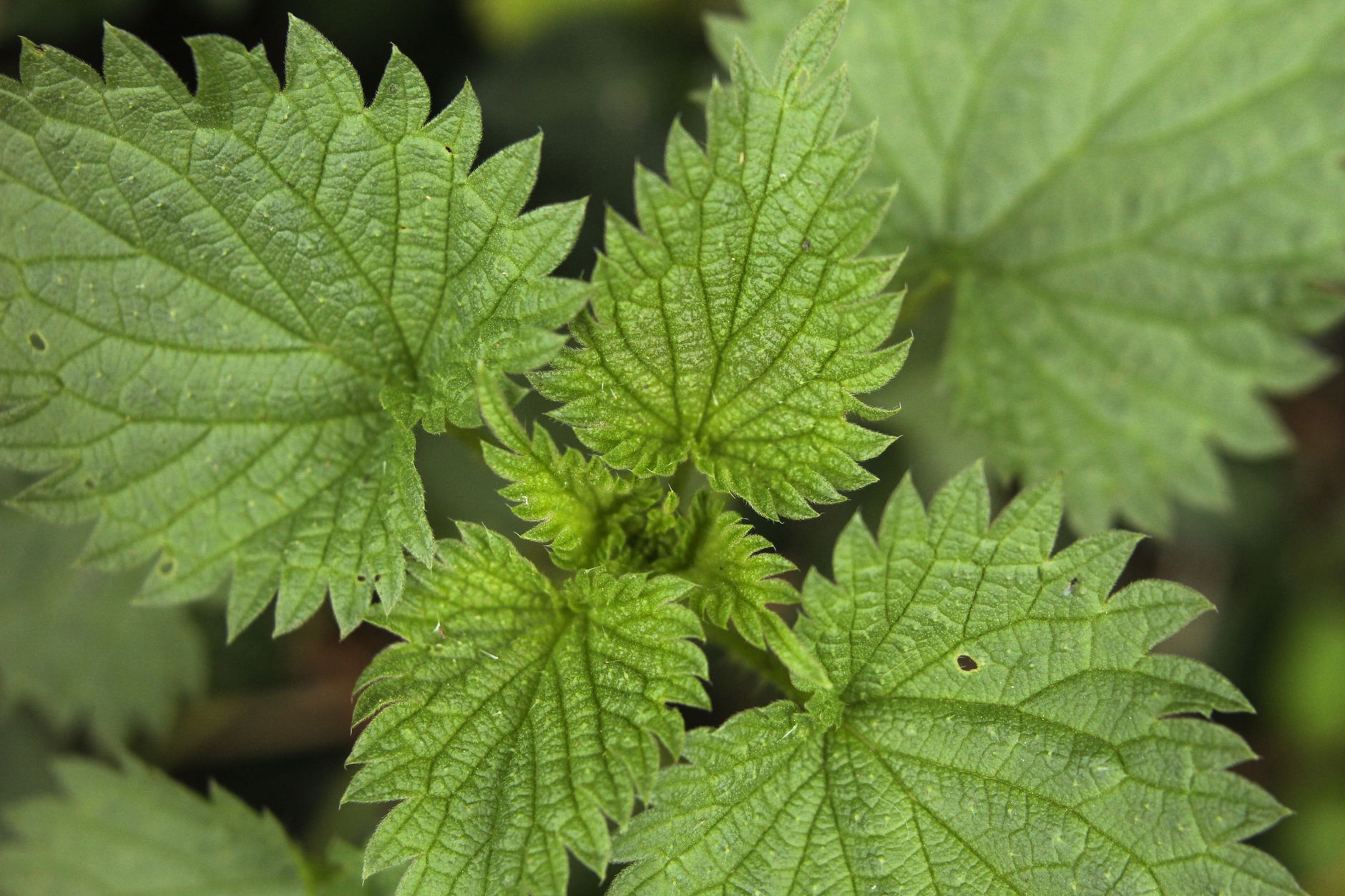
The ecological role of Marsh Cinquefoil is vital; its extensive rhizome network helps stabilize soggy soil and provides cover for various wetland fauna. From a medicinal perspective, the environment in which it grows—saturated with water and often lacking in oxygen—forces the plant to produce a unique array of secondary metabolites to survive and thrive. These evolutionary adaptations translate into the potent antioxidants and anti-inflammatory agents that humans have harvested for generations.
The Complex Phytochemistry of Marsh Cinquefoil
The therapeutic efficacy of Marsh Cinquefoil is rooted in its incredibly complex chemical profile. Unlike many herbs that rely on a single dominant compound, the benefits of Comarum palustre arise from a synergistic matrix of polyphenols, tannins, and essential oils. Extensive phytochemical analyses have revealed that the plant is particularly rich in flavonoids, such as quercetin and kaempferol, which are renowned for their ability to neutralize free radicals and modulate the immune response.
One of the most significant groups of compounds found in Marsh Cinquefoil is the condensed tannins (proanthocyanidins). These molecules are highly effective at cross-linking collagen fibers, which helps to strengthen connective tissues and reduce the permeability of blood vessels. This “astringent” property is not merely topical; when systemic, it aids in the repair of cartilage and the reduction of internal swelling. Furthermore, the presence of phenolic acids, including caffeic and chlorogenic acids, contributes to the plant’s overall anti-inflammatory and antimicrobial profile.
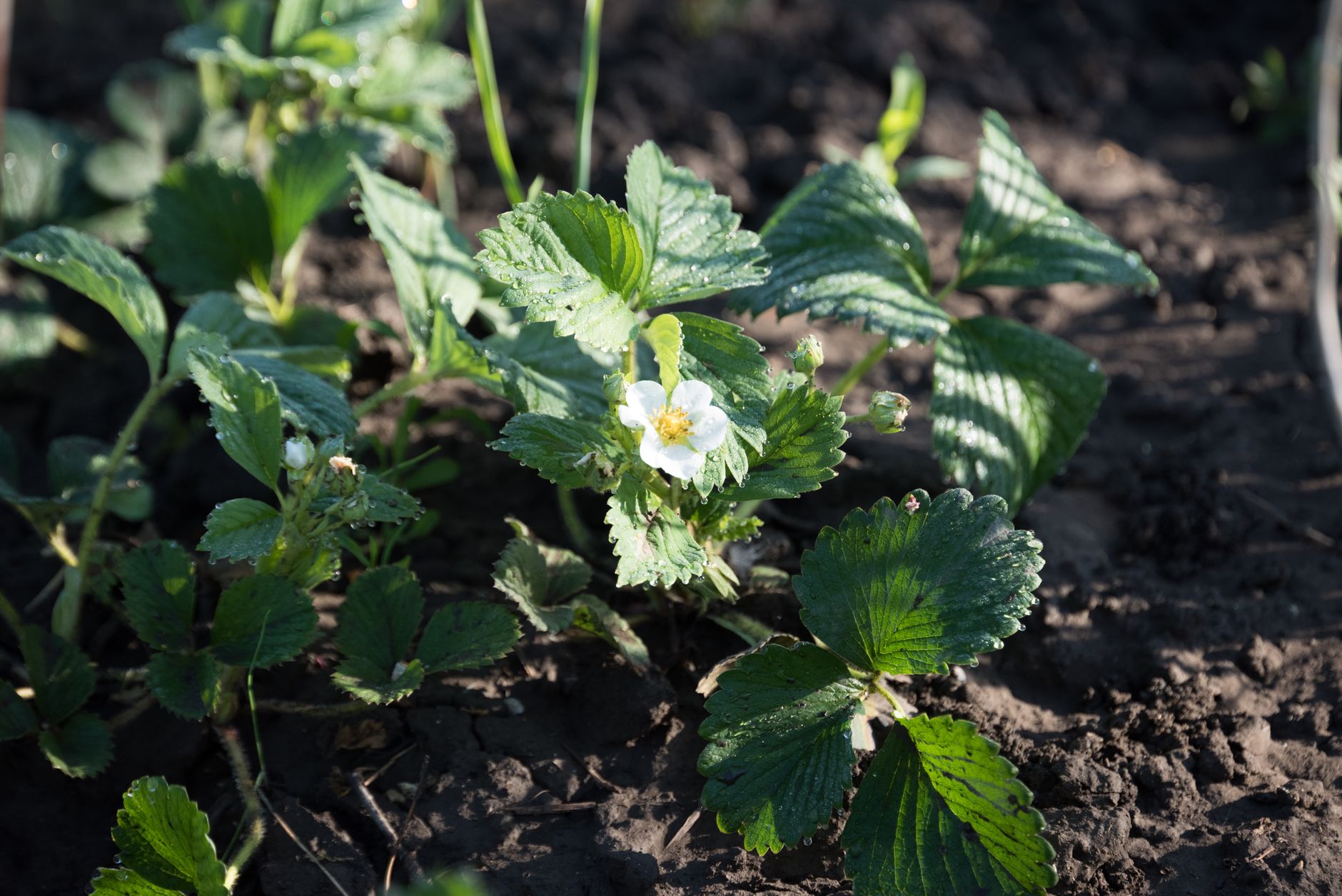
Research has also identified specific triterpenoids within the rhizomes. These compounds are of particular interest to researchers studying autoimmune and inflammatory diseases because they appear to inhibit the production of pro-inflammatory cytokines, such as Tumor Necrosis Factor-alpha (TNF-α) and various interleukins. By suppressing these signaling molecules, Marsh Cinquefoil acts as a natural biological response modifier, potentially reducing the severity of chronic inflammatory cascades without the harsh side effects often associated with synthetic pharmaceuticals.
Historical Context and Traditional Medicine
The history of Marsh Cinquefoil is deeply intertwined with the folk medicine traditions of Northern Europe and Siberia. In these regions, it was often referred to as “The Sabelnik,” a name derived from the word for “saber.” This was a poetic reference to its ability to “cut through” diseases, particularly those that affected mobility and vitality. Traditional healers would harvest the rhizomes in late autumn, when the plant’s energy was concentrated underground, and prepare potent decoctions or alcohol-based tinctures.
In addition to its use for joint issues, historical records show that Marsh Cinquefoil was employed as a remedy for gastrointestinal distress. Its high tannin content made it an effective treatment for diarrhea and internal hemorrhaging. In Scandinavian traditions, the herb was occasionally used to treat scurvy and other vitamin deficiencies due to its vitamin C content, and topical washes were applied to slow-healing wounds and skin ulcers. This multifaceted history demonstrates a deep understanding of the plant’s systemic benefits long before the advent of modern pharmacology.
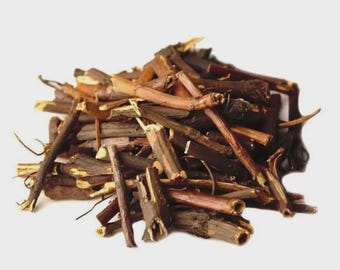
The dried herb remains a staple in many traditional apothecary kits today. When dried correctly, the rhizome retains its potency for several years, allowing for the year-round preparation of healing teas and compresses. The process of drying actually concentrates the polyphenolic content, making the dried form a highly effective way to consume the herb’s active components in a controlled manner.
Marsh Cinquefoil for Joint Health and Osteoarthritis
The most prominent modern application of Marsh Cinquefoil is in the treatment of osteoarthritis, rheumatoid arthritis, and other degenerative joint diseases. The mechanism of action is twofold: analgesic and regenerative. Unlike many over-the-counter painkillers that simply mask the sensation of pain, the bioactive compounds in Marsh Cinquefoil work to address the underlying causes of joint discomfort. By inhibiting cyclooxygenase (COX-2) enzymes and lipoxygenase (LOX) pathways, the herb effectively reduces the production of prostaglandins that cause pain and swelling.
Moreover, Marsh Cinquefoil has shown promise in protecting the synovial fluid—the lubricant that cushions joints. Chronic inflammation often leads to the breakdown of this fluid, resulting in bone-on-bone friction and increased damage. The antioxidant properties of the herb protect the synovial cells from oxidative stress, helping to maintain the viscosity and health of the joint capsule. For individuals suffering from chronic stiffness, consistent use of Marsh Cinquefoil can lead to improved range of motion and a significant reduction in the “morning stiffness” often associated with arthritis.
Support for Connective Tissue and Cartilage
Beyond its anti-inflammatory effects, Marsh Cinquefoil contributes to the structural integrity of the body. The plant’s high concentration of minerals and specific polyphenols supports the synthesis of collagen, which is the primary protein found in cartilage, tendons, and ligaments. In cases of sports injuries or age-related wear and tear, this support is crucial for the timely repair of micro-tears in the connective tissue. It is often recommended as a complementary therapy alongside physical therapy to accelerate recovery times and prevent the recurrence of chronic inflammation in previously injured areas.
Modern Supplementation: Capsules and Extracts
As the demand for natural alternatives to NSAIDs (non-steroidal anti-inflammatory drugs) grows, Marsh Cinquefoil has become increasingly available in standardized supplement forms. While traditional teas and tinctures are still highly effective, capsules offer a convenient way to ensure a consistent dosage of the plant’s active constituents. Modern extraction techniques, such as CO2 extraction or hydro-ethanolic processing, allow manufacturers to isolate the specific fractions of the rhizome that provide the greatest anti-inflammatory benefits.

When choosing a Marsh Cinquefoil supplement, it is important to look for products that utilize the rhizome rather than just the aerial parts of the plant. High-quality capsules often specify the concentration of flavonoids or tannins to ensure potency. For those managing chronic conditions, capsules provide a mess-free and taste-neutral option that can be easily integrated into a daily wellness regimen. Many practitioners suggest a “loading dose” followed by a lower maintenance dose to help the body reach a therapeutic threshold for managing systemic inflammation.
Digestive and Metabolic Benefits
While joint health is the primary focus, the secondary benefits of Marsh Cinquefoil should not be overlooked. The astringent nature of its tannins makes it an excellent tonic for the digestive tract. It can help tone the mucosal lining of the intestines, making it beneficial for those with “leaky gut” or inflammatory bowel conditions. By reducing low-grade inflammation within the gut, the herb may also indirectly support the immune system, as a large portion of the body’s immune cells reside in the digestive tract.
Preliminary studies have also suggested that the antioxidant profile of Marsh Cinquefoil may have a positive impact on metabolic health. By reducing oxidative stress in the liver and improving the body’s antioxidant status, it may assist in the detoxification process and help regulate lipid metabolism. While more human clinical trials are needed in this area, the foundational science points to a plant that supports the body’s overall homeostasis rather than just targeting a single symptom.
Usage Guidelines, Dosage, and Preparation
To maximize the benefits of Marsh Cinquefoil, it is essential to understand the proper methods of preparation and dosing. For those using the dried herb, a decoction is the preferred method for the rhizomes. This involves simmering the woody roots in water for 15-20 minutes to break down the tough cellular structures and release the tannins and minerals. A standard ratio is one teaspoon of dried root per cup of water, consumed two to three times daily.
If using a tincture (an alcohol-based extract), the dosage is typically lower but more concentrated. A common recommendation is 20-30 drops diluted in a small amount of water, taken three times a day. Tinctures are often favored for their rapid absorption into the bloodstream. For topical use, Marsh Cinquefoil can be infused into oils or salves and applied directly to painful joints or muscles, providing localized relief through the skin.
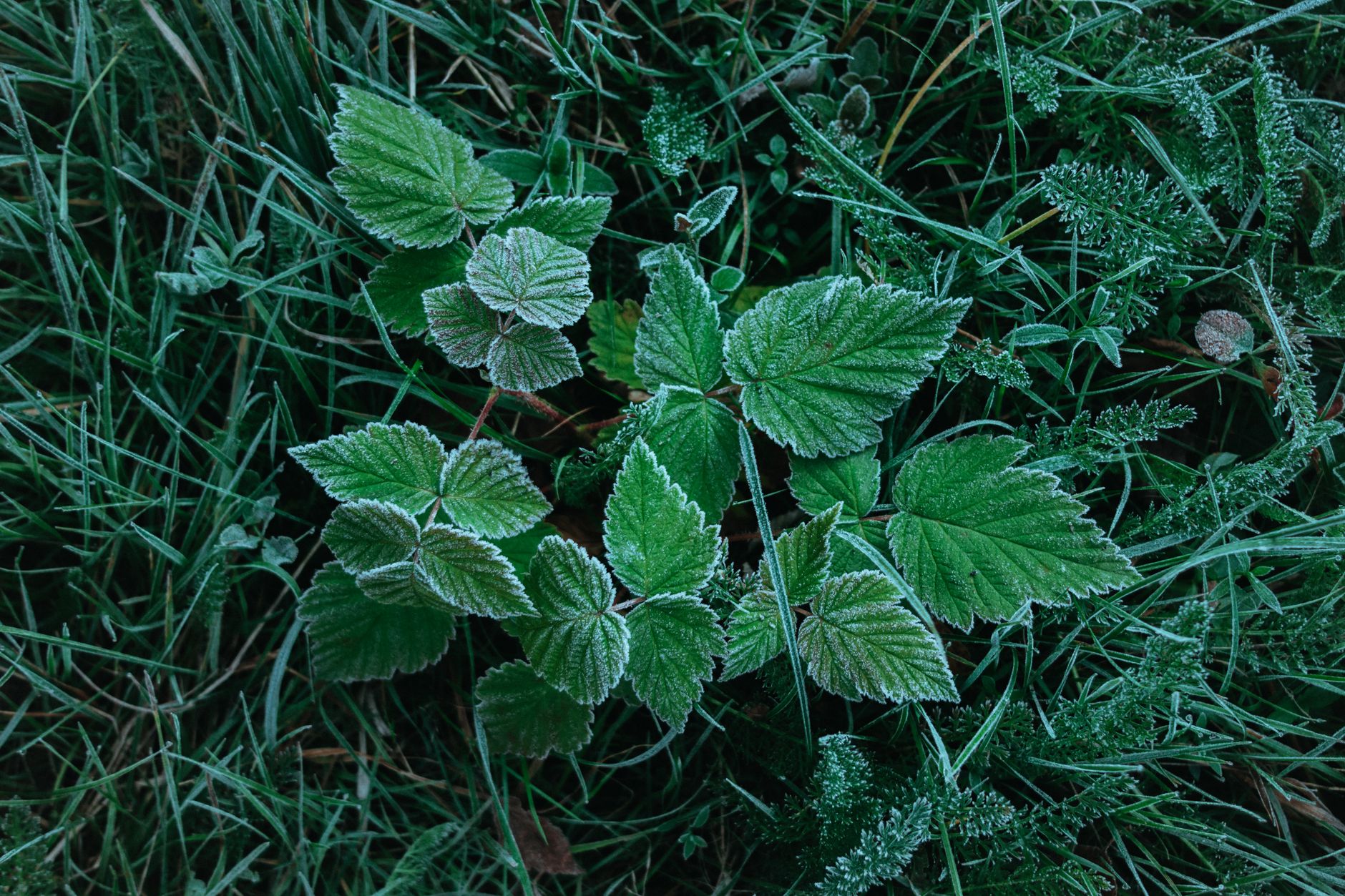
Safety is paramount when using any herbal supplement. Marsh Cinquefoil is generally considered safe for most adults when used appropriately. However, due to its high tannin content, excessive consumption may cause minor stomach upset in sensitive individuals. It is also important to note that because it can influence the immune system and blood circulation, individuals on blood-thinning medications or those with autoimmune disorders should consult with a healthcare professional before starting a regimen. Pregnant and breastfeeding women are generally advised to avoid the herb due to a lack of comprehensive safety data for these specific groups.
Conclusion: The Future of Marsh Cinquefoil in Integrative Health
Marsh Cinquefoil represents a bridge between ancient herbal wisdom and modern integrative medicine. Its profound ability to modulate inflammation, protect joint integrity, and provide systemic antioxidant support makes it a valuable tool in the quest for longevity and mobility. As we continue to move away from purely symptomatic treatments and toward holistic approaches that support the body’s innate healing capacity, plants like Comarum palustre will undoubtedly play a more central role.
Whether utilized as a traditional tea, a modern capsule, or a soothing topical balm, Marsh Cinquefoil offers a natural, effective path for those seeking to manage pain and inflammation. By respecting its potent chemistry and historical legacy, we can harness the power of the wetlands to improve our quality of life and maintain our physical vitality well into the future.
Disclaimer: For informational purposes only. Not medical advice. Consult a qualified healthcare professional before use.