The Comprehensive Guide to Orris Root: Exploring the Botanical, Chemical, and Therapeutic Dimensions of the “Violet Root”
Orris root, derived from the rhizomes of specific Iris species—primarily Iris germanica, Iris pallida, and Iris florentina—is one of the most enigmatic and valuable botanical materials in the world. Often referred to in antiquity as the “Violet Root” due to its uncanny ability to mimic the scent of violets after a lengthy curing process, Orris is far more than a mere fixative for the perfume industry. Its history stretches back thousands of years, weaving through the medicinal manuscripts of Ancient Greece, the pharmacopeias of the Renaissance, and the sophisticated botanical labs of the modern era. Today, Orris root stands as a multifaceted herb, offering a unique profile of bioactive compounds that support respiratory health, digestive function, and dermatological wellness.
Botanical Characteristics and Ecological Origin
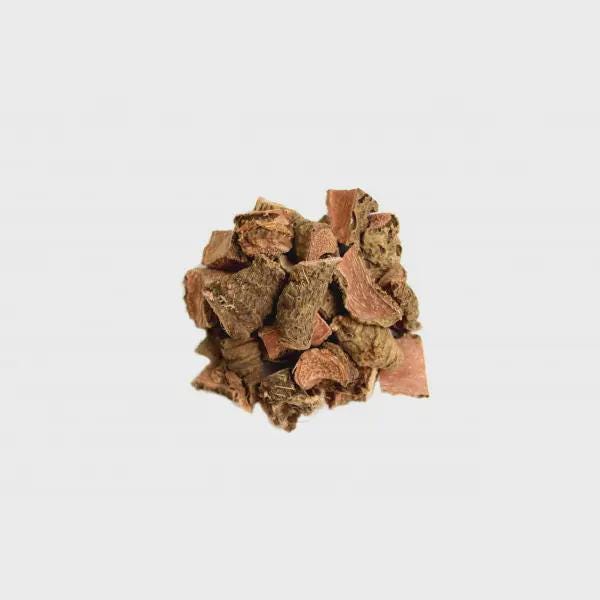
The Orris plant is a perennial herb characterized by its sword-shaped, glaucous leaves and striking flowers that exhibit a complex architecture of “falls” and “standards.” While the flowers are aesthetically magnificent, the true medicinal and aromatic treasure lies beneath the soil. The rhizome, or horizontal underground stem, is where the plant stores its primary energy reserves and develops its potent chemical profile. Unlike many herbs that are harvested and used immediately, Orris requires an arduous preparation period. To develop its signature aroma and therapeutic properties, the rhizome must be harvested, peeled, and aged for a minimum of two to five years. During this period, oxidative processes transform precursor molecules into the highly prized irones that define the plant’s identity.

The cultivation of Orris is most prominent in the Mediterranean region, particularly in Italy and Morocco. The Florentine Iris (Iris florentina) is perhaps the most iconic, featured on the coat of arms of Florence. These plants thrive in well-drained, lime-rich soils and require a specific climate to produce high-quality resins. Botanically, the Iris family belongs to the Iridaceae order, and while there are hundreds of species, only a select few possess the genetic blueprint necessary to produce the specific volatile oils used in professional herbalism and perfumery. The slow growth cycle and the labor-intensive harvesting process contribute to Orris being one of the most expensive botanical extracts in existence.
Historical Context: From Ancient Medicine to Modern Aromatics
The historical usage of Orris root is documented in some of the world’s oldest medical texts. The Ancient Egyptians valued the Iris as a symbol of power and used the powdered rhizome in incense and early cosmetic preparations. In Ancient Greece, the physician Dioscorides praised Orris for its ability to clear the lungs and treat “the humors.” It was often blended with honey or wine to create tonics for respiratory distress and digestive complaints. During the Middle Ages and the Renaissance, Orris became a staple in the “Still Rooms” of European households, where it was utilized as a breath freshener, a tooth powder, and a protective agent against environmental toxins.
In the 18th and 19th centuries, Orris root was an essential component of “Potpourri” and sachet powders used by the aristocracy to scent linens and ward off moths. Beyond its fragrance, Victorian herbalists prescribed it as an expectorant and a mild diuretic. Its transition from a medicinal staple to a perfumery icon occurred as chemists began to isolate the “Irones,” the ketones responsible for its scent. This dual identity—as both a high-end luxury fragrance fixative and a potent therapeutic rhizome—makes Orris a unique subject of study in the field of ethnobotany. Its longevity in human use is a testament to its multifaceted efficacy and the deep-seated cultural appreciation for its aromatic profile.
Chemical Composition and Bioactive Compounds
The therapeutic potential of Orris root is a direct result of its sophisticated chemical matrix. The primary bioactive compounds are the irones (alpha, beta, and gamma-irone), which are ketones that do not exist in the fresh plant but develop through the slow oxidation of iridals. These irones are responsible for the anti-inflammatory and aromatic properties of the root. Additionally, the rhizome contains a high concentration of starch (up to 50%), mucilage, tannins, and a fatty oil known as “Orris Butter” (which consists largely of myristic acid).
Beyond the aromatic ketones, Orris root contains flavonoids such as irisolon, irigenin, and nigricin. These compounds are known for their antioxidant activities, which help neutralize free radicals and reduce oxidative stress within the body. The presence of resins and terpenes further enhances its antimicrobial properties. The synergy between these compounds allows Orris root to act as an effective expectorant, breaking down mucous membranes, while its tannin content provides an astringent effect that can help tone tissues and reduce excessive secretions. Understanding this molecular complexity is crucial for recognizing how Orris interacts with human physiological systems to promote healing and homeostasis.
Detailed Health Benefits of Orris Root
1. Respiratory Health and Expectorant Properties
One of the most well-documented uses of Orris root in traditional Western herbalism is its role as a powerful expectorant. The rhizome contains compounds that help to thin and loosen mucus in the respiratory tract, making it easier to expel. This makes it particularly beneficial for individuals suffering from bronchitis, persistent coughs, or chest congestion. By soothing the mucous membranes of the throat and lungs, Orris root helps reduce the irritation that leads to dry, hacking coughs. Its mild antimicrobial action also assists the body in fighting off secondary infections that can often accompany respiratory ailments.
2. Digestive Support and Hepatic Stimulation
Orris root has traditionally been used to stimulate the production of bile and improve overall liver function. In small, controlled doses, it acts as a carminative, helping to relieve bloating, flatulence, and general digestive discomfort. The bitter principles found within the rhizome stimulate the digestive fire (Agni), promoting more efficient nutrient absorption. Historically, it was also employed as a mild laxative to address occasional constipation, as it encourages peristaltic movement in the intestines. However, its potency in this area requires careful dosing to avoid gastrointestinal irritation.
3. Oral Hygiene and Gum Health
Long before the advent of modern toothpaste, Orris root was the primary ingredient in oral care powders. Its natural astringency makes it excellent for strengthening the gums and reducing inflammation associated with gingivitis. The mild abrasive quality of the powdered root helps in removing plaque and surface stains from teeth, providing a natural whitening effect. Furthermore, its pleasant, violet-like scent serves as a natural deodorant for the breath, neutralizing odors caused by bacteria in the mouth. Even today, many natural toothpastes and “tooth powders” incorporate Orris root for these specific benefits.
4. Skin Health and Topical Applications
Topically, Orris root is valued for its ability to purify the skin. When used in poultices or facial masks, it helps to draw out impurities and toxins from the pores. Its anti-inflammatory properties make it useful for soothing irritated skin conditions, such as acne or mild dermatitis. In the cosmetic industry, Orris is often used in high-end powders and creams not only for its scent but for its ability to provide a “soft focus” effect on the skin, smoothing out the appearance of fine lines and textures. Its tannin content also provides a slight tightening effect, making it a natural choice for anti-aging formulations.
Orris in Modern Supplementation: Capsules and Extracts
As the interest in traditional herbal medicine has resurged, Orris root has found its way into modern delivery systems such as capsules and standardized extracts. For many, the raw taste of Orris—which can be quite acrid and bitter—is difficult to tolerate. Encapsulation allows users to bypass the palate while still receiving the systemic benefits of the rhizome’s bioactive compounds. When Orris is processed into a supplement, manufacturers typically focus on maintaining the integrity of the irones and flavonoids, ensuring that the finished product provides a consistent therapeutic dose.
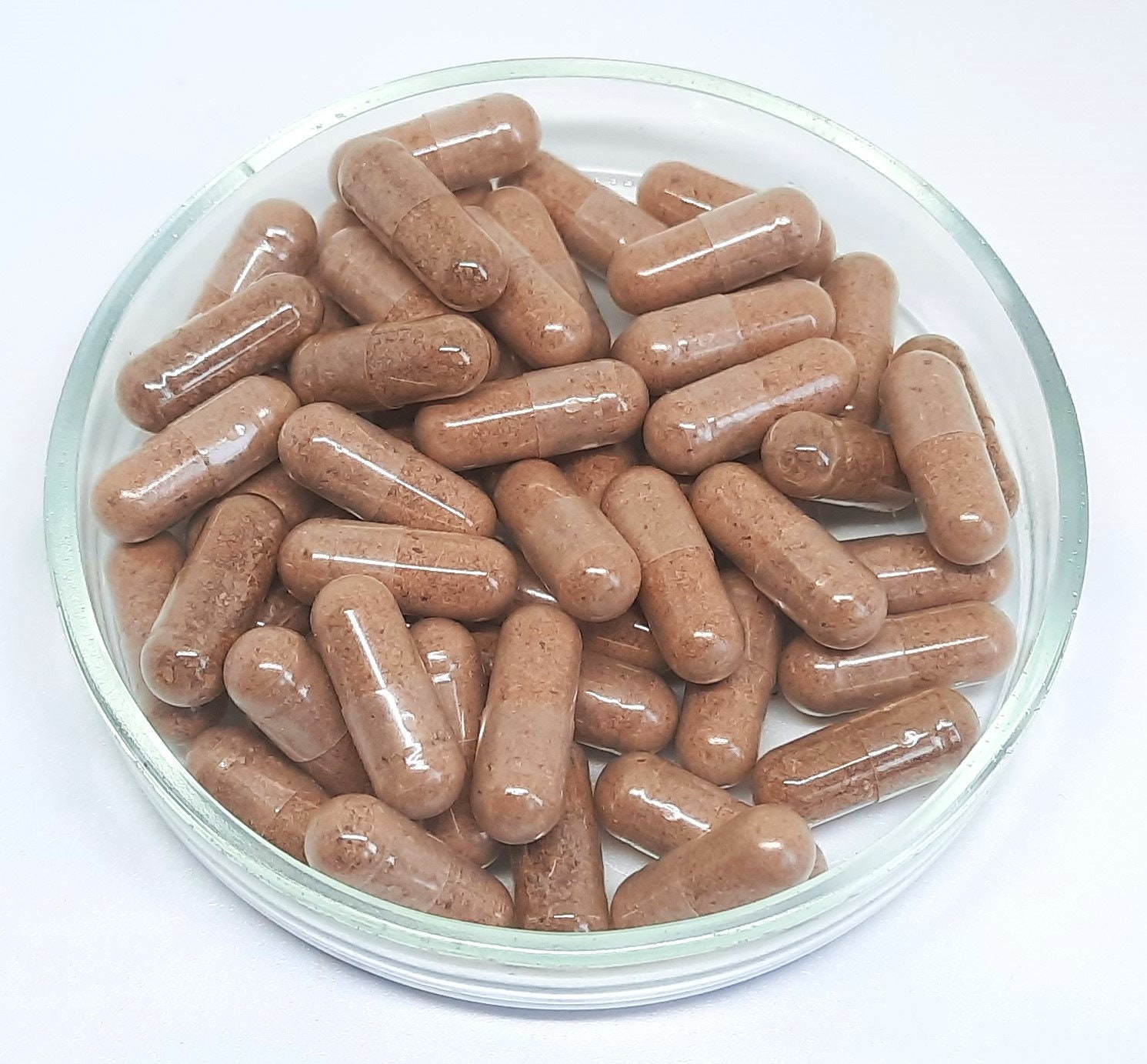
Capsules are particularly favored for those using Orris for long-term respiratory support or digestive toning. Because Orris can be quite potent, encapsulated forms provide a controlled environment for the body to process the herb. Modern practitioners may suggest Orris capsules as part of a broader herbal protocol for detoxification or as a seasonal aid during high-pollen months to help manage excessive mucous production. It is essential, however, that consumers source these supplements from reputable suppliers who adhere to strict aging protocols, as unaged Orris can be highly irritating to the digestive tract and lack the essential therapeutic ketones found in the cured root.
Pharmacological Mechanisms: How Orris Works
The mechanism of action for Orris root is rooted in its interaction with the body’s inflammatory pathways and secretory tissues. The flavonoids found in the rhizome, such as irigenin, have been shown in laboratory settings to inhibit certain inflammatory cytokines. This explains its efficacy in reducing swelling in the respiratory passages and the skin. Furthermore, the volatile oils stimulate the vagus nerve when ingested in small amounts, which in turn triggers a reflex stimulation of the gastric and bronchial glands. This “reflex expectorant” action is what makes Orris so effective at thinning secretions without requiring large systemic doses.
Additionally, the antioxidant compounds in Orris root work at a cellular level to protect against lipid peroxidation. By shielding cell membranes from oxidative damage, these compounds support the longevity of skin cells and internal tissues alike. The specific interaction of “Orris Butter” (myristic acid) with skin lipids allows it to act as an emollient, while its antimicrobial resins inhibit the growth of common pathogens. This multi-pathway approach—targeting inflammation, secretion, and oxidative stress—renders Orris root a comprehensive therapeutic agent in both traditional and clinical contexts.
Practical Usage, Preparation, and Dosage
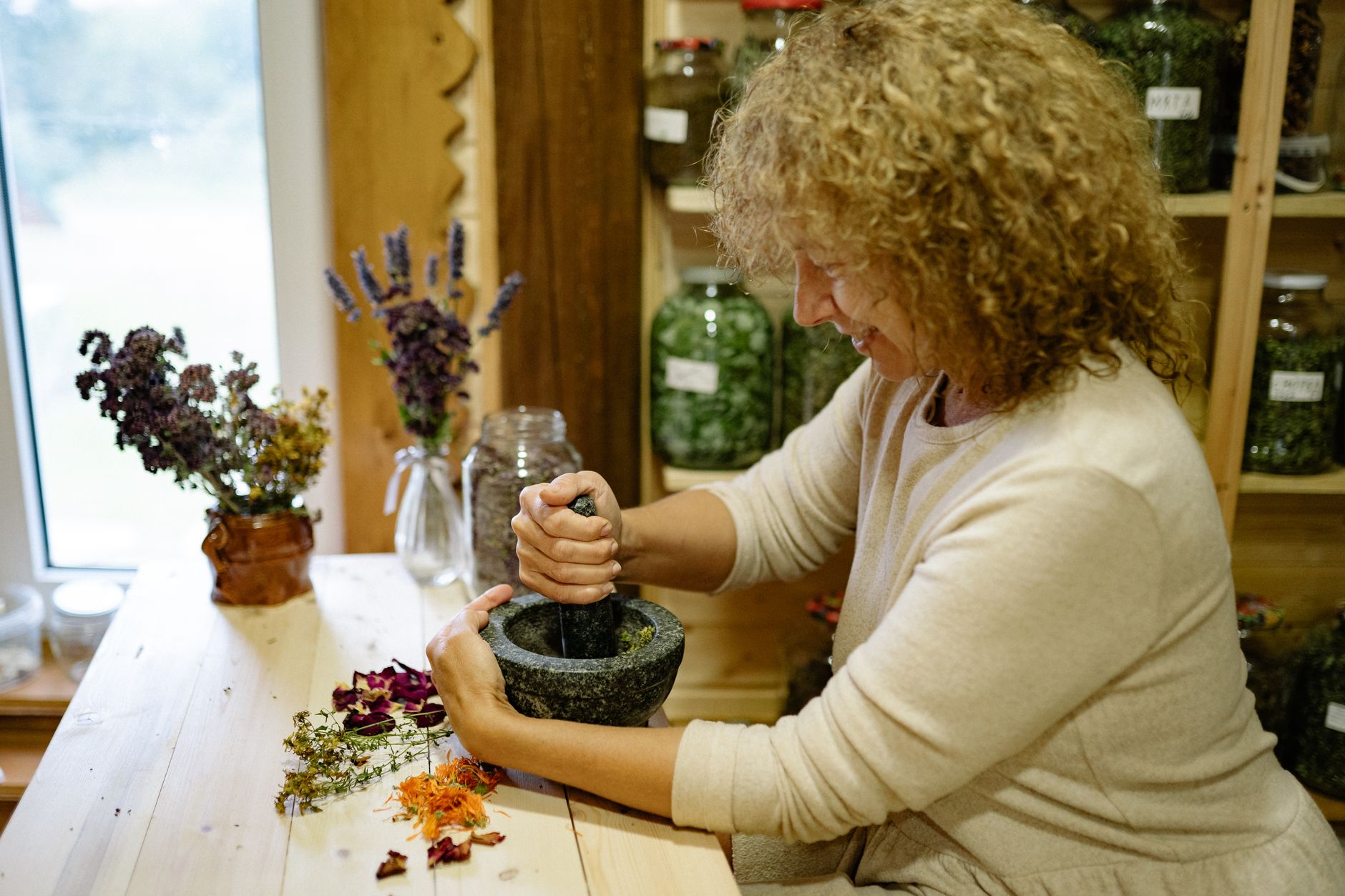
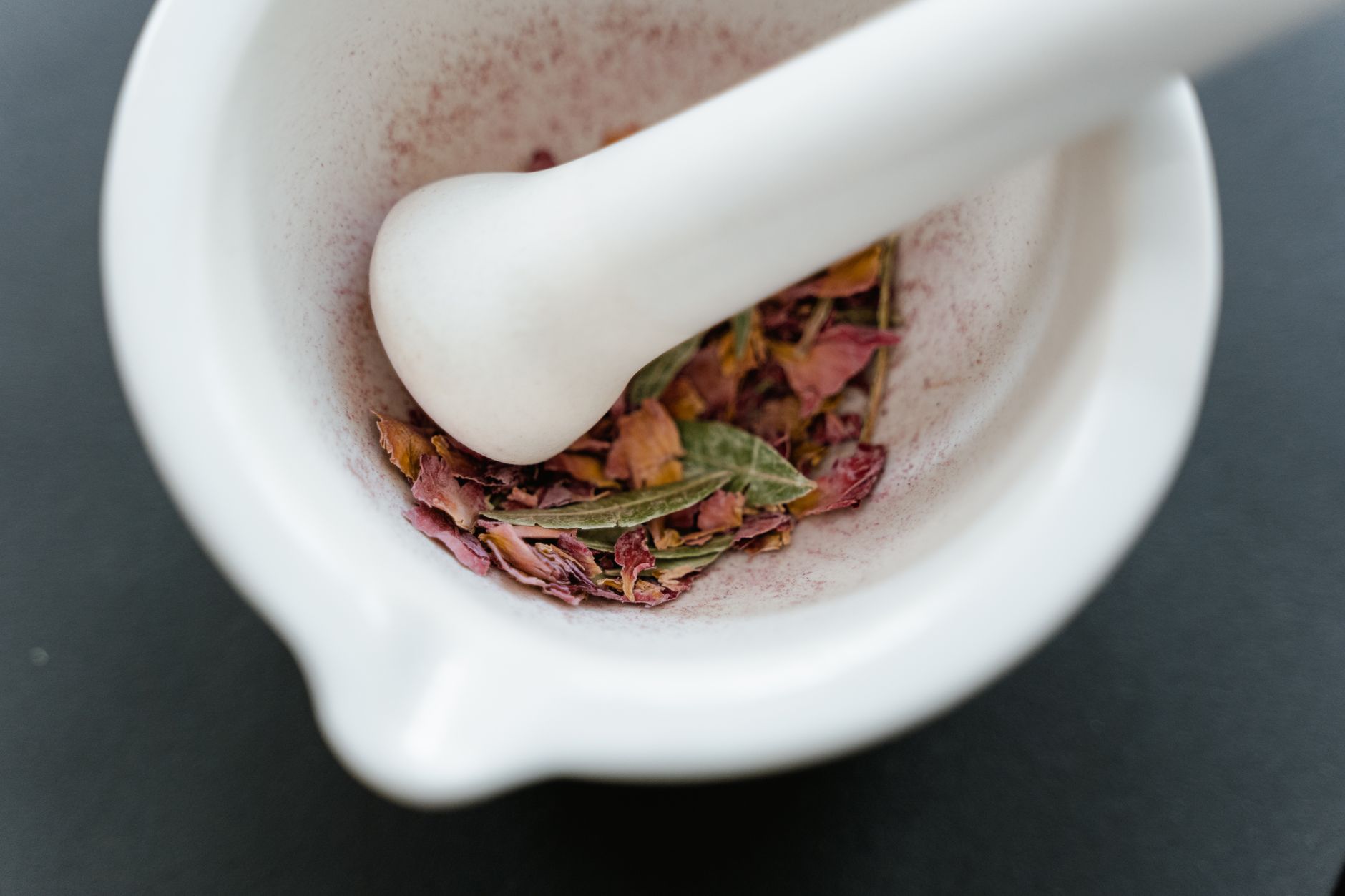
In traditional herbalism, Orris root is most commonly used in powdered form or as a tincture. A typical decoction might involve simmering a small amount of the dried rhizome in water, though this is less common today than using the powder as a constituent in a compound formula. For oral health, the powder can be applied directly to a toothbrush or mixed with baking soda and essential oils. In perfumery and aromatherapy, “Orris Butter” (the essential oil) is used in extremely diluted amounts due to its incredible potency and scent-fixing capabilities.
When it comes to dosage, moderation is the guiding principle. Because Orris contains potent resins, excessive consumption can lead to nausea or vomiting. Traditional dosages for the powdered root range from 500mg to 1 gram, often taken once or twice daily. Tinctures (1:5 ratio) are typically dosed at 1-2 ml, three times per day. It is always recommended to start with a lower dose to assess individual sensitivity. Orris is also frequently used in “teething rings” for infants in some European traditions, though modern pediatricians often advise caution regarding the potential for allergic reactions or irritation to the delicate gums of babies.
Safety, Precautions, and Contraindications
While Orris root is generally considered safe when used appropriately, there are several precautions to keep in mind. The fresh, uncured rhizome contains acrid resins that can cause severe irritation to the mouth, throat, and gastrointestinal tract; therefore, only properly aged and dried Orris should ever be consumed. Some individuals may experience contact dermatitis when handling the root or using products containing its essential oil. A patch test is always recommended for topical applications.
Due to its stimulating effect on the digestive system and its potential to act as a mild emmenagogue, Orris root should be avoided during pregnancy and breastfeeding unless under the direct supervision of a healthcare professional. Individuals with sensitive stomachs or chronic gastrointestinal conditions like Crohn’s disease or ulcerative colitis should use Orris with caution, as its resinous content may exacerbate irritation. As with any potent herb, Orris root should be integrated into a wellness routine with mindfulness and respect for its biochemical power.
Conclusion: The Enduring Legacy of Orris
Orris root remains one of the most fascinating subjects in the world of botany and natural medicine. Its journey from a sacred flower in ancient myths to a sophisticated chemical powerhouse in modern labs highlights the enduring relevance of plant-based therapeutics. Whether used for its ability to clear the lungs, brighten the skin, or provide a fixative base for the world’s most luxurious scents, Orris offers a unique blend of beauty and utility. By understanding the intricate details of its cultivation, chemical composition, and therapeutic mechanisms, we can better appreciate this “Violet Root” as a vital tool for holistic health and a masterpiece of the natural world.
Disclaimer: For informational purposes only. Not medical advice. Consult a qualified healthcare professional before use.