The Comprehensive Guide to Pine Needles: A Deep Dive into Botanical Synergy and Therapeutic Efficacy
For centuries, the needle-like foliage of the pine tree (genus Pinus) has served as a cornerstone of traditional medicine across the Northern Hemisphere. From the indigenous peoples of North America using white pine to survive harsh winters to the ancient maritime explorers who warded off scurvy with coniferous infusions, pine needles represent one of nature’s most resilient and nutrient-dense pharmacies. In the modern era, scientific scrutiny has begun to validate these ancestral practices, revealing a sophisticated chemical profile rich in volatile oils, potent antioxidants, and unique bioactive compounds like shikimic acid and suramin-like components.
Botanical Taxonomy and Morphological Characteristics
The pine needle is not merely a leaf; it is a highly specialized evolutionary adaptation designed to withstand extreme temperatures and minimize water loss. Belonging to the family Pinaceae, pine trees are characterized by their evergreen nature and the arrangement of their needles in clusters known as fascicles. Identifying the correct species is paramount for therapeutic use. The Eastern White Pine (Pinus strobus), Scots Pine (Pinus sylvestris), and Red Pine (Pinus resinosa) are among the most frequently utilized species for health purposes due to their high concentration of beneficial resins and low toxicity.
Physiologically, pine needles are coated in a thick, waxy cuticle that protects the internal tissues from frost and desiccation. Beneath this protective layer lies a complex vascular system and resin ducts that transport the tree’s defensive chemicals. These chemicals, primarily terpenes and phenols, are the very substances that provide the distinct “pine” aroma and the majority of the plant’s medicinal properties. Understanding the lifecycle of the needle—from the bright green “candles” of spring to the mature, deep-green needles of winter—is essential, as the concentration of specific vitamins and oils fluctuates significantly with the seasons.
The Chemical Composition: A Pharmacological Powerhouse
The health benefits of pine needles are a direct result of their intricate chemical architecture. Most notably, pine needles are famous for their incredibly high Vitamin C content—reputedly containing up to five times the concentration found in lemons by weight. This makes them a premier natural source of ascorbic acid, which is vital for collagen synthesis, immune function, and cellular repair. However, the benefits extend far beyond vitamins. Pine needles are rich in fat-soluble Vitamin A (carotenoids), which supports ocular health and mucosal integrity.
The most scientifically intriguing components, however, are the volatile organic compounds (VOCs) and secondary metabolites. These include monoterpenes such as alpha-pinene and beta-pinene, which possess potent anti-inflammatory and bronchodilatory effects. Furthermore, the presence of Shikimic Acid—a primary precursor used in the synthesis of antiviral medications like oseltamivir (Tamiflu)—has garnered significant attention in recent years for its potential role in inhibiting viral replication. Additionally, the needles contain complex proanthocyanidins and flavonoids that act as scavengers of reactive oxygen species (ROS), protecting the body from oxidative stress at a DNA level.

Respiratory Health and Bronchial Support
One of the most well-documented uses of pine needles is in the treatment of respiratory ailments. When brewed as a tea or inhaled as an essential oil, the terpene profile of pine acts as a natural expectorant. Alpha-pinene, specifically, works by reducing the viscosity of mucus in the bronchial tubes, making it easier for the body to expel pathogens and irritants. This makes pine needle preparations exceptionally effective for managing symptoms of bronchitis, asthma, and the common cold.
Beyond simple expectoration, pine needles exhibit significant antimicrobial activity against several strains of respiratory bacteria. The resinous compounds create an inhospitable environment for microbial growth, while the high antioxidant load helps to soothe inflamed mucous membranes. In traditional European steam therapy, pine needles were boiled to release their oils, providing immediate relief for sinus congestion and helping to clear the lower respiratory tract. This multi-modal approach—thinning mucus while simultaneously fighting infection—is what differentiates pine from synthetic cough suppressants that often only mask symptoms.
Antioxidant Profile and Longevity
The concept of “oxidative stress” is central to modern pathology, linked to everything from cardiovascular disease to neurodegeneration. Pine needles serve as a potent defense mechanism against this internal damage. The polyphenols found in pine needles, particularly procyanidins, have been shown to cross the blood-brain barrier, offering neuroprotective benefits. These compounds work by neutralizing free radicals that would otherwise damage cell membranes and accelerate the aging process.
Moreover, the synergistic effect of Vitamin C and Vitamin A within the needles enhances the body’s endogenous antioxidant systems. For example, Vitamin C helps regenerate Vitamin E, another critical antioxidant. This creates a “cascade effect” of protection. Studies have indicated that regular consumption of pine needle extracts can reduce lipid peroxidation, thereby supporting arterial health and reducing the risk of atherosclerosis. The anti-inflammatory properties of these antioxidants also assist in managing chronic pain conditions, such as arthritis, by inhibiting the production of pro-inflammatory cytokines.
Immune System Modulation and Antiviral Potential
The role of pine needles in immune modulation is a subject of ongoing clinical interest. The presence of Shikimic Acid is often highlighted because of its role in the shikimate pathway, which is essential for the biosynthesis of aromatic amino acids in plants and microorganisms. While humans do not possess this pathway, the exogenous intake of shikimic acid is thought to interfere with certain viral life cycles, particularly those of the influenza family, by preventing the virus from detaching from host cells.
Furthermore, pine needles contain compounds that may interact with the coagulation cascade and fibrinolytic systems. Historically, pine needle tea was used to treat systemic inflammation and “purify the blood.” Modern interpretations suggest that these effects may be linked to the needles’ ability to support healthy circulation and potentially influence platelet aggregation. While more human clinical trials are required, the anecdotal and preliminary evidence suggests that pine needles provide a robust secondary line of defense for the immune system during periods of high viral load.
Cardiovascular and Circulatory Benefits
Pine needles contribute to cardiovascular wellness through several distinct mechanisms. Firstly, the high concentration of flavonoids helps to improve endothelial function—the ability of blood vessels to dilate and contract efficiently. This is crucial for maintaining healthy blood pressure levels. Furthermore, the compounds in pine needles have been observed to assist in the regulation of cholesterol levels, specifically by inhibiting the oxidation of LDL (low-density lipoprotein), which is a primary driver of arterial plaque formation.
The circulatory benefits also extend to microcirculation. By strengthening capillary walls and reducing systemic inflammation, pine needle extracts can improve blood flow to the extremities and vital organs. This improved circulation ensures better oxygen delivery and waste removal at the cellular level, contributing to overall vitality and energy. For individuals suffering from chronic venous insufficiency or heavy legs, the vascular-strengthening properties of pine needle constituents offer a natural adjunctive therapy.

Modern Usage: Tea, Tinctures, and Capsules
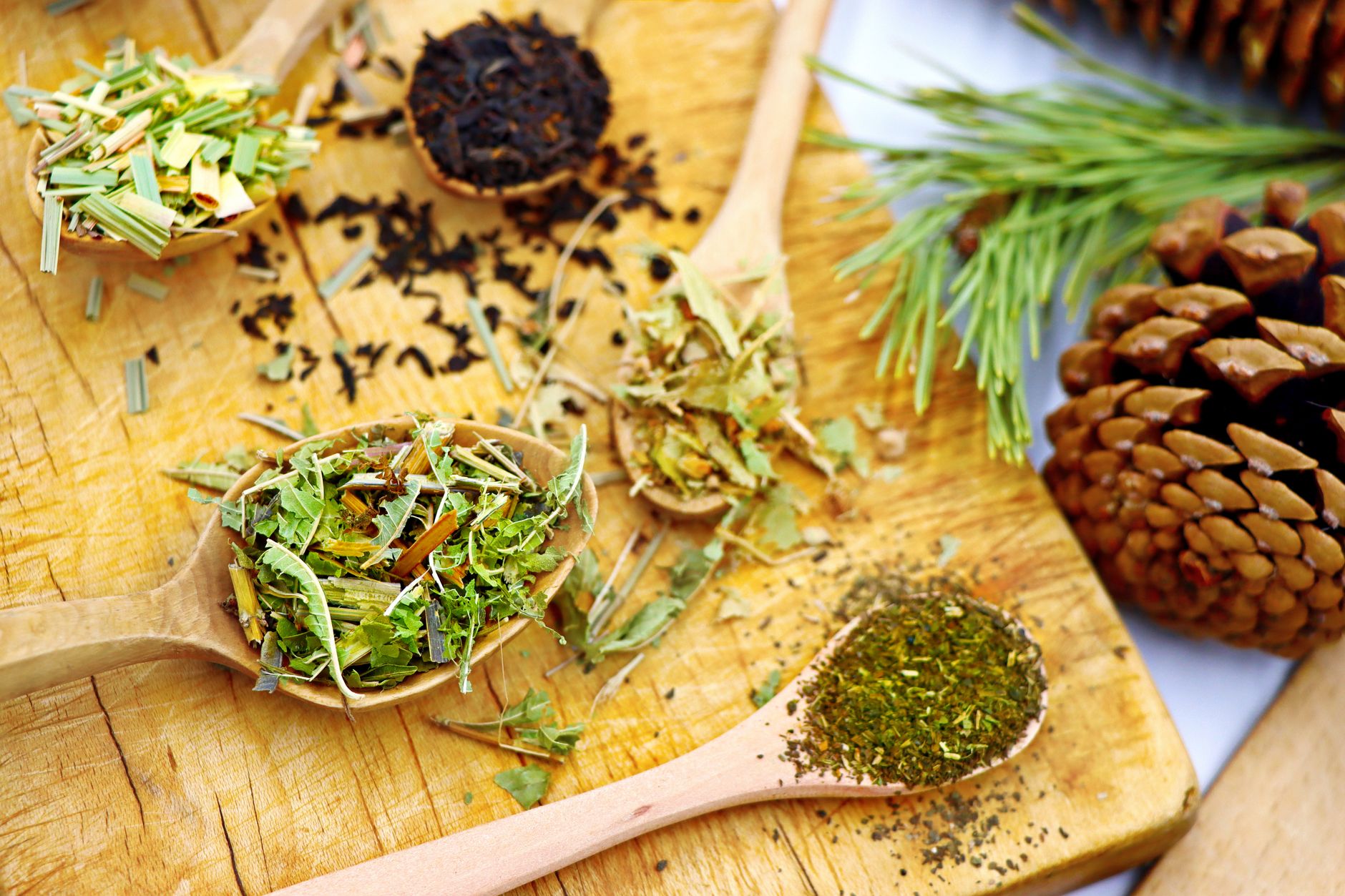
In the contemporary wellness landscape, pine needles are consumed in several formats, each offering unique advantages. The most traditional method is Pine Needle Tea. To preserve the heat-sensitive Vitamin C, it is recommended to steep the needles in hot (not boiling) water for 10-15 minutes. This slow extraction draws out the water-soluble vitamins and the lighter volatile oils, resulting in a citrusy, woodsy beverage that is both refreshing and therapeutic.
For those seeking a more concentrated dose, pine needle tinctures and capsules are available. Tinctures, typically made with an alcohol base, are superior for extracting the resinous, fat-soluble compounds and terpenes that may not fully release in a water-based tea. Capsules, on the other hand, provide a standardized dose of dried needle powder or extract, making it convenient for those who wish to incorporate pine’s benefits into a daily supplement regimen without the distinct flavor profile of the tea. Regardless of the form, it is essential to source products derived from high-quality, wild-harvested or organic Pinus species to ensure the absence of pesticides and heavy metals.
Safety, Identification, and Contraindications
While pine needles are generally safe, proper identification is the most critical safety factor. Beginners must be able to distinguish true pines (Pinus) from look-alikes that can be toxic. The Yew tree (Taxus), for instance, has needle-like leaves but is highly poisonous and can be fatal if ingested. Yew “needles” are flat and do not grow in bundles (fascicles), whereas pine needles are always bundled. Additionally, the Norfolk Island Pine (Araucaria heterophylla) and the Ponderosa Pine (Pinus ponderosa) are generally avoided for internal use due to potential toxicity or abortifacient properties in livestock.
Pregnant and nursing women are typically advised to avoid pine needle tea or supplements as a precautionary measure, as certain compounds in specific pine species have been linked to potential complications in animal studies. Furthermore, individuals with known allergies to pine pollen or resin should exercise caution. As with any potent botanical, it is wise to start with a small amount to monitor the body’s reaction and consult with a healthcare professional, especially if you are taking medications for blood pressure or anticoagulation.
Conclusion: Integrating Pine Needles into a Holistic Lifestyle
Pine needles represent a bridge between ancient survival wisdom and modern nutritional science. Their vast array of benefits—ranging from respiratory support and immune modulation to cardiovascular protection and neuroprotection—makes them an invaluable tool for holistic health. Whether enjoyed as a fragrant tea on a winter afternoon or taken as a targeted supplement, the “spirit of the pine” offers a profound way to reconnect with the healing power of the forest.
By understanding the botanical nuances and the deep chemical complexity of these needles, we can better appreciate why they have remained a staple of the human apothecary for millennia. As we continue to face modern health challenges, returning to these foundational natural remedies provides a resilient path toward wellness, grounded in the enduring strength of the evergreen.
Disclaimer: For informational purposes only. Not medical advice. Consult a qualified healthcare professional before use.