
The Definitive Guide to Cleavers Herb (Galium aparine): Nature’s Premier Lymphatic Tonic
Cleavers, scientifically known as Galium aparine, is a plant that many gardeners dismiss as a persistent weed. Commonly referred to by names such as goosegrass, stickyweed, catchweed, and bedstraw, this unassuming member of the Rubiaceae family—the same family that includes coffee—holds a position of high esteem in traditional Western herbalism. Characterized by its unique ability to cling to clothing and fur via tiny hooked bristles (retrorse hairs), Cleavers is far more than a garden nuisance. It is a potent medicinal herb with a rich history of use spanning centuries, particularly lauded for its profound effects on the lymphatic system, the kidneys, and the skin.
In the modern era of wellness, where detoxification and systemic inflammation are at the forefront of health discussions, Cleavers is undergoing a significant resurgence. Unlike harsh “detox” products that can strip the body of nutrients, Cleavers works through subtle, physiological pathways to support the body’s natural filtration and elimination processes. This article provides an exhaustive analysis of the botanical properties, chemical constituents, and therapeutic applications of Cleavers, offering a deep dive into why this “sticky” herb deserves a permanent place in the natural pharmacopeia.
Botanical Characteristics and Taxonomy of Galium Aparine
To understand the medicinal efficacy of Cleavers, one must first appreciate its botanical structure and lifecycle. Galium aparine is an annual herbaceous plant that thrives in temperate climates across the Northern Hemisphere. It is easily identifiable by its sprawling, climbing stems that can reach up to six feet in length if supported by surrounding vegetation. The leaves are arranged in whorls of six to eight along the quadrangular (square) stem. Each leaf is lanceolate and tipped with a small point.
The plant’s most distinctive feature is its “stickiness,” caused by microscopic hooks on the stems and leaves. Evolutionarily, these hooks serve a dual purpose: they allow the plant to climb toward sunlight by anchoring onto other plants, and they facilitate seed dispersal by attaching to the fur of passing animals. The flowers are small, white, and star-shaped, appearing in the leaf axils during the late spring and summer. These eventually give way to small, two-lobed bristly fruits (burrs) that contain the seeds. From a botanical perspective, the entire aerial portion of the plant is used medicinally, preferably harvested just before the plant enters its full flowering stage, as this is when the concentration of bioactive juices is at its peak.
Historical Context and Traditional Ethnobotany
The historical usage of Cleavers is as diverse as its geography. In Ancient Greece, Dioscorides, the famed physician and pharmacologist, documented the use of Cleavers to treat exhaustion and as a method for straining milk, as the dense, hooked stems acted as a natural sieve. This latter use earned it the name “bedstraw,” as it was often used to stuff mattresses; the hooks prevented the straw from shifting, and the pleasant scent of the dried herb provided a rudimentary form of aromatherapy.

In traditional European folk medicine, Cleavers was primarily utilized as a “spring tonic.” After a long winter of consuming preserved, heavy foods and limited physical activity, Cleavers would emerge as one of the first greens of spring. It was consumed as a “succus” (freshly expressed juice) or tea to “thin the blood” and “cleanse the humors.” Native American tribes also recognized its value, utilizing various species of Galium for kidney health and as a topical wash for skin irritations. Its reputation as a lymphatic cleanser has remained consistent across cultures, making it one of the most reliable herbs for addressing stagnation in the body’s fluid systems.
Advanced Phytochemical Composition: The Science of Efficacy
The therapeutic potential of Cleavers is rooted in its complex array of bioactive compounds. Unlike many herbs that rely on a single dominant alkaloid, Cleavers works through a synergistic combination of iridoids, polyphenols, and minerals. Understanding these compounds is essential for grasping how the herb interacts with human physiology.
- Iridoid Glycosides: These are the hallmark compounds of the Galium genus. Specifically, Cleavers contains asperuloside and aucubin. Iridoids are known for their anti-inflammatory and antimicrobial properties. Asperuloside, in particular, is a precursor to prostaglandins that help regulate the inflammatory response within the lymphatic vessels.
- Polyphenolic Acids: Cleavers is rich in caffeic acid, gallic acid, and p-coumaric acid. These act as potent antioxidants, neutralizing free radicals that can damage the delicate endothelium of the vascular and lymphatic systems.
- Flavonoids: Compounds such as luteolin and quercetin are present, contributing to the herb’s ability to reduce capillary permeability and stabilize mast cells, which is why it is effective for allergic skin conditions.
- Tannins and Coumarins: The tannins provide a mild astringent effect, helping to tone mucous membranes and tissues, while coumarins contribute to the herb’s blood-thinning and lymph-stimulating properties by improving fluid dynamics.
- Minerals: Cleavers is a notable source of silica, which is vital for the health of connective tissues, skin, hair, and nails. It also contains significant amounts of vitamin C and chlorophyll.
This biochemical profile explains why Cleavers is classified as an “alterative”—an herbal term for a substance that gradually restores proper function to the body and increases the health and vitality of the individual by improving elimination and metabolism.
The Lymphatic Master: Mechanism of Action
The most significant health benefit of Cleavers is its role as a lymphatic tonic. The lymphatic system is a secondary circulatory system responsible for transporting immune cells, removing cellular waste, and maintaining fluid balance. Unlike the cardiovascular system, which has the heart as a pump, the lymphatic system relies on muscle movement and external stimulation to circulate. When the lymph becomes stagnant, it can lead to swollen glands, edema, skin breakouts, and a weakened immune response.
Cleavers acts as a “lymphagogue,” meaning it stimulates the flow of lymph. It works by reducing the viscosity of the lymphatic fluid and enhancing the contractile activity of the lymphangions (the functional units of lymph vessels). By facilitating the movement of lymph, Cleavers helps the body transport metabolic waste products to the lymph nodes, where they can be filtered and neutralized by lymphocytes. This mechanism is particularly beneficial for individuals suffering from lymphadenopathy (swollen lymph nodes), tonsillitis, or chronic congestion. Furthermore, by supporting the drainage of interstitial fluid, Cleavers helps reduce systemic “puffiness” and water retention, often associated with hormonal cycles or sedentary lifestyles.
Renal Support and Diuretic Properties
In addition to its lymphatic benefits, Cleavers is a gentle yet effective diuretic. It supports the urinary system by increasing the volume of urine produced without depleting the body of essential electrolytes. This “aquaretic” effect is crucial for flushing out toxins that have been moved from the lymphatic system into the bloodstream and finally to the kidneys for excretion.
Cleavers is traditionally used to address urinary tract infections (UTIs) and cystitis. Its cooling and soothing properties help to alleviate the burning sensation associated with these conditions. The herb’s antimicrobial constituents work to inhibit the growth of pathogens in the bladder, while its diuretic action ensures that bacteria are flushed out of the system more rapidly. Furthermore, there is anecdotal evidence suggesting that Cleavers may help in the prevention and dissolution of kidney stones and gravel by altering the concentration of minerals in the urine, although clinical data in this area is still emerging.
Dermatological Applications: Cleansing from the Inside Out
The health of the skin is often a direct reflection of the body’s internal filtration capacity. When the liver, kidneys, and lymphatic system are overwhelmed, the skin—the body’s largest organ of elimination—is forced to pick up the slack. This often manifests as acne, eczema, psoriasis, or dermatitis. Cleavers is considered one of the premier herbs for chronic skin conditions because it addresses the root cause: internal toxicity and stagnant fluids.
By purifying the blood and lymph, Cleavers reduces the burden of metabolic waste that irritates the skin. Topically, a poultice or infused oil of Cleavers can be applied to soothe minor burns, abrasions, and insect bites. Its astringent properties help to tighten the skin, while its anti-inflammatory iridoids reduce redness and swelling. For those suffering from “hot” skin conditions, such as inflammatory acne or angry red rashes, the cooling nature of Cleavers (in traditional Chinese medicine terms, it clears heat and resolves dampness) provides significant relief.
Metabolic and Anti-Inflammatory Effects
Recent research into the genus Galium has suggested potential benefits for metabolic health. The iridoid glycosides in Cleavers may have a role in regulating blood sugar levels and improving insulin sensitivity, though most studies are currently in the in vitro or animal model stages. Furthermore, the high concentration of antioxidants in Cleavers offers neuroprotective and cardioprotective benefits by mitigating oxidative stress. Systemic inflammation, a precursor to many chronic diseases, is modulated by the herb’s ability to inhibit pro-inflammatory cytokines, making it a valuable adjunct therapy for those dealing with autoimmune markers or chronic fatigue syndrome.

Forms of Consumption and Modern Preparation
Choosing the right form of Cleavers depends on the specific health goal. Because many of its active constituents are delicate and some are best captured when the plant is fresh, the method of preparation is vital.
- Fresh Juice (Succus): Historically considered the most potent form. Freshly harvested Cleavers are blended or pressed to extract the juice. A dose of 5-15ml taken daily is a powerful way to jumpstart the lymphatic system.
- Infusions (Tea): A standard infusion is made by pouring hot (but not boiling) water over dried or fresh Cleavers. Using boiling water can degrade some of the iridoid glycosides. The tea is mild, slightly grassy, and can be consumed 2-3 times daily.
- Tinctures: An alcohol-based extract is convenient and has a long shelf life. A 1:5 ratio in 25-40% ethanol is standard. Tinctures are excellent for long-term support of the lymphatic and urinary systems.
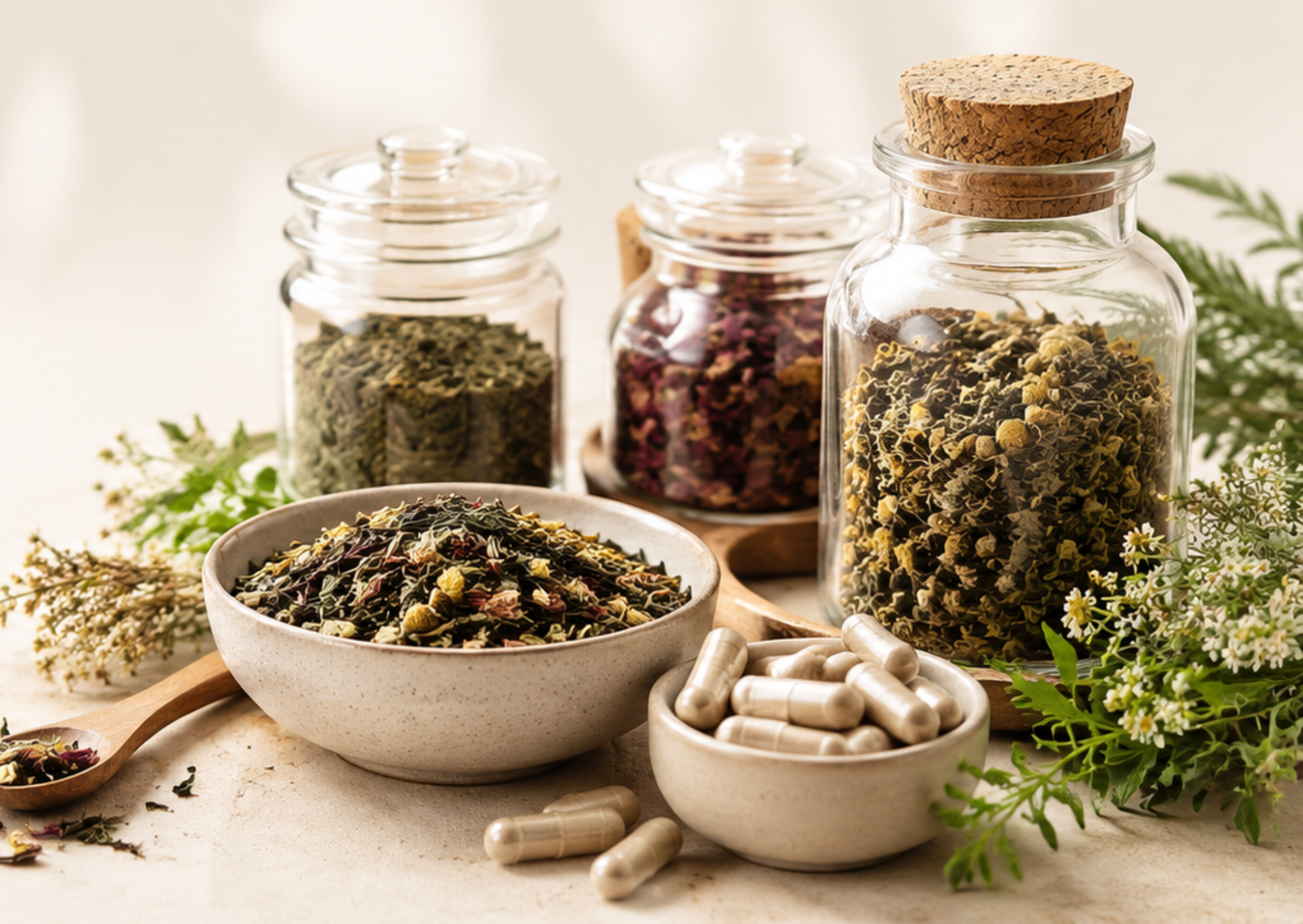
- Capsules and Supplements: For those who find the taste of the tea unpalatable or require a standardized dose of specific constituents, capsules containing powdered herb or concentrated extracts are widely available.
- Infused Oils and Salves: Used exclusively for topical application to treat skin irritations, swellings, or to use in lymphatic drainage massage.
Dosage Guidelines and Therapeutic Protocols
While Cleavers is generally considered a safe and “low-force” herb, following established dosage protocols ensures maximum efficacy and safety. For a standard infusion, one might use 2-4 grams of the dried herb per cup of water. If using a tincture, a common dose is 2-4ml (roughly 40-80 drops) three times a day. When utilizing Cleavers for a specific “cleanse,” it is often recommended to use the herb for a period of 3 to 6 weeks, followed by a break.
For lymphatic support, Cleavers is frequently combined with other herbs to enhance its effect. For example, it pairs well with Poke Root (Phytolacca americana) for severe glandular swelling, though Poke Root must be used with extreme caution. It is more commonly and safely paired with Calendula (Calendula officinalis) and Red Clover (Trifolium pratense) for a comprehensive lymphatic and skin-supportive formula.
Safety, Contraindications, and Considerations
Cleavers is categorized as remarkably safe, with no known toxicity in standard therapeutic doses. However, certain considerations should be kept in mind:
- Diabetes: Due to its potential impact on blood sugar and its diuretic nature, individuals with diabetes should monitor their levels closely when starting a Cleavers regimen.
- Pregnancy and Breastfeeding: While there is no evidence of harm, there is also a lack of rigorous clinical trials regarding Cleavers use during pregnancy. It is generally advised to consult a healthcare provider before use.
- Contact Dermatitis: Ironically, while it treats skin conditions, some individuals may experience a mild contact rash from the fresh plant’s tiny hooks.
- Medication Interactions: Because of its diuretic effects, it may potentially interact with pharmaceutical diuretics or medications that have a narrow therapeutic window, such as Lithium, by altering excretion rates.
Conclusion: Integrating Cleavers into a Modern Lifestyle
In a world where we are constantly exposed to environmental toxins and sedentary habits, the role of the lymphatic system has never been more critical. Cleavers offers a gentle, time-tested, and scientifically supported way to enhance the body’s natural detoxification pathways. Whether utilized as a fresh spring juice, a soothing tea, or a convenient supplement, *Galium aparine* stands as a testament to the power of “weeds” in the healing arts. By supporting the kidneys, purifying the blood, and moving the lymph, Cleavers helps restore a state of internal flow and balance, proving that sometimes the best medicine is the one growing right under our feet.
Disclaimer: For informational purposes only. Not medical advice. Consult a qualified healthcare professional before use.