The Comprehensive Guide to Walnut Leaf: Nature’s Potent Therapeutic Powerhouse
The walnut tree, scientifically known as Juglans regia, is widely celebrated for its nutrient-dense nuts. However, in the realm of botanical medicine and pharmacognosy, the leaves of this majestic tree hold a status that is perhaps even more significant than the fruit itself. For centuries, walnut leaves have been utilized across various cultures—from the Mediterranean to Central Asia—as a cornerstone of traditional healing. Often referred to as “the leaf of the kings,” walnut leaves contain a complex matrix of bioactive compounds that offer a wide array of pharmacological benefits, ranging from potent antimicrobial actions to metabolic regulation.
This guide serves as an exhaustive deep-dive into the health benefits of walnut leaf, exploring its botanical characteristics, the intricate chemistry of its secondary metabolites, its historical significance, and the modern clinical understanding of its therapeutic applications. Whether you are looking to improve skin health, manage blood glucose levels, or support your lymphatic system, the walnut leaf presents a versatile and time-tested natural solution.
Botanical Overview and Taxonomical Profile
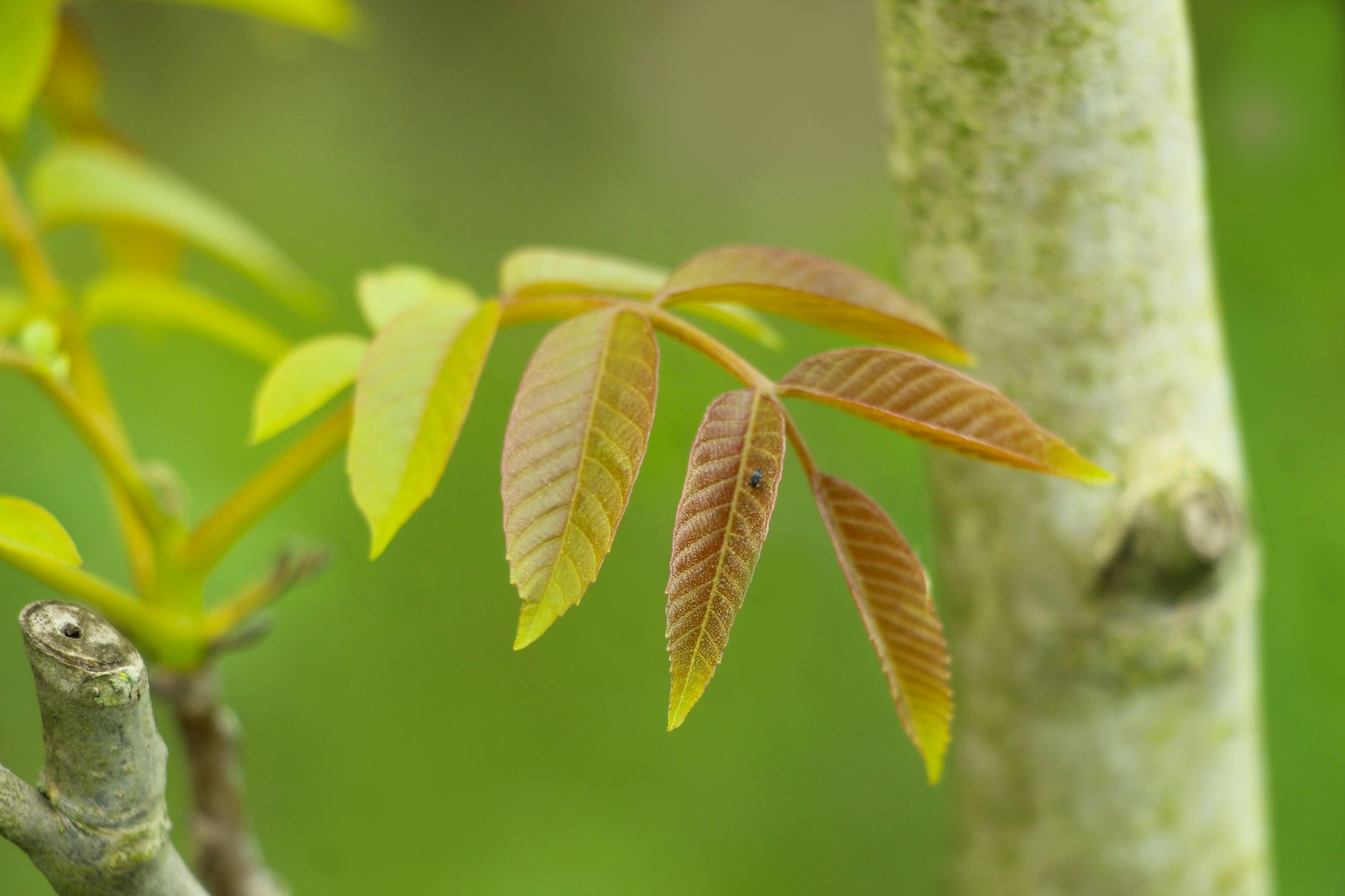
Juglans regia belongs to the Juglandaceae family. It is a large, deciduous tree reaching heights of up to 25–35 meters. While the tree is native to the region stretching from the Balkans eastward to the Himalayas and Southwest China, it has been cultivated throughout Europe and North America for millennia. The leaves are pinnately compound, typically consisting of 5 to 9 leaflets that possess a characteristic aromatic scent when crushed. This scent is primarily due to the presence of volatile oils and quinones, which act as a defense mechanism for the tree.
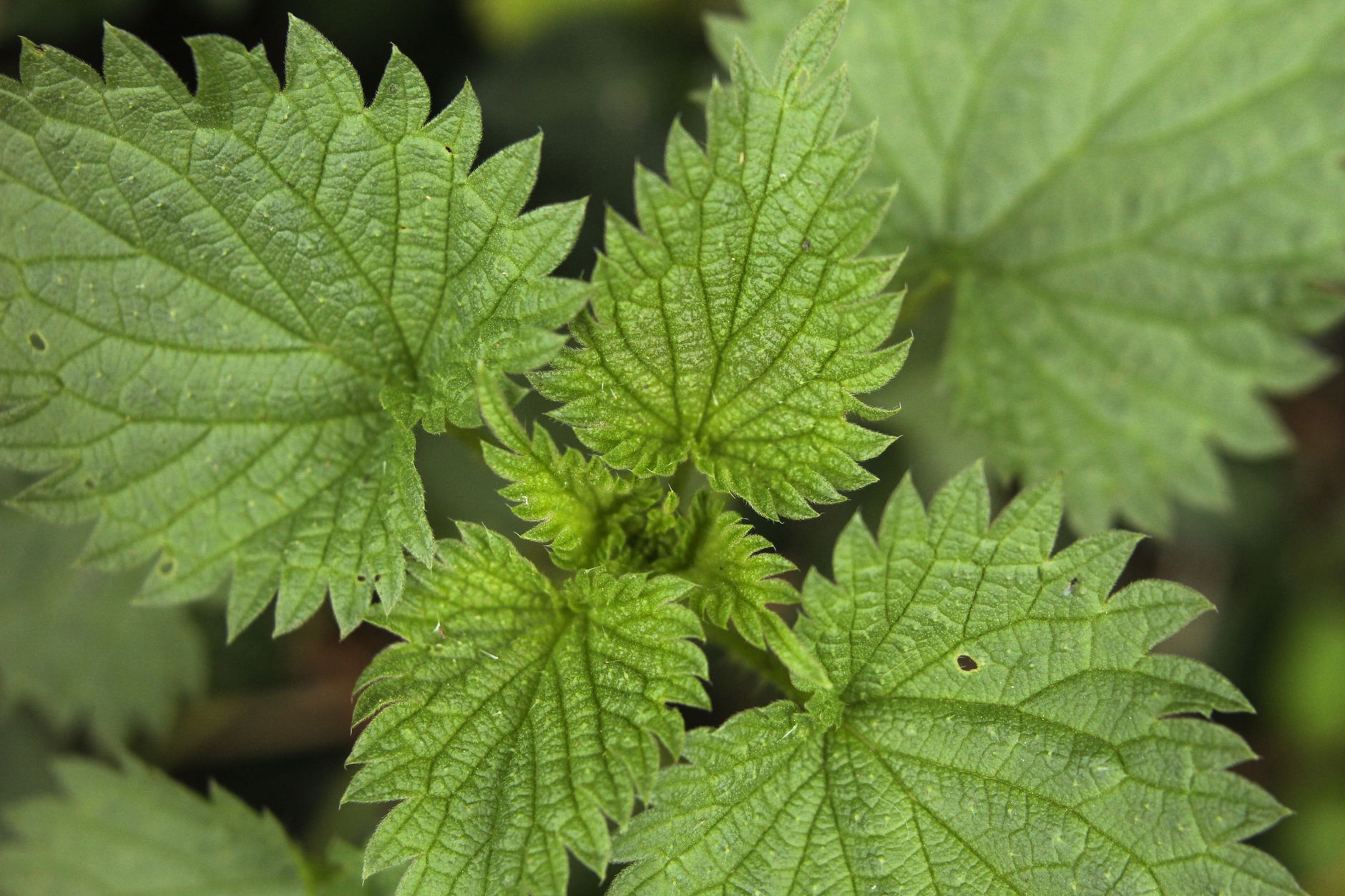
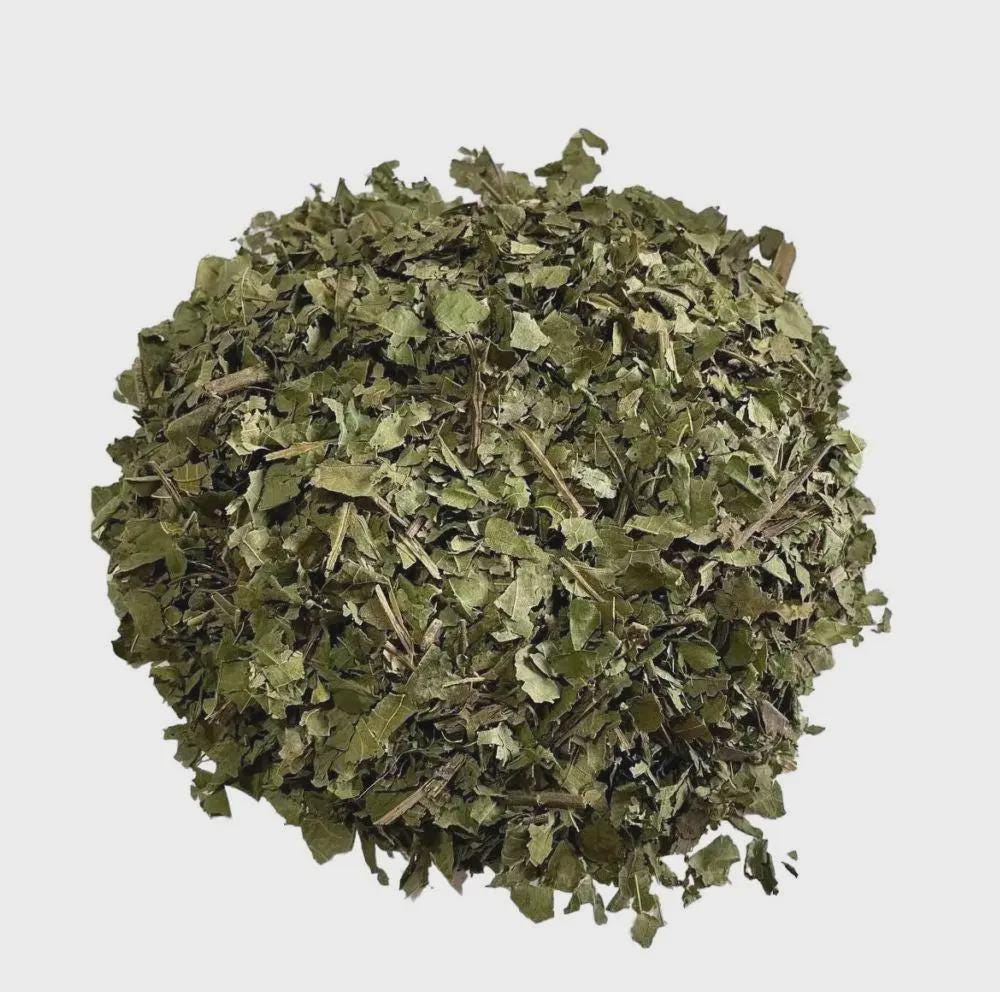
The harvesting of walnut leaves is a precise process. To ensure the highest concentration of active principles, particularly the bitter glycosides and tannins, the leaves are traditionally gathered in early summer, specifically during June and July, before the nuts fully mature. At this stage, the leaves are vibrant green and lack the brown spots that indicate the degradation of their chemical components. Once harvested, they are dried rapidly in the shade to preserve their enzymatic integrity and prevent the oxidation of phenolic compounds.
Active Bioactive Compounds: The Chemistry of Healing
The therapeutic efficacy of walnut leaf is not attributed to a single “miracle” molecule but rather to a synergistic interplay of several classes of secondary metabolites. Understanding these compounds is essential for grasping how walnut leaf interacts with human physiology.
- Naphthoquinones (Juglone): Perhaps the most famous component of the walnut tree is juglone (5-hydroxy-1,4-naphthoquinone). In the living leaf, juglone exists in a non-toxic, colorless form called hydrojuglone. When the leaf is tissue-damaged or dried, hydrojuglone oxidizes into juglone. This compound is a powerful allelopathic agent, meaning it inhibits the growth of competing plants, but in medicinal contexts, it serves as a potent antifungal, antibacterial, and antiparasitic agent.
- Polyphenols and Tannins: Walnut leaves are exceptionally rich in ellagitannins and gallotannins (up to 10%). Tannins are known for their astringent properties, which allow them to bind and precipitate proteins. This action is crucial for “tightening” tissues, reducing inflammation, and creating a protective barrier over wounds or irritated mucous membranes.
- Flavonoids: The leaves contain significant amounts of quercetin, kaempferol, and their glycosides. These flavonoids are potent antioxidants that neutralize reactive oxygen species (ROS), thereby protecting cells from oxidative stress and chronic inflammation.
- Phenolic Acids: Compounds such as caffeic acid, chlorogenic acid, and ferulic acid contribute to the leaf’s systemic anti-inflammatory and cardioprotective effects.
- Essential Oils and Vitamin C: While present in smaller quantities, the essential oils provide antiseptic qualities, and the high Vitamin C content supports the immune system and collagen synthesis.

Historical Context and Traditional Medicine
The historical usage of walnut leaf is documented in the texts of ancient Greek and Roman physicians. Dioscorides and Pliny the Elder both referenced the use of walnut preparations for treating skin ailments and intestinal parasites. In traditional European folk medicine, walnut leaf tea was often prescribed as a “blood purifier” or “depurative.” It was believed that the bitter principles within the leaf stimulated the liver and gallbladder, helping the body eliminate metabolic waste more efficiently.
In many Slavic and Germanic traditions, walnut leaf infusions were used as a therapeutic bath for children suffering from rickets or scrofula (a form of tuberculosis affecting the lymph nodes). While modern medicine has replaced these specific uses with targeted antibiotics and vitamins, the underlying premise—that walnut leaf modulates the immune response and supports the lymphatic system—remains supported by contemporary herbal science.
Dermatological Benefits: A Natural Remedy for the Skin
One of the most evidence-based applications of walnut leaf is in dermatology. Because of its high tannin content and the antimicrobial action of juglone, it is an excellent external treatment for various inflammatory skin conditions. The astringent effect of the tannins helps to constrict small blood vessels and reduce the permeability of capillaries, which effectively “dries out” weeping eczema or sores.
Walnut leaf is particularly effective against Staphylococcus aureus and various fungal strains like Candida albicans. For individuals struggling with acne, the leaf’s ability to reduce sebum production while simultaneously killing acne-causing bacteria makes it a dual-action natural toner. Furthermore, it is a traditional remedy for excessive sweating (hyperhidrosis). When used as a foot bath or hand soak, the tannins temporarily shrink the sweat pores and neutralize the bacteria responsible for odor.
Internal Health: Digestion and Glycemic Control
When consumed as a tea or tincture, walnut leaf acts on the digestive tract. Its bitter compounds stimulate the secretion of gastric juices and bile, aiding in the breakdown of fats and improving overall nutrient absorption. It is frequently used to treat mild cases of diarrhea due to its astringent nature, which helps to firm the stool and soothe the lining of the intestines.
Recent pharmacological studies have also focused on the hypoglycemic (blood sugar-lowering) properties of walnut leaf. Extracts of the leaf have been shown to inhibit alpha-glucosidase, an enzyme responsible for breaking down carbohydrates into glucose. By slowing this process, walnut leaf can help prevent rapid spikes in blood sugar levels after meals. Additionally, the antioxidant profile of the leaf helps protect the pancreatic beta-cells from oxidative damage, which is a critical factor in the management of Type 2 diabetes.
Metabolic and Lymphatic Support
The concept of “blood purification” in herbalism often refers to the enhancement of the body’s natural detoxification pathways—specifically the lymphatic system and the kidneys. Walnut leaf is considered a lymphatic stimulant. It helps to move stagnant lymph fluid, which can reduce swelling (edema) and improve the body’s immune surveillance. By promoting the drainage of toxins, it indirectly supports skin clarity and overall energy levels.
Modern Supplementation and Modern Usage
In the modern era, many people prefer the convenience of standardized extracts over traditional tea brewing. Walnut leaf supplements are available in various forms, including concentrated tinctures, liquid extracts, and encapsulated powders. These forms are particularly useful for those seeking a consistent dose of juglone and flavonoids without the bitter taste associated with the raw herb.
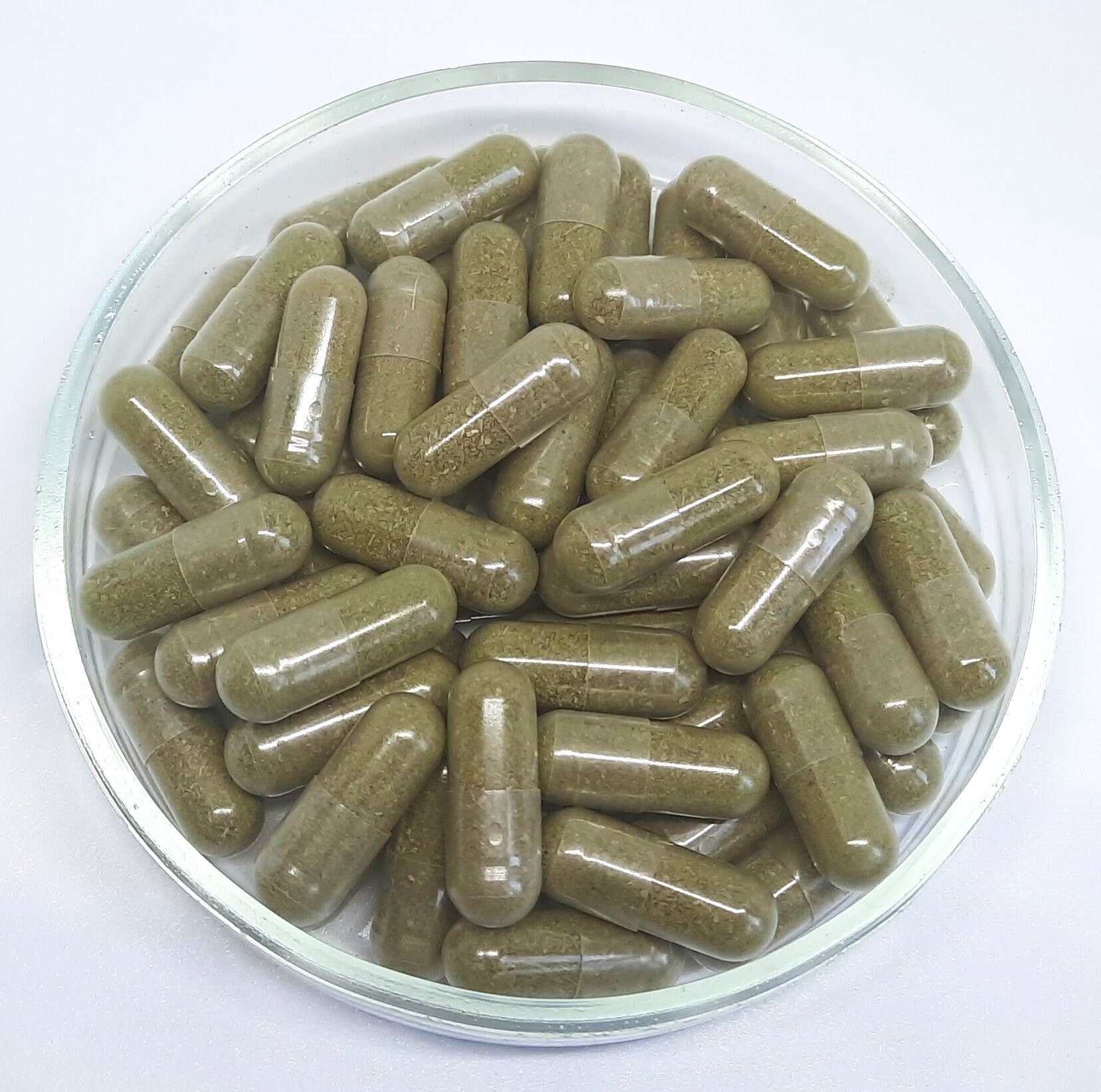
Capsules are often preferred for internal protocols lasting several weeks, such as parasite cleanses or systemic anti-inflammatory regimens. However, it is important to choose supplements that are sourced from high-quality, pesticide-free walnut trees to avoid the ingestion of harmful chemicals that the tree might have absorbed from the soil.
Preparation and Practical Usage
To benefit from walnut leaf at home, there are several preparation methods depending on the intended use:
1. Walnut Leaf Tea (Infusion)
To prepare a therapeutic tea, use 1 to 2 teaspoons of dried walnut leaves per cup of boiling water. Let the mixture steep for 10 to 15 minutes. This infusion can be drunk up to three times a day for digestive issues or used as a gargle for sore throats and inflamed gums. The tannins create a protective layer over the oral mucosa, providing rapid relief from discomfort.
2. External Wash and Compress
For skin issues, a stronger decoction is recommended. Boil 2 tablespoons of leaves in 500ml of water for 5 minutes, then let it sit until cool. Soak a clean cloth in the liquid and apply it to the affected area (eczema, acne, or minor wounds) for 15 minutes. This method ensures maximum contact between the tannins and the skin tissue.
3. Therapeutic Baths
For generalized skin irritation or excessive sweating, add a large pot of strained walnut leaf decoction to your bathwater. Soak for 20 minutes to allow the antimicrobial and astringent properties to work across the entire body.
Dosage, Safety, and Contraindications
While walnut leaf is generally considered safe when used appropriately, there are important considerations to keep in mind. Due to the high tannin content, long-term internal use (longer than 2-4 weeks without a break) can potentially irritate the stomach lining or lead to constipation. It is always best to use walnut leaf in cycles—two weeks on, followed by a one-week break.
Contraindications: Individuals with known allergies to tree nuts should exercise caution, although the leaf does not contain the same proteins as the nut. Pregnant and breastfeeding women should consult a healthcare provider before internal use, as there is insufficient clinical data regarding safety in these populations. Additionally, because of its ability to lower blood sugar, those on diabetes medication should monitor their glucose levels closely to avoid hypoglycemia.
Conclusion
The walnut leaf is a testament to the profound healing potential found in the natural world. From its complex chemical structure involving juglone and tannins to its versatile applications in both internal and external medicine, it remains a vital tool for the modern herbalist. By integrating walnut leaf into a holistic wellness routine—whether through soothing skin washes, digestive teas, or standardized supplements—one can tap into a tradition of health that has supported humanity for thousands of years. As modern research continues to validate these ancient uses, the “leaf of the kings” is likely to remain a staple in the future of natural pharmacology.
Disclaimer: For informational purposes only. Not medical advice. Consult a qualified healthcare professional before use.